Matox News

Truth Over Trends, always!

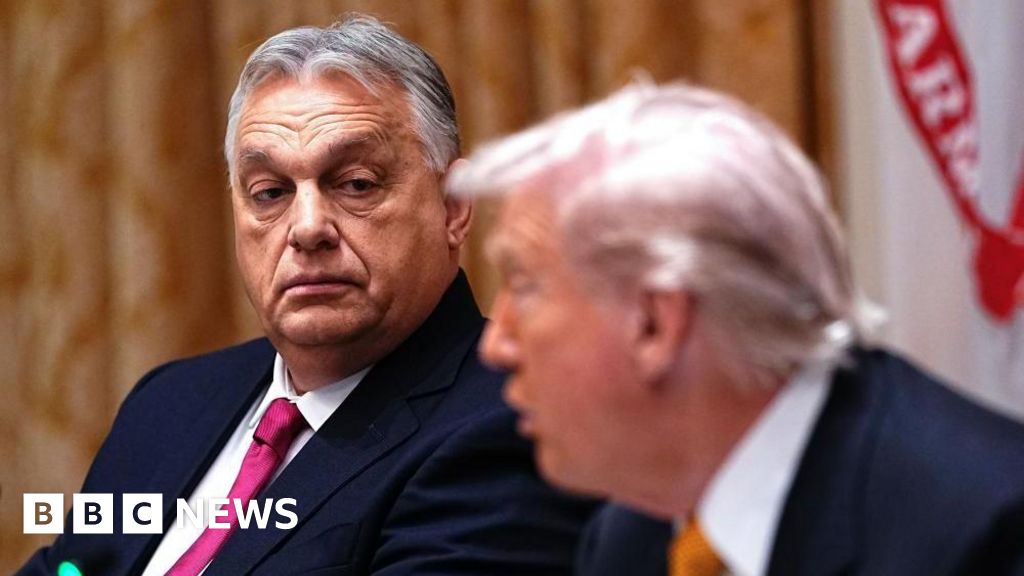
Trump Praises Magyar’s Future Potential, Slightly Cuts Distance from Orbán – Europe Live

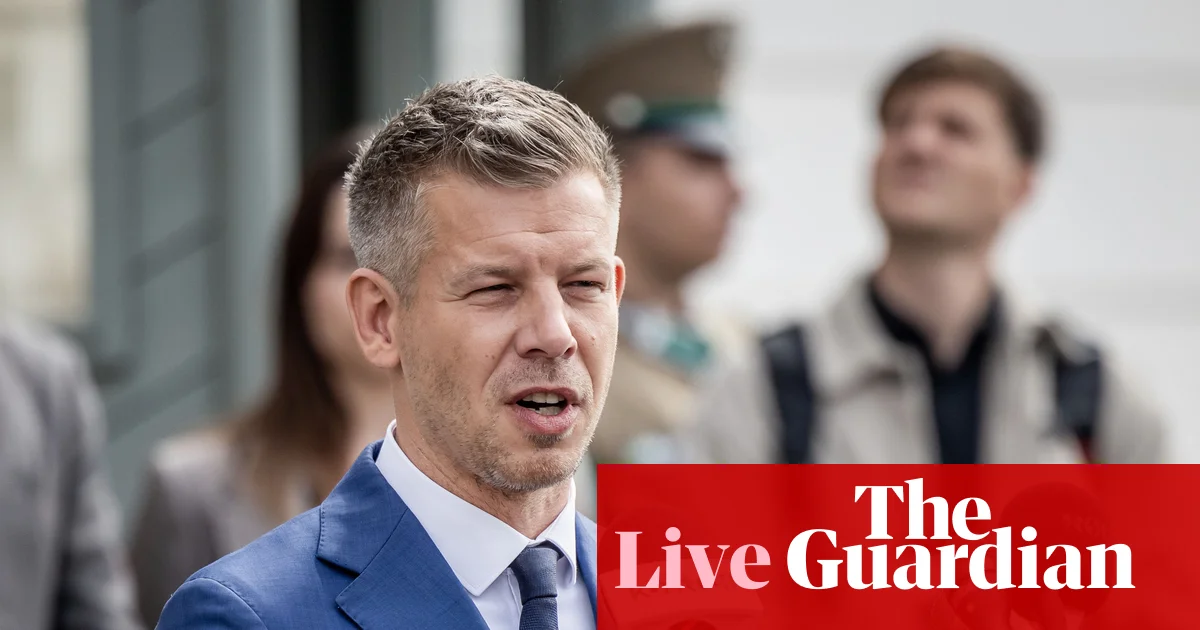
In a remarkable turn of events, Hungary’s new leadership under Péter Magyar has signaled a decisive break from the legacy of Viktor Orbán, causing ripples across European geopolitics. Following Hungary’s recent elections, Magyar, representing the opposition Tisza party, has finalized plans to swiftly establish a new government by mid-May. This transition marks a significant departure from Orbán’s long-standing rule, with Magyar emphasizing the importance of “restoring the rule of law” and rehabilitating Hungary’s fractured relationship with the European Union (EU), which had been riddled with recurrent conflicts over legal standards and funding compliance.

One of the earliest steps announced by Magyar involves a pivotal overhaul of Hungary’s state-controlled media landscape. In a move aimed at dismantling years of government propaganda, Magyar openly declared intentions to suspend the ongoing news broadcasts of state media outlets like Kossuth Rádió and M1 TV, promising a transition toward unbiased and transparent journalism. This ambitious attempt to restore media independence echoes broader efforts often championed by Western democracies to strengthen societal trust and institutional integrity. International observers, including prominent analysts and watchdogs, view this as a deliberate effort to dismantle media propaganda under Orbán’s regime, potentially setting a precedent across the region.

Meanwhile, the European Union’s stance appears cautiously optimistic. The EU’s defense commissioner, Andrius Kubilius, indicated that a “new wind is blowing” in Hungary, expressing readiness to implement a significant €80 billion loan to Ukraine, contingent on Hungary removing its veto—which has delayed a €90 billion aid package for Kyiv. Magyar’s government hints at concessions, stating it would drop the veto as long as Hungary retains its opt-out clause and is not required to contribute to the loan, as previously agreed with Orbán’s administration. This demonstrates Hungary’s strategic leverage and its ongoing negotiation on the terms of EU funding, which remains a focal point of contention.

Domestically, Magyar’s approach signals a period of internal upheaval, with plans to replace the outgoing president, Tamás Sulyok, seen as a symbol of Orbán’s authoritarian tendencies. Magyar declared that Sulyok was “unworthy of representing the unity of the Hungarian nation” and suggested he should step down or could be forcibly removed. This internal power struggle underscores the broader aim of Magyar’s coalition to reshape Hungary’s political and media institutions fundamentally, pushing towards a more democratic and rule-of-law oriented governance model.

As history continues to unfold, the implications are profound. The emergence of a government promising transparency and media reforms, coupled with Hungary’s cautious engagement with the EU, presents a pivotal moment for Central Europe. This is a story not merely of political transition but of a nation potentially rewriting its identity amidst forces seeking to redefine the balance of sovereignty and integration in Europe. Such choices will reverberate beyond Hungary’s borders, challenging longstanding alliances, and testing the global community’s resolve to uphold democratic principles amid shifting geopolitical tides. The world watches with bated breath as Hungary’s future, teetering on the brink of reform or retreat, writes the next chapter in the history of freedom and sovereignty.
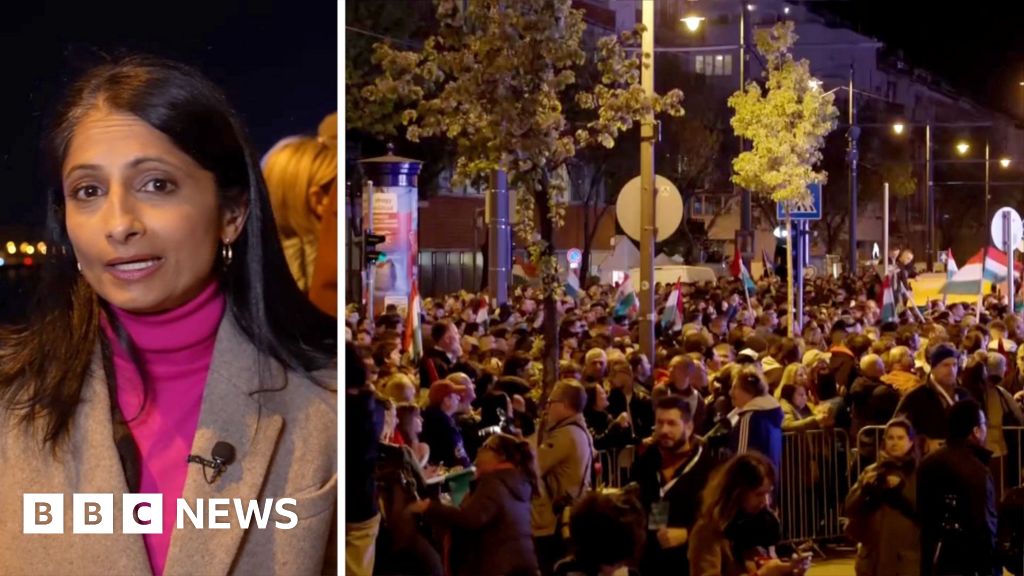
Hungarian Election: Orbán Concedes – BBC Reports from Budapest

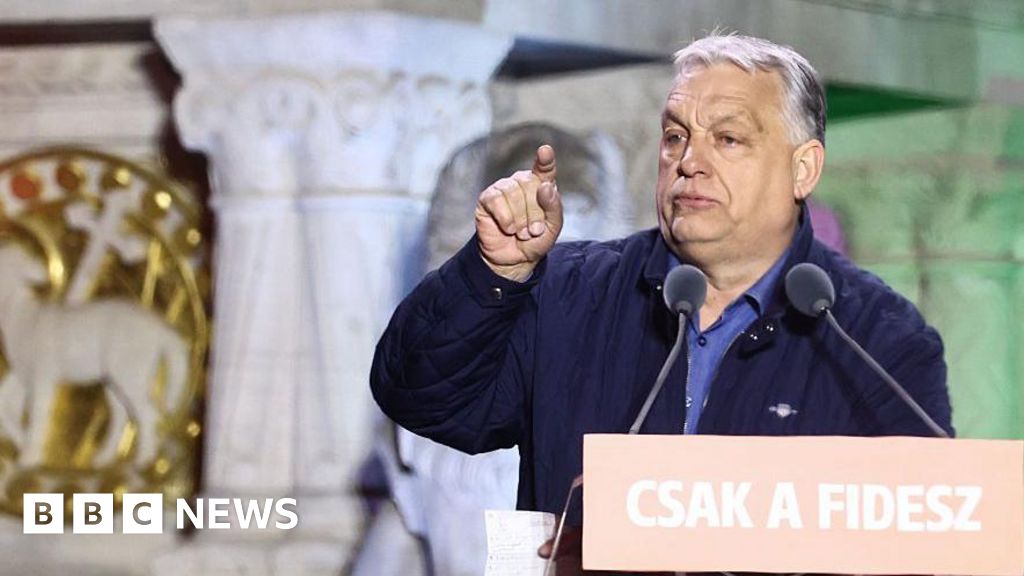
The recent electoral upheaval in Hungary has sent shockwaves through the European continent. After 16 years of leadership, Prime Minister Viktor Orbán has officially conceded defeat, marking a decisive shift in Hungary’s political landscape. The opposition, led by Péter Magyar, secured a historic victory, propelled by a record-breaking turnout that underscores a burgeoning desire for change among Hungarian citizens. This electoral result is not merely a domestic affair but a pivotal moment whose repercussions extend into the heart of Europe.

Many analysts view the election as a referendum on Hungary’s future trajectory—particularly its approach to sovereignty, national identity, and alignment within the broader European framework. Magyar’s government is poised to dominate the parliament with a commanding majority, signaling a decisive divergence from Orbán’s recent policies. Such a mandate could herald a new era defined by a push for increased national control over immigration, economic independence, and a recalibration of Hungary’s stance toward Brussels. This shift, while celebrated domestically, raises questions about how Hungary will navigate its relationship with the European Union and its commitments to the broader West.

International institutions like the European Commission and geopolitical analysts are closely monitoring the fallout. According to experts from the International Crisis Group, Hungary’s new leadership could accelerate a broader realignment within Central Europe—potentially emboldening similar nationalist movements across the region. The election’s outcome is starkly viewed as a challenge to the prevailing EU policies that emphasize integration and liberal values. Historical voices, including seasoned observers, warn that Hungary’s trajectory under Magyar could either reinforce national sovereignty or deepen divisions within Europe’s unity, depending on future policies. As one prominent historian notes, “We are witnessing a pivotal moment when national elections begin to reshape continental alliances.”

With this turn of events, Hungary’s future remains uncertain yet undeniably impactful on the geopolitical chessboard. The balance of influence among NATO, the EU, and Russia hangs delicately, with Budapest poised at a crossroads. The decision by Orbán’s government to concede comes at a time when the continent is grappling with ideological divides and power struggles, setting the stage for new alliances or renewed conflicts. The weight of history presses upon Hungary’s leaders, as they must now define whether their sovereignty leads them toward independence or perilous isolation. As the world watches, the pages of history continue to turn—each chapter shaping the narrative of Europe’s future, where the stakes could not be higher, and the outcome remains uncertain.

Hungarian Youth Opt to End 16 Years of Orbán with New Leadership

As the upcoming elections in Hungary draw nearer, the country finds itself at a pivotal crossroads. Polls currently favor Péter Magyar, a candidate representing a burgeoning grassroots movement that seeks to challenge the long-standing dominance of Prime Minister Viktor Orbán. Magyar’s campaign resonates with a youthful electorate yearning for change, emphasizing transparency, social justice, and economic reform targeted at revitalizing Hungary’s societal fabric. However, despite these promising signs for Magyar, Orbán remains defiant, rallying his traditional support base with a resilient nationalist narrative that emphasizes Hungary’s sovereignty and cultural identity.

This electoral showdown is not just a domestic affair; it carries significant geopolitical ramifications. Orbán’s government has, in recent years, cultivated a complex relationship with Brussels. His administration’s occasional pushback against EU legislation, particularly concerning migration and judicial independence, has raised alarms among international institutions and Western allies. Conversely, Magyar’s rise is viewed by some analysts as a potential shift towards more integrative policies aligned with European norms, promising to restore Hungary’s standing within NATO and the European Union. These internal dynamics are critical, as the outcome could influence Hungary’s future trajectory along the broader European geopolitical landscape, especially amidst ongoing tensions with Russia and the US.

Historian and international observers warn that the choice in Hungary embodies more than just national politics; it signals a clash of values at the heart of Europe. Experts from the International Crisis Group have emphasized that Hungary’s political orientation could serve as a bellwether for the continent’s ideological direction—either reinforcing a wave of populist nationalism or steering towards renewed engagement with Western institutions. As the world watches, the decisions made in Budapest may reverberate far beyond its borders, impacting alliances, trade, and regional stability. Viktor Orbán’s margins of victory, or Magyar’s potential victory, will undoubtedly serve as a potent indicator of where the European project is headed, and whether the continent is prepared to confront its future with unity or division.

With history hanging in the balance, the unfolding drama in Hungary remains a compelling narrative—one that continues to shape the course of European, and indeed global, geopolitics. The world stands at a critical juncture, where the fight for national identity, sovereignty, and the future of international cooperation is more intense than ever. As the election nears, the weight of history presses down on Budapest’s streets—every vote a stake in the destiny of nations, echoing through time as a testament to the enduring struggle for sovereignty and societal renewal.

What Viktor Orban Did (and Didn't) for Hungary's Future
What Viktor Orban Did (and Didn’t) for Hungary’s Future

Hungary’s Diplomatic Maneuvering Amidst Rising Geopolitical Tensions

In a strategic move that has sent ripples across the international geopolitical landscape, Hungarian Prime Minister Viktor Orban recently journeyed to Washington seeking to secure vital exemptions and bolster national energy security. While publicly heralded as a diplomatic triumph featuring praise from U.S. officials and concessions from the White House, the underlying implications reveal a complex dance of national interests, regional stability, and global power plays. The core achievement—a limited, one-year exemption from U.S. sanctions on Russian energy imports—demonstrates Hungary’s critical need to safeguard its economy and social stability in the face of mounting European sanctions aimed at Russia.

Analysts from institutions like the International Crisis Group and regional geopolitical experts interpret this outcome as a calculated victory for Orban, but not without costs. The US’s exemption aligns with Trump-era strategic priorities—helping allies like Hungary maintain energy supplies amid a tense backdrop of ongoing conflict in Ukraine. Yet, this deal showcases a broader shift: Hungary and neighboring Slovakia have collectively paid Russia over $13 billion for energy since February 2022, underpinning their continued dependence despite EU sanctions efforts. Critics argue that this dependence effectively shifts energy reliance from Moscow to Washington, raising questions about the true beneficiaries of these diplomatic gambits and whether they serve the long-term interests of European sovereignty.

Energy Dependency and the Risks of Geopolitical Maneuvering

Behind the scenes, Hungary has been actively diversifying its oil sources. Upgrades to key refineries, such as MOL’s refineries in Százhalombatta and Bratislava, aim to process Brent crude instead of the high-sulfur Urals grade from Russia. Despite Hungary’s claim of limited alternatives, reports indicate that 80% of its oil can now potentially come via the Adria pipeline from Croatia, albeit with higher logistics costs and technical challenges. This shift underscores an emerging trend: orchestrated energy independence through diversification, but at what cost? Many executives and analysts highlight the risk of increased logistical complexity and the financial burden of sourcing from alternative routes while preserving regional influence.

Moreover, Hungary’s strategic energy moves extend into nuclear energy procurement. The country has agreed to buy US-made nuclear fuel rods for the Paks nuclear station and plans to buy up to 10 small modular nuclear reactors from the US—an ambitious plan valued between $10 billion and $20 billion. This pivot towards nuclear energy reflects a broader geopolitical narrative: nations seek technological partnerships to break free from reliance on Russian energy, yet these dependencies often simply shift across borders, exacerbating the delicate balance of power in Europe.

Implications for Regional and Global Stability

The broader geopolitical impact of these moves extends beyond bilateral deals. The U.S.-Hungary relationship, characterized by a complex mix of cooperation and strategic competition, exemplifies the evolving narrative of Western alliances. The proposed currency swap agreement to bolster Hungary’s financial resilience hints at a paradigm where U.S. economic tools become crucial in regional crises, heightening concerns about the erosion of national sovereignty as financial dependencies deepen. Global institutions like the European Union have expressed frustration over Hungary’s reluctance to commit fully to energy sanctions, exposing fissures within Western unity at a pivotal moment in history.

While Budapest gains short-term stability, critics fear that the long-term consequences may fuel further instability in the Ukrainian conflict, and elevate the risks of proxy conflicts and regional destabilization. As historians and policy analysts ponder these developments, the question remains: Will these tactical victories translate into lasting sovereignty, or will they deepen the geopolitical entanglements that threaten global peace? The answers remain uncertain—what is clear is that history continues to unfold with collision courses set, destinies intertwined, and the complex machinery of international ambition grinding ceaselessly toward unpredictable futures.

Social Media Auto Publish Powered By : XYZScripts.com