Matox News

Truth Over Trends, always!

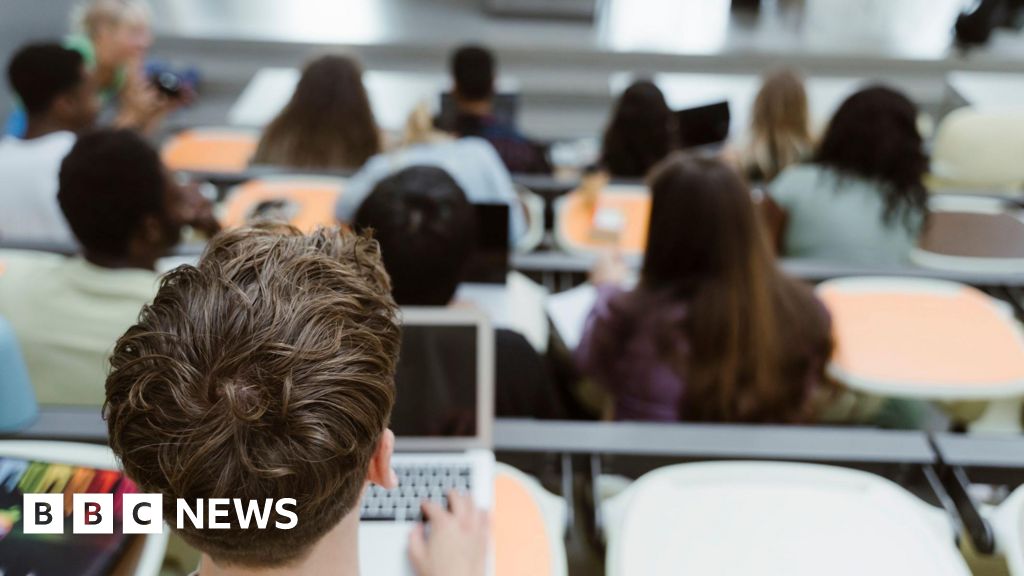
22,000 students ordered to repay mistaken maintenance loans—time for accountability in our education system.

In the evolving landscape of higher education, the distribution of maintenance loans remains a critical facet of supporting students from diverse socio-economic backgrounds. These loans are intended to bridge the gap between academic pursuits and the everyday necessities of life, such as accommodation, food, and transportation. Unlike tuition loans, which are directly paid to universities, maintenance loans are disbursed in installments directly to students, emphasizing personal agency but also placing a significant dependence on their ability to manage funds wisely. This system, rooted in means-tested criteria based on household income, underscores broader societal challenges: inequality, social mobility, and the ongoing debate over whether current policies adequately support the most vulnerable.

Historians and social commentators have long debated the role of state-funded support, with sociologists highlighting how {social safety nets} influence the fabric of community life and family stability. In particular, families in lower-income brackets often bear the brunt of inadequate support, struggling to sustain stable living conditions while their children pursue higher education. This, in turn, impacts not only the student but also the entire community fabric, as economic stress infiltrates social cohesion.

  • Research suggests that without sufficient financial assistance, students may be forced to enter part-time work, which can detract from academic focus and extracurricular engagement
  • Families often face difficult choices, sacrificing other essential needs, in order to cover living expenses for their student children
  • Communities with high reliance on such loans tend to experience less social mobility, reinforcing cycles of poverty

Such issues highlight the importance of reevaluating how the social safety net supports not just individual achievement but community resilience as a whole.

Moreover, the reliance on maintenance loans raises questions about the sustainability and fairness of our educational support systems. Critics argue that the current framework, though designed to democratize access, inadvertently emphasizes economic precarity for students and their families, further exacerbating social tensions across generations. Some social analysts, like Dr. Elizabeth Warren, have emphasized that systemic inequality fosters a cycle where the disadvantaged remain marginalized, limiting social mobility and perpetuating economic disparities.

  • Proposed solutions include increasing grant-based support, reducing reliance on loans, and instituting more progressive household income assessments
  • Enhanced financial literacy initiatives could bolster students’ ability to manage funds responsibly, fostering independence and resilience
  • Community-based programs aimed at providing affordable accommodation and food services can complement the existing loan structure, alleviating economic pressures

These pathways present opportunities to forge a society where economic hardship does not hinder the pursuit of knowledge.

As society stands at a crossroads, the challenge lies in transforming the social architecture that supports our future generations. The enduring image is not just of students drawing loans but of communities intertwined with the hope of a generation that can, through concerted effort and moral resolve, break free from cycles of hardship. Society’s true progress hinges on harnessing a collective moral imperative: to ensure educational policy empowers, rather than impoverishes, fostering not only knowledge but the dignity of families and communities. As history has shown, a society’s strength is measured not solely by economic metrics but by its capacity for compassion and inclusivity. In the quiet hope of a new dawn, society must ask—how do we build a future where every young mind, regardless of origin, can flourish within the embrace of a resilient, just community?
Students ordered to ditch blazers to boost safety and curb violence

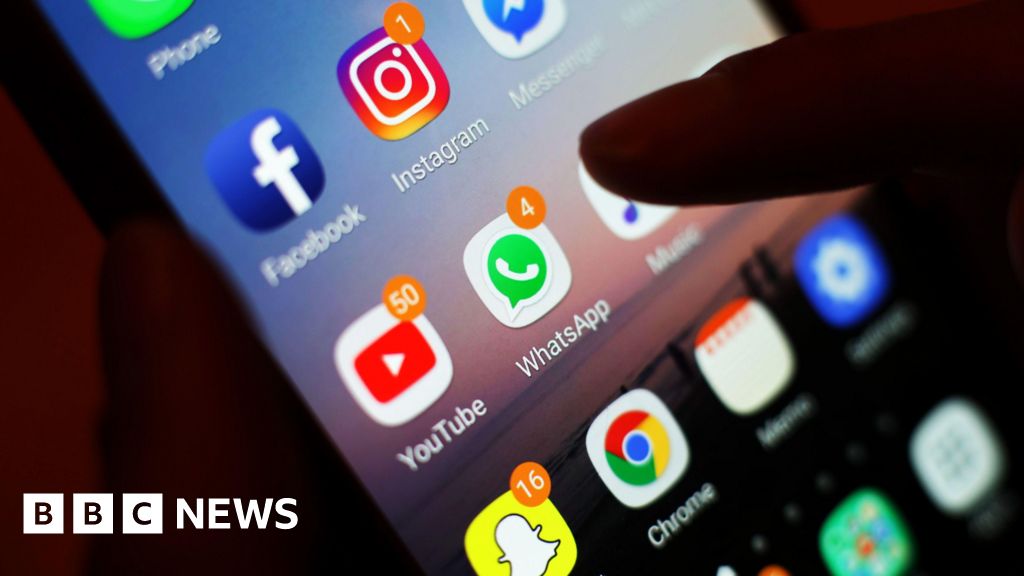
In an era where digital platforms have become the battlegrounds of youth identity and social influence, troubling trends have emerged that threaten the fabric of families and communities across the country. Posts encouraging conflicts between students of different schools—often derogatory, provocative, and designed to incite violence—are proliferating on social media. This phenomenon not only undermines the spirit of mutual respect and cohesion among youth but also creates ripple effects that destabilize local neighborhoods, educational institutions, and the broader societal cohesion that binds us together.

Experts warn that such social media campaigns foster a dangerous climate of divisiveness and hostility. Historians and sociologists highlight that when kids are encouraged to see peers from other schools as enemies, the boundaries of community dissolve. Families and educators, who are the first line of defense against social fragmentation, find themselves increasingly powerless to combat the online influences that normalise aggression and intolerance. According to Dr. Karen Matthews, a sociologist specializing in youth culture, “these provocative online activities chip away at the shared values of respect and unity that are fundamental to a healthy society.”

Social tensions are compounded by a shifting demographic landscape, underlining the need for a societal approach rooted in higher moral standards and community engagement. It is vital for schools, local authorities, and families to recognize the implications of such divisive actions—particularly how they threaten the safety and emotional well-being of young people. The challenge lies in fostering environments that not only prevent violence but actively promote understanding and reconciliation among diverse student populations.

  • Implementing comprehensive anti-bullying and anti-violence campaigns in schools.
  • Engaging community leaders and parents in dialogues that promote societal cohesion.
  • Utilizing social media literacy programs to equip youth with skills to critically evaluate online content.

In confronting these social issues, it is essential to reflect on how the erosion of community bonds impacts educational outcomes and the moral development of youth. The social fabric that sustains families and neighborhoods hinges on shared principles and collective responsibility. As sociologist Amy Chua warns, “the fragmentation of social trust can lead societies down a path of increasing polarization and alienation, where youth might see conflict as inevitable rather than resolvable.” Yet, amidst these challenges, hope remains. By cultivating resilient communities grounded in respect, understanding, and moral clarity, society can forge a future where young individuals no longer see violence as a means of expressing their identity but as a betrayal of our shared human dignity. In this moment of societal reflection, perhaps the greatest challenge—and opportunity—lies in anchoring our youth in values that transcend division, forging a society that refuses to be defined by conflict but instead finds strength in unity and hope for transformative change.

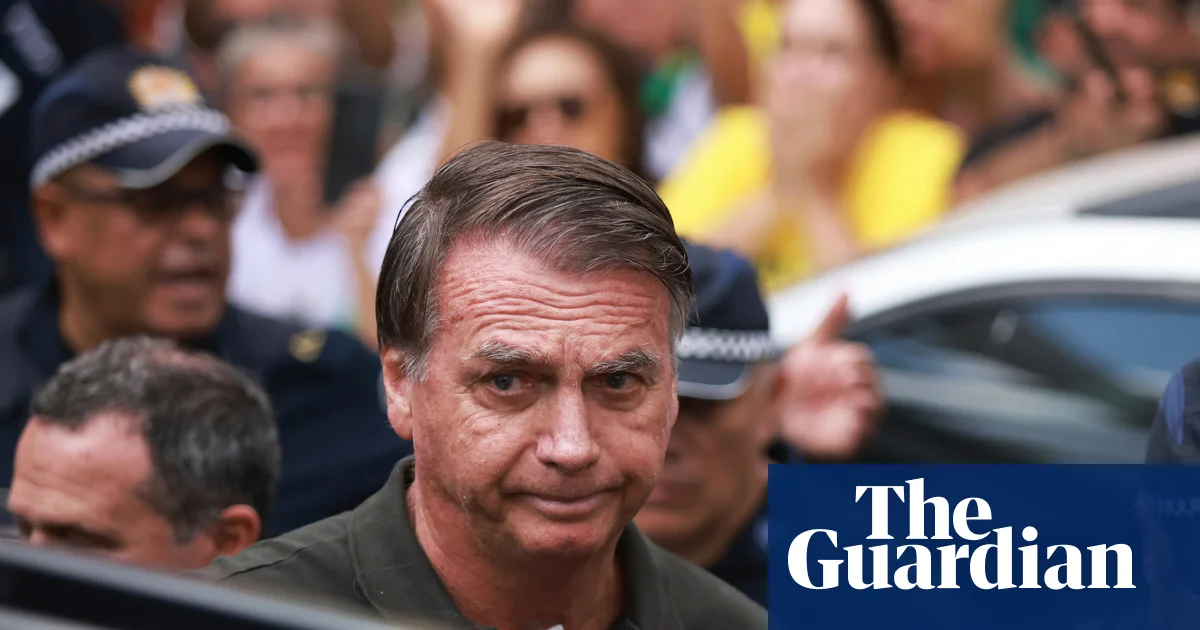
Bolsonaro Ordered to Begin 27-Year Prison Term Over Brazil Coup Plot

Brazil’s Recent Verdict and Its Geopolitical Ripples

The recent sentencing of Jair Bolsonaro, Brazil’s former president, marks a significant milestone in the country’s troubled journey towards stabilizing its fragile democracy. After being convicted of conspiring to overthrow the elected government through a planned coup, Bolsonaro has been ordered to serve a 27-year prison sentence within the confines of a police base in Brasília. This development does not merely represent a judicial victory for Brazil’s judiciary, but it fundamentally alters the nation’s political landscape and signals the potential end of a populist chapter that many see as perilous for Latin America’s largest democracy.

As Brazil confronts its internal divisions, the decision by the Supreme Court, led by justice Alexandre de Moraes, to enforce Bolsonaro’s sentence follows a tumultuous period marked by conspiracy, failed assassination plots targeting Luiz Inácio Lula da Silva, and widespread political unrest. The plot—designed to eliminate Lula and his vice, Geraldo Alckmin—was thwarted with military leaders refusing to participate, reflecting the complex dynamics between civilian rule and military influence in Brazil. The court’s ruling underscores a clear message: political violence and sedition will be met with firm judicial resistance, a stance that resonates across the region, where instability remains a potent threat to democratic institutions.

How International and Domestic Forces Shape Brazil’s Future

This sentencing sends a powerful signal to both domestic and international audiences. Analysts from global organizations, such as the Inter-American Democratic Charter, warn that this development might inspire efforts to reinforce democratic norms amid populist crises across Latin America. However, Bolsonaro’s supporters continue to see him as a victim of what they label a “systematic witch-hunt,” and vow to persist despite his incarceration. Acts of defiance—small protests and social media campaigns—highlight the ongoing ideological battle that continues to shape Brazil’s political future. The decline in Bolsonaro’s popularity, as confirmed by recent polls indicating support waning to just 13%, indicates that the country might be moving away from the brink of further chaos. Yet, the deeply embedded divisions persist, with some factions still unyielding in their allegiance to his nationalist and anti-establishment rhetoric.

The international community watches with cautious interest as Brazil turns another page. In the broader context, the geopolitical impact of this event extends beyond Brazil’s borders. The election of Bolsonaro and his alignment with right-wing, populist movements had previously stirred concerns among regional allies and global powers wary of the erosion of democratic institutions. As Brazil distances itself from its populist past, the shift might signal a move toward greater stability, but also raises questions about the role of populist leaders in Latin America’s future trajectory. Historically, such moments serve as turning points—either toward renewed democratic consolidation or further exacerbation of partisan divides.

History in the Making

Despite efforts by Bolsonaro’s loyalists to rally opposition, the current landscape suggests a waning influence of his movement. The arrest and sentencing of key conspirators, coupled with the diminished enthusiasm among his base, paint a picture of a political era approaching closure. Nonetheless, the shadows of his legacy remain, alive in the memory of those who see him as a hero fighting against an unjust system. As history continues to unfold, the weight of this moment will be felt for generations as a defining chapter—an insurrection narrowly averted, and a fragile democracy still battling to find footing amidst the turbulence of populist extremism.

Social Media Auto Publish Powered By : XYZScripts.com



