
Israel has made a stark shift in its legal and moral stance with the recent passage of a controversial law that imposes the death penalty on Palestinians convicted of deadly attacks. The legislation, which narrowly passed through the Knesset, stipulates that those found guilty of acts deemed terrorism in the occupied West Bank can now face execution, marking a significant escalation in Israel’s approach to handling terrorism-related crimes. Historically, Israel has rarely employed capital punishment, with the last execution occurring in 1962 for Nazi war criminal Adolf Eichmann. This new law, initiated by the far-right Otzma Yehudit party led by Itamar Ben-Gvir, signals a possible departure from traditional humanitarian and legal standards, raising profound questions about international law and human rights.
Leading international organizations, including the United Nations and the European Union, have condemned the legislation as a dangerous setback for human rights. UN experts warned the bill could violate the right to life and violate the principles of proportionality and judicial discretion. They argue that the law transforms the judicial process into an instrument of vengeance, removing judicial safeguards and allowing military courts in the West Bank to impose death sentences with minimal checks. Moreover, these international voices warn that the method of execution—hung in secret with no visits—constitutes cruel, inhuman, or degrading punishment under international standards. The EU diplomatic service articulated concerns that the law could breach the **absolute prohibition on torture** and ultimately undermine the rule of law in a region already fraught with conflict.
Geopolitical Impact and Societal Consequences
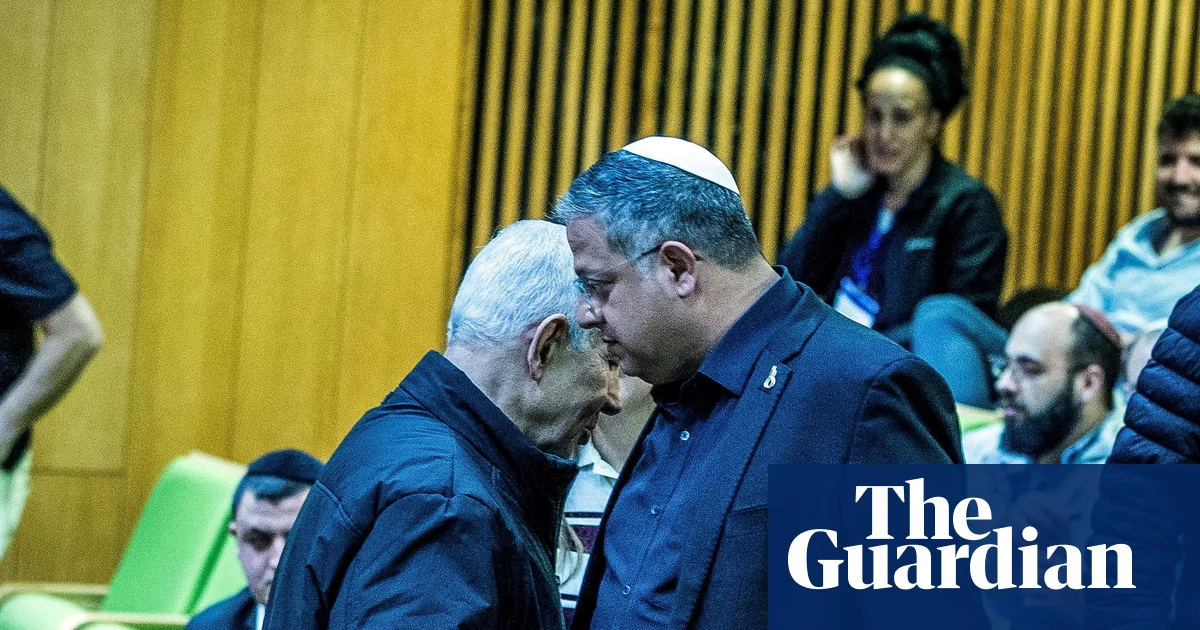
At the heart of this legislation is not just a matter of criminal justice but a strategic move that could reshape the regional dynamics. Israel’s security minister, Itamar Ben-Gvir, has been a vocal advocate, branding this law as a demonstration of strength and resolve of the Israeli state—an attitude he emphasized with his symbolic lapel pin shaped like a noose. Such rhetoric fuels fears of a hardening agenda in the Israeli government and signifies a willingness to escalate tensions at a time when regional stability remains fragile. In practical terms, the bill drastically narrows the avenues for appeal or clemency for Palestinians under occupation, emphasizing reprisal over justice, a move that Palestinian leaders describe as a betrayal of international norms and human dignity.
The Palestinian Authority dismissed the legislation as an attempt to intimidate and humiliate the Palestinian people, further deepening the divide that already threatens the possibility of peace. President Mahmoud Abbas warned such laws would not weaken Palestinian resolve but would instead bolster their fight for independence and international recognition. Its enactment could also have ripple effects across the region, emboldening similar narratives in other conflict zones and inviting a re-examination of Israel’s commitments to democratic principles.
Global Reactions and the Future
Beyond regional politics, this move invites fresh scrutiny from global institutions and Western powers. Britain, France, Germany, and Italy issued a joint statement expressing “deep concern,” emphasizing that the law risks “undermining Israel’s commitments with regard to democratic principles.” Such diplomatic reactions serve as a reminder of the delicate balance between security concerns and adherence to universal human rights standards. Meanwhile, Amnesty International and other advocacy groups have issued harsh warnings, categorizing the law as discriminatory and potentially constituting torture under international law.
As the Israeli Supreme Court considers potential reviews of the legislation, the world watches closely. This chapter in Israeli law marks a profound turning point—a test of how far a nation can go in balancing security and morality, sovereignty and international responsibility. The decision could redefine Israel’s global standing and reflect whether it remains committed to the democratic values it often champions or succumbs to the shadows of its legacy. As history continues to unfold, one thing remains clear: the path taken today will echo through the corridors of time, shaping the narratives of justice, power, and resilience in a region that refuses to stand silent amid the weight of its own history.