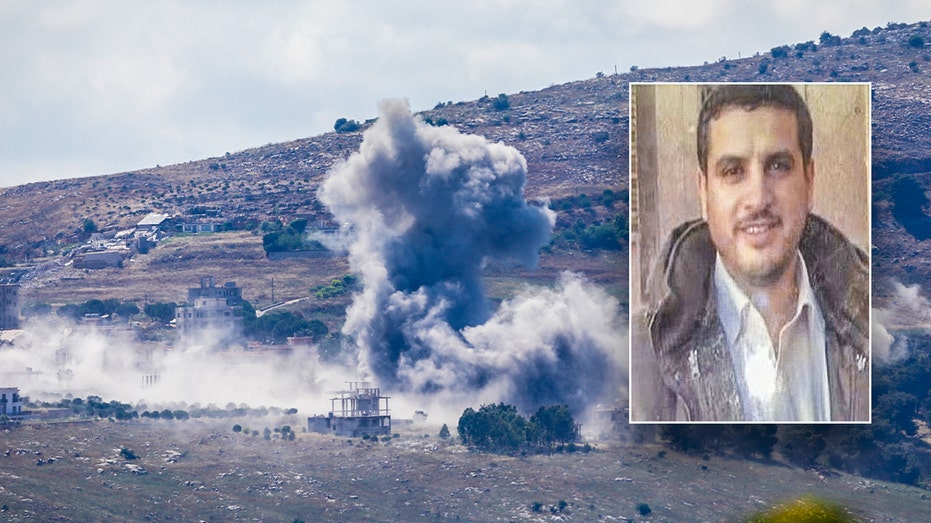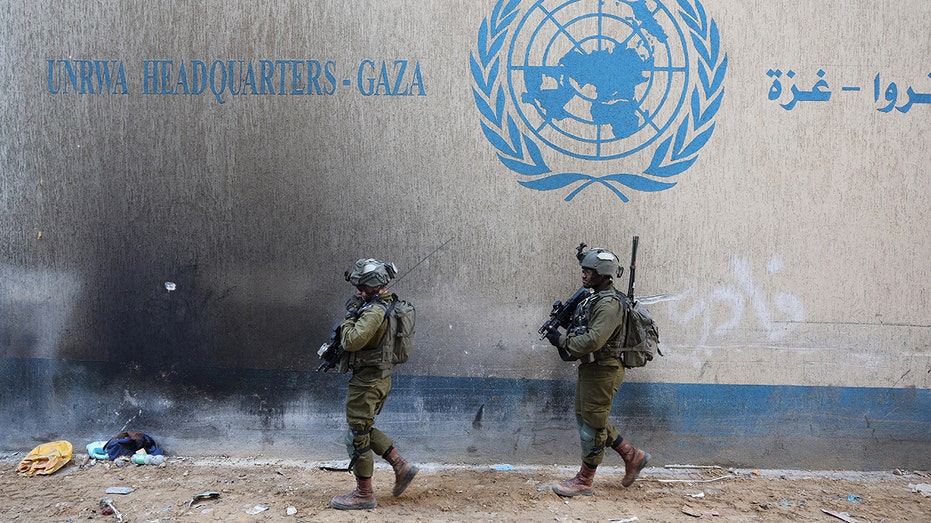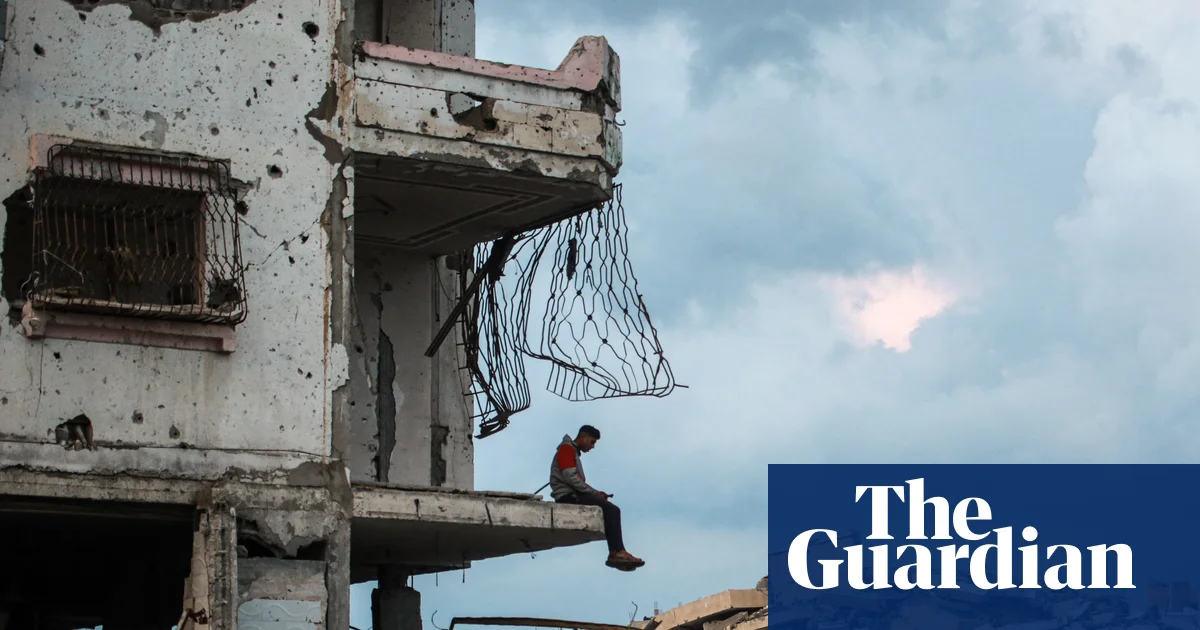
In the heart of the Middle East, Gaza remains a symbol of resilience amid ongoing warfare and mounting humanitarian crises. Seventeen months after the onset of intense conflict, the population’s life has been fundamentally altered—stripped of stability, safety, and dignity. As Israeli airstrikes continue to claim civilian lives and infrastructure remains in ruins, the world witnesses a humanitarian disaster unfolding in real-time. Israeli military actions, purportedly aimed at strategic objectives, have inadvertently created a living hell for the civilian Palestinian population. From displaced families seeking refuge in waterlogged camps to children growing up deaf to anything but the sounds of drones and explosions, the societal fabric of Gaza is fraying at every edge.
International analysts underscore that the geopolitical impact of the escalating violence extends beyond Gaza’s borders. While global attention often fixates on potential threats from Iran and the broader Middle East, the immediate suffering of Gazans represents a profound crisis of humanitarian rights and regional stability. As experts warn, ongoing hostilities perpetuate a cycle that feeds itself: destruction breeds despair, and despair fuels further violence. The blockade, compounded by restrictions on movement through the crucial Rafah crossing, severely limits the delivery of essential supplies such as food, medicine, and clean water. UN agencies acknowledge that the world’s aid is reaching Gaza, but at a scale insufficient to meet the daily demands of a population that has been pushed to the brink.
The collapse of normal life is vividly illustrated by stories of loss, suffering, and unwavering hope. Families displaced by bombings scramble for water amid broken municipal supply lines, while hospitals lack critical diagnostic tools to treat cancer and other life-threatening illnesses. Historians and international observers note that this deterioration mirrors other protracted conflicts, where war is less about territory and more about erasing the socio-economic fabric of society. Gaza’s residents, especially the youth, who once envisioned futures in education or entrepreneurship, now grapple with a grim reality that prioritizes mere survival. With prices soaring—particularly amidst the US and Israeli actions against Iran—ordinary Palestinians face a bleak fight against famine and disease, with fewer resources than ever before.
Despite the grim circumstances, some measures offer limited hope. The Rafah crossing’s re-opening for medical evacuations enables patients to seek treatment outside Gaza, where medical facilities are decimated or inaccessible. Yet, the overall picture remains dire: more than 20,000 Palestinians await treatment abroad, and fresh casualties continue to mount. Aid organizations highlight that the ongoing blockade and damage to infrastructure prevent effective aid delivery, resulting in untreated sewage, rising disease outbreaks, and a surge in poverty. International agencies warn that failure to address these humanitarian needs risks creating a generation of Palestinians scarred by violence and neglect.
As history unfolds in Gaza, the weight of these decisions—whether to escalate or seek peace—has profound implications. The geopolitical landscape is shifting, with global powers grappling over their strategies—be it through military action, diplomatic pressure, or aid—each affecting populations on the ground. The children of Gaza grow up amid the rubble of their homes, their futures shaped by a conflict that seems to echo endlessly through the corridors of history. The world watches, yet the question remains: can diplomacy and compassion forge a path away from this precipice, or will history record this epoch as one where indifference cemented suffering for generations to come?