Matox News

Truth Over Trends, always!

Iran ceasefire deal: Partial victory for Trump, but with heavy costs

In a development that could redefine regional dynamics and reshape international perceptions, the recent two-week ceasefire between the United States and Iran signals a significant departure from decades of adversarial posturing. This unprecedented diplomatic move, though temporary, reflects shifts in geopolitical calculations driven by both strategic necessity and growing international pressure. As analysts revisit the histories of regional conflicts and the long-standing tensions surrounding Iran’s nuclear ambitions, the potential for a new chapter in Middle Eastern diplomacy emerges, with implications extending well beyond the Persian Gulf.

Many experts argue that the US’s willingness to engage in dialogue — even if just for a brief period — highlights a recognition that traditional military dominance alone cannot resolve complex geopolitical issues. According to seasoned international relations scholars, this pause could serve as a critical stepping stone toward more comprehensive dialogue. The United Nations and regional powers have long called for diplomatic solutions, but the recent move by Washington indicates a possible shift in tone and strategy. By engaging directly with Iran, the US risks altering longstanding alliances, and potentially undermining broader efforts to contain Tehran’s regional influence, but it also opens avenues that could lead to a more balanced order in the Middle East.

Historically, U.S.-Iran relations have been marked by decades of suspicion, sanctions, and intermittent confrontations—each conflict deeply intertwined with the broader strategic contest between the Western bloc and Iran’s desire for regional influence. The breakthrough in initiating a ceasefire could potentially recalibrate reputations and alliances. International analysts, such as those at the International Crisis Group, warn, however, that this is no guarantee of peace; yet, the move emphasizes the importance of diplomacy and negotiation amid persistent fears of escalation. The impact on regional actors—such as Saudi Arabia and Israel—remains uncertain, as they navigate their own fears of being marginalized or caught in the ripples of a shifting strategic landscape.

The geopolitical impact of this unprecedented diplomatic engagement extends far beyond the Middle East. It demonstrates a signal to global powers that traditional military dominance is no longer the sole means to influence outcomes. As such, allies and adversaries alike are compelled to reconsider their own strategies and policy frameworks. Russia and China observe keenly, recognizing that shifts in U.S. tactics could ripple into broader alliances and partnerships, affecting global stability. The World Trade Organization and other multilateral institutions are also likely to watch whether this temporary peace holds—and whether it inspires a more comprehensive approach to international conflict resolution.

In the final analysis, the recent move toward a ceasefire with Iran marks a turning point in history—an event fraught with uncertainty yet brimming with possibility. As diplomatic corridors open and new dialogues commence, the world is left to wonder: is this the dawn of a genuine shift toward peace, or merely a fleeting pause before the next storm? The shadows of history loom large, reminding us that the decisions made today will echo through generations. The unfolding story of this diplomatic gambit has yet to be written, but its pages are already heavy with the weight of countless hopes, fears, and ambitions that could ultimately define the course of global history.
DHS Funding Freeze Becomes Longest Partial Shutdown in U.S. History Under Trump

The ongoing partial shutdown of the United States Department of Homeland Security (DHS), now reaching the longest in American history, underscores a deepening crisis rooted in political stalemate. For over six weeks, the DHS, responsible for crucial national security and immigration enforcement, has operated with less than 10% of its workforce active, leaving nearly 200,000 employees, including airport security personnel, in limbo. This paralysis is not just a domestic mess but a signal that the fragile fabric of American governance is fraying. Such internal instability is bound to ripple outward, affecting international perceptions of the world’s most powerful democracy and its capacity to project stability in a turbulent global landscape.

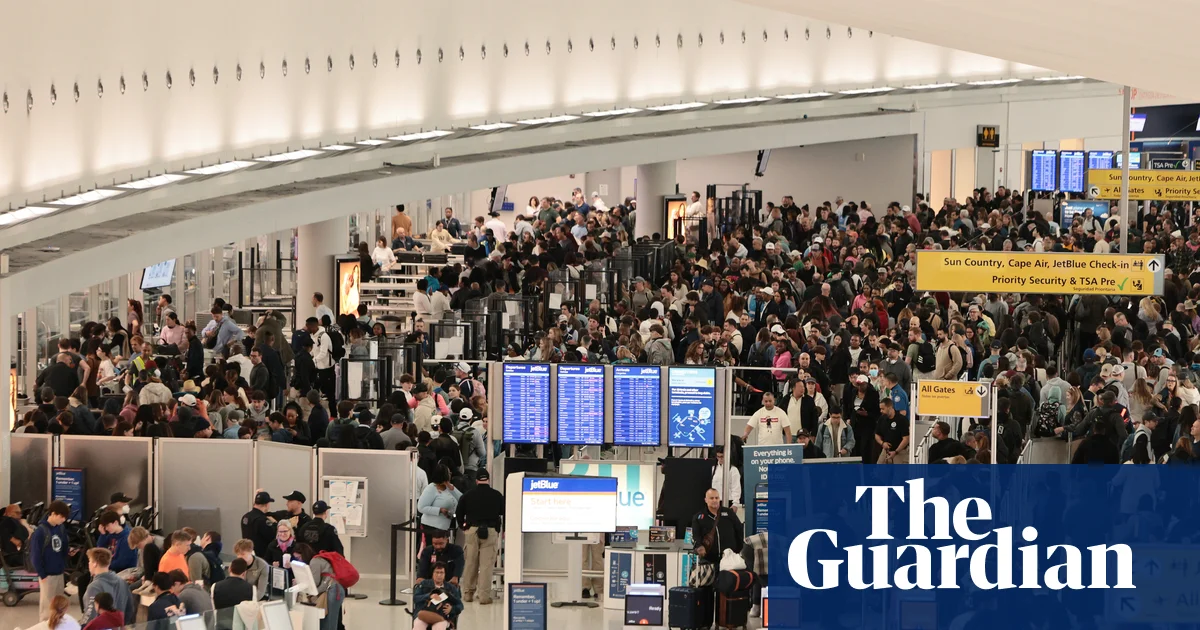
The root of this crisis lies in Congress’s failure to bridge partisan divides concerning immigration and border enforcement policies. Despite numerous attempts by President Donald Trump to allocate emergency funds, negotiations have repeatedly collapsed, leaving agencies like FEMA and the US Coast Guard without resources. As the shutdown prolongs, the chaos at America’s airports epitomizes its consequences: overcrowded security lines, missed flights, and over 480 TSA workers having left service since the shutdown began. Notably, authoritative voices such as the American Federation of Government Employees president Everett Kelley have denounced this government failure as a betrayal of the American people. Kelley’s call for lawmakers to “return to Washington, honor their oath and do their job” underscores the urgent need for leadership that prioritizes national stability over partisan gamesmanship.

From a geopolitical perspective, the shutdown weakens America’s global credibility. As international institutions and allied nations watch the wreckage caused by internal political discord, they are forced to question whether the U.S. can sustain its commitments or lead global efforts. Meanwhile, organizations like Airlines for America and the Modern Skies Coalition warn of a broader economic fallout. These groups point out that the shutdown hampers vital transportation infrastructure, jeopardizes international trade, and signals a retreat from the American keystone role in global stability. As global analysts cautioned, such internal dysfunction leaves the door open for adversaries to exploit America’s vulnerabilities, further destabilizing an already volatile international order.

In the wider context, these government challenges are symptomatic of a deeper political polarization. Experts such as law professor Eric Chaffee warn that short-term legislative fixes are merely delaying the inevitable, emphasizing that the true solution demands a political environment where the public’s will and national interests are prioritized. The current deadlock, with bills rejected and leaders retreating into partisan bunkers, risks being a prelude to further crises—not just within the U.S., but across the world stage. As history continues to unfold and the weight of this crisis bears down, the question remains: will American democracy rally or falter under the weight of its own divisions?

As the shutdown drags on, the world watches a nation claiming to be a global leader caught in a spiral of self-inflicted chaos. The narrative remains unwritten, but the shadows of past conflicts suggest that history’s gaze will be unforgiving to those who let internal discord threaten to dismantle their nation’s sovereignty. The next chapter in this saga holds the power to redefine America’s reputation—either as a resilient beacon of democracy or as a fractured power adrift in a world with no room for weakness. With each passing day, the weight of history presses down, waiting for leaders to act before the nation’s legacy is forever altered.

House Republicans block Senate deal, pushing partial government shutdown further

The recent failure of United States Congress to address the funding crisis has plunged the nation’s airport security system into unprecedented turmoil. With security agents going unpaid for over a month, chaos has erupted across major transportation hubs, exposing not only the immediate consequences for travelers but also underscoring deeper geopolitical concerns. This critical failure reflects mounting discord within the U.S. political establishment, potentially weakening one of the country’s most vital infrastructure components and revealing cracks in the bipartisan consensus necessary for governance in turbulent times.

The disruption stems from an ongoing budget impasse in Congress, where partisan disagreements have prevented the passage of crucial funding bills. The failure to allocate resources for airport security agents—an essential frontline element—has led to widespread understaffing, delays, and a breakdown of passenger screening procedures. Transportation Security Administration (TSA) officials warn that the integrity of airport security is compromised, jeopardizing not just domestic stability but also the broader diplomatic image of the United States. As analysts note, this crisis is a tangible manifestation of deeper political polarization that threatens to undermine public confidence in government institutions, especially amid rising concerns over security and migration.

International organizations and geopolitical analysts recognize the significance of this domestic instability on a global scale. The International Institute for Strategic Studies (IISS) emphasizes that a weakened U.S. security apparatus can have far-reaching consequences, including empowering hostile actors and encouraging regional destabilization. The disruption of travel and commerce can also ripple into economic vulnerabilities, affecting allies and trading partners who depend on stable transit routes. Some foreign governments have issued cautionary advisories, wary of the broader implications in a world where unpredictable internal conflicts can quickly escalate into diplomatic crises.

Historians and security experts warn that, far from a routine political debate, this standstill symbolizes a larger trend: the gradual erosion of American political consensus that has sustained the nation’s global dominance since the end of World War II. As key international treaties and alliances hang in the balance, the failure to fund essential operations signals a dangerous recalibration of priorities—where partisan bickering takes precedence over national security. The consequences are dire: if the U.S. cannot resolve its internal dysfunction, it risks ceding ground to adversaries who look to capitalize on American vulnerabilities, both at home and abroad.

In a world increasingly shaped by shifting alliances, rising authoritarian powers, and economic upheaval, this domestic crisis is a stark reminder of history in the making. As the day’s headlines continue to unfold, one thing remains clear: the decisions made within Washington’s hallowed halls will echo through history, shaping the future of countless nations and societies. The weight of this unfolding story leaves the global community pondering—how long can the superpower preserve its internal cohesion before the cracks become too deep to mend?

House Plans DHS Funding Deal to End Partial Shutdown—Stay Tuned, Youths

In a time marked by rapid geopolitical upheaval, the United States is retrenching its influence while forging new alliances and strategies in a complex international landscape. Following a partial government shutdown and fractious debates within Congress, the Biden administration appears to be pivoting towards a more assertive posture in the Middle East, especially concerning the Iran conflict. Reports suggest that JD Vance, the Vice President, has emerged as a key figure in negotiations aiming to de-escalate tensions with Iran, signaling a potential shift away from the previous confrontational stance. This pivot comes amidst a backdrop of ongoing diplomatic stratagems, economic pressures, and military posturing, with global repercussions that extend far beyond the narrow corridors of Washington or the Middle East.

Meanwhile, Saudi Arabia has increased its calls for intensified U.S. action against Iran, reportedly urging President Donald Trump to escalate military strikes. A Saudi intelligence source revealed that Crown Prince Mohammed bin Salman advocates for not only continuing but intensifying confrontations, viewing the ongoing campaign as a “historic opportunity” to reshape the Middle East. The recent assertions by Trump, claiming Iran is *”begging to make a deal”* and allowing oil tankers to pass through the Straits of Hormuz, signal a critical juncture where rhetorical bravado masks the underlying strategic stakes. These developments highlight a fragile balance, where international actors’ decisions directly influence regional stability and global energy markets.

In the European sphere, the G7 foreign ministers convened in Paris to discuss the crisis, amid indications that America’s allies remain skeptical of U.S. ambitions. Secretary of State Marco Rubio emphasized that the U.S. prioritizes the interests of its citizens, dismissing efforts to appease allies as secondary. This stance underscores an emerging rebellion against traditional multilateral diplomacy, where the West grapples with redefining its role and influence. The ripple effects are compounded by economic markets reacting sharply—U.S. stocks plummeted in the largest slump since the Iran-Israel conflict escalated, revealing investor anxiety over the stability of energy supplies and broader geopolitical risks. Analysts warn that these financial tremors could presage a more profound global economic downturn, as confidence in international stability wanes.

Furthermore, the Biden administration’s recent actions—such as the decision to feature President Trump’s signature on U.S. currency and proposed calls to overhaul voting processes—signal a broader shift towards a more domestically focused, nationalist posture. These decisions, coupled with legislative impasses over immigration reforms, reflect a nation redefining its core principles and confronts internal divisions that threaten to weaken its global standing. Historians and geopolitical strategists warn that such internal turbulence, if left unaddressed, could accelerate America’s decline from a unipolar superpower to a nation struggling to maintain its influence amidst rising powers like China and Russia.

As the dust settles over these critical debates and shifting alliances, the world stands at a crossroads where each decision could unleash either a new era of cooperation or the chaos of conflict. The unfolding drama, marked by geopolitical chess moves and national introspection, leaves the global community with a stark warning: that history’s most significant transformations often arrive unannounced, shaping the future in ways that few can fully comprehend. The pages of history are still being written, and the next chapter promises to test the resilience of nations and the resolve of civilizations.

Social Media Auto Publish Powered By : XYZScripts.com