
Matox News

Truth Over Trends, always!

Pedro Pascal Sues Chilean Spirit Brand in Legal Clash

In an era where cultural identity and economic power intersect, legal battles over name recognition demonstrate the evolving geopolitical landscape. The recent dispute between the internationally acclaimed actor Pedro Pascal and a Chilean pisco merchant exemplifies how individual and cultural symbols can spark wider debates about global influence. Pascal’s legal challenge against a Chilean brand called Pedro Piscal has garnered attention not only within legal circles but also across the international stage, highlighting the significance of names, brands, and cultural symbols in a globalized economy. This specific case underscores how individual reputation, local entrepreneurship, and national identity are now entangled in a broader contest of soft power, especially as Latin America’s cultural exports continue to gain influence worldwide.

Historically, international trademark laws have become crucial tools in safeguarding personal and cultural identity against potential misappropriation. As noted by several global legal analysts, the effort by Pascal to retain control over the use of his name reflects a broader pattern across multiple countries where celebrity branding and national symbols have become commodities. Similar cases span continents—from Hollywood-based lawsuits over Pun-based brand names to European intellectual property disputes over cultural icons. The Pedro Piscal controversy is emblematic of how social media, branding, and legal frameworks are converging to shape a new frontier of cultural sovereignty. How nations and societies respond to such challenges could define their stance on protecting cultural symbols in an increasingly interconnected world.

Experts like international law firm Clifford Chance and historians warn that these seemingly trivial brand disputes could have real geopolitical implications. For example, Chile‘s rising stature as a globally recognized cultural and economic nation hinges on its ability to defend its symbols from diluted or misused representations. Cases like Pedro Piscal, along with Chilean entrepreneurial stories involving cheeky pun-based brands reminiscent of Hollywood’s trademark battles, showcase the tension between local innovation and global influence. The ongoing battle over Star Wash’s use of Star Wars-themed branding exemplifies how international corporations are deploying legal tools to assert control—yet, they also risk alienating local communities and youthful entrepreneurs eager to celebrate their pop culture heritage. The result can be a kind of cultural pincer movement where economic interests threaten to overshadow genuine national expression.

As the international community watches these conflicts unfold, the decisions made today will reverberate for generations. Will international legal standards evolve to protect cultural expressions, or will they be co-opted by corporate interests that prioritize trademarks over societal identity? The United Nations and World Intellectual Property Organization regularly debate these issues, but critics argue that the current system favors powerful multinational corporations over local cultural sovereignty. Ultimately, these legal skirmishes serve as a stark reminder of how fragile our shared history is—whether in the form of a celebrity’s name or a heritage spirit—each battleground is a part of a larger contest for influence and authenticity in a world where history is constantly being rewritten. As societies stand at this crossroads, the weight of future memories—and their implications—hangs in the balance, waiting to be shaped by decisions that will define the line where culture ends and commerce begins.
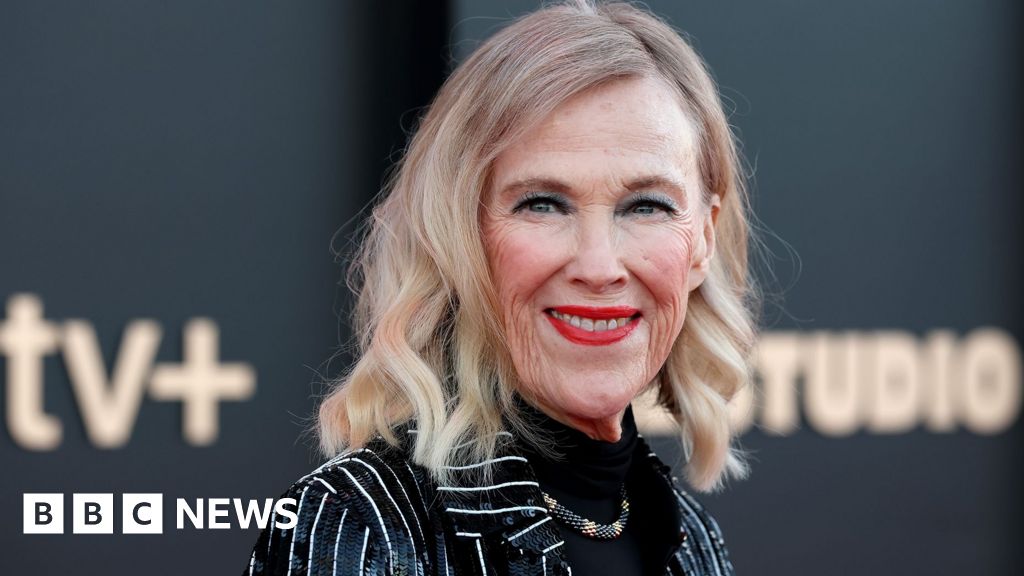

Pedro Pascal and Meryl Streep honor Catherine O'Hara’s legacy
Pedro Pascal and Meryl Streep honor Catherine O’Hara’s legacy

Canadian Actress Passes Away at 71: A Cultural Legacy and Global Reflection

In a somber moment for the international arts community, Canadian comedic actress who had become a household name, died in Los Angeles on Friday at the age of 71 following a brief illness. Her passing not only marks the end of an era in entertainment but also underscores the enduring influence of Canadian talent on world-stage performance arts. As news filters across social media platforms and global news outlets, the significance of her career illuminates broader questions about the role of arts and culture in shaping national identity and international reputation.

Her career, marked by a unique blend of humor, intelligence, and social commentary, exemplifies how cultural figures serve as soft power instruments—transcending borders, influencing public discourse, and fostering cultural diplomacy. Her comedic voice echoed beyond Canada’s borders, resonating within United States audiences and inspiring international audiences through her work. Intertwined with her legacy is a narrative that exemplifies how entertainers from smaller nations can punch well above their weight in shaping global cultural perceptions. Experts, like cultural analysts and historians, have often noted that figures such as her act as informal ambassadors, elevating their native countries on the global stage amid competing narratives of international influence.

The international community, meanwhile, continues to grapple with the geopolitical shifts that redefine global cultural exchanges. The death of such an influential artist invites reflection on the precarious landscape of soft power, especially as global powers — notably the United States and China — vie for cultural dominance. This sentiment is echoed by institutions like the United Nations Educational, Scientific and Cultural Organization (UNESCO), which regularly emphasizes the importance of protecting and promoting cultural diversity. Yet, in the realm of entertainment, political and economic forces increasingly determine which narratives are amplified, often overshadowing the organic, grassroots cultural expressions that figures like the late actress embodied.

Her passing also underscores how decisions made by global institutions and nations influence the future of cultural exchanges. As filmmakers, performers, and creators navigate shifting international policies, nations like Canada and the United States are tasked with safeguarding their cultural assets while projecting influence. Analysts warn that neglecting these cultural drivers risks diminishing a nation’s soft power and global standing—factors that are now intertwined with national security and diplomatic leverage. History has repeatedly shown that cultural influence often precedes and sustains political might, making the loss of such iconic figures a matter of broader geopolitical concern.

As the world mourns her departure, it becomes evident that her life’s work exemplifies the enduring power of cultural legacy in an increasingly interconnected yet divided world. Her departure marks not just the end of a luminous career but the very closing chapter of a story that continues to unfold—one that witnesses the ongoing struggle for cultural relevance amidst shifting alliances, conflicts, and global ambitions. The weight of history presses forward, reminding us that in the grand narrative of nations and peoples, individual lives—like hers—are woven into the complex fabric of international influence, leaving a trace of their spirit in the tides of history yet to come.

Social Media Auto Publish Powered By : XYZScripts.com


