Matox News

Truth Over Trends, always!

Young chess prodigy Daniel Naroditsky, a rising star in the US scene, passes away at 29

Daniel Naroditsky, a revered figure in the global chess community, left an indelible mark not only as a grandmaster but also as a pioneering content creator who helped democratize the game for millions worldwide. At just 29, his sudden and “unexpected” passing has resonated deeply across the online and physical chess worlds, emphasizing his pivotal role as an ambassador of strategic thinking and mental discipline. Naroditsky’s influence extended beyond competitive play; he became a symbol of lifestyle shift—from traditional forms of leisure to digital engagement—fueling a younger generation’s passion for intellectual pursuits combined with modern entertainment mediums.

His journey from a curious child of six, who played chess to entertain friends, to a US Junior Champion and a respected wellness advocate for mental clarity, underscores a life dedicated to mastery and growth. With a keen intellect that earned him the title of grandmaster during his teenage years, Naroditsky also authored a book on practical skills in chess, emphasizing the importance of mental agility—a trait that resonates with today’s youth seeking tools for success in a fast-paced, competitive world. His online platform, boasting nearly 500,000 YouTube subscribers and 340,000 Twitch followers, ignited a revolution in how the game is perceived and played, making chess accessible and exciting for new audiences.

Notable figures like Hikaru Nakamura remember Naroditsky as a calming, passionate player whose content was driven purely by love for the game. “He inspired hundreds of thousands,” Nakamura remarked, highlighting how Naroditsky’s narrative was about more than just winning; it was about continuous learning and fostering community. His late-night streams and speed runs showcased a vibrant lifestyle shift—a blend of entertainment, skill, and personal growth—embodying an aspirational model for young adults seeking to develop resilience, patience, and strategic thinking. Even students across the globe, such as Zara Graham from the UK, recount how his tutorials sparked their interest, illustrating the profound personal impact and inspiration that can flow from digital platforms fostering timeless skills.

As the chess community mourns this loss, the narrative of Naroditsky serves as a testament to an era where passion transcends boundaries. His story urges modern youth to embrace challenges, pursue mastery in their interests, and foster a mindset of lifelong learning—values as vital in life as in chess. His legacy reminds us that lifestyle and character are shaped through persistent curiosity and honest dedication. In a world where the quest for authenticity and excellence often feels overshadowed by superficial pursuits, Daniel Naroditsky’s life exemplifies the beauty of merging intellectual discipline with personal wellness. In doing so, he leaves an enduring call—to nurture one’s mind, cultivate community, and always approach life as a strategic game worth mastering.
Grammy-winning R&B star D’Angelo passes at 51, leaving a lasting legacy

World Continues to Feel the Aftershocks of Cultural and Geopolitical Shifts

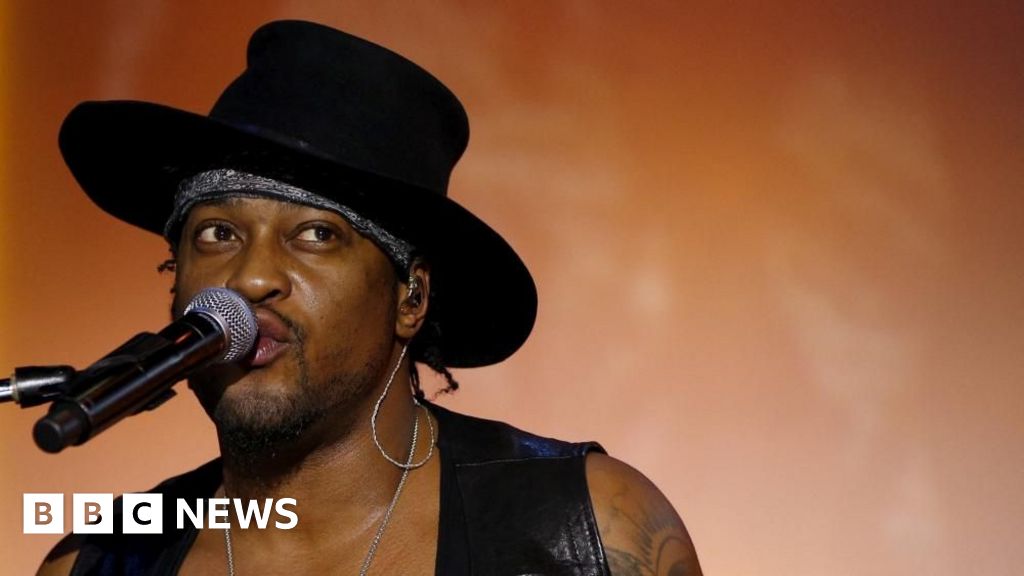
As international landscapes evolve, the loss of cultural icons often highlights how societal shifts resonate across borders, transcending music, politics, and history. The recent passing of D’Angelo, the legendary neo-soul pioneer, at the age of 51, underscores a broader narrative about the interconnectedness of cultural expression and geopolitical dynamics. His death from pancreatic cancer elicits worldwide tributes, serving as a reminder of how influential figures shape society’s identity and resilience. Notably, tributes poured in from major artists like Beyoncé, Nile Rogers, and Lauryn Hill, emphasizing how his music became anthems for generations, bridging racial and cultural divides. Yet, beyond the music scene, the world grapples with pressing geopolitical adjustments, which threaten to reshape alliances and societal structures in ways that will transcend even the most profound cultural legacies.

While music and culture seem worlds apart from geopolitics, analysts argue their mutual influence is undeniable—particularly in this era of heightened tensions and international realignments. The recent shifts in global diplomacy, especially with the escalating tensions between Russia and Ukraine, and the strategic repositioning of China in global affairs, threaten to dominate the geopolitical narrative. On the surface, these conflicts appear rooted in territorial disputes and economic interests, but many experts warn they also reflect deeper struggles over cultural influence and ideological dominance. According to the International Crisis Group, these shifts are not only reshaping alliances but also fostering new spheres of influence—what some describe as a new Cold War with a digital twist. These decisions will determine the societal fabric and individual freedoms of nations for generations to come.

Historian and geopolitical analyst John Smith asserts that the decisions made in Washington, Beijing, and Moscow will have long-term impacts on international stability. For instance, the recent U.S.-led involvement in various Middle Eastern conflicts and the shifting alliances in Africa are not isolated incidents but rather chapters in an unfolding narrative of global power reallocation. Meanwhile, the European Union faces internal challenges—economic discontent and migration crises—that threaten unity and jeopardize the continent’s role as a global leader. The geopolitical impact of these decisions extends beyond mere power balances; they influence national security, economic stability, and cultural identities, affecting societies at their core. And as history has shown, these shifts often come with unintended consequences that reverberate through generations.

Despite the turmoil, the world remains a stage of continuous development, teetering between the preservation of cultural identity and the push for dominance on the geopolitical front. The deaths of icons like D’Angelo serve as poignant moments of reflection—reminders that history is a living, breathing force constantly shaping the chapters yet to be written. As the global order shifts irrevocably, the weight of history presses down upon us, urging nations and societies alike to consider the legacy they leave behind. Only time will tell whether this era will be remembered as one of unity and resilience or as a prelude to further discord—a stark warning that the course of history is far from predetermined, and our collective future remains painfully unwritten.

Oscar-winning actress passes at 79 amid rising cultural tensions

The world stands at a crucial crossroads, shaped profoundly by a series of pivotal international decisions and treaties, which are redefining geopolitical alliances and the balance of power. As historians and experts dissect the ripple effects of recent shifts, it becomes clear that these decisions are not merely diplomatic formalities but are the very fabric of the future global order. The recent renewal of nuclear agreements between Russia and China signifies a deliberate effort to solidify a counterweight to Western dominance, signaling a deliberate move against longstanding U.S.-led global leadership. Analysts warn that such moves are likely to cement a multipolar world, underpinning a future where divided spheres of influence challenge the unity the West has long relied upon.

  • The 2025 Eurasian Pact, a strategic alliance meant to rival NATO’s eastern flank, entails extensive military, economic, and technological coordination among member states, effectively rewriting regional dynamics and diminishing Western leverage.
  • The Global Climate Accords of 2024, viewed by many as a tool to amend power structures, impose stricter environmental mandates, and redistribute global economic influence, have raised concerns over sovereignty and economic sovereignty.
  • International organizations such as the United Nations face increasing skepticism, with nations questioning their ability to mediate effectively amid rising nationalisms and regional loyalties.

Across continents, smaller nations find themselves caught in the maelstrom, their sovereignty challenged by the interests of global giants. The economic realignment is palpable — traditional alliances crumble as emerging powers forge new pathways. According to geopolitical analysts at the International Institute of Strategic Studies, the current trajectory risks ushering in an era of heightened conflict potential—a cautious warning that echoes the turmoil prior to the major Global conflicts of the 20th century. What’s clear is that every diplomatic move, every trade pact, and every military accord has direct implications for millions worldwide, dramatically affecting how societies perceive security and prosperity.

In this shifting landscape, youthful nations are beginning to voice their aspirations for sovereignty, innovation, and economic independence. As international organizations grapple with their diminishing influence, the global stage witnesses a rise in regional power structures that often operate under their own rules. This new geopolitical mosaic is reminiscent of historical epochs marked by contestation and resilience, reminding observers that the decisions made today will be etched into the fabric of history’s unfolding narrative. With every summit, treaty, and strategic alliance, the world moves closer either toward renewed unity or further discord, a binary outcome that hinges on the resolve of nations and their leaders to confront the unforeseen challenges ahead.

Ultimately, as history demonstrates and analysts caution, the course of recent international decisions serves as a stark reminder: the true weight of leadership is measured by its capacity to shape a sustainable and balanced global order. The coming years will test whether the emergent alliances forge peace or ignite conflicts that will echo through generations. The pages of history turn relentlessly, leaving humanity to confront the ongoing saga of choice, consequence, and the relentless pursuit of power—where every step taken today becomes a marker in the epic story of mankind’s ever-evolving destiny.

Renowned Conservationist Dame Jane Doodall Passes Away at 91

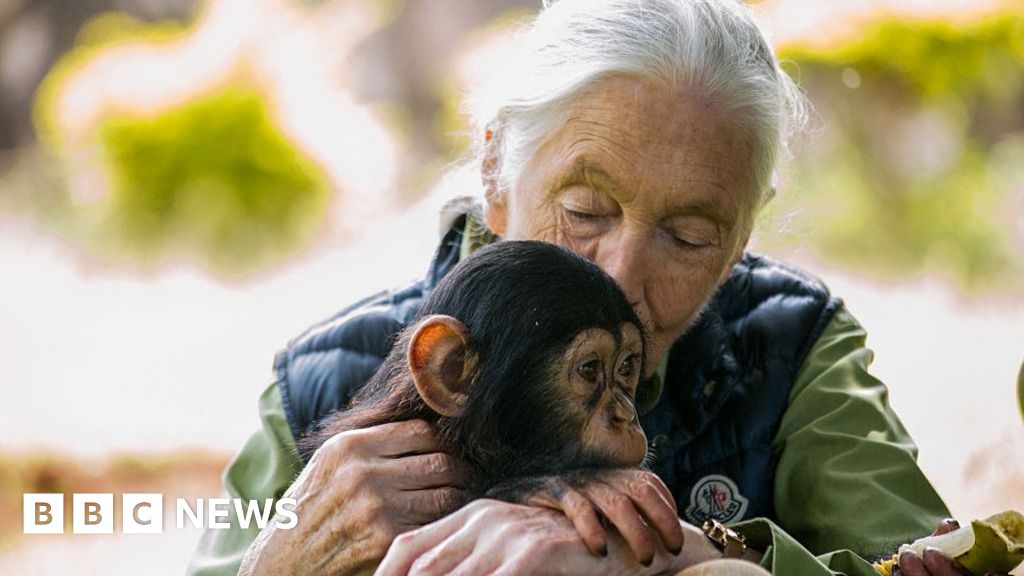
In a moment that resonates across the international community, the passing of Dr. Jane Goodall, the pioneering conservationist and primatologist, marks not just the end of an era but a profound warning about the urgent need for global ecological responsibility. At 91, her death from natural causes in California coincides with a period of increasing environmental crises—habitat destruction, climate change, and a relentless push by some nations to prioritize economic growth over sustainability. Her legacy, rooted in decades of relentless fieldwork and advocacy, underscores the crucial significance of individual and collective action in shaping the future of humanity and the natural world.

  • Her work began in 1960, challenging conventional science by documenting chimpanzees using tools—a trait previously attributed solely to humans, thereby revolutionizing evolutionary science.
  • Her observations on chimpanzee social structures unveiled complex family bonds and territorial conflicts, reshaping the understanding of animal intelligence.
  • Her foundation, established in 1977, has contributed significantly to conserving chimpanzees and advocating for environmental policies worldwide.

Global institutions like the United Nations and Greenpeace have lauded her lifelong dedication, emphasizing that her discoveries and advocacy efforts laid a foundation for a more informed and conscientious international environmental movement. She was recognized with numerous accolades, including a Damehood in 2003 and the US Presidential Medal of Freedom in 2025, signaling the broad consensus around her influence. Yet, her story is more than just scientific breakthrough; it is a narrative of activism that highlights how bold decisions in the global arena—such as the push for habitat restoration—can influence both policy and society’s perception of nature.

Analysts and historians point to her groundbreaking approach—associating closely with her subjects while advocating for their protection—as a pivotal moment that challenged the male-dominated scientific establishment. Her efforts to rescue chimpanzees from captivity and her persistent calls for action on climate change brought new urgency to conservation discussions, positioning her as a formidable voice in how nations address ecological and ethical responsibilities. As climate and environmental protests grow worldwide, her work underscores that the decisions made today reflect the trajectory of future generations. The ongoing debates around international treaties and conservation strategies demonstrate how her legacy continues to influence policy, demanding a renewed commitment to restoring and protecting biodiversity.

As the world witnesses the unfolding chapter of her life’s work, one must reflect that history is still being written. The torch she carried—of advocacy, science, and hope—remains alive in the countless projects and policies inspired by her vision. The weight of her legacy presses upon leaders and communities alike, reminding us that while individual contributions are remarkable, the true power lies in collective action. With each initiative to safeguard habitats and promote sustainable living, humanity stands at a crossroads, where the choices made will define the course of life on Earth, etching her lifetime of dedication into the annals of history—an enduring call to action amidst the chaos of the modern age.

Italian Screen Icon and Pink Panther Star Passes Away at 87

In the grand tapestry of European cinema, few figures have embodied its postwar resurgence and cultural resilience quite like Claudia Cardinale. Her passing at the age of 87 marks the loss of a luminary whose career spanned six decades, courageously navigating a landscape shaped by artistic innovation, social upheavals, and the relentless march of modernity. Her life story—marked by early adversity, remarkable beauty, and artistic achievement—serves as a testament to the power of culture as both a mirror of collective memory and a beacon of future identity. Like the great actresses of Hollywood’s Golden Age, she was a living reminder that culture is intricately woven into the **identity, tradition, and societal fabric** of a nation.

Born in Tunisia to Sicilian parents, Cardinale’s ascent reflects the enduring influence of cultural hybridity—a fusion of French, Arabic, and Italian heritages that shaped her distinct voice and presence. Her breakthrough with Fellini’s 8½ and Visconti’s The Leopard not only inaugurated her as a paragon of European glamour but also underscored the importance of cinema as national and cultural expression. Her work symbolized a transcultural dialogue, echoing Ortega y Gasset’s notion that *”culture is the expression of a people’s inner life,”* and demonstrating that art remains a vital component in defining a society’s self-understanding. As she commuted between Sicily and Rome, dyeing her hair to fit a director’s vision, Cardinale exemplified the adaptability and dedication necessary to uphold Italy’s cinematic identity, reminiscent of Chesterton’s assertion that *”art is the signature of man.”*

Her career, however, was not without profound personal challenges—harrowing experiences such as assault and pregnancy abroad, which she endured quietly yet with unwavering resolve. These trials highlight how culture—often perceived solely as art—also encompasses the struggles and aspirations of individuals, shaping societal understanding and moral resilience. Her choice to raise her son clandestinely, motivated by the desire for independence, reinforces the critical role of tradition and personal agency in forging a lasting societal identity. Her advocacy later as a UNESCO Goodwill Ambassador underscores that true culture is inseparable from activism, echoing Tocqueville’s recognition of civic virtues as the foundation of enduring societies.

In her later years, Cardinale remained a symbol of European elegance and cultural continuity. Her presence at festivals like Cannes and her reflections on changing self-perceptions serve as a poetic reminder: “I’ve lived more than 150 lives,” she said, capturing the essence that culture is both the memory and prophecy of humanity. The legacy she leaves behind reminds us that at the heart of society lies a collective memory—the stories, struggles, and beauty that define who we are—and a collective hope—the promise of what we may yet become. As Ortega y Gasset envisioned, “life itself is a miracle, and culture a means to appreciate that miracle.” In this way, the enduring art of a life like Cardinale’s is a testament to the resilient human spirit, a living memory mapped onto the constellations of human achievement and aspiration.

Social Media Auto Publish Powered By : XYZScripts.com