Matox News

Truth Over Trends, always!

Trump’s new tariff refund plan kicks off way to pay back billions—US Politics Update

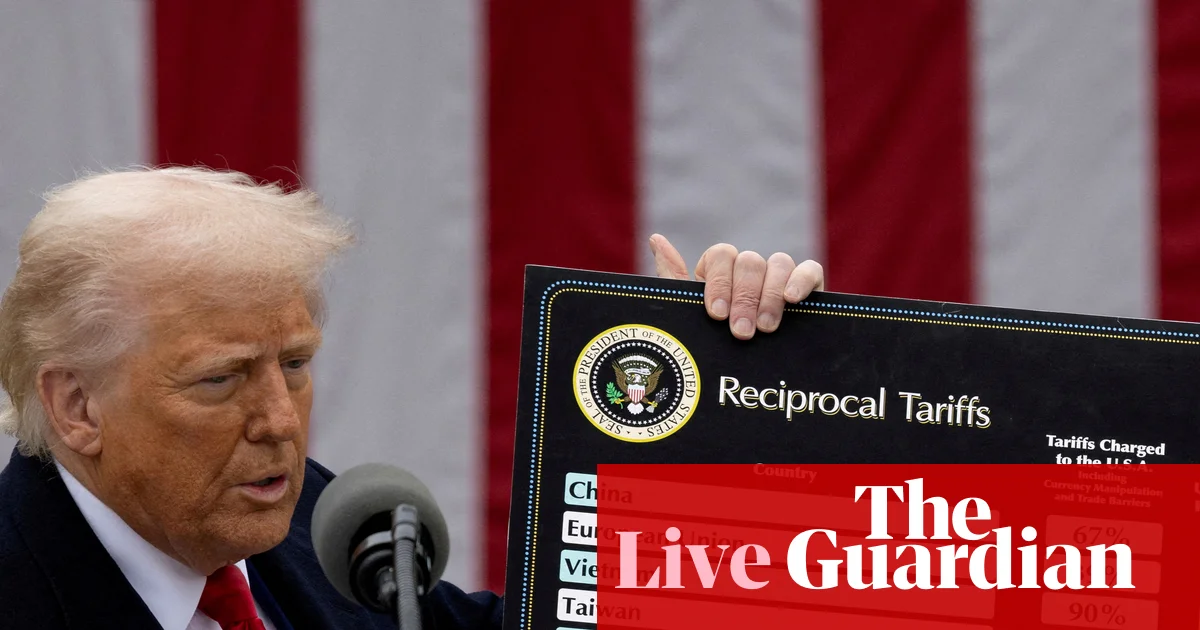
The United States continues to exert profound influence on the global stage through its evolving policies, particularly under the recent actions of the Trump administration. The administration’s decision to establish a portal for tariff refunds represents a significant legal and economic shift, following the Supreme Court’s ruling that questioned the constitutional authority of the government to impose over $166 billion in tariffs. This move, aimed at reimbursing American importers who paid tariffs later invalidated, signals a contentious redefinition of trade and fiscal policy that resonates far beyond U.S. borders. International observers, including analysts from the International Monetary Fund and seasoned historians, warn that such unilateral policy adjustments could unsettle global trade networks and diplomatic relations, especially in volatile regions like the Middle East and Asia.

In an era punctuated by rising geopolitical tensions, the recent U.S. seizure of an Iranian cargo ship near the Strait of Hormuz sent ripples through worldwide markets. Oil prices surged by 4.8%, reaching nearly $95 a barrel, as markets responded to the U.S. assertion of authority in the strategically vital shipping lane. This move, compounded by escalating U.S.-Iranian hostilities, has cast shadows over the prospects of a lasting ceasefire and encouraged countries dependent on Middle Eastern energy supplies to reconsider their energy strategies. European stock markets faltered as traders grappled with the unstable outlook, illustrating a direct geopolitical impact caused by the U.S. demonstration of military and economic resolve. The decision underscores how power struggles and strategic military acts in the Middle East are driving global economic volatility, further destabilizing a fragile world economy seeking equilibrium amid the wave of new alliances and fractures.

Meanwhile, domestic U.S. political debates regarding Section 702 of the Foreign Intelligence Surveillance Act (Fisa) highlight ongoing concerns about privacy and national security. Both chambers of Congress faced a tight deadline to negotiate reforms on this contentious provision, which permits the collection of foreign communications without warrants. Such debates are reflective of broader geopolitical tensions: American lawmakers grapple with balancing civil liberties in an era of aggressive foreign surveillance, especially as impacts ripple into international relations. The inability of leaders like John Thune and Mike Johnson to reach consensus indicates a polarized environment, with implications that extend well beyond U.S. borders. As commentators like analysts from the Council on Foreign Relations suggest, these internal policy disputes could influence global perceptions of U.S. stability and strategic consistency, thus shaping alliances and deterrence capabilities for years to come. The narrative unfolding in Washington and beyond leaves the world perched on the edge of further upheaval, as the history of this era remains unwritten but profoundly consequential.
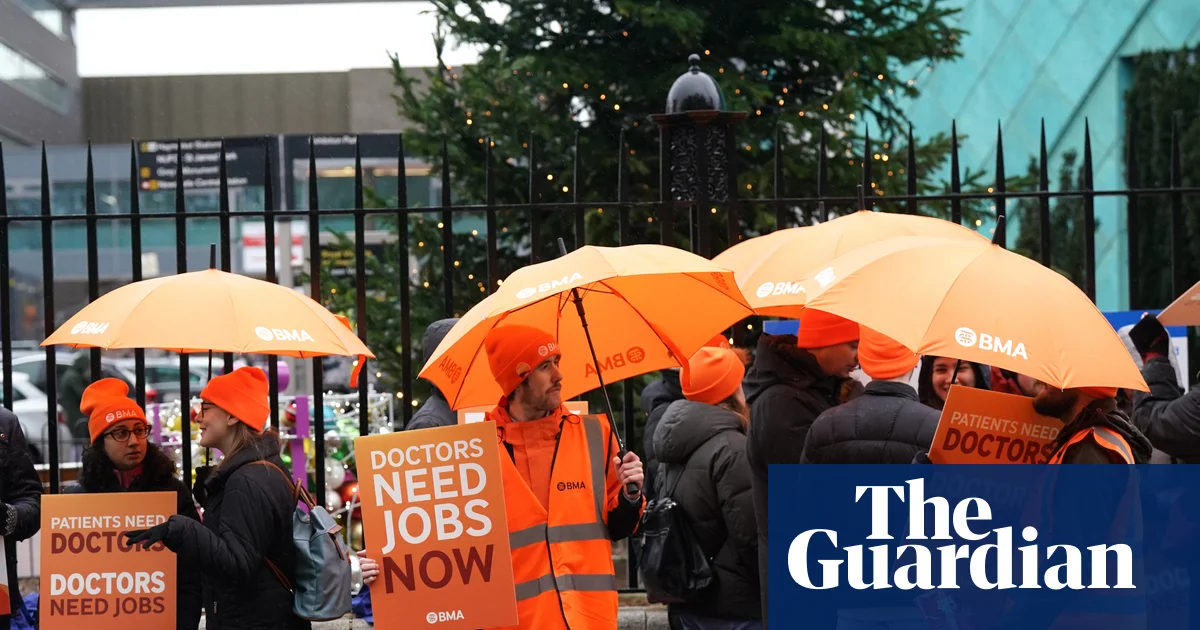

Unions Raise Concerns Over BMA Pay Demands and Doctor Strikes

Global Ramifications of the UK’s Healthcare Strikes and the Shifting Power Landscape

In an era marked by escalating geopolitical tensions, domestic unrest such as the impending British NHS strikes signals more than just a domestic labor dispute — it reflects a broader trend of societal upheaval and declining public trust. The conflict centers around the British Medical Association (BMA), which is pushing for a higher pay rise for doctors amidst a backdrop of subdued government offers and discontent among NHS staff. The dispute, with plans for strikes coinciding with protests from other healthcare workers, underscores a growing fissure within the UK’s social fabric, demonstrating the difficulty governments face in maintaining social cohesion amid economic constraints. Historians warn that such strikes, if left unresolved, could have ripple effects across other sectors and threaten the stability of the welfare state itself.

This domestic turmoil occurs at a time when the international community watches closely, analyzing the shifts in national authority and societal governance. As the UK grapples with pay disputes and a perceived lack of governmental responsiveness, analysts suggest that broader global power dynamics are at play. The UK’s strained healthcare system, marred by inflationary pressures and austerity measures, mirrors trends seen across the West, where public sector austerity has contributed to rising discontent. International organizations such as the OECD have issued warnings about the long-term sustainability of social welfare systems under mounting fiscal stress. Meanwhile, rival powers actively seek to exploit such vulnerabilities, projecting an image of strength amidst internal chaos, all while building strategic influence through diplomatic and economic means.

The deeper geopolitical impact of these domestic issues extends beyond Britain. The disputes reveal that how nations handle internal unrest directly affects their standing on the world stage. A weak response to public sector strikes could be perceived by adversaries as signs of decline, inviting challenges to sovereignty and influence. Conversely, resilient governance reinforcing social stability bolsters a nation’s image as a global leader. International analysts highlight that such internal conflicts serve as cautionary tales, illustrating the importance of effective leadership in securing national interests amid an evolving multipolar world. As the UK navigates these stormy waters, the weight of history presses heavily, reminding everyone that the outcome will shape the global order for generations to come.

Resident Doctors in England to Strike for Six Days Over Pay Dispute

As resident doctors in England prepare to embark on a six-day strike following Easter, a stark reminder emerges of the growing fractures within our society’s public health infrastructure. The ongoing dispute, centered on fair compensation, career progression, and respect for medical professionals, underscores deeper societal issues—namely, how economic hardship and demographic shifts threaten the stability of communities, the future of our families, and the integrity of our institutions. The British Medical Association (BMA) blames the government for initiating this long, sustained protest, marking the 15th industrial action by resident doctors since 2020—a clear indication of mounting dissatisfaction among the workforce entrusted with our nation’s health.

This strike signifies more than a labor dispute; it reveals the erosion of trust in vital public institutions that underpin the fabric of our society. The NHS, traditionally regarded as the crown jewel of universal healthcare, faces the ripple effects of these disruptions. NHS leaders warn that cumulative costs of the strike could reach £300 million, a figure that reflects the unsustainable pressures on both the system and the communities it serves. Patients are forced to endure longer waits for tests, treatments, and surgeries—an unspeakable sacrifice affecting families already navigating financial and emotional stresses. Such systemic strains, sociologists say, threaten to widen the gap between those with resources and those without, fueling social divides that challenge our collective commitment to fairness and societal cohesion.

The core issue of the dispute revolves around salary restoration and career advancement. The government proposed a deal aimed at providing more frequent and fairer pay increases, acknowledging the long-standing erosion of real-term salaries since 2008-09; however, the stubborn resistance and differing interpretations of how to implement the pay rise have stymied progress. Dr. Jack Fletcher, head of the BMA’s resident doctors committee, explains that recent negotiations unraveled over the period in which the increased funding would be disbursed—a dispute that goes to the heart of how public trust in fairness and transparency can be maintained. The government’s insistence on spreading pay increases over three years, versus doctors’ demand to receive these funds upfront, reflects broader societal tensions around preferences for immediate justice versus gradual change. As sociologists note, these disagreements aren’t merely about money—they symbolize a contest over respect for professions and the societal value placed on those who serve us in our most vulnerable moments.

Ultimately, the ongoing strike exposes societal vulnerabilities rooted in economic disparities, demographic changes, and cultural shifts. With families bearing the brunt of delayed healthcare, and communities watching healthcare standards ebb away, the challenge is clear: **how do we rebuild trust and ensure fair treatment for those who care for us?** As historians observe, the story of societies constantly battling with issues of fairness, opportunity, and respect is ongoing—labor unrest is often a mirror reflecting deeper moral questions. Yet, hope persists. Constructive dialogue, renewed recognition of healthcare workers’ dignity, and targeted reforms can guide society toward a future where families, communities, and institutions work hand-in-hand for stability and growth. Society’s enduring strength lies in its ability to adapt, learn, and ultimately, transform—turning this moment of crisis into a catalyst for genuine renewal.

BlackRock warns $150 oil could spark global recession—youth watchdogs should pay attention

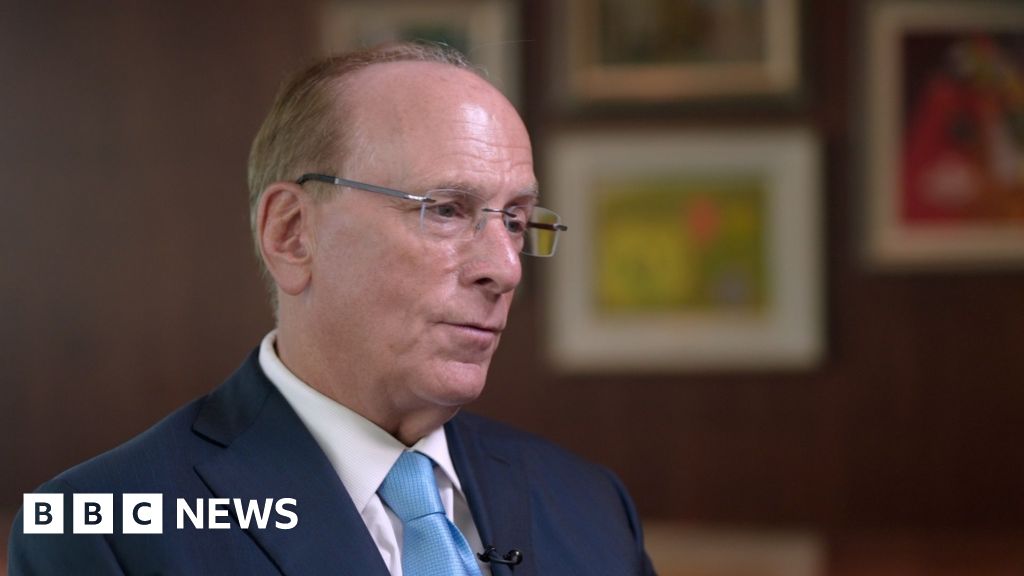
Recent remarks by Larry Fink, CEO of BlackRock, serve as a stark reminder of the fragile equilibrium shaping the world economy. Fink warns that if oil prices remain elevated over an extended period, the economic landscape could face profound repercussions. In an era where energy costs are intertwined with geopolitical stability, this statement underscores the precarious balance between resource scarcity, global inflation, and economic growth. As nations grapple with the aftermath of recent conflicts and geopolitical shifts, the potential for prolonged high oil prices threatens to exacerbate inflationary pressures and undermine recovery efforts worldwide.

High oil prices are not merely a matter of consumer inconvenience but hold significant geopolitical implications. Historically, sustained energy price surges have fueled inflation in advanced economies while destabilizing emerging markets. Analysts from the International Monetary Fund and World Bank have warned that escalated energy costs can lead to increased social unrest, currency devaluations, and economic contractions—especially in nations heavily dependent on energy imports. Meanwhile, OPEC and other oil-producing coalitions continue to balance between maintaining control over supply and responding to global calls for increased production, often leading to unpredictable market volatility.

The geopolitical impact extends beyond economic spheres; it influences diplomatic relations and regional security. Recent moves by major producers and consumers indicate a shifting landscape, where access to reliable energy sources becomes synonymous with national security. Expert analysts emphasize that decisions made today regarding energy policies could set the tone for decades to come, determining which nations emerge resilient and which face profound instability. For instance, nations pursuing aggressive diversification strategies might forge new alliances and invest heavily in alternative energy, whereas others may double down on traditional oil dependencies, risking further geopolitical rifts. This tug-of-war underscores the critical importance of mindful policymaking amid international tensions.

The potential consequences of prolonged high oil prices are not confined to economic metrics alone. Historically, energy price shocks have led to social upheaval, with protests and unrest erupting in vulnerable societies. International organizations, such as the United Nations and regional security alliances, are closely watching these developments, aware that economic hardship often fuels extremism and instability. As nations navigate these turbulent waters, they face the urgent task of balancing energy needs with strategic resilience. The decisions made in the coming months will determine whether societies can endure or succumb to the mounting pressures—restoring stability or plunging into unforeseen chaos.

As the global powers converge and diverge on energy policies, the weight of history presses down with relentless force. The corridors of power are watching, awaiting the next move that will shape the course of nations. The dramatic unfolding of events reminds us that in the theater of geopolitics, energy is more than just fuel—it’s a key to survival, influence, and the future itself. The world stands at a pivotal juncture, where yesterday’s choices become today’s consequences, and the outcome remains uncertain, yet undeniably critical, in the grand narrative of history.

Australia’s ABC journalists prepare to strike over pay and AI concerns

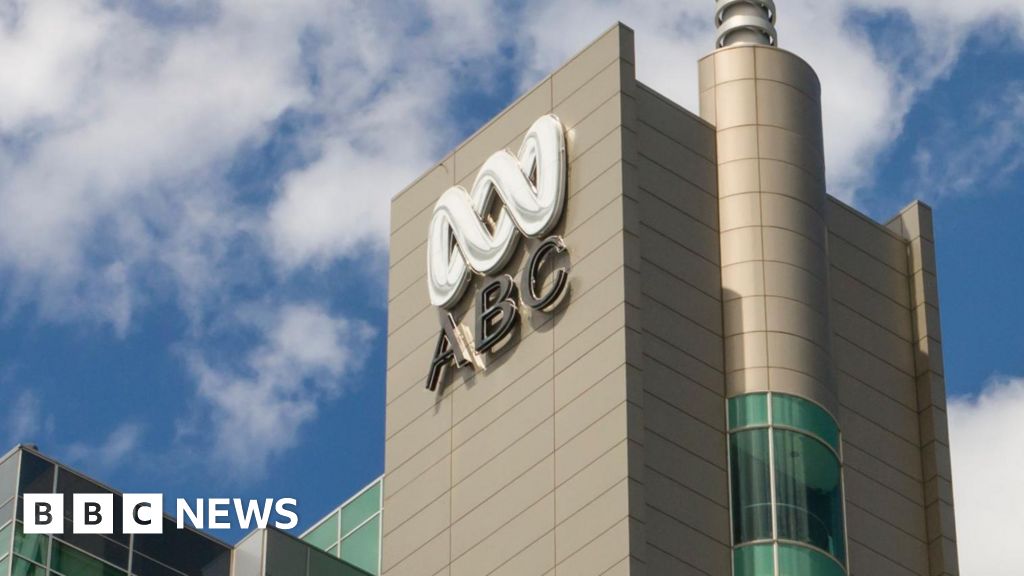
In a significant development on the global media landscape, staff at the Australian Broadcasting Corporation (ABC) have announced their intention to strike for the first time in two decades. This unprecedented move underscores mounting tensions between media workers and government authorities amid a broader context of economic pressures, political influences, and shifts in public trust toward state-funded institutions. The strike, scheduled to commence in the coming weeks, is expected to resonate far beyond Australia’s borders, highlighting growing conflicts over media independence and the role of public broadcasting in the 21st century.

The decision to strike marks a pivotal moment in the ongoing debate between journalists, media personnel, and the Australian government over issues including funding, editorial independence, and working conditions. According to union representatives, the strike is driven by frustrations over recent government austerity measures that threaten to undermine the integrity and sustainability of the ABC. These measures, critics argue, erode the very principles of transparency and accountability that public broadcasters traditionally uphold. International observers and media analysts note that as public broadcasters worldwide face pressures from political and economic forces, such strikes become symbolic battles for the preservation of independent journalism—an essential pillar of democratic societies.

Global institutions such as the International Federation of Journalists and Reporters Without Borders have voiced support for Australia’s ABC employees, warning that compromising editorial independence weakens democratic accountability and fosters misinformation. Historians specializing in media studies point to this strike as a potential turning point, emblematic of growing global discontent over government interference in media. Australia’s political climate, marked by debates over national identity and sovereignty, is seen by analysts as reflecting wider geo-strategic concerns, especially as China and the United States intensify their influence in the Asia-Pacific region. Decisions made now could alter the balance of information dissemination, impacting how societies engage with truth and authority.

The broader geopolitical impact extends to how nations prioritize public service media in the face of rising misinformation and propaganda. Governments worldwide are reevaluating their roles amid digital disinformation campaigns; some are seeking tighter control, while others, like Australia, are contending with internal demands for independence. Experts warn that if such internal conflicts escalate to prolonged disruptions, they could weaken the capacity of countries to maintain a balanced and truthful public discourse. The ABC strike, therefore, is not merely a domestic labor dispute but a reflection of the global struggle for media sovereignty, truth, and the sovereignty of information systems that shape societal narratives.

As the strike looms, history may judge this moment as a critical juncture—where the fight to safeguard media independence in Australia echoes on a global scale. It leaves society confronting an urgent question: in an age of growing geopolitics and digital battles, which side will emerge victorious—the forces seeking to control the narrative or the defenders of free and independent journalism? The outcome remains uncertain, but one truth is undeniable: the decisions made today will determine the course of history, shaping the very fabric of societies and the flow of information for generations to come.

Jury orders Cosby to pay $19M to ex-waitress for 1972 abuse—Justice for victims, finally.

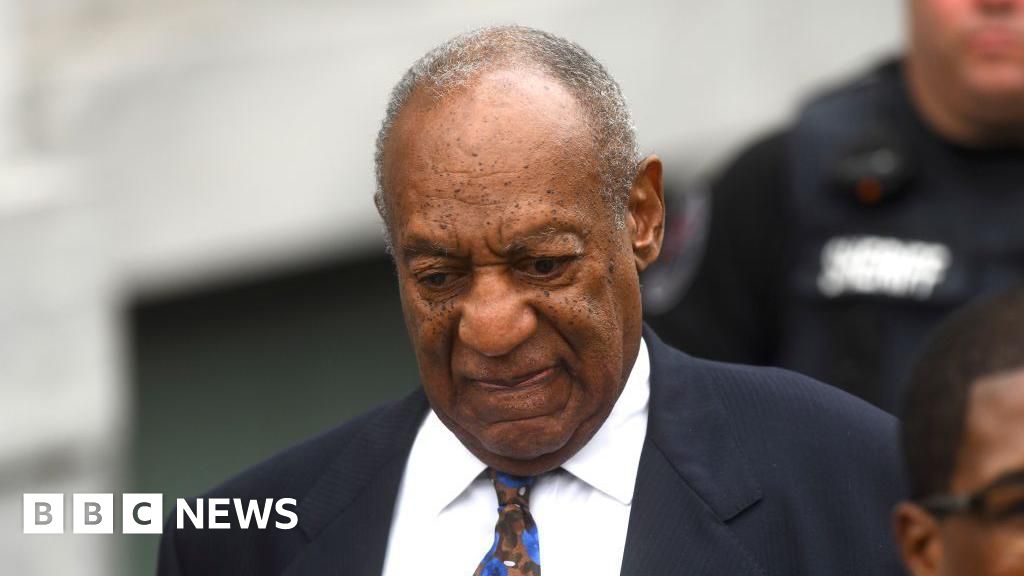
In a startling development reminiscent of decades-old allegations, Donna Motsinger has come forward with new claims that Bill Cosby administered wine and a pill to her in 1972, which left her incapacitated after being picked up in a limousine. This revelation, although rooted in a personal account, carries significant implications that ripple across the spheres of justice, societal perception, and geopolitical stability. As prosecutors and legal authorities revisit the case, the incident underscores the persistent challenges faced in addressing allegations of misconduct involving prominent figures, especially those with influence extending beyond entertainment into cultural spheres.

From an international perspective, this renewed scrutiny complements a broader debate happening within the United States—a country grappling with the legacy of powerful figures accused of misconduct. Historians like Dr. Christopher Beale have long analyzed how public figures’ claims of innocence or guilt influence societal norms and judicial processes. Meanwhile, global observers monitor to see if the case signifies a turning point—whether justice will serve as a potent reminder that no one is above the law, or whether entrenched power structures will continue to obfuscate accountability. The potential legal fallout has already stirred discussions about legal precedent, victim rights, and the cultural shifts necessary to combat systemic issues of abuse.

International organizations like the United Nations and various human rights bodies have issued remarks on the importance of addressing misconduct transparently, especially when it involves figures with cross-national influence. The case also exemplifies how public reckonings of historical allegations could reshape diplomatic relations, foster global conversations on accountability, and influence policies aimed at protecting vulnerable populations worldwide. Ultimately, the outcome may set a precedent, highlighting the importance of safeguarding justice irrespective of temporal distance or societal status. As lawmakers and activists brace for what might come, the case underscores a fundamental truth: that history — and its dark chapters — remains an ongoing narrative, waiting for justice to be fully realized.

In the end, this story is more than just a personal recount or a legal case; it encapsulates the persistent struggle between power and accountability, revealing how past injustices can resurface with the potential to redefine societal values and international relations. As history continues its relentless march forward, the weight of unresolved truths presses heavily on the conscience of nations, reminding us that in the pursuit of justice, no chapter is truly closed, and the echoes of yesterday’s shadows often dictate the course of tomorrow’s history.

Airline CEOs Demand Congress End Shutdown and Pay TSA Heroes

The U.S. government shutdown: A warning sign for international stability

The recent partial government shutdown in the United States has underscored the profound geopolitical impact of domestic political failures on global systems. As CEOs of major American airlines publicly urged Congress to swiftly end the 29-day crisis, the ripple effects have extended beyond U.S. borders. Over 50,000 airport security officers have been forced to work unpaid, causing widespread disruption at key international gateways. The consequences resonate internationally, where a stable U.S. economy and security frameworks are foundational to global financial markets and diplomatic relations. Prominent analysts warn that prolonged political stalemates threaten America’s reputation as a reliable partner, potentially emboldening adversaries and unsettling allies.

The useless partisan brinkmanship and its costs

The crisis traces back to Congress’s failure to approve funding for the Department of Homeland Security, with disagreements rooted in contentious immigration reforms that led to the funding lapse on 13 February. The shutdown has prompted significant operational setbacks; airlines warn of increased delays during what is expected to be a record-breaking spring travel season, with an anticipated 171 million flyers. The CEOs of airlines like American, United, Delta, Southwest, JetBlue, and Alaska Airlines have jointly emphasized that such disarray damages consumer confidence and compromises national security. These disruptions highlight a broader phenomenon: how internal U.S. political disputes can destabilize markets, hurt citizens’ daily lives, and expose vulnerabilities in the country’s leadership and governance.

International repercussions and historical lessons

Internationally, this political chaos signifies more than a mere domestic issue; it serves as a cautionary tale valued by global powers and institutions. The United Nations and World Economic Forum have warned of the risks posed by hyper-partisanship in Western democracies, suggesting that such instability can undermine collective efforts against international threats like terrorism and climate change. Historically, as noted by historians like Charles Beard and Barbara Tuchman, internal divisions—particularly during crises—have frequently left nations vulnerable on the world stage. The current scenario in the US demonstrates that in a deeply interconnected world, political gridlock in one large power can have cascading effects on global commerce, security, and diplomacy, sowing uncertainty far beyond national borders.

As the world watches the United States grapple with its internal conflicts, an enduring question remains: how long can the world afford to wait for their fractured political system to stabilize? The ongoing paralysis leaves international societies pondering the resilience of Western institutions—whose credibility and stability remain essential for global peace and prosperity. In this turbulent time, where history continues to write itself with each headline, the weight of the future’s uncertainty presses heavily upon us. The unfolding saga of the US government shutdown remains a stark reminder: in an era of swift change, nations must brace for the unpredictable echoes of their internal struggles as the world’s compass continues to sway.

Union Chief Urges Ministers to Drop Foolish Pay Restraints on Civil Service

Challenges Facing Society’s Core Institutions and Families

In an era marked by rapid technological advancement and shifting socio-political landscapes, public institutions stand at a critical juncture. The civil service, tasked with implementing policies that shape everyday life, faces a crisis rooted in underfunding and regulatory undermine. Union leader Mike Clancy has issued a stark warning: if Ministers do not end the misguided restraints on civil service pay, the essential pool of technical and digital specialists will continue to erode. These professionals are the backbone of effective governance, yet low pay and limited career progression threaten to disarm the very institutions designed to serve society. Clancy emphasizes that the government’s outdated approach—such as equating civil service pay at senior levels with that of the Prime Minister—is both “barking mad” and self-sabotaging. Such policies not only hinder recruitment but also compromise the quality of public service that families depend upon for stability and fairness.

The Impact on Education, Environment, and Community Trust

Across the fabric of our communities, resource shortages translate into tangible delays and neglected responsibilities. According to recent reports, agencies like Natural England and the Environment Agency are unable to meet critical deadlines—delays that directly impact families and local environments. For example, over half of planning application responses have missed their targets, primarily due to insufficient staffing and expertise. This is not just a bureaucratic failure; it is a breakdown in the social contract that holds communities accountable and ensures their well-being. As sociologists like Michael Sandel argue, trust in civic institutions is foundational to societal cohesion. When residents see their requests ignored, especially on issues like housing or infrastructure, the consequences deepen social divides and foster cynicism towards authorities meant to protect them.

Underlying Social Tensions and the Need for a Cultural Shift

At the heart of these issues lies a profound cultural shift—one where regulation is misinterpreted as an obstacle rather than a safeguard. Clancy warns against the simplistic view that deregulation and austerity will boost productivity, asserting instead that “regulators are builders, not blockers.” The misallocation of resources and the neglect of institutional capacity threaten to unravel the moral fabric of society, where fairness, opportunity, and progress for families and workers are paramount. The push by some business groups to weaken worker protections, such as the Employment Rights Act, exemplifies how economic interests often overshadow social stability. It highlights a need for a societal narrative that recognizes the importance of equitable pay, strong regulations, and invested public services as pillars of a resilient, forward-looking nation.

In this fragile landscape, the challenge is to balance economic vitality with social justice, ensuring that families are not sacrificed on the altar of deregulation. As historian and social commentator David Hackett Fischer notes, societies flourish when they invest in their human capital; neglecting this investment leads to disillusionment and decline. The path forward demands courage—rejecting right-wing tropes that trivialize the vital role of civil servants, and embracing a vision where communities are active agents, not passive recipients of government policy. Only through such a cultural renaissance can society begin to mend its fractured trust and cultivate a hopeful future where societal resilience is built on fairness, resourcefulness, and shared purpose.

Savannah Guthrie vows: “We will pay” to bring mother back safely

The recent report circulating globally about Nancy Guthrie, an 84-year-old woman rumored to have been abducted, marks a critical juncture in international security and diplomatic relations. The plea from a US news anchor—quoting, “We received your message”—highlights the urgent humanitarian crisis that has captured attention across diplomatic circles and media worldwide. Though details remain scarce, the implications underscore the complex web of geopolitical tensions and the fragility of peace in an era increasingly defined by international disputes and diplomatic failures.

Experts from think tanks and international organizations emphasize that such incidents are rarely isolated. The possible abduction of a civilian—particularly in a context where reports suggest political or territorial motives—could serve as a catalyst for broader regional instability. Analysts warn that this situation may be intertwined with ongoing conflicts or behind-the-scenes negotiations involving major powers vying for influence. The incident raises alarms about how individual vulnerabilities are exploited amid geopolitical rivalries, transforming personal tragedies into symbols of larger strategic conflicts. Ultimately, the fate of Nancy Guthrie could become a battleground for power plays, with global repercussions that extend far beyond her family’s grief.

The international community watches intently, with nations recognizing that decisions made in the coming days will shape regional stability. The ongoing crisis could influence the actions of United Nations members and regional alliances, pressuring leaders to respond decisively or risk emboldening actors who thrive on chaos. In some circles, this incident underscores the importance of assertive diplomacy and resilience—a stance that many argue should be taken to defend national sovereignty and safeguard citizens. Historian Dr. Samuel Ortiz notes that in history, such critical moments—when personal security intersects with international diplomacy—often serve as turning points, demanding renewed resolve from world leaders.

As the international arena remains tense and volatile, the enduring question remains: how will this case influence the future of geopolitical negotiations? Will it serve as a wake-up call for greater cooperation, or will it deepen divisions and fuel further conflicts? The unfolding narrative bears witness to history in the making, reminding us that behind every diplomatic handshake lies the human toll of unresolved disputes. The world waits with bated breath—knowing that the decisions made today will echo for generations, as history continues to be written in the shadows of crisis and hope.

Rome hits visitors with Trevi Fountain fee: pay up or miss the magic

In a move that underscores the shifting landscape of urban tourism and cultural preservation, Rome has introduced a €2 fee for visitors to access the iconic Trevi Fountain. Once a freely accessible symbol of Italy’s rich heritage, the fountain now joins a growing list of global monuments adopting entrance fees in a bid to finance maintenance and manage surging tourist numbers. This decision reflects a broader trend among nations seeking sustainable ways to balance economic benefits with preservation needs amidst increasing international visitor flows.

Proponents argue that such fees are necessary for the upkeep of historic sites, which face mounting pressures from mass tourism. According to international conservation organizations and urban planners, the financial inflow can help prevent decay and allow for modernized preservation efforts. In this context, Italy’s initiative aligns with global strategies seen in cities like London, Paris, and Venice, where local governments are recalibrating their approach to tourism through monetization and regulation. This development has been lauded by some, who believe that a paid access system could reduce overcrowding, enhance visitor experience, and contribute significantly to the local economy.

However, critics raise concerns about the socio-cultural implications of such measures. A skeptical tourist from Sicily expressed resignation, remarking that travelers will now have to “pay and smile,” highlighting a growing frustration among many who view these charges as commodification of cultural landmarks. Economists and cultural historians warn that this trend might lead to a further divide—favoring wealthier tourists and potentially diminishing the accessibility of shared historical heritage. Such debates resonate across Europe and beyond, with analyst Dr. Lucia Romano warning that “many nations risk transforming their cultural identity into a commercial commodity, diluting the essence of community and shared history.”

The geopolitical impact of this shift extends beyond tourism economics, influencing broader international relations. Countries opening spaces for tourism revenue are increasingly facing pressure to balance economic gains with cultural integrity. Furthermore, international organizations, such as UNESCO, have expressed concern, cautioning that commercialization might threaten World Heritage sites if not managed carefully. The intricate dance between preservation, economic necessity, and social equity reflects a deeper, often misunderstood global struggle over identity and authority. As Europe’s traditional art and architecture are monetized in new ways, the cultural landscape is being reshaped—sometimes at the expense of authenticity and accessibility.

History has shown that decisions made today carve the contours of tomorrow’s cultural and political terrain. As nations like Italy adapt to a changing world, the reverberations of these choices will be felt across generations. Will these initiatives serve as a blueprint for sustainable preservation, or will they herald a new era of cultural commodification? The unfolding narrative leaves the world at a crossroads—one where the echoes of the past must be weighed against the relentless march of modernity, and where the true cost of what we choose to safeguard remains an open question, awaiting the verdict of future history.

Social Media Auto Publish Powered By : XYZScripts.com