Matox News

Truth Over Trends, always!

Millions of UK workers set for pay boost as Reeves announces higher minimum wage — Budget 2025

In the latest move reflecting domestic economic policy intertwined with global labor trends, the United Kingdom has announced a significant increase in minimum wages, aiming to bolster the living standards of its low-paid workers. The country’s leadership under Prime Minister Rishi Sunak has committed to raising the national living wage from £12.21 to £12.71 per hour for over-21s starting April, an increase of 4.1%. This escalation is designed to lift approximately 2.4 million workers, pushing their annual earnings up by around £900—an effort to counteract stubbornly high inflation and resolve the ongoing cost-of-living crisis. At the same time, the government is narrowing the gap for younger workers by increasing rates for 18- to 20-year-olds by 8.5%, signifying a preference for wage equality that continues to shape the nation’s economic landscape.

International and economic analysts observe this development as a reflection of a broader global shift toward protecting worker rights, yet caution that such measures carry complex geopolitical repercussions. Critics argue that steep wage increases, particularly for youth, could hinder employment opportunities by discouraging employers from hiring entry-level staff, especially amidst a backdrop of rising national insurance and economic uncertainties. According to the Resolution Foundation, youth unemployment has surged to 14.5%, up from 13.7% a year ago, illustrating the delicate balance between social welfare and economic vitality. Empirical data suggest that artificially inflating wages without concurrent productivity growth risks hampering economic competitiveness—a concern echoed by business leaders who report struggles in hiring due to increased labor costs.

This policy debate, however, extends beyond UK borders and touches on international labor standards. European countries, with their own history of wage regulation, brace for potential shifts in investment and migration patterns should wage policies influence business decisions. Meanwhile, the International Labour Organization and various global economic think tanks warn that inconsistent wage policies across nations could exacerbate trade imbalances and disrupt global supply chains. The UK’s push to elevate wages is, in part, a reflection of how rising populist sentiments and economic nationalism are reshaping traditional international relations, increasingly framing labor rights as elements of national sovereignty and economic resilience.

Historian and geopolitical analyst Dr. Emily Carter emphasizes that these internal economic choices are also part of a larger narrative—one where nations are reasserting control over their economic destinies amid a shifting international order. As China and the United States grapple with their own wage and inflation issues, smaller nations like the UK are making bold moves that could ripple through the global geopolitical landscape. The decision to safeguard jobs and raise wages can be viewed as an attempt to secure social stability, but it also leaves out the broader question: will such measures ignite a race to the top—or to the bottom in global labor competitiveness?

As history continues to unfold in the coming months, the UK’s wage policies serve as a stark reminder of how domestic economic reforms are intertwined with international trends. The world watches as nations balance between protecting their citizens and maintaining economic strength in an era marked by upheaval and uncertainty. Decisions taken today are likely to set precedents for future global interactions—where the tug-of-war between social justice, economic stability, and geopolitical influence remains as fierce and unpredictable as ever. The stage is set for a new chapter in history—one written not only through policies and politics but through the lives and futures of millions caught in the crossfire of a rapidly changing world order.

Jury Rules Apple Must Pay $634M to Masimo for Patent Violation

Innovation vs. IP Rights: Apple’s Blood Oxygen Monitoring Technology and the Disruption of Market Boundaries

The recent ruling by a federal jury in California, mandating that Apple pay Masimo $634 million for patent infringement, underscores a pivotal moment in the ongoing battle over innovation in wearable health tech. The case centers on the fundamental blood oxygen monitoring technology—a feature that has become increasingly crucial as consumers demand health-centric functionalities integrated into smart devices. This verdict marks a significant disruption, potentially reshaping how tech giants approach intellectual property rights and innovation strategies in the rapidly evolving health wearables sector.

Masimo, a pioneer in pulse oximetry technology, successfully claimed that Apple Watch‘s workout mode and heart rate notifications infringed on its patents. The legal dispute reveals a broader industry trend of disruption driven by proprietary technologies, with market leaders racing to integrate health monitoring features that set their devices apart. While Apple vows to appeal, the implications are substantial: the company’s efforts to bypass the legal setback by measuring blood oxygen data on paired iPhones highlights the intense competition to maintain dominance in health-related wearables, and raises questions about future innovation pathways and patent robustness.

Market implications of this case extend beyond mere litigation. The U.S. International Trade Commission already enforced a ban on importing Apple Watches with blood oxygen features, effectively limiting Apple’s ability to offer this health metric directly on its devices. However, the company’s recent move to incorporate the feature via iPhones suggests a strategic pivot, illustrating how disruption and innovation are often met with regulatory hurdles, which firms attempt to navigate through creative workarounds. These developments exemplify a broader industry pattern where entrenched players innovate around legal constraints, often accelerating the pace and complexity of technological evolution.

Industry analysts, including Gartner and MIT researchers, emphasize that this legal standoff signals a heightened focus on intellectual property as a core business battlefield. The ongoing disputes over pulse oximetry technology exemplify how strategic IP management can determine market access and competitive advantage. With wearable health tech expected to reach a global market worth hundreds of billions, the ability to secure, protect, and leverage proprietary innovations will define industry leadership. Companies like Apple and startups aiming to disrupt incumbents face the dual challenge of advancing breakthrough features while safeguarding their patents against aggressive legal challenges—a game where disruption and legal wrangling are inevitable.

Looking forward, the rapidly shifting landscape demands that emerging players and established giants accelerate their innovation pipelines—integrating breakthrough health features with robust patent portfolios. The convergence of regulatory, legal, and technological pressures creates an urgent environment where timing and strategic IP deployment will be decisive. As tech giants race to embed health monitoring deeply into consumer devices, the industry must contend with a landscape increasingly shaped by legal battles, strategic patenting, and consumer expectations for seamless, integrated health tech. The next wave of innovations could very well redefine the boundaries of wearable technology, with a sharp focus on disruption, competitive advantage, and regulatory navigation—an arena where those who master both innovation and legal strategy will dominate the future market.

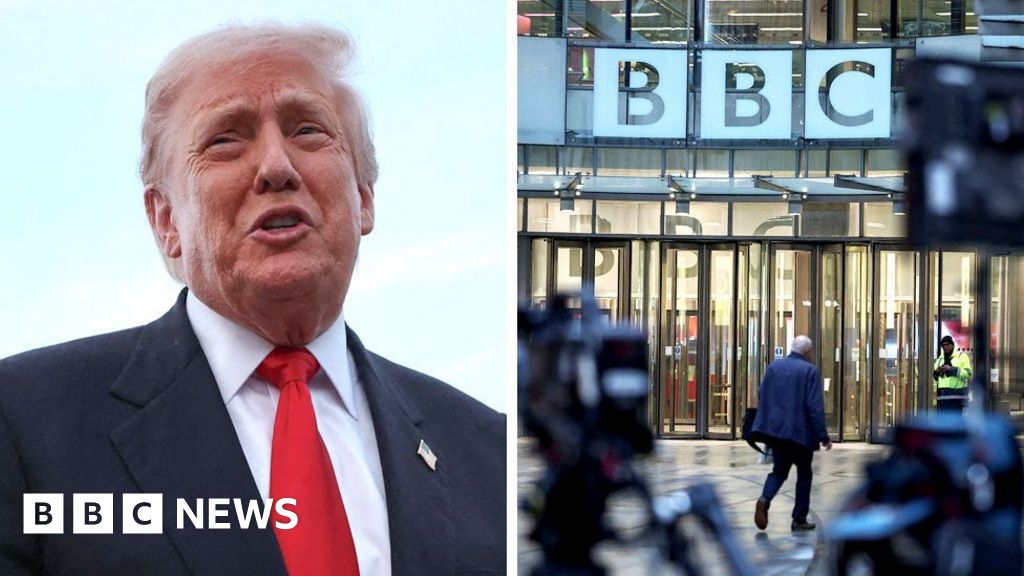
BBC Apologizes to Trump Over Panorama Edit, Won't Pay Compensation
BBC Apologizes to Trump Over Panorama Edit, Won’t Pay Compensation

International Political Landscape Shaken by BBC-Donald Trump Dispute

The escalating controversy surrounding the BBC‘s handling of a documentary featuring former US President Donald Trump exemplifies how media missteps can have profound geopolitical repercussions. The British broadcaster’s recent apology for a manipulated portrayal of Trump’s 6 January 2021 speech—which was edited to give a misleading impression of inciting violence—has ignited a legal and diplomatic firestorm. Lawyers representing Trump have demanded a $1 billion damages settlement, asserting that the BBC’s actions have tarnished his reputation and potentially influenced US-UK relations.

Analysts warn that this spat is not just about media ethics but a reflection of mounting global tensions. The BBC, a bastion of Western liberal values, is now embroiled in a crisis that questions the independence of mainstream media in the face of political interference. Historians and political commentators suggest this incident marks a turning point in how nations perceive media bias and propaganda in the era of information warfare. The incident also comes amidst wider concerns over UK’s sovereignty and editorial independence, as the government announces plans to review the BBC’s charter—an effort to ensure tighter oversight amid claims of bias and politicization, especially in politically sensitive content.

Global Institutions and the Future of Free Speech

  • International organizations, including the Organization for Security and Co-operation in Europe (OSCE), have emphasized the importance of safeguarding freedom of expression while maintaining journalistic standards.
  • The rising tensions have prompted calls from conservative voices in the US and the UK to reinforce national sovereignty over what they perceive as international media overreach.
  • Experts warn that if the BBC’s actions are deemed a precursor, other governments will scrutinize Western media more tightly, potentially leading to new forms of media regulation and censorship—an unsettling prospect for advocates of free press.

Meanwhile, political leaders across the Atlantic are divided. British Culture Secretary Lisa Nandy has pledged that the corporation will uphold the highest standards but also acknowledged gaps in editorial safeguards—a recognition that could reshape the BBC’s governance. Conversely, critics allege that internal political influence, exemplified by appointments like Sir Robbie Gibb, has compromised the broadcaster’s impartiality, fueling suspicion and eroding public trust.

This crisis underscores a broader global struggle: how to balance freedom of speech with responsible journalism, especially when powerful figures like Trump threaten legal action. The BBC’s internal review, triggered by leaked memos and mounting public criticism, reveals the deep fissures in contemporary media standards. As the specter of legal retaliation looms, the question arises: what unchecked narratives will shape history when impartiality is compromised? The unfolding drama leaves the world watching—knowing that in this new era of information, the lines between truth and perception are more fragile than ever.

Rivian CEO RJ Scaringe Scores $5B Pay Package, Spotlight on EV Boom

Rivian Reshapes Executive Incentives to Accelerate Market Disruption

The EV startup Rivian has announced a strategic overhaul of its compensation strategy for founder and CEO RJ Scaringe, signaling a bold move to align executive incentives with future innovation and market dominance. According to a recent filing, Scaringe is being rewarded with a new performance-based stock award that could eventually be valued at approximately $5 billion, contingent on hitting ambitious growth benchmarks. This initiative underscores Rivian’s commitment to disruption, not just through its electric vehicles, but through a recalibrated business strategy that keeps pace with industry giants like Tesla and emerging players leveraging the latest in autonomous and clean tech innovation.

The company’s latest move follows a period marked by fluctuating market valuation, with Rivian’s stock soaring past $129 post-IPO in November 2021—only to slump to around $30 in subsequent months. Currently trading between $10 and $20, this volatility reflects broader industry challenges but also emphasizes why now more than ever, redefining incentives for leadership is critical in maintaining competitive advantage. Rivian’s decision to double Scaringe’s annual salary to $2 million and grant a significant 10% stake in its newest spinout, Mind Robotics, exemplifies an aggressive push towards technological diversification and integration. Such approach aims to unlock new revenue streams and deepen innovation pipelines, potentially changing the landscape of robotics and AI within the automotive sector.

By canceling Rivian’s previous 2021 performance grant, the company’s compensation committee aims to counteract what it calls a “lack of incentive,” replacing it with a more aggressive, goals-based equity scheme. This strategic pivot echoes trends seen across high-growth tech sectors, where disruption of traditional business models hinges on aligning executive rewards with technological milestones. The move also signals to investors and competitors alike that Rivian intends to accelerate R&D, especially as it prepares to launch its anticipated R2 model, a critical phase in its competitive push against legacy automakers and likes of Tesla’s autonomous vehicle empire.

Looking ahead, industry analysts like Gartner and think tanks such as MIT emphasize that the next wave of innovation in EVs and advanced automation is driven by relentless disruption in hardware, software, and business models. Rivian’s evolving incentive structure reflects a broader market recognition that attracting top-tier talent and incentivizing breakthrough performance is essential in a landscape where timing is everything. With the global push for cleaner transportation and autonomous tech accelerating, Rivian’s bold strategic incentives highlight a clear message: the race to redefine mobility is not just automation or electrification but the strategic mastery and vision of industry leaders prepared to disrupt the status quo at a moments’ notice. As the industry stands on the cusp of what may be a transformational decade, Rivian’s moves signal a clarion call—those who innovate fastest and incentivize effectively will shape the future of transportation.

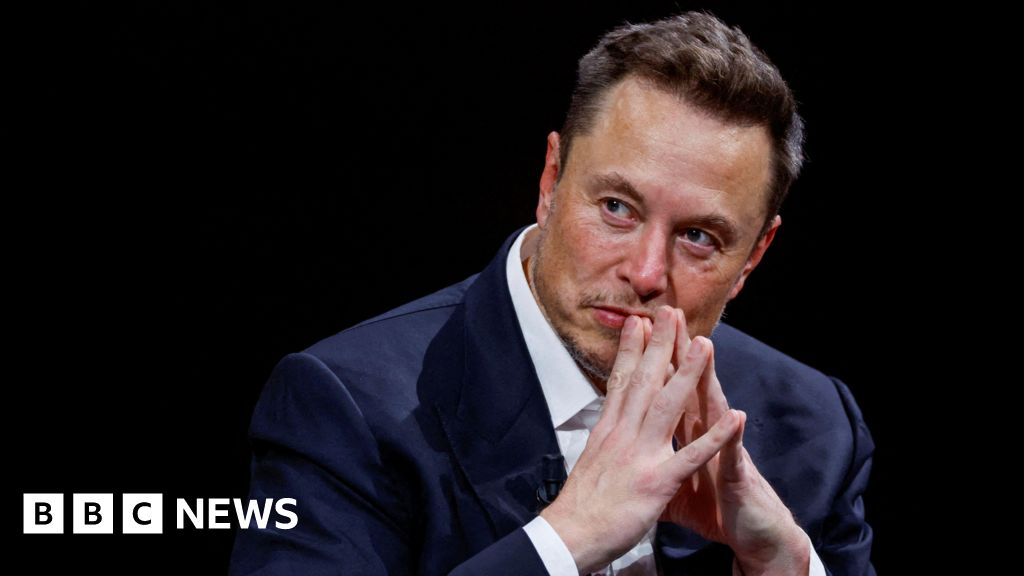
Tesla shareholders approve Elon Musk’s $1tn pay package—big win for the founder’s vision

In a bold display of corporate ambition, Tesla, under the visionary leadership of Elon Musk, announced a dramatic shift that could reshape not only the autonomous vehicle industry but also the broader geopolitical landscape. The company’s recent declaration, which included a hefty announcement of its strategic future, has stirred controversy among industry analysts and international observers alike. With Tesla’s valuation soaring from $1.4 trillion to an impressive $8.5 trillion, the company’s trajectory underscores Musk’s relentless pursuit of technological dominance, but not without raising serious concerns over regulatory oversight and public safety.

At the latest shareholder meeting in Austin, Texas, Musk appeared energized, even dance-like, as he unveiled plans that signal a pivot from the traditional automotive focus towards futuristic ventures such as the Optimus robot and expansive self-driving Robotaxi networks. These developments mark a significant departure from Tesla’s erstwhile emphasis on electric vehicles, drawing critics’ attention to the potential risks of prematurely deploying autonomous technology. Historians and analysts warn that such rapid technological shifts could have profound societal effects, emphasizing the importance of cautious regulation and international cooperation.

  • The company aims to deploy a million self-driving Robotaxis in the coming years, propelling Tesla into a new era of mobility.
  • Musk’s focus on Optimus signals a broader strategic direction that emphasizes artificial intelligence and robotics as the future of Tesla’s expansion.
  • However, the move has attracted scrutiny from U.S. regulators, who are investigating incidents involving Tesla’s Full Self-Driving (FSD) system, which has been linked to accidents and injuries on public roads.

International leaders and watchdog organizations are watching closely, understanding that Tesla’s technological ambitions may redefine global dynamics in areas such as innovation, energy, and geopolitics. Critics argue that Musk’s drive to dominate these sectors could trigger a new technological arms race, especially amid ongoing transnational tensions. Analysts at institutions like the World Economic Forum caution against hasty deployment of autonomous systems without stringent safety measures, warning that mishandled innovations could lead to financial instability and societal unrest. Meanwhile, how nations respond to the unfolding Tesla revolution may determine the future landscape of global power, highlighting the significance of international dialogue and regulation.

As history unfolds, the story of Tesla’s technological leap forward remains a testament to human ingenuity entwined with risk. Will this new chapter withstand the scrutiny of policy, safety, and societal impacts, or will it serve as a cautionary tale about the perils of unchecked technological hubris? Only time will tell, but one thing remains clear—the world watches as the bold architects of tomorrow chart their course through the turbulent waters of progress, leaving behind a legacy that may well redefine the very fabric of modern civilization.

RMT OKs Three-Year Pay Deal for London Underground Staff—A Win for Workers and Efficiency

London Underground Workers Secure Historic Pay Agreement Amid Global Labour Trends

In a significant development that underscores the shifting landscape of labor negotiations within the United Kingdom, the RMT union has accepted a three-year, inflation-linked pay deal for London Underground workers. This agreement concludes a contentious period marked by widespread strikes and travel disruptions that had frozen the city’s bustling transportation network in September. By securing a deal that increases driver salaries to nearly £80,000 by 2027, union leaders have demonstrated that organized, strategic strike action can effect substantial gains in negotiations traditionally shaped by government austerity and corporate resistance.

This deal, starting with a backdated 3.4% increase from April, ties wages directly to RPI inflation, a more generous index than the commonly used CPI. The broader impact is undeniable: it reflects a growing recognition that inflation adjustments need to include real costs such as housing, which has long been a source of worker frustration and economic hardship. The total value of the deal is projected to be at least 9.2%, setting a precedent for similar wage demands across the UK’s transport sector. The union’s assertion that it will pursue comparable increases elsewhere signals a potential wave of workforce activism, empowered by recent successes in collective bargaining.

Geopolitical and Social Ramifications: A Message for Global Workers

From an international perspective, this development has profound geopolitical impact. It exemplifies a shift toward more assertive labor movements in Western countries, challenging the narrative of dwindling union power. Historians and analysts, such as Dr. Emily Saunders from the International Labour Organization, point to this as a landmark moment where organized labor effectively leverages strike action to renegotiate power dynamics with both government and corporate interests. Such actions reverberate beyond London, inspiring workers across Europe and North America to mobilize around demands for fair wages and decent working conditions, especially amidst rising living costs and economic uncertainty.

For the UK, this agreement raises questions about how decisions made in the boardroom and negotiated through industrial action will shape societal stability and policy. The government and transport authorities face increased pressure to address systemic issues, such as housing affordability and productivity measures that historically marginalize workers. The union’s rejection of proposals like a reduced 32-hour workweek underscores ongoing tensions between labor interests and managerial visions of efficiency, which could serve as catalysts for broader reforms or intensified conflicts.

Decisions That Will Define Future Global Power Dynamics

As the UK navigates this new era of labour activism, international organizations warn of a turning point in global power dynamics. The European Union and OECD have closely monitored these developments, recognizing that the strength of trade unions directly influences national stability and economic resilience. The successful leverage of strike action in London may recalibrate how governments and corporations approach negotiations worldwide, especially as inflation continues to surge and societal inequalities deepen. Critics caution that without reforms, such victories could be short-lived or lead to unintended economic consequences, but proponents see them as a necessity for restoring fairness and societal cohesion.

In the haunting shadow of history, the potential for this wave of worker activism to catalyze seismic shifts in policy looms large. The question remains: Will this renewed assertion of workers’ rights be met with meaningful reform, or will it ignite further tensions that threaten to fracture societies? As these events unfold, the world watches with bated breath—history’s pen poised to inscribe the next chapter in the centuries-long struggle for justice and equitable power in the workplace.

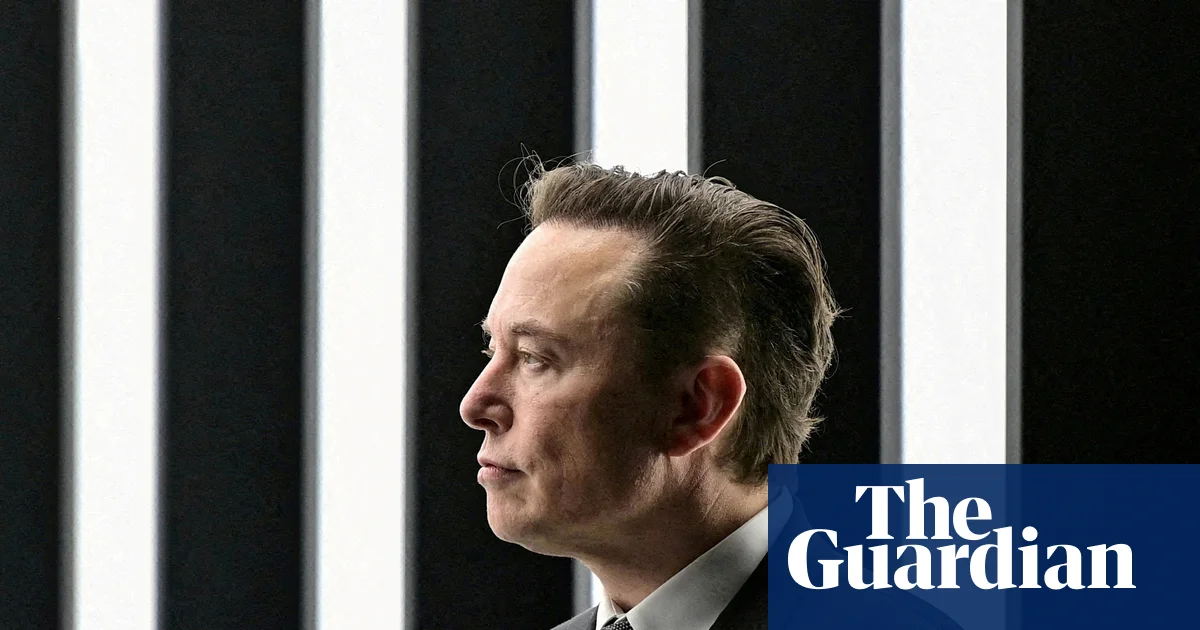
Huge Norway Fund Likely to Reject Elon Musk’s $1tn Tesla Pay Deal

In a decisive move that underscores the power struggle between global investors and corporate executives, Norway’s iconic sovereign wealth fund, the largest in the world, has announced its intent to vote against a staggering $1 trillion pay package proposed for Elon Musk, the visionary CEO of Tesla. This stance highlights a crucial shift in the international outlook on executive compensation and the moral questions surrounding excessive wealth accumulation at the expense of societal responsibility. While acknowledging Musk’s innovative role in transforming the electric vehicle industry, the fund’s administrators expressed concerns over the size and structure of the proposed incentive scheme, citing issues like dilution of shares and lack of adequate risk mitigation.

The geopolitical impact of this development resonates beyond corporate boardrooms. As one of the most influential national funds, Norway’s move sends a clear message: control of the narrative over corporate governance is gaining momentum among international investors. This decision comes at a time when pension funds and public institutions across multiple nations are increasingly scrutinizing the relationship between executive pay and shareholder value. Notably, groups like the American Federation of Teachers and the California Public Employees’ Retirement System have openly opposed Musk’s compensation, signaling a broadening public debate about wealth disparity — a cause for concern in many societies still grappling with economic inequality.

Adding complexity to this high-stakes saga is the personal dynamic between Tangen, the Norwegian fund’s CEO, and Musk. A recent controversy erupted when a private text exchange, uncovered through a freedom of information request, revealed Musk’s pointed remarks about reciprocity and friendship. Musk reportedly told Tangen: “When I ask you for a favour which I very rarely do, and you decline, then you should not ask me for one until you’ve done something above nothing to make amends.” This exchange exemplifies the clash of personalities and the undercurrents of influence that often lie beneath such monumental financial and strategic decisions. It also underscores the growing influence of internationally coordinated efforts to shape the legislative and cultural landscape surrounding global corporations.

The world is watching as the vote on Musk’s proposed incentive structure approaches this Thursday, and the implications reach far beyond the tech sector. If approved, Musk’s estimated net worth could soar beyond $2 trillion, making him potentially the world’s first trillionaire — a figure that exemplifies the staggering concentration of wealth among Silicon Valley elites. Conversely, a rejection by this influential fund would be a significant blow to Musk’s quest for extraordinary rewards, emphasizing that even the most innovative entrepreneurs cannot operate outside the grip of public and institutional oversight. As renowned analysts and global institutions warn of an era where economic disparity threatens social cohesion and geopolitical stability, these decisions are more than mere corporate governance; they are a mirror of our times, reflecting the growing demand for accountability and fairness.

Ultimately, history may well record this period as a pivotal chapter in the battle for economic justice and the shaping of the 21st century’s geopolitical order. As nations and societies watch the unfolding drama of power, wealth, and influence, they are left contemplating the legacy they wish to leave behind — one of innovation driven by ethical responsibility, or a future overshadowed by the shadows of greed and unchecked ambition.

Trump supporter Timothy Mellon funds $130M to secure troop pay amid shutdown

In a startling display of private influence over public policy, timing and financial dominance converge as news broke of an anonymous donation that temporarily eased the burdens of U.S. troops during the prolonged federal shutdown. According to The New York Times, the donor, identified only as Timothy Mellon, committed a staggering $130 million to the U.S. government — a move unprecedented in its clandestine nature and its implications for americas’ political landscape. Mellon’s history as a major Republican benefactor and heir to an industrialist legacy underscores a broader trend: wealthy private actors increasingly shape governmental functions, blurring the lines between citizen participation and covert influence.

This infusion of private capital raises critical questions about how international and domestic policy decisions are influenced by billionaires. The donation, accepted under the Pentagon’s “general gift acceptance authority,” was reportedly aimed solely at subsidizing service members’ salaries and benefits. Yet, the controversy lurks in the potential violations of the Antideficiency Act, which explicitly prohibits federal agencies from spending beyond their congressional appropriations or accepting voluntary services outside emergencies involving human safety. Such measures drift dangerously towards undermining the checks and balances fundamental to American democracy, where the power of the purse traditionally rests with elected representatives, not anonymous magnates.

Historically, figures like Mellon symbolize a nexus of wealth, political influence, and ideological confrontations. As research by analysts and historian suggest, Mellon’s substantial campaign contributions — totaling over $165 million in recent election cycles — exemplify how interwoven private fortunes are with the fabric of candidate support and policy advocacy. His recent backing of intense border projects in Texas, and support for antitrust ideological movements, reveal a strategic effort to shape regional and national narratives aligned with a broader conservative resurgence.

The geopolitical impact of such private influence extends beyond American borders. As international organizations warn of increasing transnational power struggles, the US’s internal reliance on billionaire benefactors risks destabilizing the foundational principles of democracy in favor of a shadowy corporatocracy. The actions of Mellon and similar donors set a precedent where financial might can quietly mold policy outcomes, often at odds with citizen interests. Their role invites scrutiny from global governance bodies, which are already observing the fragility of the American political order amidst growing societal divisions.

As history continues to unfold in the corridors of power, the weight of these clandestine financial maneuvers threatens to redefine the very notion of sovereignty. With each secret donation, each act of influence, the dividing lines between the public and private sphere blur further, raising urgent questions about accountability and transparency. As nations look on, they recognize the inescapable reality that the future of free societies hangs by a thread, woven with the invisible threads of wealth and power, leaving the world to ponder — whose interests truly shape the course of history?

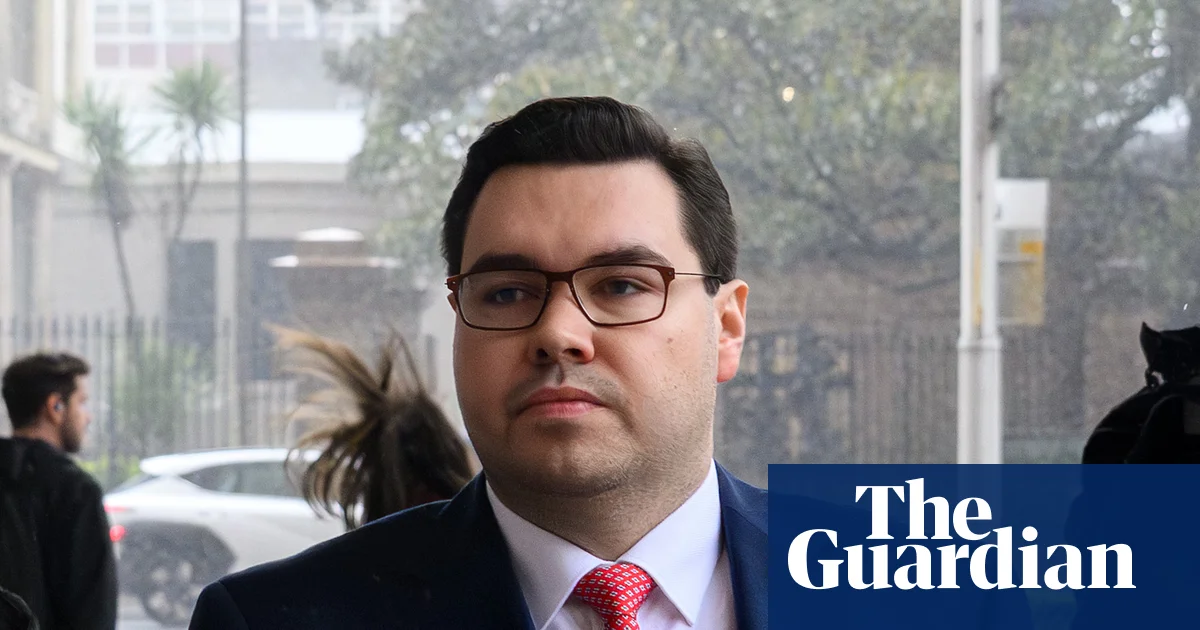
Bruce Lehrmann claims government should pay legal costs for anti-corruption raid over 'James Bond-style' claims in NSW
Bruce Lehrmann claims government should pay legal costs for anti-corruption raid over ‘James Bond-style’ claims in NSW

The Echoes of Domestic Turmoil and Their Global Geopolitical Impact

In a narrative increasingly becoming common in Western democracies, the domestic legal battles of disgraced political figures are now spilling beyond national borders, shedding light on how internal governance issues ripple out with far-reaching consequences. The recent case of Bruce Lehrmann, a sacked political staffer embroiled in scandal in Australia, exemplifies this trend. His legal disputes—centered on accusations of misappropriating sensitive documents related to French submarine deals—are more than a matter of local justice; they are a reflection of the unstable political terrain that the Indo-Pacific region now navigates.

Amid ongoing investigations, Lehrmann’s unresolved dispute over government funding for legal representation highlights how fragile political institutions have become. Justice Brigitte Markovic’s decision to order mediation by December 1st emphasizes a strategic attempt to avoid prolonged legal conflicts that could undermine public confidence in government processes. Yet, the underlying issues—such as Lehrmann’s claims of being denied funding despite assurances—highlight a broader crisis of transparency and accountability, both domestically and in the context of international perceptions of Australia. Analysts warn that such internal fissures risk eroding the trust in democratic institutions and complicate Australia’s diplomatic posture, especially in a strategic environment dominated by the United States, China, and Russia.

Adding an international dimension, Lehrmann’s legal saga is intertwined with other sensitive issues like his accusations involving his colleague, Brittany Higgins. The case touches on deeper concerns about political accountability and the handling of power within Parliament. While Lehrmann has dismissed allegations of rape—which are yet to be conclusively tested in a criminal court—the 2024 ruling by Justice Michael Lee finding the claims probable on the balance of probabilities escalates into a broader debate about justice, credibility, and the rule of law in Australia. His appeal against a defamation loss signals how these domestic issues could influence regional perceptions of legal integrity and policy stability.

From an international perspective, the distraction of internal scandals serves as a cautionary tale for European and Asian policymakers alike, emphasizing how domestic discontent can be exploited by external actors to weaken alliances. It raises questions about the geopolitical ramifications—particularly as China and Russia continue to scrutinize Western democracies’ internal divisions. Institutions like the European Union and ASEAN are watching closely, cognizant that internal instability can undermine collective security and influence regional rivalries.

Indeed, the Lehrmann case is a microcosm of a larger, tempestuous global landscape where internal power struggles and legal disputes may seem isolated but are in fact part of a wider narrative. These unfolding domestic dramas expose the vulnerabilities within democratic systems, which external powers are eager to observe and analyze. As historians and security analysts warn, the way nations handle these internal conflicts will determine their geopolitical fate in an era marked by strategic rivalry and shifting alliances. With history’s pen whirling, the story of Lehrmann and similar figures remains an enduring testament to the fragile fabric of modern democracies—threads that, if broken, could unravel the very global order upon which the future depends.

Trump administration seeks funds to pay federal officers amid shutdown dominance

U.S. Government Shutdown and Its Global Geopolitical Impact

The prolonged shutdown of the United States federal government, now entering its third week, underscores a deepening political crisis that extends beyond domestic borders. Despite repeated votes in the Senate, the legislature remains deadlocked, illustrating a growing rift between Democrats and Republicans. The inability to pass funding legislation not only halts regular government operations but also sets a troubling precedent for the stability of the world’s leading superpower. International analysts warn that such internal chaos can weaken America’s standing on the global stage, complicating diplomatic relations and economic strategies worldwide.

Financial Strains and Alternative Measures with Global Consequences

Faced with the crisis, the Trump administration has begun exploring alternative ways to finance critical programs. While the government remains paralyzed, essential services such as military operations are being maintained through previously allocated funds, raising concerns about the long-term sustainability of such decisions. Officials confirm that approximately 750,000 federal employees have already been furloughed, a figure with serious social and economic repercussions that ripple through markets, affecting global investors and allied nations reliant on U.S. stability.

  • The federal workforce faces significant financial uncertainty, with ongoing layoffs impacting multiple agencies.
  • The administration has sought cost-effective ways to sustain essential services, including using tariff revenue to fund nutritional aid programs for vulnerable populations.
  • The military remains operational, yet the question of funding continuity remains unresolved, with warnings of further disruptions looming.

International commentators, including financial analysts and political historians, indicate that the U.S. political impasse threatens the reliability of American policy and economic commitments. This internal discord may embolden geopolitical opponents, who see in America’s weakness an opportunity to expand influence in regions like Eastern Europe, the Indo-Pacific, and beyond. Such instability could result in shifts in alliances, emergent regional conflicts, and a recalibration of international power dynamics.

Turning Point or Prelude to Greater Turmoil?

The unresolved dispute over funding for critical programs, such as welfare for women and children and law enforcement agencies, signals a fragile domestic landscape. The potential for further financial hardship, coupled with rhetorical escalations from leaders, suggests a turning point in American governance that could redefine its influence for decades to come. Historians warn that prolonged governmental deadlock not only undermines domestic trust but also erodes international credibility.

As the world watches, the unfolding crisis in the US offers a stark reminder: in a time of shifting alliances and rising powers, internal stability remains the cornerstone of a nation’s capacity to lead. The decisions made within the halls of Congress now reverberate across continents, shaping the global order and determining whether the future will be one of renewed strength or unprecedented decline. The pages of history are turning — and only time will tell what chapter they will write next.

Social Media Auto Publish Powered By : XYZScripts.com