Matox News

Truth Over Trends, always!

US-Iran Peace Talks Possible Soon as Trump Warns of Tensions with Iran

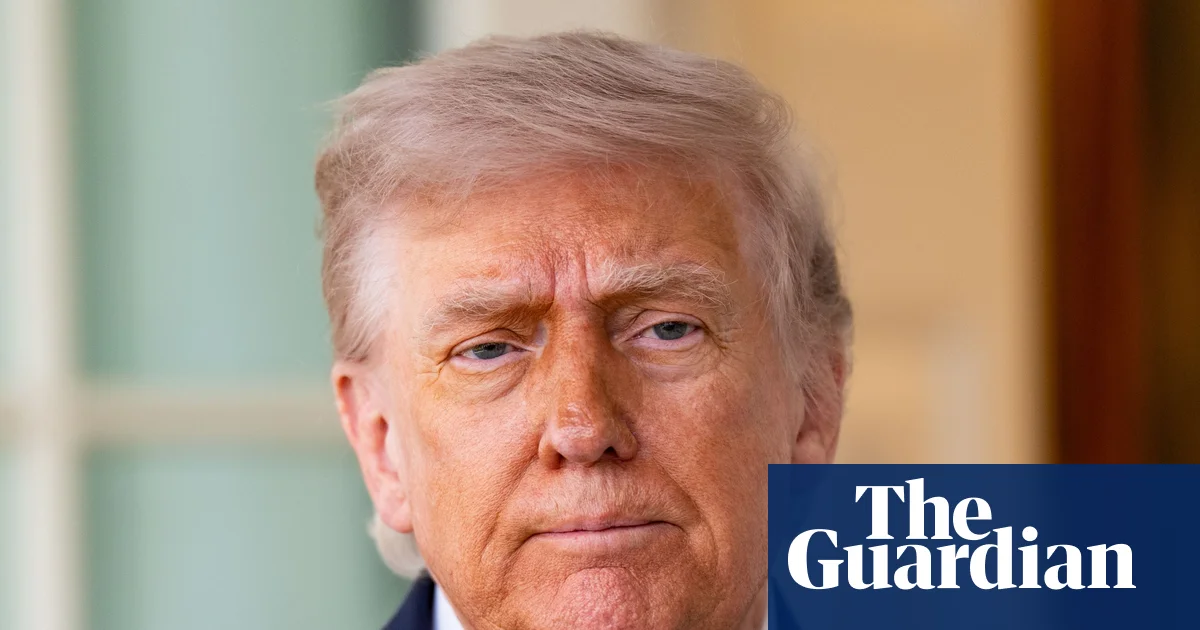
Amid mounting global tensions and soaring energy prices, U.S. President Donald Trump has signaled the possibility of resuming peace negotiations with Iran in an unexpected diplomatic development. Trump’s recent remarks, suggesting that talks could resume in Islamabad within the next couple of days, mark a notable shift in the ongoing confrontation over Iran’s nuclear ambitions and regional influence. The U.S. leadership, wary of the economic fallout from the Strait of Hormuz closure—an essential corridor through which roughly 20% of the world’s oil transits—appears to be recalibrating its approach to avoid further destabilization.

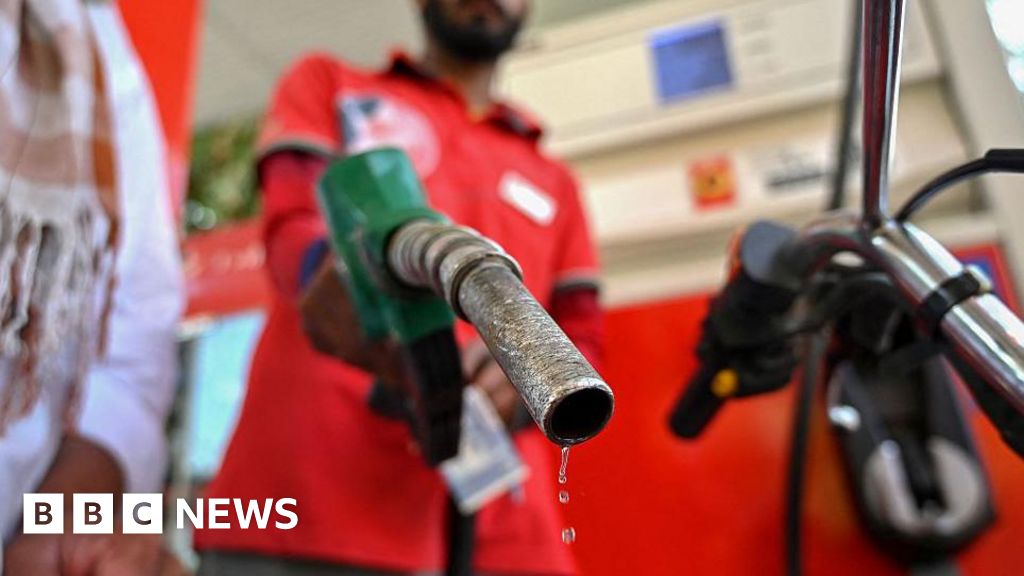
Strategic analysts highlight the significance of Islamabad’s role as a mediator in this fragile geopolitical chess game. Field Marshal Asim Munir, Pakistan’s formidable army chief, has been praised by Trump for his “great job” in facilitating dialogue, reflecting Islamabad’s emerging prominence as a regional diplomat. This diplomatic effort is happening amidst a backdrop of economic anxiety—oiled prices surged above $100 per barrel following Iran’s shutdown of the strait. Though crude prices briefly dipped to nearly $95 amidst reports of renewed negotiations, the global economy remains perched on a precipice, waiting to see whether diplomacy can disarm the mounting crisis.

Complicating this delicate process is the intra-regional conflict erupting along the Lebanese border. Israel and Lebanon have entered into unprecedented negotiations in Washington, designed to address the ongoing conflict—a consequence of recent U.S.-Israeli strikes on Iran. Hezbollah, Iran’s key regional proxy, has openly declared it will not adhere to any agreements brokered by Israeli or Lebanese representatives, forcing international observers and regional powers to consider the possibility of a broader escalation. The atmosphere of distrust and defiance underscores how fragile any potential peace is, with the region teetering on the edge of further turmoil.

Meanwhile, the diplomatic sidelines are fraught with accusations over the negotiations’ sticking points. Reports reveal that U.S. Vice President JD Vance expressed skepticism about Iran’s willingness to make significant concessions, emphasizing that Tehran has yet to demonstrate the flexibility needed for a sustainable deal. Iran, on its part, remains steadfast, insisting it will not surrender its uranium enrichment program and demanding a shorter moratorium—less than ten years—rather than the U.S. demand for a 20-year suspension. Such divergence reveals the deep mistrust between the parties and the hardened positions that threaten to plunge the region back into conflict, despite informal talks hinting at possible détente.

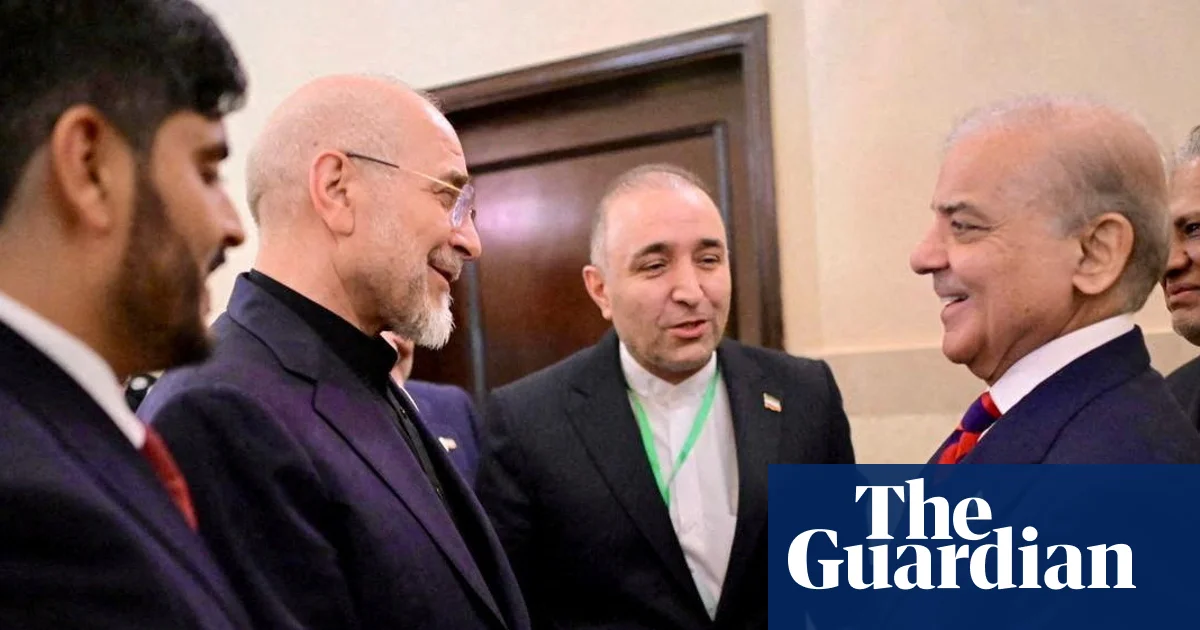
Key external powers are also stepping into the fray, with senior officials from Saudi Arabia, Egypt, and Turkey attending consultations in Islamabad, seeking to influence the diplomatic process. As Prime Minister Shehbaz Sharif prepares to visit regional allies in a bid to garner support for peace initiatives and propose measures to reopen the Strait of Hormuz, the current diplomatic flux indicates that the future remains unpredictable. History warns us that each diplomatic blunder, each missed opportunity, could ignite a domino effect of chaos that redraws the Middle East’s landscape for generations to come.

As these perilous negotiations unfold under the shadow of regional and global interests, the fate of the Middle East hangs in the balance. The decisions taken in the coming days will shape not only the geopolitical contours of the region but also the everyday lives of millions caught in the crossfire. Whether diplomacy prevails or a new inferno ignites, the weight of history remains, watching silently as the world teeters ever closer to a defining moment—an epoch where the hopes of peace confront the reality of enduring conflict.

US and Iran meet in Islamabad as Pakistan pushes for peace — tensions rise amid US-Israel pressure

In an unprecedented turn of events, Iran and the United States have initiated direct peace negotiations in Islamabad, marking a historic moment since 1979 when diplomatic ties sharply severed. The talks, conducted under the aegis of Pakistan, aim to recalibrate decades of mutual hostility and regional instability. This diplomatic breakthrough was confirmed by both sides, with senior negotiators, including US Vice President JD Vance, and Iran’s parliamentary speaker Mohammad Bagher Ghalibaf, sitting at the same table for substantive discussions. The presence of Pakistani Army Chief Asim Munir underscores Islamabad’s pivotal role as a neutral mediator striving to foster dialogue amid ongoing regional conflict, notably in Lebanon.

  • The initial two-hour session focused on security, financial reparations, and the strategic importance of the Strait of Hormuz.
  • Iran’s demands included a ceasefire in Lebanon and unblocking frozen assets, while the US expressed outright skepticism about Iranian intentions, warning Tehran against manipulation.
  • Regional violence persisted outside the negotiations, with Israel’s military conducting extensive strikes on Hezbollah positions in southern Lebanon, killing ten overnight, amplifying the proxy war.

Despite optimism from Pakistani officials, who see the talks as a *glimmer of hope* amid regional chaos, questions remain about the ultimate viability of such negotiations. Analysts warn that how decisions are made now will significantly influence the geopolitical landscape. American and Israeli policymakers, emboldened by recent military successes—including the sinking of Iranian mines in the Gulf and the destruction of Hezbollah targets—are prepared to assert dominance over Tehran. President Donald Trump publicly declared that the US is “starting the process of clearing out the Strait of Hormuz,” with US navy assets repositioning to guarantee “freedom of navigation,” a move denounced by Iran as a provocative escalation.

Meanwhile, regional actors such as Israel and Hezbollah stand at the brink of a new phase of confrontation. Israel’s recent bombing of Lebanese targets and rocket exchanges signal an entrenched conflict that could unravel the fragile thread of diplomacy. Reports of a potential *U.S.-brokered* ceasefire between Lebanon and Israel remain tentative, as internal divisions deepen—especially with Hezbollah supporters rallying against diplomatic negotiations—highlighting the volatile intersection of local and global power struggles. Historians and analysts warn that flashpoints in Lebanon and the Gulf embody the broader contest for regional dominance, where every move has the potential to ignite a larger conflagration with catastrophic consequences.

As the world watches with bated breath, the unfolding chapters in the Iran-US saga may yet shape history’s verdict. Will these negotiations signal a genuine thaw or merely a pause in a relentless confrontation? With powerful regional players determined to shape the future on their terms, the next steps—regardless of diplomatic surface appearances—may seal the fate of an entire generation. In the shadows of these tense negotiations, the question remains: are we approaching a new era of peace, or are we merely witnessing the lull before a storm that could redefine the Middle East’s destiny for generations to come?

Russia and Ukraine sign Orthodox Easter ceasefire to promote peace among youth

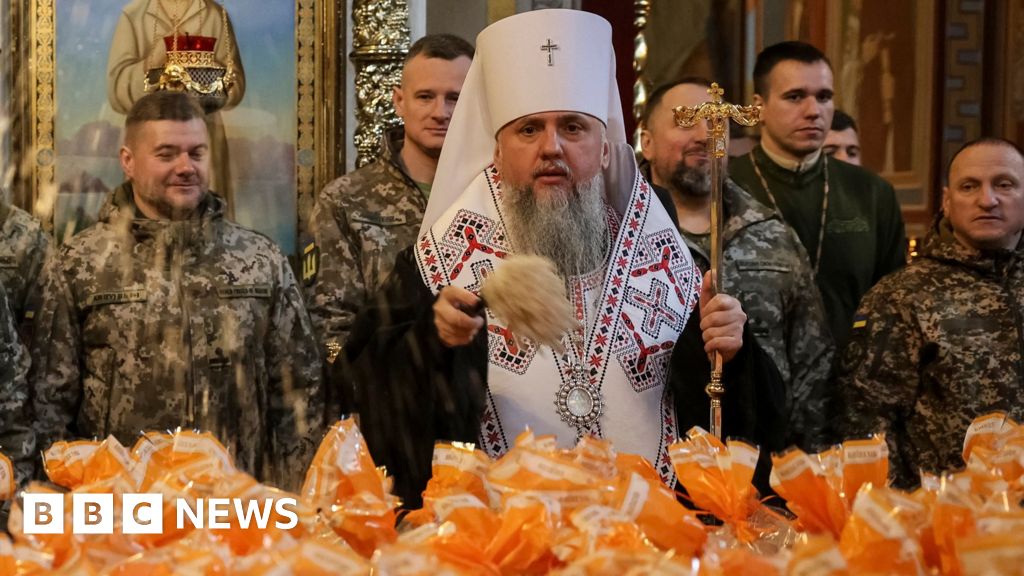
In a move that has sent ripples through the international community, Vladimir Putin has officially declared a ceasefire that will commence from Saturday afternoon and extend through Easter Sunday. This unexpected announcement comes at a time when global tensions, especially surrounding Russia’s ongoing conflict in Ukraine, have been escalating, drawing widespread concern about the stability of the region and the potential for geopolitical realignments.

While the specifics of the pact remain obscure, analysts worldwide are scrutinizing this development for its geopolitical impact. Many believe this truce represents a strategic shift rather than a genuine desire for peace. Historically, ceasefires brokered in conflict zones, especially those initiated by major powers, serve often as temporary pauses or as tactical maneuvers aimed at consolidating military positions or extricating diplomatic pressure. According to international relations experts, such efforts often reflect the complex interplay of domestic politics, leadership calculations, and international diplomacy. It remains to be seen whether this ceasefire entails genuine de-escalation or is part of a broader strategy to regroup or reconfigure Russian military objectives.

Ukrainian officials and Western allies have responded with cautious optimism, though skepticism persists.

  • Some officials warn that the announcement might be a tactical pause, used to prepare for potential renewed offensives.
  • Others see it as a sign of vulnerability or a move influenced by internal pressures within Russia.

The United Nations and several European nations have called for transparency and adherence to the ceasefire, emphasizing its potential turning point in the broader conflict. Historically, ceasefires have often proven fragile, with their success hinging on reciprocal commitments from conflicting sides and the broader geopolitical climate. The G7 and NATO countries continue to monitor developments closely, understanding that any pause holds the potential either to de-escalate or, conversely, to mask another phase of escalation. The decision could set a precedent for future negotiations or shifts in the regional narrative, making this a critical juncture in the ongoing struggle for influence and sovereignty in Eastern Europe.

As the world watches with bated breath, the unfolding scenario leaves many pondering the true motives behind Russia’s move. Will this be a genuine effort at peace or simply a strategic pause? As history repeatedly demonstrates, the destinies of nations are often shaped by moments of apparent restraint amid chaos—poised, perhaps, on the edge of a new chapter marked by uncertainty. The stakes are high, and the weight of history presses heavily on all sides, reminding us that in the dance of power, the next move is never certain, and the future remains a fragile, unresolved narrative.

China steps in as peace broker in Iran conflict—will they deliver?

In a noteworthy development on the international diplomatic stage, China has signaled a significant shift towards promoting peace and dialogue amid ongoing global tensions. According to statements released by the Chinese Foreign Ministry, high-level officials have embarked on “new efforts” aimed at fostering diplomatic solutions to regional conflicts. This move comes after months of escalating tensions in various flashpoints across Asia and beyond, where military posturing and economic sanctions have heightened fears of broader confrontation. The joint diplomatic efforts underscore a strategic pivot that could influence the future of geopolitical stability, particularly in areas prone to conflict escalation.

The joint statement issued by China and its counterparts emphasizes that “dialogue and diplomacy are the only viable options to resolve conflicts.” This declaration highlights a deliberate attempt to recalibrate previous assertive postures, especially regarding control of vital waterways such as the Strait of Taiwan, the South China Sea, and other key maritime arteries. The statement also called for the protection of these waterways, emphasizing their international significance and potential as flashpoints for future confrontations. Such rhetoric is a deliberate contrast to earlier assertiveness, signaling that China may be seeking to reframe its image as a responsible global stakeholder and peace advocate, even as its actions remain closely watched by rival powers.

International analysts, including senior analysts from the International Crisis Group and historians specializing in Asian geopolitics, evaluate this diplomatic shift with cautious optimism. They emphasize that “while rhetoric may be evolving, the geopolitical landscape remains fragile.” They warn that permanent peace hinges not only on words but on tangible actions, including mutual de-escalation, respect for international treaties, and safeguarding vital communication channels among global powers. The recent statements are viewed by many as a calculated move by China to demonstrate its willingness to cooperate amidst mounting pressures from the United States and regional allies. However, whether this marks a genuine turn toward peace or merely a temporary diplomatic façade remains uncertain—an ambiguity that leaves the world’s security outlook hanging in the balance.

This diplomatic development arrives against a backdrop of a rapidly shifting geopolitical climate, where conflicts are increasingly intertwined with economic competition, technological rivalry, and ideological disputes. The decisions taken today will undoubtedly influence not only bilateral relationships but also global stability, affecting nations’ security, trade, and societal peace. As U.S. officials and European allies monitor China’s diplomatic moves, the world watches with bated breath for indications of whether this was merely a pause or the beginning of a genuine détente. The weight of history looms, reminding all that the true test lies ahead: can words be translated into lasting peace, or will the current moment serve as another fragile chapter in an enduring saga of international discord?

Gaza Peace on the Rocks as Focus Turns to Iran

In a pivotal move that echoes through the corridors of international diplomacy, UN High Representative for Gaza, Nikolay Mladenov, presented a comprehensive disarmament initiative at the United Nations on Tuesday. As the geopolitical landscape of the Middle East continues to simmer with tension, this initiative aims to address the persistent threat posed by weapons held by Palestinian armed groups in Gaza. Mladenov’s groundwork focuses initially on disarming the most dangerous weapons, rockets, heavy munitions, explosive devices, and assault rifles, acknowledging that the proliferation of such armaments fuels cycles of violence and undermines regional stability.

The proposed framework seeks to disentangle the web of militancy that has embroiled the region for decades. According to Mladenov, these measures are “a necessary step toward peace,” offering a pathway to reduce hostilities and foster coexistence. However, the geopolitical ramifications extend beyond Gaza, threatening to alter the balance of power among regional actors and global powers alike. Analysts warn that implementation of disarmament efforts could trigger a complex chain of reactions—either fostering long-term stability or igniting new conflicts if negotiations falter. The initiative underscores the longstanding international consensus on the importance of curbing weapons proliferation to prevent escalation of violence and to promote diplomatic solutions over military escalation.

International organizations and geopolitical analysts have long debated the effectiveness of disarmament in conflict zones, with some emphasizing that arms control efforts are often met with resistance from groups perceiving their weapons as vital to their political survival. Notable voices from the international community, including the European Union and the United States, have called for balanced approaches—supporting peace initiatives while maintaining the strategic interests of their respective nations. Critics warn that without concrete enforcement mechanisms, such disarmament efforts risk becoming symbolic gestures rather than tangible solutions. Historically, disarmament attempts in conflict zones such as the Balkans or Africa have demonstrated that progress is fragile and often contingent upon broader peace negotiations.

The geopolitical impact of the UN’s initiative extends far beyond Gaza, influencing regional dynamics involving {Israel}, neighboring {Egypt}, and wider Middle Eastern powers. {Israel} has expressed cautious optimism, recognizing that disarming militant groups could ease security concerns but remains wary of the possibility that such measures could embolden factions to seek alternative means of resistance. Meanwhile, {Egypt} and other neighboring states are positioning themselves as mediators, emphasizing the need for a sustainable peace that safeguards stability and development. As international actors prepare for the upcoming negotiations, there is an undercurrent of tension—each side weighing the potential gains against the risks of perceived concessions.

In the shadow of these diplomatic maneuvers, the echoes of history serve as a stark reminder of the stakes at hand. The ongoing struggle over Gaza symbolizes a greater conflict—a microcosm of global tensions where national interests, ideological clashes, and the quest for security intertwine. As historians and analysts observe, the decisions made today may determine the course of future generations, shaping the geopolitical landscape in ways unforeseen. With the world watching, the question remains: will these efforts usher in a long-awaited peace, or will they become another chapter in an enduring saga of conflict? As history’s pages turn, one thing is clear—our collective future hinges on the choices made in these critical moments, and the weight of history continues to unfold, demanding our vigilance and resolve.

US and Iran Unveil Paths to Peace: What’s on the Table?

In a startling development that underscores the fragility of international diplomacy amid escalating tensions, former U.S. President Donald Trump has publicly claimed that he is engaged in dialogue with “the right people” in Iran. This assertion, however, has been swiftly countered by Tehran, which categorically denied any such negotiations are occurring at this time. The conflicting narratives highlight a persistent uncertainty surrounding regional security and diplomatic outreach in the Middle East.

The implications of Trump’s statement have rippled through the geopolitical landscape, prompting analysts and international organizations to reevaluate their assessments of the ongoing U.S.-Iran dynamic. Historically, diplomatic engagement has been a cornerstone of stability in the region, but recent years have been marred by a series of confrontations, exit from the Iran Nuclear Deal, and escalating sanctions. The renewed mention of possible negotiations, regardless of the veracity, serves to rekindle hopes—yet also fuels fears of miscommunication and miscalculation that could spiral into open conflict.

According to international experts and historians specializing in Middle Eastern geopolitics, such as Dr. James Connelly of the London School of Economics, these conflicting statements demonstrate the ‘complex chess game’ played by the major power brokers. On one hand, U.S. motives appear to shift toward a pragmatic pursuit of diplomacy to de-escalate tensions. On the other, Tehran’s rejection of any ongoing negotiations signals a desire to project strength and maintain strategic autonomy in an environment rife with external pressure. This persistent ambiguity complicates the potential for meaningful progress, making the possibility of future negotiations a delicate balancing act.

  • Trump’s claim raises questions about U.S. outreach efforts and whether an administration change or internal political shifts are influencing diplomatic signals.
  • Iran’s denial underscores the ongoing authoritarian regime’s insistence on sovereignty amid external pressures and regional rivalries.
  • Both sides’ stances influence the power dynamics across the Middle East, affecting allies and adversaries alike, from Israel and Saudi Arabia to Russia and China.

The geopolitical impact of this episode extends far beyond immediate diplomatic circles. As UN Secretary-General António Guterres has warned, instability in the Middle East threatens global security, trade routes, and energy supplies. Many analysts argue that decisions made now—whether to pursue negotiations or escalate confrontation—will shape the course of history for decades. The international community remains watchful, knowing that any misjudgment could ignite conflicts with far-reaching consequences, reminiscent of Black Swan events that reshape nations and alliances.

As history continues to unfold in this high-stakes chess game, the world holds its breath. In the shadows of diplomatic corridors and fortified embassies, decisions are being forged that could pivot the region toward peace or plunge it into chaos. The question remains: will the voices of diplomacy finally drown out the drumbeats of war, or does history warn us that such opportunities may once again slip through humanity’s grasp—leaving global stability to teeter on the brink?

Middle East Tensions: Iran Attacks US Bases Amid Oil Drop and Trump Peace Plan Revealed

Global Tensions Surge as Iran Dismisses US Ceasefire Attempts Amid Middle East Escalation

In a dramatic display of defiance, Iranian military spokesperson Lt. Col. Ebrahim Zolfaghari dismissed recent American efforts to broker peace in the ongoing Middle East crisis. During a prerecorded address aired on state television, Zolfaghari derided the US’s ceasefire negotiations as emblematic of American strategic failure, asserting that Washington is only negotiating with itself. His pointed declaration—“The one claiming to be a global superpower would have already gotten out of this mess if it could”—underscores Iran’s rejection of Washington’s recent diplomatic overtures, which included a 15-point ceasefire plan sent through Pakistan. Analysts note this exchange marks a pivotal moment: Washington’s diplomatic attempts seem to have little traction amid Tehran’s outright rejection, exacerbating an already volatile region.

This escalating rhetoric comes at a time when oil markets are reacting sharply. Following President Donald Trump’s claims that negotiations with Iran are progressing and that Tehran has committed to never acquire nuclear weapons, global markets exhibited sudden volatility. Early Wednesday, Brent crude oil plummeted nearly 6%, with trading at $98.30 per barrel, while the West Texas Intermediate fell 5% to $87.72. Asian markets responded with optimism; Tokyo’s Nikkei 225 rose 2.8%, KOSPI gained 3.1%, and other regional indices followed suit. This market bounce, however, belies the underlying tension—analysts from the International Crisis Group warn that these optimistic surges could be short-lived if diplomatic efforts continue to falter.

Amid the diplomatic deadlock, the military actions on both sides escalated dramatically. Iran’s Revolutionary Guards launched missile strikes targeting locations in Israel—including Tel Aviv and Kiryat Shmona—as well as US bases in Kuwait, Jordan, and Bahrain. Iranian state media reported these attacks, which came shortly after Iran’s authorities claimed responsibility for firing a projectile at the Bushehr nuclear power plant, an incident managed without damage but indicative of a widening conflict. In Lebanon, Israeli strikes continued to inflict significant humanitarian toll—killing over a thousand civilians and displacing more than a million—while Iran’s alliances in the region, notably Hezbollah, remain poised to expand hostilities further. The U.N. reports that Iran’s military campaign has resulted in the deaths of approximately 1,500 Iranians, adding more fuel to the regional inferno.

On another front, American troop deployment remains on high alert. President Trump reportedly approved the movement of over 1,000 soldiers from the elite 82nd Airborne Division into the Middle East to bolster US presence, undermining earlier claims of a peace process. Meanwhile, Iran’s response to this increased military presence has been hostile, with fears that Iran might resort to mining the Gulf or seizing more strategic assets, threatening global energy supplies. As the war’s stakes extend beyond borders, international organizations such as the WTO issue warnings about the impending global food crisis. The agency’s deputy director general, Jean-Marie Paugam, has highlighted that the closure of the Strait of Hormuz by Iran—a critical route for nearly a third of the world’s fertiliser supplies—has already begun affecting food security, particularly in West and North Africa. Paugam warns of a subsequent reduction in harvests and rising food prices, prognosticating a devastating impact on world agriculture in the coming years.

This turbulent convergence of geopolitics, military confrontation, and economic upheaval underscores a profound chapter in the unfolding history of the 21st century. As historians and analysts observe, decisions made today will resonate across generations, shaping the geopolitical landscape with consequential weight. The region’s fragile stability hangs in the balance; with each side entrenched in their resolve and outside powers inching closer to escalation, the world watches as the pages of history continue to turn—an epoch defined by conflict, diplomacy, and the unpredictable march of fate. The next move remains uncertain, but its consequences are bound to echo through the annals of history, reminding future generations that in the theater of nations, every act carries the weight of eternity.

Trump’s Peace Council members commit $7bn for Gaza aid—big move for peace-minded youth

In a statement that has sent ripples through international diplomatic circles, former U.S. President Donald Trump recently expressed a cautiously optimistic outlook, suggesting that Hamas might disarm. His remark came amidst growing concerns over the group’s apparent resurgence in the Gaza Strip, despite pervasive international efforts aimed at curbing the militant organization’s influence. While Trump’s comment appears to signal a potential de-escalation, recent signs point toward a more complex reality on the ground, where Hamas is undoubtedly regrouping, testing the limits of peace and undermining longstanding efforts toward stability in the region.

According to analysts, Trump’s assessment, while optimistic, does little to account for the recent evidence of Hamas’s resilience and strategic realignments. Intelligence reports and on-the-ground observations reveal that the militant organization is actively rearming, recruiting, and consolidating influence among local populations. This resurgence challenges the narrative of an imminent disarmament and underscores the intricate power struggles shaping the geopolitics of the Middle East. Experts from institutions such as the Council on Foreign Relations and the Middle East Institute warn that disregarding these signs of regrouping could result in renewed violence, destabilizing an already fragile region. The international community remains divided over how to approach this volatile equation, with some advocates emphasizing diplomatic engagement, while others urge a firmer stance against militant regrouping.

Such developments carry profound geopolitical implications. Decisions made at the highest levels of diplomacy will resonate across nations, influencing regional alliances, economic stability, and the future of peace negotiations. The Biden administration, along with allies in Europe and the Middle East, faces mounting pressure to reassess their strategies. Historically, efforts to suppress militant movements have often been sidetracked by internal political divides and shifting alliances. As mentioned by security analysts, this pattern underscores the importance of comprehensive, long-term approaches rather than temporary tactical victories. Meanwhile, the United Nations continues to call for de-escalation, but critics argue that such calls lack the enforcement power necessary to curb militant encroachment.

In the backdrop of these developments, the narrative of Middle Eastern conflict remains as complex and treacherous as ever. The implications extend far beyond regional borders, affecting global security and economic interests. The United States, in particular, finds itself again at a crossroads, weighing whether to double down on military support or renew diplomatic efforts. As history has demonstrated, symbols and statements carry weight, but it is the tangible actions—those taken in corridors of power and on the battlefield—that ultimately shape the course of future generations. The world watches with bated breath, aware that the unfolding story in the Middle East is not merely a regional conflict but a pivotal chapter in the larger narrative of global stability, where alliances are tested and the faint hope of peace remains an elusive, yet fervently pursued, beacon amidst the chaos. For in the game of nations, history is written not in words but in deeds—and every move now could echo for generations to come.

Russia and Ukraine Swap Prisoners as Peace Talks Stall

Diplomatic Efforts in the UAE Signal High Stakes in the Ukraine Conflict

In a pivotal move that underscores the escalating urgency of the ongoing Ukraine conflict, Russian, Ukrainian, and US delegations convened in the capital of the United Arab Emirates to negotiate, aiming to find a path toward peace. While details remain tightly guarded, sources indicate that the core issues revolve around territorial concessions Ukraine faces pressure to relinquish and security guarantees vital for Ukraine’s sovereignty and safety. These talks mark a significant shift in diplomatic efforts, illustrating an international community deeply concerned about the conflict’s destabilizing effect on regional and global stability.

Upholding the narrative of the West’s strategic interests, analysts suggest that the negotiations highlight a complex web of geopolitical calculations. The central question remains: can Ukraine surrender some territory without losing its sovereignty? or will the negotiations merely serve as a temporary respite before further escalation? The United States, alongside European allies, continues to weigh a delicate balance—supporting Ukraine’s fight for independence while simultaneously exploring avenues to contain the conflict. “This is about preventing a broader Eurasian conflict,” observes Dr. Jane Henshaw, a prominent historian in international relations, warning that missed opportunities could further entrench divisions and prolong the war.

Strategic Implications for Global Power Dynamics

The potential outcomes of this diplomatic dialogue have far-reaching consequences, extending well beyond the immediate East European theater. Russia’s strategic objectives appear aimed at securing territorial gains while asserting influence over Ukraine, positioning itself as a formidable regional power. Conversely, Ukraine and its western allies insist on maintaining sovereignty and territorial integrity, emphasizing the importance of security guarantees to deter future Russian aggression. The negotiations also hold significance for other global actors, who observe intently, aware that the decisions made will set precedents for international conflict resolution.

International organizations, including the United Nations and the European Union, are closely monitoring developments. While some analysts warn of the risk of a drawn-out stalemate, others contend that diplomatic engagement signals a possible pivot toward peace or at least a fragile ceasefire. Such shifts could alter the trajectory of this four-year war and reshape the geopolitical landscape for years to come. The implications for NATO and its eastern flank are profound—an unresolved conflict could test the alliance’s unity and redefine the boundaries of security cooperation in the 21st century.

History’s Unfolding and the Weight of the Present

As history records this critical juncture, the world stands on the precipice of a future that remains uncertain. Some scholars warn that the outcome of these negotiations could either forge a new era of peace or cement a period of enduring unrest and division. The weight of decisions made today will echo through generations, shaping international norms and expectations for conflict resolution. The shadow of history looms large, reminding all that diplomacy is often a delicate dance—one misstep can lead to chaos, yet prudent diplomacy offers the hope of a more stable future.

This chapter in global history remains unfinished, with each sideline and handshake carrying the potential to alter the course of nations. As the world watches with bated breath, the stakes could not be higher: the possibility of peace hangs in the balance, while the echoes of war continue to reverberate across borders, continents, and the collective consciousness of humanity. The unfolding story may yet reveal the resilience of diplomacy or the devastating cost of missed opportunities, but the next moves made today could define the future of international order for generations.

Congressional Democrats Promise Justice for Americans Hurt by Immigration Agents: “You Deserve Peace” | US Congress

The recent congressional hearings in the United States have thrown a stark spotlight on the ongoing controversy surrounding the federal government’s aggressive immigration enforcement policies. Witnesses, including family members of victims and victims themselves, recounted harrowing encounters with federal agents, raising serious questions about the human rights abuses and accountability failures of agencies like Immigration and Customs Enforcement (ICE) and Border Patrol. This unflinching testimony reveals a deeply troubling picture: a government-authorized crackdown that has, in numerous cases, turned deadly, exposing the darker consequences of unchecked federal power. Such revelations have ignited a fierce debate about the geopolitical and social impact of U.S. immigration policies, with critics warning that these actions threaten to harm American societal fabric and international standing.

Key to the hearings was the emotional testimony of families who have lost loved ones in encounters with federal agents. Brothers Luke and Brent Ganger vividly described the death of their sister, Renee Good, shot by ICE officers during a routine traffic incident. Their grief was compounded by reports of further violence, including the fatal shooting of protester Alex Pretti by border patrol agents. These stories underscore a troubling pattern: federal agents engaging in violence with impunity, often with little oversight or accountability. Critics, including prominent analysts and international organizations, argue such conduct damages the credibility of the U.S. on the global stage, where it claims to champion human rights and the rule of law. Moreover, these incidents have far-reaching implications, fueling societal divisions and eroding faith in institutions meant to protect citizens and non-citizens alike.

The hearing also brought to light stories of trauma inflicted on ordinary Americans, such as Marimar Martinez and Aliya Rahman. Martinez, a Chicago native, was shot five times by a border patrol agent who later circulated her gruesome hospital images as trophies — an act exposing a culture of misconduct that seems embedded within certain enforcement arms. Meanwhile, Rahman, who suffers from autism and traumatic brain injury, was forcibly removed from her vehicle while trying to access medical care, with agents referencing her as a mere “body.” Her account highlights the dangers faced by vulnerable populations caught in the crossfire of national security policies. Such practices, often carried out with little regard for due process or human dignity, threaten to alienate communities, spread fear, and deepen societal fractures—facts acknowledged by many international watchdogs.

These revelations have stirred a powerful call for reform, with many voices from the political realm demanding justice. Richard Blumenthal, a senator from Connecticut, framed the testimonies as a “defining moral moment,” questioning the moral integrity of those responsible. Meanwhile, Alex Padilla pointed out the absence of Republican engagement, emphasizing the partisan divide that hampers bipartisan oversight of such crises. Critics argue that this political inaction emboldens agencies to operate above scrutiny, thus risking the destabilization of American values and the erosion of international credibility. As these stories unfold, historians and analysts warn that America faces a pivotal reckoning: whether to uphold its founding ideals of justice and human rights or to succumb to policies that, in the name of security, violate the very principles that underpin the nation’s identity. The weight of this moment falls heavily on the shoulders of policymakers — for the tide of history remains uncertain, yet undeniable: the choices made today will echo through generations, shaping the face of the nation and the global order for decades to come.

Social Media Auto Publish Powered By : XYZScripts.com