
U.S. Pentagon Tightens Media Access: A Shift in Military Transparency
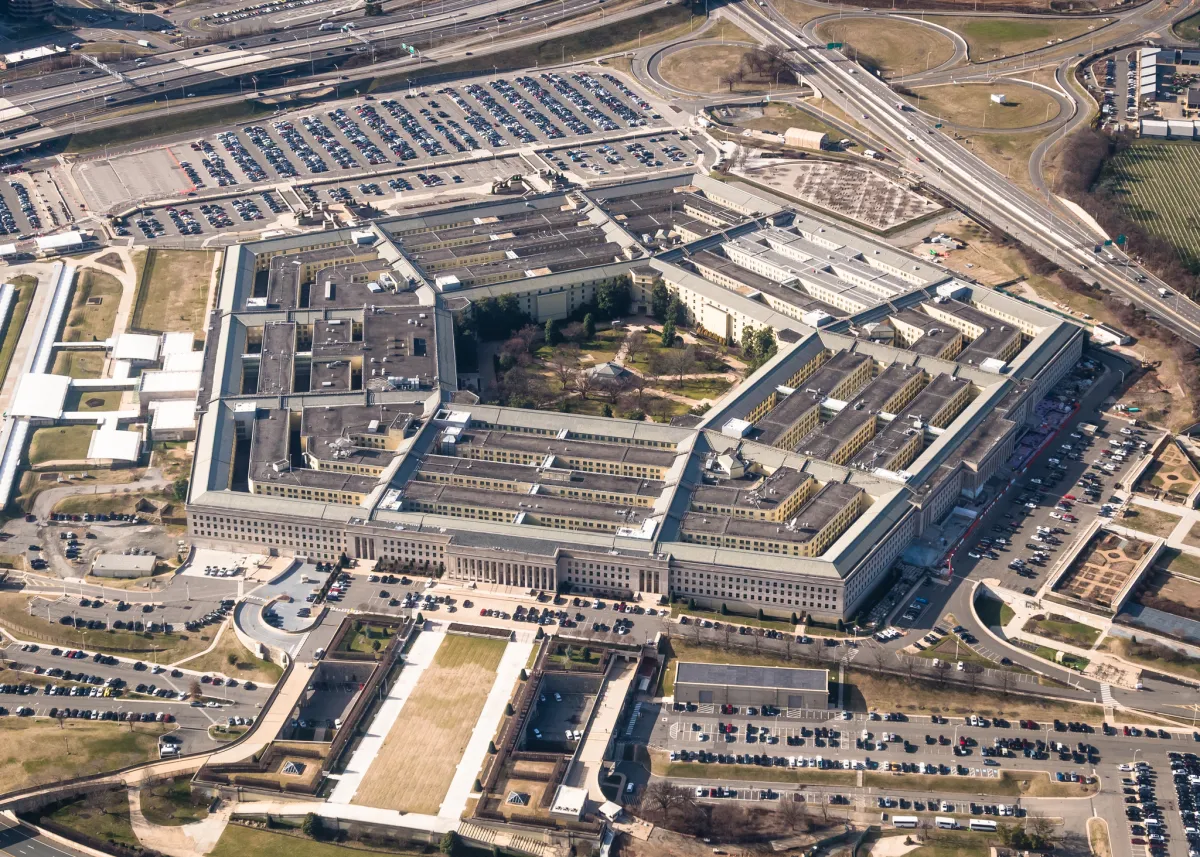
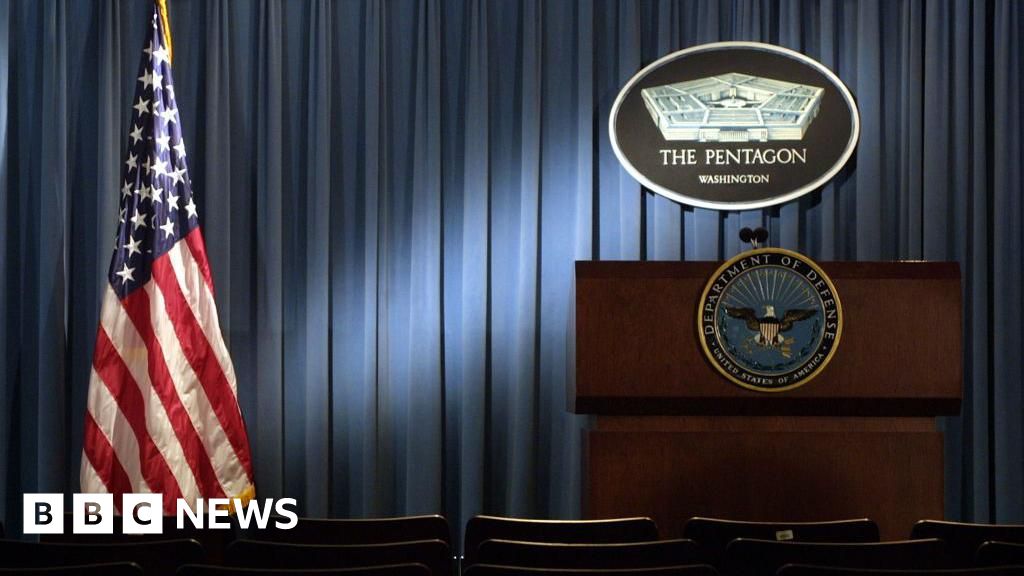
In a move that signals a significant alteration in the relationship between the United States military and the global press, the Department of Defense (DoD) has imposed new restrictions on journalists seeking to report from the Pentagon. Historically, the U.S. military maintained a careful balance—limiting access while allowing enough transparency for media outlets to cover ongoing operations, policy debates, and national security issues. However, recent developments indicate a shift towards a more controlled environment, with reporters now required to agree to specific rules governing what information they can gather, share, or publish to retain access to the military’s most sensitive institutions.
The new policy, which has sparked concern among press freedom advocates and international observers, emphasizes strict adherence to guidelines that curtail interviews, restrict photography, and limit coverage of certain military activities. This approach, critics argue, threatens to impoverish public understanding of military operations and undermine accountability—a cornerstone of democratic oversight. Analysts from the International Institute for Strategic Studies and other think tanks have expressed alarm, suggesting that such restrictions could set a precedent for other nations seeking to tighten their control over military-media relations, especially those under increasing geopolitical pressure.
Geopolitical Repercussions and International Impacts
The geopolitical impact of this policy shift extends beyond the borders of the United States. In an era of intensifying global conflict—where information warfare and cyber operations are often as decisive as kinetic engagements—control over military narratives can influence international perceptions and diplomatic leverage. Countries like Russia and China, which have long engaged in information suppression to consolidate power internally and project strength externally, will certainly observe this move with keen interest.
According to prominent military historian Dr. Elizabeth Harrington, this policy could diminish U.S. credibility in international alliances that rely heavily on transparent communication, such as NATO. Moreover, the decision risks fueling anti-American sentiment among allies and adversaries alike, who may interpret this move as an attempt at greater seclusion and secrecy. Such perceptions are critical; they shape the diplomatic chessboard where perception often determines strategic advantage. International organizations like the United Nations and Global Journalism Network have voiced concerns, warning that increased restrictions might embolden other nations to pursue similar policies, further complicating the global information landscape.
Decisions at the Crossroads of Power and Transparency
The decision to require journalists to agree to specific rules before gaining access to the Pentagon underscores a fundamental dilemma faced by modern democracies—balancing national security with transparency. While the U.S. government asserts that these measures are necessary to safeguard sensitive information and operational security, critics contend that they threaten the vital checks and balances essential to democracy. History shows that overly restrictive control over information often backfires, creating suspicion and eroding public trust.
Internationally, these developments align with a broader trend of increased state control over information—an approach driven by fears of internal dissent and external manipulation. As China and Russia consolidate their narratives and suppress dissent, the United States risk losing its position as a global beacon of free press. The decisions made today set precedents for the future, shaping the delicate balance of power and accountability for generations to come. The world watches as history unfurls—an unfolding narrative that could redefine the very essence of transparency in an age dominated by shadows and secrets.
As the dust settles and new narratives are formed, one thing remains clear: the choices the United States makes now will resonate, shaping international stability, societal trust, and the very fabric of a free society. In this critical juncture, the weight of history hangs heavy—a story still being written, with every new line revealing the true cost of power and the price of transparency in an increasingly divided world.