Matox News

Truth Over Trends, always!

Serbia Approves Controversial Trump-Linked Development Plan

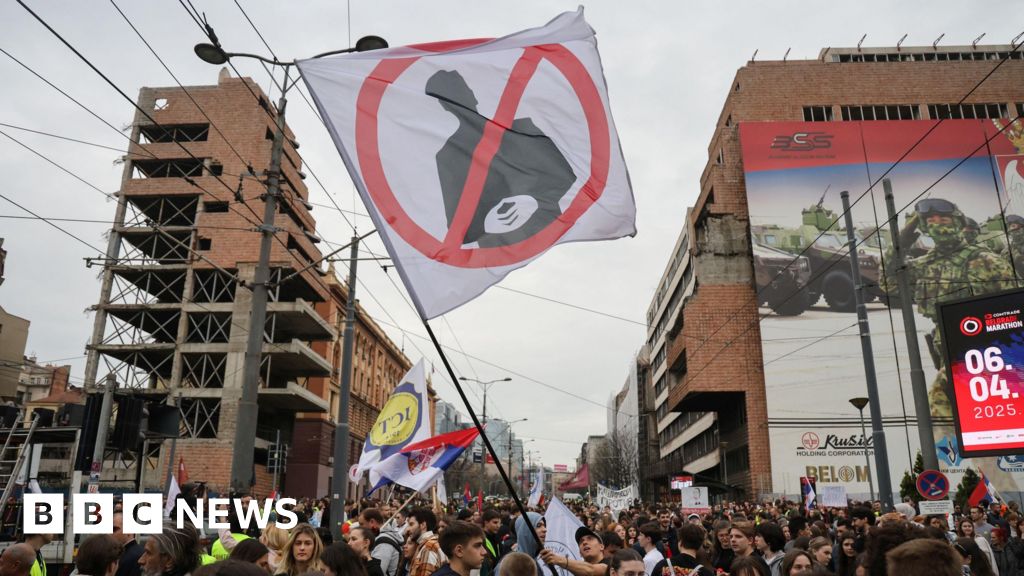
In a move that underscores the shifting sands of geopolitical influence, Serbia has recently passed legislation facilitating a controversial property development led by Jared Kushner, President Donald Trump’s son-in-law and head of Affinity Partners. This decision marks a significant pivot in Serbia’s domestic and international stance, as the government authorizes the transformation of a site imbued with historical symbolism—the former Yugoslav Army headquarters bombed during NATO’s 1999 intervention—into a luxury hotel and residential complex. Such developments are not merely economic in scope but resonate deeply within the societal fabric, touching on national identity, remembrance, and regional sovereignty.

The move has sparked fierce domestic protests and legal battles, illustrating the contentious nature of foreign-led developments transforming local landscapes. Critics within Serbia have condemned the legislation for undermining national heritage and violating constitutional principles, with opposition figures warning that the site will be replaced by casinos and frivolous entertainment. Meanwhile, the decision to strip the building’s protected status and lease it for 99 years to Kushner’s firm has intensified longstanding concerns about transparency, with investigations probing potential forgery of documentation used to facilitate this legal overhaul. The scenario exemplifies how internal political calculations intertwine with international diplomatic pursuits, culminating in a palpable tension that echoes far beyond Belgrade’s borders.

On the international stage, Serbia‘s strategic dance between Washington and Moscow is becoming increasingly delicate. While Vucic’s government seeks to bolster relations with the United States—evident in the professed desire to ‘overcome the burden from 1999’—it also maintains ties with Russia, especially in the spheres of energy and security. The decision to prioritize American investment, seemingly at the expense of historical memory, could have far-reaching consequences, threatening regional stability and complicating Serbia’s aspirations for broader European integration. Analysts warn that this development could ignite local opposition and possibly alienate Serbia’s traditional allies, setting the stage for a more polarized geopolitical environment.

As international observers and historians scrutinize the unfolding events, one thing remains clear: the decisions made today will shape the policies, identities, and allegiances of generations to come. With each passing moment, the legacy of the 1999 NATO intervention—once a symbol of international military intervention—transforms into a symbol of sovereignty challenges, economic shifts, and geopolitical contestation. The narrative of Serbia is still being written, and its next chapter will be dictated not only by its leaders but by the relentless undercurrents of history that choose to reveal or conceal the truth behind its rapidly evolving landscape.
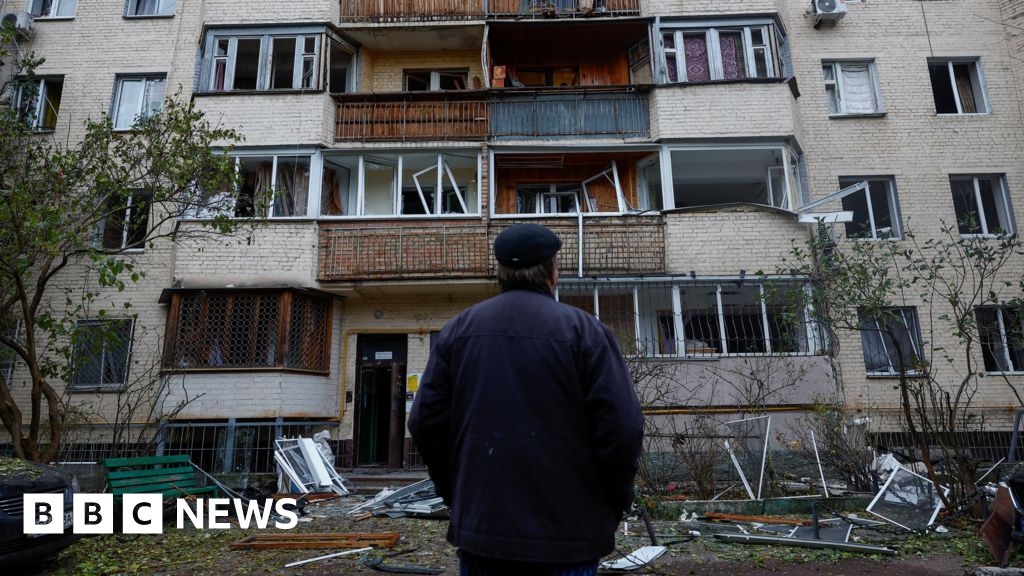

EU poised to back plan turning frozen Russian assets into Ukraine aid—strengthening our stance and protecting our future.

In a move that could reshape the geopolitical landscape of Eastern Europe and the broader West, European leaders are convening in Brussels this Thursday to endorse a highly contentious plan. The proposal involves leveraging frozen Russian assets—estimated at over €210bn—held by Euroclear, a Belgium-based financial institution, to fund Ukraine’s ongoing struggle against Russian aggression. Dubbed a “reparations loan” by EU officials, this initiative represents an audacious attempt to redirect Moscow’s own money to bolster Kyiv’s defense and reconstruction efforts amid the war’s grim fifth year.

  • The EU’s plan seeks to transfer €140bn worth of Russian State assets frozen since February 2022, which were originally held in sovereign bonds—a form of government loan that Russia cannot currently access due to sanctions.
  • EU officials argue that redirecting these assets is necessary to support Ukraine, which faces an estimated reconstruction bill exceeding $486bn, according to UN and World Bank assessments.
  • However, legal complexities abound—international law explicitly prohibits outright confiscation of sovereign assets, posing a significant obstacle to such a bold move.

Despite these hurdles, proponents like Poland, Scandanavian countries, and the Baltic states see this as a historic opportunity to exact what many consider rightful reparations. They argue that Russia’s economic ties to Western institutions have been exploited, and now those frozen assets should be used for Ukraine’s moral and strategic justice. Conversely, nations like Germany have expressed reservations, emphasizing the need for broad consensus and cautioning against unilateral action that could ignite retaliatory measures from Moscow. Critics warn that the move risks significant destabilization of global financial stability and could set a dangerous precedent—potentially undermining the reliability of safe-haven assets held in Europe.

How Would the Plan Work?

The EU’s strategy involves a legal loophole: since sovereign assets are not technically seized but merely frozen, the bloc seeks to “borrow” these funds by issuing an IOU backed collectively by EU member states—an approach designed to sidestep international law’s restrictions. This move aims to provide immediate liquidity to Ukraine, which demands ongoing financial support as the war grinds into its fifth year. Though the EU is currently using the interest from the frozen assets—up to €3bn annually—supporting Kyiv directly with the principal amount represents a significant escalation. The plan hinges on Kyiv securing a definitive victory and Moscow accepting reparations, a scenario that remains uncertain and controversial among legal experts and international analysts.

The potential for this plan to reshape international financial norms has sparked fierce debate. Reckoning with the legal and diplomatic fallout, critics emphasize the importance of respecting international law’s core principles, warning that any appearance of asset confiscation could undermine the trustworthiness of Europe’s financial institutions. Should Moscow challenge the move legally, the risk of retaliatory measures—including economic retaliation against European companies—looms large. Russia’s ambassador to Italy, Alexey Paramonov, dismisses the idea as “theft of the century,” warning it could precipitate a cycle of hostility and destabilize Western financial stability.

Implications for the Future

The decision’s ultimate success or failure will depend heavily on Russia’s response and Kyiv’s ability to harness such aid efficiently. While supporters see this as a moral imperative—a way to hold Moscow accountable—it raises profound questions about the future of sovereign assets and international justice. With the support of key nations, yet opposition from others, the EU faces a dilemma of historic proportions: to act decisively and perhaps risk tearing the fabric of international law or to hold back and face the grim reality of Ukraine’s an ever-increasing reconstruction bill and a war that seems to threaten Europe’s very stability. The outcome remains shrouded in uncertainty, but one thing is clear: history’s pen is poised, and a new chapter in global geopolitics is being written—one that may define the course of nations for generations to come.

Gazans and Israelis React: Trump’s Plan Sparks Divergent Views

The recent announcement of U.S. President Donald Trump’s peace proposal to resolve the ongoing conflict between Israel and Hamas has sparked a wave of reactions across the Middle East and beyond. The plan, unveiled in coordination with Israeli Prime Minister Benjamin Netanyahu, proposes a transitional governance structure for Gaza—a region long battleground for violence and political upheaval. At its core, this initiative envisions a “board of peace,” headed by Trump himself, to oversee a transitional administration in Gaza, ostensibly paving the way for long-term stability. While some local leaders and international allies have expressed cautious support, the plan also faces heavy skepticism and deep-rooted concerns about its feasibility and implications.

Among the voices converging on this issue, some Israelis interviewed in Jerusalem have voiced guarded optimism, though their doubts remain palpable. They question whether Hamas, after nearly two years of persistent conflict, will genuinely disarm or accept a negotiated settlement. “It’s a step in the right direction,” one Israeli commented at a local café, “but the real challenge is whether Hamas will abide by such agreements. The history of failed peace processes weighs heavily on us.” Conversely, Palestinian residents of Gaza—some displaced by violence—have sounded a different alarm. They ask whether the plan considers their needs or is primarily focused on regional stability. Many express frustration that prior international efforts have overlooked the human toll, especially amid reports suggesting that Trump’s broader diplomatic ambitions might include economic projects, such as resorts, on Palestinian land—an idea that has inflamed tensions and raised questions about whether actual peace is the goal or merely a facade for territorial and economic gains.

This historic shift in diplomacy has drawn mixed reactions from across the geopolitical spectrum. European nations and regional powers such as Egypt and Jordan have expressed qualified support, urging caution and emphasizing the importance of addressing core issues like refugee rights, borders, and Jerusalem’s status. Notably, the European Union and the Arab League have called for comprehensive negotiations, warning that partial solutions could exacerbate existing fractures. International organizations, including the United Nations, have also issued statements stressing the importance of respecting international law and fostering dialogue rooted in mutual recognition and respect. However, critics, including renowned analysts and historians, warn that such high-level interventions risk overlooking the grassroots realities and the deep-seated grievances that fuel the conflict. Their concern is that a superficial diplomatic fix might merely postpone inevitable volatility, with history’s lessons from unresolved conflicts in the Balkans and the Middle East repeatedly cautioning against hasty peace impositions.

Ultimately, the geopolitical impact of this new initiative hinges on how each side perceives its legitimacy and efficacy. Israel views the plan as a potential breakthrough—a possibility to embed a lasting peace after years of instability—while Palestinian factions consider it a threatening capitulation if their core rights are sidestepped. The conflict’s complexity emphasizes that decisions made today will ripple through generations, shaping societies and borders for decades to come. As the international community watches with bated breath, the weight of history hangs in the balance: will this new chapter finally forge a lasting peace, or will it serve as a fleeting pause before the next storm erupts? The story remains unwritten, but the coming days will determine whether hope or despair claims the day.

Australia Backs Trump’s Bold 20-Point Peace Plan for Gaza—A Fresh Hope for the Future

Global Reactions to Trump’s 20-Point Peace Plan for Gaza: A New Chapter in Middle Eastern Diplomacy

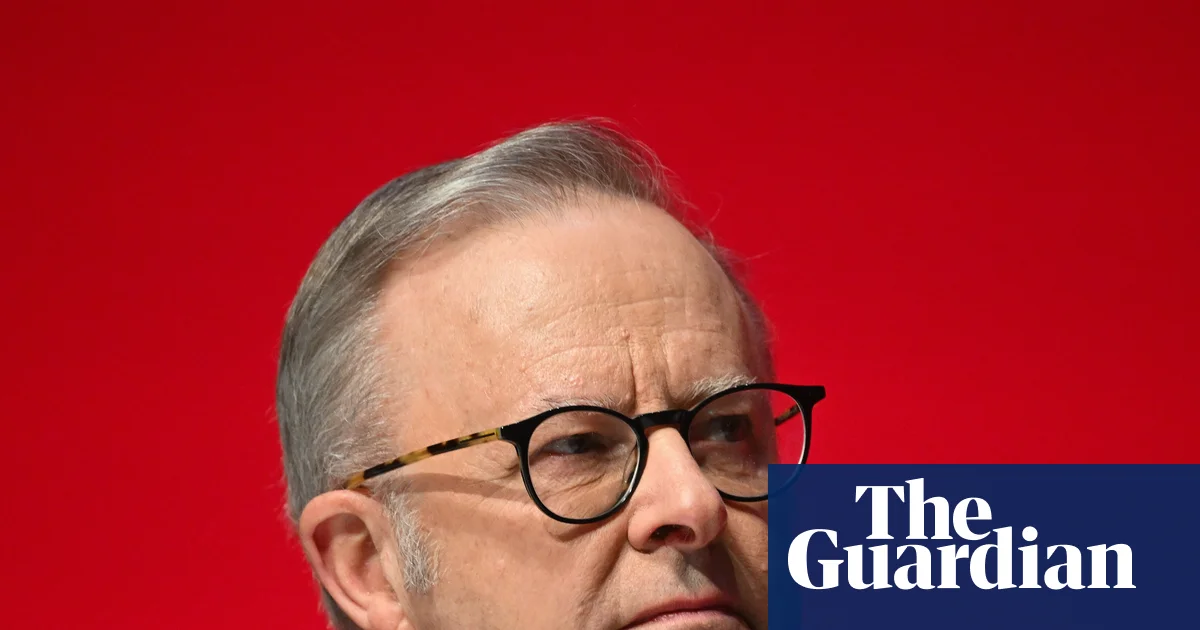
The recent announcement of President Donald Trump’s 20-point peace plan for Gaza has ignited a complex web of international responses, reflecting both cautious optimism and deep skepticism. The plan, unveiled alongside Israeli Prime Minister Benjamin Netanyahu, proposes a transitional “apolitical” governance committee for Gaza, with the United States potentially leading the effort. Australian Prime Minister Anthony Albanese has publicly welcomed the initiative, calling it a ‘door open’ to the elusive two-state solution that many analysts believe is the only sustainable pathway to peace. Albanese’s diplomatic comments, made during his trip to the US, UK, and UAE, underscore a shift among allies toward supporting specific diplomatic proposals amid ongoing regional turmoil.

Particularly notable is the broad regional backing for the plan’s emphasis on Palestinian self-determination, with Indonesia and Pakistan explicitly endorsing the proposals. These nations have traditionally shown solidarity with Palestinian aspirations, and their support signals a regional consensus that, despite its flaws, the plan might serve as a foundation for alleviating suffering and reducing violence. Nevertheless, the plan’s effectiveness hinges on Hamas’s willingness to disarm and accept the transition, a condition that commentators and former experts warn could predicate future failure. As international organizations like the UNO and analysts from think tanks observe, the plan’s success depends on whether key players—most critically Hamas—are willing to abandon violent opposition, a move seen by many as tantamount to signing their own political death warrants.

Nevertheless, the plan’s details are a matter of fierce debate. Critics from the Greens, citing Palestinian sovereignty, argue the initiative may be yet another iteration of external forces imposing a solution without genuine Palestinian agency. Mehreen Faruqi contends that the US-led effort, with figures like Tony Blair involved, does little to foster authentic independence for Palestine, warning that it could merely perpetuate a cycle of occupation under a new guise. Meanwhile, Australia’s opposition remains divided—some see it as a *beacon of hope*, whereas others worry it could undermine Palestine’s right to self-governance. The Coalition’s stance, to revoke recognition of Palestinian statehood, signals a potential retreat from diplomatic recognition, which could destabilize regional prospects further.

Throughout this evolving diplomatic theater, the geopolitical impact remains profound. The plan’s anticipated impact on regional stability, coupled with potential shifts in alliances—especially between the US, Britain, and Middle Eastern nations—could alter the balance of power for decades to come. Historians and international analysts warn that these decisions will be scrutinized in the corridors of history, as one of the most pivotal moments in the Middle East since the original accords. As leaders grapple with the aftermath of decades of conflict, the question remains whether the region can pivot toward peace or whether it risks yet another cycle of violence, entrenching divisions that threaten to spiral out of control.

In the shadows of these high-stakes negotiations, the weight of history lingers, whispering of past hopes dashed and wars fought over uncertain promises. The world now watches as the chapters of this story are written, unsure whether this latest diplomatic effort will spark a new dawn or plunge the region deeper into chaos. For the youth across continents—those who will inherit the future—the decisions made today may very well determine whether peace, elusive yet desperately yearned for, becomes a genuine possibility or remains a distant, fading dream.

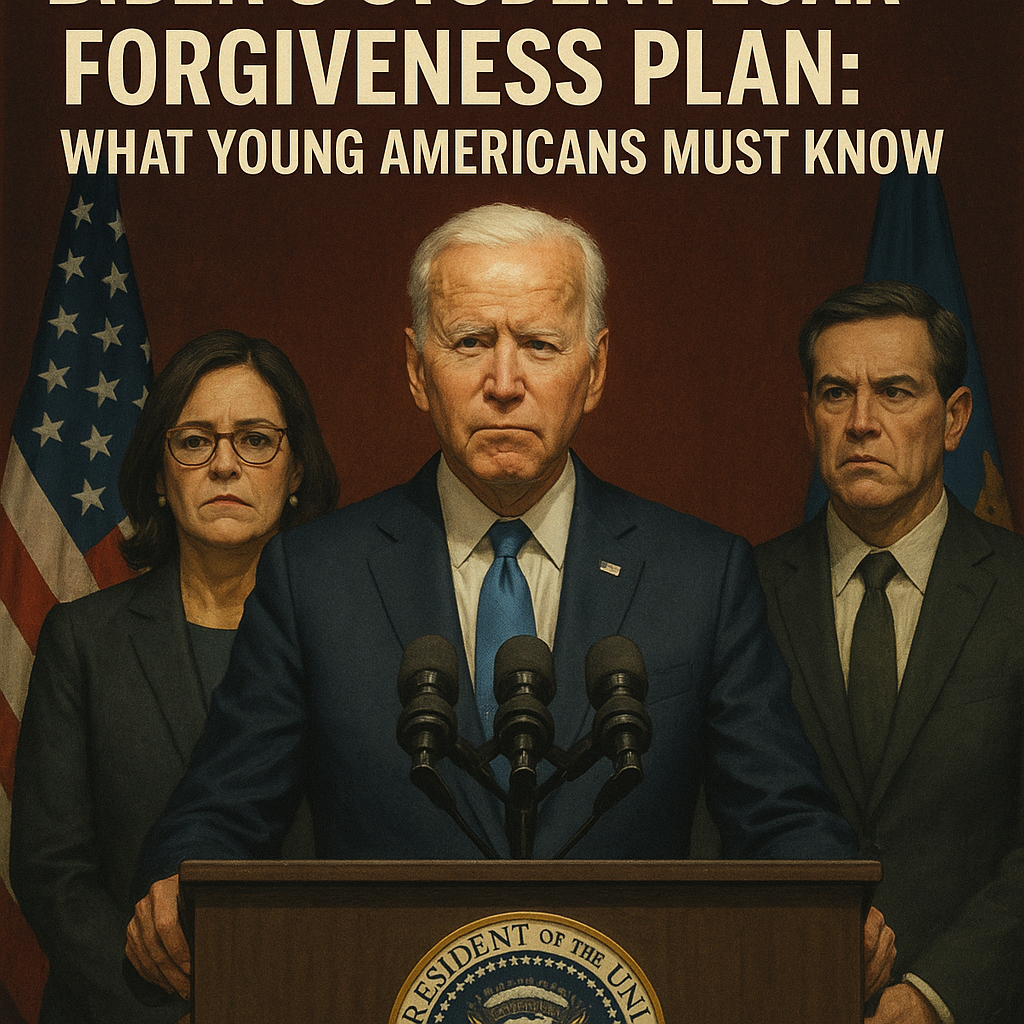
Biden’s Student Loan Forgiveness Plan: What Young Americans Must Know

The recent suspension of President Joe Biden’s ambitious federal student loan forgiveness program underscores a pivotal moment in the ongoing power struggles within American politics. Announced as a bold move to provide up to $20,000 of debt relief for millions, this policy was intended to serve as a cornerstone of Biden’s broader economic and social agenda. Yet, its current indefinite hold, amidst mounting legal challenges, reveals how deeply entrenched conflicts over authority and visions for national policy continue to shape the lives of ordinary Americans. With progressive allies championing debt relief as a matter of fairness, conservative opponents see it as an overreach of executive power—highlighting the fundamental clash of constitutional interpretations.

The legal roadblock emerges from a broader power struggle between the executive branch and the judiciary. While the Biden administration asserts that the federal government has the authority to modify student debt policies under existing statutes, opponents argue that this action exceeds the constitutional limits of executive power, demanding congressional approval instead. This dynamic recalls historical moments where executive orders or policies have become lightning rods for constitutional debates. Legal experts and constitutional scholars point to the importance of checks and balances—with some arguing that the courts are asserting their role as guardians against potential overreach by the administration. Conversely, supporters interpret the move as an essential step toward addressing economic inequality, emphasizing that the executive branch must sometimes act decisively amidst legislative gridlock.

The impact of this debate extends beyond legal circles, as it directly influences the political landscape and the fabric of American society. For proponents, the forgiveness program symbolizes ashift in government responsibility—one where the state is seen as a remedy for economic hardship, fostering a new social contract. For detractors, it signals a disruption of fiscal discipline and fairness, claiming that such policies unfairly favor certain demographics and threaten long-term economic stability. This controversy highlights a crucial question: who truly holds the power to redefine the social contract in an age of mounting debt? As the courts deliberate, the decision will inevitably underscore which branch has the authority to decide the fate of millions struggling under the weight of student loans—an emblematic struggle for the soul of American governance.

In this high-stakes theatre, political actors are engaging in a battle for influence—a contest that will determine the contours of policy, the limits of executive agency, and the future of economic justice. Just as historical figures like Alexander Hamilton argued for a strong federal government, and Thomas Jefferson emphasized states’ rights, the current debate echoes the foundational questions of American democracy: whose interests does government serve, and who ultimately wields sovereign authority? As each side stakes its claim, citizens are left to ponder whether political power is truly a force for reform or merely a stage for conflict—a battle where the outcome writes the next chapter of American destiny. The conclusion of this constitutional clash may well determine whether the nation advances towards a future of shared prosperity or slides further into disillusionment and division.

Social Media Auto Publish Powered By : XYZScripts.com