Matox News

Truth Over Trends, always!

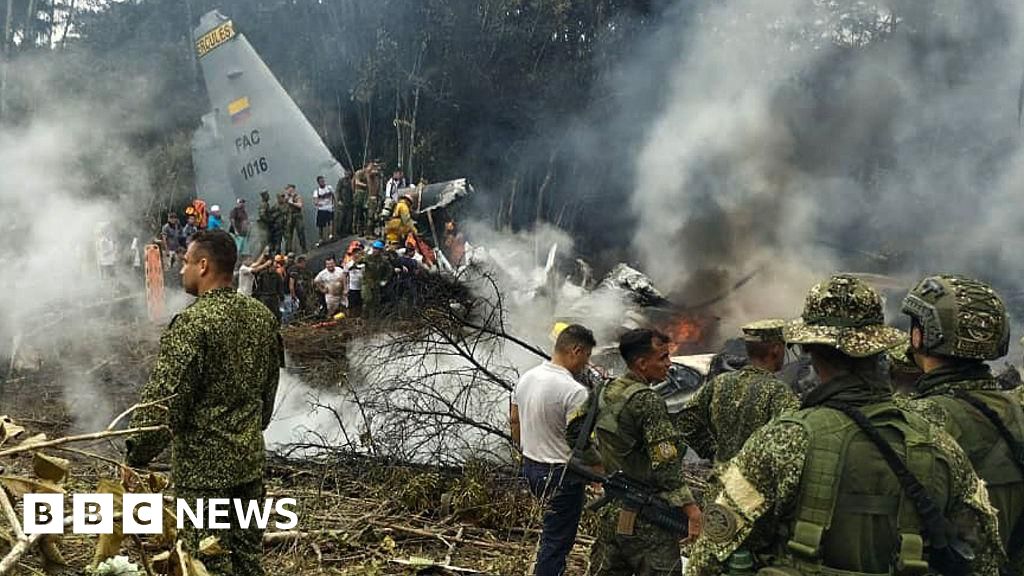
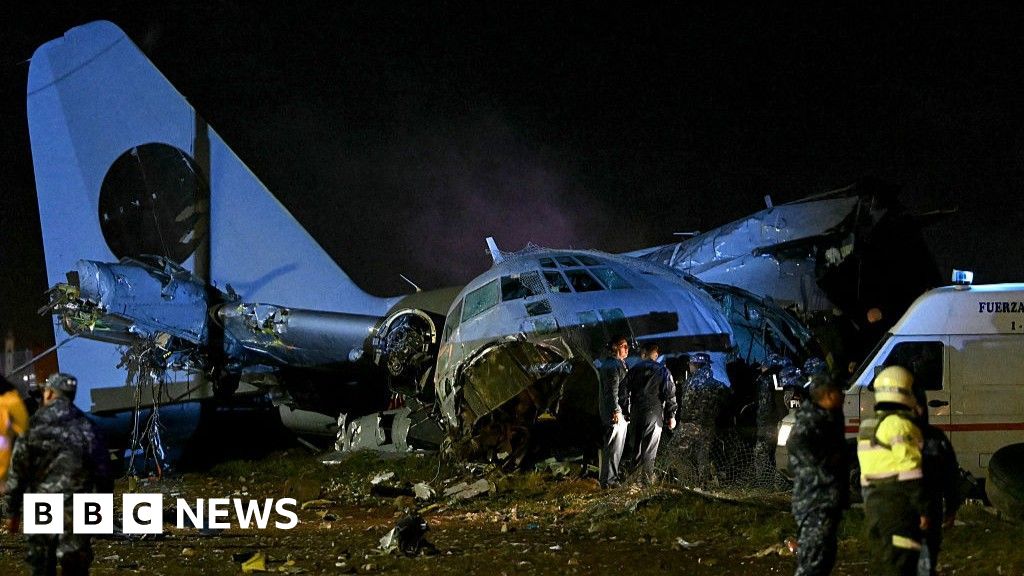
Colombian Air Force Plane Crashes, Dozens of Soldiers on Board

In a statement that has sent ripples through the international community, the Colombian government announced that a recent incident involving their military forces was a “tragic accident.” Although official details remain scarce, the ambiguity surrounding the event underscores the fragile stability in the region and the complexity of ongoing security challenges. As opposition voices call for transparency, the incident highlights the importance of accountability in addressing the underlying causes of conflict and unrest in Colombia.

Historically, Colombia has been embroiled in decades-long internal conflict, primarily fueled by the insurgent group FARC and various other guerrilla factions. The peace accords signed in 2016 marked a significant step toward stability; however, persistent violence and criminality continue to threaten societal progress. Officials and analysts worldwide are now scrutinizing whether this accident points to broader issues such as military miscalculations, operational deficiencies, or even external influences attempting to destabilize the country. This incident, while officially described as an unfortunate mishap, may serve as a stark reminder that the path to lasting peace remains fraught with unforeseen dangers.

The United Nations and regional bodies have expressed concern over recent developments, emphasizing that how Colombia responds will have profound geopolitical ramifications. The incident comes amid ongoing disputes over drug trafficking routes, cross-border agitation, and shifting alliances involving regional powers. Meanwhile, Venezuela’s ongoing instability and the presence of international actors seeking strategic advantage complicate Colombia’s security calculus. Analysts argue that such crises demonstrate the interconnectedness of modern conflicts—where the stability of one nation can ripple outward, affecting neighboring states and global stability at large.

Moreover, historians and geopolitical strategists warn that the decisions made now will shape the narrative of this region for decades. If transparency is lacking and underlying tensions are allowed to fester, Colombia could face a resurgence in violence and unrest, with consequences extending beyond its borders. International observers are calling for a calibrated, responsible approach—one that emphasizes diplomatic engagement, adherence to human rights, and respect for sovereignty. As the world watches, Colombia’s leadership stands at a pivotal crossroads: an opportunity to demonstrate resilience and forge a path back toward peace or succumb to the chaos that has long plagued its history.

In the shadows of the Andes and the Amazon, the echoes of unresolved conflict resonate. The unfolding story of this incident underscores the fragile fabric of order—where every decision, every revelation, has the power to alter the course of history. As the global community braces for what comes next, the core question remains: in a world marked by shifting alliances and enduring conflicts, who truly controls the future, and at what cost? The weight of history hangs heavily, awaiting the next chapter.

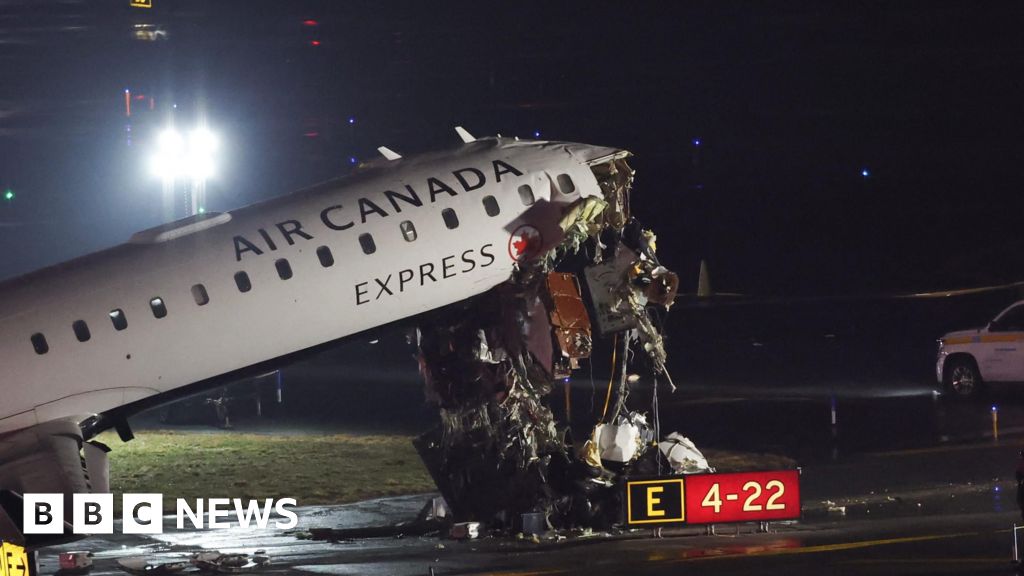
Two Pilots Killed in Crash Between Plane and Vehicle at LaGuardia

In a distressing incident that has captured global attention, a commercial aircraft arriving from Montreal was involved in a collision with a firefighting vehicle responding to an unrelated emergency. The crash unfolded amidst a complex web of international tensions, safety concerns, and the delicate balance of civil and emergency aviation operations. While initial reports indicate no fatalities, the incident has reignited debates over aviation security standards, emergency response protocols, and the geopolitical ramifications of such accidents.

Preliminary investigations suggest that the collision may have resulted from a lapse in communication or coordination between the aircraft’s pilots and ground emergency services. This event is not isolated but part of a broader narrative concerning the integrity of transportation infrastructure in volatile geopolitical climates. As international organizations and aviation safety agencies scrutinize the circumstances, analysts are drawing parallels to recent international incidents where safety mishaps have compounded regional tensions.

The geopolitical impact of this accident extends beyond the immediate safety concerns. Experts believe it underscores the importance of ensuring robust safety protocols amidst an increasingly turbulent geopolitical landscape. The incident has served as a reminder of how fragile our international safety nets are, especially when considering the heightened military and civilian tensions in many regions. States like Russia, China, and the United States have all faced criticism for their handling of aviation and emergency response systems, often accused of prioritizing strategic interests over safety and transparency.

International observers, including respected historians and geopolitical analysts, emphasize that such incidents often act as flashpoints that reveal deeper systemic vulnerabilities. While investigations proceed, there is a consensus that this event could have wider implications for international aviation treaties and cooperation. It serves as a stark warning that even in peacetime, the misalignment of safety protocols and emergency coordination can escalate tensions and undermine trust among nations. As the world watches, the decision-makers face the pressing challenge of addressing these vulnerabilities. The ongoing pursuit of enhanced safety standards must be balanced against geopolitical interests, a task more complex now than ever before.

As the dust begins to settle on this tragic mishap, the overarching narrative remains gravely unresolved. The incident is a stark reminder that in an interconnected world, a single collision—whether on land, sea, or sky—can reverberate through global power structures and societal perceptions. The weight of history presses heavy, urging nations to learn from this event and forge a future where safety is paramount, and catastrophic errors are relegated to history’s past. Yet, the shadow of unresolved tensions and future conflicts looms large, whispering that the unfolding chapter of history still holds many dark and uncertain pages.

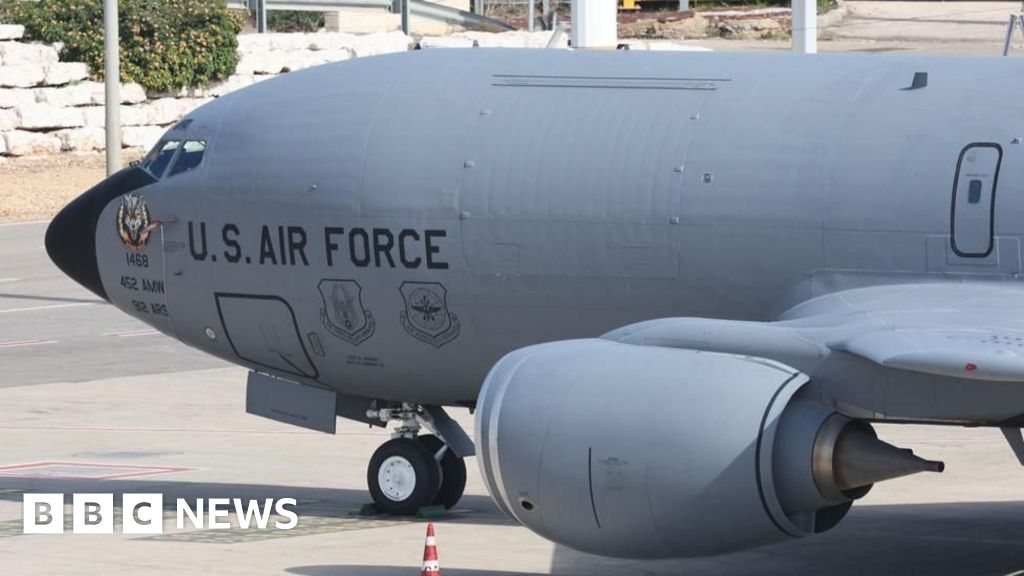
US confirms six crew members lost in Iraq refueling plane crash

The recent crash of a U.S. Air Force KC-135 has sent shockwaves through international security circles and ignited debates over the state of American military readiness. According to official statements from the Pentagon, the aircraft tragically lost six crew members—an event that underscores the inherent risks of global power projection and the dangerous complexity of modern aerial warfare. Among those lost in this tragedy were John Klinner from Alabama, Ariana Savino from Washington, Ashley Pruitt from Kentucky, Seth Koval from Indiana, Curtis Angst from Ohio, and Tyler Simmons from Ohio. These names symbolize individual sacrifice, but their loss also raises broader questions about U.S. military logistics and strategic posture at this pivotal moment in history.

The mystery surrounding the cause of the crash has prompted widespread analysis among analysts and retired military officials. Preliminary reports suggest that adverse weather conditions and mechanical failures may have contributed, but the incident has rekindled longstanding concerns over the increasing demands placed on U.S. strategic airlift capabilities. Historically, the KC-135 Stratotanker has been a backbone of America’s global military campaigns since the Cold War, facilitating the rapid deployment of troops and equipment across continents. Yet, this tragedy highlights the vulnerabilities that accompany such reliance—vulnerabilities that critics warn could be exploited by adversaries seeking to undermine American global dominance.

Internationally, many nations watch intently as the event unfolds, noting its potential implications for U.S. military morale and operational readiness. China’s strategic analysts, for instance, have emphasized the incident as a reminder that even the most advanced militaries face unpredictable risks, especially in a shifting global environment marked by renewed great power competition and regional conflicts. Meanwhile, Russia and Iran observe with interest, possibly contemplating how the perceived vulnerabilities of U.S. forces could be leveraged amid ongoing tensions in Eastern Europe, the Middle East, and the Indo-Pacific. As NATO allies reassess their own defense postures, this tragedy underscores the importance of resilient logistics and strategic depth—elements that can define the outcome of future confrontations.

Global institutions and security analysts laud the bravery of those involved, yet caution that the incident exposes a deeper truth: in an era of rapidly evolving warfare, decisions made today will echo through the corridors of history. As defense policymakers reevaluate tactical priorities, the incident serves as a stark reminder of what is at stake—a world where the balance of power hangs in the balance, and where the sacrifices of brave individuals forge the thin line between national security and catastrophic failure. The unfolding narrative remains a testament to the fragile tapestry of international peace, woven together with the lives of those who stand ready to defend it. The question now is not only what caused this tragedy, but whether global leaders will heed the lessons it teaches before history writes its inevitable conclusion—one that could reshape future alliances and the fate of nations for generations to come.

US refueling plane crashes in Iraq, military confirms—raising serious concerns

The US Central Command reported urgent rescue efforts underway after a refuelling aircraft went down over western Iraq. This incident, seemingly isolated on the surface, carries profound geopolitical implications at a time of ongoing regional instability and shifting international alliances. As rescue teams mobilize and investigations commence, analysts globally are scrutinizing the incident for underlying tensions that may go beyond a mere aviation mishap.

Historically, Iraq has been a focal point of international strategic interests, especially since the early 2000s. The recent incident highlights the persistent presence of the US military and its allies in the region—serving as both a deterrence against hostile actors and a reminder of unresolved conflicts. According to defence experts, such accidents often raise questions about the safety and preparedness of military systems operating in volatile environments. The incident underscores how recent shifts in regional alliances and increased military patrols—sometimes driven by covert geopolitical motives—are heightening the risk of mishaps that could escalate into larger crises.

International organizations and think tanks have weighed in, emphasizing that such accidents are rarely merely technical failures. Commentators like geopolitical analyst Dr. Maria Jensen warn that incidents involving US military assets in Iraq are potentially deliberate flashpoints. Furthermore, United Nations reports note that ongoing conflicts and unresolved territorial disputes continue to destabilize the region, with the risk of accidents escalating tensions among local factions, regional powers, and Western interests. Historical precedent reminds us that seemingly minor incidents can often serve as preludes to broader conflicts, especially when escalating narratives are already in motion.

As rescue operations unfold amidst a backdrop of regional unrest, the international community remains divided. While some nations call for restraint, others leverage incidents like this to justify increased military presence or covert operations. The incident portends a turning point—an inflection in the delicate balance of power—where even accidental mishaps might serve to justify stronger interventions or retaliatory actions. Such developments could profoundly impact not only Iraq and its neighboring countries but also the global geopolitical landscape, which remains on high alert for potential flashpoints.

Ultimately, the fate of the downed aircraft and the subsequent rescue efforts represent more than a military operation; they symbolize the fragile mosaic of modern geopolitics, where every incident can ripple across borders and ignite a chain of unpredictable consequences. As history continues to be written, the world watches with bated breath, knowing that within these events lie the seeds of future conflicts—reminding all of us that in the theater of international power, the line between accident and escalation is perilously thin.

Bolivian Military Plane Crashes, Killing at Least 11 with Cash for the People

In the wake of an unfolding international crisis, South America finds itself confronting the complex repercussions of a recent tragedy involving a concealed financial dispute. According to Minister of Defence Marcelo Salinas, authorities are actively addressing an incident where illicit funds—lacking official recognition—are purportedly involved in a scenario of grave national concern. Salinas declared, “I want to make it clear to those who are trying to take money from the plane involved in this tragedy that this money has no legal value since it has not been issued by the Central Bank and does not have a serial number, and that attempting to use this money is a crime.” This statement underscores the gravity of the illicit financial conduct intertwined with a situation that appears to hold broader implications for regional stability and security.

The incident signals more than just a local misadventure; it echoes with geopolitical ramifications that reach beyond national borders. Analysts warn that the covert handling of unregulated currency may be a symptom of larger financial disarray or clandestine dealings amidst the horn of Latin America. The **Central Bank**—a pillar of economic sovereignty—has explicitly disavowed any association with these unfiled notes, emphasizing the importance of legal tender in maintaining economic order. International economic watchdogs, such as the WTO and IMF, are closely monitoring reports, highlighting how even minor financial irregularities can ripple into regional instability and undermine international confidence. The social and political echoes of this incident threaten to destabilize hard-won diplomatic relations, especially as neighboring nations brace for potential fallout.

Historically, such incidents serve as stark reminders of how fragile economic sovereignty can be in a volatile geopolitical landscape. Historians and geopolitical analysts point to past crises—such as the destabilization caused by unregulated financial activity during regional conflicts—to illustrate the potential consequences of unchecked illicit transactions. The incident also invigorates debates about sovereignty, national security, and the reach of transnational criminal networks. According to International Security Council reports, these covert financial operations often serve as funding sources for broader destabilization efforts, complicating efforts by governments to safeguard their sovereignty. As regional leaders convene to assess the situation, the question remains whether this shadowy financial activity signals a deeper infiltration into national security infrastructure or an isolated anomaly.

As the world watches, the fate of this incident is poised to influence the geopolitical map for years to come. The unfolding narrative is not simply about a clandestine financial transaction; it encapsulates the enduring struggle for sovereignty in an interconnected world where internal vulnerabilities can quickly escalate into external threats. With every decision and investigation, history unfolds—reminding us that the lines between stability and chaos are often dictated by unseen financial currents. The weight of events continues to press down on nations, compelling leaders to confront the destructive potential of illicit financial networks. As the echoes of this crisis reverberate across the continent, one fact remains clear: the pages of history are turning, and the choices made today will shape the destinies of nations for generations to come.

Colombia plane crash claims lives of all 15 onboard, raising safety concerns

Tragedy in the Skies: Satena Flight Disaster Sparks International Concern

In a devastating announcement, Colombia-based airline Satena disclosed that one of its aircraft, operating with a modest flight crew and carrying a total of 15 passengers, tragically suffered a fatal accident. The incident, which unfolded amidst ongoing regional tensions and geopolitical shifts, has sent shockwaves across the Latin American continent and beyond. While authorities have yet to release complete details, early reports point toward a catastrophic event that underscores the persistent perils of regional air travel in conflict-affected zones.

The geopolitical impact of this tragedy reaches deeper than the immediate human loss. It raises pressing questions about the safety protocols, security challenges, and infrastructural vulnerabilities faced by airlines operating in volatile regions. Analysts from the International Civil Aviation Organization (ICAO) warn that the incident could mark a turning point in how international aviation safety standards are enforced in conflict zones. For many nations, especially those like Colombia, where internal unrest and political instability persist, such accidents threaten to destabilize regional cooperation and expose cracks in the fragile fabric of peace and stability.

The incident comes at a time when the global community is closely watching Latin America’s evolving geopolitical landscape. The region, historically a battleground for influence between major powers, now finds itself grappling with a mix of internal conflict, economic instability, and external pressures from North America and China. According to geopolitical analysts, this tragedy could serve as a somber reminder that the consequences of regional unrest extend far beyond political discourse, affecting innocent lives and tangible infrastructure. International organizations emphasize the need for enhanced security cooperation among neighboring nations to mitigate risks and stabilize the region’s fragile borders.

Historically, airlines operating in conflict-prone areas have often faced disproportionate challenges, but this incident underscores that safety cannot be compromised, especially when human lives are at stake. Experts like Dr. Elena Martinez, a senior analyst at the Latin American Institute for Peace and Security, caution that such tragedies could usher in a chapter of increased scrutiny and tighter international oversight, potentially impacting regional diplomacy and economic development. As nations grapple with whether to prioritize security measures over economic activity, an evolving battlefield of geopolitical interests takes shape. How governments and international agencies respond in the coming days will shape regional stability for years to come.

In this chapter of ongoing crises, history’s pen remains poised. The weight of countless lives lost in moments of sudden disaster reminds the global community that the unfolding war of geopolitics is not only written in treaties and speeches but also etched into the very skies where countless flights, innocent and unknowing, still voyage through the chaos of our changing world. As nations mourn, prepare, and respond, the haunting question persists: how many more stories of tragedy must be written before the lessons of safety, stability, and international responsibility are truly heeded?

Tragedy strikes: Two dead after small plane crashes during hurricane relief trip to Jamaica in Florida

The recent crash of a small turboprop plane in Coral Springs, Florida has sent shockwaves through a region still reeling from the devastation wrought by Hurricane Melissa. The incident, which resulted in the tragic deaths of two individuals shortly after the aircraft took off on a hurricane relief mission, highlights the lingering vulnerabilities faced by communities in the Caribbean and their diaspora in the United States. While initial reports indicate no damage to nearby homes, the debris trail leading to a pond underscores the dangerous hazards associated with unregulated or poorly documented relief flights in post-disaster zones.

Analysts point out that the crash’s timing and context are significant, reflecting ongoing geopolitical realities. The plane, a vintage Beechcraft King Air registered to International Air Services, had made multiple recent trips to Jamaica—an island still recovering from the wrath of Melissa, which made landfall as one of the strongest hurricanes in Atlantic history. The fact that the aircraft operated through a company known for trust arrangements for non-US citizens indicates complex international aviation logistics, possibly aimed at circumventing regulatory oversight. This incident raises questions about how international relief operations are coordinated and the safety standards adhered to during these missions.

The geopolitical impact extends beyond mere accident statistics. Jamaica, a nation of strategic geopolitical importance amidst escalating tensions between global powers, relies heavily on international aid and diaspora support. The devastation caused by Melissa—leaving over 90,000 families displaced and thousands in shelters—has strained local resources, and aid efforts have become a focal point of regional diplomacy. The US’s role, whether through humanitarian missions or private relief contractors, becomes part of a broader contest for influence, especially as emerging nations seek to expand their footprint in Caribbean assistance and recovery. The crash consequently underscores a broader need for coordinated international oversight, lest relief efforts become entangled with geopolitical rivalries or neglect safety protocols in pursuit of quick aid delivery.

Meanwhile, local communities and international organizations are grappling with the immediate aftermath. Emergency responders, as described by officials like Mike Moser, responded swiftly, but the debris and fuel spill have created environmental and safety concerns. The ongoing investigation by federal aviation authorities aims to uncover whether mechanical failure, pilot error, or regulatory lapses contributed to the crash. Historically, experts like aviation safety analyst Dr. Raymond Chen warn that in the hurried rush to assist disaster zones, safety often takes a backseat, risking further tragedies. As authorities maintain a heavy police presence and continue evidence collection, the incident functions as a stark reminder of the fragile interface between aid, safety, and geopolitics in regions vulnerable to natural catastrophes.

As the world observes, this event underscores how aircraft, often seen as mere tools of aid, are also symbols of broader international dynamics. The hurricane’s aftermath, with Jamaica still in recovery, reflects the unending story of resilience underscored by vulnerability—a narrative that history keeps writing with each new chapter. The toll of Melissa, compounded by the tragedy in Florida, leaves a haunting question: in an era of rapid geopolitical shifts and climate turmoil, how will nations navigate aid, safety, and sovereignty? The weight of history presses heavily on the horizon, and as this unfolding drama continues, the global community watches, waiting for answers that could redefine the boundaries of international cooperation amid adversity.

US authorities ground cargo plane model following Kentucky crash

US Authorities Ground All MD-11 Cargo Planes Following Kentucky Crash

In a decisive move that underscores the fragility of oversight in an increasingly interconnected world, US aviation authorities have ordered immediate grounding of all models of the Boeing MD-11, following a catastrophic accident in Kentucky. The incident involved a UPS cargo plane that, during takeoff, burst into flames and collided with nearby businesses, resulting in 14 fatalities—an event that has sent shockwaves through the international freight industry and beyond. The Federal Aviation Administration (FAA) cited the plane’s left engine catching fire and detaching, compounded by the massive fuel load of 38,000 gallons, which fueled the inferno and made rescue efforts exceedingly perilous. The significance of this event stretches far beyond regional safety concerns—it calls into question the enduring viability of aircraft models still in operation, over three decades after their commercial debut.

Global Security and Trade Chains Hang in the Balance

  • The FAA’s order affects 70 aircraft operated by UPS, FedEx, and Western Global Airlines, with approximately 55 planes actively in service during last week’s operations.
  • The decision arrives amidst growing scrutiny of aging military-grade aircraft still used in civilian contexts, highlighting a broader debate on aircraft longevity, safety standards, and regulatory oversight.
  • International organizations such as the International Civil Aviation Organization (ICAO) have begun reassessing safety protocols for older aircraft across nations, with some analysts warning of potential systemic failures if aging fleets are not properly phased out.

The crash exhibits a disturbing trend: a 34-year-old model, initially designed as a passenger aircraft with Thai Airways, was transferred to cargo operations where it has remained. McDonnell Douglas manufactured the MD-11, which was eventually absorbed by Boeing in 1997; production halted in 2000. Despite being decommissioned from passenger service in 2014, these aircraft still operate in freight roles, reflecting the resilience of older aviation assets but also exposing vulnerabilities in maintenance and safety checks. Many aviation experts argue that the pursuit of profit and efficiency in a hyper-competitive logistics sector has impeded necessary fleet upgrades, risking the safety of crew, communities, and the integrity of logistics infrastructure.

Strategic Implications and Future Risks

As the world’s economies grapple with this incident, the geopolitical impact becomes increasingly evident. The disruption of cargo flights reverberates through global supply chains, affecting everything from pharmaceuticals to critical medical supplies—a realization that how nations manage transportation safety can directly influence international stability. Though US companies have assured the public that contingency plans are in motion, the incident raises alarming questions about the adequacy of current regulations and the hidden risks of aging aircraft fleets.

Historian and aviation analyst Dr. Lawrence Adams has warned that this tragedy could mark a turning point in how international regulators address aircraft lifespan and safety standards. International organizations are contemplating tighter controls, but some caution that the time-consuming process of updating fleets could be hindered by economic pressures and geopolitical rivalry. As nations watch this unfolding crisis, they are reminded that the decisions made today about safety, regulation, and technological overhaul will shape their destinies for decades to come.

Amidst the cloud of smoke and irreversible loss, the relentless surge of history presses forward. The crash in Kentucky is more than a tragic accident—it’s a stark warning echoing from the corridors of power, urging humanity to confront the hidden costs of technological obsolescence. As policymakers and industry leaders scramble to respond, the world waits—knowing that some moments in history are not just about the past, but about the choices that will determine the fate of generations yet unborn.

UPS Cargo Plane Loses Engine Before Deadly Kentucky Crash

International Reverberations as Louisville Plane Crash Underscores Critical Flaws in Global Supply Chains

The tragic crash of a UPS cargo plane in Louisville, Kentucky has reverberated beyond domestic tragedy, casting a long shadow on international logistics, safety standards, and the fragile nature of global supply chains. According to officials, the McDonnell Douglas MD-11 aircraft experienced catastrophic failure shortly after takeoff, with investigations revealing that its left engine detached prematurely, igniting fires that led to a deadly explosion and destruction on the ground. At least nine lives were lost, and numerous others were injured, stirring outrage and concern worldwide about the safety of commercial and cargo aviation that underpins commerce from Asia to Europe.

In their exhaustive efforts, investigators from the National Transportation Safety Board have highlighted the significance of such incidents, emphasizing the potential geopolitical fallout. The crash raises serious questions about aerospace safety protocols in major airlines and freight companies operating across borders. Some analysts warn that these failures threaten to exacerbate international trade disruptions, as major hubs like Louisville serve as critical nerve centers in the trans-Pacific and trans-Atlantic corridors. The incident has already impacted flight schedules, with hundreds of outbound flights canceled, illustrating how interconnected the world’s economy has become—an intricate web that is vulnerable when one link breaks.

The broader geopolitical impact is now under scrutiny, with international organizations and security experts cautiously noting the incident’s potential to influence air freight regulations across nations. While authorities have confirmed that no hazardous materials were aboard, the debris field sprawling for half a mile underscores the chaos that ensues when safety measures falter at critical junctures. Historians and analysts assert that akin to the infamous disasters of the past—such as airline incidents that spurred stricter safety protocols—this tragedy could serve as a pivotal point, reshaping how the world perceives the security of supply chains that keep global economies ticking.

As the investigation unfolds and the world watches with bated breath, the Louisville incident remains a stark reminder of the fine line separating routine operations from catastrophic failures. In an era defined by geopolitical tensions and economic competition, governments and international institutions are called to reevaluate their stance on aviation safety standards, freight security, and their strategic alliances. The question remains whether this event will accelerate reforms or merely serve as another chapter in a series of preventable disasters. How nations respond now will inevitably shape the trajectory of international commerce, security, and societal stability in the years to come.

Breaking: Kentucky UPS cargo plane crash claims at least seven lives, raising serious concerns

In an unprecedented event that has sent shockwaves through both local and international communities, a UPS cargo plane crashed during takeoff from Louisville, Kentucky, resulting in at least seven fatalities and numerous injuries. The incident, which took place Tuesday evening, underscores the critical importance of aviation safety standards and the potential consequences of technological or operational failures within the global transportation network. Louisville, home to the world’s largest UPS hub, finds itself at the epicenter of a tragedy that offers a stark reminder of the vulnerabilities embedded within our interconnected trade and logistics systems.

The aircraft involved was a venerable MD-11F, a model first introduced over three decades ago and part of the fleets that many logistics giants such as UPS and FedEx plan to retire over the next decade. The plane, carrying approximately 38,000 gallons of fuel en route to Hawaii, plummeted shortly after lifting off, igniting a massive fireball that consumed nearby businesses and triggered extensive emergency responses. While preliminary investigations are ongoing, questions persist about the causes behind this catastrophic failure—be it mechanical malfunction, human error, or an unavoidable mishap in the complex web of international aviation standards.

Notably, this event highlights the geopolitical impact of global logistics infrastructure, particularly the strategic significance of Louisville’s UPS hub. As one of the most critical nodes for international parcels, any disruption reverberates throughout global supply chains, highlighting the dependency of economies worldwide on short, reliable delivery channels. Analysts from international logistics organizations have warned that incidents like this threaten to erode public confidence in commercial aviation’s safety, especially amid an ongoing transition toward modernized and environmentally-friendly fleets. Historian and transportation experts stress that these accidents serve as stern warnings—not only about technological aging but also about the pressing need to adapt and ensure the resilience of our global logistics systems.

The incident also carries profound how decisions affect nations and societies. The immediate aftermath saw Louisville implementing shelter-in-place orders, and the airport temporarily halting all departures, illustrating how localized incidents can cascade into regional security concerns. Authorities have emphasized that the crash site will remain a guarded, active scene for days, with ongoing investigations led by the National Transportation Safety Bureau. Meanwhile, the broader international community observes, aware that the ripple effects of a single accident can challenge decades of progress in aviation safety. Aircraft manufacturers like Boeing, which supplied the MD-11 fleet, have issued statements reaffirming their readiness to support the investigation, demonstrating the interconnectedness of industry stakeholders amid crises.

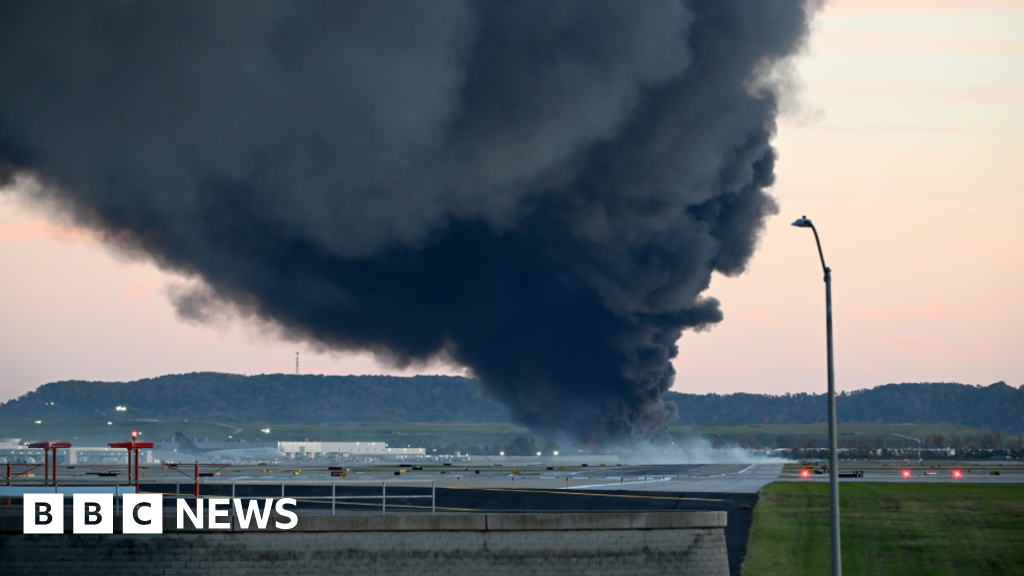
As cities like Louisville grapple with the immediate damage and ongoing danger, the event’s ultimate impact extends beyond the boundaries of Kentucky. It acts as a stark chapter in a larger narrative—the relentless march of history where technology, human peril, and geopolitical shifts collide. The haunting image of smoke rising over a vital logistics hub becomes a symbol of the fragile balance that sustains the global economy. With each passing day, the story continues to unfold, leaving the world to wonder: how many more risks must society endure before our interconnected systems are truly resilient? As the investigation advances and the aftermath unfolds, this tragedy may well mark a turning point—one that demands reflection on our collective safety and future readiness in an increasingly complex geopolitical landscape.

Social Media Auto Publish Powered By : XYZScripts.com