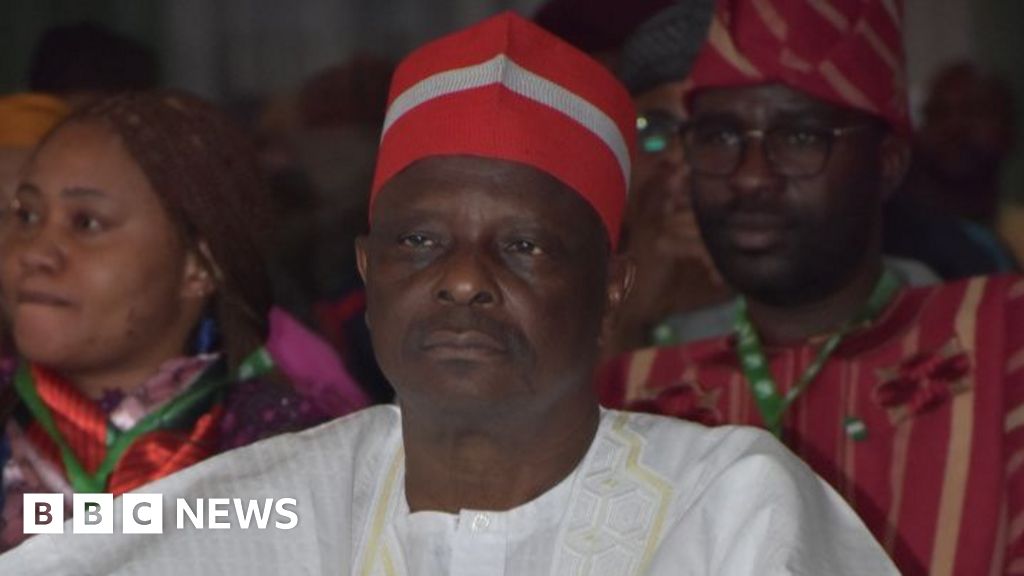

In a move that signals a significant shift in Nigeria’s complex political landscape, Rabiu Kwankwaso, a prominent figure in Nigerian politics and former governor of Kano State, has formally joined the African Democratic Congress (ADC). This decision aligns him with a coalition that aims to challenge the current administration of President Tinubu in the upcoming 2027 elections. As Nigeria’s political divides deepen amidst economic challenges and regional tensions, Kwankwaso’s move underscores a strategic effort to redefine the balance of power and influence within West Africa’s largest nation.
Heralded by analysts as a deliberate attempt to forge a formidable opposition front, Kwankwaso’s entry into the ADC is viewed as a bid to capitalize on widespread public sentiment demanding change. The coalition expects to galvanize support across Nigeria’s diverse ethnic and regional groups, leveraging Kwankwaso’s popularity in the North and his track record on infrastructure development. Such a consolidation of opposition figures and parties could have a *pivotal* impact on Nigeria’s electoral landscape. According to international political observers, this shift could trigger a recalibration of regional alliances, particularly as ethnic loyalties continue to color political alignments in Nigeria.
The geopolitical impact extends beyond Nigeria’s borders, with neighboring countries closely monitoring the unfolding power dynamics. Analysts from the African Union and global institutions warn about the broader implications of a fractured Nigerian political scene, emphasizing that instability in Abuja could ripple across West Africa, further destabilizing already fragile regional economies. Historically, Nigerian elections have served as a barometer for regional stability, given the country’s role as West Africa’s economic and political powerhouse. The new alliance signals a potential shift that could challenge President Tinubu’s plans to cement his legacy, while also reshaping alliances within Nigeria’s complex electoral arithmetic.
As the nation braces for a contentious electoral cycle, many experts highlight the importance of sound political governance and the influence of diaspora communities in shaping the outcome. The decision by Kwankwaso to abandon previous political alignments and join forces with the ADC underscores an *urgent* desire among opposition factions to unify against entrenched incumbency. Historians note that Nigeria’s history is replete with moments where opposition coalitions—though initially fractured—have ultimately reshaped the country’s trajectory. The current juncture appears poised to be another critical chapter in Nigeria’s ongoing saga of political contestation, with power balances delicately shifting with each campaign promise and geopolitical maneuvering.
Ultimately, the unfolding contest for Nigeria’s future remains a dramatic testament to the enduring fragility and resilience of its democracy. As voters prepare for what may be one of the most pivotal elections in recent history, the world watches with bated breath. In the corridors of power and across the bustling streets of Lagos and Kano alike, the echoes of history are stirring anew. The question remains: will Nigeria’s next chapter be one of renewed unity or enduring division? The answer lies in the choices made today, shaping a legacy that will define generations to come.