Matox News

Truth Over Trends, always!

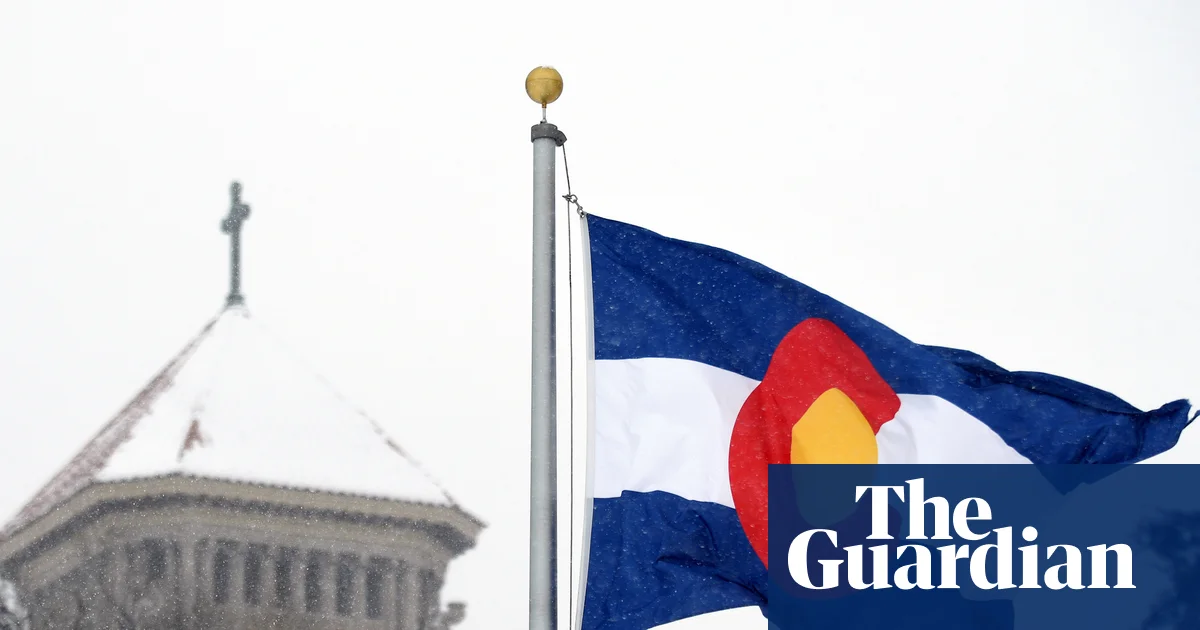
Supreme Court Takes Up Catholic Preschool Funding vs. LGBTQ+ Rights in Colorado

In a decisive move, the US Supreme Court has agreed to hear an influential case that underscores the ongoing tension between religious freedoms and secular state policies. The case involves St. Mary Catholic Parish and the Archdiocese of Denver, which are challenging Colorado’s exclusion of faith-based preschools from a state-funded universal preschool program. The schools argue that this exclusion violates their religious rights—particularly their policies on LGBTQ+ admissions—raising profound questions about the limits of government interference in religious institutions. This case signals the court’s continued engagement with religion-centric issues amid a broader ideological shift that favors religious expression, often at the expense of evolving social norms.

The controversy centres on Colorado’s 2020 ballot measure establishing a program that distributes public funds to preschool centers selected by parents. While the state asserts that participation requires adherence to nondiscrimination laws, the Catholic schools maintain that such mandates infringe upon their constitutionally protected religious practices. The conservative-majority court, which has a track record of adjudicating cases through the lens of individual religious liberty, now faces a pivotal decision with far-reaching geopolitical impact. A ruling in favor of the schools could embolden religious groups nationwide to challenge secular policies, potentially leading to a reconfiguration of how public funds are allocated and which social policies are deemed permissible under the First Amendment.

This case exemplifies a broader pattern where **internationally**, conservative legal principles are driving a redefinition of religious rights. Historian and legal analysts highlight the resurgence of judicial activism in cases involving religious expression, look particularly to Justice Antonin Scalia’s 1990 decision on peyote, which still influences legal debates about religious exemptions. The Supreme Court’s impending consideration of whether to narrow or uphold this precedent underscores the current ideological divide. Some commentators warn that such rulings could erode longstanding secular principles, paving the way for increased religious influence in education, healthcare, and public life—settings crucial for social cohesion and national identity.

  • The case is anticipated to serve as a barometer for how the Court balances religious liberty with anti-discrimination statutes, especially as public opinion shifts on LGBTQ+ rights across multiple nations.
  • Decisions made here could inspire similar legal challenges in other regions, influencing international debates about religious exemptions and the role of government in fostering inclusive societies.
  • International organizations and human rights advocates are closely watching, wary that a tilt towards religious privileging may result in societal polarization or undermine hard-won social justice gains.

As the fall verdict approaches, the weight of history hangs heavily over America’s courts and society. The decision will not merely determine the fate of faith-based preschools in Colorado, but will resonate across borders—calling into question the very nature of religious freedom in a rapidly changing world. Whether the court will uphold a vision of religious expression unbounded by secular law or enforce a more restrictive interpretation remains to be seen. In this unfolding chapter of legal and moral debate, the world watches, acutely aware that the decisions made today will echo through generations, shaping the history of liberty, faith, and social order in the centuries to come.
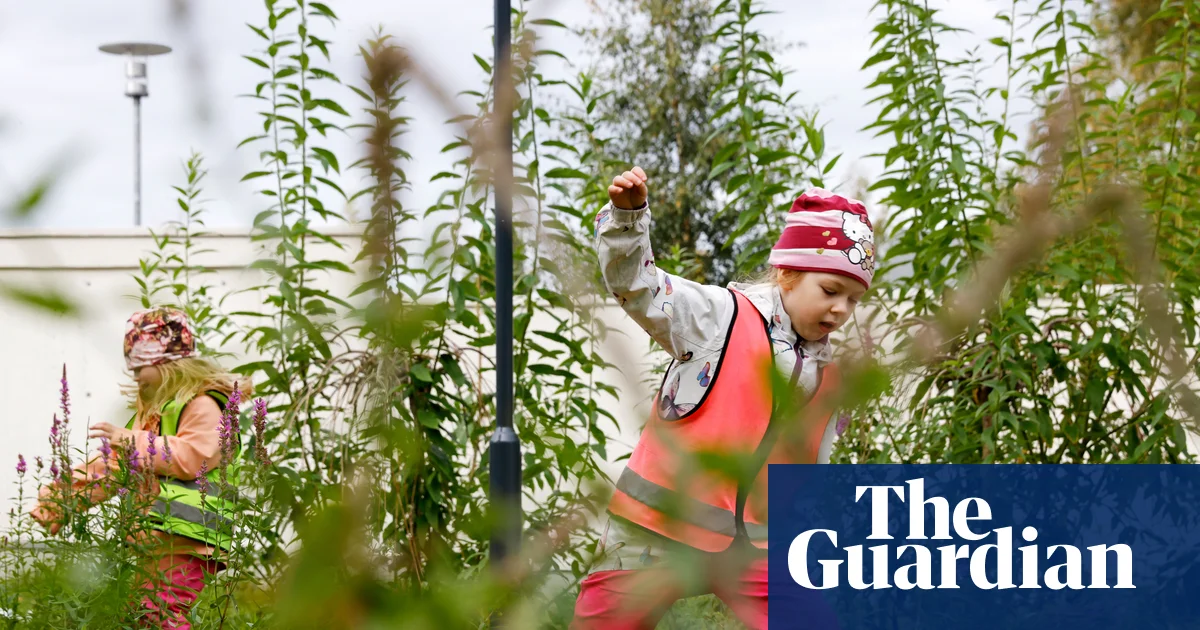
Turning Nature Into Education: How a Forest Preschool Boosts Kids’ Health and Future

Biodiversity and the Future of Society: Finland’s Rewilding Movement in Early Childhood Education

Imagine a society where our youngest generations are immersed in natural ecosystems from the very beginning. In Finland, a pioneering movement is reshaping how communities approach childhood development, emphasizing the profound importance of microbial biodiversity for health, learning, and societal resilience. At the core of this initiative are kindergarten yards transformed into vibrant, biodiverse landscapes—reclaimed from concrete and asphalt—where children are encouraged to dig in soil, forage for berries, and discover bugs. By exposing children early to the complex web of nature, educators aim to foster robust immune systems while instilling an enduring respect for the environment. Institutional efforts like these resonate with sociologists like Michael Foucault, who underscored the importance of spaces of knowledge and health, highlighting how societal structures can be reconfigured to favor *well-being* over sterile convenience.

The social implications of this shift extend beyond health, touching on questions of how communities organize space and prioritize collective health. As these rewilded daycare centers flourish, they challenge the prevailing sanitized model of childhood—characterized by synthetic mats, plastic toys, and limited contact with the natural world. Finland’s innovative project has been supported by €1 million in funding awarded to 43 centers to increase environmental diversity. The outcome has been a remarkable reduction in childhood disease-causing bacteria, such as Streptococcus, and an increase in immune cells critical to preventing autoimmune diseases, as shown by recent research. This is a testament to how social policies rooted in environmental realism can paradoxically cultivate healthier, more resilient human bodies and communities. Families and educators are discovering that nurturing microbiodiversity is not just an environmental priority in isolation but a societal imperative for nurturing the next generation of citizens able to withstand the health challenges of the modern age.

But the social benefits reach further, as studies reveal that this engagement with nature enhances cognitive development and emotional well-being. According to research from the University of Sheffield, green barriers, such as plant hedges, have effectively reduced harmful air pollutants like nitrogen dioxide around school playgrounds. Such approaches demonstrate that the move outside is essential not only for health but for cultivating a sense of community and environmental stewardship among children. Finnish educators emphasize that they want to move the “action from inside to outside,” highlighting a societal shift towards integrating ecological consciousness into daily life. This vision echoes the ideas of environmental thinkers who advocate for a society where human activities harmonize with natural processes—an urgent response to the *demographic and ecological shifts* threatening our collective future.

As society grapples with environmental loss and public health crises, these Finnish initiatives serve as both a vision and a call to action. The underlying message is clear: by integrating biodiversity into the very fabric of childhood learning environments, we instill values that transcend individual health—values rooted in understanding our interconnectedness with the Earth’s ecosystems. Perhaps, in nurturing this respect and resilience from the earliest age, society can begin to repair the fractured relationship it has with nature. This is not merely an experiment in education but a blueprint for societal renewal—where hope emerges from understanding the intricate dance of microbes, trees, and human life, reminding us that the path to a sustainable future begins with the smallest hands in the dirt and the boldest visions for a society that values health, community, and the environment equally.

Social Media Auto Publish Powered By : XYZScripts.com



