Matox News

Truth Over Trends, always!

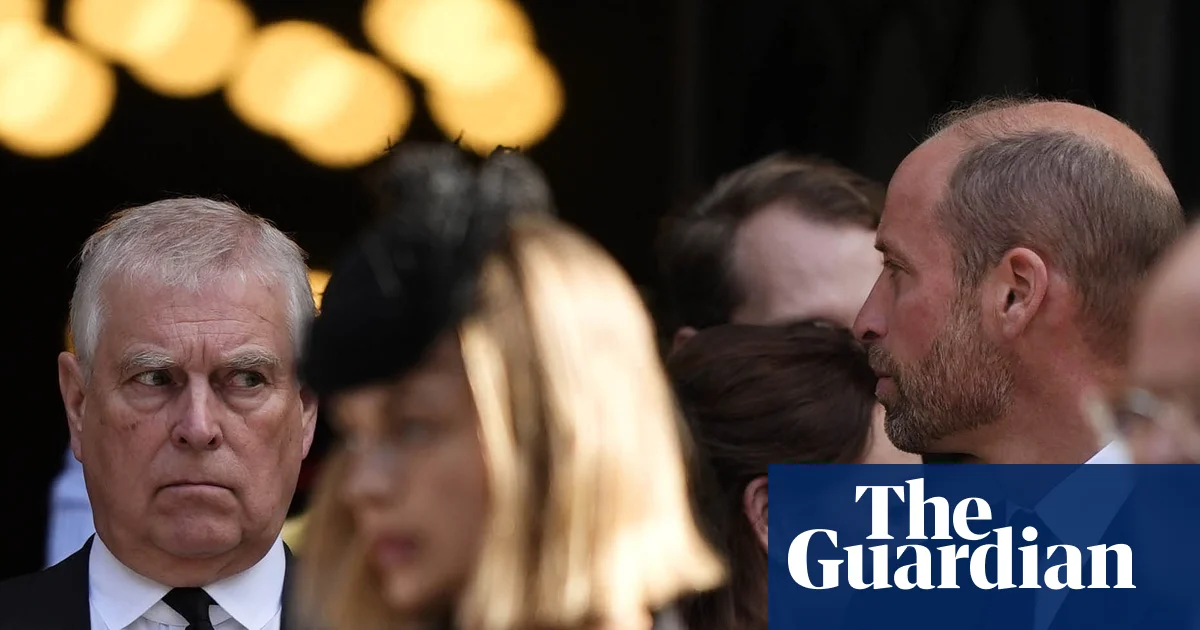
Youth voices demand change for ‘embarrassing’ Prince Andrew road names in Maidenhead

In a world increasingly scrutinizing traditional symbols of power and history, local disputes such as those unfolding in Maidenhead over streets named after Prince Andrew exemplify the palpable tension between legacy and societal values. Once regarded as innocuous commemorations, street names have become focal points of controversy, reflecting broader trends of re-evaluating historical figures and their associations. These small but poignant disputes are emblematic of a wider, global wave of social accountability that challenges entrenched establishments worldwide.

As King Charles moves to officially strip Prince Andrew of his titles following allegations linked to Jeffrey Epstein, the repercussions underline a crucial shift in the British monarchy’s public image and legitimacy. The decision to initiate a formal process to revoke the disgraced prince’s honors and to abandon his residence signal more than mere internal royal restructuring; they showcase a nation grappling with accountability and the need to redefine its moral compass amidst rising call-outs of historic misconduct. Internationally, the ripple effects resonate as other nations observe Britain’s handling of its colonial—and in this case, familial—legacy, examining their own historical narratives for potential reassessment.

  • According to international legal experts, such as Harvard Law Professor Alan Dershowitz, this type of public accountability framework in Britain reflects a broader trend where societal pressure influences legal and political recalibrations. Likewise, historians note that the monarchy’s shift mirrors a parallel phenomenon where societies are confronting difficult pasts, questioning earlier symbols of authority, and pushing for significant institutional reforms.
  • Meanwhile, international organizations like Amnesty International and other human rights groups continue to press governments worldwide to face uncomfortable truths about their histories, often using street renamings and symbolic acts as catalysts for deeper societal change.

In this context, the controversy over street names in Maidenhead underscores how local decisions become microcosms of larger geopolitical debates. The residents’ concerns about the association of their addresses with controversial figures reveal a collective desire to distance society from outdated symbols that no longer reflect contemporary values. It is a vivid example of society’s ongoing struggle—highlighted by political analysts like Dr. Elizabeth Holmes—between preserving history and forging a new moral narrative. Such debates, embedded in communities, often foreshadow shifts in national discourse and policy that can ripple outward.

As history continues to be written, the struggle to confront and reinterpret the past remains fraught with challenges. The decisions made today—whether it involves renaming streets or re-evaluating venerable institutions—carry profound geopolitical significance. They shape the moral fabric of societies and influence the global balance of power, testing whether nations can reconcile their histories with evolving standards of justice and accountability. The ongoing saga of Prince Andrew and streets in Maidenhead may seem localized, but they are woven into the broader narrative of a world where history’s weight remains in flux, urging humanity to consider whether the course set by past leaders is truly aligned with the future they aspire to build. The pages of history turn relentlessly, never forgiving, always compelling, as every decision tomorrow’s leaders make will echo through the corridors of eternity, shaping the course of nations in a turbulent, ever-changing world.
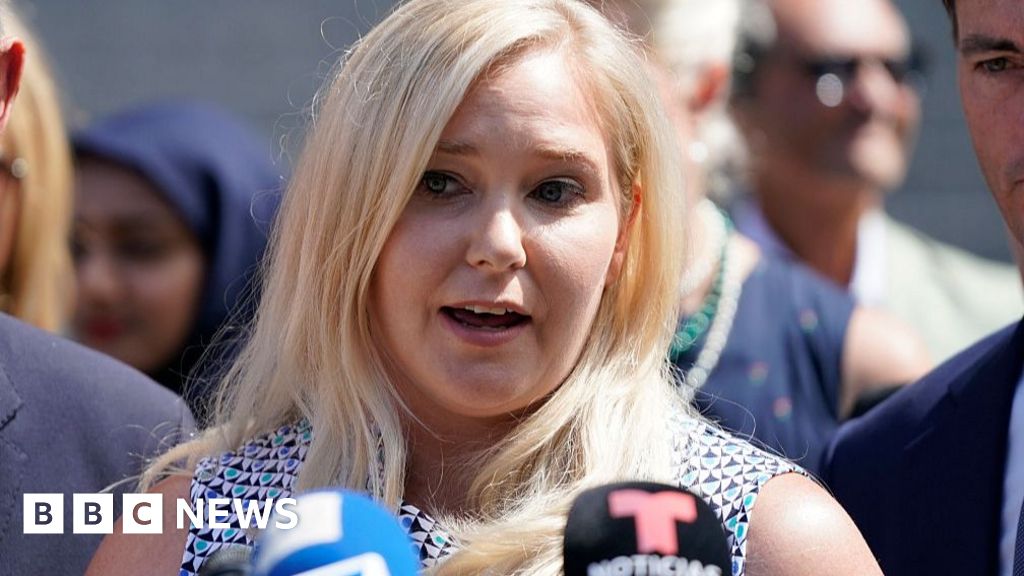
Prince Andrew urged to come forward with his account of Epstein abuse, co-author tells BBC

In the ornate tapestry of British history, few threads are as dark and revealing as the recent revelations surrounding Prince Andrew, a figure whose reputation has become an emblem of a broader cultural crisis—one where honor and morality are challenged by the insidious influence of power and greed. The contentious disclosures in Virginia Giuffre’s posthumous memoir, Nobody’s Girl, cast a stark light on a web of corruption intertwined with the sordid pursuits of Jeffrey Epstein. While the prince denies direct involvement, the details evoke echoes of historical tales where the thick fabric of tradition is pulled apart by the threads of scandal, forcing a nation to confront its values anew.

Beyond individual guilt, this saga raises fundamental questions about the relevance of culture as a custodian of societal virtue. As philosopher Ortega y Gasset highlighted, a society’s true fabric is woven from its shared beliefs, its sense of identity rooted in enduring moral frameworks. When these are compromised—be it through scandal or neglect—the entire social order risks unraveling. The royal family, once seen as a pillar of societal stability, now faces the difficult task of re-establishing its moral authority. The voluntary abdication of Prince Andrew from his titles and membership in the Order of the Garter signifies a symbolic gesture in this ongoing struggle—a recognition that history is a mirror, and the reflection demands accountability. Yet, symbols alone cannot heal the wounds inflicted by the abuse of privilege; institutions must be prepared to confront and learn from the past if they are to endure.

  • Culture as Memory: The traditions and narratives we hold dear are repositories of collective memory, shaping our identity and aspirations.
  • Culture as Prophecy: Our shared cultural symbols serve as blueprints for the future, guiding generations through lessons learned and values upheld.
  • Historical Parallels: Societies embroiled in scandal—akin to the fall of Rome’s decadence or the upheaval of the ancien régime—remind us that moral decay invites systemic crises unless confronted with truth and reform.

In the words of T.S. Eliot, true culture is “the memory of a civilization,” one that demands vigilance and honesty. Today’s challenge lies not in erasing the stain of scandal but in strengthening the moral foundation that underpins our societal institutions. As Chesterton once observed, “A true society is built not on the superficial veneer of power, but on the bedrock of principle,” urging us to look beyond fleeting symbols towards the enduring core of human dignity. The ongoing controversy acts as a reminder that culture is both a reflection and a prophecy: it reflects where we stand morally, and it foretells what we risk losing—our shared humanity—if we fail to confront our shadows. As we stand at this crossroads, may we remember that in the depths of scandal lurks the possibility of renewal, for history teaches us that from the ruins of arrogance and silence, a new society can yet emerge, rooted in truth and humility—a future where the memory of our virtues guides the prophecy of what humanity can become.

Labour avoids tackling Prince Andrew scandal amidst rising concern

The recent revelations surrounding Prince Andrew’s alleged connections with Jeffrey Epstein have ignited a firestorm of media coverage, exposing unsettling questions about the integrity of the British monarchy and its embedded influence on national politics. Despite mounting public outrage and calls for accountability, a notable parliamentary taboo hinders any official debate on whether the royal should be stripped of his titles. This restriction underscores a deeper, pervasive culture of institutional protection that transcends the borders of the United Kingdom, impacting international perceptions of accountability, sovereignty, and judicial independence. The political establishment, especially within Westminster, appears hesitant to confront powerful symbols of tradition, even as scandals threaten to undermine confidence in Britain’s longstanding monarchy.

The core issue revolves around parliamentary constraints, which are enshrined in Erskine May, the authoritative manual on parliamentary procedure. According to its guidelines, questions that “bring the name of the sovereign or the influence of the crown directly before parliament” or cast “reflections upon the sovereign or the royal family” are off-limits. This legal and constitutional safeguard effectively bars MPs from raising allegations against Prince Andrew or discussing his conduct, especially concerning the explosive claims of Virginia Giuffre. The outcome is a paradox where public interest, especially among younger voters and international observers, collides with a strict adherence to tradition that limits open discourse, perpetuating a veil of silence over critical issues of morality and justice within the monarchy.

Analysts such as political historians and international observers emphasize that this parliamentary silence has broader geopolitical implications. It signals to the world that Britain continues to prioritize the preservation of its aristocratic symbols over embracing transparency and accountability. For many in emerging democracies and authoritarian regimes, the refusal to confront such scandals openly feeds narratives about elite impunity and entrenched privilege. Furthermore, the ongoing scandal involves subtle shifts in Britain’s soft power—its ability to promote democratic ideals and moral leadership—being subtly eroded. As some MPs voice frustration and push for legislative reforms, the reality remains that the entrenched culture of royal privilege hampers efforts for civility and integrity that are increasingly demanded by the global community.

  • The British government faces mounting pressure to either uphold tradition or adapt to a changing moral landscape—yet, the political will remains tepid, with some officials viewing the issue as a distraction from more pressing economic or domestic concerns.
  • International institutions, such as the European Court of Human Rights and the International Criminal Court, watch with cautious optimism, as Britain’s refusal to confront its royal scandal may influence debates on accountability and rule of law across borders.
  • This controversy echoes broader themes of national sovereignty, elite impunity, and social justice—issues that ripple beyond the confines of Westminster, challenging the very foundations of Britain’s constitutional tradition.

As the debate smolders beneath the surface, some voices—both domestically and globally—warn that this reluctance to confront uncomfortable truths could precipitate lasting damage to Britain’s moral authority. Historians and political analysts warn that nations which shy away from transparency in moments of crisis risk fostering long-term disillusionment among their citizens and allies. The case of Prince Andrew serves as a potent microcosm of this larger struggle—how a society chooses between maintaining ancient privileges and embracing the demands of a new age of accountability. As history unfolds with each passing day, the enduring question remains: will the winds of change sweep away the old hierarchies, or will they be immortalized as monuments to a bygone era?

Prince Andrew steps back from Duke of York title amid mounting scrutiny

In recent weeks, the British monarchy has endured a turbulent chapter that underscores the enduring significance of cultural tradition as both a reflection and a unifying force within society. Prince Andrew’s decision to relinquish all royal titles, including the Duke of York, amidst persistent scandal and moral scrutiny, echoes a broader narrative of decline and adaptation that has characterized royal institutions across history. While critics may hastily dismiss this as a mere crisis of individual morality, it profoundly illuminates how culture shapes identity and societal cohesion. As Ortega y Gasset observed, societies are not merely collections of individuals but living organisms whose collective spirit sustains its vitality through shared symbols, values, and rituals. The monarchy, historically a custodian of tradition, now finds itself at a crossroads where the erosion of aristocratic privilege confronts a need for renewal rooted in and sustained by cultural continuity.

The controversy surrounding Prince Andrew is not simply a scandal but a lens into the shifting moral landscapes that challenge the authoritarian-prescriptive era of the past. His associations with Jeffrey Epstein and subsequent allegations have dragged into the light uncomfortable truths about privilege, power, and the perils of a world disconnected from the ordinary citizen’s moral compass. As Tocqueville warned, democracy’s strength lies in its capacity to hold institutions accountable, ensuring that a new form of civic virtue replaces aristocratic immunity. The prince’s decision to step down, therefore, is a symbolic gesture—a recognition that the fabric of societal trust must be woven anew, with threads of responsibility, humility, and accountability. This moment reverberates beyond personal failings, calling into question the very nature of authority and the ethical foundations upon which modern societies are built.

Culture, as Chesterton championed, acts as a “moral space”—a repository of memory, a prophecy of hopes. The Royal Family’s evolution in the midst of scandal underscores the vital role of tradition as both a safeguard and a force of renewal. As society’s guardians, cultural icons and institutions must adapt without losing sight of their vital role in shaping collective identity. The monarchy’s present trial reveals that the future of tradition depends on its ability to remain rooted in the moral truths of the past while daring to confront the complexities of today. In this tension between memory and prophecy, culture becomes a dynamic dialogue—an ongoing act of storytelling that sustains the soul of a nation. As T.S. Eliot once said, “The historical sense involves a perception, not only of the pastness of the past, but of its presence.” The history of the monarchy—the continuity through upheaval and moral challenge—serves as a mirror reflecting that the soul of a society is both its memory and its prophecy.

In the final analysis, the narrative is not merely about titles or scandals but about the enduring power of culture to define who we are and who we aspire to be. The royal upheaval signifies more than a personal fall—it symbolizes a society’s relentless quest for authenticity, moral integrity, and rootedness amidst changing tides. Culture remains the language through which a community negotiates its identity, negotiates its ideals, and projects its hopes into the horizon. It is both the memory that sustains us and the prophecy that beckons us forward, a testament to humanity’s eternal dance between memory’s rootedness and prophecy’s ascent—an enduring testament that the heart of civilization beats strongest where history and hope intertwine.

Prince Harry Blames ‘Sabotage’ for Rumors of Tension with King

Prince Harry recently made headlines with a rare personal move, suggesting a desire for reconciliation within the British royal family. His meeting with King Charles at Clarence House marks a significant shift after nearly two years of estrangement, reflecting broader themes of family dynamics amidst global scrutiny. The 54-minute private encounter, following Harry’s public expressions of willingness to reconcile, occurred amid ongoing media narratives designed to shape public perception. Harry’s emphasis on the sincerity of his intentions underscores the delicate balance of maintaining intimacy versus public image in a world obsessed with royal drama.

However, this gesture comes under an increasingly scrutinized lens, with media outlets such as The Sun and international analysts dissecting every detail. Harry’s response to reports about gifts exchanged during their meeting—correcting claims that a framed photograph contained images of him and Meghan—highlight the intense media warfare surrounding the royal “family feud”. While Harry’s spokesperson downplayed the significance of the private gifts, the media’s involvement demonstrates how the narrative of royal discord has become a geopolitical tool. As international observers analyze these internal conflicts, the impact extends beyond Britain, influencing perceptions of monarchy and stability across the Commonwealth and beyond.

This ongoing soap opera within the United Kingdom royal family unfolds against a backdrop of increasing geopolitical volatility. King Charles’ recent meetings with foreign leaders, including Anthony Albanese of Australia, exemplify his ongoing efforts to position the monarchy as a symbol of unity amid chaos. Yet, the internal fissures—exposed through Harry’s public statements and the media’s relentless reporting—undermine the royal family’s credibility and, by extension, the soft power they wield. Historians warn that such internal strife can weaken a nation’s diplomatic stature, especially when royal figures serve as international ambassadors. Consequently, domestic upheavals in Britain ripple outward, affecting diplomatic relations, global perceptions, and the space of influence that monarchies hold in a multipolar world.

In a rapidly shifting geopolitical landscape, the internal struggles of the British royal family serve as a mirror to the fragility of traditional institutions in an era of unprecedented change. As Harry’s attempt at reconciliation unfolds amid media frenzy, the international community watches with bated breath—aware that the tides of history are never static but constantly reshaping the power structures of nations. *How these personal dramas unfold will determine not only the future of the monarchy but also serve as a cautionary tale for societies grappling with the erosion of established symbols of authority.* Humanity stands at a crossroads, where familial betrayal and national prestige dance dangerously close, leaving us to wonder: will this chapter be remembered as the beginning of the monarchy’s decline or as an epilogue of resilience amidst chaos? The answers remain hidden in the unfolding pages of history.

Elon Musk and Prince Andrew linked to new Epstein documents — what’s really at stake?

Geopolitical Reckoning: Epstein Files Unveil Ties to Power Elites

The recent release of documents linked to the late financier Jeffrey Epstein has ignited a storm of controversy that extends far beyond the sordid allegations. These files, handed over by Epstein’s estate to the House Oversight Committee, illuminate a network of connections among some of the most prominent figures from the worlds of business, politics, and royalty. Among those named are billionaire technology mogul Elon Musk, Prince Andrew of the United Kingdom, and other influential personalities like Peter Thiel and Steve Bannon. As the world grapples with these disclosures, the geopolitical impact of such revelations cannot be overstated, as they threaten to reshape public perceptions of power, influence, and the true extent of the clandestine alliances that often operate in darkness.

Historically, Epstein’s web of connections has been a cautionary tale about the complicity and silence surrounding elite misconduct. Legal scholars and international analysts have long argued that Epstein’s relationships with key figures exposed a fragile veneer of morality maintained at the highest levels. New documentation suggests that Elon Musk had been invited to Epstein’s infamous private island in December 2014—an invitation Musk has reportedly declined—raising questions about whether oversight and accountability extend into the realms of technology’s most powerful. Similarly, Prince Andrew features prominently, with records indicating he flew on Epstein’s flight from New Jersey to Florida in May 2000, an event that has long haunted the royal figure. These revelations come amidst growing suspicion about the collusion between the global elite and criminal networks, as international watchdogs urge for thorough investigations. The United Kingdom and U.S. authorities now face mounting pressure to reckon with these covert links that could threaten the foundations of public trust and diplomatic relations.

The files also detail planned meetings with other influential figures, including the Microsoft founder Bill Gates and Steve Bannon. Such connections compound the narrative that Epstein’s influence transcended mere criminal activity, seamlessly intertwining with the fabric of global power structures. As political analysts warn, these associations could have far-reaching implications, potentially impacting international policy, economic negotiations, and diplomatic alliances. The geopolitical impact of this knowledge is profound—drivers of global stability and peace, as well as the credibility of international institutions, hang in the balance. Critics argue that these relationships illustrate a disturbing pattern where personal ambition and wealth supersede justice, exposing how elite immunity shields some from legal repercussions.

Although some figures, like Musk and Prince Andrew, have denied any knowledge of illegal activities, the public outrage remains untamed. The Democrat-led committee has called for expanded transparency, emphasizing that “every new document provides vital clues” towards understanding the extent of Epstein’s influence. The historical significance of these disclosures reflects a turning point: an awakening of public consciousness concerning unchecked power. As the dust begins to settle on these revelations, society must grapple with the unsettling truth that the corridors of influence often hide darker realities—realities that, once uncovered, threaten to rewrite the narrative of global leadership,” warns renowned historian Dr. Margaret K. Howell. The world remains on the precipice of a potential upheaval, where the revelations of today could serve as the catalyst for a reckoning that echoes through the corridors of history—perhaps, the moment when the shadows cast by the powerful finally begin to recede, unveiling truths long suppressed beneath layers of secrecy and complicity.

Social Media Auto Publish Powered By : XYZScripts.com