Matox News

Truth Over Trends, always!

Can Nintendo Correct Its Princess Dilemma in the ‘Super Mario Galaxy’ Film?

In a media landscape saturated with superficial entertainment, one might be tempted to dismiss the evolution of Nintendo’s beloved characters as mere commercial happenstance. Yet, beneath the pixelated veneer of Mario’s universe lies a compelling narrative about the shifting paradigms of gender roles, cultural storytelling, and societal values. From the humble damsel in distress of the early 1980s to modern symbols of strength and independence, these characters reflect broader cultural dynamics and philosophical insights into the relevance of culture to identity, tradition, and societal integrity.

The pioneering era of Mario and his ilk began with the simple premise of rescue: Lady—later called Pauling—was kidnapped by Donkey Kong, establishing a damsel-in-distress trope that echoed age-old narratives of heroism intertwined with the subjugation of women. This pattern persisted into the era of Princess Toadstool or Peach, whose wildest narrative ambition was to be rescued from castles, her persona mired in a perpetual state of helplessness, fitting neatly into a reactionary narrative framework present since the days of classical fairy tales. As Tocqueville observed, societal mores and legends serve as mirrors of the collective unconscious, shaping and reflecting the very fabric of our cultural identity. These game narratives—though seemingly trivial—embody a societal attitude toward gender roles, emphasizing a nostalgic constancy that resonates across generations.

However, the narrative arc begins to shift remarkably with the reemergence of Pauline in 2017 and the reimagining of Princess Peach in games like Super Mario Odyssey. Pauline, once a mere damsel, now assumes the role of the independent, multi-faceted figure—a city mayor and singer, donning a red pantsuit rather than princessly attire. This transformation echoes the historical parallel of societal emancipation: from passive to active, from victim to agent of change. Such developments echo insights of cultural critics like G.K. Chesterton, who once proclaimed that “the true soldier fights not because he hates what is in front of him, but because he loves what is behind him.” The evolution of these characters signifies a societal shift away from traditional victimhood towards a celebration of agency, strength, and self-determination, forging a comeback rooted in cultural memory and future prophecy.

Adding to this tapestry is Rosalina, who departs entirely from the damsel trope, embodying a figure of maternal strength and universal authority. With her cosmic origin story, Rosalina transcends the triviality of rescue narratives, hinting at the pursuit of a deeper understanding of existence—an unspoken rebellion against the superficiality that has long pervaded popular entertainment. This evolution illustrates the cultural tendency of modern storytelling: to explore themes of inner strength, heritage, and universal connection. The articulate efforts by Nintendo to expand her story with additional chapters and narratives underscore a fundamental truth illuminated by Ortega y Gasset: that culture is a living memory, a prophecy made flesh, shaping the ongoing story of human identity.

In conclusion, the character development within Nintendo’s franchise encapsulates a larger cultural narrative—that of tradition’s resilience and the never-ending quest for authentic self-expression. These virtual figures, once mere placeholders in a storytelling void, now carry the weight of societal change, embodying a culture’s enduring desire for meaning, agency, and continuity in the face of relentless change. As we observe this transformation, it becomes clear that in the grand tapestry of human history, culture is both memory and prophecy: a reflection of where we have been and a guiding light towards where we are yet to go. In the silent poetry of pixel and play, we find the echoes of our collective soul—a testament to the unyielding spirit of human creativity and tradition that persists beyond the fleeting shadows of entertainment, whispering through the ages that our stories, like ourselves, are destined to evolve—ever resilient, ever true.

Norway's Crown Princess Speaks Out: Claims She Was 'Manipulated' by Epstein
Norway’s Crown Princess Speaks Out: Claims She Was ‘Manipulated’ by Epstein

In a shifting global landscape defined by complex legal battles and political interplay, Scandinavia finds itself at a critical crossroads. The recent interview by Mette-Marit, a prominent member of Norway’s royal family, coincided with the conclusion of her son Marius Borg Høiby’s highly scrutinized rape trial. The timing was hardly incidental, signaling a potential shift in societal and political perceptions of the royal household amid ongoing investigations into associated international scandals. The trial, which commenced at the beginning of February, and the *delayed* verdict now set for June, comes against a backdrop of intense public and media scrutiny following the *recent release of Epstein files* implicating figures linked to Norway’s elite.

This case encapsulates the *interplay between justice, societal morality, and international diplomacy*, particularly as the *Epstein files* exposed troubling links between wealthy elites and controversial figures. Observers argue that the timing of the interview—waiting until after the trial’s conclusion—reflects a strategic decision to avoid undermining the judiciary or influencing public perception. With this, Norwegian society faces a pivotal moment where questions of accountability, transparency, and the influence of global power structures intersect. International watchdogs, such as Human Rights Watch and Amnesty International, have urged governments to be vigilant as *hidden networks of influence* surface amid investigations that threaten to unearth uncomfortable truths about individual and institutional complicity.

The *geopolitical impact* extends beyond Norway. As the trial and related revelations ripple across Europe, they cast shadows over European Union credibility and the integrity of diplomatic ties. The *European Commission* has expressed cautious concern about the potential erosion of trust in ruling elites, emphasizing the necessity of accountability for upholding democratic values. Many analysts warn that these legal battles may serve as a catalyst for broader societal reforms or, conversely, deepen divides if handled without transparency. Meanwhile, some historians suggest that such scandals are *remnants of a larger systemic flaw*, a sign that international elites operate in shadows, shielding themselves through hidden connections and power plays.

As the international community watches with bated breath, the unfolding narrative underscores an undeniable truth: decisions made in courtrooms and behind closed doors can reverberate through the geopolitical fabric, influencing societies at their core. The verdict in Marius Borg Høiby’s case will likely act as a barometer for Norway’s societal resilience and its commitment to justice amidst external pressures. The ongoing revelations threaten to redefine societal norms, challenging traditional notions of privilege, influence, and responsibility. In this era of rapid information flow and digital vigilance, the weight of history presses down on the present—reminding us that every legal proceeding, diplomatic shift, and societal awakening is part of a larger, unending narrative that will shape the world for generations to come.

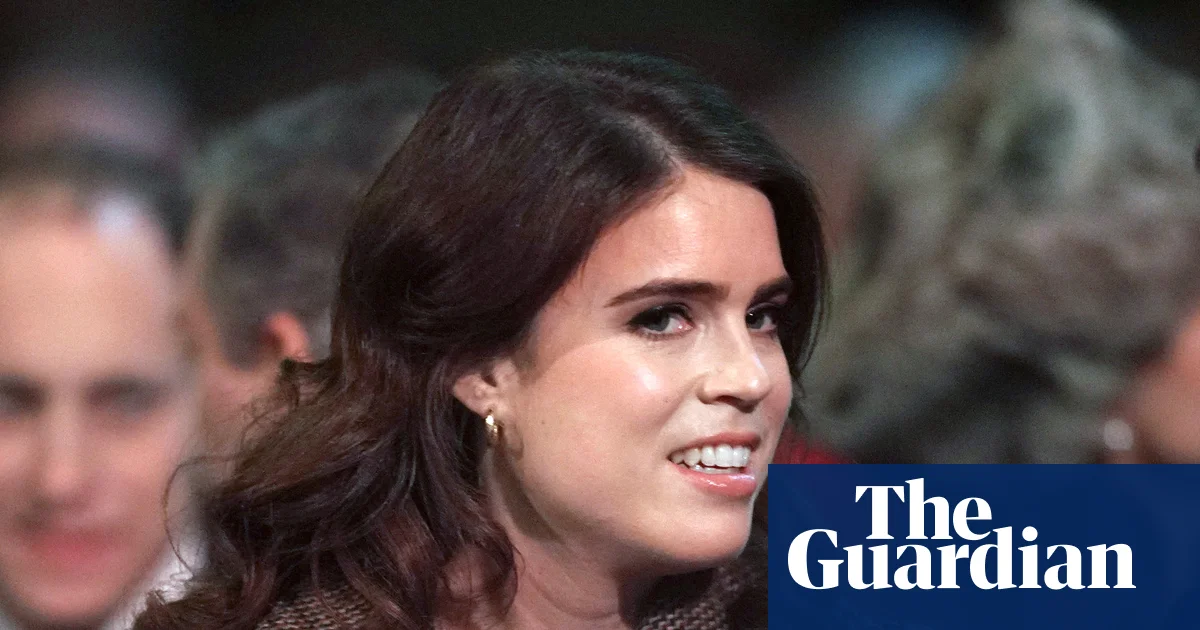
Princess Eugenie resigns from anti-slavery charity role amidst growing concerns

In a move that signals shifting tides in the delicate arena of international reputation and moral authority, Princess Eugenie has stepped down as patron of Anti-Slavery International, the oldest human rights organization founded in 1839. Her departure, occurring amid the ongoing fallout from the Jeffrey Epstein scandal, underscores how private scandals within elite circles can ripple across societal and geopolitical landscapes. Although no evidence links her personally to Epstein’s criminal network, her association with figures like her father, Prince Andrew, and her family’s connections to Epstein have become a focal point in mounting public concern over elite complicity in international trafficking. International analysts emphasize that such scandals threaten to erode the moral authority of monarchies and diplomatic institutions, especially as global decision-making increasingly hinges on the moral credibility of prominent figures.

Moreover, the saga exposes profound questions about international influence and accountability. The revelations extracted from U.S. Department of Justice files and emails link Epstein’s network to powerful individuals worldwide, with allegations suggesting that Prince Andrew may have been involved in illicit activities. Although he denies any wrongdoing, the allegations have prompted calls by historians and legal experts for greater transparency among global elites to combat deep-rooted corruption. The unfolding scandal threatens to undermine alliances rooted in mutual prestige, especially as U.S. authorities intensify their investigations into Epstein’s extensive trafficking ring. Such developments highlight the fragility of diplomatic trust that governments and royal families have built over decades on shared interests and mutual respect.

From a geopolitical perspective, the scandal’s fallout converges with broader issues of sovereignty, transparency, and societal integrity. As international organizations and Western governments face the difficult task of balancing diplomatic diplomacy with the pursuit of justice, nations are forced to confront their own complicity and past failures. The public exposure of elite misconduct serves as a clarion call for radical reforms in how societies oversee their most powerful leaders, resonating with the warnings of international watchdogs like the United Nations. These revelations threaten to embolden populist movements worldwide, demanding accountability and transparency, but also risking destabilization of long-standing diplomatic ties if governments are perceived as shielding their elites from justice.

As the dust settles, the weight of history’s unfolding narrative leaves the world at a crossroads. The unraveling of Epstein’s network and the profound implications for royal families, diplomatic ties, and societal morality remind us that no institution—regardless of its stature—is immune to the tides of justice and truth. The decisions made in this epoch will likely reverberate for decades, shaping how future generations view authority, morality, and the global fight against modern slavery and exploitation. Humanity now stands at a pivotal moment—whether to allow the dark shadows of the past to continue haunting the present or to forge a future grounded in unyielding transparency and moral resolve. The pages of history are turning, and the world must decide: will justice be the legacy we leave behind?

Norwegian Crown Princess Issues Apology Amid Epstein Controversy

In an unexpected yet significant gesture, Mette-Marit, Crown Princess of Norway, publicly apologized to the Norwegian people for not fully understanding the nature of the individual associated with a recent heinous crime case. This apology underscores a broader challenge faced by monarchies and leadership figures worldwide: balancing public trust with the complex realities of individuals within their spheres of influence. The statement not only resonates domestically but also holds substantial implications for international perceptions of Norway, a nation often lauded for its social cohesion and transparent governance.

The revelations surrounding the sex offender have triggered a wave of reflection across societal and political lines, shining a spotlight on how societies evaluate the character of individuals linked to their elites. Traditional monarchies, once seen solely as symbols of history, are now scrutinized through the lens of accountability and societal responsibility. Analysts point to this incident as a *turning point* that demands a reevaluation of transparency within royal institutions. Historians argue that such moments serve as critical junctures where societal values are tested, emphasizing the importance of preemptive oversight and transparent communication in maintaining public trust. Meanwhile, international organizations like the United Nations continue to advocate for stronger mechanisms to prevent such failures from recurring, citing the enduring importance of resilience in national institutions.

Beyond the immediate national context, the geopolitical impact of this incident extends into diplomatic domains as well. Norway’s reputation as a stable, progressive nation poised at the crossroads of Europe and the Arctic is now intricately linked to its internal challenges. Critics argue that the incident exposes vulnerabilities in the country’s societal oversight and prompts questions about how other small nations handle leadership transparency in an age where public opinion can shift overnight. Such events ripple outward, influencing diplomatic relations with neighboring nations and international bodies, which are increasingly attentive to issues of institutional integrity. According to international political analysts, this moment could catalyze reforms in governance practices, not only within Norway but across similar constitutional monarchies globally.

As the weight of history presses on these unfolding events, the lesson remains stark: decisions made in the corridors of power are etched into the collective memory of nations. The outcome of this controversy could either reinforce trust or deepen skepticism towards royal institutions, shaping the social fabric of Norway for generations to come. With the world watching, the path forward will undoubtedly define the character of a society that prides itself on transparency and steadfastness—values that are now, more than ever, under the microscope. History’s judgment awaits, and the choices made today will determine how societies reckon with the dark shadows of the past and illuminate the future.

Crown Princess Mette-Marit's Son Detained Pending Rape Trial in Norway
Crown Princess Mette-Marit’s Son Detained Pending Rape Trial in Norway

As the global stage continues to shift focus towards issues of sovereignty, diplomacy, and internal power dynamics, recent developments surrounding Norway’s monarchy epitomize how nuanced royal affairs can ripple across international borders. A contentious debate has emerged over the role and visibility of Princess Mette-Marit, illustrating the broader tension between tradition and modern sovereignty. Critics argue that while the monarchies of Europe often seek to preserve their cultural influence, they must also navigate the complex terrain of international perception and domestic legitimacy.

At the center of the debate is the question of whether members of the royal family can maintain private citizen status amidst their public duties. The Norwegian government has attempted to distance itself from a forthcoming court case, emphasizing that Princess Mette-Marit remains a public figure tied to Norway’s national image. Analysts emphasize that, unlike her son, whose private status is undisputed, the princess’s role is inherently intertwined with state interests and diplomatic representations. Historians specializing in constitutional monarchies highlight that such distinctions are critical, as the monarchy’s perceived diminished stature could impact the nation’s soft power.

This internal debate reflects a wider geopolitical context. Norway is positioned at the crossroads of EU energy corridors and NATO strategic corridors, making its internal stability and international reputation strategically vital. Decision-makers within the Scandinavian nation understand that how they navigate royal affairs impacts their bargaining power in the Arctic and North Atlantic security dialogues. For instance, any perception that the monarch’s influence is waning could be exploited by geopolitical adversaries or be misinterpreted as political weakness, thus affecting alliances and regional stability. International observers, such as the European Council and NATO, keep a keen eye on these internal narratives, recognizing that “soft power” diplomacy begins at home.

Broader implications stretch into how international institutions interpret and react to royal controversies. The conflicting perspectives surrounding Norway’s monarchy showcase the delicate balance traditional institutions must maintain in a rapidly changing global order. Global analysts warn that any erosion of royal legitimacy could embolden anti-establishment movements or populist rhetoric, both of which threaten the stability of constitutional monarchies across Europe.“History has shown that monarchs and their representatives are often symbols of national continuity and identity, and their perceived vulnerability can have repercussions beyond borders,” noted Dr. Helena Sørensen, a political historian.

Ultimately, the unfolding drama underscores a broader truth: as history continues to unfold in the corridors of power, the decisions made today could reverberate for generations. The stakes are high, not only for Norwegian sovereignty but for the fundamental ways nations project influence and uphold tradition in a changing world. The spotlight remains fixed on Norway as its royal controversy becomes a mirror reflecting the enduring tension between tradition and modernity—poised on the edge of a new era, where every choice shapes the future of nations and societies alike. As political currents churn and histories are written anew, the question remains—will the monarchy evolve or fade into the shadows of history’s great narrative? Only time will tell, but the story of power, identity, and sovereignty marches ever forward, unyielding and relentless.

Princess of Wales Urges End to Stigma on Addiction and Mental Health

In recent discourse, society’s recognition of addiction as a complex mental health issue is gaining momentum, yet deep-seated stigma continues to hinder progress. The Princess of Wales has called for an urgent recalibration of societal attitudes, emphasizing that addiction is not a moral failing, but a health challenge that requires compassion rather than condemnation. Her appeal highlights the pervasive fear, shame, and judgment that still cloud conversations about substance dependence, alcohol, or gambling, factors that profoundly impact families and communities. When society treats addiction as a moral weakness, it effectively isolates those affected, pushing their struggles behind closed doors and making it impossible for families to seek help.

This societal mindset creates a chain reaction that extends into families and educational institutions. Children grow up in environments where addiction remains taboo, hampering open dialogue and leading to silent suffering. Sociologists like Dr. George Vaillant have long argued that support systems rooted in empathy are crucial in breaking the cycle. The result is a community’s fractured fabric, where misguided judgments contribute to the cycle of despair rather than healing. In fact, a recent Ipsos survey for the Forward Trust revealed that more than half of those questioned either personally experienced addiction or knew someone who did, underscoring the widespread nature of the crisis. Yet, societal responses often lack the necessary support structures to turn empathy into effective action, leaving many vulnerable and underserved.

Furthermore, the social tension surrounding drug and alcohol dependencies reveals itself in an alarming statistic: 81% of respondents believe individuals facing addiction must be treated with understanding and care. This is a pivotal shift from traditional punitive approaches, suggesting a movement toward reforming how society approaches these issues. However, without systemic change—such as expanded mental health services, community-based support, and public education—the cycle persists. Sociologists like Jonathan Heywood have pointed out that addressing addiction at social and policy levels can transform communities, turning neighborhoods from pockets of judgment into havens of hope. It is imperative that educational programs and health policies incorporate these insights to nurture resilience in families and foster a climate of acceptance and support.

While societal attitudes begin to shift, innovative initiatives like the Royal Foundation Centre for Early Childhood’s £100,000 fund illustrate hope for future change. By targeting one of society’s most crucial communication junctures—the family—such programs aim to combat “technoference” and bolster parent-child bonds. These efforts acknowledge that the social fabric is fragile but repairable, and that empowering families through research and resource sharing can lay the groundwork for healthier communities. As society stands at this crossroads, the challenge remains: will we persist in hiding these issues in shadows or illuminate them with understanding and action? Society’s greatest strength lies in its capacity for healing and renewal, reminding us that, amid the chaos, hope for transformation endures—through compassion, through dialogue, and through collective resilience.

Social Media Auto Publish Powered By : XYZScripts.com