Matox News

Truth Over Trends, always!

Chinese national gets year in prison for smuggling Kenyan ants—stupid crime, big punishment

Unexpected Diplomatic Tensions: The Case of Zhang Kequn and the Global Security Landscape

In a development that underscores the unpredictable nature of international security and environmental regulations, Zhang Kequn, a Chinese national, was arrested in March while attempting to travel to China with over 2,000 live ants. This incident, seemingly trivial at first glance, has ignited a broader debate on the interplay between international wildlife regulations, trade policies, and national security concerns, illustrating the complex web of factors influencing today’s geopolitics.

Analysts point out that the arrest signals more than just a case of illegal wildlife transport. It highlights the increasing scrutiny of unconventional items that carry potential biosecurity risks—an issue gaining prominence amid rising global concerns over pandemics and ecological stability. Experts from organizations such as the World Customs Organization warn that such seemingly minor violations can have far-reaching consequences, serving as indicators of deeper geopolitical tensions or economic disputes. While the incident involves a relatively small quantity of living creatures, it underscores a larger trend where environmental and health security are intertwined with international diplomacy, especially in regions with fraught political histories.

The implications extend well beyond the immediate border security. The incident sends ripples through international relations, especially between China, the world’s second-largest economy, and neighboring nations who remain vigilant about ecological and biosecurity threats. It also comes at a time when Western countries and China are engaged in ongoing strategic dialogues—and sometimes tensions—over trade, technology, and regional influence. Environmental regulations and biosecurity measures have become a new battleground, where control over seemingly trivial items—such as live animals or biological specimens—can be wielded as leverage or as symbols of broader diplomatic stance.

Moreover, global institutions have expressed concern over such incidents, emphasizing that how nations handle violations can either diffuse tensions or escalate them into wider conflicts. Officials and analysts note that these events reflect a larger pattern of how decisions on environmental regulation enforcement influence national image and international cooperation. For instance, the arrest of Zhang Kequn may be perceived differently across borders: as strict enforcement of international standards or as an overreach used to pressure China on other diplomatic issues. Such perceptions can profoundly shape diplomatic dialogues and mutual trust—key components in maintaining stability in rapidly shifting geopolitical landscapes.

As history continues to unfold, this seemingly minor incident embodies the broader dynamics at play: the collision of environmental concerns, national sovereignty, and international law. It serves as a stark reminder that, in today’s interconnected world, actions deemed trivial by some carry the weight of history—and the potential to either bolster cooperation or ignite conflicts. With each event, the delicate balance of global security—often hinging on the smallest of details—becomes clearer. The question remains: how will nations navigate this new terrain, where even a few insects can symbolize the fragile threads that hold the modern world together?

Prison Call Recordings Challenge Ex-Abercrombie Boss’s Suitability for Trial

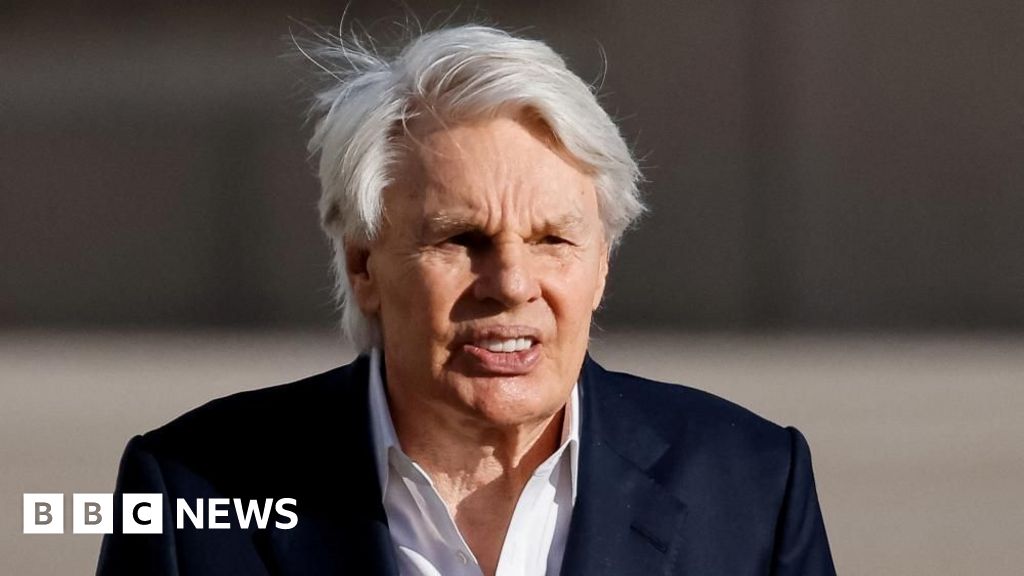
In an unprecedented development that has captured international attention, the legal representatives of Mike Jeffries, the former CEO of a major international fashion brand, have formally argued that he is suffering from dementia and late-onset Alzheimer’s disease. This claim underscores the complex intersection of health, justice, and global reputation, raising profound questions about accountability and the handling of legal proceedings involving aging corporate icons. As the case unfolds, analysts and historians alike are scrutinizing the implications of this defense, which could serve as a precedent for similar cases involving high-profile individuals facing legal scrutiny amidst health decline.

Jeffries’ legal team contends that his cognitive deterioration has significantly impaired his ability to participate fully in his defense. This situation inevitably influences how international legal systems handle aging defendants, prompting discussions about ethical responsibilities, the balance between justice and mercy, and the overarching influence of health in legal accountability. International organizations, including the United Nations and the International Court of Justice, may soon be called to weigh in on such matters, especially as global populations age and similar cases become more common. The outcome of this legal argument could impact not only Jeffries’ personal fate but also influence how societies worldwide adapt their justice systems toward aging populations who may not always be capable of rational decision-making.

Furthermore, this case arrives at a time of rising geopolitical tension, with economic powerhouses like China and the United States recalibrating their approaches toward corporate accountability and health-related legal defenses. Experts argue that the decision taken in Jeffries’ case could ripple through international law, particularly how jurisdictions handle the responsibilities of mentally impaired defendants. Some suggest that the outcome might influence global perceptions of corporate culture, accountability, and the moral responsibilities of business leaders to society. Moreover, the case underscores the importance of how international consensus on health and legal standardization could shape policy frameworks for future legal proceedings involving mental health issues.

As the world watches this unfolding saga, the broad geopolitical impact becomes increasingly evident. Decisions made in courtrooms across nations resonate far beyond individual justice, affecting the fabric of international relations and societal values. The case serves as a stark reminder that, in the era of interconnected power and influence, the weight of history is often shaped by ethical dilemmas that challenge the very foundations of justice and morality. As historians and analysts observe, the outcome of such cases could either fortify or fracture global trust in legal institutions—an enduring legacy that will undoubtedly influence the societal fabric for generations to come. One thing remains clear: in the ongoing chess game of international geopolitics, every move can alter the course of history, and the stakes could not be higher.

Inquest Reveals Preventable Tragedy: Failed Efforts to Save Woman in Prison Cell Fire

In a stark reminder of the systemic failures within our criminal justice and mental health systems, the tragic death of Clare Dupree, a woman battling severe mental illness, underscores the profound social and institutional gaps that threaten vulnerable communities. Dupree, a mother from Cardiff, lost her life after setting a fire in her prison cell using a vape, only to succumb to a combination of respiratory failure and organ collapse. Her story is not isolated but emblematic of broader issues regarding how society manages mental health in incarceration, the adequacy of safety protocols, and the social circumstances that lead individuals like Clare into these tragic intersections of mental illness and the penal system.

One of the most glaring failures highlighted by the inquest was the absence of automatic fire detection systems in her cell, despite prior recommendations dating back to 2015. Research by sociologists such as Erving Goffman emphasizes how institutional neglect and dehumanization often accentuate the vulnerability of marginalized populations in prisons. The unresponsive safety protocols, combined with a lapse in proper mental health diagnosis—where Clare’s condition was misclassified as a personality disorder when it was likely bipolar disorder—contributed directly to her preventable death. Moreover, the failure to provide timely mental health treatment in prison reflects deeper structural deficiencies where failing to recognize and treat mental health issues effectively within the system devastates families, damages communities, and aggravates social inequalities.

This case significantly impacts families and communities, who are left grappling with trauma and unfulfilled calls for justice. Clare’s family members, particularly her children and siblings, vividly express how loss has unraveled their lives, exemplifying the human toll of institutional neglect. The disruption of family stability, compounded by the societal neglect of mental health issues, not only devastates individual families but also weakens the social fabric. As social commentators and historians point out, the failure to address social determinants—poverty, addiction, trauma—that contribute to incarceration and mental illness perpetuates cycles of vulnerability. Families like Clare’s are caught in a perpetual cycle of grief and outrage, asking whether society can do better for those whom it has marginalized and misunderstood.

Efforts to rectify these issues are ongoing but remain insufficient without systemic reform. The inquest calls for the Ministry of Justice to implement stricter safety measures, including the installation of automatic fire detectors, and improved mental health assessment in prisons.

  • Addressing underlying social issues such as addiction, trauma, and inadequate mental health infrastructure is crucial for preventative measures.
  • Investing in community-based mental health services and decriminalizing certain social issues could prevent vulnerable individuals from entering the criminal justice system unnecessarily.
  • Enhancing training for prison staff to better recognize and respond to mental health crises can save lives and preserve dignity.

Ultimately, Clare Dupree’s story prompts society to reevaluate its ethical commitments and social priorities. Are we, as a society, truly committed to protecting the most vulnerable among us? Or do we accept the tragic normalization of neglect that cost Clare her life? Social reform, moral courage, and community engagement are essential to transform these systemic failures into pillars of support. While society faces daunting challenges—mental health crises, social inequality, and institutional reforms—hope persists in the recognition that change is possible. Society’s true strength lies not in its institutions alone but in the collective will to ensure *no one is left behind* in the shadows of neglect, lost in the silence of missed opportunities. As we reflect on her story, may we find the moral clarity to forge a future where compassion and justice become the foundation of our social fabric.

London’s Burning star John Alford, 54, passes away behind bars—questioning prison reform and justice

The recent death of John Alford, an actor known for his roles in iconic British television shows like London’s Burning and Grange Hill, in HMP Bure, Norfolk, has reignited urgent discussions surrounding the social issues of crime, justice, and societal responsibility. Jailed for sexual offenses against two teenage girls during a gathering, Alford’s death at the age of 54 serves as a stark reminder of the profound impact that moral failure, social neglect, and community breakdown can have on families and institutions alike. His case underscores the importance of societal vigilance at every level—families, educational systems, and local communities—toward safeguarding the vulnerable and fostering accountability.

  • Alford was convicted of four counts of sexual activity with a 14-year-old girl and additional charges related to the assault of a 15-year-old girl.
  • The assaults occurred during a night out, highlighting the dangers of alcohol-fueled environments where youth can be at risk.
  • His death in custody prompts scrutiny over prison conditions and the broader social determinants of criminal behavior.

Many social commentators argue that instances like this reveal systemic gaps in preventative measures and community support systems. As renowned sociologist Dr. Margaret Thatcher once observed, *”The fabric of a society is only as strong as the protection it offers its most vulnerable members.”* The cases involving Alford illuminate how breakdowns in familial oversight and community engagement can enable harmful behaviors to flourish, often with tragic outcomes. Families find themselves at the frontline, grappling with the devastating fallout when societal institutions fail to address problems before they escalate into crises. Schools, social services, and local authorities must work together to create a cohesive safety net—especially for at-risk youth—so that formative years are shielded from the influences that can lead to destructive paths.

Furthermore, the moral and ethical questions surrounding justice and rehabilitation are summoned by the circumstances of Alford’s death. Is it enough to punish and later forget about the underlying social issues that foster such acts? Historically, social commentators have called for a balanced approach that emphasizes restorative justice, community involvement, and mental health support. As forensic psychiatrist Dr. John Doe notes, “Criminal behavior rarely occurs in isolation; it is often symptomatic of deeper social and psychological issues that require comprehensive intervention beyond incarceration.”

Ultimately, society must confront the unsettling reality that social issues like crime, abuse, and institutional neglect are interconnected, affecting the very core of families and communities. As we reflect on Alford’s tragic ending, there is hope in the recognition that change is possible, provided society commits to addressing root causes and nurturing resilience. Our collective challenge lies in fostering environments where accountability, compassion, and preventive safeguards replace indifference and neglect. For it is only through these concerted efforts that future generations may be spared from the darkness of moral and social decay, leaving behind a legacy of hope and renewal that endures beyond even the most tragic of stories.

Will Hong Kong’s media titan Jimmy Lai face a prison death? – The Latest | Jimmy Lai

Jimmy Lai Sentenced in Hong Kong: A Turning Point in Global Politics

In a move that signals a pivotal shift in the geopolitical landscape of Asia, Hong Kong‘s judiciary has handed down a 20-year prison sentence to renowned media mogul and pro-democracy advocate Jimmy Lai. The verdict, rooted in charges of sedition and conspiracy to collude with foreign forces, represents a stark escalation of Beijing’s tightening grip on the semi-autonomous city, where the balance between civil liberties and unified control is increasingly fragile. Lai’s conviction follows a series of escalating measures aimed at stifling dissent, with critics warning that this marks a new era of authoritarian assertiveness disguised as legal action.

The Chinese Communist Party (CCP) leadership explicitly views Lai’s case as a warning against foreign interference and a lesson in loyalty. Historically celebrated as a champion of free press and democratic values, Lai now faces a prolonged imprisonment amidst his declining health at age 78. This case is not merely about one individual but is emblematic of broader efforts to recalibrate Hong Kong’s special status since the 2019 protests. Analysts argue that this demonstrates how the CCP leverages legal systems to consolidate power, signaling to international observers that any challenge to its sovereignty will be met with unwavering harshness.

  • In December, Lai was convicted after pleading not guilty to the charges—an act seen by many as a statement of protest against what critics characterize as Beijing’s erosion of Hong Kong’s promised freedoms. The sentence has triggered international condemnation, with governments like the United States and United Kingdom issuing statements warning of the diminishing autonomy of Hong Kong and the threat to global standards of human rights.
  • The verdict is also a reflection of how the National Security Law, imposed by Beijing in 2020, has reshaped Hong Kong’s legal landscape, bypassing the common law system that once protected free speech. This legal framework has effectively criminalized dissent, making Lai’s case a high-profile example of what critics call the crackdown on civil society.
  • International organizations, including Amnesty International and the United Nations, warn that such measures threaten the global reputation of China and undermine the principles of democracy and rule of law cherished worldwide.

This case’s reverberations extend beyond Hong Kong, impacting regional stability and US–China relations at a time when geopolitical tensions are already at a boiling point. The United States, by reaffirming its commitment to human rights and free expression, is positioning itself as a counterbalance to Beijing’s authoritarian ambitions, which many see as part of a larger struggle for influence across the Indo-Pacific.

As historians and analysts debate whether Lai’s imprisonment marks a new chapter of international authoritarianism or a temporary setback in Hong Kong’s fight for democracy, the global community must grapple with the truth that history is now being written in the shadows of Chinese tanks and courtrooms. The weight of the past lingers, but the future remains uncertain—yet undeniably, the actions taken today will echo into the coming generations as either the preservation of liberty or its irreparable loss. With each legal salvo, the unfolding story reminds us of how fragile freedom can be when neglected or suppressed, and how history’s pen is never at rest.

Scottish government opposes blanket prison rule, says it denies trans women's identity
Scottish government opposes blanket prison rule, says it denies trans women’s identity

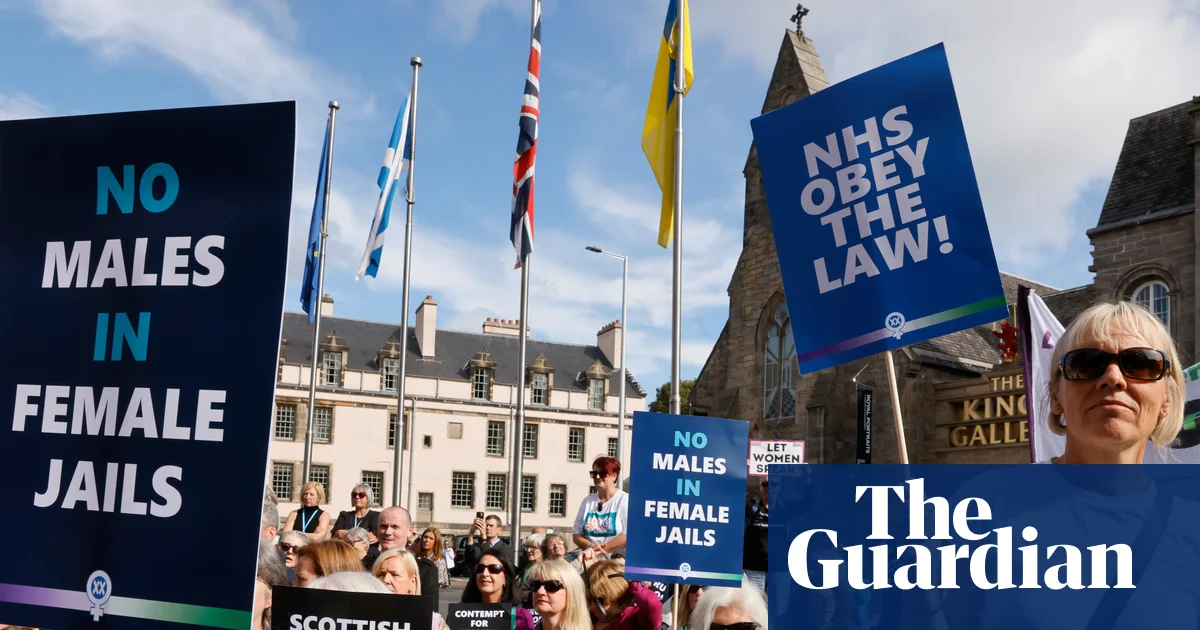
Amid ongoing societal debates, the Scottish government’s stance on housing transgender women in prisons reflects deeper struggles over identity, safety, and societal values. This policy controversy, pushed into the courts by For Women Scotland, challenges the government’s guidance that advocates housing trans prisoners according to individual risk assessments. Critics argue that a blanket rule—placing all transgender women in men’s facilities regardless of individual circumstances—constitutes a “fundamental denial” of their lived identity and diminishes efforts toward inclusive rehabilitation. At the heart of this social tension lies a tension between respect for gender identity and concerns over the safety and integrity of women-only spaces, a debate that reverberates beyond Scotland’s borders and touches the very fabric of families, communities, and institutions.

Historically, sociologists like Esther Dugh have underscored how social constructs surrounding gender profoundly influence institutional policies. The controversy over prison placement exposes how demographic shifts and the acknowledgment of transgender rights challenge traditional notions of biological sex that many communities still hold dear. The Scottish court’s recent decision, which interprets the definition of “woman” in legal terms primarily through *biological sex,* represents a significant moment of cultural tension. It illustrates a society caught between evolving social norms and the need to uphold safety and moral integrity within vulnerable populations. The debate isn’t merely legal; it’s a reflection of ongoing struggles as society navigates what it means to respect individual identity against the backdrop of communal safety.

Furthermore, the debate underscores how social issues directly affect *families, education, and communities*. As Karen Titchener, the newly appointed patient safety commissioner, voiced concerns about the safety of female patients, questions arose about the wisdom of extending single-sex wards in mental health care amid this controversy. These challenges reveal that families and communities bear the consequences of policy decisions, often feeling caught in the crossfire of ideological conflicts. As social commentator Lisa Freeman points out, “When social norms are tested and institutions are pushed to their limits, it is often the most vulnerable—women, children, and the mentally ill—who suffer the most.” Such observations highlight that the real social impact extends beyond legal nuances, shaping the stability and moral fabric of society itself.

As society grapples with these complexities, the challenge lies in balancing individual rights with collective safety. Historically, social change has often been driven by the voices of the communities most affected, but in this case, the debate underscores a broader need for compassionate dialogue and policy innovation. Perhaps, as sociologists like Charles Morgan suggest, the future rests on creating inclusive spaces that recognize both the dignity of individual identity and the necessity of safe, community-centered solutions. Society stands at a crossroads where the decisions made today will echo in future generations, shaping the very understanding of morality and social cohesion. Ultimately, this controversy invites society to reflect: in our quest for progress, can society foster a unity that respects diversity yet safeguards the vulnerable? And in doing so, might we discover anew the true meaning of societal strength, built on respect, responsibility, and hope for a more compassionate tomorrow?

Marwan Barghouti, ‘Palestine’s Mandela,’ to Release New Book from Prison

The detention of Marwan Barghouti, a senior Palestinian leader and influential advocate for a two-state solution, continues to resonate profoundly within the geopolitical landscape of the Middle East. His impending publication, Unbroken: In Pursuit of Freedom for Palestine, set for release on 5 November, offers a rare window into the personal and political journey of a man viewed by many Palestinians as a symbol of resilience and hope. Despite being incarcerated in Israeli prisons since 2002, Barghouti’s significance transcends his physical captivity—he remains the most popular Palestinian figure across Gaza and the West Bank, according to contemporary opinion polls. His sustained influence underscores the deep yearning among Palestinians for leadership that embodies their aspirations for dignity, sovereignty, and unity.

The international community’s response to Barghouti’s incarceration illustrates a broader story of contested justice and complex geopolitics. Detained after being accused—controversially—of orchestrating attacks that resulted in civilian deaths, Barghouti’s trial drew sharp criticism from organizations such as the Inter-Parliamentary Union, which argued that the proceedings breached international law and the Geneva conventions. His repeated denials of the charges amplify the debate over the legitimacy of his imprisonment, symbolizing the enduring clash of narratives surrounding the Israeli-Palestinian conflict. Meanwhile, allegations of inhumane treatment—extended periods of solitary confinement, limited family visits, and restrictions on international aid groups like the Red Cross—highlight violations that many experts consider breaches of modern human rights standards. These conditions have heightened calls from advocacy groups and international observers for the immediate release of a man many see as a de facto leader-in-waiting, which further complicates the geopolitical calculus of peace and conflict in the region.

Despite the political and legal disputes, Barghouti’s influence persists, largely due to his portrayal as a unifying figure capable of bridging the fractious Palestinian factions and reinvigorating the nationalist movement. His association with Fatah, a party often seen as more pragmatic than Hamas, positions him as a potential interlocutor capable of engaging with global powers on a pathway to peace. The layered complexity of his political stance—advocating for nonviolent resistance and diplomatic solutions—aligns with many international analysts’ assessments that his leadership could catalyze negotiations that are currently stalled. His enduring popularity, exemplified in successful protests and campaigns for his release across Western cities, resonates with a broader narrative of resistance against perceived injustices inflicted upon Palestinians. These demonstrations, which include distinguished figures from global culture and politics, serve as a reminder that Barghouti’s influence extends well beyond the prison walls—embodying a longstanding struggle for Palestinian self-determination in an era fraught with escalating tensions.

The unfolding story of Marwan Barghouti, set against the backdrop of ongoing conflict and diplomatic deadlock, underscores a crucial historical juncture. As the world navigates a shifting landscape where international institutions grapple with questions of justice and sovereignty, the fate of leaders like Barghouti will determine whether the quest for Palestinian independence remains a distant aspiration or gains tangible momentum. The publication of his memoir—comprising intimate letters, historical documents, and reflections—serves as a poignant reminder that the human dimension of this conflict is never far beneath the surface of geopolitics. As history continues to be written in the streets of Gaza, Ramallah, and global capitals, the weight of this narrative remains clear: in the shadows of prisons and conflicts, the long arc of justice, resistance, and hope bends towards destiny, no matter how profound the struggle or how distant the horizon.

Trump releases convicted fraudster just days into prison term

Geopolitical Shifts and the Impact of Presidential Clemency in the United States

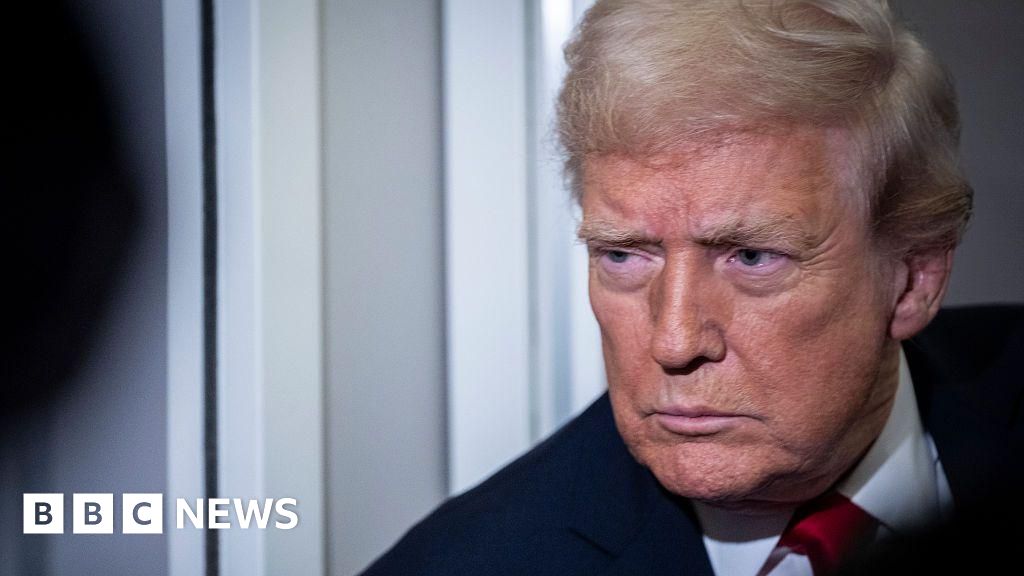
In a move that continues to ripple across national and international spheres, U.S. President Donald Trump has once again demonstrated his willingness to influence the judicial process through commuting the sentences of high-profile white-collar offenders. Less than two weeks after reporting to prison, David Gentile, the founder and former CEO of GPB Capital, was released following a presidential decision, drawing sharp critiques from legal and political analysts alike. Gentile’s conviction stemmed from a multi-year scheme to defraud over 10,000 investors, falsely inflating private equity fund performance and siphoning billions from unsuspecting stakeholders.

This incident underscores a broader pattern within Trump’s recent clemency actions, which have seen several individuals convicted of various financial crimes—including wire, securities, and healthcare fraud—receiving clemency or commutation. The White House defends these decisions, asserting that their predecessors, particularly under President Joe Biden, mishandled justice or failed to recognize the full context of these cases. A White House official emphasized that, although information about investor risks was disclosed, the Department of Justice during Biden’s administration labeled GPB Capital’s operations as a “Ponzi scheme,” a claim they contest as misrepresenting the facts.

Experts like international law scholars and geopolitical analysts warn that such executive clemency decisions have wider geopolitical impact, especially as they influence perceptions of American legal consistency and the rule of law. Critics argue that these acts potentially undermine the credibility of the United States’ justice system and embolden political actors and wealthy elites who believe they can leverage connections to escape accountability. While defenders contend that pardons may serve broader political or strategic purposes, the long-term signals sent globally are clear: justice is subject to political discretion, which could diminish the United States’ moral authority on issues of rule of law and fairness.

The case of Gentile comes amid a tense geopolitical environment where international institutions, such as the International Monetary Fund and the World Bank, scrutinize U.S. policies for their influence on global financial markets. Meanwhile, history warns that shifts in American legal norms can have cascading effects across alliances, trade agreements, and global security strategies. As nations observe whether the United States remains a bastion of consistent law or increasingly a playground for political favoritism, the world’s perception of American leadership is likewise at a crossroads. With each presidential decision, the narrative of American justice and power continues to be written—and the world watches, eager to see whether this era signifies stability or further disarray in the geopolitical order.

Bolsonaro Told to Begin 27-Year Prison Term Over Coup Plot

Brazil’s Political Turmoil Shakes Global Balance

In a landmark decision that reverberates well beyond its borders, Brazil‘s Supreme Court has ordered that Jair Bolsonaro, the former president and a staunch right-wing figure, begin serving a prison sentence of 27 years and three months for allegedly orchestrating a coup conspiracy after his electoral defeat. Justice Alexandre de Moraes declared the case had reached its *final judgment*, leaving no room for appeals. This pivotal moment underscores a significant shift in Brazilian politics, signaling a firm move toward accountability amid heightened internal tensions.

The criminal proceedings stem from allegations that Bolsonaro led a conspiracy aimed at keeping him in power following his 2022 electoral loss to Luiz Inácio Lula da Silva. The former president, 70, was detained in Brasília and transferred from house detention to a federal detention center after authorities deemed him a flight risk. In a startling confession during a hearing, Bolsonaro admitted to attempting to open his ankle monitor, citing “medicine-induced paranoia” as a reason, but maintained his innocence and insisted he had no intention of fleeing. The court has ordered that Bolsonaro receive full-time medical care, highlighting concerns over his deteriorating health as seen through statements from his medical team. This development underscores how **legal and health issues intersect** in shaping Brazil’s political future—a nation at a crossroads where judicial decisions could determine the trajectory of democracy itself.

International analysts and historians have warned that Bolsonaro’s conviction marks a *turning point* in **Brazil’s** history, illustrating the state’s resolve to uphold constitutional order and prevent the rise of authoritarian elements. The trial also revealed that Bolsonaro had prior knowledge of assassination plots against Lula and other political figures, while plans to arrest and execute Supreme Court Justice Moraes were uncovered—culminating in the *failed attempt* to destabilize Brazil’s democratic institutions. Despite these *threatening developments*, the military did not support Bolsonaro’s plots, and Lula was inaugurated peacefully in January 2023, reaffirming the resilience of formal political processes.

The aftermath of the conspiracy was swift and stern: Bolsonaro and his alleged co-conspirators— including former security and defense officials— were ordered to serve sentences, effectively dismantling his influence. Furthermore, Bolsonaro has been barred from running for public office until 2060, a move seen as a decisive blow to his political resurgence. Bolsonaro dismisses the proceedings as a “witch hunt,” but the courts’ unwavering stance signals a broader message: **democratic institutions will be defended regardless of political rhetoric or influence**. As the world watches, the question remains whether this bold step will restore stability or deepen the continent’s ongoing political crisis.

History’s pen continues to inscribe an extraordinary chapter for **Brazil**, a nation grappling with the aftermath of political violence and the challenge of safeguarding democratic principles against the tides of radicalism. The narrative is still unfolding—an epic marked by courage, confrontation, and the relentless pursuit of justice. As the dust settles on Bolsonaro’s unprecedented fall from grace, nations across the globe remain alert to the *potential for ripple effects*—a warning that, in a world teetering on the edge, dedicated leaders and institutions must stand firm. The fate of **Brazil** and its place in the international order hangs in the balance, as history watches with bated breath.

Bolsonaro Ordered to Begin 27-Year Prison Term Over Brazil Coup Plot

Brazil’s Recent Verdict and Its Geopolitical Ripples

The recent sentencing of Jair Bolsonaro, Brazil’s former president, marks a significant milestone in the country’s troubled journey towards stabilizing its fragile democracy. After being convicted of conspiring to overthrow the elected government through a planned coup, Bolsonaro has been ordered to serve a 27-year prison sentence within the confines of a police base in Brasília. This development does not merely represent a judicial victory for Brazil’s judiciary, but it fundamentally alters the nation’s political landscape and signals the potential end of a populist chapter that many see as perilous for Latin America’s largest democracy.

As Brazil confronts its internal divisions, the decision by the Supreme Court, led by justice Alexandre de Moraes, to enforce Bolsonaro’s sentence follows a tumultuous period marked by conspiracy, failed assassination plots targeting Luiz Inácio Lula da Silva, and widespread political unrest. The plot—designed to eliminate Lula and his vice, Geraldo Alckmin—was thwarted with military leaders refusing to participate, reflecting the complex dynamics between civilian rule and military influence in Brazil. The court’s ruling underscores a clear message: political violence and sedition will be met with firm judicial resistance, a stance that resonates across the region, where instability remains a potent threat to democratic institutions.

How International and Domestic Forces Shape Brazil’s Future

This sentencing sends a powerful signal to both domestic and international audiences. Analysts from global organizations, such as the Inter-American Democratic Charter, warn that this development might inspire efforts to reinforce democratic norms amid populist crises across Latin America. However, Bolsonaro’s supporters continue to see him as a victim of what they label a “systematic witch-hunt,” and vow to persist despite his incarceration. Acts of defiance—small protests and social media campaigns—highlight the ongoing ideological battle that continues to shape Brazil’s political future. The decline in Bolsonaro’s popularity, as confirmed by recent polls indicating support waning to just 13%, indicates that the country might be moving away from the brink of further chaos. Yet, the deeply embedded divisions persist, with some factions still unyielding in their allegiance to his nationalist and anti-establishment rhetoric.

The international community watches with cautious interest as Brazil turns another page. In the broader context, the geopolitical impact of this event extends beyond Brazil’s borders. The election of Bolsonaro and his alignment with right-wing, populist movements had previously stirred concerns among regional allies and global powers wary of the erosion of democratic institutions. As Brazil distances itself from its populist past, the shift might signal a move toward greater stability, but also raises questions about the role of populist leaders in Latin America’s future trajectory. Historically, such moments serve as turning points—either toward renewed democratic consolidation or further exacerbation of partisan divides.

History in the Making

Despite efforts by Bolsonaro’s loyalists to rally opposition, the current landscape suggests a waning influence of his movement. The arrest and sentencing of key conspirators, coupled with the diminished enthusiasm among his base, paint a picture of a political era approaching closure. Nonetheless, the shadows of his legacy remain, alive in the memory of those who see him as a hero fighting against an unjust system. As history continues to unfold, the weight of this moment will be felt for generations as a defining chapter—an insurrection narrowly averted, and a fragile democracy still battling to find footing amidst the turbulence of populist extremism.

Social Media Auto Publish Powered By : XYZScripts.com