Matox News

Truth Over Trends, always!

How China Tried to Hack Alysa Liu and Her Family: The Shocking Spy Story

Tech Innovation Meets Global Geopolitics: A New Era of Disruption

In the rapidly evolving landscape of technological innovation, recent revelations surrounding Chinese-connected figures operating within the United States underscore a shifting paradigm—who controls technology, and at what cost? The arrest of Frank Liu and Matthew Ziburis on charges related to illicit foreign influence highlights significant challenges to national security and sovereignty. Their alleged activities, including harassment and stalking of dissidents—a tool for political manipulation—serve as a wake-up call, revealing how complex and intertwined disruptive technologies are becoming with geopolitical agendas.

Meanwhile, the story of Liu—who founded the World Harmony Foundation—illustrates an era where **soft power** becomes intertwined with effective brand building and influence operations. His use of symbolic gestures like the ‘Harmony Bell,’ a seemingly benign peace initiative, masks deeper strategic ambitions that leverage cultural diplomacy for clandestine ends. This merging of soft power with cyber-enabled influence campaigns foreshadows a landscape where digital diplomacy and hybrid warfare are increasingly central in global power competition. Industry analysts from Gartner and MIT warn that such tactics represent a broader trend of opaque influence operations that threaten the foundation of open, democratic institutions.

Disruption Driven by Innovation in Cyber and AI Domains

As these geopolitical maneuvers unfold, cutting-edge innovations in AI, blockchain, and cybersecurity are reshaping how nations and corporations defend against covert influence and data breaches. The push towards decentralized digital currencies and secure communication platforms reflects an urgent response to authoritarian attempts at control. Disruption in these fields is not just about technological progress but fundamentally alters the business implications for global players. Companies investing heavily in AI-powered threat detection, cryptographic resilience, and automated counterintelligence are positioning themselves as critical pillars of national and economic security.

  • Leading firms such as Microsoft and Palantir are pioneering tools that auto-detect and counteract influence campaigns.
  • Startups and established industry giants are exploring blockchain for transparent transaction auditing to curb illicit funding flows.
  • Developments in AI are increasingly used for surveillance, identity verification, and real-time response to cyber threats.

In this context, industry giants and governments alike recognize that the next epoch belongs to those who can harness disruptive technology with precision and strategic foresight. Influential voices from Elon Musk to Peter Thiel emphasize that **technological supremacy** will dictate future geopolitical and economic dominance.

The Road Ahead: Innovation as the Ultimate Battlefield

Looking toward the future, the convergence of disruptive tech, cyber capabilities, and international influence operations signals a pivotal shift in global power dynamics. Speed is of the essence; the race to dominate these emerging domains will define the winners of the 21st century. As figures like Liu demonstrate, soft power will be complemented—and sometimes overshadowed—by hard-edged technology in shaping narratives and controlling influence. For entrepreneurs and policymakers, embracing this dynamism is vital; those who innovate boldly and respond swiftly will secure their footing in an increasingly uncertain world.

In conclusion, the unfolding interplay of disruptive technology and geopolitical strategy demands an urgent recalibration of priorities. The integration of AI, blockchain, and cybersecurity into the fabric of national defense and economic stability will determine who leads in this new era of digital dominance. The time to innovate is now—away from complacency and toward a future where control of technology equates to control of global influence.

Senate OKs quick extension of surveillance law — what it means for US security and your privacy

The international landscape remains in flux as recent developments continue to reshape geopolitical power balances. In a move that highlights the escalating struggle for influence, the United States has maneuvered carefully amidst mounting tensions in the Middle East and its domestic political arena. On one front, the U.S. Senate passed a short-term extension of critical surveillance legislation, Section 702 of the Foreign Intelligence Surveillance Act (Fisa), aiming to extend intelligence gathering powers temporarily amid fierce debate over privacy and security concerns. Such policies underscore a broader narrative of balancing civil liberties against national security, a debate that resonates globally as other nations weigh their own surveillance and security measures.

Meanwhile, the Middle Eastern flashpoints have taken center stage with Donald Trump claiming that NATO has offered assistance in the strategic control of the Strait of Hormuz—an essential waterway funneling a significant majority of global oil exports. Trump’s provocative statements on Truth Social reflect a posture of unpredictability, yet they coincide with Iran’s recent announcement that the strait is open to commercial traffic, momentarily easing fears of wider conflict and oil price shocks. Analysts from international think tanks caution that these fleeting gestures do little to resolve the longstanding instabilities and may merely serve as bargaining tactics in a larger game of diplomatic brinkmanship. With oil prices dropping sharply to below $89 a barrel, global markets are nervously watching for any signs of escalation or resolution, knowing each move could tip the scales toward war or peace.

The United States’ internal divisions further complicate this complex tapestry. The Senate’s struggle to pass a bipartisan extension of surveillance laws—stalled by the need for 60 votes amidst Republican opposition—mirrors a country wrestling with its identity and worldview. Critics warn that laws allowing warrantless monitoring of Americans’ communications threaten constitutional protections, while supporters argue they are vital for security. This internal discord also mirrors broader cultural conflicts playing out on the international stage, where nations face their own battles over sovereignty, civil liberties, and the rules of engagement in the digital age.

As the showdown in Congress reveals deep fissures within American political discourse, the world watches a nation at a crossroads. The unraveling of internal consensus and the strategic maneuvers in the Middle East exemplify a larger story: a global order strained by competing interests, where alliances are tested and true power remains elusive. Historians warn that these moments—teetering on the edge of new conflicts or diplomatic breakthroughs—may mark the beginning of a new chapter in our international saga. How this sea of shifting alliances, domestic turmoil, and global uncertainty will ultimately be resolved remains the defining challenge of our era. The pages of history are yet unwritten, but their editing is already underway, with the weight of future generations hanging in the balance.

What Young Tech Enthusiasts Must Know About the US’s Foreign Router Crackdown

FCC Moves to Secure America’s Digital Backbone: A Deep Dive into the New Foreign-Produced Router Ban

In a bold move aimed at fortifying national security in an increasingly connected world, the Federal Communications Commission (FCC) has instituted a ban on the sale of new consumer internet routers manufactured outside of the United States. This decision signals a decisive shift in the industry landscape, emphasizing innovation with a strategic disruption that could reshape global supply chains and cybersecurity standards. While existing routers in homes and those already on the market remain unaffected, the rule overhaul has placed an emphasis on scrutinizing the origins of new hardware, potentially catalyzing a wave of innovation—particularly in domestic manufacturing and trusted supply chains.

The FCC’s rationale hinges on mounting security concerns: foreign-made routers, especially those from China, have allegedly been exploited by malicious actors for espionage and cyberattacks, targeting critical U.S. infrastructure and jeopardizing national interests. According to the agency, these devices have been linked to attacks such as the Volt, Flax, and Salt Typhoon cyber operations. By instituting a ban on new imports and sales, the FCC aims to eliminate vulnerabilities at the network’s edge, urging market players to develop homegrown, secure technologies. This policy change is disruptive for major manufacturers like Netgear, TP-Link, and Asus, forcing a reevaluation of their supply chains, especially for products manufactured abroad.

The implications extend far beyond just cybersecurity. Industry analysts from Gartner and MIT note that this move could accelerate domestic tech innovation, prompting U.S.-based companies to invest heavily in local manufacturing capabilities to meet new standards. The ban’s focus on “foreign-made” devices—particularly those designed or assembled outside the U.S.—may inadvertently spur a paradigm shift in global semiconductor and electronics manufacturing. Many of these routers, including popular brands like TP-Link and Asus, will need to secure conditional approval before entering the U.S. market anew, fueling what some experts describe as a “localization renaissance” in hardware production. This disruption not only redefines supply chain risk but might also establish a new de facto security standard—one rooted in trust, transparency, and resilience.

As market dynamics evolve, the industry’s response will be critical.

  • US-based brands like Netgear and emerging startups are poised to fill the gap with secure, domestically assembled products.
  • International manufacturers must navigate complex regulatory hurdles to continue their operations, potentially leading to a surge in mergers or rebranding efforts.
  • Consumers could ultimately see higher costs, but arguably benefit from enhanced protection against cyber threats and geopolitical risks.

Meanwhile, questions linger about the true scope of “foreign-made”—with some experts warning that manufacturers could still exploit legal loopholes involving components or assembly in the U.S. to evade restrictions. The FCC has clarified that devices fabricated with foreign components but assembled domestically are not automatically classified as “covered,” opening avenues for strategic supply chain adjustments.

Looking ahead, industry leaders and policymakers face the urgent challenge of fostering innovative, secure hardware solutions that can withstand geopolitical pressures and evolving cyber threats. This move by the FCC underscores a broader trend: the necessity for technological sovereignty in America’s digital infrastructure. If effectively executed, it could set a precedent for other critical sectors, from semiconductor fabrication to cloud computing, closing the gap between national security imperatives and technological innovation. In a rapidly shifting geopolitical landscape, those who adapt swiftly will shape the future of global tech dominance—challenging complacency and demanding a new era of resilient, homeland-crafted digital infrastructure. The clock is ticking, and the next wave of innovation is on the horizon—ready or not.

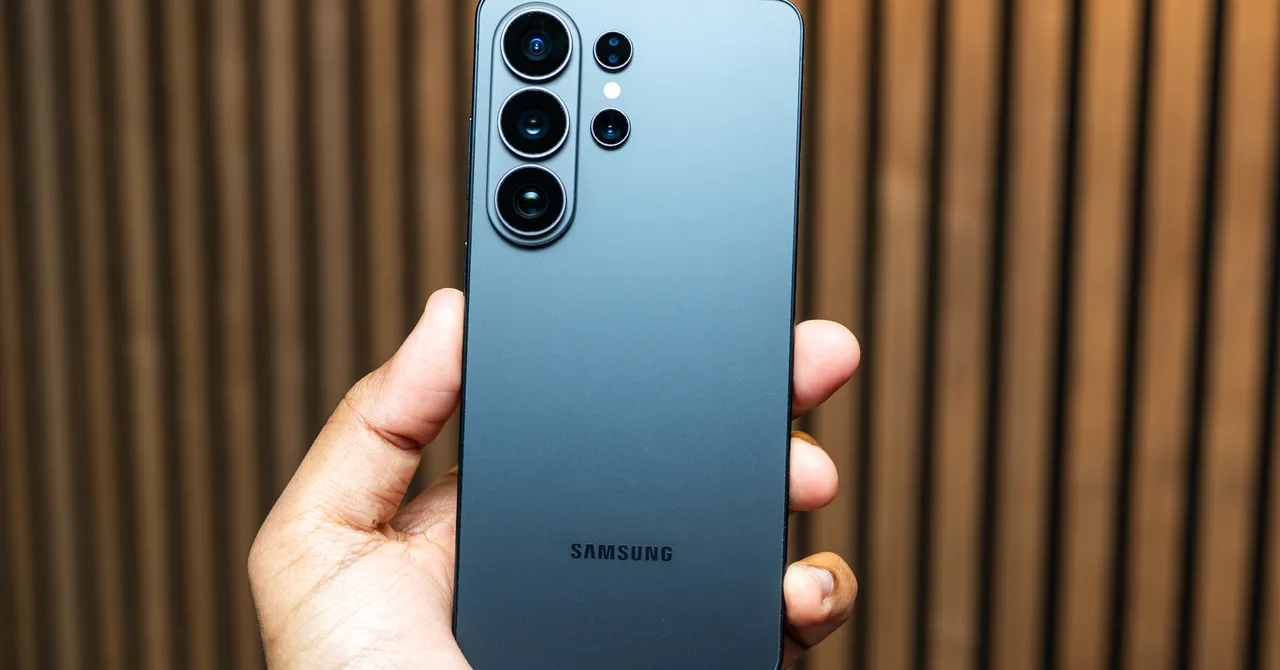
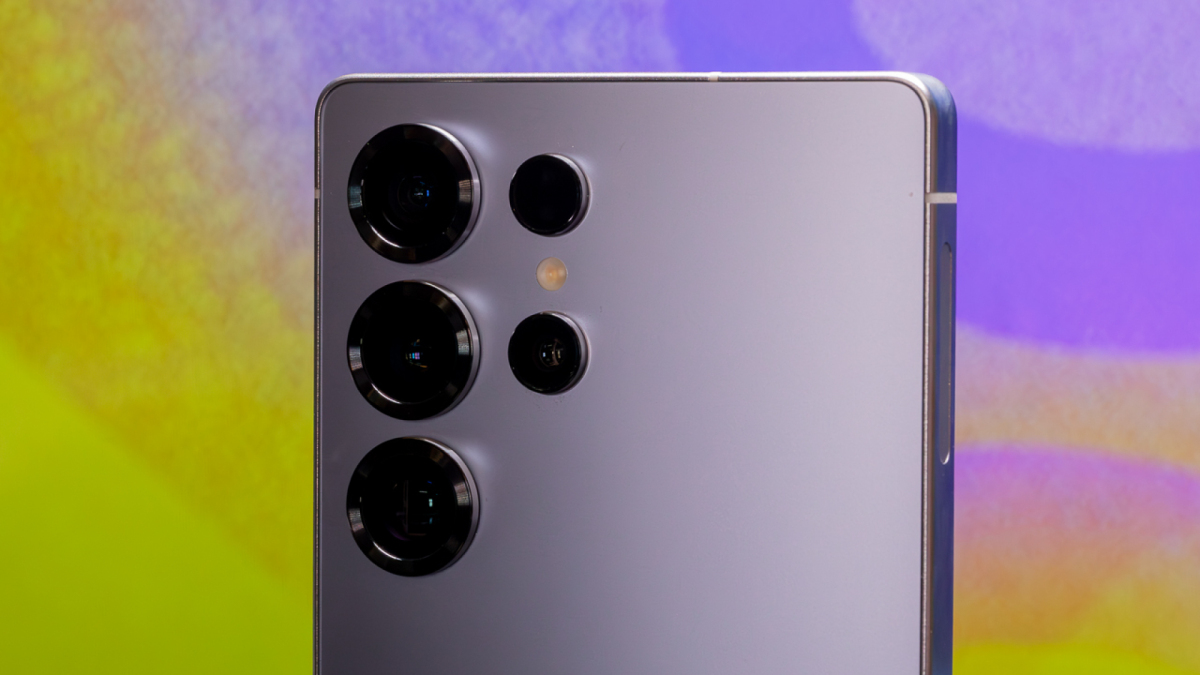
Samsung Galaxy S26 Ultra: The Future of Privacy Screens for the Next Gen

Samsung’s Privacy Display: A Disruptive Innovation in Mobile Security

In a move highlighting the ongoing revolution in mobile device privacy, Samsung has introduced an integrated Privacy Display feature that promises to redefine user security and disrupt conventional smartphone design. Unlike traditional privacy filters or static screen protectors, Samsung’s solution leverages software and hardware synergy, providing users with dynamic control over their screen visibility. This innovation is emblematic of the broader industry shift toward user-centric privacy features, a trend underscored by market analysts who stress the importance of privacy in consumer decision-making. Such features could place Samsung ahead of rivals and redefine standards for privacy in the mobile industry.

The Privacy Display offers customizable activation tied directly to select messaging, banking apps, and notifications. When enabled, the screen dims significantly from side angles, thwarting prying eyes without compromising overall usability. For maximum protection, users can activate a “Max Privacy Protection” mode, rendering the screen virtually unreadable from side views—perfect for sensitive transactions or private conversations. Interestingly, unlike traditional privacy screen protectors, Samsung’s approach doesn’t block the user’s own view but instead manipulates the display’s brightness and opacity, allowing for versatile privacy management. While some critics have voiced concerns about possible impact on display quality, early reports suggest that, when configured correctly—such as setting high-resolution displays—these issues are minimal. This demonstrates Samsung’s focus on combining innovation with user experience, setting a new benchmark for mobile privacy solutions.

From a business perspective, Samsung’s integrated Privacy Display represents a significant disruption in the smartphone security landscape. Industry giants like Apple have historically relied on hardware-based privacy measures, but Samsung’s software-driven approach may offer a more intuitive, adaptable alternative—potentially influencing competitors and forcing widespread industry adoption. Tech analyst firms such as Gartner note that privacy features increasingly drive consumer choices, with privacy-centric innovations fueling brand loyalty. This move also links to larger trends in the tech ecosystem, where privacy isn’t just a feature but a core component of product differentiation and user trust—an imperative in an era dominated by data breaches and surveillance concerns. As Fortune 500 companies pivot towards privacy-first policies, Samsung’s strategy signals a potent shift where privacy becomes a competitive advantage rather than an afterthought.

The implications extend beyond user experience and brand positioning. As industry leaders deploy these innovations, we can expect a ripple effect—pushing competitors to develop their own disruptive privacy technologies and reshape the mobile security market. With an increasing number of users demanding control over their personal data, the market for advanced privacy solutions is poised to grow exponentially. Forward-looking experts like Elon Musk and tech entrepreneurs like Peter Thiel emphasize that the next wave of disruption will come from startups and established giants alike, leveraging AI, biometric security, and flexible privacy controls to redefine trust. Samsung’s latest move underscores the urgency for companies to innovate swiftly or risk becoming obsolete in an increasingly privacy-conscious marketplace.

Why is India's WhatsApp privacy policy facing legal backlash?
Why is India’s WhatsApp privacy policy facing legal backlash?

In 2021, Meta, the social media giant formerly known as Facebook, introduced a significant policy update that mandates users to share data specifically for advertising purposes to continue using its platform. This seemingly internal business decision carries far-reaching geopolitical implications, revealing the increasingly intertwined relationship between global corporations and national policies. As governments worldwide scrutinize digital privacy and data sovereignty, Meta’s move underscores a pivotal shift in how firms operate across borders, with their policies echoing through the fabric of international relations.

Major geopolitical actors have responded differently to this shift, highlighting the contest over digital sovereignty. European Union regulators, sensitive to privacy rights and data security, have historically pushed back against such corporate demands, emphasizing strict compliance with the General Data Protection Regulation (GDPR). Governments in North America and parts of Asia, however, have been more permissive, viewing such policies as a reflection of the rapidly evolving digital economy. The policy update, in effect, is a barometer for the broader contest over data control—a resource deemed as vital as traditional commodities in modern geopolitics. Analysts from institutions like the World Economic Forum warn that this could deepen the digital divide, where nations that accommodate corporate data demands may bolster economic growth while others risk being left behind in digital fragmentation.

Furthermore, this policy change has catalyzed intense debates among nations over privacy rights, security, and sovereignty. Historically, data has become the new frontier of power, as seen in recent years’ geopolitical conflicts involving cyber espionage and digital influence campaigns. In a landscape where information control fuels influence and stability, policies like Meta’s serve as flashpoints for international diplomatic discussions. Countries such as Russia and China continue to develop national internet policies that emphasize sovereignty over digital infrastructure, contrasting with Western frameworks that push for open data exchanges. The ramifications extend further, illustrating how decisions by tech giants are now bedrock issues in diplomatic negotiations. The United States and the European Union, guided by institutions like the European Commission, have urged for balanced policies that protect users’ rights without ceding too much control to mega-corporations—a delicate dance that shapes the future of global digital governance.

Historians and analysts emphasize that these developments mark a **turning point** in **digital geopolitics**. As some nations forge ahead with policies emphasizing data independence, others risk becoming dependent on corporate-controlled ecosystems. The informal yet powerful alliances formed around data policies could fundamentally alter alliances, economic power, and societal structures. The concerns articulated by international organizations echo the warning that **how nations regulate and assert sovereignty on these issues will define the global order for decades** to come. The ongoing tug-of-war reflects a broader struggle—one where the lines between corporate interests, state sovereignty, and individual rights are increasingly blurred, forever shaping the course of history.

As the world watches, history continues to unfold in real-time, inscribed in the policies that govern digital space. The decision by Meta in 2021 was more than just a corporate policy—it was a declaration of digital dominance, with consequences rippling far beyond the screen. The outcome of this new digital frontier remains uncertain, yet the message is clear: **the fight for control over information and influence is rewriting the global narrative in ways that no nation can afford to ignore**. Humanity now stands at a crossroads, where every click and data point echo in the halls of power—foretelling a future where the fabric of society itself is woven in the bytes and codes that global giants like Meta now command.

Samsung Galaxy S26 to Drop ‘Pixel-Perfect’ Privacy Feature, Samsung Confirms

In the fast-paced world of smartphone innovation, Samsung continues to push the boundaries, this time with a fresh focus on privacy and security. The Korean tech giant recently announced that it is developing a revolutionary privacy feature for its upcoming Galaxy lineup, promising to operate “at a pixel level”. While details remain shrouded in mystery, industry insiders speculate that this new function will be unveiled at the upcoming Galaxy Unpacked event scheduled for late February. The tech world is abuzz with anticipation, knowing that Samsung’s latest move may significantly redefine the relationship between consumers and their devices.

The privacy enhancements slated for the Galaxy S26 series could represent a landmark moment in how smartphone companies address security concerns. Experts suggest that the new features will allow users to control their data with unprecedented precision—down to the pixel level. In an era where digital privacy is becoming an ongoing social debate, Samsung’s approach might set a new standard for transparency and user empowerment. Influencers and security analysts have noted that this shift underscores a pivotal trend: technology companies are no longer just competing on hardware specs or aesthetic appeal but are increasingly judged by their commitment to protecting user rights in an age of pervasive data collection.

Furthermore, this developments highlight a broader societal shift toward a more privacy-conscious culture. Millennials and Generation Z are becoming savvier about their digital footprints, demanding more control over how their data is used. As social influencers and thought leaders like Cameron Winklevoss and Shoshana Zuboff emphasize, the next wave of technological innovation must adopt a trust-first approach—a response to growing public skepticism and recent high-profile breaches. Samsung’s move appears to resonate with a societal desire for more transparent security measures, positioning the company not merely as a device manufacturer but as a protector of digital sovereignty.

  • Device-Level Security: Next-gen privacy features are expected to operate “at a pixel level,” giving users granular control over individual data points.
  • User Empowerment: The trend indicates a sweeping shift toward user-centric controls, echoing calls from privacy advocates for more transparent data practices.
  • Social Impact: As digital privacy becomes a social value, brands that prioritize user rights are poised to gain consumer trust and loyalty.

As we await the official reveal at Galaxy Unpacked, one question looms large: Will Samsung’s privacy leap catalyze a new standard across the industry? Or will other tech giants, lured by the promise of convenience, continue to sideline robust security for the sake of user experience? The next chapter in this digital privacy saga might define how society balances technological progress with civil liberties. It’s not just about the next phone model but whether our devices will truly become allies in the fight for personal privacy. The answer to this question could shape our digital lives for years to come—and the future of privacy remains an open frontier.

FTC stands firm: Stalkerware pioneer Scott Zuckerman banned, tech watchdogs celebrate

The Federal Trade Commission (FTC) has decisively upheld its 2021 ban against Scott Zuckerman, the controversial founder behind Support King and its associated stalkerware products. This move underscores the ongoing clash between relentless disruption of traditional privacy norms and regulatory measures aimed at protecting consumers and vulnerable individuals from invasive surveillance technology. The FTC’s stance remains firm despite Zuckerman’s recent petition to revoke or modify the ban, citing mounting financial and operational burdens.

At the heart of this controversy lies the alarming pattern of innovation in illicit surveillance. When it first enacted the ban, authorities highlighted that Zuckerman’s product SpyFone facilitated stalking by secretly monitoring personal devices, exposing users’ most sensitive data. A major breach in 2018, involving over 3,600 phones, revealed that the company had left sensitive content—including selfies, messages, and audio recordings—vulnerable online due to extremely lax security protocols. This incident not only exposed personal information but also exposed the inherent risks of disruptive business models built around invasive monitoring.

  • Innovative breach exploitation exposed vulnerabilities in stalkerware security.
  • Demonstrated the potential for hackers to hijack sensitive personal data stored by these apps.
  • Highlighted the failure of regulatory frameworks to keep pace with rapidly evolving surveillance tech.

The case reveals a disturbing trend: repeat offenders attempting to circumvent regulation through clandestine operations. Less than a year after the FTC ban, evidence suggested Zuckerman’s team was running a clandestine secondary operation, SpyTrac, with ties back to the original Support King empire. Leaked data showed direct links to SpyFone and access keys to OneClickMonitor, raising questions about whether regulatory crackdowns can truly contain such disruptive entrepreneurs whose innovations push legal boundaries. Experts like MIT’s cybersecurity researchers warn that these activities threaten to erode privacy standards, fueling a clandestine market that’s difficult to regulate.

Industry analysts such as Gartner warn that the continued proliferation of such invasive technologies signals a need for robust enforcement and innovative reforms. The implications extend beyond individual privacy; they threaten to reshape the competitive landscape, driving legitimate tech firms to innovate smarter security and privacy solutions. As Peter Thiel and others argue, disruption in the surveillance tech realm could redefine the boundaries of personal liberty and corporate responsibility. The FTC’s refusal to relax the ban is a statement: regulation must evolve in tandem with innovation—crucial for safeguarding future technological progress.

Looking ahead, this high-stakes case serves as a stark warning to entrepreneurs and investors betting on disruptive tech: without strong ethical boundaries and regulatory compliance, even the most innovative ideas risk becoming regulatory casualties. As the industry braces for a wave of new innovations, the importance of urgently establishing clear legal and ethical frameworks will determine which companies lead the next revolution and which fall by the wayside. The future of technology rests on striking the right balance—fostering innovation while fiercely defending individual rights against invasive surveillance. Time remains of the essence; the clock is ticking for regulators and entrepreneurs alike to shape a secure, responsible digital frontier that can withstand the disruptive forces at play.

Satellites Spill the Secrets: Your Calls, Texts, and Data on the Open Sky

Satellite Communications Under Scrutiny: A Disruptive Wave for Global Security

In an era defined by technological innovation and unprecedented connectivity, recent findings have cast a spotlight on the vulnerabilities within satellite communication networks, signaling a profound shift in the landscape of digital security. SES, a dominant player in satellite services and parent company of Intelsat, has underscored a complex reality: users can often select their own encryption methods tailored to specific needs. This flexibility, while empowering, exposes a potential chink in the armor, especially on public Wi-Fi networks akin to those found in coffee shops or hotels. When such networks are compromised, malicious actors could potentially infiltrate sensitive satellite data, raising alarming questions about security protocols in this high-stakes domain.

Recent investigations have revealed disturbing lapses in satellite communication security, particularly involving Mexican government and affiliated organizations. Data collected by researchers using advanced satellite dishes—covering roughly 15 percent of global transponder communications—indicates significant unencrypted transmissions in Western US and Mexican airspace. These findings are not mere technical anomalies; they represent a disruptive breach that could undermine trusted satellite operations. Industry insiders, including Tom Stroup, president of the Satellite Industry Association, emphasize that such exposures threaten the integrity of critical infrastructure, prompting calls for enhanced vigilance and international cooperation to prevent further breaches.

The business implications of these security breaches are seismic. For satellite providers like SES and affiliated service firms such as Grupo Financiero Banorte, maintaining credibility in a fiercely competitive market hinges on robust, transparent security measures. Yet, the current landscape reveals a critical vulnerability—an open invitation for cyber disruptions that could affect everything from financial transactions to national security. Analysts from Gartner and MIT warn that disruption in satellite security could accelerate a shift toward new, more resilient architectures—like quantum-encrypted satellites and decentralized communication networks—that could redefine the industry horizon. Companies that fail to adapt risk falling behind as the demand for secure, disruption-proof satellite communications surges amidst geopolitical tensions and rapid technological evolution.

Looking Ahead: The Future of Satellite Security and Innovation

As the satellite industry confronts these mounting challenges, innovation emerges as the essential solution. The development and deployment of next-generation encryption technologies, coupled with international standards for satellite security, are becoming non-negotiable. Industry leaders like Elon Musk’s Starlink are already exploring scalable, ultra-secure communication platforms to outpace malicious actors. Meanwhile, MIT researchers and global agencies advocate for a paradigm shift: integrating AI-powered security systems and resilient satellite architectures that can withstand cyber-physical threats.

The industry stands at a crossroads—an inflection point driven by disruptive technologies and an urgent need for security vigilance. The next decade will determine whether satellite communication can uphold the promise of a hyper-connected future or succumb to vulnerabilities exploited by increasingly sophisticated adversaries. As Peter Thiel and other tech visionaries warn, those who fail to innovate rapidly may find themselves obsolete in a digital war where security is the new frontier. The race is on—an era of transformative innovation beckons for those willing to lead, disrupt, and redefine the future of global connectivity.

Social Media Auto Publish Powered By : XYZScripts.com