Matox News

Truth Over Trends, always!

Protests Reject President Rajoelina’s Deal, Police Respond with Rubber Bullets

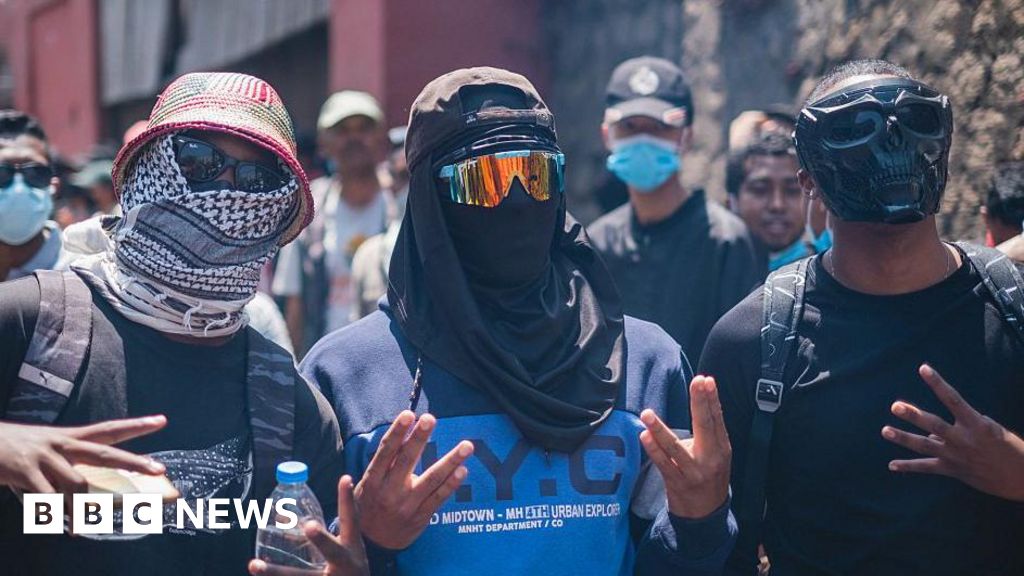
In a striking display of unrest shaping the Indian Ocean region, Madagascar faces a pivotal crisis as youth-led protests continue to challenge the authority of President Andry Rajoelina. Over the past two weeks, the island nation’s streets have become a battleground where thousands of young Malagasy citizens, under the banner of Gen Z Mada, have demanded fundamental change. Their relentless push for respect for human rights and an end to chronic corruption and mismanagement underscores a broader pattern of youth activism proliferating across Africa, reflecting frustrations that threaten to destabilize one of the world’s most geopolitically strategic regions.

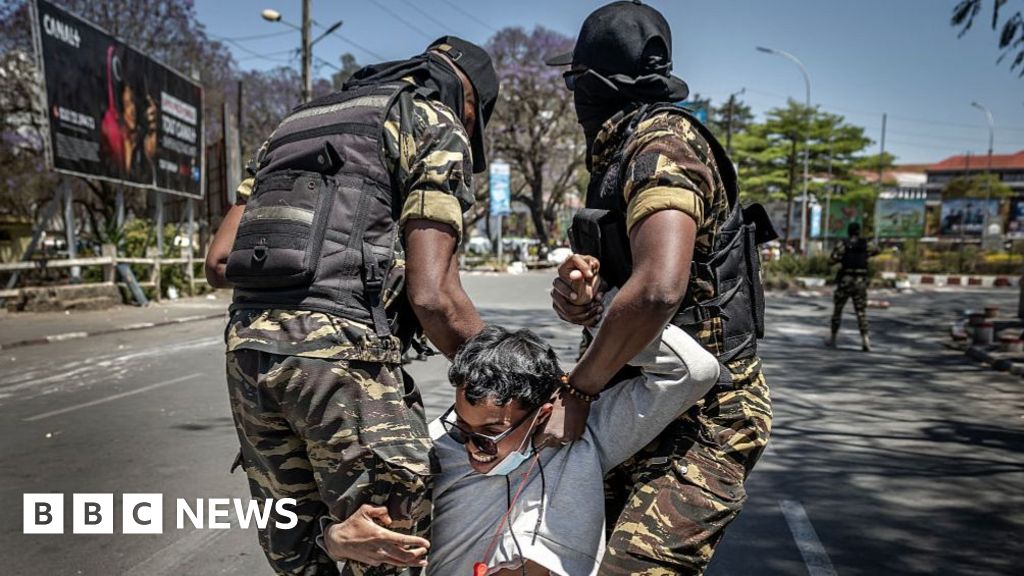
The escalation of violence and repression highlights how internal discontent can ripple outward and jeopardize regional stability. Security forces, using rubber bullets and tear gas, have violently dispersed protesters in Antananarivo, with reports of numerous arrests and casualties, including at least 22 fatalities, according to international observers. This brutal crackdown, amid a backdrop of persistent power outages and economic hardship—fueled by high unemployment and soaring living costs—has revealed a government increasingly disconnected from its people’s aspirations. As analysts warn, such suppression often fuels further unrest, risking broader upheaval that could destabilize Madagascar’s fragile political landscape and draw in regional powers and international actors seeking stability and influence in the Indian Ocean.

Within this volatile context, Rajoelina’s attempts at dialogue—characterized by town halls, promises of power reform, and a vague pledge to resign if outages aren’t resolved—have failed to quell the movement. Notably, his decision to dismiss his entire government and appoint an army general as prime minister last week has only intensified opposition. The youth demographic, which commands significant influence and symbolizes a wider disenfranchisement, remains resolute. Their declaration that “the Malagasy people do not submit” signals a potential turning point in national politics, reminiscent of previous waves of youth-driven activism on the continent that have challenged entrenched regimes.

International organizations and regional analysts observe that the ongoing turmoil in Madagascar encapsulates a broader struggle—governance deficit meets the urgent demand for reform. As African Union member states grapple with similar upheavals, Madagascar’s crisis accentuates the importance of addressing youth grievances before they expand into uncontrollable conflicts. The growing gap between government actions and public expectations poses serious questions about the future trajectory of democracy and stability in the region, especially as foreign actors watch keenly for opportunities to extend influence or promote stability at any cost.

Now, as the Malagasy youth continue their fight amid a tense standoff, the question remains whether the country’s leadership will heed the warning signs. The unfolding scenario underscores the weight of history—how a nation’s choice to suppress or listen to its young can determine its future. With each passing day, Madagascar’s story reshapes the geopolitical chessboard in the Indian Ocean, leaving the world to ponder whether this is just a chapter in larger regional upheaval or the beginning of a new era where youth voice becomes an unstoppable force.

Youth protests turn violent as shoe hurled at India's chief justice over religious row
Youth protests turn violent as shoe hurled at India’s chief justice over religious row

India’s Judicial Integrity shaken: Shoe hurled at Chief Justice amid religious controversy

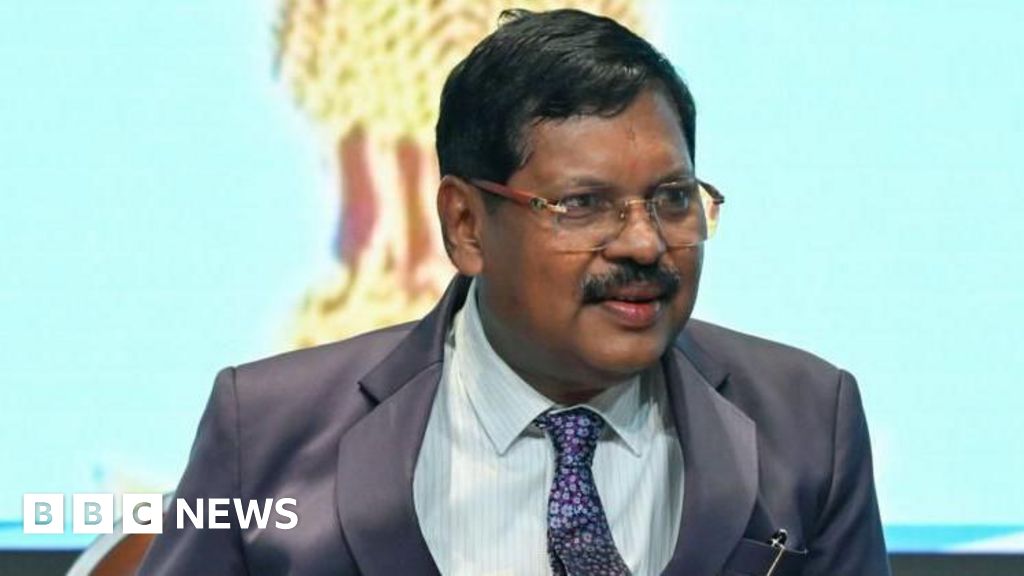
The recent incident in India where an attorney launched a shoe at Chief Justice BR Gavai during a courtroom session has ignited a firestorm across the nation, exposing the profound tensions simmering beneath its democratic veneer. The act, widely condemned by leadership across the political spectrum, underscores a volatile intersection of religious sensitivities and the fragile fabric of Indian society. As Prime Minister Narendra Modi denounced the attack as “utterly condemnable,” analysts warn that the upheaval signals deeper fissures within the country’s delicate balance between tradition, law, and nationalism.

The confrontation appears rooted in escalating religious tensions, particularly surrounding comments made by the Chief Justice about a recent court petition involving Hindu beliefs. When Chief Justice Gavai dismissed a plea to reconstruct a revered idol of Lord Vishnu, his remark—”This is purely publicity interest litigation… Go and ask the deity himself to do something”—sparked accusations of mockery directed at Hinduism, one of India’s most influential religions. Although Gavai later articulated respect for all faiths, the controversy reflects the ongoing challenge of navigating religious sensitivities within an increasingly polarized nation. Historians and social commentators caution that such disputes, if unmitigated, could further entrench societal divisions and undermine the rule of law.

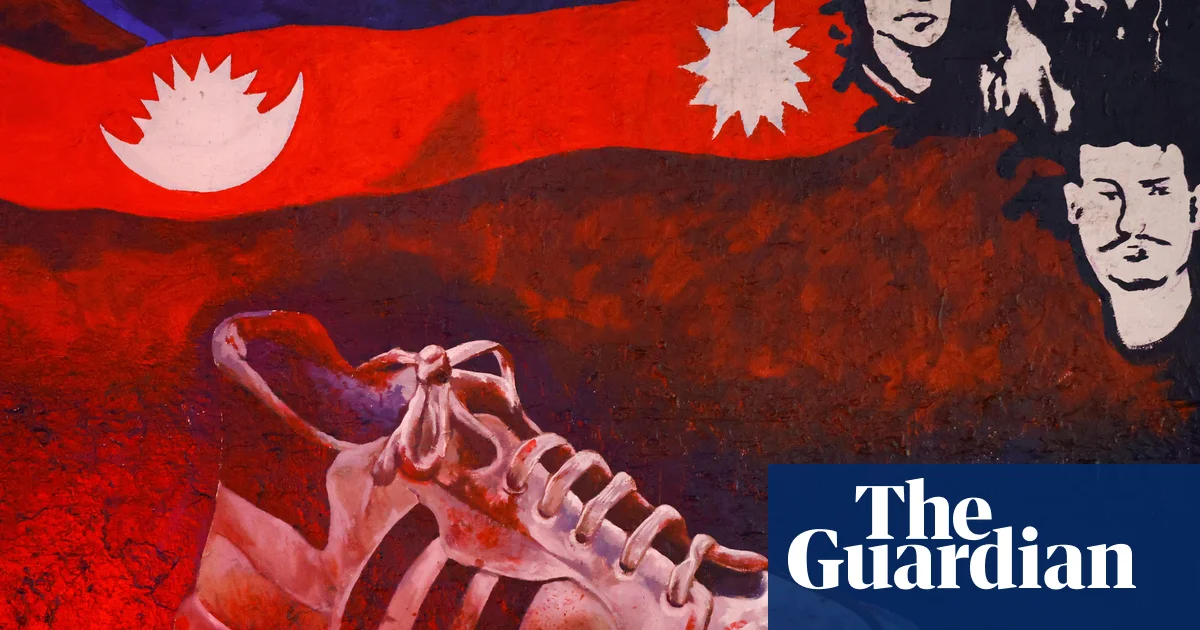
The attacker, Rakesh Kishore, was immediately detained and later suspended from his legal practice, yet the broader implications extend beyond individual culpability. The incident epitomizes a cultural clash—where traditional expressions of protest, like a shoe-throwing gesture, are symbolic acts of humiliation and disrespect. In recent history, similar acts have punctuated global moments of political unrest: in 2008, an Iraqi journalist hurled his shoe at then-U.S. President George W. Bush, and earlier this year, a shoe was thrown at Kenyan President William Ruto. These acts, though shocking, reveal how deeply frustrations with leadership and societal injustices have reached a boiling point. For India, the gesture may symbolize a dangerous shift where respect for institutions is eroding, replaced by raw protests that threaten stability.

Expressing concern over the ramifications, international organizations and foreign analysts emphasize that such confrontations threaten the very tenets of democratic discourse. The United Nations and regional watchdogs have historically warned that respect for judiciary independence and religious harmony are pillars of national stability. Failure to address these sources of tension, analysts argue, could lead India down a path marked by increasing societal polarization and diplomatic isolation. Prime Minister Modi’s intervention emphasizes the importance of societal cohesion, yet critics argue that without addressing underlying causes—religious intolerance, political polarization, and miscommunications—the cycle of conflict will only intensify.

The incident leaves the world at a pivotal juncture, with India’s future precariously balanced. As history witnesses moments when societal fractures threaten to escalate into conflicts, the weight of the unfolding crisis in India reminds us that the boundaries between respect, dissent, and chaos are ever fragile. The remarkable resilience of India’s democracy will now be tested—whether it can heal its scars or succumb to new forms of unrest remains an open question, emerging from a chapter where tradition and modernity clash in the shadow of history yet to be written.

Gen Z protests push president to clean house—new leadership on the horizon

Madagascar Faces Unrest Amid Economic and Political Turmoil

In an unfolding chapter of geopolitical instability, Madagascar is witnessing its most significant wave of protests in over 15 years, signaling a deepening crisis that could reshape the island nation’s future. This eruption of public dissent was largely sparked by endemic issues such as chronic shortages of basic utilities—power and water—coupled with widespread corruption and deteriorating living conditions. Many Malagasy citizens, particularly young people, are now demanding political accountability, with protests escalating rapidly across multiple cities and threatening the stability of President Andry Rajoelina’s government.

For years, Madagascar’s political landscape has been marred by instability and contentious elections. Rajoelina, who first seized power in 2009 during mass protests that ousted then-President Ravalomanana, was re-elected in 2018 amid accusations of electoral irregularities. His latest reelection in 2023, boycotted by opposition groups, only further intensified political divisions. Now, after the recent crackdown on opposition figures and the dismissal of his government, the nation’s fragile political fabric is under severe strain. Analysts and international observers, including the United Nations, warn that reliance on force to quell dissent could deepen the crisis, risking fragmentation and civil unrest. As historian Jean-Michel Roux notes, Madagascar’s history is punctuated by repeated uprisings, showing a pattern where governance struggles often spiral into broader chaos.

Factors Fueling the Uprising

The immediate trigger of the current unrest was the detention of two prominent political figures in Antananarivo, which civil society activists and youth leaders, especially the grassroots-based Gen Z Mada, blame on the government’s attempts to suppress legitimate grievances. The protests initially centered around persistent service outages—hours-long electricity blackouts and water shortages—that have become symbols of government neglect. Many protesters see these failures as symptomatic of entrenched corruption within state utilities like Jirama, which analysts say have been siphoned off for personal gain by political elites. The widespread frustration over deteriorating living standards—among the 75% of the population living below the poverty line—has turned into a call for fundamental political change. This movement, fueled by social media campaigns and united by a common desire for justice and accountability, has expanded beyond the capital, signaling that the unrest is not just about utilities but a broader rejection of President Rajoelina’s policies.

The unrest’s escalation has prompted heavy security responses. Armed forces have been deployed in urban centers, with reports of violent crackdowns, including tear gas, water cannons, and curfews. The government’s framing of these protests as threats to public order has led to accusations of suppression and human rights violations. Opponents, including opposition leaders and civil society organizations, warn that such tactics risk pushing Madagascar towards political instability or outright civil conflict. Meanwhile, international organizations, including the World Bank, have signaled willingness to fund development projects aimed at restoring basic services, but these measures are seen as insufficient amid escalating unrest.

How international and societal reactions shape Madagascar’s future

The international community watches closely as Madagascar’s crisis unfolds. Political analyst Dr. Claire Martin suggests that Madagascar’s trajectory hinges on whether the government pursues dialogue or opts for repression. The opposition, civil society, and even some former leaders advocate for inclusive talks to prevent the descent into chaos. However, recent actions such as dismissing UN casualty figures and imposing curfews suggest a government wary of outside interference and resistant to accountability. The possibility of military neutrality remains a critical flashpoint; as history has shown, Madagascar’s military has occasionally intervened in politics, and its stance could determine whether the island descends into prolonged unrest or begins a difficult path toward reconciliation.

As the world observes, the question remains whether Madagascar will embrace democratic reform or plunge into deeper turmoil. With each demonstration, each act of repression, and each political decision, the island’s future is being forged—one way or another. The weight of history presses heavily upon this young nation, as its people continue to march for justice and dignity, rewriting the story of a nation caught between the failures of the past and the hopes of a new dawn.

Social Media Auto Publish Powered By : XYZScripts.com