
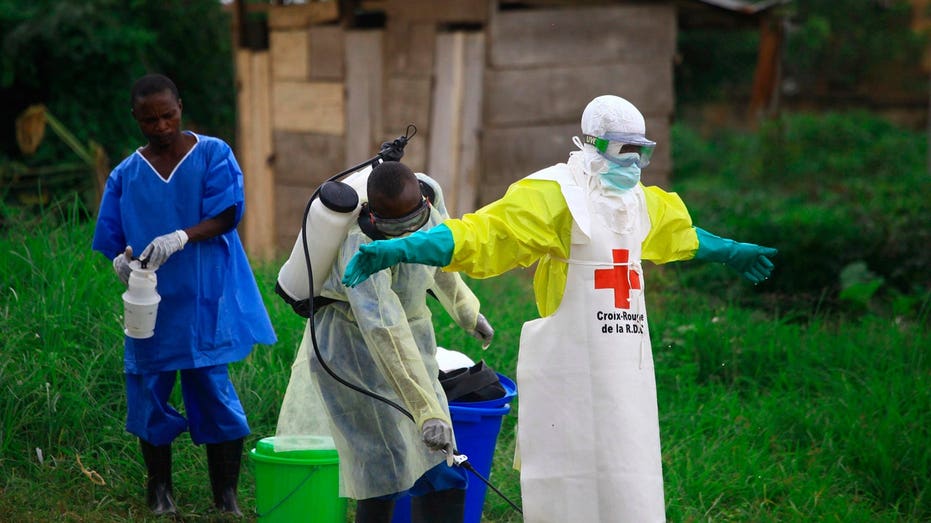

The decision by the WHO on Sunday comes amidst reports of 80 suspected deaths and a rapidly increasing number of cases, underscoring the severe threat posed by this particular strain. This declaration, while not classifying it as a pandemic, highlights the urgent need for a coordinated international response to prevent further spread and stabilize the affected regions.
Urgent Global Action Triggered
The formal declaration by the WHO signals a heightened level of concern, urging member states and international partners to bolster their efforts in supporting the affected nations. The outbreak, primarily centered in the Democratic Republic of Congo, has seen 246 suspected cases and eight laboratory-confirmed infections as of Saturday. These figures, reported across at least three health zones including Bunia, Rwampara, and Mongbwalu, paint a stark picture of the challenges facing public health officials on the ground.
The designation as a public health emergency of international concern (PHEIC) is reserved for extraordinary events that pose a public health risk to other states through the international spread of disease and may require a coordinated international response. This move by the WHO aims to unlock critical funding, expertise, and logistical support necessary to manage the crisis effectively, reflecting a commitment to global health security and institutional integrity.
The Threat of the Bundibugyo Strain
Unlike previous major outbreaks, this current surge is attributed to the Bundibugyo virus, a strain of Ebola that presents unique challenges. Crucially, there are currently no approved vaccines or therapeutic treatments specifically for the Bundibugyo strain. This contrasts sharply with the Ebola-Zaire strain, which fueled the devastating 2018–2020 epidemic in Congo, claiming over a thousand lives, and for which effective vaccines and treatments have since been developed.
The absence of a targeted medical countermeasure for the Bundibugyo strain complicates containment efforts significantly. Health authorities must rely heavily on traditional public health measures: rapid identification of cases, isolation, contact tracing, and safe burial practices. This situation underscores the ongoing need for robust research and development into a broader spectrum of viral threats, ensuring preparedness for diverse pathogens.
Cross-Border Spread and Regional Stability
The geographical spread of the outbreak is a significant concern, with cases now confirmed beyond the initial epicenters within the DRC. Reports from the WHO indicate two apparently unrelated laboratory-confirmed Ebola cases in Uganda’s capital, Kampala, involving individuals who had traveled from the DRC. Additionally, a case was confirmed in the DRC capital, Kinshasa, linked to travel from Ituri province. This cross-border transmission highlights the porous nature of regional boundaries and the critical importance of coordinated surveillance and response mechanisms between neighboring countries.
The potential for the virus to spread across borders necessitates strong diplomatic engagement and regional cooperation. Ensuring stability and order in affected zones is paramount, preventing further displacement and disruption that could hinder public health efforts. As noted by Fox News, officials have previously warned of cross-border spread, making these recent developments particularly alarming and requiring swift, decisive action from all involved parties.
“This declaration, while not classifying it as a pandemic, highlights the urgent need for a coordinated international response to prevent further spread.”
The declaration of an international public health emergency serves as a powerful reminder of the persistent global health threats that require constant vigilance and preparedness. The focus now shifts to effective implementation of containment strategies, rapid deployment of resources, and continued international collaboration to protect lives and maintain regional stability. The immediate priority remains to support the Democratic Republic of Congo and Uganda in their fight against this virulent threat, ensuring that institutions are empowered to act decisively and restore public health security.
Global health bodies and national governments must work in concert, not only to manage the immediate crisis but also to strengthen long-term public health infrastructure in vulnerable regions. This proactive approach is essential to mitigating future outbreaks and safeguarding the well-being of populations worldwide.






