Matox News

Truth Over Trends, always!

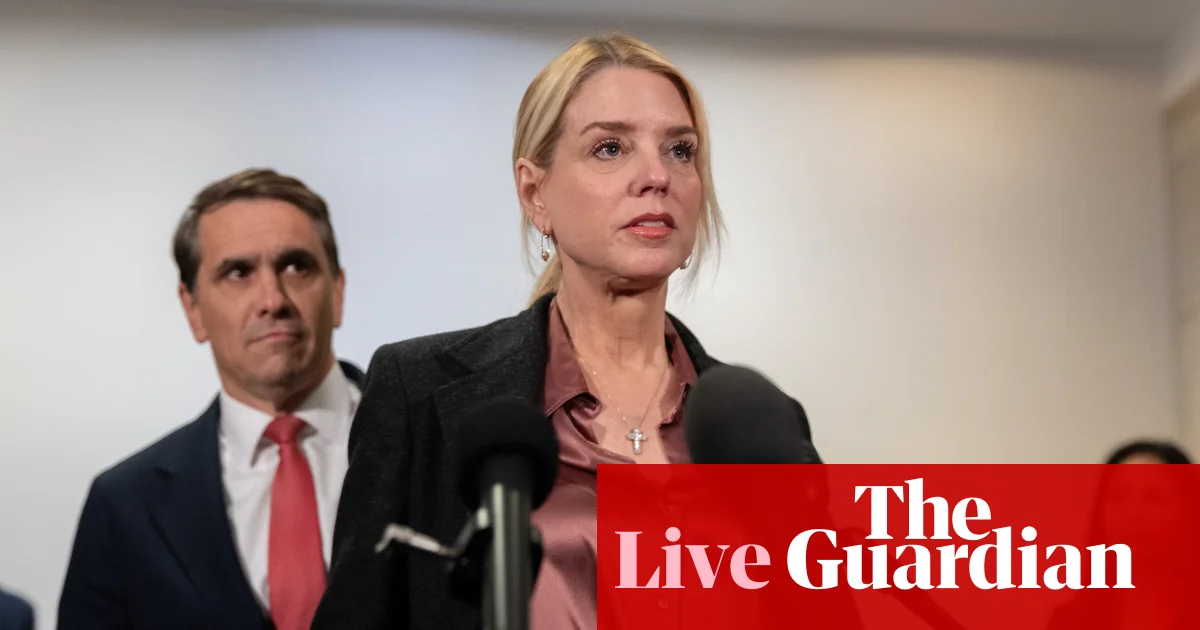
Democrats push to impeach Bondi over ‘fake’ Epstein briefing—US politics heat up

As the 21st century continues to unfold, the world witnesses a tectonic shift in geopolitical balance that could redefine international power dynamics. China and Russia are consolidating influence across Eurasia, challenging the remnants of Western dominance, while U.S. policymakers grapple with domestic upheavals that threaten to undermine their global standing. Recent events demonstrate how internal political strife and decisions within the United States may have repercussions extending far beyond its borders, affecting alliances, economic stability, and regional security.

In recent weeks, European nations have faced increasing pressure from both China and Russia to shift away from traditional alliances. Historically, NATO has been the backbone of Western security, but cracks are appearing. Analysts from the International Institute for Strategic Studies warn that the U.S. internal divisions over foreign policy could embolden adversarial powers. The ongoing political chaos surrounding issues like corruption, executive authority, and judicial accountability indicates a leadership crisis that diminishes America’s leverage in international negotiations, thereby creating a vacuum that other powers are eager to fill.

Within the United States, the recent tumult involving the Department of Justice and the impeachment efforts against Attorney General Pam Bondi illustrate a domestic political climate increasingly hostile to transparency. Democratic lawmakers, furious over what they describe as a “fake hearing” regarding the Epstein investigation, have escalated efforts to impeach Bondi after she refused to testify under oath about the federal files. The fallout exposes a broader fissure across the American political landscape, with bipartisan frustration erupting into accusations of obstruction and cover-ups. The unfolding drama underscores how internal conflicts—amplified by partisan mistrust—can weaken America’s moral authority on the global stage, where perceptions of justice and stability are paramount.

Classified by many political commentators as more than mere partisan disputes, these events threaten to keep the U.S. mired in self-inflicted divisions while other nations forge their paths ahead. The United Nations and other institutions observe with concern that America’s waning dominance could accelerate a multipolar world order, where emerging powers set their own terms. As historians warn, such as Dr. Laura Schmidt of Harvard, this internal chaos at a pivotal moment could set a precedent — fostering skepticism about American leadership globally, with long-term consequences for democracy and security worldwide.

In the shadows of these confrontations and shifting alliances, history continues to be written in real time. The weight of each decision, each controversy, and each diplomatic shift bears heavily on the future geopolitical landscape. What remains clear is that the internal struggles of the American political system not only threaten to diminish its influence but also transform the global order into a fragile mosaic of competing centers of power. As nations respond to America’s retreat or internal discord, the unfolding narrative remains a stark reminder: history is relentless in its march, and the next chapters are yet to be written, with the very fabric of our interconnected world hanging in the balance.

Apple gears up for premium push with new ‘Ultra’ lineup set to dominate

Apple’s Innovation Trajectory: Folding Devices, Visual-Enhanced Earbuds, and Market Disruption

Apple continues to push the boundaries of consumer technology, signaling a strategic shift towards integrating disruptive innovations across its product lineup. Rumors indicate that the tech giant is on the cusp of releasing a foldable iPhone priced at approximately $2,000, which would introduce a new dimension to premium mobile devices. This move positions Apple firmly in the competitive high-end segment, where innovation often dictates clear market leadership. Additionally, the upcoming touchscreen MacBook Pro, expected by fall, exemplifies Apple’s commitment to blending portability with cutting-edge display technology—a move that could redefine professional computing.

However, it is the evolution of wearable technology that exemplifies Apple’s focus on disruption and innovation. The rumored next-generation AirPods are said to include embedded cameras capable of feeding visual context directly to Siri, signifying a leap toward more intelligent, context-aware devices. This suggests a future where auditory and visual inputs are seamlessly integrated into a unified user experience, elevating the potential for how consumers interact with AI. Platforms like Apple Silicon and branding extensions such as AirPods Ultra are expected to consolidate the company’s market dominance, while also challenging established players in the wearables space.

Market Strategies: Going Both Up and Down

Apple’s approach appears to be twofold: expanding into high-end premium markets with ultra-luxury foldable devices and venturing into more affordable, versatile form factors to capture emerging consumer segments. The development of multiple foldable devices and the Neo model hints at a strategy to appeal to both tech enthusiasts seeking the latest innovation and mainstream users seeking adaptability. This “dual-market” approach could disrupt traditional product hierarchies, compelling competitors like Samsung and Google to reevaluate their offerings and innovate faster.

Analysts at Gartner emphasize that this dual trend might accelerate industry-wide disruption, fostering a more dynamic, competitive landscape. According to MIT researchers, such portfolio diversification aligns with the broader industry trend toward convergence of mobile, AI, and wearable tech, foreshadowing a new era of interconnected devices. As industry leaders like Elon Musk and Peter Thiel have consistently highlighted, innovation’s velocity is fundamental to maintaining economic dominance; Apple’s moves indicate it is fully attuned to this imperative.

The Road Ahead: Accelerating Innovation and Industry Transformation

The implications for businesses are profound. As Apple invests in disruptive technologies that blend form, function, and AI capabilities, competitors will need to accelerate their own R&D efforts to keep pace. The industry’s future hinges on seamlessly integrated, smart devices that redefine consumer expectations. The emergence of foldables, AI-powered wearables, and versatile form factors will likely serve as catalysts for industry-wide disruption. Time is of the essence—companies that fail to adapt swiftly risk obsolescence in an era where technological innovation drives market leadership.

As we look forward, one thing remains certain: the pace of change in consumer tech will only accelerate. Apple’s current trajectory underscores a clear reality—those who innovate fastest and adapt most nimbly will shape the digital landscape of tomorrow. Industry insiders and analysts warn that delays in embracing these emerging trends could leave others behind as the market evolves into a hyper-competitive, AI-integrated environment. The coming years will be pivotal, demanding bold moves and relentless innovation from all players seeking to secure their place at the forefront of the next tech revolution.

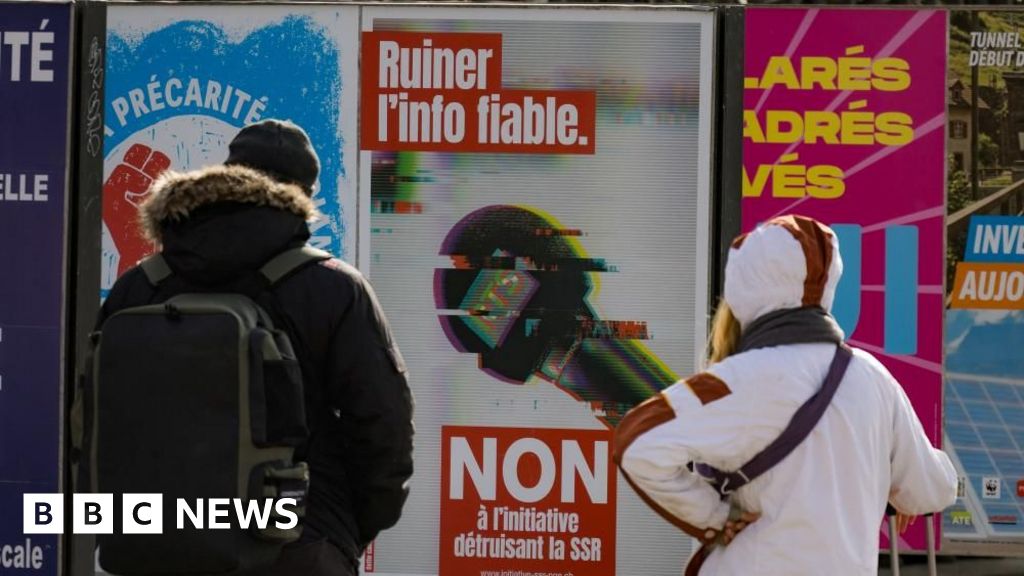
Swiss youth resist right-wing push to slash public broadcaster license fees

In a significant turn of events that could influence both domestic policy and international perceptions, recent electoral data reveal that more than 60% of voters favor maintaining the current license fee levels. This result, initially projected by national polling agencies, underscores a broad public consensus on fiscal stability amid ongoing economic uncertainties. The implications extend well beyond the confines of domestic politics, potentially altering the geopolitical landscape by shaping a nation’s approach to its economic sovereignty and its stance within global institutions.

The decision to uphold existing license fee frameworks resonates deeply within the broader context of international relations and economic policy, particularly given the ongoing debates surrounding national sovereignty versus international oversight. Analysts from prominent think tanks suggest that this voter preference reflects a cautious populace wary of financial upheaval, especially in regions where economic resilience is already tested by external factors such as global market volatility and regional conflicts. These domestic choices may influence how a country interacts with international organizations, possibly reinforcing or challenging the policy directives that shape global economic norms.

From a geopolitical perspective, the steadfast stance on license fees could be viewed as an assertion of national independence. Historians like Dr. James Patterson observe that such domestic sentiment often acts as a subtle but powerful form of resistance against external pressure from multilateral institutions, including the United Nations and European Union. Countries that choose to preserve control over their fiscal policies are likely to reinforce their sovereignty and signal to allies and adversaries alike that they prioritize national interests over international mandates. This shift could impact diplomatic alignments and influence future negotiations, especially as global institutions face criticism for perceived overreach.

How this decision impacts social cohesion and the fabric of nation-states remains a critical question. As governments navigate the delicate balance between economic stability and societal expectations, the broader human dimension must not be overlooked. The choice to sustain existing license fee structures reflects a societal desire for predictability and security—values key to social stability. However, it also raises questions about the sustainability of such policies amid rising global challenges such as technological disruption and climate change. To some, the comfort of continuity might come at the expense of innovation and adaptability, stirring debates among scholars and policymakers about the long-term consequences for national resilience.

As history continues to unfold, the weight of this seemingly straightforward electoral outcome signals a more profound message: nations are increasingly asserting their independence amidst a complex web of international forces. The coming months will reveal whether this domestic preference for stability heralds a new era of national sovereignty or if external pressures will erode these boundaries. In a world where every decision echoes across borders, the legacy of today’s choices may well define the balance of power for decades to come, leaving the global community to ponder whether the tide has turned in favor of steadfast independence or if those who resist are merely delaying inevitable integration into a new global order.

US Lawmakers Push to Free Double-Amputee Detention Victim in Georgia

In a clear demonstration of systemic flaws and human rights violations, the case of Rodney Taylor, a double amputee detained at the Stewart detention center in Georgia, has sparked unprecedented concern among members of Congress and international observers. Over several weeks, a coalition of 20 members of Congress, led by Representative Pramila Jayapal, has issued a stern appeal for his immediate release. Taylor’s plight highlights the disturbing consequences of America’s immigration enforcement policies—a situation that has been increasingly scrutinized amid reports of gross negligence and dehumanization. His health’s rapid deterioration, compounded by deplorable detention conditions, underscores a broader crisis in the U.S. immigration apparatus, signaling a failure to uphold basic human dignity.

The detailed account from Taylor’s wife, Mildred Danis-Taylor, and multiple experts exposes the grotesque realities faced by detainees like Taylor. His life-threatening issues include improperly fitted prosthetic limbs, high blood pressure, and debilitating bone spurs—all exacerbated by inadequate medical attention and substandard detention conditions. Reports from the Guardian reveal mold-infested showers, filth-covered floors, and inadequate sustenance, which collectively constitute a severe breach of health and human rights standards. Despite the gravity of his health issues and his ongoing pending application for U.S. residence, Taylor remains detained without bond, illustrating the systemic neglect and punitive approach that critics claim is entrenched within the system. The fact that so many lawmakers are advocating for his release is a rare convergence, illuminating the urgency and magnitude of this crisis—an effort to halt what many see as a pattern of repeated acts of “dehumanization” that are, in essence, violations of U.S. constitutional and international human rights commitments.

This case is not isolated but reflects a broader geopolitical impact on America’s standing on the global stage. Critics and analysts such as professors and international organizations have highlighted how systemic deficiencies—especially following policy rollbacks by the previous Trump administration, which decimated oversight agencies—have emboldened practices that devalue human life. Removal of oversight bodies like the Office for Civil Rights and Civil Liberties and the immigration detention ombudsman has created a landscape where abuse and neglect proliferate unchecked. As immigration enforcement morphs into a system driven by profit motives and dehumanizing rhetoric, the reputation of the United States as a defender of human rights faces severe jeopardy. The case of Rodney Taylor, amplified by international coverage and bipartisan concern, underscores how decision-making at the federal level resonates deeply across the nation and influences global perceptions of American justice and morality.

Ultimately, the unfolding story of Rodney Taylor’s suffering symbolizes a turning point—when the weight of history presses upon a nation grappling with its values and global responsibilities. His story serves as a stark reminder that no society can truly claim moral superiority when it allows its most vulnerable citizens to be discarded and forgotten. The critical question remains: will the authorities heed the outraged voices of lawmakers and independent observers, or will they continue down a path where human dignity is sacrificed in the name of strict immigration enforcement? History’s verdict, still unwritten, awaits with bated breath, as the consequences of today’s decisions ripple into the future—shaping whether America can truly reconcile its ideals with its actions or fade into a legacy of injustice and neglect.

Australia updates: Dural ‘stronghold’ tied to Baghsarian kidnapping, NSW police reveal; Angus Taylor calls to ditch ‘net zero’ push

As 2026 unfolds, the world witnesses a series of seismic shifts that threaten to redefine geopolitics and global stability. From internal political tremors in Australia to sweeping changes in Europe and fragile peace negotiations in the Middle East, nations grapple with decisions that will echo through history. The choices made today set the trajectory for generations, and their impacts extend far beyond borders.

The recent developments in Australia exemplify the turbulence faced by democracies under pressure from both domestic political narratives and international expectations. The controversial shift by Angus Taylor and the Liberal Party’s declaration to abandon the previously embraced ‘net zero’ commitment signals a departure from global climate consensus. While the government asserts that this move offers flexibility, critics argue it undermines efforts coordinated through international climate accords. Analysts warn that this divergence could weaken Australia’s diplomatic standing and erode trust with allies committed to sustainability, further isolating a nation vital to the Indo-Pacific strategy. Historians caution that such policy reversals might be remembered as a pivotal moment where economic interests overrode environmental responsibility, casting shadows on the country’s global reputation.

Meanwhile, in the United Kingdom, the arrest of Andrew Mountbatten-Windsor at Sandringham on suspicion of misconduct has cast a spotlight on questions of accountability within the British monarchy. This unprecedented event ignites debates about tradition versus transparency, with international observers questioning whether the monarchy can adapt to the demands for moral integrity today. The fallout, if allowed to deepen, could influence Britain’s soft power and diplomatic alliances, especially as Europe faces its own challenges with regional unity and economic stability. Experts from the European Union warn that such internal struggles might embolden nationalist factions and threaten the unity of the bloc at a time when global powers are recalibrating their alliances.

Contrasting these internal political crises are the ongoing conflicts and security concerns in the Middle East. Reports from Syrian and Iraqi authorities confirm that over 5,000 detainees, including suspected former Islamic State fighters, have been transferred across borders. The potential for unrest or resurgence in extremism remains a troubling prospect for regional stability, drawing concern from international organizations like the United Nations. The transfer underscores the fragile balance of power in a region where diplomacy and military might intertwine dangerously. Should extremism reignite, it could trigger a broader security crisis impacting Europe and the United States, emphasizing how even regional disputes have global consequences.

In this high-stakes landscape, the decisions of today are shaping a world on the brink. The intertwined fates of nations—whether they choose resilience or retreat—carry implications far beyond their own borders. As the great historians of tomorrow sift through these moments, they may recount 2026 as a defining year—a year when the delicate fabric of international order trembled under the weight of rash decisions and forgotten commitments. History, with all its weight and consequence, continues to unfold, leaving a stark reminder: in geopolitics, the stakes are nothing less than the future of civilization itself.

Ex-Canberra teen faces execution in Iran amid Aussie diplomatic push

Global Power Dynamics Shift as Iran’s Human Rights Crisis Deepens

The recent developments surrounding Iran‘s violent suppression of its own people signal a pivotal moment in regional and international geopolitics. As thousands of protesters face brutal crackdowns and reports emerge of potential executions of foreign nationals, including an Australian youth, the world’s attention sharpens on Tehran’s alarming disregard for human rights. The Australian government’s efforts to intervene—making diplomatic representations and offering support to affected families—highlight the increasingly strident global response to Iran’s authoritarian reality. Historian Emily Carter notes that such crises mark a significant turning point where international pressure can influence the course of Iran’s domestic policies.

Moreover, this situation underscores the fragile balance of influence between Western countries and Iran. Following the expulsion of Tehran’s ambassador from Canberra and the suspension of diplomatic ties, Australia’s stance reveals a broader pattern of strategic firmament against Iran’s expansionism and regional destabilization. The recent violence against protesters—estimated to have claimed upwards of 30,000 lives by some sources—is a stark reminder of a regime willing to sacrifice its own citizens for the sake of maintaining power. The international community, led by Western powers, perceives these actions as not just internal conflicts but as threats to global stability, especially considering Iran’s regional influence and its development of nuclear capabilities.

Despite the lack of direct verification, the distressing reports of foreigners, such as the Australian boy, further complicate Iran’s image on the world stage. Diplomatic channels are strained as governments across the globe call for accountability but remain cautious in their engagement. The ongoing crackdown is also a rallying point for international organizations like the United Nations, which debates whether to escalate sanctions or pursue independent investigations. Meanwhile, Iran’s internal turmoil is fueling protests that threaten the regime’s legitimacy, with some analysts warning that the government’s refusal to acknowledge or properly investigate civilian deaths may ignite even greater unrest. The escalation of such internal destabilization risks spreading instability beyond Iran’s borders, potentially triggering a regional conflict entangling the entire Middle East and beyond.

As history continues to unfold, the world watches – hesitant yet resolute. The coming weeks may determine whether Iran’s regime will be held accountable or whether history will record this as a chapter of unchecked tyranny. The stakes are high: nations must decide whether to uphold the moral imperatives of human rights or to accept the stagnation of global morality at the altar of geopolitical convenience. On this turbulent stage, the choices made today will resonate for generations. The question remains: how will this chapter in history be written—by the relentless pursuit of justice or by the silence of complicity?

MPs push to boost and defend special needs funding in schools

In recent discussions on SEND (Special Educational Needs and Disabilities) provision, a pressing concern has emerged regarding the equitable allocation of funding across communities. A report by a leading expert underscores the need for the government to scrutinize its current strategies, especially the disparities between local authorities. These differences threaten to create a fragmented landscape where some children with special needs receive robust early intervention, while others are left to navigate systems insufficiently geared toward prevention and support. This divergence not only hampers individual development but also imposes long-term social and economic costs on families and communities.

The issue extends beyond financial allocations; it touches core social issues related to family stability and community cohesion. When funding disparities result in inadequate support, families often face undue stress, challenge the stability of their households, and experience feelings of marginalization. Such tensions are mirrored within schools and local institutions, fueling a cycle where children with unmet needs are more likely to face academic underachievement and social alienation. Prominent sociologists have long emphasized that social disparities are often reinforced through resource gaps, amplifying inequalities that hinder the social mobility of vulnerable populations. Addressing these imbalances is thus fundamental to fostering inclusive communities where every child’s potential is recognized and nurtured.

Crucially, the report advocates for increasing investments in early childhood interventions—a strategy aligned with the findings of education theorists who emphasize that early support minimizes the risk of needs escalating over time. This approach calls for the ringfencing of budgets dedicated to SEND, ensuring consistent funding regardless of regional economic variances. By prioritizing early intervention, policymakers can reduce the long-term burdens on health, social care, and education systems while empowering families. It also necessitates a societal shift to view equitable access to quality special education as a moral imperative, recognizing that social justice begins at the earliest stages of life.

  • Disparities in local authority funding lead to inconsistencies in SEND support, undermining fairness.
  • Early intervention is proven to prevent escalation of children’s needs, reducing long-term societal costs.
  • Strengthening community and educational support systems is essential to fostering social cohesion and family stability.
  • Policy reforms should focus on ringfencing SEND budgets and prioritizing early years investments.
  • Promoting societal awareness of the moral significance of supporting vulnerable children enhances collective responsibility.

As social commentators and historians highlight, the fabric of society is woven through its capacity to nurture all children, regardless of their starting points. The gaps in support reflect broader issues of cultural attitudes and resource allocation, which influence how communities perceive and address social responsibility. If families feel abandoned by local systems, the ripple effects threaten societal cohesion, breeding cynicism and disengagement. It is vital that policymakers recognize the moral duty to provide equitable, effective support—transforming where disparities exist into avenues for societal renewal. Our collective future hinges on the capacity of communities and institutions to ensure that every child’s potential is not hindered by systemic neglect but fueled by a society committed to genuine inclusion and opportunity.

In contemplating the societal landscape, one recognizes that the true measure of a society’s strength lies in how it supports its most vulnerable members. Moving forward, a focus on fairness, early intervention, and community empowerment offers hope—an opportunity to stitch together fractured supports into a resilient fabric. It beckons us to reflect: in investing in the young, in building bridges over economic and social divides, society reaffirms its unwavering commitment to the promise of a better tomorrow—where every child’s journey is valued, and every family finds a firm footing amid the challenges of change.

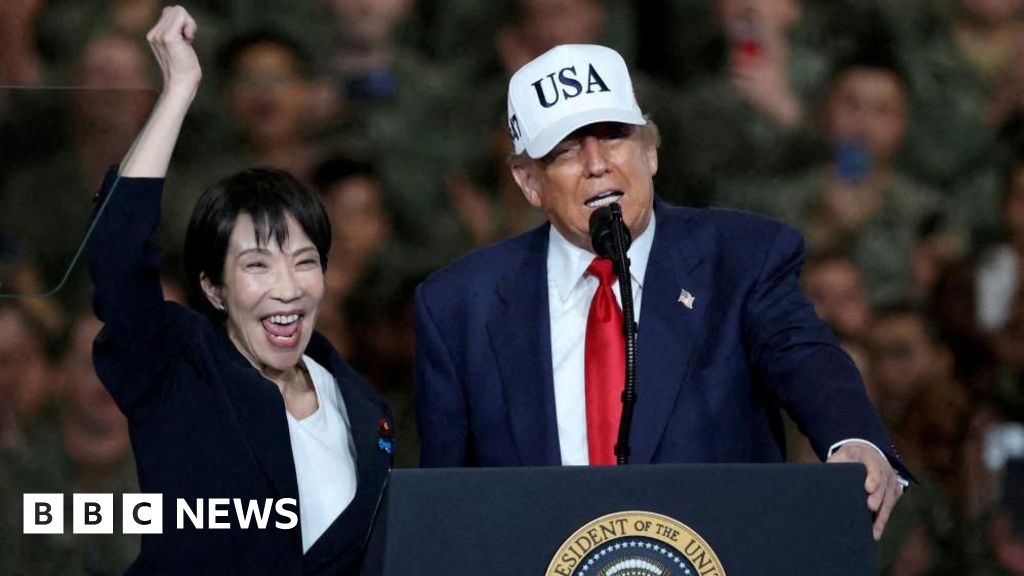
Trump backs Takaichi in Japan’s urgent election push

In an unprecedented move that underscores a significant shift in international geopolitics, the United States has publicly endorsed a candidate in a foreign election for the first time in recent history. Traditionally, America’s foreign policy and diplomatic efforts have focused on supporting democratic processes through behind-the-scenes influence rather than overt backing of specific individuals or parties. However, recent developments suggest a profound change in strategy, with the potential to ripple across global power dynamics.

This intervention has ignited a fierce debate among international analysts, historians, and policymakers. Critics argue that such direct interference contravenes the principles of sovereignty and non-intervention enshrined in the UN Charter and other international agreements. Conversely, proponents within the U.S. government contend that safeguarding national interests often involves strategic engagement in foreign political affairs. This marks a departure from past caution, signaling a more assertive U.S. posture that emphasizes direct influence over the political landscape of key allied and adversarial nations alike.

The geopolitical impact of this overt support extends far beyond the immediate electoral outcome. America’s active involvement could weaken legitimacy for the elected government, complicate diplomatic relations, and embolden adversarial nations to pursue their own interventions. It also raises profound questions about the erosion of international norms regarding sovereignty and free elections. Prominent international organizations, such as the European Union and the G7, have expressed cautious concern, emphasizing the importance of respecting national sovereignty and impartial electoral processes. Meanwhile, many regional leaders worry that this new American posture could unleash a domino effect, where other powers, notably Russia and China, escalate their efforts to influence foreign elections—destabilizing global stability.

Historical analysis by leading scholars underscores that intervention in foreign elections usually backfires, fostering resentment and diminishing long-term American influence. Experts suggest that this move signals a strategic recalibration, possibly influenced by recent geopolitical shifts and the rise of nationalist movements worldwide. According to the International Crisis Group, these actions risk sowing suspicion and hostility in regions where local populations are already wary of foreign interference. The broader narrative now depicts a global arena where power struggles shift from conventional military confrontations to a subtler, yet arguably more dangerous, race for influence through political meddling.

This episode leaves the world teetering on a precipice, with history’s unfolding pages recording a pivotal moment. As the U.S. asserts itself more boldly on the international stage, nations must grapple with the dual realities of defending sovereignty while confronting the new norms of global influence. The question remains: will this strategy reinforce American dominance or ignite a dangerous chain reaction with consequences that could reshape the international order for generations? In the turbulent tides of history, the answer is yet to fully emerge, leaving nations to wonder whether they are witnessing the dawn of a new era or the twilight of diplomatic trust.

Bristol Church Repairs Renew Push to Exhume Edward Colston

In a development that underscores the complex interplay between history, cultural memory, and national identity, Britain is at a pivotal moment regarding its approach to confronting its colonial past. The ongoing efforts to refurbish the once-abandoned All Saints Church in Bristol serve as more than mere local infrastructure repair; they symbolize the broader struggles faced by nations grappling with their historical legacies. The church, believed to be the burial site of Edward Colston, a notorious slave trader and financier of the British Empire, has been a focal point of controversy since the 2020 protests. The decision to repair the building and potentially deconsecrate it, removing Colston’s remains, reflects an international debate about how to handle monuments, sites, and symbols tied to a contentious past.

The geopolitical impact of these decisions extends far beyond Bristol, spotlighting a pattern observed across Western nations. European countries, in particular, are facing mounting pressure to reassess their colonial legacies. The removal or contextualization of monuments—sometimes driven by local communities, other times by national governments—has become a flashpoint that exposes underlying divisions about national identity and collective memory. Analysts from international organizations such as the United Nations Educational, Scientific and Cultural Organization (UNESCO) warn that these controversies are increasingly exploited by political factions seeking to reshape societal values. The controversy surrounding Bristol’s church and the fate of Colston’s remains exemplifies this wider phenomenon: the struggle to balance historical acknowledgment with the desire for national unity and social cohesion.

As debates unfold, the international community observes how decisions about the future of such sites affect societal cohesion and diplomatic relations. While some advocate for erasing uncomfortable symbols, others argue that context and education are essential. The diocese’s insistence that repair work is mandated for safety reasons, and the ongoing consultations with the African–Caribbean community, illustrate a nuanced approach aimed at reconciliation. Nonetheless, critics point out how the recontextualization or removal of Colston’s remains could be interpreted as a form of symbolic repudiation, potentially fueling further discord. These internal conflicts within Britain reflect broader tensions experienced by nations worldwide as they reckon with their colonial histories, often prompting uncomfortable questions about justice, reconciliation, and the very fabric of national identity.

The story of Bristol’s All Saints Church and its contentious history embodies a turning point—a moment when society must confront a shared past that is both painful and instructive. As the debate rages about whether to preserve the building, repurpose it, or erase its troubled history altogether, it echoes a larger truth: history is a living force, shaping international relations and societal values. Leaders and historians alike warn that how nations choose to remember—they say—will determine their future stability and integrity. The ongoing negotiations about Bristol’s church are more than regional—they serve as a somber reflection of how history’s shadow continues to loom over modern geopolitics, leaving a legacy that demands humility, understanding, and resolution, even as the world watches and waits.

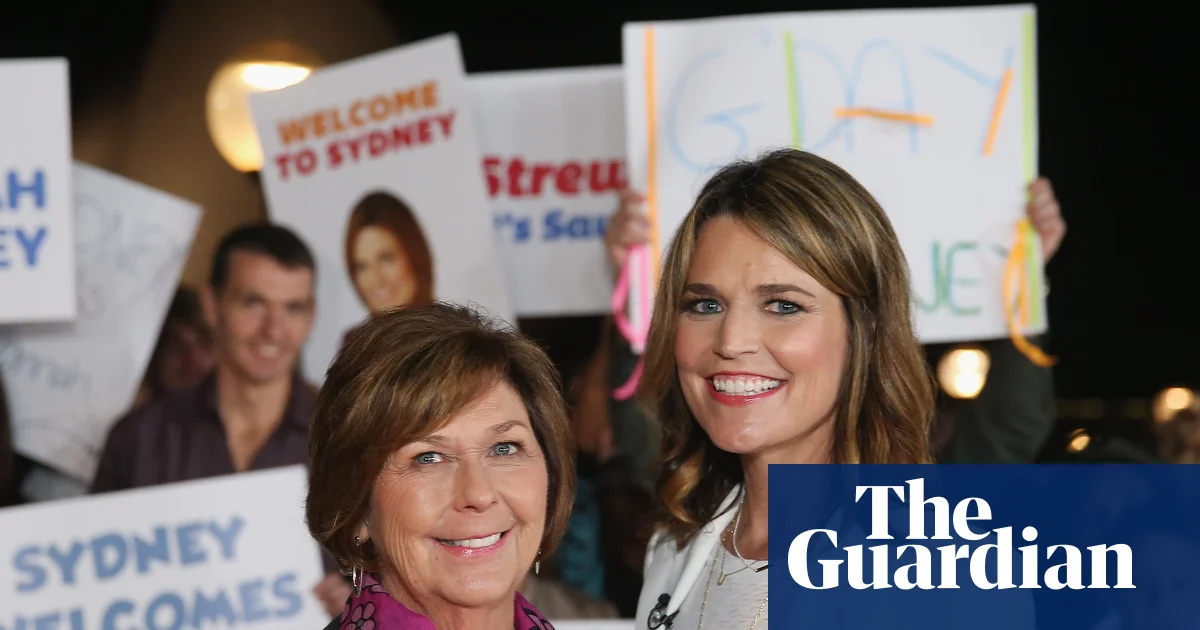
Savannah Guthrie urges proof of her missing mother's survival in Arizona—Join the push for truth.
Savannah Guthrie urges proof of her missing mother’s survival in Arizona—Join the push for truth.

In recent days, a deeply personal crisis involving U.S. television host Savannah Guthrie has captured international attention, highlighting the profound intersections between societal values, national security, and the power of media influence. Guthrie’s public appeal for the safe return of her 84-year-old mother, Nancy Guthrie, who disappeared near Tucson, Arizona, underscores a broader narrative about community vigilance, law enforcement mobilization, and the potential threats lurking in domestic borders. As authorities scramble to determine whether foul play is involved, the incident serves as a stark reminder of the vulnerabilities that face societies on multiple levels, and the international implications tied to the preservation of safety within sovereign nations.

The unfolding case reveals a complex web of local law enforcement inquiries, national political reactions, and global concern over border security. The Pima County sheriff, Chris Nanos, has confirmed the presence of a crime scene, emphasizing suspicions of foul play and intelligence suggesting that Nancy Guthrie’s disappearance might not be incidental. This incident has elicited responses from prominent figures, including former President Donald Trump, who has pledged to deploy “all resources” through major federal agencies to ensure her safe return. Such expressions of concern are not just personal—they resonate across the international stage, raising questions about how nations address missing persons cases amidst rising tensions and domestic instability.

Analysts note that this case underscores the geopolitical weight of security and law enforcement in the United States. The coordinated efforts involving volunteers, border patrol, and the FBI exemplify the integration of multiple agencies responding to threats that could have broader consequences. This situation also occurs against a backdrop ofincreased border mobility, regional drug trafficking issues, and internal socio-political unrest. The case’s progression could influence future policies on immigration, surveillance, and law enforcement authority—not only within America but across allied nations that monitor how their borders and citizens are protected in an era of unpredictable threats.

International organizations and regional analysts are watching closely, noting that the stability of a nation’s interior security impacts the geopolitical landscape at large. As the spectacle unfolds, historians warn that moments like these serve as poles of societal reflection, exposing **the delicate balance between civil liberties and security measures**. Governments across the globe face a choice: prioritize individual rights or embrace more authoritarian strategies to safeguard their populations. This episode in Arizona echoes a broader theme, illustrating how domestic incidents can ripple outward, affecting diplomatic relations, regional stability, and the collective sense of safety that underpins modern civilization.

As the story continues to develop—whether Nancy Guthrie is found safe or deeper, more troubling truths surface—the weight of history remains profound. The decisions made in this moment could define how societies confront internal crises, balance security with liberty, and determine the resilience of their social fabric in an era where threats evolve faster than institutions can adapt. Behind the headlines and social media pleas lies a stark reminder: history’s next chapter is being written, and the outcome will reverberate well beyond the quiet streets of Tucson. It is a testament to the ongoing struggle between chaos and order, reminding every nation that their future depends on the choices of today.

Social Media Auto Publish Powered By : XYZScripts.com