Matox News

Truth Over Trends, always!

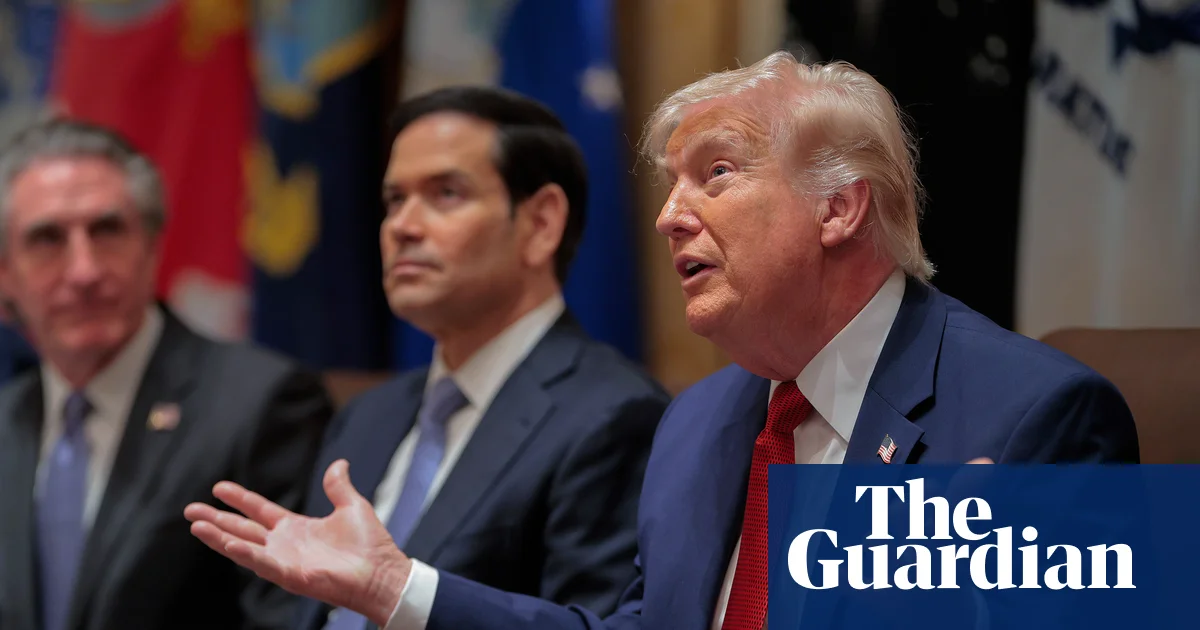
Trump delays Iran’s Hormuz closure by 10 days amid US-Israel push on Iran

US-Iran Tensions Reach Critical Point: A New Phase in the Middle East Crisis

The recent developments in the Middle East signal a pivotal turn in international geopolitics, with United States President Donald Trump extending his deadline for Iran to reopen the strategic Strait of Hormuz. This vital waterway, through which approximately 20% of global oil passes, has become a battleground in a conflict that threatens to destabilize the world’s economic center of gravity. Trump’s decision to pause the destruction of Iran’s energy infrastructure, citing ongoing negotiations, underscores the precarious balance of power and the high-stakes diplomacy at play. Yet, analysts warn that behind this diplomatic veneer lies an escalation of military posturing, with thousands of U.S. troops poised to seize strategic nodes such as Kharg Island, Iran’s principal oil export hub, signaling a possible shift toward open conflict.

Significant strikes by Israel and the U.S. against Iranian military and naval targets—most notably the elimination of the Revolutionary Guards’ naval commander, Alireza Tangsiri—highlight an aggressive effort to dismantle Iran’s maritime capabilities. Administrators such as Adm Brad Cooper have claimed that these actions are barometers of irreversible decline for Iran’s naval strength, yet Iran continues its retaliatory assaults by missile and mine attacks, demonstrating its resilience and capacity for asymmetrical warfare. Meanwhile, Israel contends with missile interceptions in Jerusalem and Tel Aviv, illustrating how regional conflicts are entangling a host of nations beyond the primary adversaries. This broadening of hostilities raises urgent questions about how decisions made today will shape the geopolitical architecture of the Middle East for generations to come.

Diplomacy and Deterrence in a Widening Conflict

Despite the ongoing military escalation, diplomatic efforts persist—albeit amidst deep skepticism. Trump’s administration has proposed a 15-point framework through Pakistan, purportedly offering Iran a pathway to end its nuclear aspirations and regional provocations. However, Iran’s officials dismiss these overtures as “one-sided and unfair,” demanding not only an end to US and Israeli attacks but also reparations and recognition of their sovereignty over the Strait of Hormuz. Such demands, coupled with Iran’s insistence that its defense is justified, reflect the profound divergence in perceptions and intentions that hinder meaningful resolution. According to historians and foreign policy analysts, this discord underscores a reality where dialogue remains fragile, and the risk of miscalculation is dangerously high at a moment when the world watches with bated breath.

Adding to the volatility, the U.S. has bolstered its military presence, risking a broader confrontation that could ignite regional proxy wars. The potential for a ground invasion, particularly targeting Iran’s strategic ports, looms as a dark cloud over the Gulf, with Ali Bahreini, Iran’s envoy to the UN, warning of grave consequences. Meanwhile, Yemen’s Houthis, allied with Iran, have signaled their willingness to retaliate by attacking Red Sea shipping—an economic artery vital to global commerce. These intertwined conflicts threaten to draw more nations into a regional maelstrom, transforming localized skirmishes into a global crisis with far-reaching consequences.

Unfolding History and the Weight of Decisions

As the world teeters on the brink of a broader war, international organizations like the United Nations attempt to serve as mediators, but their influence is waning in the face of aggressive posturing and national self-interest. The death toll, now surpassing 1,900 in Iran and causing mass displacement in Lebanon, signals the human cost of this burgeoning conflict. Leaders in both Washington and Tehran trade warnings with veiled threats, each side prepared to escalate further if the other’s red lines are crossed. In this volatile chess game, every move reverberates across continents, altering geopolitical balances and societal structures. The weight of history, with all its lessons and tragedies, hangs heavy in the balance—yet the story remains open, unwritten, with every day bringing new moves that could either restore peace or plunge the world into chaos.

Middle East Tensions: Trump Claims Iran's Still Open to Deal, China Finds Slim Hope for Talks — US-Israel Push Back Against Iran
Middle East Tensions: Trump Claims Iran’s Still Open to Deal, China Finds Slim Hope for Talks — US-Israel Push Back Against Iran

China Sees ‘Glimmer of Hope’ Amid Rising Middle East Tensions

The international landscape is once again at a crossroads, as China’s foreign minister Wang Yi articulated a cautious optimism in recent diplomatic efforts to curb the ongoing Middle East conflict. Despite Tehran’s unwavering stance to continue fighting, Wang described the emergence of “a glimmer of hope” for peace, citing signals from both the United States and Iran of a willingness to re-engage in negotiations.

This diplomatic move comes amidst escalating violence and a series of strategic military operations that highlight a scenario where geopolitical fault lines are intensifying nuclear and regional tensions. Analysts from various international think tanks and United Nations officials have warned that such conflicts threaten to spiral into wider regional chaos, risking destabilization of entire alliances and prompting profound societal repercussions across involved nations.

Regional Actors and the Shadow of Distrust

Historically, Qatar has played the role of a key mediator, but recent developments signal a dramatic shift. Majed al-Ansari explicitly distanced Qatar from alleged US-led negotiations, sarcastically questioning their very existence. This move underscores prevalent distrust among Gulf states towards Washington, driven by previous failed peace initiatives and the complex toll of ongoing conflicts. Experts like Bilal Saab argue that “they’ve been burned by their previous experience,” suggesting that regional players are now skeptical of moves that appear to serve external agendas rather than genuine peace efforts.

Similarly, Turkey has engaged in “intense” diplomatic efforts, seeking to balance relations with both Washington and Tehran. Hakan Fidan’s calls reveal a concerted effort to prevent an unchecked escalation, with warnings from Wang Yi emphasizing that prolonged warfare could only usher in further casualties and regional spillovers. These diplomatic intricacies highlight how global powers manipulate regional dynamics, often at the expense of local stability.

Militarization and the Escalating Cost of War

On the battlefield, the situation is equally dire. The Israeli military reports a series of missile intercepts triggered by Iranian launches, raising fears of a widening conflict. Reports detail that Israeli defenses responded to missile attacks from Iran and Hezbollah, with sirens blaring across central Israel, Jerusalem, and even the occupied West Bank. Meanwhile, Hezbollah launched fresh missile strikes into Israel, confronting the narrative of a potential de-escalation and revealing the deep-rooted animosity and strategic hostility that remains entrenched in the region.

Adding to the tinderbox, Iran is reportedly reviewing the US’s 15-point peace plan, initially rejected, yet still under consideration amidst ongoing threats and military confrontations. United States forces have claimed to have targeted over 10,000 Iranian military assets, signaling that the conflict has turned into a show of unparalleled military might. Historians warn that such escalation risks creating a “fertile ground for further violence,” potentially igniting a broader regional war with devastating societal consequences.

International Community and the Shadow of Uncertainty

The global economic repercussions are already evident, with Asian stock markets falling and oil prices rising amidst fears of a wider conflict. Western intelligence reports suggest that Russia is supplying Iran with drones, food, and medical supplies, aiming to bolster its strategic ally amid this turbulent crisis. Meanwhile, the UN’s António Guterres warns against copying the “Gaza model” in Lebanon, calling for a cessation of hostilities and urging Iran to cease aggressive actions. Yet, many see such calls as echoing hope in a divided international community that remains plagued by skepticism over the sincerity of diplomatic calls for peace.

As history’s pages continue to turn, the unwavering resolve of nations in the Middle East and beyond signifies that the weight of their choices will determine whether peace can prevail or whether the cycle of destruction will persist. The world watches with bated breath, aware that these decisions—acute and irreversible—are shaping the course of future generations. Only time will reveal if diplomacy shall triumph or if history will record yet another chapter of unmitigated chaos.

Lords push for Australian-style social media ban for under-16s to protect youth

U.K. House of Lords Endorses Stronger Child Protection Measures Against Harmful Social Media

In a decisive rejection of softer regulatory approaches, the House of Lords has recently backed an Australian-style social media ban targeting users under the age of 16, signaling a significant shift in policies aimed at safeguarding youth from digital dangers. The vote, which resulted in 266 votes in favor and 141 against, demonstrates a growing consensus among policymakers that the current social media environment poses serious risks to children’s mental health and well-being. This move comes amid mounting international pressure to take more aggressive action against social media giants, notably Meta, YouTube, TikTok, and Snap, which face increasing scrutiny over their addictive design and harmful content.

Supporters like the former Conservative minister Lord Nash argue that this legislation is a clear and necessary step: “Tonight the House of Lords sent for the second time an unambiguous message to the government: hollow promises and half-measures are not enough.” This language underscores the urgent call for real leadership in regulating a digital landscape increasingly seen as a threat to societal stability. The significance of this legislation extends beyond the U.K., as it resonates with a broader international debate over how internet platforms intentionally design content to maximize user engagement—often at the expense of the mental health of impressionable children. As historians and analysts warn, neglecting to act decisively could lead to long-lasting social consequences, including a generation more vulnerable to depression, anxiety, and loss of childhood innocence.

Global Legal and Civil Actions Point to Increasing Accountability for Tech Giants

Notably, the American legal system has begun to hold social media companies responsible for their harmful effects, exemplified by a landmark jury ruling in Los Angeles. The court found that Meta and Google deliberately designed addictive platforms, leading to a young woman’s mental health deterioration. This case mandated a minimum of $3 million in damages, setting a precedent that could ignite thousands of similar lawsuits across the United States. These legal actions highlight how international institutions and courts are recognizing the stark truth: major tech corporations have prioritized profit and engagement over safeguarding vulnerable users. Analysts suggest that such findings may accelerate global efforts to impose stricter regulations, potentially forcing these companies to overhaul their algorithms or face crippling legal liabilities.

Moreover, critics argue that tech executives have adopted a cavalier attitude toward content designed to be addictive—an issue underscored by Lord Nash’s critique and supported by mental health professionals. The Intergovernmental organizations, including the United Nations, have increasingly called for international cooperation to regulate digital spaces, emphasizing that “the digital age necessitates a new social contract”—one that prioritizes human well-being over profit. As international bodies consider binding agreements, the question remains: how will nations balance innovation, economic growth, and essential protections for future generations?

Decisive Government Action as Societies Grapple with Modern Harms

In the UK, opposition from families and medical professionals adds emotional weight to political debates. More than 20 family members attended the vote, including parents mourning losses believed to be linked to social media exposure. Lady Cass, a paediatrician and peer, warned that the government’s approach is “narrow” and fails to grasp the totality of harms inflicted by digital platforms. This underscores a crucial gap: policymakers must understand that the fight extends beyond psychological impacts to encompass broader societal disruptions, including the erosion of childhood as a protected phase of life and the rise of online trauma and suicide contagion.

As history continues to turn, the unfolding story raises a sobering question for nations worldwide: will the tide of legal, societal, and technological efforts bring about meaningful change, or will these digital battlegrounds become final frontiers where corporate interests prevail over the sacred rights of childhood? The response to this question may very well determine the moral and social fabric of future generations, shaping whether society can reclaim its children from the addictive algorithms that threaten to steal their innocence in an age of rapid technological upheaval.

Kent meningitis outbreak sparks urgent push for routine youth vaccinations in England

The Global Implications of Vaccination Trends Amid a Meningitis Outbreak

In the wake of a recent meningitis outbreak in Kent, England, the urgency for vaccination has surged dramatically, illuminating not only the resilience of public health systems but also the fragile state of herd immunity in certain regions. Despite the grim toll—two teenagers lost their lives and 18 others hospitalized—the outbreak has paradoxically ignited a significant uptick in routine immunizations across the country, especially among teenagers. According to local health authorities, thousands of adolescents have responded proactively by booking or receiving vaccines against meningitis strains A, C, W, and Y, as well as diphtheria, polio, and tetanus. Such a surge is viewed as a silver lining, a stark reminder of the importance of vaccines, even as experts warn that the current vaccination rate remains insufficient, with only 72% of year-nine pupils vaccinated compared to the 95% target recommended by health authorities.

This localized crisis underscores a broader question of vaccine complacency that resonates beyond the United Kingdom, threatening to undermine decades of public health progress. Analysis from noted histo­rians and global health experts emphasizes that the success of immunization programs has, in some ways, fostered complacency, causing a decline in awareness of the malignant potential of vaccine-preventable diseases. The current spike in vaccination interest, particularly for the MenACWY vaccine, reflects a reactive response to an immediate threat. However, international organizations like the World Health Organization (WHO) and others warn that such outbreaks, if left unchecked, could pave the way for broader regional or even global health crises. They stress that maintaining high vaccination coverage is crucial in preventing a repeat of history’s darker chapters, when deadly outbreaks swept through populations unprotected.

The geopolitical impact of such health crises is profound, influencing both societal stability and international relations. Regions with effective vaccination campaigns tend to experience less social unrest and economic disruption. Conversely, lapses in immunization, often fueled by misinformation and vaccine hesitancy, can precipitate outbreaks that strain healthcare resources and create political tension, especially in multicultural societies where trust in public institutions is already fragile. According to the WHO, vaccine confidence remains a key component in national security, with health infrastructure serving as a frontline defense against both biological and geopolitical threats. When nations neglect these defenses, they risk opening pathways for illnesses to spread, thereby destabilizing regional peace and security.

As health authorities and analysts continue to analyze the unfolding crisis, they unanimously point to the need for a sustained, proactive approach towards immunization—one that transcends reactive campaigns. The challenge lies in transforming recent wake-up calls into long-term policy shifts that prioritize vaccine education and access at community levels. Political leaders and international bodies are urged to act swiftly. They must reinforce the importance of vaccines as a fundamental pillar of sovereignty and societal resilience. History teaches us that the unpreparedness and complacency in the face of infectious diseases often come at a heavy cost, leaving scars on nations’ collective memory. The current outbreak may serve as a stark reminder and an inflection point—one where history is still being written, with each decision shaping the legacy of a generation. As societies grapple with the ongoing threat of vaccine-preventable diseases, the world faces a sobering truth: in the realm of health security, the margin for error is razor-thin, and the next chapter of history remains unwritten, depending on choices made today.

US government bans foreign-made routers, signaling a new push for digital security and tech sovereignty

FCC’s New Ban on Foreign-Made Consumer Routers Sparks Disruption in US Tech Industry

The Federal Communications Commission (FCC) has announced a significant shift in U.S. technology policy, effectively banning all future imports of foreign-produced consumer networking gear. This move, announced in December, mirrors previous restrictions on foreign-made drones and signals a strategic pivot toward ensuring national security and cybersecurity dominance. With this ban, the FCC aims to curb potential vulnerabilities tied to foreign manufacturing, citing concerns over malicious cyber activities and supply chain risks. As innovation in networking technology accelerates globally, this decision could lead to a seismic disruption in the industry, forcing companies to rethink sourcing and manufacturing strategies to stay competitive.

The agency’s justification hinges on a pressing need to safeguard critical U.S. infrastructure from sophisticated cyberattacks linked to foreign-made routers. According to an FCC National Security Determination, the dominance of foreign routers—particularly those from China—poses unacceptable risks. Notably, devices produced abroad have been implicated in high-profile cyberattacks such as Volt, Flax, and Salt Typhoon, targeting vital sectors like energy, transportation, and water systems. The FCC emphasizes that reliance on foreign manufacturing could undermine America’s technological independence, echoing warnings from industry leaders and cybersecurity experts who argue that vulnerabilities exploited by state-sponsored hackers threaten both economic power and national sovereignty.

Disruptive innovation is at the heart of this policy shift, with the U.S. now signaling a push towards domestic manufacturing and perhaps a new chapter in tech sovereignty. Major industry players such as TP-Link—which previously held a dominant position in the U.S. consumer router market—are feeling the pressure to adapt. After efforts to distance itself from Chinese origins, with a California-based headquarters established in 2022 and 2024 respectively, the company is navigating a rapidly shifting landscape. The ongoing regulatory climate could accelerate the trend of local manufacturing and lead to a re-evaluation of the entire supply chain, providing a blueprint for other critical sectors to follow suit.

Importantly, this move underscores the growing complexity of cybersecurity risks. While moving router production to the U.S. might seem like a straightforward solution, experts such as those at MIT and Gartner warn that hardware vulnerabilities are not solely related to manufacturing location. Instead, the core issue lies in ongoing security vulnerabilities—exploited even in domestically produced devices like Cisco and Netgear routers, which faced targeted attacks from Chinese state-sponsored hackers, as reported by the Department of Justice. This suggests that, beyond geographic sourcing, any comprehensive security strategy must integrate robust, ongoing software updates and hardware resilience, regardless of where devices are assembled.

As the U.S. embarks on this strategic pivot, the implications for the global tech ecosystem are profound. Industry analysts anticipate that these restrictions will accelerate innovation in homegrown networking technologies, spurring startups and established firms alike to develop secure, domestically-sourced hardware. In a climate where cyber warfare and digital espionage are becoming commonplace, the geopolitical stakes are crystal clear: control over critical infrastructure and digital assets is a matter of national survival. The urgency to innovate and disrupt the status quo has never been higher, as market leaders and new entrants race to deliver the next generation of secure, resilient networking solutions that could define the future of American technological independence.

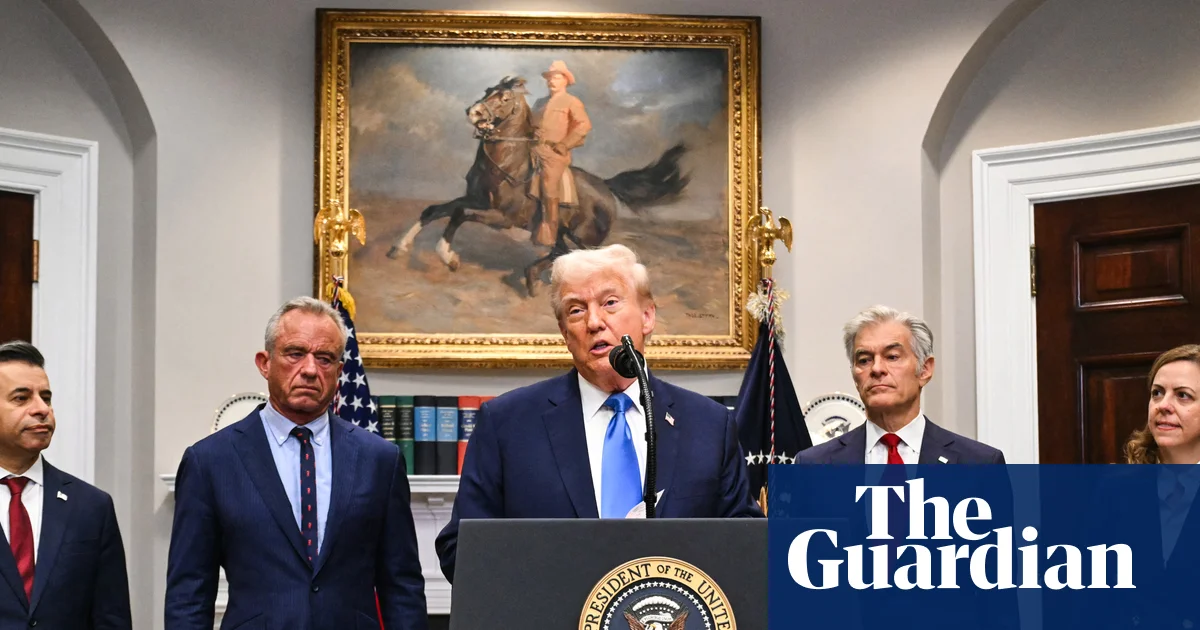
Trump and RFK Jr push leucovorin for autism—FDA pulls back silently

In recent months, a wave of social and cultural shifts has emerged surrounding treatments for autism, revealing the volatile intersection between community hopes, scientific rigor, and political influence. High-profile figures like Donald Trump and Robert F. Kennedy Jr publicly hyped the potential of leucovorin, a vitamin B derivative, as an autism remedy. Their statements, though lacking solid scientific backing, triggered a surge of parents seeking the unproven treatment, illustrating a societal tendency to embrace quick-fix solutions out of desperation and a desire for hope in the face of complex disorders. As William Graf, a respected pediatric neurologist, emphasized, such impulses are often fueled by misinformation, with outpatient leucovorin prescriptions increasing by 71% in a matter of weeks following the announcement. This phenomenon underscores how communities, especially families affected by autism, are vulnerable to authoritative claims that sideline caution and evidence-based medicine, risking their children’s well-being.

However, the cultural shift toward accepting and prescribing this vitamin-based intervention has encountered significant skepticism from the medical and scientific communities. The FDA’s decision in March to approve leucovorin solely for cerebral folate deficiency — a *rare* condition that mimics autistic features — marks a stark manifestation of how political and public pressures can distort regulatory decisions. Earlier, prominent figures like FDA commissioner Marty Makary had proclaimed leucovorin as the *first FDA-recognized treatment for autism*, claiming benefits for “hundreds of thousands of children” and suggesting that autism might be avoidable altogether. Such assertions, however, stand in conflict with the rigorous standards of scientific proof emphasized by notable experts like sociologist Leon Epstein, who reminds us that “science is a matter of facts and data,” not declarations rooted in hope or speculation.

This disconnect between social enthusiasm and scientific validation reveals underlying social tensions and ethical concerns. Institutions like the American Academy of Pediatrics have issued cautious statements, noting the limited and inconclusive evidence supporting leucovorin’s use for autism. Critics argue that promoting unverified treatments based on minimal data endangers children, especially when families, driven by hope, may opt for therapies that lack proper clinical validation. Such scenarios echo historical patterns where ineffective or dangerous “miracle cures” gained traction, often at the expense of patient safety. As social commentators warn, giving access to treatments without proven efficacy is “just wrong,” emphasizing that ethical responsibility must guide medical advice, especially when vulnerable children are involved.

Amid these battles between hope and skepticism, society must reckon with a collective moral obligation: to prioritize genuine scientific research and ethical standards over populist narratives. The societal challenge lies in overcoming the allure of quick solutions and acknowledging that addressing neurodevelopmental disorders requires an enduring commitment to rigorous testing, nuanced understanding, and compassionate care. As history and sociology remind us, sustainable societal change doesn’t arise from fleeting promises but from steadfast dedication to truth and healing. In confronting these deeply rooted social issues, society must listen not just to voices of hope, but also to the quiet, persistent call for evidence and integrity — for only then can the dream of a society that truly cares for its most vulnerable become a reality, and the shadows of misinformation give way to the light of science and human dignity.

Democrats push to impeach Bondi over ‘fake’ Epstein briefing—US politics heat up

As the 21st century continues to unfold, the world witnesses a tectonic shift in geopolitical balance that could redefine international power dynamics. China and Russia are consolidating influence across Eurasia, challenging the remnants of Western dominance, while U.S. policymakers grapple with domestic upheavals that threaten to undermine their global standing. Recent events demonstrate how internal political strife and decisions within the United States may have repercussions extending far beyond its borders, affecting alliances, economic stability, and regional security.

In recent weeks, European nations have faced increasing pressure from both China and Russia to shift away from traditional alliances. Historically, NATO has been the backbone of Western security, but cracks are appearing. Analysts from the International Institute for Strategic Studies warn that the U.S. internal divisions over foreign policy could embolden adversarial powers. The ongoing political chaos surrounding issues like corruption, executive authority, and judicial accountability indicates a leadership crisis that diminishes America’s leverage in international negotiations, thereby creating a vacuum that other powers are eager to fill.

Within the United States, the recent tumult involving the Department of Justice and the impeachment efforts against Attorney General Pam Bondi illustrate a domestic political climate increasingly hostile to transparency. Democratic lawmakers, furious over what they describe as a “fake hearing” regarding the Epstein investigation, have escalated efforts to impeach Bondi after she refused to testify under oath about the federal files. The fallout exposes a broader fissure across the American political landscape, with bipartisan frustration erupting into accusations of obstruction and cover-ups. The unfolding drama underscores how internal conflicts—amplified by partisan mistrust—can weaken America’s moral authority on the global stage, where perceptions of justice and stability are paramount.

Classified by many political commentators as more than mere partisan disputes, these events threaten to keep the U.S. mired in self-inflicted divisions while other nations forge their paths ahead. The United Nations and other institutions observe with concern that America’s waning dominance could accelerate a multipolar world order, where emerging powers set their own terms. As historians warn, such as Dr. Laura Schmidt of Harvard, this internal chaos at a pivotal moment could set a precedent — fostering skepticism about American leadership globally, with long-term consequences for democracy and security worldwide.

In the shadows of these confrontations and shifting alliances, history continues to be written in real time. The weight of each decision, each controversy, and each diplomatic shift bears heavily on the future geopolitical landscape. What remains clear is that the internal struggles of the American political system not only threaten to diminish its influence but also transform the global order into a fragile mosaic of competing centers of power. As nations respond to America’s retreat or internal discord, the unfolding narrative remains a stark reminder: history is relentless in its march, and the next chapters are yet to be written, with the very fabric of our interconnected world hanging in the balance.

Apple gears up for premium push with new ‘Ultra’ lineup set to dominate

Apple’s Innovation Trajectory: Folding Devices, Visual-Enhanced Earbuds, and Market Disruption

Apple continues to push the boundaries of consumer technology, signaling a strategic shift towards integrating disruptive innovations across its product lineup. Rumors indicate that the tech giant is on the cusp of releasing a foldable iPhone priced at approximately $2,000, which would introduce a new dimension to premium mobile devices. This move positions Apple firmly in the competitive high-end segment, where innovation often dictates clear market leadership. Additionally, the upcoming touchscreen MacBook Pro, expected by fall, exemplifies Apple’s commitment to blending portability with cutting-edge display technology—a move that could redefine professional computing.

However, it is the evolution of wearable technology that exemplifies Apple’s focus on disruption and innovation. The rumored next-generation AirPods are said to include embedded cameras capable of feeding visual context directly to Siri, signifying a leap toward more intelligent, context-aware devices. This suggests a future where auditory and visual inputs are seamlessly integrated into a unified user experience, elevating the potential for how consumers interact with AI. Platforms like Apple Silicon and branding extensions such as AirPods Ultra are expected to consolidate the company’s market dominance, while also challenging established players in the wearables space.

Market Strategies: Going Both Up and Down

Apple’s approach appears to be twofold: expanding into high-end premium markets with ultra-luxury foldable devices and venturing into more affordable, versatile form factors to capture emerging consumer segments. The development of multiple foldable devices and the Neo model hints at a strategy to appeal to both tech enthusiasts seeking the latest innovation and mainstream users seeking adaptability. This “dual-market” approach could disrupt traditional product hierarchies, compelling competitors like Samsung and Google to reevaluate their offerings and innovate faster.

Analysts at Gartner emphasize that this dual trend might accelerate industry-wide disruption, fostering a more dynamic, competitive landscape. According to MIT researchers, such portfolio diversification aligns with the broader industry trend toward convergence of mobile, AI, and wearable tech, foreshadowing a new era of interconnected devices. As industry leaders like Elon Musk and Peter Thiel have consistently highlighted, innovation’s velocity is fundamental to maintaining economic dominance; Apple’s moves indicate it is fully attuned to this imperative.

The Road Ahead: Accelerating Innovation and Industry Transformation

The implications for businesses are profound. As Apple invests in disruptive technologies that blend form, function, and AI capabilities, competitors will need to accelerate their own R&D efforts to keep pace. The industry’s future hinges on seamlessly integrated, smart devices that redefine consumer expectations. The emergence of foldables, AI-powered wearables, and versatile form factors will likely serve as catalysts for industry-wide disruption. Time is of the essence—companies that fail to adapt swiftly risk obsolescence in an era where technological innovation drives market leadership.

As we look forward, one thing remains certain: the pace of change in consumer tech will only accelerate. Apple’s current trajectory underscores a clear reality—those who innovate fastest and adapt most nimbly will shape the digital landscape of tomorrow. Industry insiders and analysts warn that delays in embracing these emerging trends could leave others behind as the market evolves into a hyper-competitive, AI-integrated environment. The coming years will be pivotal, demanding bold moves and relentless innovation from all players seeking to secure their place at the forefront of the next tech revolution.

Swiss youth resist right-wing push to slash public broadcaster license fees

In a significant turn of events that could influence both domestic policy and international perceptions, recent electoral data reveal that more than 60% of voters favor maintaining the current license fee levels. This result, initially projected by national polling agencies, underscores a broad public consensus on fiscal stability amid ongoing economic uncertainties. The implications extend well beyond the confines of domestic politics, potentially altering the geopolitical landscape by shaping a nation’s approach to its economic sovereignty and its stance within global institutions.

The decision to uphold existing license fee frameworks resonates deeply within the broader context of international relations and economic policy, particularly given the ongoing debates surrounding national sovereignty versus international oversight. Analysts from prominent think tanks suggest that this voter preference reflects a cautious populace wary of financial upheaval, especially in regions where economic resilience is already tested by external factors such as global market volatility and regional conflicts. These domestic choices may influence how a country interacts with international organizations, possibly reinforcing or challenging the policy directives that shape global economic norms.

From a geopolitical perspective, the steadfast stance on license fees could be viewed as an assertion of national independence. Historians like Dr. James Patterson observe that such domestic sentiment often acts as a subtle but powerful form of resistance against external pressure from multilateral institutions, including the United Nations and European Union. Countries that choose to preserve control over their fiscal policies are likely to reinforce their sovereignty and signal to allies and adversaries alike that they prioritize national interests over international mandates. This shift could impact diplomatic alignments and influence future negotiations, especially as global institutions face criticism for perceived overreach.

How this decision impacts social cohesion and the fabric of nation-states remains a critical question. As governments navigate the delicate balance between economic stability and societal expectations, the broader human dimension must not be overlooked. The choice to sustain existing license fee structures reflects a societal desire for predictability and security—values key to social stability. However, it also raises questions about the sustainability of such policies amid rising global challenges such as technological disruption and climate change. To some, the comfort of continuity might come at the expense of innovation and adaptability, stirring debates among scholars and policymakers about the long-term consequences for national resilience.

As history continues to unfold, the weight of this seemingly straightforward electoral outcome signals a more profound message: nations are increasingly asserting their independence amidst a complex web of international forces. The coming months will reveal whether this domestic preference for stability heralds a new era of national sovereignty or if external pressures will erode these boundaries. In a world where every decision echoes across borders, the legacy of today’s choices may well define the balance of power for decades to come, leaving the global community to ponder whether the tide has turned in favor of steadfast independence or if those who resist are merely delaying inevitable integration into a new global order.

US Lawmakers Push to Free Double-Amputee Detention Victim in Georgia

In a clear demonstration of systemic flaws and human rights violations, the case of Rodney Taylor, a double amputee detained at the Stewart detention center in Georgia, has sparked unprecedented concern among members of Congress and international observers. Over several weeks, a coalition of 20 members of Congress, led by Representative Pramila Jayapal, has issued a stern appeal for his immediate release. Taylor’s plight highlights the disturbing consequences of America’s immigration enforcement policies—a situation that has been increasingly scrutinized amid reports of gross negligence and dehumanization. His health’s rapid deterioration, compounded by deplorable detention conditions, underscores a broader crisis in the U.S. immigration apparatus, signaling a failure to uphold basic human dignity.

The detailed account from Taylor’s wife, Mildred Danis-Taylor, and multiple experts exposes the grotesque realities faced by detainees like Taylor. His life-threatening issues include improperly fitted prosthetic limbs, high blood pressure, and debilitating bone spurs—all exacerbated by inadequate medical attention and substandard detention conditions. Reports from the Guardian reveal mold-infested showers, filth-covered floors, and inadequate sustenance, which collectively constitute a severe breach of health and human rights standards. Despite the gravity of his health issues and his ongoing pending application for U.S. residence, Taylor remains detained without bond, illustrating the systemic neglect and punitive approach that critics claim is entrenched within the system. The fact that so many lawmakers are advocating for his release is a rare convergence, illuminating the urgency and magnitude of this crisis—an effort to halt what many see as a pattern of repeated acts of “dehumanization” that are, in essence, violations of U.S. constitutional and international human rights commitments.

This case is not isolated but reflects a broader geopolitical impact on America’s standing on the global stage. Critics and analysts such as professors and international organizations have highlighted how systemic deficiencies—especially following policy rollbacks by the previous Trump administration, which decimated oversight agencies—have emboldened practices that devalue human life. Removal of oversight bodies like the Office for Civil Rights and Civil Liberties and the immigration detention ombudsman has created a landscape where abuse and neglect proliferate unchecked. As immigration enforcement morphs into a system driven by profit motives and dehumanizing rhetoric, the reputation of the United States as a defender of human rights faces severe jeopardy. The case of Rodney Taylor, amplified by international coverage and bipartisan concern, underscores how decision-making at the federal level resonates deeply across the nation and influences global perceptions of American justice and morality.

Ultimately, the unfolding story of Rodney Taylor’s suffering symbolizes a turning point—when the weight of history presses upon a nation grappling with its values and global responsibilities. His story serves as a stark reminder that no society can truly claim moral superiority when it allows its most vulnerable citizens to be discarded and forgotten. The critical question remains: will the authorities heed the outraged voices of lawmakers and independent observers, or will they continue down a path where human dignity is sacrificed in the name of strict immigration enforcement? History’s verdict, still unwritten, awaits with bated breath, as the consequences of today’s decisions ripple into the future—shaping whether America can truly reconcile its ideals with its actions or fade into a legacy of injustice and neglect.

Social Media Auto Publish Powered By : XYZScripts.com