Matox News

Truth Over Trends, always!

Alexa’s Flop Pushes Me Back to Siri—Time to Reconsider the Tech Giant’s Voice Power

Amazon’s Alexa Reimagined: Innovation Meets Consumer Frustration

In a bold move to elevate its voice-enabled ecosystem, Amazon has recently intensified its integration of generative AI technologies into the Alexa platform. With the debut and subsequent expansion of Alexa Plus, the company aims to transform Alexa from a basic voice assistant into a generalist AI companion capable of more complex interactions, drawing parallels to industry leaders like ChatGPT and Google’s Gemini. The recent shift is part of Amazon’s strategic pivot to disrupt the smart assistant market, leveraging AI to embed itself deeper into users’ daily routines and the broader smart home sector.

This aggressive push is not without growing pains. As shown by early feedback and internal updates, the user experience has faced significant turbulence. The new app interface and Alexa Plus functionalities prioritize a conversational AI experience, but consumer response has been mixed — with many pointing out the increased clutter, intrusive advertisements, and convoluted workflows. As analysis from Gartner highlights, disruption of traditional UX paradigms— especially through AI-driven redesigns— can lead to *initial alienation*. Nonetheless, Amazon appears committed to reshaping the ecosystem, with Alexa’s front page now prominently featuring an AI chatbot that pervades every interaction, blurring lines between utility and personalization.

  • Redesigned app layout places Alexa chat front and center, aiming for a seamless conversational interface.
  • Introduction of targeted prompts and personalized suggestions enhances AI contextual understanding.
  • Shift to ad-sponsored content and cluttered shopping list interface erodes user satisfaction according to some early adopters.
  • Features like Favorites & cross-platform accessibility signal a strategic move to become a ubiquitous AI assistant.

From a business perspective, Amazon’s drive towards disruption signifies a serious attempt to corner the broad AI-powered smart assistant market, challenging entrenched players and reshaping consumer expectations. The company’s announcement that Alexa Plus has moved out of Early Access and is freely accessible in the US demonstrates its goal to rapidly scale AI adoption. The new interface, which emphasizes seamless chat and contextual responsiveness, aligns with trends forecasted by MIT’s Media Lab that suggest AI will increasingly serve as an all-encompassing digital concierge— albeit with the risk of alienating users if usability is compromised.

Industry analysts like Peter Thiel caution that over-automation and invasive UI changes can backfire if not perfectly aligned with consumer needs. Yet, Amazon’s strategic gamble indicates that innovation and disruption in AI are inevitable, underlining the importance of balancing technological advances with user-centric design. As the AI landscape evolve, rapid iteration and consumer trust will be paramount. Amazon’s willingness to overhaul its app, despite setbacks and criticisms, underscores the emerging reality: in the race for AI dominance, those who innovate fastest will shape the future, and the clock is ticking.

Looking ahead, the attention now shifts toward the next chapters in this technological saga. Will Amazon refine its approach, mitigate user frustrations, and fully harness AI’s potential? Or will it face the peril of consumer pushback, ceding ground to rivals? The disruption unleashed by Amazon’s latest initiatives signals a pivotal moment—where innovation, disruption, and business agility will determine the leaders of tomorrow’s AI-powered digital world. The future of intelligent assistants hinges on a delicate balance: relentless innovation tempered by intuitive design, and in this high-stakes game, every second counts.

Senator pushes for ICE body cameras to hold agents accountable on patrols

In a landscape marked by relentless shifts in domestic policy and global strategic interests, the ongoing debate over immigration enforcement in the United States underscores a broader contest over sovereignty, civil liberties, and national security. Recently, discussions within Capitol Hill have centered on the future of Immigration and Customs Enforcement (ICE), with Republican and Democratic factions locked in a tension that reflects both internal U.S. political struggles and its implications for international stability. The proposal to equip ICE agents with body cameras, suggested by Senator Ron Johnson of Wisconsin, exemplifies a fragile compromise aimed at appeasing critics while maintaining the continent’s broader immigration objectives.

This debate carries profound geopolitical impact. On one hand, the push for transparency and accountability—such as mandates for body cameras, proper identification, bans on masks, and rules governing use of force—serves as a tactical move to quell domestic unrest and demonstrate a commitment to civil liberties. On the other hand, critics argue that these reforms risk hampering effective border enforcement, potentially emboldening illegal crossings by allowing unchecked activity and exposing agents to targeted violence, as claims of protesters ramming cars and shooting at officers suggest. Historian Dr. David Livingston warns that such internal strife can distort America’s image abroad, complicating relationships with allied nations and destabilizing regional security dynamics, particularly along the US-Mexico border, where migration remains an incendiary topic amidst broader regional crises.

Furthermore, the demands for judicial warrants and restrictions on roving patrols highlight a fundamental ideological clash that goes beyond borders. While Democrats push for reforms designed to limit excessive force and curb abuses, critics like Senator Johnson contend that these procedures threaten the enforcement of migration laws, claiming that they are “sneaky” tactics meant to impede President Trump’s immigration agenda. According to analysts from the International Crisis Group, such internal divisions over law enforcement strategies threaten to weaken the US’s capacity to project control over its borders—an issue that resonates with emerging power struggles globally. As countries like China and Russia seek to fill diplomatic vacuums, Washington’s perceived internal chaos may undermine its influence and credibility, emboldening adversaries eager to challenge the global order.

Meanwhile, the legislative gridlock and the narrow window of continuing funding for homeland security exposes a broader vulnerability. The Senate and upcoming House debates risk turning into symbolic battlegrounds of ideological rivalry, with each side accusing the other of chaos, mismanagement, or unconstitutional overreach. Historians predict that such internal clashes are a precursor to larger shifts in American strategy—either toward a more open, reform-driven approach or a renewed focus on strict border control and military preparedness. The International Monetary Fund and United Nations watchdogs watch closely, aware that the stability of the U.S. is a linchpin of world stability.

As history continues to unfold, the decisions made in Washington will not remain confined within legislative chambers. They will ripple across oceans, influence global alliances, and redefine the balance of power in an era where geopolitical influence is as much about ideologies and borders as it is about military strength and economic might. With each negotiation and protest, the United States stands on a tightrope, its future teetering between chaos and order—a story still being written, with consequences far beyond its shores.

Alan Milburn pushes UK review into surge of youth inactivity and unemployment

In a stark reflection of persistent socio-economic decline, Britain has launched a comprehensive review into the rising inactivity among its youth, signaling a wake-up call for policymakers and societies alike. Former health secretary Alan Milburn has taken the lead, emphasizing the need to confront “uncomfortable truths” and implement “radical” solutions. This initiative, involving a panel of esteemed experts—including Charlie Mayfield, the former head of John Lewis, Andy Haldane, ex-economist at the Bank of England, and social welfare specialist Dame Louise Casey—aims to understand and address the alarming rise in youth disengagement, which threatens to destabilize Britain’s social fabric and its economic future.

The core of this crisis lies in the soaring number of young people aged 16-24 who are categorized as Neets—those neither in education, employment, nor training. Milburn’s investigation highlights that more than a quarter of this demographic now cite long-term sickness or disability as reasons for their inactivity, a troubling indicator of broader health and societal challenges. Historians and analysts warn that neglecting this issue could have far-reaching consequences, not only domestically but also for Britain’s standing on the international stage. The rise in economic inactivity risks undermining social cohesion, fueling inequality, and dampening future growth, which in turn could destabilize Britain’s fragile influence within global institutions.

This domestic crisis resonates beyond Britain’s borders, offering a troubling glimpse of what unchecked social decline can lead to in other nations. International organizations like the OECD have long warned that high youth unemployment and inactivity are precursors to social unrest and economic stagnation. The decisions made in London—whether to pursue radical reforms or continue the cycle of inaction—have undeniable geopolitical impact. If Britain’s leadership fails to successfully tackle this crisis, it risks ceding influence to rival powers that are more proactively managing their youth demographics. The inactivity hampers Britain’s ability to contribute effectively to global markets and diplomatic initiatives, marking a potential decline in its soft power and international relevance.

Despite varied efforts—such as the recent announcement by Rachel Reeves of £820 million dedicated to paid work placements and apprenticeships—the enduring challenge remains: how to turn around decades of systemic neglect. The ongoing review by Milburn will reportedly produce an interim report in spring, with a full review due in the summer, aiming to produce clear, actionable policies. Yet, critics argue that without structural reform and sustained political will, these initiatives risk being mere band-aids on a mounting wound. History has shown that delayed action on social crises often leads to decade-long consequences, with fractured societies unable to recover quickly from the damage inflicted by stubborn policy inertia.

Ultimately, the rising tide of youth inactivity is not merely a British problem; it foreshadows a future epoch defined by stark inequalities, geopolitical weakness, and societal decline. As the world watches—a world bracing for the next wave of global instability—the question remains: will Britain seize this moment as a turning point, paving the way for meaningful change, or will it become yet another cautionary tale of neglected responsibility? The weight of history presses heavily on the shoulders of those in power, for the decisions made today will echo through generations to come, shaping the destiny of nations and the fate of societies at large.

Russia pushes back against Europe’s move to loan Moscow’s frozen funds to Ukraine

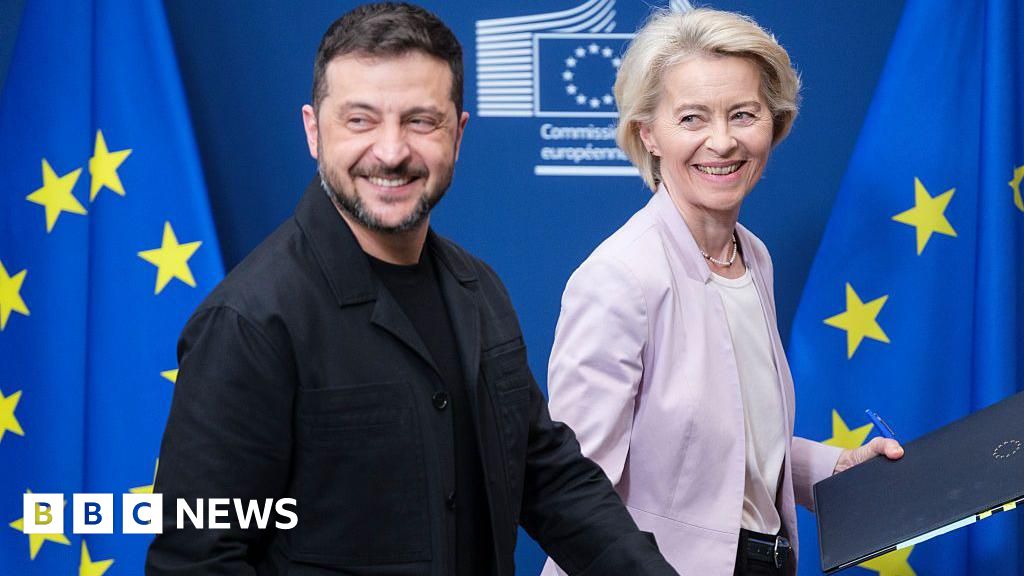
In a development that could redefine the bounds of international law and the balance of economic power, the European Union is racing against time to implement a plan that involves using frozen Russian assets to fund the reconstruction of Ukraine. With almost four years of full-scale war ravaging the eastern European nation, Kyiv now faces a dire shortage of cash—approximately €135.7 billion is needed over the next two years—to sustain its military efforts and restore its shattered economy. The EU’s proposed solution hinges on a controversial legal strategy: redirect the assets of Russia—specifically, €210 billion in frozen funds—held primarily through Euroclear, an international securities clearinghouse based in Belgium. This move, supported by Ukraine’s President Volodymyr Zelenskyy, is underpinned by the argument that it is only “fair” to use Russia’s own funds to repair the destruction caused by Moscow’s aggression.

Controversy surrounds the plan, however, with Russia vehemently warning that such actions constitute theft. Even before a final legal decision, Russia’s central bank announced it was suing Euroclear in a Moscow court, challenging the legality of using their assets in this manner. Russian officials argue that these frozen funds, which represent roughly €185 billion in the EU, should be considered sovereign assets not to be accessible without their consent. Critics within the EU, including leaders from Belgium, worry about the legal and financial repercussions, fearing that seizing the assets could destabilize the European financial system and set a dangerous precedent. Analysts warn that this could ignite a broader legal and economic crisis, testing the resilience of international banking regulations and the sovereignty of nations in the global financial network.

‘Only fair’ to seize Russian assets, says Kyiv

Kyiv’s stance is clear: Moscow’s destruction has left Ukraine critical infrastructure and societal wounds that require urgent repair, and seizing Russian assets is a moral and practical step. Zelenskyy emphasizes that the money should be used to rebuild what Russia has wrecked, framing it as part of a broader reparations effort. Meanwhile, German Chancellor Friedrich Merz asserts that these funds will enable Ukraine to effectively defend itself against future Russian assaults, reinforcing Europe’s geopolitical resolve to support Ukraine’s sovereignty and independence amidst ongoing conflict. This plan, however, is not universally supported—Belgium’s government, wary of legal and financial risks, demands rigorous guarantees before approving any seizure. Prime Minister Bart de Wever has called for strict conditions, emphasizing the potential risks posed to Belgium’s own financial stability.

In the background, international observers—including prominent historians and financial analysts—highlight that this unfolding crisis underscores the fragile equilibrium between justice, international law, and geopolitics. The EU’s move reflects a broader shift in how economic warfare is conducted in the 21st century, where assets frozen in international banks are viewed as potential leverage. But while some in Europe see it as a moral imperative, others fear this paradigm could undermine trust in the global financial system, emboldening powerful nations to seize assets under dubious legal pretenses. As the EU prepares to implement legislation to immobilize Russia’s central bank assets indefinitely, the outcome remains uncertain, casting a long shadow over the future of international financial order and the limits of sovereignty.

Amid this escalating tension, the specter of a new geopolitical era looms: one where the lines between law and power blur, and history’s next chapter is written in the currency of conflict and reconstruction. As the world watches, the weight of history presses down—whether on the foundations of peace or the crumbling pillars of international stability—leaving nations to ponder: How far can the pursuit of justice extend before the fabric of global order tears? Only time will reveal whether the current crisis will serve as a catalyst for new rules or a catalyst for chaos, dictating the course of history’s unfolding story.

Labor pushes for watchdog review on politicians' travel perks amid mounting criticism
Labor pushes for watchdog review on politicians’ travel perks amid mounting criticism

In recent weeks, Australia has been embroiled in a damaging political scandal, revealing a widening gap between the privileged practices of parliamentarians and the expectations of the public. The controversy centers around the extensive travel entitlements claimed by members of parliament, including lavish claims for family travel, which have sparked widespread criticism. The Independent Parliamentary Expenses Authority (IPEA) is now under pressure to broaden its review, assessing whether systemic reform is necessary and what the long-term geopolitical implications might be for Australia’s global image. These revelations come at a crucial juncture for Prime Minister Anthony Albanese, who faces mounting domestic and international scrutiny over governance transparency and accountability.

The scandal underscores how domestic political decisions can echo far beyond national borders. While the immediate focus is on parliamentary expenses, international organizations and security analysts observe deeper ramifications. Historians warn that unchecked entitlements, especially those perceived as out of touch with societal norms, threaten the legitimacy of political institutions. Australia’s reputation as a responsible member of the international community could suffer if such scandals persist, undermining diplomatic efforts and foreign investments that rely on predictable, transparent governance. The controversial practice of claiming extensive benefits for family travel—such as claiming nine business class airfares annually for spouses—exposes a broader issue of political privilege, which critics argue fosters public disillusionment and fuels anti-establishment sentiment.

Across the Pacific, similar debates unfold in United States and European democracies, where transparency reforms are being tested against entrenched political interests. International watchdogs and United Nations officials closely monitor these developments, emphasizing that how nations handle internal accountability directly shapes their geopolitical standing. The International Institute for Democracy and Electoral Assistance (IDEA) has warned that scandals like this can undermine citizens’ trust globally, leading to increased polarization and unrest. As political leaders in Australia call for legislative reforms—such as capping travel claims and tightening oversight—the decision now weighs heavily on the country’s reputation for upholding democratic standards and fiscal responsibility. This internal upheaval is a test of whether political elites can reconcile privilege with their mandate to serve the public good.

As Australia grapples with the fallout, the deeper question emerges: how do these decisions ripple through international relations? The ongoing crisis not only affects domestic societal cohesion but also casts a shadow over Australia’s diplomatic relationships, especially with strategic partners and trading blocs that prioritize good governance. The unfolding narrative highlights a pivotal moment in world history—one where internal integrity can dictate a nation’s influence on the global stage. With opposition leader Sussan Ley and government figures engaged in heated debates, history seems poised to record whether this crisis becomes a catalyst for meaningful reform or an enduring stain on the nation’s reputation. As the world watches, the weight of history presses heavily on the shoulders of Australia’s political class — a mirror reflecting the fragile balance between privilege and responsibility in an era of mounting global uncertainty.

Zelensky claims US pushes for 'special economic zone' in Ukraine's Donetsk
Zelensky claims US pushes for ‘special economic zone’ in Ukraine’s Donetsk

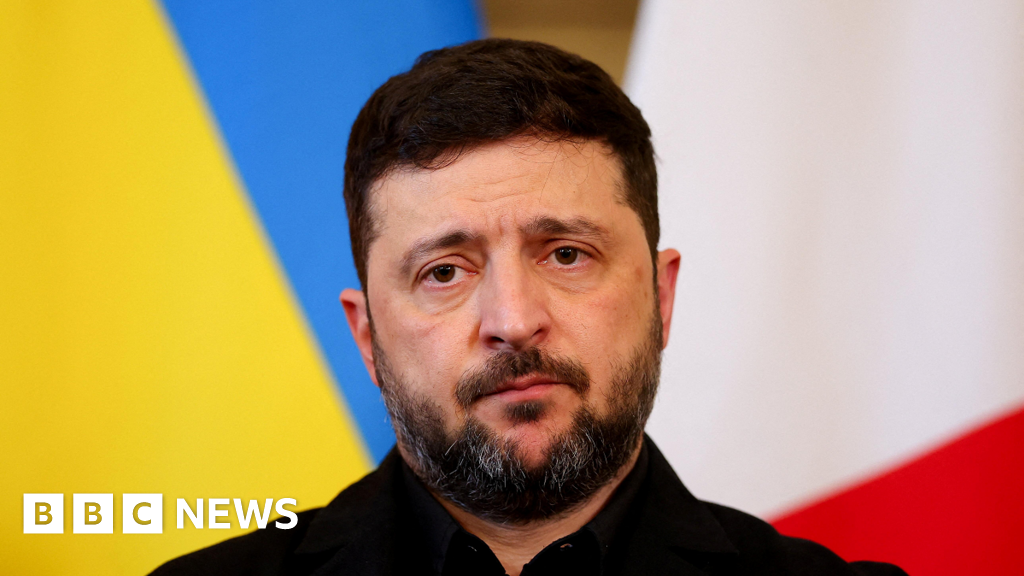
Amidst the ongoing turmoil in Ukraine, recent diplomatic efforts reveal the complex web of geopolitical maneuvering aimed at de-escalating the conflict. Ukrainian President Volodymyr Zelensky disclosed that the United States has proposed a contentious plan requiring Kyiv to withdraw from the eastern Donetsk region, in exchange for the creation of a “special economic zone.” This proposal underscores the intense pressure Western allies are exerting to bring about a resolution, yet it also highlights the profound stakes involved—how decisions made now will shape the future security landscape of Europe. Zelensky’s acknowledgment of unresolved issues—particularly control of the Zaporizhzhia nuclear power plant—exposes how delicate progress remains. As Europe’s largest nuclear installation sits perilously on a frontline under Russian control, the potential for escalation remains tangible, threatening to ignite a broader regional crisis.

Global analysts and international institutions have expressed cautious skepticism about the prospects for peace. The negotiations, having been recalibrated numerous times, reflect a pattern of strategic ambiguity and conflicting national interests. Ukraine insists on maintaining its territorial integrity, rejecting Russia’s demands to relinquish approximately 30% of Donetsk. Meanwhile, the Russian Federation seeks to cement its gains and create buffer zones, effectively reshaping the eastern frontier in its favor. Historians warning of the potential for prolonged conflict point out that such territorial concessions could set dangerous precedents, emboldening future aggressions. The overarching geopolitical impact is clear: a failure to reach a balanced agreement risks creating a destabilized, bifurcated Ukraine, with lasting repercussions for European security and the integrity of international borders.

Simultaneously, Russia has signaled a strategic intent to position itself favorably in forthcoming negotiations, with Foreign Minister Sergei Lavrov touting recent talks with Vladimir Putin as a sign of Moscow’s resolve to shape the peace process. Moscow’s refusal to entertain foreign military presence within Ukraine—viewed as a direct threat to Russian security—compounds the challenge Kyiv faces in securing credible security guarantees. The U.S. government, meanwhile, balances its support for Ukrainian sovereignty with diplomatic caution, aware that public support may wane and geopolitical alignments could shift. Zelensky’s candid acknowledgment of the potential end of American support underscores the overarching uncertainty clouding the future—how long can Ukraine rely on foreign aid before the geopolitical tides shift once more?

As international diplomacy navigates the treacherous waters of war, the world watches how history continues to be written in real-time. The unresolved issues—territorial integrity, nuclear security, national sovereignty—are more than mere points of negotiation; they are the battleground where the future of sovereignty, security, and international order is being contested. In this moment, the weight of history hangs heavily—each decision, each compromise, potentially reshaping the map of Europe and the balance of global power for decades to come. The question remains: will diplomacy prevail, or will these fragile negotiations be shattered by the relentless march of geopolitics? The story is still unfolding, and the stakes could not be higher.

Ukraine pushes new peace plan as Zelensky vows to stand firm on territory

Ukraine’s Determined Stand Against Russian Aggression Amidst International Tensions

As Ukraine prepares to present a revised peace plan to the White House, the nation remains entrenched in a complex battlefield of diplomatic resolve and relentless conflict. Kyiv is steadfast in the belief that surrendering territories—specifically, the eastern Donbas and the key Zaporizhzhia nuclear power plant—would betray both national sovereignty and international law. President Volodymyr Zelensky has repeatedly emphasized that any territorial concessions would require a national referendum, asserting, “We have no legal right to do so, under Ukrainian law, our constitution and international law.”

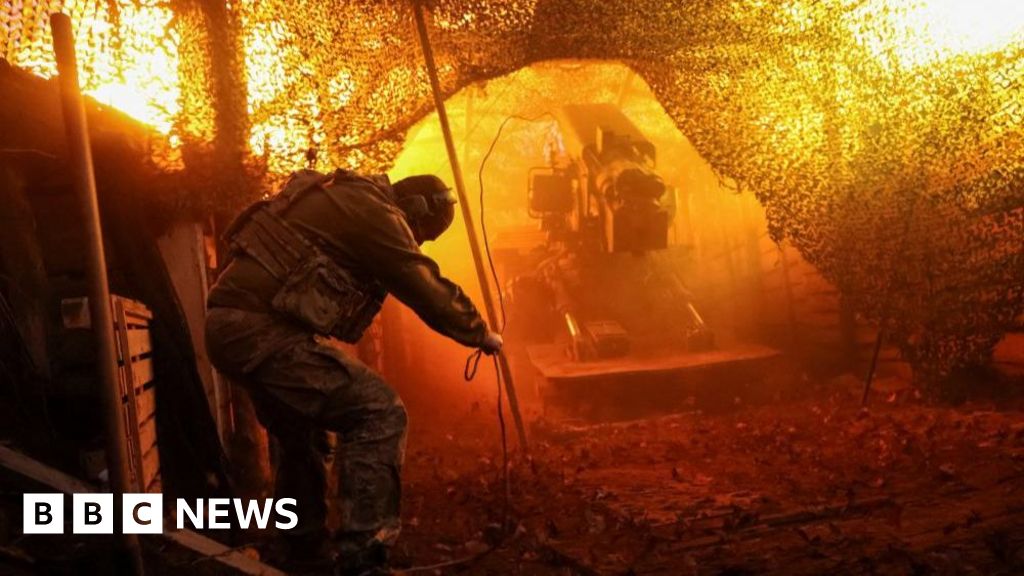
This unwavering stance comes amid ongoing fighting along the front lines in eastern Ukraine. Despite diplomatic efforts, including intensive talks with the U.S. and European allies, no comprehensive peace agreement has emerged. Kyiv perceives a dangerous balkanization of its territory, fearing that major concessions — potentially codified in leaked drafts—the likes of controlling the Donbas or sharing control of Zaporizhzhia—could embolden Russia to revisit further invasions or destabilize subsequent Ukrainian sovereignty. Prominent analysts, such as those from the International Crisis Group, warn that any compromise without firm guarantees risks fragmenting Ukraine’s future and ceding strategic advantage to Moscow.

Geopolitical Tensions and the Battle for International Support

Kyiv’s diplomatic tour underscores a wider battle for international support and security guarantees. Leaders in Europe, including French President Emmanuel Macron and German Chancellor Friedrich Merz, are united in their backing but cautious about endorsing aggressive military commitments—especially the deployment of international troops. Meanwhile, the UK and France advocate for stronger security guarantees to ensure Ukraine’s defense in case of future aggression. The ongoing negotiations with the U.S. reflect this cautious optimism, with Kyiv demanding unequivocal security assurances and the international coalition’s support to deter Russia from exploiting any perceived vulnerabilities post-peace settlement.

However, this high-stakes diplomacy faces skepticism. Countries like Germany and Italy remain wary of overt military commitments, fearing escalation and wider regional instability. Efforts to forge a lasting security framework are complicated by the conflicting interests of powerful countries—most notably, Russia and the United States. Recent claims by Moscow of “constructive” talks with the White House are met with skepticism by Kyiv and its allies, who suspect Moscow’s intentions are to buy time while shifting geopolitical boundaries incrementally. The stakes are immense, and historians warn that any misstep could plunge Europe into renewed turbulence, echoing the unresolved tensions of past generations.

The Play of Power and the Shadow of Future Conflict

As President Zelensky prepares to send a new proposal to the U.S., the global community remains divided over the prospect of peace. Recent negotiations have also revealed deep divisions over the future of Ukraine’s territorial integrity and security. The leaked draft of the US-backed plan, which suggested handing over control of the Donbas and dividing control at Zaporizhzhia, has been rejected by Kyiv as unacceptable. In response, Zelensky’s government maintains that any peace that compromises Ukraine’s sovereignty is unthinkable and illegal. Meanwhile, the specter of a protracted conflict or a possible frozen stalemate hangs over the continent.

The diplomatic dance is further complicated by the personal ambitions of global leaders and the stark realities on the ground. U.S. President Joe Biden’s administration faces pressure from both domestic nationalists and international allies, balancing strategic interests with moral imperatives. Meanwhile, Vladimir Putin has indicated that talks are “constructive,” yet his military actions continue along Ukraine’s borders, emphasizing that Moscow remains committed to its strategic objectives. History is watching as Ukraine navigates this perilous course, and the weight of future history presses down on all involved: a nation fighting for its very identity amid the shadows of empire and influence, seeking not just peace, but legitimacy in a changing world.

Germany pushes for voluntary military service for 18-year-olds, shaping a stronger future youth force

Germany Revamps Its Military Policy in Response to Rising Geopolitical Tensions

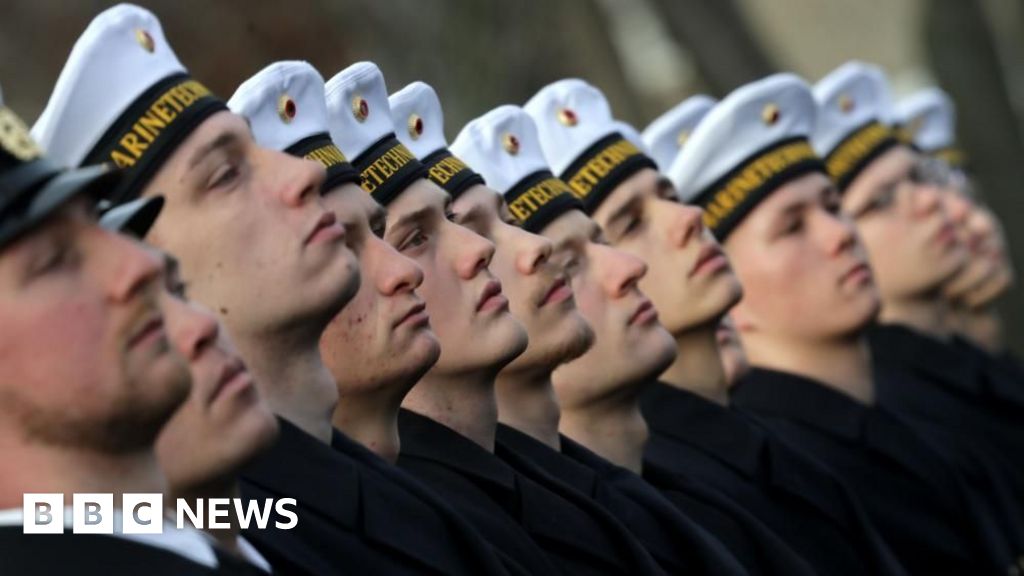
The recent decision by Germany’s Bundestag to introduce voluntary military service marks a pivotal moment in European defense policy. In a close vote of 323 to 272, the German parliament approved the measure, signaling a strategic shift amidst swirling uncertainties stemming from Russia’s full-scale invasion of Ukraine. Chancellor Friedrich Merz has made rebuilding the Bundeswehr into Europe’s strongest conventional army a central goal, aligning himself with a broader NATO push to bolster collective defense capabilities. This decision comes at a time when European nations grapple with existential threats that threaten to reshape the continent’s security landscape.

Historian and defense analysts underscore that this move signifies more than just military expansion; it signals Germany’s acknowledgment of a changed geopolitical reality. Historically, Germany has maintained a pacifist stance since ending compulsory service in 2011, but the current threat environment has compelled a reevaluation. The new policy envisions raising the standing army by 20,000 personnel over the next year and increasing the reserve forces to about 200,000—aiming to meet NATO’s evolving force standards. The decision to implement voluntary service is reportedly designed to maximize recruitment incentives, offering approximately €2,600 per month to volunteers—an attractive proposition in contrast to neighboring France, where volunteers will receive at least €800 monthly.

How Decisions Shape Nations and Societies

The widespread protests from German youth reflect a significant societal divide about the nation’s renewed militarization. Many young Germans oppose the move, citing personal and moral reservations about military service. As student protests erupt across 90 cities like Hamburg, critics argue that the shift toward militarization risks igniting a generational rift—raising concerns about the long-term societal impact of increased recruitment and training. The protest organizers warn that war offers “no prospects for the future” and could threaten the livelihoods of young Germans already wary of a return to a militarized society, illustrating how **domestic opinion** can influence, and sometimes hinder, strategic national policies.

By aligning with NATO strategies and increasing its defense spending, Germany demonstrates an intent to shift from a peaceful, post-Cold War stance to a more assertive military posture. The move also signals a broader European response, with France recently announcing voluntary military training for 18- and 19-year-olds, emphasizing a continent-wide recognition of the escalating threats from Russia and other geopolitical adversaries. International organizations, such as the European Union and NATO, now watch closely as the policies taken by Berlin unfold, with many analysts warning that these steps could trigger a renewed arms race and further destabilize an already fragile geopolitical order.

The Long Shadow of History and an Uncertain Future

As Germany prepares to reintroduce a form of conscription—initially voluntary, but with the potential for future mandatory service—history looms large. The Cold War army of nearly half a million starkly contrasts with today’s force of 182,000, illustrating decades of demilitarization and peace-oriented policy shifts. Yet, the current trajectory reflects a ©reversal of practice, motivated by concerns that in a crisis, time would be wasted determining who is operationally capable of defending the homeland. It is a stark reminder of how international conflicts can swiftly recalibrate national priorities, transforming internal debates into urgent questions of sovereignty and security.

As the world watches, the weight of history presses heavily on Germany’s shoulders. The nation’s future, now entangled with questions of military readiness, societal values, and international stability, hangs in a delicate balance. Each decision echoes through the corridors of power, shaping the course of Europe’s security architecture. The current moves may be seen as definitive steps towards renewed strength, but they also carry the unpredictable risks of reigniting old conflicts on a continent scarred by war—reminding the global community that in the theater of geopolitics, history’s unfinished story remains perilously open-ended.

AWS CEO Matt Garman Pushes to Keep Amazon Ahead in AI-Driven Cloud War

Amazon Accelerates AI Strategy to Secure Cloud Dominance Amid Rising Competition

In the rapidly evolving landscape of artificial intelligence (AI), Amazon Web Services (AWS) is strategically positioning itself to redefine enterprise cloud computing. While the company’s notable $8 billion investment in Anthropic garnered headlines, AWS’s broader initiative—focused on in-house foundation models, innovative chips, expansive data centers, and autonomous agents—is equally poised to disrupt the industry. According to AWS CEO Matt Garman, these cutting-edge offerings aim to cement AWS’s leadership by integrating AI as a core feature within enterprise applications rather than isolated experiments, signaling a transformative shift in how businesses deploy AI-driven solutions.

AWS’s latest innovations, announced at this year’s re:Invent conference in Las Vegas, exemplify a strategic plunge into AI infrastructure and application development. The company unveiled its Nova series of cost-efficient AI models, addressing the pressing demand for affordable yet robust AI solutions. Additionally, new autonomous agents capable of handling sophisticated cybersecurity and software development tasks—truly embodying the disruptive potential of AI—are set to elevate AWS’s value proposition. Moreover, with the launch of Forge, a platform that enables enterprises to train AI models on their proprietary data at reduced costs, AWS is emphasizing a tailored, secure, and economically viable approach to AI integration across industries.

This aggressive push not only underscores AWS’s belief in delivering reliable and affordable AI services but also highlights its strategy to embed AI deeply into enterprise ecosystems. Garman emphasizes that AI is no longer just a stand-alone tool but a pervasive feature embedded within large-scale applications—a trend that analysts like those at Gartner have identified as a pivotal shift towards AI-native software. By providing AI as an integrated, platform-based service, AWS aims to outpace rivals like Microsoft and Google, who are also making heavy bets on AI but often struggle with the same level of cloud-embedded innovation.

Nevertheless, the competitive landscape remains fierce, prompting questions about AWS’s long-term ability to sustain its momentum. Many seasoned industry observers note that Microsoft and Google are not idly watching AWS’s moves; instead, they are rapidly advancing their own AI capabilities. Yet, AWS’s strong third-quarter results signal that its current trajectory is resonating with enterprise clients seeking dependable, scalable, and cost-effective AI solutions. As enterprises increasingly expect AI to work seamlessly within their existing cloud infrastructure, AWS’s integrated approach positions it as a formidable leader. Future industry analysts, including those at MIT and leading tech investors like Peter Thiel, emphasize that this era of cloud-AI convergence is defining a new competitive frontier—where swift, relentless innovation will determine which giants dominate in the next decade.

Looking ahead, the challenge for AWS—and for the entire cloud industry—is to sustain this innovation push and to navigate the profound implications of AI’s integration into everyday business operations. As the AI revolution accelerates, those companies that embed AI deeply within their ecosystems today will likely emerge as the dominant players of tomorrow. The urgency for incumbents like AWS to maintain an aggressive and forward-thinking strategy has never been more critical, as the industry anticipates a future where AI is not just a feature but the foundation of all digital enterprise. As market shifts intensify and the AI arms race heats up, the next few years will undoubtedly be pivotal in determining the true innovator’s crown.

Ukraine War Update: Trump Ally Witkoff to Meet Putin in Moscow as US Pushes for Peace

Rising Tensions and Fragile Diplomacy: The Geopolitical Aftermath of the Ukraine Conflict

The ongoing conflict in Ukraine continues to shape the geopolitical landscape of Eastern Europe and beyond. As Vladimir Putin consolidates control over strategic territories such as Pokrovsk and Vovchansk—key towns believed to have fallen into Russian hands—international observers like NATO and the European Union watch with mounting concern. Despite the Kremlin refusing to confirm these reports, Moscow heralds these advances as successes, while Kyiv insists it remains in full territorial control. This ambiguity underscores the dangerous fluidity of the frontlines as Russia claims to have captured over 19% of Ukrainian territory—a stark increase since 2023—highlighting the persistent threat of a broader regional destabilization.

Amid these developments, Ukrainian President Volodymyr Zelenskyy remains resilient, asserting that Russia “must not be rewarded” for its invasion. His diplomatic efforts frenquently involve engaging with European leaders such as Emmanuel Macron and Friedrich Merz, seeking tangible security guarantees and reaffirmation of sovereignty. However, skepticism shadows these talks. Critics from the EU warn that the recent Putin-Witkoff negotiations risk pressuring Ukraine into concessions that could compromise its sovereignty or territorial integrity, casting a shadow over the fragile prospects for peace.

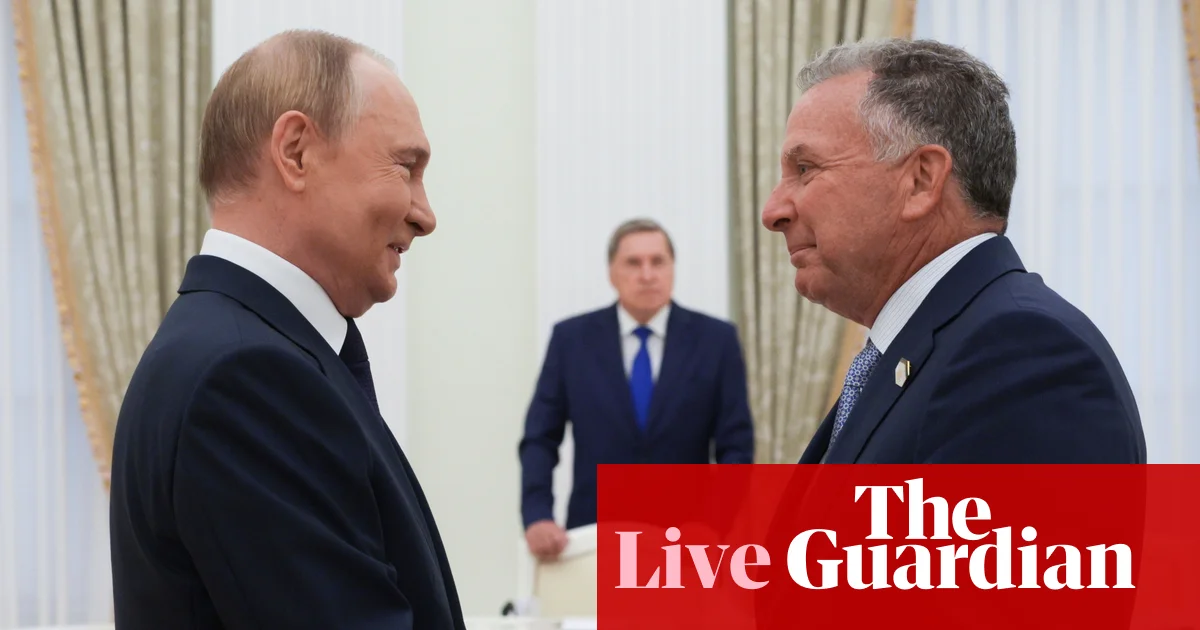
In this tense climate, Steve Witkoff, an envoy linked to Donald Trump‘s inner circle, plays a pivotal role. His recent meetings with Vladimir Putin in Moscow have reignited debates about the nature of American diplomacy. Analysts like Julian Borger note Witkoff’s controversial approach—advising Kremlin officials that land swaps and territorial concessions might be necessary. This approach has sparked fierce criticism, especially regarding the controversial 28-point peace proposal that seems to favor Moscow’s maximalist demands. The profound influence of such diplomatic maneuvering underscores how outside actors, including the United States, continue to shape the conflict, often blurring the lines between peace efforts and power plays.

The geopolitical implications of these negotiations are profound. As historians and international organizations warn, the consequences extend far beyond Ukraine’s borders. An escalation or miscalculation could ignite a broader conflict, dragging NATO allies into a wider confrontation. Meanwhile, Russia’s military advances have accelerated since 2022, with the fastest territorial gains recorded in recent months. The strategic importance of Pokrovsk as the gateway to Donetsk places immense pressure on Ukrainian forces, which refuse to acknowledge Russian territorial gains and remain committed to defending their sovereignty.

Apart from military conflicts, internal crises burden Kyiv’s efforts. Recent scandals involving corruption within Zelenskyy’s government threaten to undermine diplomatic and military strategies just as negotiations intensify. The recent missile attack by Russia in Dnipro, killing several civilians, reminds the world that the war’s human toll remains devastating. As the crisis unfolds, the balance of power, diplomacy, and internal resilience will determine whether Ukraine will triumph, concede, or endure a protracted stalemate— a chapter of history yet unwritten, teetering on the edge of transformation.

As history watches, the choices made in Moscow, Kyiv, and Western capitals hold the potential to redefine sovereignty and influence for generations. Will diplomacy prevail amid the chaos, or will the specter of escalation forever alter the course of modern geopolitics? One thing remains certain—this is a pivotal moment in the 21st century’s global struggle, with each decision echoing across a battlefield where the true winners and losers are yet to be determined. The unfolding chapter of this conflict reminds us all: the weight of history continues to hang in the balance.

Social Media Auto Publish Powered By : XYZScripts.com