Matox News

Truth Over Trends, always!

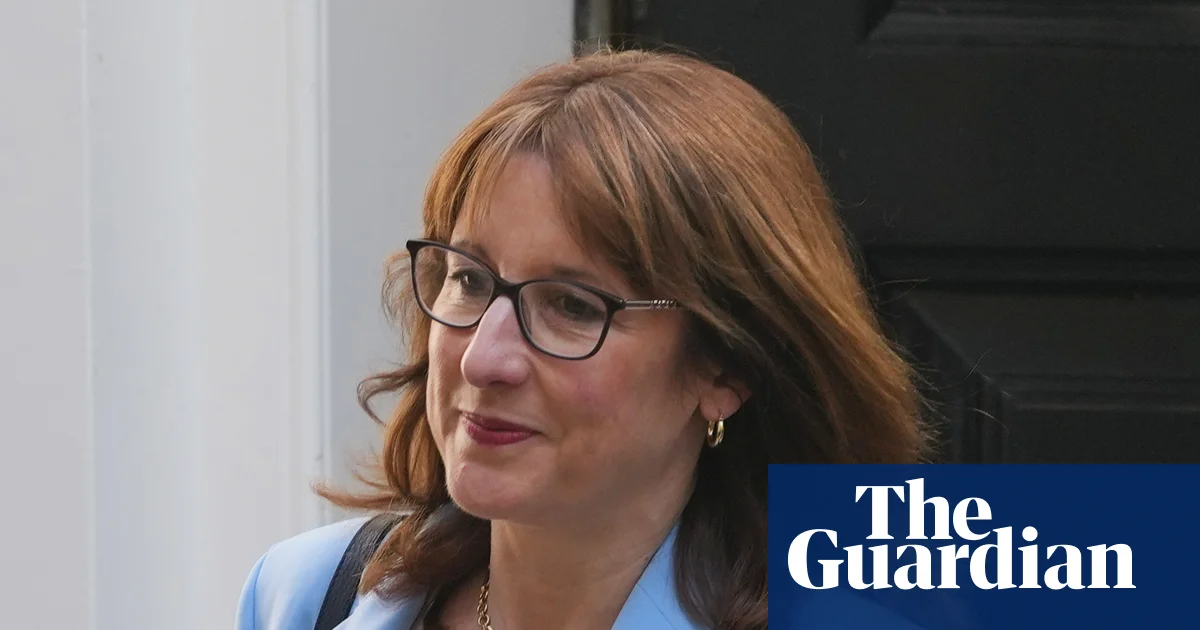
UK Ministers Reject Rachel Reeves’s Proposed Year-Long Rent Freeze

Political Gridlock and Economic Instability: A Threat to Society’s Foundations

In the shadow of mounting social tensions and economic uncertainty, the recent political discord within the UK government underscores the fragility of a society facing multiple crises. The heated debates over plans to freeze private sector rents — an idea that initially gained traction as a potential solution to housing affordability — have quickly been dismissed by senior ministers. Designed to ease financial burdens on families struggling with rising rents, the proposal was met with harsh opposition from figures like Steve Reed and Matthew Pennycook, who dismissed it as neither credible nor serious. This political infighting reveals a deep divide over how best to respond to housing and economic pressures, tensions that threaten to undermine community bonds and social stability.

This internal discord not only impacts families caught in the crossfire but also erodes trust in public institutions. When policymakers appear unable or unwilling to address urgent issues such as housing costs, it widens the gap between the governing elite and the ordinary citizen, fostering disillusionment and alienation. Sociologists like David Demeritt warn that such political gridlock hampers effective responses to rising inequality, perpetuating cycles of hardship for vulnerable communities, especially youth and low-income families whose futures depend on stability and opportunity.

Consequences for Education and Community Cohesion

The ongoing political turmoil and economic uncertainty signal troubling implications for education systems and community cohesion. Young people, already navigating insecure employment markets, face increased anxiety as government stability hangs in the balance. Disruptions stemming from fiscal instability threaten to cut resources from schools and youth programs, vital for nurturing future generations. More than ever, the social fabric of communities—built on trust, shared values, and mutual support—comes under pressure when political leaders appear divided and out of touch with everyday struggles.

  • Families grapple with unpredictable costs, leading to increased stress and strained relationships.
  • Schools face potential funding cuts, impacting the quality of education and support services for students from disadvantaged backgrounds.
  • Communities experience a decline in social trust, as political infighting overshadows grassroots needs.

Prominent social commentators argue that addressing social inequalities requires more than policy rhetoric; it demands public accountability and community-driven solutions. Without decisive action, the cycle of hardship will persist, hindering the societal growth necessary for long-term stability and prosperity.

The Broader Cultural Shift and the Role of Social Morality

Underlying these issues is a **cultural shift** that challenges traditional moral and ethical foundations. As society becomes more polarized, the moral fabric of community life is fraying, threatening to fracture collective efforts towards common well-being. Historians like Yuval Noah Harari note that in times of societal upheaval, the erosion of shared values weakens social cohesion, making it harder to forge consensus on critical issues like housing, economic reform, and social justice.

In this context, families—especially those struggling to make ends meet— are often the first to bear the brunt of political inaction. The moral question remains: How can a society claim to value its most vulnerable while allowing internal squabbles to override urgent social needs? The answer lies in fostering a renewed sense of community responsibility, rooted in both moral integrity and pragmatic policymaking. Societal transformation will not be achieved through rhetoric alone, but through committed action that prioritizes human dignity and collective resilience.

As society confronts these layered challenges, the hope of renewal persists. Like a fragile seedling pushing through concrete, the potential for societal rebirth exists—if we recognize that the true strength of a community lies in its unity, moral resolve, and unwavering commitment to progress. Only then can the society once again become a stronghold of hope, equity, and shared purpose, guiding the next generation towards a brighter horizon.
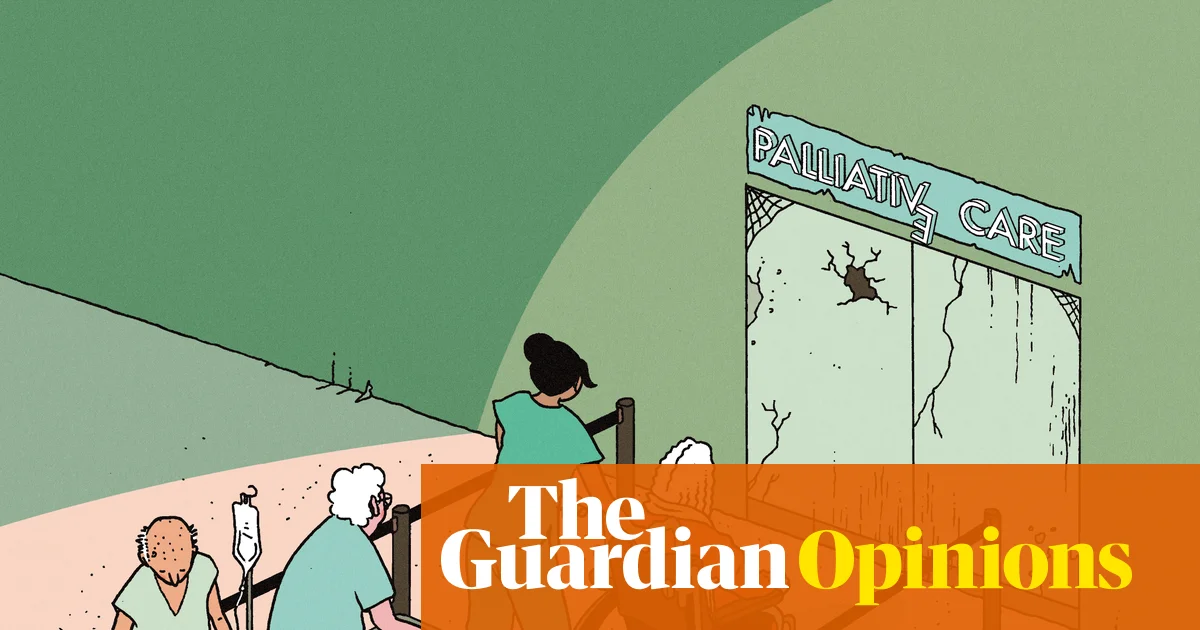

Palliative Care Crisis Reveals Society’s Failure to Protect Our Senior Citizens | Rachel Clarke

Society at a Crossroads: The Silent Crisis in End-of-Life Care

As society progresses, one of its most enduring challenges remains the reality of death—a natural yet often avoided topic that exposes the deep fissures in our social fabric. In Britain today, the state of end-of-life care serves as a stark mirror reflecting how social issues directly threaten families, education, and communities. Despite the nation’s reputation as a caring society, recent reports reveal a distressing decline in the provision of palliative services, exposing vulnerable populations to a grim reality where the quality of care depends heavily on local wealth and charitable goodwill. This systemic neglect not only affects individuals in their final days but also ripples through families, communities, and societal morals, forcing many to confront the uncomfortable truth about how we value human dignity in death.

Historically, death was once a familiar, family-centered affair. During Victorian England, most people died at home, often surrounded by loved ones, with community and familial bonds providing comfort and familiarity. Today, however, less than a third of deaths occur at home, with the majority happening within impersonal hospital or care home settings. The transition from intimate, domestic deaths to highly institutionalized farewells marks a profound cultural shift fueled by economic pressures, institutional constraints, and public discomfort with mortality. Sociologists like Philippe Ariès have pointed out that our societal denial of death results in a paradox: we are reluctant to prepare for or discuss our mortality, yet its inevitability remains a stark and inescapable reality that demands our moral attention and collective responsibility.

The Fundraising Gap: A Society That Outsources Its Humanity

Despite widespread claims of social decency, Britain’s healthcare system increasingly relies on charitable donations to fill gaps that government funding fails to cover. Hospices, which provide critical palliative and end-of-life care, now face a crisis of survival. The latest National Audit Office report reveals that two-thirds of adult hospices in England recorded a deficit in 2023-24, forcing them to slash staff, beds, and community services. This economic squeeze creates a dangerous postcode lottery of care; where you live can determine whether you receive compassionate palliative support or a hurried, institutional farewell. As Sarah Allen, CEO of Arthur Rank Hospice, lamented the closing of nine beds due to funding cuts, it becomes painfully clear that our societal values are at odds with the moral imperative to care for our most vulnerable in their final days.

The Moral Crisis of a Society in Denial

With **demand for palliative services projected to increase by over 25% by 2048**, the current trajectory suggests a society that is unprepared for its own mortality. Political responses tend to be superficial; the recent NHS 10-Year Plan scarcely mentions “palliative care,” signaling a misplaced focus that ignores the growing need. Simultaneously, debates surrounding assisted dying legislation underscore a society grappling with moral dilemmas—should we extend the option of assisted dying when the fundamental care infrastructure is failing? The alarming reality is that hundreds of thousands are unable to access proper pain management or comfort, leaving some to consider suicide as a sad, default solution. The moral failure here lies not only in neglect but in the societal refusal to confront death openly and compassionately, allowing suffering to persist in silence and shadows.

In grappling with these issues, society faces a profound moral question: are we capable of embracing death as a natural part of life, deserving of dignity and care? As social commentators like Robert Putnam suggest, vibrant communities are built on shared values and collective action. If families and communities are to be strengthened, we must challenge the cultural taboo surrounding mortality and foster a renewed ethic of compassion. The final chapter of our societal story is yet unwritten; it is a testament to our moral resolve—whether we will choose to extend our empathy and resources to the most vulnerable at their end, or let them fade silently into the shadows of neglect. Humanity’s greatest hope may lie in our willingness to face death not with fear, but with purpose, kindness, and unyielding dignity.

Social Media Auto Publish Powered By : XYZScripts.com


