Matox News

Truth Over Trends, always!

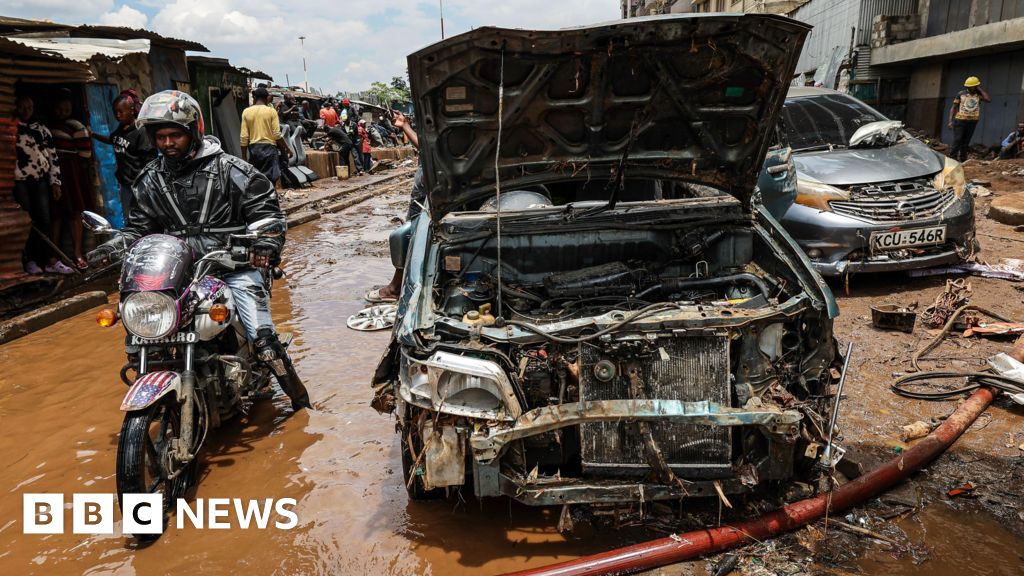
Kenya ravaged by deadly floods as heavy rains persist—62 lives lost

In a distressing reminder of the increasing frequency of climate-induced disasters, Nairobi experienced a recent incident where eleven individuals had to be rescued overnight after their minibus became stranded in rising floodwaters. This event, though localized, underscores a broader and troubling pattern impacting many regions around the world, particularly in Africa’s urban centers. As climate change accelerates, low-lying and rapidly urbanizing cities like Nairobi are becoming increasingly vulnerable to extreme weather, threatening lives, infrastructure, and economic stability.

The incident’s immediate aftermath has caught the attention of international organizations such as the United Nations, which has repeatedly issued warnings about the growing climate crisis and its disproportionate impact on developing nations. Climate experts warn that these floods are not isolated incidents but part of a troubling trend linked to rising global temperatures—phenomena that many analysts attribute largely to increased greenhouse gas emissions from industrialized nations. The geopolitical impact of such events extends beyond environmental concerns; it touches on issues of migration, urban planning, and economic resilience, compelling nations to confront the pressing realities of a warming world.

Furthermore, Kenya’s government has faced mounting pressure to improve urban infrastructure and enhance resilience to natural disasters. Critics argue that insufficient investment in drainage systems and disaster preparedness have left residents vulnerable, especially in densely populated districts. International observers and civil society groups stress that these failures do not occur in isolation but are symptomatic of broader governance and policy shortcomings. As environmental conditions worsen, the debate over climate justice—who bears responsibility and who bears the consequences—becomes unavoidable. Historically, few issues have highlighted the stark disparities between global North and South as vividly as climate adaptation and disaster response, fueling ongoing tensions on the diplomatic stage.

The rescue of the stranded passengers, though hailed as a human triumph, serves as a stark warning of the wider geopolitical repercussions. Flooding and other climate disasters threaten to destabilize nations, disrupt supply chains, and trigger new waves of migration—an inevitable consequence that could exacerbate existing geopolitical conflicts and test the resilience of international institutions. In global forums, leaders and policymakers grapple with the complex task of balancing economic development with environmental sustainability. As world leaders convene to discuss climate action, the importance of swift, coordinated international response becomes ever more apparent—yet many critics argue that promises remain unfulfilled, and real change is slow or insufficient.

As history continues to unfold, the event in Nairobi functions as a microcosm of larger, global struggles—a reminder that decisions made today shape the future of nations and societies. Whether it is through infrastructural investments, international cooperation, or the urgent reevaluation of policies, the world stands at a pivotal juncture. Will nations rise to confront the mounting challenges of climate change and protect their people, or will neglect and geopolitical squabbles deepen the crisis? The answer remains uncertain, but one thing is clear: history is watching, and the outcomes of this era could very well define the destiny of countless communities across the globe.
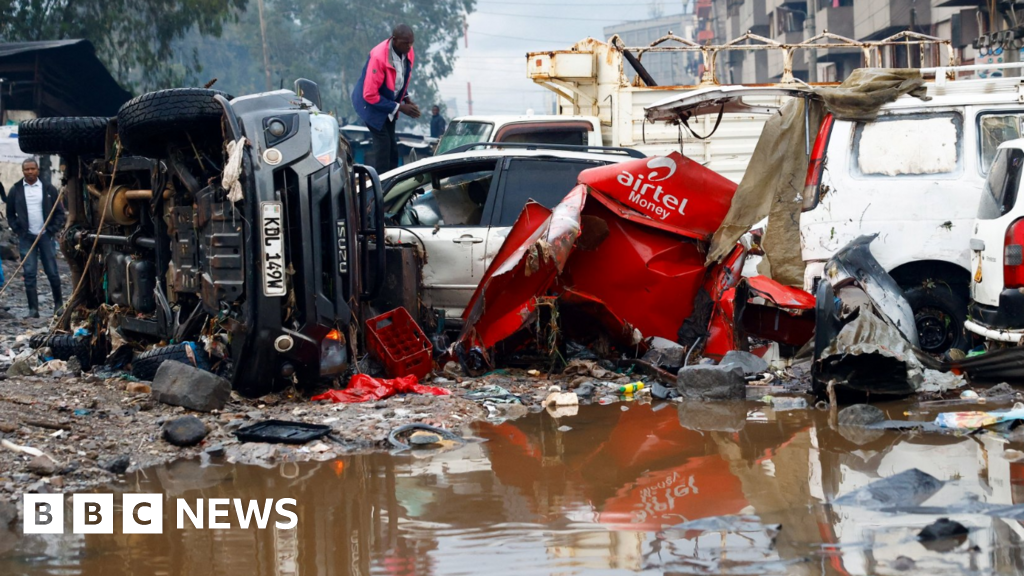
Heavy Rains Flood Nairobi, Taking 23 Lives and Disrupting the City

Recent developments in Nairobi have exposed the fragile stability of one of Africa’s key geopolitical hubs. Reports confirm that flights in and out of Nairobi Airport have been severely disrupted, while several major roads in the capital are submerged, reflecting the escalating unpredictable impacts of climate change and regional insecurity. Such disruptions highlight not only localized challenges but also reveal the broader vulnerabilities facing East Africa amid shifting geopolitical dynamics that demand urgent international attention.

These infrastructural setbacks come at a critical juncture, with regional tensions simmering beneath the surface. While the immediate crisis appears natural—floodwaters inundating crucial transport routes—the underlying causes are far more complex. Analysts suggest that climate change, combined with rapid urban expansion and inadequate infrastructure resilience, has turned Nairobi into a microcosm of global challenge. Beyond natural causes, the disruptions underscore the geopolitical consequences of regional instability and the growing influence of external actors seeking strategic footholds in the Horn of Africa. Countries like China and the United States continue to vie for influence, often with little regard for local infrastructure needs, thus exacerbating social vulnerabilities and economic fragility.

Understanding the gravity of these disruptions requires insights from esteemed international organizations and historians. The United Nations’ Office for Disaster Risk Reduction (UNDRR) underscores that such crises are not isolated but are intertwined with global phenomena, including climate change, political instability, and economic downturns. Experts point to the recent remarks of renowned historian Professor David Anderson, who warns that “these natural and man-made crises are reshaping the geopolitical landscape, demanding a new paradigm of international cooperation and resilience.” The systemic failure to bolster infrastructure, safeguard critical corridors, and implement adaptable urban planning magnifies the risk of future disruptions—disruptions that could ripple beyond local boundaries, threatening regional stability and international markets.

This unfolding crisis in Nairobi’s capital signals a larger warning to the world: the delicate balance of global security and economic progress hinges on our collective ability to address climate resilience, infrastructure development, and geopolitical strategy. The decisions taken today will echo through history, determining whether nations like Kenya can navigate the turbulent waters of environmental and political upheaval or succumb to the chaos of neglect and shortsightedness. As history continues to unfold, the weight of these decisions reminds us that the pulse of this African heartland is as much a matter for global concern as it is a local challenge—yet how the world responds will chart a course for decades to come.

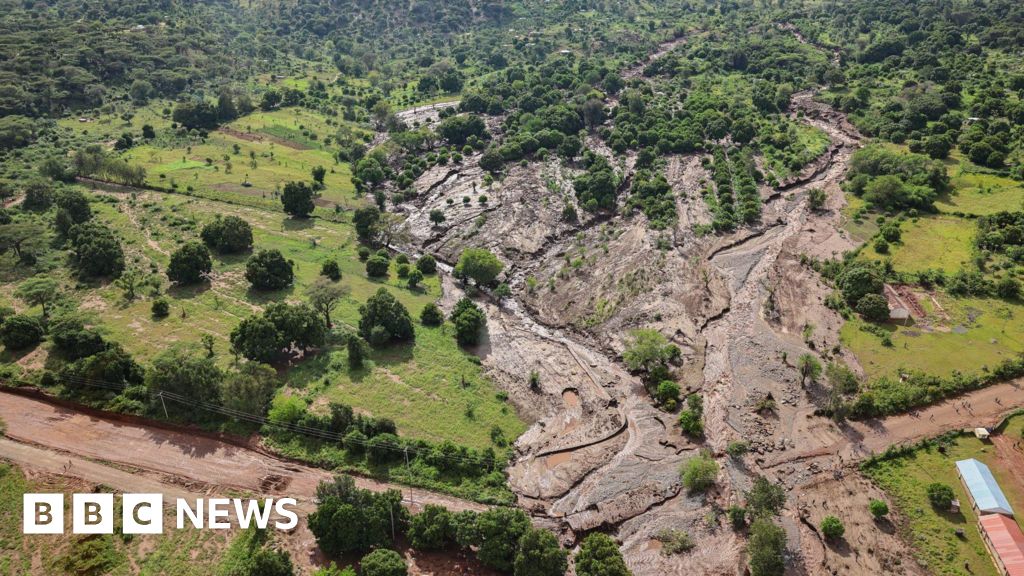
Kenyan landslide claims 21 lives amid heavy rains, prompting urgent calls for action

The East African region is currently grappling with a severe climate crisis, highlighted by recent devastating landslides and flash floods affecting Kenya and Uganda. The Kenyan government confirmed that 21 lives have been lost following a landslide in the western province of Marakwet East, provoked by unprecedented heavy rainfall. Interior Minister Kipchumba Murkomen reported that rescue efforts have been hampered by ongoing mudslides and flooding that cut off vital access routes, hindering aid delivery and complicating search operations. Meanwhile, in Uganda, similar weather conditions have resulted in deadly mudslides, with at least four confirmed fatalities in Kapsomo village and widespread destruction across several districts.

Analysts and international organizations are warning that the geopolitical implications of these environmental crises extend far beyond immediate human suffering. The United Nations and regional bodies have emphasized that climate change and inadequate infrastructure are exposing vulnerable populations to escalating dangers. Historians like Dr. Samuel Okoth-Omara note that this current wave of disasters reflects a broader pattern of environmental neglect and political instability, which exacerbates the region’s susceptibility to climate-related crises. As flash floods overflow rivers such as the Sipi and Astiri, communities face the immediate danger of losing homes, crops, and vital economic resources. These events threaten to destabilize local economies, complicate regional security, and induce mass displacement.

The geopolitical impact of this crisis is profound. Both Kenya and Uganda have urged residents living along seasonal rivers or recent landslide zones to evacuate to safer ground, yet the challenge remains formidable. The Kenyan government has paused rescue operations temporarily but assured the public that military and police helicopters are on standby to deliver relief supplies, including food and non-food items. This response underscores the importance of regional stability—infrastructure failures, such as blocked roads, impede not only rescue efforts but also disrupt trade and humanitarian aid. The regional governments’ inability to fully contain or prevent these disasters exposes the fragility of their institutional resilience, raising questions about long-term adaptive measures in the face of shifting climate patterns.

Many observers, including climate experts and international analysts, warn that without decisive action, these environmental calamities will continue to accelerate. The World Meteorological Organization has highlighted that rising temperatures and unpredictable rainfall patterns are fueling an increase in deadly weather events across East Africa. Furthermore, the widespread devastation fired up discussions about climate justice and the urgent need for sustainable development strategies—though critics argue that political will remains insufficient. As the region faces an unfolding chapter of suffering and adaptation, the question persists: to what extent are these nations prepared to confront the seismic shifts threatening their societies? The unfolding narrative carries within it the echoes of history—a reminder that nature’s fury, once unleashed, demands a collective response that transcends borders and ideologies. Whether East Africa can forge a resilient path amidst this turmoil remains a decisive test of its future.

Social Media Auto Publish Powered By : XYZScripts.com



