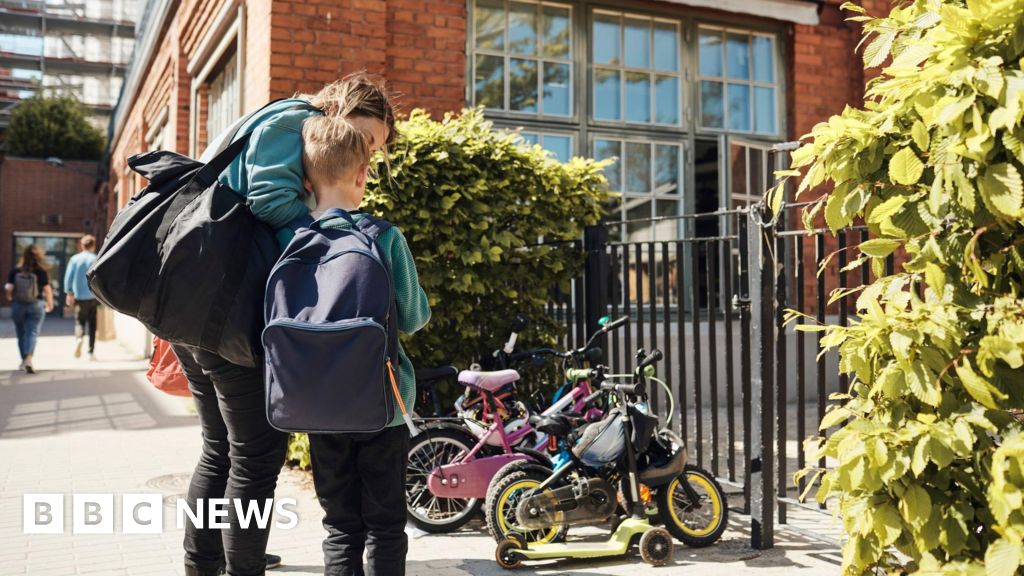

Recent reports from England’s educational authorities reveal that while overall school attendance has seen a positive trend, an unsettling disparity persists among students with additional needs. This demographic, which includes children with learning disabilities, behavioral challenges, and other special educational needs, continues to experience higher rates of absenteeism. Such patterns threaten to deepen existing social inequalities and compromise the foundational role of education in fostering a cohesive, resilient society.
The statistics highlight a clear social tension: as general attendance improves, children with additional needs are increasingly marginalized, often left behind in the classroom and in the broader social fabric. Sociologists like Jane Jacobs have long emphasized the importance of inclusive communities, arguing that social cohesion is rooted in the participation and integration of all members. When students with additional needs are absent more frequently, families face added strain, educational institutions struggle to meet diverse requirements, and communities risk creating a cycle of exclusion that damages the moral fabric of society.
Many families of children with additional needs find themselves burdened by a lack of adequate support and understanding from schools and policymakers. The challenges extend beyond academic achievement; they influence familial stability and emotional well-being. Educational psychologist Dr. Samuel Morley points out that consistent school attendance is vital not only for learning but also for developing social skills and confidence. When access and engagement are limited, these children are at risk of falling further behind, affecting their future prospects and the societal integration vital for a healthy nation. This ongoing crisis underscores the urgent need for targeted solutions that address the unique barriers faced by these families.
Proposed interventions include bolstering specialized support services, enhancing teacher training, and fostering collaborative approaches between schools, healthcare providers, and social services. Such measures aim to create an environment where every child’s needs are recognized and met with compassion and competence. Moreover, addressing underlying issues like mental health, poverty, and housing instability is essential for reducing absences and promoting equality. Strategies must focus on building resilient, inclusive educational communities—an effort that demands political will and societal commitment. Only then can the dream of a society where no child is left behind be transformed into a tangible reality.
As society grapples with these social and educational challenges, it is crucial to remember that the true measure of progress lies in our ability to nurture a future where every child has the opportunity to thrive regardless of their starting point. The journey toward inclusion is not merely about improving attendance figures but about restoring hope, dignity, and continuity in the lives of families and communities. In a society seeking its moral compass, perhaps the most profound task is to ensure that no child’s voice is silenced by the silence of absence and that the nation’s strength is built upon the collective resilience of all its members.