Matox News

Truth Over Trends, always!

AI Toys for Kids Fail to Read Emotions, Raising Concerns About Safety and Trust

Emerging Risks of AI Toys in Shaping Childhood Experiences

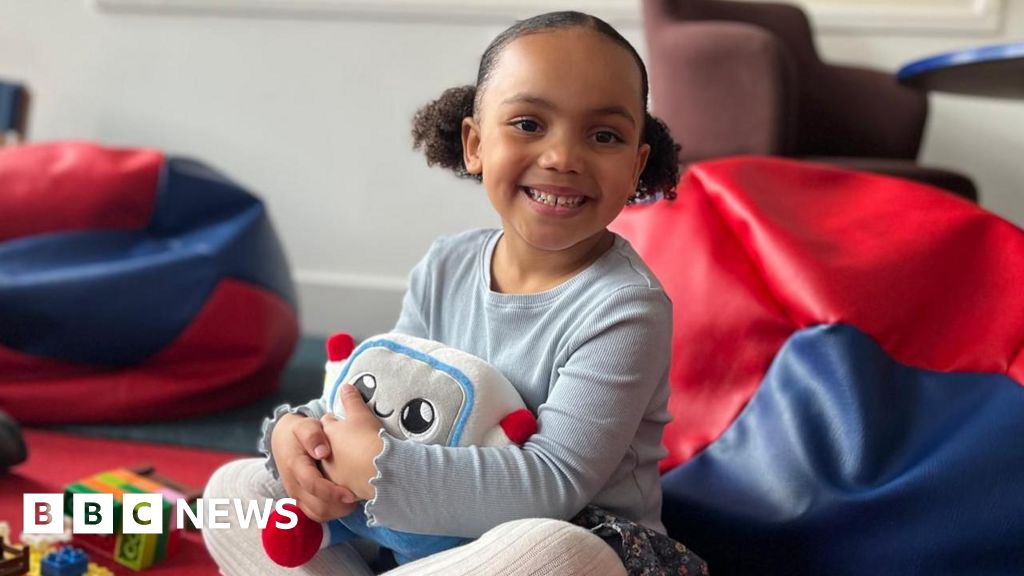
Recent research conducted by Cambridge University has highlighted a significant and emerging concern within society: the potential for artificial intelligence (AI) toys to misinterpret children’s emotions. This groundbreaking study, the first of its kind, raises questions about the intersection of technology, childhood development, and the well-being of families in a rapidly digitizing world. As many households adopt AI-enabled toys for entertainment and education, understanding the social and emotional implications for our youngest generations becomes increasingly urgent.

At the core of this issue lies a profound societal challenge: how technological advancements are reshaping traditional familial dynamics and children’s emotional development. The research from Cambridge indicates that AI toys, equipped with emotion recognition capabilities, often struggle to accurately read children’s nuanced expressions. This misreading can lead to a cascade of adverse effects, from miscommunication to emotional frustration—particularly affecting families in underprivileged communities who may lack access to alternative resources for healthy emotional development.

The Societal Implications of Emotional Misreading

  • Impact on Family Relationships: When AI toys incorrectly interpret a child’s feelings, it can undermine trust and emotional security within the family unit. Children may feel misunderstood or invalidated, leading to broader issues of emotional literacy and human connection that sociologists like Arlie Hochschild have long warned about in the context of technology’s encroachment into personal spaces.
  • Educational Challenges: Schools increasingly incorporate AI tools in classrooms, aiming to foster personalized learning. Yet, if these tools are prone to emotional inaccuracies, students’ unique emotional needs could be overlooked, reducing the efficacy of these educational innovations.
  • Community and Cultural Tensions: As social commentators observe, technology often exacerbates existing social inequalities. Marginalized communities, less equipped to scrutinize or challenge unreliable AI, risk falling further behind, deepening societal divides over access to emotionally responsive, culturally sensitive education and support.

Historians like Yuval Noah Harari have raised concerns about humanity’s relationship with technology—warning that misplaced reliance may erode fundamental human skills, such as empathy and emotional recognition. The moral dilemma is clear: should we allow artificial intelligence to mediate the most intimate aspects of childhood experience?

Pathways Forward for Society and Policy

Addressing these complex issues requires a multipronged approach:

  • Stronger regulations around AI safety and emotional assessments must be implemented to protect children and families from potential harm.
  • Investment in community-based programs that reinforce human emotional skills, ensuring children do not grow up solely dependent on machines for social interaction.
  • Educational reforms that foster digital literacy among parents and educators, equipping them to critically assess the capabilities and limitations of AI tools used by children.

Ultimately, society faces a choice: continue to embrace technology at the risk of distorting essential human qualities, or actively shape a future where machines serve human needs, not replace them. As society grapples with these shadows of the digital age, hope remains rooted in our collective resolve to nurture resilient communities and uphold the dignity of genuine human connection. In the quiet moments of reflection, we are reminded that the true progression of society hinges on protecting its most vulnerable—our children—and ensuring that technological innovations serve the moral imperative of *humanity’s moral growth and social cohesion*.
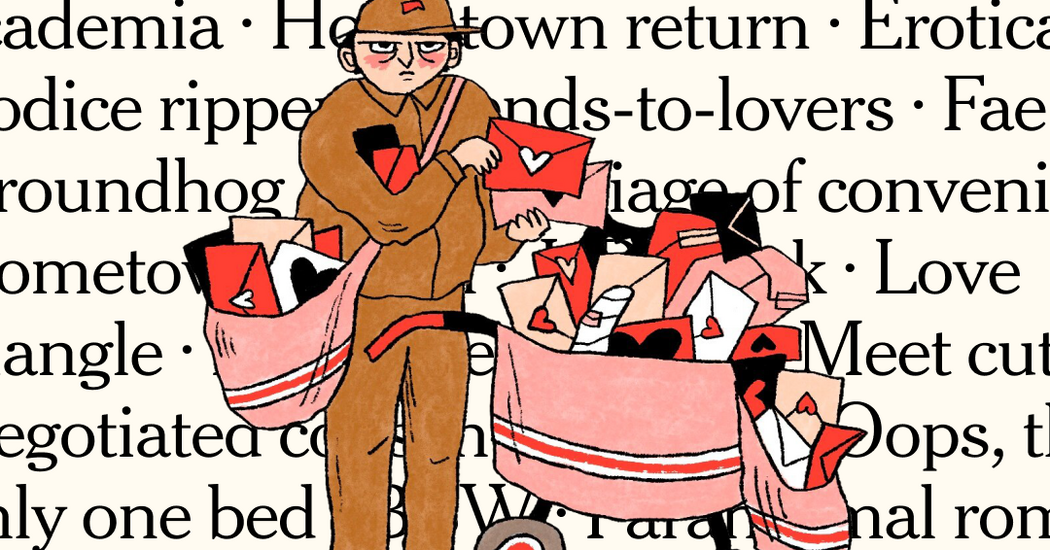
Romance Glossary: Your Essential A-Z Companion to Explore The Hottest Tropes and Themes for Your Next Read

Culture remains the enduring fabric that both anchors and propels human identity through the tumult of history. In a world increasingly driven by rapid technological change and shifting moral paradigms, the significance of cultural continuity and tradition cannot be overstated. As Ortega y Gasset once remarked, “The essence of culture is the continuity of the collective spirit, a shared memory that preserves our identity amid chaos.” It is through this collective memory—embodied in art, literature, and shared rituals—that societies forge their sense of self, anchoring fleeting individualism in the perennial bedrock of tradition.

Throughout the ages, culture has served as both mirror and prophet of societal values. The classical civilizations of Greece and Rome established foundational notions of philosophy and civic virtue that echo through Western thought. Yet, history also demonstrates that the erosion of cultural foundations often precipitates societal decline. Tocqueville’s analysis of American democracy warned of cultural complacency leading to egalitarian flattening, which undermines the aristocratic virtues necessary for social vitality. Today, the assault on traditional cultural touchstones—be it through the commodification of art or digital fragmentation—poses a profound threat to societal cohesion. If we forget our cultural roots, as Chesterton cautioned, we risk becoming strangers in our own histories, losing ourselves in the labyrinth of superficial novelty.

Indeed, the battle to preserve and cultivate culture is, at its core, a fight for identity, purpose, and continuity. Literature and art, from the Great Masters to contemporary voices, serve as repositories of collective memory and beacons of cultural prophecy. Philosophy, too, plays a vital role—challenging and inspiring us to understand who we are and who we might become. T.S. Eliot’s reflection that “The past should be altered by the present as much as the present is directed by the past” underscores the dynamic relationship between tradition and innovation. It reminds us that culture is not static but a living dialogue—an ongoing conversation that sustains our sense of who we are as a society and points toward who we might become.

As we stand at the crossroads of progress and preservation, let us remember that culture is both memory and prophecy. It whispers the stories of ancestors and foretells the possibilities of future generations. In the end, the purpose of culture is neither mere nostalgia nor blind innovation but the sacred endeavor of shaping a human narrative worthy of remembrance and aspiration—a testament that, even amid upheaval, our identity finds its voice in the enduring song of human achievement.

Discover the Essential Book of 2025: Let Us Guide Your Next Read

In an era saturated with transient distractions and fleeting impressions, culture remains the vital anchor of collective identity, a vessel that preserves our past and propels us toward the future. Literature, in particular, embodies this persistent dialogue between memory and prophecy. As Ortega y Gasset observed, our cultural existence is a “collective autobiography,” woven through stories, traditions, and artistic expressions that define who we are. This is particularly salient today, as young audiences navigate the complex landscape of modernity, seeking roots amid rapid change and ideological turbulence.

The cultural canon serves as the repository of our values and ideals, yet it is not static; it evolves by engaging with contemporary realities and reinterpreting age-old narratives. Movements like Romanticism and Modernism once challenged conventional notions, opening space for individualism, freedom, and spiritual inquiry—elements that continue to resonate in the fabric of national and personal identity. Today, social critics and thinkers like Chesterton have emphasized how culture is fundamentally a moral language, illuminating the virtues of tradition while defending them against nihilistic tendencies. For youthful minds, literature becomes both a mirror reflecting societal standards and a torch guiding future aspirations.

Historically, the link between cultural expression and societal structure can be viewed through the lens of Tocqueville, who lamented that democracy’s embrace of equality risked eroding the aristocratic virtues of excellence and distinction. Yet, in the modern revival of cultural classics—be it in literature, film, or visual arts—we witness an ongoing debate about what constitutes authentic tradition. The rediscovery of works like Chesterton’s essays or Eliot’s poetry reminds us that cultural heritage is not merely the preservation of relics but an active dialogue that molds our worldview. For the young, engaging with this heritage is an act of rebellion and reverence—a recognition that culture is both memory and prophecy.

As we stand at the crossroads of history’s vast archive, the poetic fabric of culture whispers of human hopes and fears—its stories echo in the collective memory while illuminating the path forward. For in culture’s ongoing symphony, each generation contributes a stanza, weaving continuity with innovation. It is a testament to humanity’s enduring quest: to remember who we are, while willing ourselves toward what we might become. Ultimately, culture is the soul’s script—a script that continues to write its crescendo through the ages, reminding us that we are both heirs and architects of an eternal narrative, destined to craft meaning from the threads of memory and the aspirations of prophecy.

Social Media Auto Publish Powered By : XYZScripts.com