Matox News

Truth Over Trends, always!

Lyse Doucet: Iran’s Been Ready for This Critical Moment

The recent assassination of Iran’s Supreme Leader marks a pivotal moment in regional and global geopolitics. Such a high-profile elimination not only represents a strategic blow to the Islamic Republic but also signals a potential shift in the balance of power across the Middle East. While officials in Tehran immediately vow to “show they have a plan,” analysts and international observers understand that the consequences extend far beyond the immediate grief and outrage. The assassination raises profound questions about internal stability, regional alliances, and the willingness of external actors to influence Iran’s future course.

Historically, leadership assassinations have often been catalysts for unpredictable upheavals. Some experts warn that this act could trigger a cycle of retaliation, destabilizing an already volatile region. As Western intelligence agencies scrutinize the event, many believe it was orchestrated by enemies seeking to weaken Iran’s internal cohesion. The mid-2020s have witnessed a surge in proxy conflicts, economic sanctions, and diplomatic confrontations involving Iran and various global powers, especially the United States and Israel. The targeted killing could serve as a catalyst for escalated military responses, further complicating efforts at diplomatic resolution.

Global and Regional Repercussions

The geopolitical impact of this event cannot be overstated. Iran’s strategic position as a regional power broker and supporter of allied groups from Lebanon’s Hezbollah to the Houthis in Yemen means that any upheaval at the top could trigger ripple effects across entire networks of influence. China and Russia have expressed concern over regional stability, emphasizing the importance of diplomatic solutions, yet malign actors might exploit the chaos to advance their agendas. Meanwhile, European nations, still reconnecting with Iran through fragile nuclear negotiations, face an uncertain path forward as Tehran seeks to consolidate power amid turmoil.

According to renowned geopolitical analyst Dr. Lisa Carter, “This assassination could serve as a turning point, forcing Iran into a mode of internal consolidation, which may result in increased militarization or even harsher anti-Western sentiment. The international community must carefully navigate this fragile juncture, recognizing the potential for a cascade of unforeseen consequences.” The United Nations has called for calm and restraint, but with history as a guide, such moments often spiral toward conflict rather than resolution.

How Decisions Shape Societies

For the Iranian people and their society, the fallout remains unpredictable. Internal stability will be tested as the regime seeks to demonstrate resilience, possibly by tightening internal security or intensifying rhetoric against foreign adversaries. The decision to retaliate or pursue diplomatic avenues will shape Iran’s future trajectory, directly impacting the lives of millions caught in the crossfire. As artists, students, and ordinary citizens watch their country navigate the aftermath, the question persists: how long can stability endure amid such a seismic shift?

In the grand tapestry of history, moments like these—marked by sudden violence at the top echelons of power—are often the prelude to larger upheavals. As historians note, the assassination of Iran’s supreme leader could either plunge the nation into chaos or catalyze a new era of resilience and reinvention. The world watches with bated breath, knowing that the decisions made in the coming days will echo through the corridors of history, shaping destinies of nations yet to be written. The arc of history bends at these critical junctures, and the weight of tomorrow’s stories rests on the choices of today.

Emergency Alerts Upgrade: Smartphones Will Sound Sirens for Major Disasters, Keeping Aussies Ready

Australia’s New Emergency Alert System: Society at a Crossroads

As Australia faces increasingly severe natural disasters influenced by *climate change*, the nation is undertaking a significant overhaul of its emergency communication infrastructure. The federal government is launching the ambitious AusAlert system, a $132 million project designed to replace the outdated state-based text messaging alerts. This technological shift aims to provide more precise, intrusive, and timely warnings that could be the difference between life and death during bushfires, floods, or other emergencies. The rollout, starting with comprehensive community trials in June and a national test scheduled for July 2026, reflects a broader societal effort to adapt to the *changing environmental landscape*, though it also raises questions about privacy, individual rights, and the impact on daily life.

Unlike traditional text alerts, AusAlert will appear directly on the home screens of smartphones within specific geographic zones, with the capability to target down to individual streets. When a high-level threat occurs, the alert will be delivered with a loud, intrusive tone that compels immediate attention. This approach underscores a societal shift towards prioritizing safety over personal convenience; however, it also prompts concerns about constant surveillance and the normalization of government intrusion in everyday life. Such measures may solidify a social fabric where communities are conditioned to accept intrusive technology as a routine part of emergency preparedness.

This initiative highlights how social issues permeate family dynamics, local communities, and educational environments. For families, especially those with young children or vulnerable members, quick access to accurate information can be lifesaving. Yet, it also introduces new challenges: the potential for false alarms, technological failures, or privacy breaches could undermine public trust. From an academic perspective, sociologists such as Timothy Mitchell have warned about the dangers of over-reliance on surveillance-based systems that, while intended for protection, may inadvertently erode societal privacy and autonomy. The implementation of AusAlert exemplifies a societal tension—balancing the need for security with the preservation of individual liberties.

  • Key facts include the system’s capability to deliver alerts for durations between 10 minutes and 24 hours, affecting an estimated 23 million smartphones, with plans for extensive testing across varied communities.
  • Opt-out options are limited to lower-priority alerts, reinforcing the government’s emphasis on proactive safety measures rather than individual choice.
  • Further concerns involve the integration of AusAlert with other personal devices such as smartwatches, cars, and home automation systems, raising questions about data collection and societal acceptance of pervasive monitoring.

Historically, societal responses to such technological interventions have been mixed. While some view these systems as essential advancements—similar to the revolutionary public health campaigns of the 20th century—others perceive them as slips towards authoritarian oversight. As social commentator Jamelle Bouie notes, the challenge lies in designing systems that respect human dignity without compromising safety. Society now stands at a crossroads, grappling with the *dual imperatives of technological progress and moral responsibility*. The hope remains that, through community engagement and transparent governance, Australia can build a society where safety does not come at the expense of freedom, and where new tools serve to *strengthen bonds rather than erode them*.

In the quiet moments of reflection, society must ask itself: Are we forging pathways toward a resilient and free community, or are we unwittingly paving the way for a surveillance state? The answer lies in collective vigilance—an unwavering belief that even amidst technological transformation, the core human values of dignity, privacy, and community must remain the ultimate guiding lights. As Australia’s society prepares to face future ecological challenges, perhaps the greatest resilience will be found not just in technology, but in the hope that society itself can transform—learning to protect and cherish its most precious bonds: families, communities, and the undying human hope for a better tomorrow.

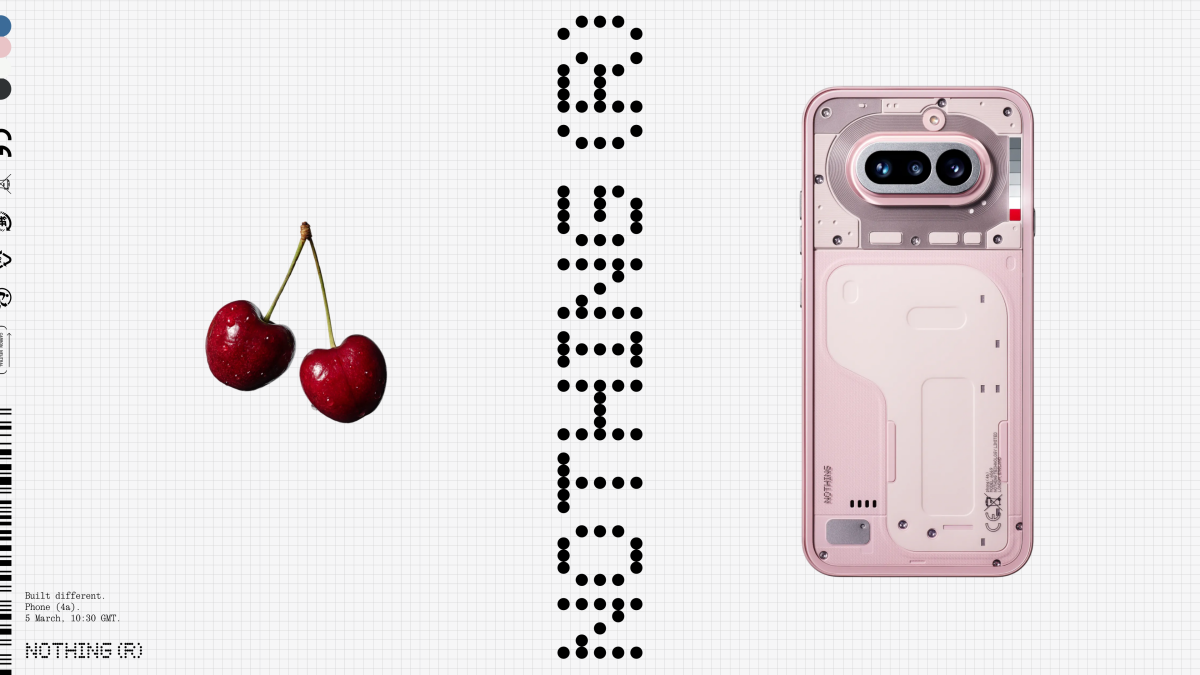
Get Ready for the Nothing Phone 4a in Pink: Exclusive Photos and Video Reveal the Trendy Release

The Anticipated Reveal of the Nothing Phone 4a: A Shift Towards Understated Style

In a social media age dominated by flashy gadgets and high-profile leaks, Nothing has managed to craft a buzz that’s refreshingly understated—yet undeniably influential. With the official launch date for the Nothing Phone 4a set for March 5, previews have already stirred curiosity, and the latest reveal of a subtle, pinkish hue is capturing attention across youth-centric tech circles. Unlike traditional phones that often rely on loud colors and ostentatious branding, this device embodies a quieter form of expressive style—one that resonates with a generation seeking authenticity and depth.

A New Shade of Minimalism: The Significance of Color Subtlety

What makes the pink motif so intriguing isn’t just its hue but what it symbolizes: a shift in societal behavior. Lucy Birley, Colour Material Finish Design Lead at Nothing, explains that the color is “desaturated red,” which, when combined with transparent resin, creates a fascinating depth—something that’s more than just surface level. This approach celebrates minimalism with a twist, emphasizing liveliness and personality through subtle design choices. It’s a move away from the stereotypical “bright and loud” aesthetics and toward a more contemplative, almost rebellious, form of self-expression. In an era where social media feeds are coral and neon saturated, the Nothing approach offers an alternative—less about shouting, more about *speaking softly* and showcasing sophistication beneath simplicity.

The Cultural Impact of the Nothing Brand

Founded on the principle of reimagining “boring tech,” Nothing has become more than a brand; it’s a social statement. Influencers and tech watchers like Marques Brownlee have highlighted its unique design language, which leans into transparency and minimalism, aligning seamlessly with a youth demographic increasingly skeptical of flashy consumerism. What’s remarkable here is how the brand taps into broader societal shifts: a desire for authenticity, a rejection of excess, and a craving for products that reflect individual identity without shouting for attention.

From sociologists like Dr. Sarah Johnson, who study digital identity, to trend analysts charting the rise of “quiet luxury,” it’s clear that the Nothing Phone 4a encapsulates a cultural shift. This device isn’t merely a piece of technology but a lifestyle statement that champions restrained style while still making a bold social impact. It invites users to consider: In a world dominated by noise, is the future of fashion and technology already leaning toward this minimalist rebellion?

What’s Next? The Big Question About the Future of Subtle Trends

As Nothing prepares for its full reveal, one question looms large: are we witnessing the dawn of a broader cultural movement towards understated elegance? The upcoming launch might redefine what is considered “trendy” in tech and fashion—where less is truly more. With younger consumers increasingly valuing meaningful design over ostentatious displays, this trend could ripple across industries, from clothing to digital spaces. If the Nothing Phone 4a succeeds in cementing its style as more than just a gimmick, it might just inspire a generation eager to embrace authenticity in every aspect of their lives. The real question is: how much influence can a subtle change have when it speaks so loudly about the future of social taste?

Birdwatchers, Get Ready: New Pokémon-Inspired Bird App Arrives!

In a striking example of technological innovation intersecting with conservation and youth engagement, a new app called Birdex has entered the global digital landscape, aiming to gamify birdwatching and foster a new generation of nature enthusiasts. By allowing users to record their sightings and collect digital cards of UK bird species, Birdex embodies a modern twist on citizen science—one that appeals particularly to young audiences weary of traditional outdoor activities. It leverages gamification to encourage outdoor exploration, offering points for common species and larger rewards for rarer sightings, thus blending education with entertainment. While the app’s immediate appeal is evident, its introduction raises important questions about the impact of AI-generated content and the broader implications for conservation efforts at an international level.

International analysts and environmental organizations are closely watching Birdex’s potential to influence societal attitudes towards biodiversity and nature stewardship. The British Trust for Ornithology (BTO), a venerable institution in avian research, has expressed cautious optimism about the app’s crowdsourcing capabilities, suggesting that if user-recorded sightings are shared with entities like the BTO, they could bolster ongoing citizen science initiatives. Viola Ross-Smith, a science communications manager, highlights the *potential* for such digital tools to revel in data collection, yet also warns about how certain species—such as the elusive capercaillie—are inadvertently put at risk if users seek them out for the thrill. This dynamic underscores the complex web of interests at play: promoting environmental awareness while preventing harmful human interference in delicate ecosystems.

Meanwhile, the geopolitical impact of this technological trend extends beyond the UK, triggering debates about the role of AI in natural sciences and the societal responsibilities of tech developers. The decision by Birdex’s creators to use AI-generated artwork—initially driven by limited funding—has ignited controversy among digital purists and conservation advocates alike. Critics argue that replacing authentic imagery with AI-crafted depictions diminishes the real-world integrity of birdwatching cultures while raising broader concerns about ethical AI use. As international standards evolve regarding AI and digital ethics, this debate strikes at the heart of how societies value genuine experiences versus artificial representations—an issue that resonates across sectors, from global conservation to cultural preservation.

As nations grapple with these emerging challenges, experts warn that the words written into policies today will forge the legacy of tomorrow’s relationship with nature and technology. Historians and policymakers alike observe that decisions—whether to embrace AI’s utility or to prioritize authentic immersion in the environment—will shape the fabric of future societies. The momentum surrounding apps like Birdex continually reminds us that the window of opportunity is closing rapidly. Will we harness this digital revolution to preserve our natural world, or will technological shortcuts irreparably distort our understanding of the environment? The unfolding story of Birdex captures a pivotal moment—a crossroads where innovation, conservation, and societal values converge—signaling that the weight of history still presses heavily upon the shoulders of contemporary decision-makers.

Unexpected God of War Prequel Drops on PS5 — Are You Ready?

Sony Disrupts Gaming Industry with Launch of God of War: Sons of Sparta

In a strategic move signaling ongoing innovation in the gaming sector, Sony unveiled God of War: Sons of Sparta, a prequel set to redefine the 2D action platformer genre. Released during its February 2026 State of Play presentation, this title exemplifies Sony’s continued commitment to pushing technological boundaries and engaging a youth demographic hungry for immersive experiences. The game’s release on PlayStation 5 underscores Sony’s focus on leveraging next-generation hardware to deliver high-fidelity gameplay experiences, further consolidating its market dominance.

Built as a canon story set in Kratos’ youth, Sons of Sparta combines classic mythology-inspired narrative with innovative gameplay mechanics. Sony states the game explores Kratos’ early training at the Agoge, revealing strategies and skills that define his legendary persona. The game utilizes a sophisticated blend of divine artifacts, like the Gifts of Olympus, and introduces fresh combat mechanics with spear and shield, signaling a technical leap for the franchise. The collaboration with Mega Cat Studios demonstrates Sony’s penchant for cooperative innovation across industry leaders, fostering diverse talent to enhance storytelling and gameplay fidelity.

The strategic price point of $29.99 with a Digital Deluxe edition at $39.99 marks an aggressive market approach, aiming to attract younger gamers and digital consumers. This move signifies Sony’s recognition of shifting consumer preferences towards accessible, high-quality gaming experiences without premium price barriers. Industry analysts from Gartner and MIT suggest that such affordable yet sophisticated titles will accelerate disruption in the traditional AAA market, pressing established publishers to innovate or risk losing relevance. This trend reflects a broader industry shift where disruption-driven growth is paramount, with new entrants leveraging lower costs and more agile development to capture market share.

As the industry advances at a rapid clip, technological innovation and strategic collaborations are fundamentally reshaping the entertainment landscape. The launch of God of War: Sons of Sparta exemplifies how established giants like Sony are pioneering new formats and gameplay styles to meet rising demand for immersive, narrative-driven experiences. Meanwhile, industry veterans and newcomers alike are watching closely, recognizing that disruptive technologies such as cloud gaming, AI-driven development, and cross-platform integration are not distant future concepts but current realities. As Elon Musk and Peter Thiel have highlighted in technological forums, the race for innovation is intensifying, heightening the stakes for market incumbents and challengers alike.

Future-forward, the gaming industry stands at a crucial moment where rapid technological advances and strategic agility will determine who leads the next era of entertainment. Innovation is no longer optional; it is imperative for survival amidst a landscape increasingly defined by disruption, youthful consumers, and global competition.

Rivalry Sparks Youth Interest in Hockey — Is the Game Ready for the Next Generation?

Sports Industry Under the Microscope: Cultural Shifts and Technological Disruption

In a rapidly evolving landscape, the traditional sports industry is experiencing a transformation driven not just by technological innovation, but also by a critical reevaluation of its cultural norms. The NHL, often seen as a bastion of physicality and tradition, is now navigating the turbulent waters of inclusivity, social responsibility, and transparency. This shift is emblematic of a broader disruption rippling across sports, media, and associated industries—pointing toward a future where technology and societal values are increasingly intertwined in defining business success.

The league’s recent partnership with organizations like You Can Play, and the announcement of its upcoming Pride Cup, underscore its attempts to rebrand and redefine what it means to be inclusive. However, beneath the surface lies a debate about performative gestures versus genuine cultural change. Experts like Teresa Fowler and Tim Skuce, who have extensively studied hockey culture, argue that some initiatives remain superficial, masking deeper issues of toxicity and systemic misconduct—highlighted by revelations of hazing practices and mishandling of sensitive matters, such as sexual assault allegations involving Hockey Canada. These scandals threaten to undermine the league’s credibility, forcing a reckoning that could have long-term business repercussions.

Innovation and Disruption: Rethinking Sports Culture and Industry Norms

Amid this cultural upheaval, technology firms and data analytics giants are poised to reshape how sports organizations operate, engage audiences, and promote social values. The integration of advanced data analytics, artificial intelligence, and immersive media experiences—such as virtual reality—are enabling leagues to not only enhance fan engagement but also foster more inclusive environments. As Gartner and MIT researchers highlight, the ability to leverage big data to tackle issues like hazing, discrimination, and mental health is opening new avenues for social responsibility initiatives intertwined with business models.

This technological disruption is reaching beyond grassroots activism into core operational strategies. Player safety, mental health awareness, and inclusivity programs are becoming measurable and transparent, steering sports organizations toward accountability-driven models that appeal to younger, socially conscious audiences. The competition for market share is intensifying, with startups and tech giants vying to deliver innovative solutions that merge social impact with commercial viability.

Business Implications and Future Outlook

The increasing emphasis on social responsibility and cultural authenticity signals a fundamental shift in the business of sport. Legacy brands are under pressure to adapt or risk obsolescence. Companies like Nike and Adidas are already capitalizing on sports-led branding campaigns centered around diversity and inclusion, establishing a new paradigm where authenticity and innovation are key differentiators. Furthermore, as international markets such as Asia and Africa expand their engagement with Western sports leagues, the need for culturally sensitive and disruptive strategies becomes even more critical.

Looking ahead, the intersection of disruptive technology, evolving societal values, and market dynamics heralds an era where sports organizations must act swiftly to harness innovation and address systemic issues transparently. This is no longer merely about entertainment; it is increasingly about forging a brand that resonates with a globally connected, socially aware youth. The urgency is palpable—those who adapt to these seismic shifts will shape the future of entertainment, social influence, and global sports economics. Conversely, failure to innovate and authentically reform risks marginalization in an increasingly competitive, values-driven landscape.

You’ll want to hear Mandy, Indiana’s new record: URGH—fresh, bold, and ready to make waves

In an era where technological innovation is reshaping industries at an unprecedented pace, the music sector remains no exception. Rising bands like Mandy, Indiana are exemplifying how creative disruption, powered by cutting-edge digital tools and bold artistic vision, is redefining the landscape. Their latest release, URGH, not only captures the audience’s attention but also signals a significant shift toward more avant-garde, border-pushing soundscapes that challenge traditional industry norms.

Equipped with advanced production techniques and an unapologetic approach to lyricism—most notably with Valentine Caulfield’s fierce vocal delivery in French—Mandy Indiana leverages technological innovation to amplify emotional and cultural impact. This approach echoes the disruptive strategies heralded by tech giants like Apple and Spotify in their pursuit of personalized and immersive experiences. Within the modern music industry, this translates into a focus on authentic, visceral content that resonates deeply with youthful audiences eager for authenticity and rebellion—traits epitomized in Caulfield’s confrontational lyrics and stark visual aesthetics.

The business implications of such innovation are profound. Disruptors like Mandy Indiana are shifting the paradigm from traditional album cycles toward crowded digital landscapes where rapid content deployment and genre-blurring are key. By harnessing platforms like Bandcamp and leveraging social media for direct artist-to-fan engagement, emerging acts are bypassing established gatekeepers, gaining independence, and capturing market share in ways previously deemed impossible. Industry analysts from Gartner highlight that this democratization accelerates the discovery of fresh talent and fosters a competitive environment ripe for innovation. Concerted efforts to capitalize on this upheaval could redefine revenue models, emphasizing licensing, streaming, and merchandise over conventional album sales.

Looking ahead, the implications are clear: the industry must adapt swiftly or risk being left behind amidst the digital revolution’s relentless tide. As industry veterans and new challengers alike explore technologies such as AI-driven content creation, augmented reality concerts, and blockchain-based rights management, the potential to rewrite the rules of engagement is immense. Forward-thinking companies that accelerate their embrace of innovation will not only survive but thrive in this new era—the question remains whether existing giants will pivot quickly enough or surrender their dominance to the next generation of disruptive creators.

With artists like Mandy Indiana spearheading the movement, the future of music is undeniably one of fierce innovation and disruptive change. As digital tools become more sophisticated and cultural boundaries continue to expand, the industry faces a pivotal moment—one where the ability to innovate will determine who leads and who follows. The urgency to develop new business models, harness emerging technologies, and foster authentic artistic expression has never been greater. As we stand at this crossroads, one thing is certain: the next wave of musical evolution is already underway, and those who recognize its disruptive power will shape the cultural and economic landscape of tomorrow.

Top 4 Space Heaters Americans Trust for Rapid Warmth — Stay Cozy and Ready This Winter

In an era where wellness and comfort intertwine with our daily routines, the quest for the perfect home environment has taken on new urgency. With the recent surge in extreme weather patterns—ranging from record-breaking cold snaps to unseasonal heat waves—the importance of selecting reliable heating solutions cannot be overstated. As the landscape shifts, so does the way young, dynamic households approach warmth and lifestyle optimization. Today, embracing smart heating technology isn’t just about comfort; it’s about asserting control over one’s environment and, by extension, one’s health and productivity amid unpredictable climates.

Among the most sought-after solutions are innovative space heaters designed to balance efficiency with noise reduction and aesthetic appeal. Industry leaders like Vornado and Honeywell have revolutionized this sector, offering models that cater to the modern youth’s desire for quiet, stylish, and multifunctional appliances. For instance, the Vornado AVH10 stands out as a whisper-quiet marvel, capable of casting air over impressive distances thanks to its ceramic element. Its sleek design, coupled with features like under-the-unit cord storage and fan-only modes, appeals to those who value both form and function. The inclusion of a digital display and safety features demonstrates a commitment to safety-first wellness standards, aligning with advice from wellness experts like Dr. Michael Breus, who emphasizes the connection between physical comfort and mental clarity.

For more targeted heating, portable and wall-mounted units like DeLonghi’s HMP1500 excel with their efficient mica heating elements and customizable mobility options. Young homeowners are increasingly drawn towards home modifications that reflect individual lifestyles—be it turning a garage into a personal gym or creating a cozy nook. The DeLonghi’s space-efficient design and low-energy settings align perfectly with this trend, encouraging users to tailor their spaces while prioritizing sustainable living. Meanwhile, models like the Honeywell HCE840B offer a sleep-friendly operation—recognized particularly by sleep scientists as critical for maintaining restorative health. The quiet operation and automatic shutoff functions make it an excellent choice for young adults who seek uninterrupted rest while safeguarding their wellness.

Ultimately, choosing the right space heater is more than a purchase—it’s a lifestyle statement. It symbolizes a shift toward mindful living, where individual comfort and health are paramount amidst environmental uncertainties. As the modern youth continues to seek ways to optimize their surroundings, the embrace of innovative, safe, and stylish heating options denotes a broader cultural movement: a conscious effort to take control of one’s environment, prioritize wellness, and foster resilience. In this journey, every decision, down to the choice of a space heater, becomes an act of rebellion against the chaos of weather and a testament to the pursuit of a truly **inviting home**. Embrace this shift, and see your environment not just as a shelter, but as a canvas for personal empowerment and lifestyle evolution.

Ukraine Expected to Be EU Ready by 2027, Zelenskyy Declares — Europe Live

Russia, Ukraine, and the EU: A Geopolitical Chessboard at a Crossroads

In an era marked by stark geopolitical upheaval, the escalating tensions between Russia and Ukraine have taken center stage on the world’s diplomatic stage. President Volodymyr Zelenskyy of Ukraine recently reaffirmed his country’s commitment to join the European Union by 2027, despite significant objections from key EU member states such as Hungary. Zelenskyy’s firm stance underscores a broader strategic shift aimed at securing not only economic integration but also safety guarantees amidst ongoing war and instability in the region. However, this push for rapid accession critically tests the unity and rule-based decision-making of the EU, exposing fault lines that could reshape alliances and influence global power dynamics.

The EU Enlargement: A Delicate Balance of Rules and Geopolitical Stakes

The EU’s accession process is inherently complex, requiring unanimity among its 27 member states—a process that is proving contentious. Despite recent reassurances from European officials, notably Luxembourg’s Xavier Bettel and EU enlargement commissioner Marta Kos, that Ukraine could meet the technical requirements by 2027, key nations like Hungary are resistant. Prime Minister Viktor Orbán, whose government leans towards pro-Russian sympathies, has explicitly rejected Zelenskyy’s accelerated timeline, citing concerns over protecting national interests like agriculture and regional stability. This discord highlights how internal European politics and divergent national priorities can act as bottlenecks to further integration, thereby influencing geopolitical alignments and possibly emboldening Russia’s strategic objectives.

Russia’s Military Strategy and Shifting Focus

Meanwhile, Russia’s military posture remains aggressive, with reports indicating a surge in aerial drone attacks—over 100 launched recently—along with minimal missile strikes. The recent statements from President Zelenskyy reveal a shift; Russia appears to be transitioning its focus from energy infrastructure to logistical hubs, a move that signals a new phase in the conflict designed to destabilize Ukrainian fields and supply lines. Notably, Trump’s recent public claim that Putin has agreed to a ceasefire on energy infrastructure—at least temporarily—adds an unpredictable element to the evolving battlefield and diplomatic calculus. Such actions, whether confirmed or not, threaten to escalate tensions further and complicate the broader security landscape, especially as Ukrainian forces endure severe winter hardships with temperatures plunging to as low as minus 30°C.

International Escalations and Ongoing Diplomacy

The situation is further compounded by highlighted diplomatic efforts. Zelenskyy’s conversations with German Chancellor Friedrich Merz and private talks with officials from the US and Russia reveal a landscape fraught with uncertainty. Reports indicate that Trump’s alleged request for Putin to suspend strikes in Ukraine to facilitate negotiations overnight marked an unexpected diplomatic move, surprising both Kyiv and Moscow, with Kremlin officials declining to comment further. As analysts warn, such statements and the ongoing military build-up threaten to push the region toward a broader confrontation, with external powers like the US and China observing intently as Ukraine’s strategic position becomes increasingly tenuous.

Conclusion: The Unfolding Tapestry of Power

In the grand chess game of international geopolitics, Ukraine’s push for EU integration, Russia’s military maneuvers, and Europe’s divided loyalties paint a visceral picture of a fragile order on the verge of transformation. The decisions made in these critical months could forge new alliances or shatter existing ones, shaping the security architecture of Europe and beyond for years to come. As Zelenskyy boldly aims for 2027, global powers watch with bated breath—knowing well that in this shifting landscape, today’s negotiations could become tomorrow’s history. The clock is ticking, and the world stands at the cusp of a new chapter that could redefine the balance of power for generations.

Discover the Ultimate Quiz on Oscar-Winning Adaptations of Beloved Books—Are You Ready to Test Your Literary Cinema Savvy?

In an age where the visage of culture frequently appears in fleeting media snippets and digital scrolls, the enduring legacy of literature rooted in tradition reveals a profound truth: culture is both memory and prophecy. When films such as To Kill a Mockingbird or The Lord of the Rings leap from page to screen, they do more than entertain; they anchor us in the values, struggles, and aspirations of the human spirit. These adaptations serve as cultural touchstones, a bridge across generations that imparts the wisdom of the past while shaping the moral fabric of future society. Such transformations affirm Ortega y Gasset’s notion that the vital essence of culture is its continuity—its ability to forge identity through shared stories and enduring ideals.

Indeed, the process of adaptation underscores the vital role culture plays in defining identity, tradition, and societal cohesion. When cinematic renditions of Gatsby or The Great Gatsby juxtapose visual spectacle with literary depth, they embody not just artistic reinterpretation but also a testament to the persistent influence of tradition amid modern upheaval. With each retelling, we revisit core questions of what we value, how we see ourselves, and how our collective memory informs our moral compass. The historian Tocqueville warned of the danger of losing sight of this cultural memory amidst rapid social change, yet adaptation ensures that these stories remain vital, evolving with the society that venerates them.

Philosophers like G.K. Chesterton have long celebrated the instinct of tradition—the idea that society’s moral backbone is built on stories, symbols, and physical artifacts passed through generations. Film and theater serve as living repositories of this tradition, transforming static words into vibrant, communal experiences that stir our deepest loyalties. These adaptations remind us that culture is not static but dynamic, constantly reshaped by the needs and values of each era, yet rooted in a shared human narrative. As T.S. Eliot mused, “the past is never quite past,” and perhaps through these cinematic portals, we find ourselves in dialogue with that very past—an ongoing conversation that shapes our present and guides our collective vision of the future.

Ultimately, the revival of literary works through visual media affirms that culture is humanity’s living memory, its moral compass, and its prophetic voice. Each film, each adaptation, acts as a segment of a grand, unfolding tapestry—where stories become symbols, and symbols become the foundation of shared identity. In this celestial dance, literature and art serve as both guardians of tradition and harbingers of renewal. As we watch history and myth reemerge on the screen, let us remember that culture’s true power lies not only in its ability to preserve the past but also in its capacity to inspire the future—manifesting as a luminous prophecy that beckons us toward higher ideals and nobler visions of what it means to be human.

Social Media Auto Publish Powered By : XYZScripts.com