Matox News

Truth Over Trends, always!

Get Ready: Kobo’s Remote Is Finally Here—Your Next Must-Have for That Seamless Reading Vibe

In an era where technology continually reshapes our lifestyles, the latest innovation from Kobo offers a glimpse into the future of digital reading. They’ve just launched the Kobo Remote, a Bluetooth-enabled device designed to work seamlessly with any Kobo e-reader. This accessory signifies more than just a new gadget; it underscores a turning point where interactivity and convenience in reading are moving into a new age.

Launched after a series of legal delays and anticipation, the Remote’s debut exemplifies how consumer electronics are evolving toward minimalism and enhanced user experience. Unlike Amazon’s Kindles, which currently lack native remote support, Kobo’s new offering embraces the rising trend of remote page turners—a phenomenon that has gained viral popularity on TikTok, especially among young readers who prize portability and effortless navigation. The remote’s ergonomic design ensures that long reading sessions remain comfortable, signaling a shift in behavior toward more accessible, extended engagement with digital content. As sociologists note, such innovations are not just about convenience—they are shaping our societal expectations of what reading and leisure mean in a fast-paced digital age.

The cultural impact of this new tech isn’t confined to convenience alone; it reflects a broader social movement towards personalized, tech-integrated lifestyles. Influencers in the tech and lifestyle sectors have lauded the Kobo Remote for its unobtrusive single-piece design, contrasting it sharply with existing multi-part remotes that clutter screens. Meanwhile, industry analysts highlight how this integration of remote control into e-readers may foreshadow a future where digital devices are no longer just tools but extensions of our personal spaces. The impact is evident: a generation increasingly accustomed to intuitive, seamless tech that elevates their daily routines without complicating them.

What makes this launch especially intriguing is its timing. With Black Friday and Cyber Monday deals in full swing, the Kobo Remote arrives as the perfect accessory to maximize the holiday shopping spree. For just $29.99, it complements the popular Kobo Libra Colour—a vibrant, color-rich e-reader now available at a discounted price—highlighting the strategic blend of functionality and marketability. This convergence begs a vital question: as technology continues to democratize access to personalized content, what will be the next frontier in making reading an even more integrated part of our social fabric?

Ultimately, Kobo’s latest move demonstrates that the future of digital reading might extend far beyond the device itself. It opens the door to broader reflections about how we are shaping our social identities through tech accessories and what this means for the next generation of consumers. As innovators blur the lines between utility and lifestyle, we are left pondering: will future tech innovations redefine not just how we read, but how we relate to information, community, and even ourselves?

Is Canada Ready to Stand Firm in the US Trade Showdown?

In an era characterized by shifting alliances and unpredictable economic policies, Canada finds itself at a critical crossroads in its relationship with the United States. The recent diplomatic stance taken by Prime Minister Mark Carney reflects a notable departure from previous negotiations—his apparent lack of urgency in resuming trade talks has stirred concerns both domestically and internationally. While Carney dismisses the timing of discussions as trivial and claims there is no “burning issue” to address, critics argue this signals a strategic shift, foretelling a more cautious, perhaps even confrontational, approach to trade under the shadow of mounting geopolitical tensions. This attitude could herald a new phase of Canadian independence in trade policy, distancing itself from the unpredictability of U.S. negotiations heavily influenced by the upcoming U.S. midterm elections and national political winds.

The pause in negotiations comes amid a backdrop of escalating tariffs imposed by Washington, including a 35% levy on certain Canadian exports, with specific sectors like metals and automobiles bearing the brunt of these punitive measures. Historically, such tariffs have crippled Canadian exports—about 75% of which are directed southward—and threaten the very fabric of its economy. With some Canadian officials advocating patience, Canadian trade representatives like Richard Madan continue lobbying U.S. lawmakers behind the scenes, even as formal negotiations stagnate. This diplomatic standstill is compounded by the fractured relationship over an anti-tariff advertisement from Ontario, which appears to have deeply offended the U.S. administration, further complicated by Trump’s unpredictable, often retaliatory, trade tactics. Renowned analysts, including Chris Sands of Johns Hopkins University, warn that *”a great deal of posturing”* obscures the underlying vulnerability that Canada’s economy faces in the face of American tariffs, which are both a tool of economic leverage and political signaling.

The geopolitical impact of this standoff extends beyond immediate economic concerns. As global leaders converge on events such as the FIFA World Cup draw—where Carney is expected to meet with President Trump—the diplomatic signals sent are fraught with implications. Canadian Prime Minister Carney’s recent trips to the United Arab Emirates and his focus on securing foreign investment signal a strategic pivot. With Canada’s goal to double non-U.S. exports within a decade, the government seeks to diversify its trade alliances amidst the turbulence. However, the shadow of Washington’s tariffs looms large, pressing Canadian industries, especially aluminum and heavy machinery, into a battle for survival. Industry leaders like Jean Simard emphasize that *”time is on our side,”* hinting that patience may benefit Canada in the long run, even as some U.S. sectors, such as aluminum, start feeling the pinch as stockpiles dwindle and dependence on imports intensifies. The looming review of the USMCA trade agreement, slated for December hearings, hints at a possible turning point—perhaps a window for Canada to influence the future arrangement and assert its economic sovereignty.

Yet, the internal political landscape complicates matters further. U.S. midterm elections are casting a long shadow, with many in Congress positioning themselves for upcoming campaigns. The growing discontent among American voters, evidenced by a recent Fox News poll indicating that 76% harbor negative views towards the economy, has pushed President Trump toward softening some tariffs, signaling a cautious openness to negotiations on metals and energy. Although the trade negotiations have hit a standstill, the impending US trade review and international pressures could hint at a possible thaw—yet the risk remains that history may be dictated not by diplomacy, but by increasingly entrenched national interests and the relentless march of history itself. As Canada steadies itself, navigating a complex web of geopolitical challenges, the future remains uncertain. The flesh-and-blood reality is that the decisions made today will ripple through generations, forging a path that could either unite or divide the continent—a defining chapter in the new world order, where the echoes of past conflicts still resonate with unforgiving clarity.

BNPL’s rapid rise signals big shifts—are we ready?

Emerging Risks in Buy-Now-Pay-Later Sector Signal Possible Financial Disruption

The rapid rise of Buy-Now-Pay-Later (BNPL) services reveals a growing facet of the modern financial ecosystem, marked by intense innovation and disruptive business models. As highlighted at this year’s Web Summit, industry veteran Morris underscores a troubling trend: consumers are increasingly resorting to BNPL for basic needs such as groceries, indicating a significant strain on household finances. The statistic speaks volumes — with over 91.5 million users in the U.S., a substantial quarter utilize BNPL for essential purchases, a clear sign of economic stress among ordinary Americans. This built-in flexibility originally aimed at discretionary spending now positions BNPL as a vital, yet potentially precarious, financial tool for lower-income populations.

Within this context, the business implications are profound. Leading fintech firms like Klarna and Affirm, which have introduced innovative solutions including banking licenses and integrated payment tools, have rapidly expanded their influence, blurring lines with traditional banking entities. These companies are evolving into essential infrastructure components—embodying a marketplace-driven shift where “fintech as a service” disrupts traditional credit channels. The growing integration into platforms like Apple Pay and Google Pay epitomizes their centrality in consumer transactions, raising questions about the future of banking regulation and consumer protection.

However, lurking beneath these advancements are significant risks. Data from the Consumer Financial Protection Bureau exposes a concerning pattern: a majority of BNPL borrowers, particularly those with subprime credit, are facing mounting debt burdens. Nearly two-thirds of borrowers had lower credit scores, with 33% juggling multiple BNPL loans from various platforms—often simultaneously. Most troubling is that these loans are largely absent from credit report footprints, creating what industry insiders call “phantom debt”. This opacity hampers regulators’ ability to assess systemic risk, risking a scenario akin to the 2008 mortgage crisis, but far less visible and more insidious.

Market analysts like Gartner warn that such “light regulation and debt layering” could precipitate a cascade of defaults, especially as macroeconomic pressures mount. Rising unemployment, the end of student loan forbearance, and regulatory rollbacks create a volatile backdrop that could accelerate borrower distress. The rising default rates observed in early data mirror early warning signs of a looming storm. Notably, quantitative easing of risky debt—parallel to the subprime mortgage bubble—is now being undertaken through large-scale asset-backed securities, effectively packaging and selling off this opaque risk to Wall Street investors. The potential for widespread contagion makes urgent regulatory intervention vital, yet current efforts remain fragmented at the state level.

As the tech and financial sectors grapple with these emerging risks, industry experts warn that the next phase could involve business-to-business BNPL. The trade credit market, valued at nearly $5 trillion, is now targeted by fintech players seeking to expand their reach into corporate financing, where risk is even less visible. This mirrors the dangerous financial engineering seen prior to 2008, with layered, opaque debt structures that could destabilize markets if left unchecked. The crucial challenge for regulators and investors alike is to recognize that while these innovations offer unparalleled disruption, they also pose existential threats to financial stability — risks that demand urgent vigilance and, ultimately, firm regulatory oversight.

Looking ahead, the trajectory of BNPL signals a pivotal moment for the industry. The traditional boundary between innovative fintech and systemic financial infrastructure is dissolving, with real-time implications for the broader economy. As Morris warns, the current complacency risks a future where unsustainable debt spirals into large-scale fallout. The hour’s urgency calls for proactive measures—before the invisible debt bubble bursts and triggers a crisis that could reverberate across all levels of the financial system. Maintaining vigilance now could be the key to avoiding the next economic catastrophe, as disruptive innovation continues to reshape—and threaten—the foundational pillars of credit and consumer finance.

China ready to loosen chip exports in new trade deal, White House confirms

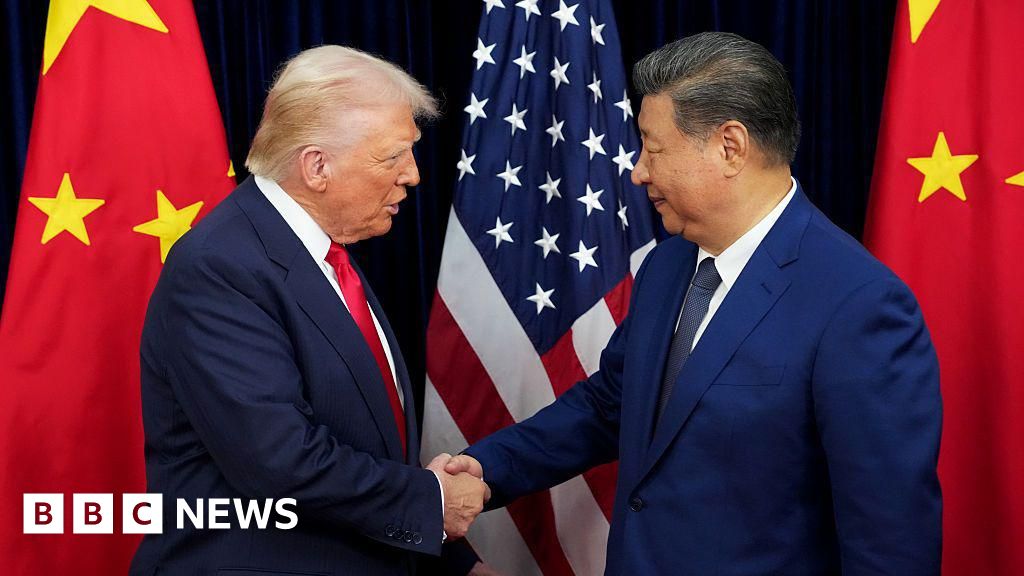
In a significant move that signals a cautious step toward de-escalating the simmering trade tensions between the two global superpowers, China has agreed to begin easing its export ban on critical automotive computer chips. This decision emerges from a landmark deal struck during a summit between Chinese President Xi Jinping and former US President Donald Trump in South Korea, the first major diplomatic breakthrough in the last few years of economic brinkmanship. The White House confirmed that this deal could have profound geopolitical impact, with trade policies once viewed as tools of coercion now potentially shifting toward cooperation.

This agreement is not merely about trade; it carries broader implications, affecting global supply chains, international relations, and the balance of economic power. According to analysts, the deal demonstrates how both nations recognize the cost of instability. The US and China jointly agreed to a series of measures that address bottlenecks and vulnerabilities, especially within high-tech manufacturing and raw material sectors. The reopening of critical chip supplies from China’s Nexperia—a Dutch-based Chinese-owned company—aims to stabilize global automobile markets, which have been thrown into disarray by previous restrictions. Historians cautious about the momentum note that these “breakthroughs” are fragile, warning that the geopolitical chess game remains incomplete, and recent policies could revert if disagreements resurface.

  • Trade war tariffs — Previously, Trump’s tariffs on Chinese goods aimed at boosting American industries but backfired by raising consumer prices worldwide. The new deal proposes a gradual lowering of these tariffs, signaling a possible return to more normalized trade relations.
  • Export controls on rare earth minerals — Beijing has agreed to pause export restrictions for a year, alleviating fears of a technological blockade that could cripple industries like aerospace and defense, underscoring the strategic importance of China’s resource control.
  • Supply of fentanyl-related chemicals — The delicate issue of chemical exports used in fentanyl manufacture is set to be addressed with new measures aimed at limiting the drug’s devastating impact on US society, amidst rising concern about the opioid crisis.
  • US soybean exports — China’s renewed commitment to purchase billions of dollars worth of American soybeans signals a move toward economic normalization, following a year of destructive trade disruptions that hurt American farmers profoundly.

International institutions like the World Trade Organization and economic think tanks have hailed the deal as a potential turning point, but many remain skeptical. This cautious optimism is echoed by analysts warning that the core issues—trust, sovereignty, and influence—remain unresolved, merely postponed for the moment. Historian Henry Kissinger and other diplomatic veterans stress the importance of robust, transparent commitments, cautioning that the path to lasting peace remains fraught with uncertainty and regional rivalries.

As the world watches these developments with bated breath, the ultimate question persists: is this agreement a genuine breakthrough or a strategic pause in a longer, ongoing contest for supremacy? With each handshake and signed document, history appears to hold its breath, perched on the brink of a new chapter—one that could reshape the global order, or plunge the world back into chaos and confrontation. The echoes of this moment will resonate through generations, reminding us that in the realm of geopolitics, peace is often fleeting and fragile—yet always worth striving for amidst the shadows of power.

Top GoPro Picks for 2025: Affordable, Compact, Ready for Anything

Emerging Disruption in Action Camera Market Signals Industry Paradigm Shift

In the relentless pursuit of capturing the adrenaline-fueled adventures and aerial stunts of tomorrow, GoPro continues its evolution, but new developments suggest an impending disruption that could reshape the entire industry. The latest iteration, the Hero 12 Black, exemplifies how innovation in action cameras is driving performance beyond conventional limits. While the company’s previous flagship, the Hero 11, remains available, it is increasingly overshadowed by the newer model, which promises superior stabilization, higher video quality, and advanced features, aligning with the strategic forecast by industry authorities like Gartner that emphasize continuous innovation as vital for maintaining relevance amidst rapid technological advances.

Moreover, the market is witnessing a shift driven not just by product innovation but also by the ecosystem of accessories that redefines how these devices integrate into active lifestyles. Accessories such as the Media Mod and specialized mounts exemplify the disruption in user experience, enabling professional-grade audio and rugged mounting options. This highlights an emerging trend where businesses are now competing in the value-added accessory space, amplifying hardware capabilities and unlocking new revenue streams. As Peter Thiel pointed out, this strategic augmentation represents a business moat—making it less attractive for competitors to replicate a system rather than just a device. Companies that effectively integrate such accessories with their core products will likely dominate the market, fostering a shift away from pure hardware towards a comprehensive ecosystem.

Furthermore, the industry is witnessing a pivot toward rugged, water-resistant, and versatile designs, with models like the Hero 10 Black and Hero 10 hanging on despite their age. However, market watchers indicate that older models such as Hero 10 are beginning to show their age, with video quality and stabilization lagging behind newer models like Hero 13, which offers unparalleled performance at comparable prices. The trajectory suggests that the industry’s near future hinges on the convergence of high-performance hardware with innovative software solutions, including AI-powered stabilization and editing tools like DaVinci Resolve Studio—software that is revolutionizing post-production and editing workflows at a scale previously unimaginable.

The competitive landscape is also being reshaped by a vibrant ecosystem of accessories that are fueling the disruption. For instance, accessories like the Handlebar Mount and the Floating Case exemplify how expanding accessory lines enhances device versatility, capturing a broader market segment while reinforcing brand loyalty. As competitors recognize this ecosystem as their battleground, software and hardware integration will determine which companies thrive and which fade into irrelevance.

Looking ahead, the industry’s trajectory is unmistakably aligned with intensive innovation, ecosystem disruption, and strategic diversification. As Elon Musk and industry analysts emphasize, the future belongs to those who seamlessly integrate hardware, software, and accessories into unified solutions—not as standalone products but as parts of a comprehensive user experience. The race is on, and now is the time for proactive engagement to avoid being left behind in the dust of technological advancements. The showdown between entrenched giants and disruptive newcomers promises a future where only the most innovative will carve out sustainable leadership in the action camera universe.

Top OTC Hearing Aids of 2025: Tested, Trusted, Ready for Action

The rapid evolution of hearing aid technology is disrupting the traditionally conservative healthcare industry, signaling a new era driven by innovation and greater accessibility. The 2022 FDA approval of over-the-counter (OTC) hearing aids marked a pivotal change, democratizing access to auditory assistance and challenging entrenched prescription-based models. Industry analysts, including Gartner and MIT researchers, emphasize that this shift could potentially multiply the market size by breaking down longstanding barriers such as cost and availability, ultimately fostering competition and innovation in the wearable tech space.

Unlike prescription hearing aids, which require extensive audiological testing and personalized fitting, OTC devices are designed for broad use, leveraging app-based self-fitting technologies. This democratization of hearing aid access is not without skepticism — critics from the medical community warn against a one-size-fits-all approach, considering that serious cases of hearing impairment still demand tailored, clinically-driven solutions. Nevertheless, companies like Jabra and Apple, with their recent launches of products like Jabra Enhance Select 300 and AirPods Pro 3, exemplify how industry giants are rapidly integrating disruptive features such as Bluetooth streaming, AI-driven sound calibration, and sleek form factors, creating a cornered market for youthful consumers eager for seamless, multifunctional wearables.

  • Innovation Milestones: Integration of smart features, self-fitting apps, improved sound quality, and discreet designs
  • Business Implications: Expanding consumer base, reduction in entry barriers, and acceleration of R&D investments
  • Market Risks: Consumer safety concerns, regulatory challenges, and the need for industry standards

Experts like Elon Musk and Peter Thiel have long spoken about disruption as a catalyst for growth, and this trend applies vividly here. The entry of tech giants into the hearing aids market indicates a broader movement: wearable health tech is becoming as ubiquitous and essential as smartphones. As Gartner forecasts, the market for smart, connected hearing devices could grow exponentially, driven by innovations in AI, machine learning, and digital health ecosystems. This convergence of technology and healthcare could redefine how industry leaders view competitive advantage, emphasizing agility and user-centric design over traditional clinical fidelity.

However, this rapid innovation also comes with risks and calls for urgent regulatory adaptation. The industry must balance disruption with consumer safety, ensuring new products meet rigorous standards without stifling the nimbleness that startups and giants alike have demonstrated. As the market evolves, companies that can quickly innovate, provide value-driven solutions, and address unmet needs will dominate the landscape. The next two years promise a battleground of technological breakthroughs and strategic moves, emphasizing the necessity for enterprises to act swiftly. For youth-oriented audiences and startups, this trajectory presents unprecedented opportunities to leverage emerging AI, connectivity, and user experience advancements — setting the stage for the next wave of asistive technology that could profoundly impact millions worldwide.

No Kings protests begin nationwide as National Guard stands ready

America witnesses a historic wave of mass protests, signaling a defining moment in its tumultuous political landscape. Organized under the banner of the “No Kings” movement, these demonstrations are set to mobilize over 2,500 locations across the country. With an estimated five million Americans having previously taken to the streets in June, the scale and fervor of these protests underscore a deep societal fracture—one that continues to resonate globally. The protests aim to challenge what organizers describe as President Donald Trump’s drift toward authoritarianism, asserting that “there are no kings in America,” and warning against escalating chaos, corruption, and cruelty.

International observers, including analysts from the United Nations and respected historians, recognize the significance of these events beyond the borders of the United States. European capitals like Berlin, Madrid, and Rome have seen solidarity rallies, reflecting how deeply discussions about democracy, sovereignty, and the limits of presidential power are echoing worldwide. The reaction from America’s internal political factions makes plain the stakes involved: while some Republican leaders call for the deployment of the National Guard in the name of security, Democrats condemn such measures as reminiscent of dictatorial regimes. This division speaks to a broader crisis of governance and legitimacy that has the potential to reshape America’s role on the global stage.

Within this historic context, President Trump’s own statements amplify the drama. In a pre-taped interview teased by Fox News, Trump dismissively remarked, “You know – they’re referring to me as a king. I’m not a king,”—a stark contradiction given the rhetoric of his opponents and the mobilization by reactionary voices within his camp. Meanwhile, Republican figures like Kansas Senator Roger Marshall and Texas Governor Greg Abbott frame the protests as threats linked to radical leftist factions like Antifa. Abbott’s decision to activate the National Guard has sparked fierce debate: critics argue it echoes authoritarian tactics, with Democrats, including Virginia’s Governor Glenn Youngkin, condemning the move as a suppression of peaceful dissent—a hallmark of despotic regimes. This confrontational stance raises pressing questions about the future trajectory of American civil liberties and governance.

As leaders, activists, and global observers watch with bated breath, the unfolding events in the United States could well mark a pivotal chapter in the course of national and international history. How nations respond to internal upheaval signals the state of their democratic health and resilience. The world remains attentive as this drama continues to unfold—a contest between authority and liberty that will ultimately define the legacy of a nation that once regarded itself as the beacon of freedom. Yet in the shadows of these turbulent protests, history quietly moves forward, its weight pressing down on the future, as the echoes of today’s confrontation threaten to shape the world’s future independence and sovereignty for generations to come.

Facebook’s new AI-powered button previews your private photos before you even upload—are you ready?

Meta’s Latest Push into AI-Enhanced Camera Roll Features Sparks Industry-Wide Disruption

Meta continues to redefine the boundaries of artificial intelligence and user data integration with its latest feature rollout, raising significant questions about the future of data-driven innovation and digital privacy. Recently, the social media giant announced a new camera roll feature at Facebook that leverages AI to assist users in enhancing their photographs before posting. This development exemplifies disruption at the intersection of personal data and AI capabilities, offering both technical innovation and strategic market advantages that could reshape social media engagement.

Initially tested in June, the feature proposes to select media from users’ camera rolls and upload it to Meta’s cloud, ostensibly to generate creative suggestions. While Meta claims that private photos used solely for suggestions will not be used to train AI models unless explicitly authorized, industry experts such as Gartner analysts highlight that this transparency may be more perceived than actual. “The potential for future misuse or escalation in data harvesting practices remains a key concern,” warns Dr. Anne He, a prominent researcher in AI ethics and privacy. Today, Meta clarifies that media uploaded for suggestion purposes isn’t immediately used to improve AI, unless the user engages further—yet the underlying implication remains significant for industry-wide data policies.

Strategic Innovation and Industry Implications

Meta’s approach demonstrates a push for convenience-driven AI interfaces that blur the lines between personal privacy and technological convenience. As Meta trains its models on publicly available data since 2007, and potentially on user uploads in the future, industry leaders are recognizing the strategic value of this disruptive shift. The move positions Meta to lead the next wave of AI-powered content creation, aligning with the broader trend of companies leveraging user-generated data to fuel ever more sophisticated algorithms.

Furthermore, the company’s emphasis on avoiding advertising targeting using private media underscores a calculated attempt to mitigate backlash while maximizing data utilization for AI training. This tactical stance could set a precedent for industry standards, prompting rivals such as Snapchat or Twitter to accelerate similar innovations. The strategic deployment of AI-enhanced features like this signals a future where personalized, real-time content enhancement becomes a compelling differentiator in a crowded social landscape.

Disruption, Challenges, and the Road Ahead

The move marks a pivotal moment for digital innovation, yet it comes with significant challenges. Critics argue that any collection of private media for AI training could initiate a new era of privacy erosion, potentially undermining user trust. Industry insiders, including Elon Musk and Peter Thiel, warn that unchecked data aggregation could lead to unforeseen ethical dilemmas and regulatory crackdowns, ultimately disrupting long-term growth prospects for digital giants.

The core question remains: how will industry players balance cutting-edge innovation with user trust and regulatory compliance? As Meta advances in AI-driven content manipulation, the urgency for establishing clear ethical standards becomes evident. With the race to dominate AI-enabled social experiences intensifying, any hesitation or misstep risks falling behind in a market that is rapidly evolving beyond traditional boundaries. Looking forward, the convergence of AI, privacy, and business innovation will likely define the technology landscape for the next decade, requiring companies and regulators alike to act swiftly, decisively—and with vision.

Marvel Unveils Exciting New Shows at NYCC—Get Ready for the Future of Marvel!

Marvel Sets Sights on the Future: A New Era of Innovation and Industry Disruption

The entertainment giant Marvel Studios continues to redefine the landscape of digital storytelling, signaling a shift that extends beyond traditional media into a new frontier of technological disruption. With recent announcements at the New York Comic Con, Marvel unveiled an ambitious pipeline of upcoming series, hinting at a strategic focus on innovation that could set new standards for the industry. While specific release dates remain elusive, the broad timelines and thematic previews underscore a decisive move to harness cutting-edge visuals and narrative techniques, aimed at captivating the increasingly digital-native youth demographic.

Strategic Streaming Expansion and Technological Innovation

Marvel’s upcoming slate includes sequels and new installments for acclaimed titles such as Wonder Man, Your Friendly Neighborhood Spider-Man (season two), X-Men ‘97, Daredevil: Born Again, and VisionQuest. These IP expansions indicate a masterclass in leveraging existing brands for immersive storytelling, but they also reflect a broader industry trend: the convergence of entertainment and advanced technology. Notably, the inclusion of innovative storytelling elements—like the “black, oozy substance” in Spider-Man’s next chapter—hints at advanced CGI and visual effects that push the envelope of digital display capabilities.

  • Enhanced CGI technology elevates character realism and special effects, engaging youth audiences used to high-quality, interactive media.
  • Integration of virtual production techniques allows faster, cost-effective content creation without sacrificing visual fidelity.
  • Interactive storytelling, potentially leveraging AR/VR, could redefine viewer engagement and open up new monetization avenues.

This push towards technological innovation underscores Marvel’s strategic goal: creating a digitally immersive universe that outpaces competing platforms and captures the next generation’s preferences. Gartner’s latest industry reports highlight that media companies adopting **AR/VR** and **AI-powered content generation** are gaining competitive advantages — an approach Marvel seems poised to champion.

Disruption in Industry Norms & Business Implications

The move to target younger viewers with complex narratives and high-tech visual effects signals a disruption of traditional television and streaming formats. Industry analysts, including MIT Media Lab researchers, assert that “the next decade will be defined by seamless, immersive experiences that blur the lines between gaming, streaming, and virtual worlds.” Marvel’s renewed focus on serialized storytelling with rich visual storytelling not only aims to distinguish its content but also threatens established distribution models, prompting competitors to accelerate their own innovation efforts.

Furthermore, the renewed emphasis on legacy IP with updated narratives — such as the return of Jessica Jones in Daredevil: Born Again — reinforces the importance of deep content libraries. However, the industry’s broader shift toward fast-paced, technologically integrated productions suggests hurdles for traditional broadcasters still reliant on static content. The implications are clear: **business models must adapt rapidly** to leverage new technology, or risk obsolescence in an increasingly competitive, digitally-driven landscape.

The Road Ahead: Innovation as a Catalyst for Industry Transformation

As industry leaders like Elon Musk and Peter Thiel emphasize, *disruption* often accompanies rapid technological evolution. Marvel’s latest announcements serve as a bellwether for the industry: the future belongs to those who innovate at the intersection of storytelling, technology, and market agility. With groundbreaking advancements in CGI, virtual production, and audience engagement strategies, Marvel is positioning itself as a pioneer of the next media revolution. It is imperative for media enterprises, creators, and investors alike to recognize that **the next wave of success hinges on technological mastery and disruptive innovation**.

In a landscape where consumer preferences evolve at lightning speed, the urgency for strategic realignment cannot be overstated. Marvel’s integrated approach demonstrates a clear roadmap — one where innovation fuels growth, disruption redefines boundaries, and the industry as a whole must accelerate to stay ahead of the curve. The question is no longer whether technology will transform entertainment, but how swiftly and profoundly this transformation will reshape the future of media consumption.

Top chargers dropping early — get ready before Prime Day hits!

Harnessing Portable Power: The Future of Mobile Energy Solutions Dominates Tech Discourse

In an era where technological disruption is reshaping how we connect, work, and play, portable power innovations are taking center stage. Industry leaders like Anker and Jackery continue to push the boundaries of mobility, positioning themselves not just as accessory providers but as pivotal players in the burgeoning portable energy market. These advancements could redefine the interface between consumers and technology, emphasizing innovation, convenience, and resilience.

The recent launch of Anker’s 633 Magnetic Battery exemplifies how companies are integrating disruptive features into compact form factors. This MagSafe-compatible charger combines high efficiency with user-centric features such as an integrated kickstand and multiple charging modes—wireless at 7.5W or through its USB-C port at 20W. Its support for passthrough charging and dual-port options profoundly impacts on-the-go energy management. While gadget users have long perhaps accepted the constraints of power limitations, innovations like this shift the paradigm, enabling a seamless, always-connected experience. With a capacity of 10,000mAh, enough to power most smartphones, it underscores a market trend toward more energy delivery in smaller packages.

On the industrial front, the emergence of dedicated portable power stations such as Jackery’s Explorer 1000 V2 signals a shift toward *off-grid sustainability*. Its design—notably three AC outlets, multiple USB ports, and an impressive 1,070Wh capacity—positions it as an essential device for outdoor adventurers, emergency preparedness, and remote work settings. Early October Prime Day deals, which cut its price to under $430, reflect strategic pricing aimed at capturing a segment eager for reliable, high-capacity power on demand. Given that Jackery claims its batteries retain about 70% of their capacity after 4,000 cycles, the platform’s longevity makes it a disruptive force in traditional power storage industries. Companies that pivot quickly to incorporate these mobile solutions could capture unprecedented market share, especially as remote work and outdoor activities accelerate globally.

The business implications are equally dynamic, with innovations driving a new competitive landscape. Analysts such as Gartner forecast that portable power devices will grow at a compound annual rate exceeding 20% in the coming years, driven by shifting consumer expectations and the relentless rise of mobile lifestyles. Tech giants and startups alike are investing heavily in R&D—integrating AI for smarter power management, developing lighter yet more durable battery chemistries, and exploring hybrid systems that combine solar with conventional energy sources. This wave of disruption not only threatens established utilities but also paves the way for new ecosystems of integrated, sustainable energy solutions. Firms that prioritize interoperability, durability, and rapid charging will dominate emerging markets, fundamentally altering how we think about energy independence.

Looking ahead, the pace of innovation suggests a tech landscape increasingly defined by lightweight, high-capacity, and eco-friendly portability. The convergence of AI, IoT, and battery technology heralds a future where **portable energy devices** are not just tools but strategic assets—enabling everything from autonomous remote operations to emergency disaster response. As industry pioneers like Elon Musk and Peter Thiel emphasize, maintaining a sense of urgency and anticipating breakthrough shifts will be crucial for stakeholders aiming to lead this dynamic sector. In the coming decade, the race to dominate portable power markets will likely determine the next wave of technological sovereignty, with those embracing innovation at its core poised to define the future of mobility and resilience.

Social Media Auto Publish Powered By : XYZScripts.com