Matox News

Truth Over Trends, always!

Australia updates: War crimes suspect Ben Roberts-Smith in bail hearing; PM confirms no harsher fuel rules after refinery fire

In a year marked by pivotal geopolitical shifts and domestic upheavals, the international landscape continues to reverberate with profound consequences. Strong leaders and rising nations are increasingly asserting their influence, with decisions made in capitals shaping societies worldwide. Recent developments underscore this reality, as nations grapple with internal crises while vying for supremacy on the global stage. These events serve as a stark reminder that the weight of history is still unfolding, and the decisions of today will echo through future generations.

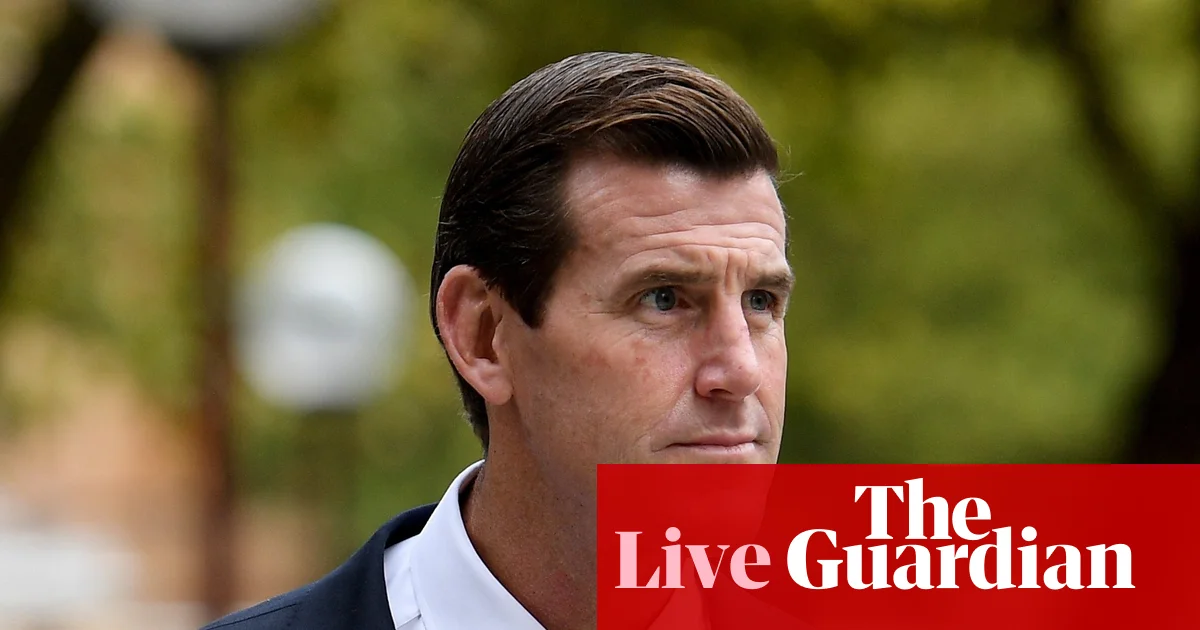
Across Australia, a nation of both immense natural resources and strategic importance, the government faces significant challenges. The detention and upcoming bail decision for Ben Roberts-Smith, a decorated soldier embroiled in war crime allegations, encapsulate a period of internal conflict and judicial scrutiny. His case draws national attention to issues of military accountability and the societal debate surrounding justice for alleged atrocities committed in Afghanistan. While this legal saga unfolds within Australian borders, it perfectly exemplifies how domestic legal processes are intertwined with international perceptions and diplomatic relations. The outcome could influence Australia’s defense policies and its global standing in addressing war crimes—a matter closely watched by analysts and historians who underscore the importance of accountability in maintaining moral legitimacy.

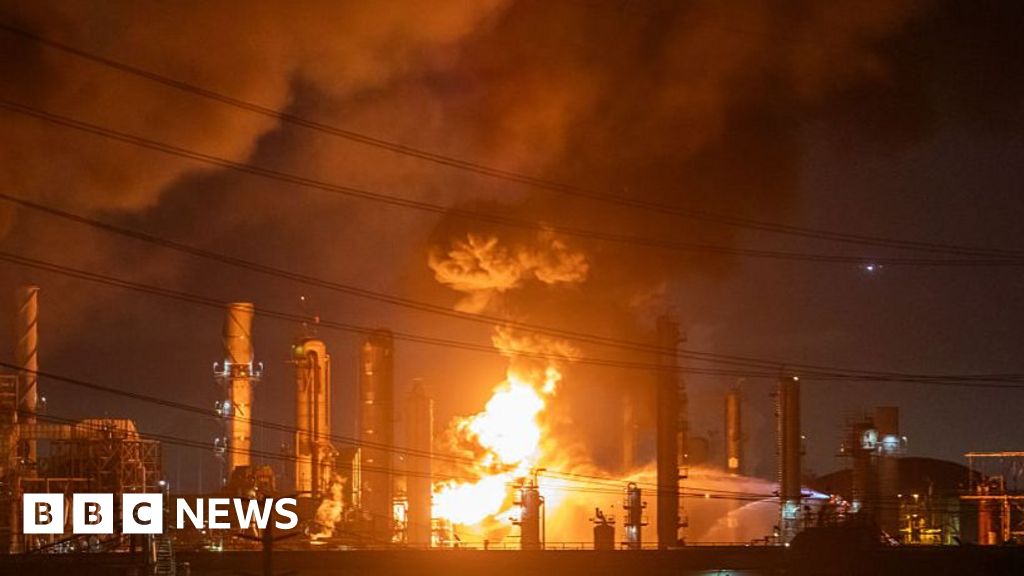
Simultaneously, the country’s critical fuel infrastructure has been rocked by a fire at the Viva Energy refinery in Corio, Victoria. The blaze, which temporarily reduces petrol and diesel supplies, has ignited fears of escalating energy shortages amid ongoing geopolitical tensions involving the Middle East. The Australian Prime Minister, Anthony Albanese, has reassured the nation that the event will not escalate into harsher fuel restrictions, highlighting the government’s proactive measures to stabilize markets. These include securing extra fuel supplies from regional partners and backing private corporations like BP, which have committed to international investment schemes to boost domestic reserves. Such decisions reflect a broader strategy—one that balances national security with economic resilience, all while navigating global conflicts that threaten regional stability.

International reactions are equally telling. Former U.S. President Donald Trump renewed accusations that Australia had not done enough to support U.S. efforts in the Middle East, casting a shadow over the already tense alliance. America’s role as a geopolitical stabilizer is under scrutiny, particularly as allied nations such as Japan and South Korea ramp up their military spending in response to rising regional threats. Meanwhile, European nations face concerns about the resurgence of classic interstate rivalries with Russia’s renewed assertiveness and China’s expanding influence. International organizations warn that these internal and external disputes threaten to redraw the map of global alliances, pushing nations into new layers of uncertainty. Historians suggest that these conflicts could define the geopolitical narrative of the 21st century, where sovereignty and international power are in a constant state of flux.

As the world stands at this crossroads of history, the decisions made behind closed doors in courts and cabinets today will shape the fabric of societies for decades. The verdict on Ben Roberts-Smith may determine how justice is perceived in military conduct, while energy measures reflect a nation’s resilience amid upheaval. Meanwhile, the dance of diplomacy and accusations between Australia, the U.S., and other powers reveals a fragile international equilibrium—one that could tip into chaos or cohesion depending on the choices of leaders. The unfolding story is a testament to the enduring truth that in the theater of geopolitics, every act echoes in the chambers of history, and the true measure of a nation’s strength lies in how it faces its trials, both close to home and in the shadows of distant conflicts.
Australia News Live: Big Fire at Geelong Oil Refinery; Canavan Backs Tough Immigration Stance

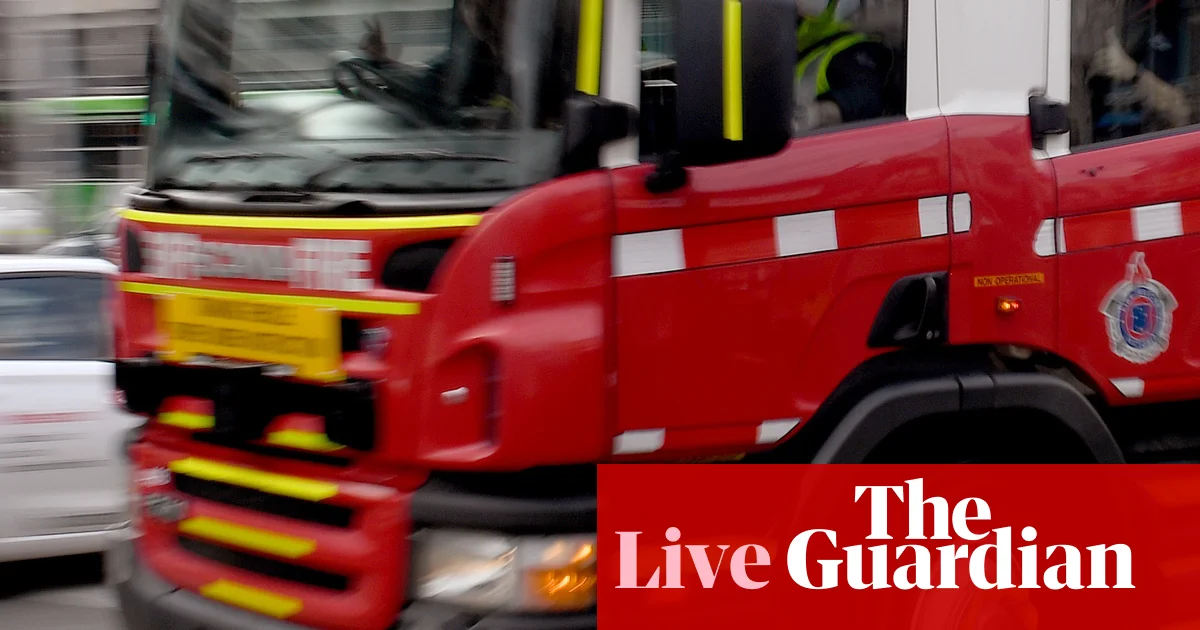
The world is witnessing a series of pivotal moments that threaten to reshape the geopolitical landscape in profound ways. Australia, often considered a distant continent, is currently embroiled in a domestic crisis that threatens its economic stability and raises questions about its future energy security. In Geelong, an “unprecedented” fire at the Viva Energy oil refinery has sent shockwaves through the nation. The blaze, which began late last night, has been described by local officials as decades-in-the-making in terms of its scale and impact. The refinery is responsible for roughly 50% of Victoria’s fuel supply and approximately 10% of the country’s national output, underscoring its strategic significance. As fire crews battle to control the inferno, international actors and analysts watch cautiously, aware that the implications extend far beyond Down Under.

  • The refinery’s destruction or prolonged shutdown could exacerbate Australia’s ongoing fuel crisis, which has already strained households and industries nationwide. The reliance on two remaining refineries, with the other operated by Ampol in Brisbane, highlights how geopolitically sensitive this critical infrastructure truly is. Many international analysts warn that such fragility can serve as a catalyst for broader energy insecurity, potentially inflaming geopolitical tensions with major energy-producing nations. These vulnerabilities are compounded by the fact that both Australian refineries require government support to stay operational, indicative of a broader global trend where energy security and government intervention intersect in geopolitics.
  • The incident coincides with tense political debates within Australia, as Matt Canavan, leader of the National Party, publicly defended the government’s controversial immigration policy. His stance, which proponents tout as “reasonable and fair,” has ignited a fierce contest of narratives over national identity and sovereignty. Canavan’s rhetoric, referencing the naturalisation process of his grandparents and invoking the literary phrase “Having good fences make for good neighbours,” underscores a broader worldview increasingly aligned with nationalist, sovereignty-centric principles. Critics, however, interpret this as an extreme form of discrimination cloaked in patriotic language, highlighting a sinking support for immigration among Australians—a trend that some analysts argue could embolden hardline policies that threaten social cohesion.

International observers, including historians and geopolitical think tanks, warn that such nationalistic rhetoric, when paired with vulnerabilities like energy supply shocks, can escalate into broader regional instability. As the United Nations and World Bank scrutinize Australia’s internal debates and energy roadmaps, the global community remains wary of a potential domino effect. The concern is not merely about Australian sovereignty but how ever-accelerating shifts in domestic policy and energy infrastructure risks ripple effects in the Indo-Pacific and beyond, especially amid rising tensions with China and regional alliances. The fusion of energy crises with aggressive nationalist discourse could, analysts warn, fuel a dangerous cycle of escalation and realignment in international security frameworks.

As history continues to unfold, the nation’s response in the coming weeks will serve as a litmus test for its political stability and strategic resilience. Will the fires at Geelong become a symbol of vulnerability or a rallying point for innovative reform? Will the rhetoric of figures like Canavan morph into a broader movement that tests the limits of accepted policies? The answers to these questions may well determine whether Australia remains a bastion of stability or a flashpoint for new geopolitical conflicts. As the flames lick the skies and political volleys echo across the continent, the weight of tomorrow’s history presses down—an unwritten chapter begging to be shaped by the choices made today.

Irish police clear fuel protesters at oil refinery amid rising tensions

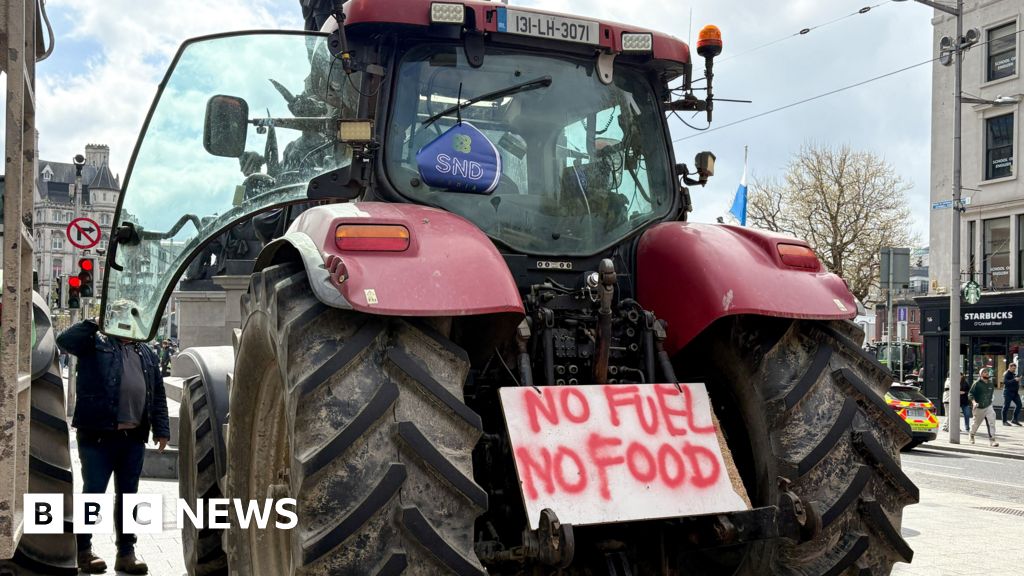
Recent demonstrations centered around rising costs have erupted across multiple regions, shedding light on the profound geopolitical impact of the escalating US-Israeli confrontation with Iran. As protests ripple through cities and highways, the broader consequences extend beyond mere discontent, signaling shifts in international stability and economic resilience. This unrest, driven significantly by economic pressures exacerbated by the ongoing conflict, reflects a society strained under the weight of war and the ripple effects of superpower diplomacy.

At the heart of recent upheaval are the sharp increases in fuel prices and commodities—an outcome of sanctions, tanker rerouting, and disrupted supply chains that have deepened economic vulnerabilities. Experts from the International Monetary Fund and geopolitical analysts argue that these economic disturbances are not isolated; instead, they are harbingers of a broader destabilization that could influence international alliances and power dynamics for years to come. Historian Dr. Jane Roberts warns that history teaches us conflict not only reshapes borders but also ripples through societal stability and civil order. The demonstrations highlight how local populations are affected by decisions made in distant capitals, underscoring the interconnectedness of modern geopolitics.

This surge in unrest coincides with heightened tensions between the United States, Israel, and Iran, where diplomatic efforts and military posturing are shaping a precarious global landscape. The recent military strikes and sanctions against Iran have sharply increased prices and supply uncertainties in global markets, fueling inflation and consumer distress. Countries across the Middle East and beyond face pressures to navigate these turbulent waters, with some analysts warning that any misstep could ignite a broader regional conflict. The United Nations warns that such instability undermines international peace efforts and feeds into anti-globalist sentiments worldwide.

Moreover, the geopolitical landscape is undergoing a profound transformation as alliances shift under the burden of war. Countries such as Russia remain watchful, evaluating how these conflicts open avenues for strategic gains or weaknesses. Decisions made now, including military support, sanctions, and diplomatic overtures, will reverberate long after the dust settles, shaping the post-war order and influence of global powers. International organizations, united in their pursuit of peace, continue to warn that escalation risks drawing a divided world into deeper chaos, with civilians caught in the crossfire.

As the protests continue to obstruct traffic and draw international attention, they serve as a stark reminder: the flow of history is unpredictable, yet often driven by moments of crisis. In the shadows of rising prices and unrest, the true test lies in whether nations can pursue stability amid upheaval or succumb to the chaos that war engenders. The world watches, holding its breath, as the tide of geopolitical currents carries us toward an uncertain future.

Chevron refinery fire in California contained—safety rallying point for responsible energy leadership

The recent fire at Chevron’s El Segundo refinery near Los Angeles has sent shockwaves through national and international energy sectors. The blaze, which broke out overnight, underscores the fragile nature of critical infrastructure in a global energy landscape fraught with uncertainty. While local authorities reported no immediate threat or evacuation orders, the incident highlights broader vulnerabilities within America’s refining capacity and draws attention to the potential for domestic crises to escalate into larger geopolitical concerns.

This refinery, built in 1911 and ranking as Chevron’s second-largest in the country, supplies roughly one-fifth of motor vehicle fuels and a staggering 40% of jet fuel in southern California. Its strategic importance cannot be overstated, especially given how tightly intertwined energy resource management is with national security and economic stability. With the fire contained but the damage still under investigation, analysts warn that such disruptions could influence gasoline prices, air travel, and regional stability. In an era where energy independence is highly contested, the incident raises questions about America’s resilience in the face of unforeseen disasters.

International organizations and security analysts have long warned that disruptions in the American energy infrastructure could have cascading effects on global markets. The International Energy Agency (IEA) has repeatedly underscored the importance of diversifying energy sources to mitigate risks from such localized but potent incidents. Meanwhile, geopolitical tensions between major powers continue to influence global energy supplies, and the possibility of targeted attacks or sabotage—particularly amidst rising geopolitical rivalries—cannot be dismissed. As historians point out, last decade’s energy crises were often precipitated by seemingly isolated incidents yet had ripple effects that reshaped alliances and economic policies worldwide.

The fire’s symbolic significance extends beyond the immediate damage. It serves as a stark reminder that how nations respond to such crises can shape their future trajectories. Cities like Los Angeles are vital nodes in the global energy web, and local disruptions may be exploited as leverage by hostile actors in an increasingly multipolar geopolitical arena. Experts warn that if these vulnerabilities are left unaddressed, they could fuel narratives of decline and dependency that are already fueling populist movements in the West. The incident also raises the threat of environmental contamination, which local officials are monitoring closely, but the broader consequences for energy security remain a pressing concern for policymakers.

As the world watches this unfolding crisis, with flames still smoldering and the specter of potential repercussions looming, history reminds us that such incidents often serve as turning points—either as catalysts for reform or as moments of vulnerability exploited by rivals. The decision of nations and corporations to fortify or neglect their critical infrastructure will define future geopolitics. With each passing day, the weight of history continues to mount, and the question remains: when calamity strikes, will the world have prepared sufficiently to withstand its toll?

Social Media Auto Publish Powered By : XYZScripts.com