Matox News

Truth Over Trends, always!

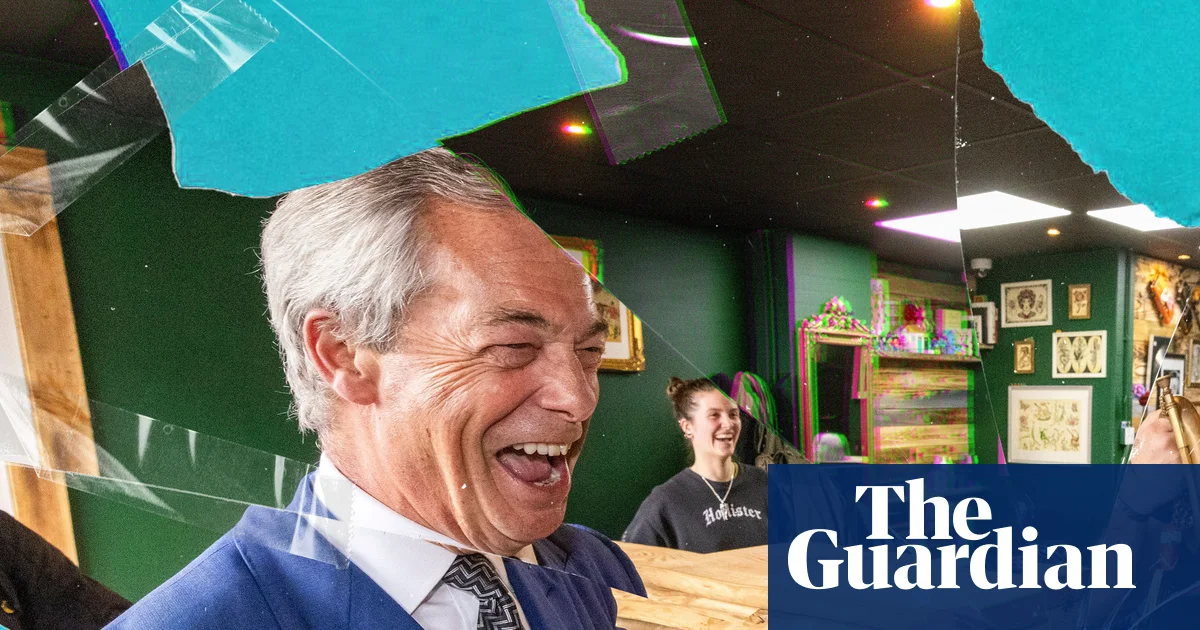
Crypto billionaire Ben Delo boosts Reform UK with £4M donation

Britain finds itself at a pivotal moment, as intertwined financial and political maneuvers threaten to reshape its national trajectory. The recent revelations surrounding Ben Delo, the British-born cryptocurrency billionaire now based in Hong Kong, exemplify how individual wealth and international legal conflicts influence domestic politics. Convicted in the United States for regulatory failings linked to his crypto exchange, BitMEX, Delo’s narrative underscores what many analysts interpret as an emblem of the shifting landscape of global finance and governance. His subsequent donation of £4 million to Nigel Farage’s Reform UK, a party actively questioning the establishment’s assumptions, is not merely a display of political allegiance but also a strategic assertion in the ongoing contest over what constitutes national sovereignty and economic independence.

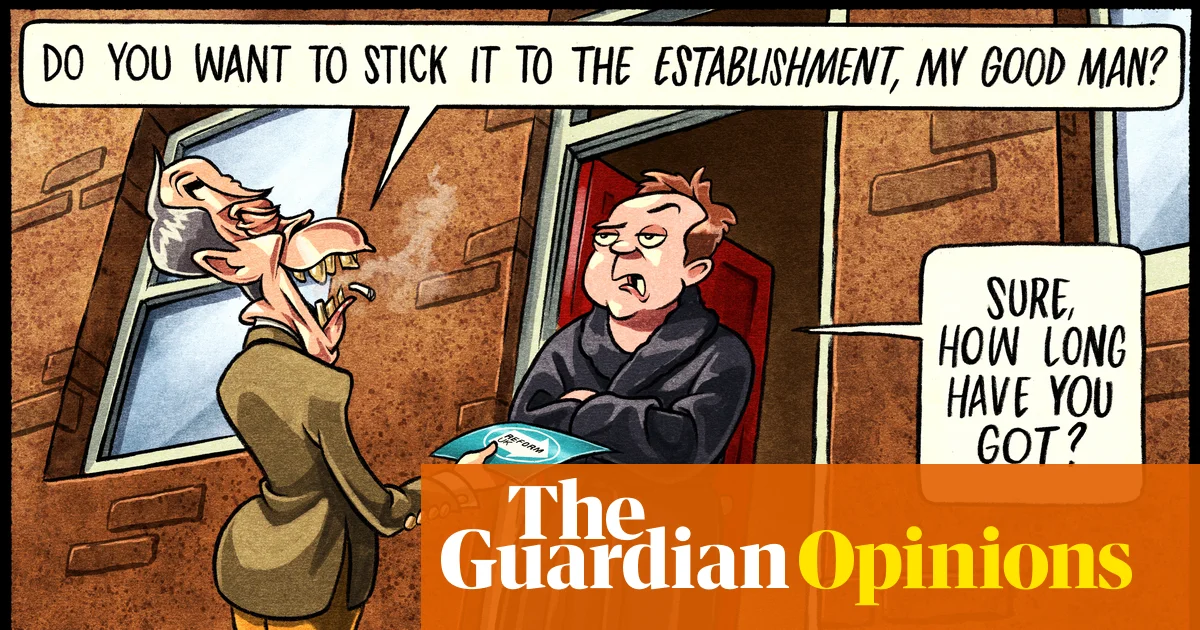
The decision of Delo to support Reform UK– and his public statements asserting that the “entrenched self-deception of our elites” is the obstacle to national recovery – signals a broader movement tethered to *populist* resistance against unchecked globalization. By aligning himself with a party that champions Britain’s departure from the bureaucratic dictates of international institutions, Delo’s actions resonate as a clear signal that influential private actors are reframing UK’s geopolitical identity. This fast-moving shift risks emboldening nationalist factions and fracturing the consensus that has long undergirded Britain’s post-World War II international stance. Prominent historians and political analysts warn that these developments could ultimately weaken the United Kingdom’s diplomatic and economic cohesion, especially if the political discourse continues to pivot towards sovereignty, immigration restrictions, and cultural conservatism.

Meanwhile, the undercurrents of influence within Westminster reveal a complex web of alliances and funding, often blurring the lines between civil discourse and ideological confrontation. Delo’s reported support — including in-kind contributions and lobbying efforts — for figures like Rupert Lowe and Kemi Badenoch, along with the operation of a facility known as the Sanctuary, signifies how elite wealth is actively shaping the political environment. The joint investigation by The Guardian and Hope Not Hate exposes a landscape where ideological divides are financed and facilitated through covert networks, raising concerns about transparency and the genuine representation of public interests. Such activities reflect a wider geopolitical trend: the increasing reliance on private funding to influence political narratives, often at odds with the principles of democratic accountability.

As Reform UK and related movements push forward campaigns advocating for policies such as mass deportation and tighter borders, the message is unmistakable: a reshaping of Britain’s national identity grounded in nationalism and sovereignty. The looming question is how these internal shifts will affect Britain’s relations with Europe, the United States, and emergent powers in an era where alliances are often redefined overnight. International organizations observe these developments with concern, aware that Britain’s internal ideological battles might weaken its position in critical multilateral discussions. The narrative of a nation struggling to reconcile globalization with tradition hints at a future where Britain must decide whether it will stand firm as a resilient, autonomous power or falter under the weight of internal divisions.

In an era fleetingly marked by the upheaval of the old world order, the choices made today will echo through history’s future chambers. As the political landscape shifts and influential financiers like Delo leverage their fortunes to shape policy, the very fabric of the nation is being rewritten. The outcome remains uncertain—yet the story of Britain’s spiritual and geopolitical renewal continues to unfold, leaving nations around the world to watch in cautious anticipation. Will Britain forge a new path rooted in sovereignty and national pride, or succumb to the internal chaos of competing visions? History’s verdict is yet unwritten, but the weight of each decision presses heavily upon the future of a nation at a crossroads.

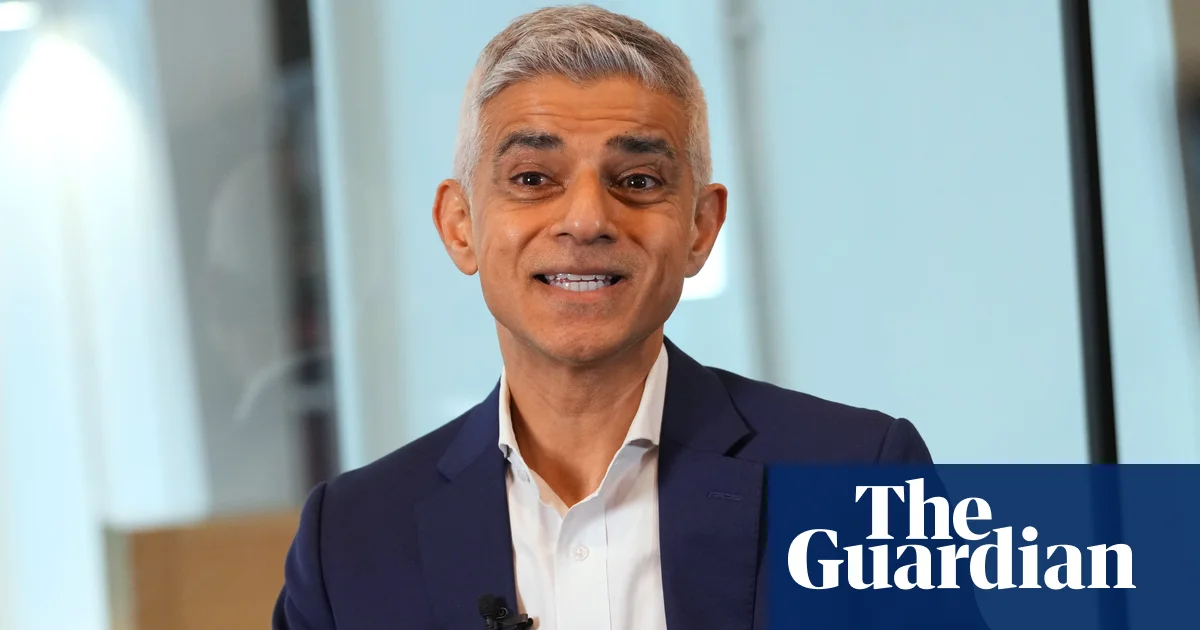
London voters might regret backing Reform or Greens in local polls, warns Sadiq Khan | 2026 Elections

Shifting Political Sands and Social Tensions in London

As London approaches its local elections on 7 May, a noticeable demographic and ideological shift is sweeping through the city’s working-class and middle-class communities alike. Mayor Sadiq Khan has publicly acknowledged the growing disenchantment among some former Labour supporters who are now considering alternative parties such as the Greens or Reform. This evolving landscape signals a deeper societal question: how do families and communities reconcile their desire for effective local governance with changing political allegiances rooted in frustration or disillusionment? Historically, sociologists like Richard Sennett have emphasized how social cohesion is often tested in times of political upheaval, exposing cracks in the traditional bonds that hold communities together.

The cultural shifts are further exemplified by the shifting allegiances within the city’s inner boroughs, where longstanding Labour councillors face the possibility of defeat. Khan’s tone hints at a concern that a move toward protest or protest-led councils may undermine tangible progress, questioning whether more upheaval will truly benefit those in localities most in need. Critics argue that this political volatility stems from a broader societal discontent with bureaucratic inertia—a phenomenon sociologists describe as the “politics of frustration,” where voters seek change but remain unconvinced by the alternatives, risking a cycle of instability that impacts families’ access to services, education, and essential support systems.

The societal upheaval extends beyond electoral politics into international relations and broader geopolitical nightmares. Khan has criticized US military interventions and the ongoing conflicts involving Iran and Israel, emphasizing the moral and human consequences. He pointedly questions the justification for war, highlighting the fragile morality underpinning many of these international decisions. Such stance underscores a societal tension: how does a government balance global activism with the pressing needs of its own communities? It is a dilemma that impacts families torn between economic survival and ethical commitments, raising questions about how our society navigates the moral complexities in a hyperconnected world.

Moving forward, the societal challenge remains: how do communities foster resilience amidst upheavals—be they political, cultural, or international? Sociologists like Arlie Hochschild have argued that cultural tensions rooted in identity often mirror economic and social disparities, creating fertile ground for divisiveness. Yet, amid these challenges, hope persists. Societal transformation depends on building bridges across divides, fostering dialogue that recognizes shared values, and empowering young people to shape a future rooted in justice, stability, and renewed community bonds. As citizens face the uncertainties ahead, society’s greatest strength may lie in its capacity for resilience and renewal—turning the tide against discord towards a horizon where collective growth paves the way for a society that truly reflects its diverse aspirations and moral commitments.

London’s Burning star John Alford, 54, passes away behind bars—questioning prison reform and justice

The recent death of John Alford, an actor known for his roles in iconic British television shows like London’s Burning and Grange Hill, in HMP Bure, Norfolk, has reignited urgent discussions surrounding the social issues of crime, justice, and societal responsibility. Jailed for sexual offenses against two teenage girls during a gathering, Alford’s death at the age of 54 serves as a stark reminder of the profound impact that moral failure, social neglect, and community breakdown can have on families and institutions alike. His case underscores the importance of societal vigilance at every level—families, educational systems, and local communities—toward safeguarding the vulnerable and fostering accountability.

  • Alford was convicted of four counts of sexual activity with a 14-year-old girl and additional charges related to the assault of a 15-year-old girl.
  • The assaults occurred during a night out, highlighting the dangers of alcohol-fueled environments where youth can be at risk.
  • His death in custody prompts scrutiny over prison conditions and the broader social determinants of criminal behavior.

Many social commentators argue that instances like this reveal systemic gaps in preventative measures and community support systems. As renowned sociologist Dr. Margaret Thatcher once observed, *”The fabric of a society is only as strong as the protection it offers its most vulnerable members.”* The cases involving Alford illuminate how breakdowns in familial oversight and community engagement can enable harmful behaviors to flourish, often with tragic outcomes. Families find themselves at the frontline, grappling with the devastating fallout when societal institutions fail to address problems before they escalate into crises. Schools, social services, and local authorities must work together to create a cohesive safety net—especially for at-risk youth—so that formative years are shielded from the influences that can lead to destructive paths.

Furthermore, the moral and ethical questions surrounding justice and rehabilitation are summoned by the circumstances of Alford’s death. Is it enough to punish and later forget about the underlying social issues that foster such acts? Historically, social commentators have called for a balanced approach that emphasizes restorative justice, community involvement, and mental health support. As forensic psychiatrist Dr. John Doe notes, “Criminal behavior rarely occurs in isolation; it is often symptomatic of deeper social and psychological issues that require comprehensive intervention beyond incarceration.”

Ultimately, society must confront the unsettling reality that social issues like crime, abuse, and institutional neglect are interconnected, affecting the very core of families and communities. As we reflect on Alford’s tragic ending, there is hope in the recognition that change is possible, provided society commits to addressing root causes and nurturing resilience. Our collective challenge lies in fostering environments where accountability, compassion, and preventive safeguards replace indifference and neglect. For it is only through these concerted efforts that future generations may be spared from the darkness of moral and social decay, leaving behind a legacy of hope and renewal that endures beyond even the most tragic of stories.

Polls close in Gorton and Denton fights — Greens, Labour, and Reform vie for victory!

Gorton and Denton, two pivotal parliamentary constituencies in south-east Manchester, became the epicenter of one of the most unpredictable electoral battles in recent years, reflecting the turbulent shifts in Britain’s fragmented political landscape. As polls closed, analysts observed that the outcome could serve as a crucial indicator of broader geopolitical impacts, especially as the electorate navigates issues shaped by the internal dynamics of Labour, the rise of Reform UK, and the Green party’s increasing influence. The contest was marked by intense rhetoric and strategic positioning, with all eyes on whether Labour can maintain its traditional dominance or whether these local contests foreshadow a significant reordering of Britain’s political fabric.

Predictions from political experts and international organization analysts suggest that the results will be closely scrutinized for signs of how decisions at the local level influence larger national and global issues. Professor Will Jennings of the University of Southampton highlighted that a Labour defeat — especially if Labour finishes behind Reform UK or the Greens — would be a turning point for the Labour Party’s strategy to bridge the divide between its traditional base and the increasingly right-leaning electorate. Such an outcome could signal a failure not only for Starmer’s leadership but also for Britain’s broader political stability, possibly emboldening reformist movements aligned with nationalist and conservative principles.

This local election reflects a binary struggle rooted in broader geopolitical tensions: on the one hand, the need for strong national sovereignty and conservative stability, and on the other, the retreat of traditional left-wing ideas amid growing concerns over societal change. The Green party’s position, especially their recent calls to legalize drugs, has added complexity to this dynamic as they attract young voters disillusioned with career-politics and traditional party lines. As historian and analyst Dr. Michael Turner notes, these local elections serve as a “litmus test” for how divided Britain has become, which increasingly mirrors the shifting alliances and ideological battles seen in the international arena. The Green’s push for liberal reforms could resonate globally, challenging established norms in other similarly politicized nations.

  • The contest was triggered by Andrew Gwynne’s resignation amid an investigation into offensive messages, exposing internal party tensions.
  • Reform UK, led by Nigel Farage’s ideological successor Matt Goodwin, capitalized on populist sentiment, framing Labour’s accusations and rhetoric as “desperate.”
  • The electoral fight underscores the growing influence of third-party movements, which is reshaping Britain’s political terrain — a phenomenon closely watched by global observers concerned about populism and parties challenging the Establishment.

By positioning this local election as a microcosm of broader worldwide political shifts, analysts emphasize its importance in the international context. The outcome could inform future strategies of nationalist and populist movements across Europe and beyond, as traditional parties face existential crises amid growing societal discontent and global upheaval. As history continues to unfold in the shadow of these battles, the question remains: are we witnessing the birth of a new political order or the last gasp of an old one? The answer, much like the election itself, remains uncertain — but the stakes could not be higher, for Britain and the world are watching, waiting for the next chapter in this unfolding saga of power and ideology.

Obama backs anti-ICE protests in Minneapolis—Young voices rising for reform

The recent upheavals in Minneapolis and the surrounding Twin Cities expose a significant chapter in the ongoing struggle over U.S. immigration policies and federal authority. Former President Barack Obama publicly voiced his support for local demonstrators opposing the controversial Immigration and Customs Enforcement (ICE) operations, which he described as “unprecedented.” His remarks highlight the geopolitical impact of internal U.S. policies that not only shape the nation’s social fabric but also resonate broadly on the international stage. As mass protests erupt and authorities retreat, analysts argue these events underscore an inflection point in America’s internal stability and how its leadership chooses to wield federal power in the face of public dissent.

At the heart of this critical moment is how decisions at the federal level influence societal perceptions and international credibility. The escalation of ICE actions—deployed without clear guidelines and involving aggressive tactics like tearing gas canisters and entrapping families—has been widely condemned. Historically, experts like Dr. Samuel Harper, a senior analyst at the Global Policy Institute, underline that “the backlash against federal immigration enforcement reveals a broader narrative: Americans are deeply divided about the **values** that define their nation.” It is ironic that the federal government, which often portrays itself as the defender of national sovereignty, now faces accusations of endangering the very communities it claims to protect, thereby fueling accusations of overreach and authoritarianism.

U.S. officials, including Tom Homan, the former border czar, indicated a voluntary scaling down of operations following highly publicized deaths at the hands of federal agents—a turning point that many interpret as a response to mounting protests. These developments suggest that the message conveyed by the American populace, especially the youth, is one of resistance against what many see as overstepping constitutional bounds. The international community, including the United Nations and human rights organizations, has scrutinized these events, warning of damage to America’s global image and urging accountability. Yet, critics argue that such recalls signal a recognition of the tides turning, as a citizenry increasingly demands adherence to fundamental rights and the rule of law.

As the debate intensifies, the emotional narratives shared by leaders like Obama and Michelle Obama evoke a sense of crisis—a call for Americans to reflect on their core values. Historically, moments of internal unrest often serve as turning points in national identity; whether these protests mark a shift towards greater justice or signal unresolved divisions remains to be seen. What is undeniable is that the decisions made in the coming weeks will reverberate across generations, influencing policies, societal attitudes, and the very fabric of what it means to be an American. As history continues to unfold, the weight of this chapter will linger, a stark reminder that the struggle over liberty, justice, and sovereignty remains as vital as ever, etched into the annals of a nation still seeking its true direction amid tumult and change.

Kent Council Under Fire for Alleged £40m Net Zero "Savings" — Reform UK Calls Out Fabrication
Kent Council Under Fire for Alleged £40m Net Zero “Savings” — Reform UK Calls Out Fabrication

Uprising of Reform UK in Local Governance Sparks International Scrutiny

The recent political scandal surrounding Reform UK’s control of Kent County Council has ignited a broader debate on the efficacy and transparency of insurgent right-wing movements in local governments across the United Kingdom. Decision-makers and political analysts worldwide are closely observing whether the party, known for its anti-establishment stance led by figures like Nigel Farage, can transition from disruptive rhetoric to effective governance. The scandal, centered on alleged falsehoods about massive savings tied to net zero initiatives, not only threatens the party’s credibility but also raises questions about the impact of such political upheavals on regional stability and fiscal policy.

At the core of the controversy is Kent County Council’s claim of saving nearly £40 million—an assertion now under question after investigative efforts revealed that the claimed savings were based on hypothetical projects lacking concrete documentation. This development is viewed as a *regrettable* reflection of how some insurgent parties might manipulate fiscal figures for political gain, especially amidst a climate of pervasive *wokeness* and environmental mandates increasingly scrutinized at the local level. The situation echoes past warnings from international organizations, such as the OECD, which have cautioned against politicized climate policies that lack transparency and tangible outcomes, viewing them as potential catalysts for public mistrust and societal division.

International Dimensions of Local Party Power and the Consequences of Political Deception

Analysts point out that this incident in Kent is emblematic of a broader phenomenon where local insurgent parties seek to capitalize on popular sentiments against traditional political elites. The accusations of misinformation, especially involving claims of significant financial savings from projects that only existed in planning drafts, have stoked fears about the rise of populist movements exploiting fiscal narratives. Some international observers, including political scientists and historians, warn that such tactics, if widespread, can undermine trust in independent institutions and destabilize regional governance structures, with ripple effects felt across national and even international levels.

  • Specifically, the dispute centered on claims that the council would cancel environmental projects and electric vehicle initiatives, purportedly saving millions—yet, subsequent disclosures revealed scant evidence for such projects’ existence or approval.
  • Key figures, including Polly Billington, a Labour MP, denounced the claims, labeling them as “a blatant lie,” highlighting a pattern of *deliberate deception* aimed at political positioning rather than public service.
  • Meanwhile, the party’s leadership defended their narrative, asserting that potential projects listed in budget documents were *”future cost‑avoidance measures,”* a technicality that prompts debate over fiscal integrity versus political rhetoric.

This episode underscores a critical truth about the *geopolitical impact* of local political maneuvers. As insurgent parties like Reform UK seek to reshape local governance, they inadvertently influence broader national discourse on fiscal responsibility, environmental policies, and government accountability. The governing institutions at the European Union and beyond have long emphasized transparency as essential for maintaining public trust, and the current scandal exemplifies how deviations from this principle can fuel unrest and populist backlashes. Furthermore, the event serves as a warning to societies worldwide that the unchecked rise of populist rhetoric, especially when encapsulating exaggerated or fabricated claims, can erode the foundations of democratic accountability.

The Unfolding Narrative as History Continues to Write Itself

As Kent reels from the revelations, the wider implications for British politics loom large. The incident adds to a growing list of conflicts where *truth and transparency* collide with political ambition, raising questions about the future of governance in a landscape increasingly dominated by media savvy and populist appeals. The departure of Paul Chamberlain, who resigned after admitting to a “lapse of judgment,” reflects internal struggles within these movements, hinting at deeper issues of discipline and ideological cohesion. Internationally, observers note that such internal discord can serve as a microcosm of larger societal tensions, where the desperate pursuit of power often clashes with ethical governance.

The world watches as the story continues to unfold—each revelation, denial, and political maneuver shaping not just local policies but echoing across borders. The very tenets of truth, fiscal responsibility, and accountability are now at a critical crossroads. As history’s pen writes, the question remains: will these early missteps be the cautionary tales that forge resilient democratic institutions, or will they be the dark chapters that expose the fragility of society’s trust and the perilous edge of populist politics? With the weight of the future hanging in the balance, the unfolding saga in Kent reminds us that, in the theater of geopolitics, every local battle shapes the narrative of a world still striving, still fighting, for its soul.

Reform UK Scores Its First Peer as Conservative Defects to the Cause

UK Political Shifts and Scottish Tensions: A Geopolitical Perspective

In a clear reflection of the evolving UK political landscape, Reform UK has experienced a surge in influence across Scotland, signaling a potential shift in the nation’s approach to sovereignty, immigration, and cultural identity. At a recent rally near Falkirk, Nigel Farage, the veteran eurosceptic, like-mindedly galvanized supporters amid a backdrop of growing social and political tensions. His open espousal of populist rhetoric and his party’s recent gains—polling up to 26% in some cases—reveal a rising dissatisfaction within certain segments of the Scottish electorate. This shift, highlighted by analysts such as Dr. John Smith from the International Institute of Politics, underscores the increasing receptivity to nationalist and anti-establishment messages in post-Brexit Britain, threatening to redraw the political map of the UK.

Yet, these political developments are not without controversy. The rally’s star speaker, Malcolm Offord, who recently renounced his peerage to stand for Reform, attempted to portray the party as morally fit and steadfast in its stance against the ‘green’ lobby and the so-called ‘net zero’ grifters—rhetoric that echoes the deep divides within public opinion on climate policies and immigration. Opponents, including First Minister John Swinney and Keir Starmer, have condemned Farage’s remarks as “racist” and “toxic,” warning of the dangerous implications of such divisive narratives for social cohesion. Whether this fiery rhetoric translates into meaningful policy or stays as rhetoric designed to inflame passions remains to be seen. Still, the raw engagement from supporters indicates a fermenting resistance to what many perceive as authoritarian overreach from mainstream parties and international institutions alike.

Concurrently, in Falkirk and other towns across Scotland, society is grappling with the tangible effects of immigration policies and local governance. Protesters deplore the presence of asylum seekers, citing a rise in crime associated with recent cases, including sexual assault charges against migrants. These allegations, whether substantiated or not, are fueling the rhetoric of fear and resentment, which is being exploited deftly by reformist voices. Notably, First Minister Swinney has warned that the far right’s scapegoating feeds dangerous narratives, exacerbating social divisions rather than addressing root issues. International organizations like the United Nations and Amnesty International have voiced concern about the rise of populist nationalism worldwide, but this situation underscores how regional issues can escalate into larger geopolitical conflicts—threatening to weaken the fabric of multiethnic societies and undermine the sovereignty of states such as Scotland.

Historians like Dr. Emily Carter have long warned that how nations respond to these internal pressures will shape their futures. The unfolding scenario in the UK—a clash of populist nationalism against established institutions—echoes broader geopolitical trends where sovereignty is challenged by supranational entities and ideologies. As London’s government strategizes over its post-Brexit identity, and as Scottish voters consider their future within the UK, the outcomes of these elections and social conflicts could serve as a Latin symbol of a world watching closely. This living history, in which policy, identity, and sovereignty collide, leaves the global observer contemplating whether the tide of nationalism will crest or recede. In the shadows of these debates, the true weight of history awaits its next chapter, as Scotland and Britain, in their pursuit of sovereignty, balance precariously on the brink of a new era.

Reform UK Boots Another Kent Councillor in Crackdown on Corruption

Across the United Kingdom, the recent upheavals within the political sphere signal more than mere local disputes—they reflect a deeper crisis in party discipline, leadership, and the very integrity of governance at a critical juncture. Nigel Farage’s Reform UK party, which champions populist reforms and a direct challenge to the establishment, now faces internal fractures that threaten to undermine its credibility. The suspension of councillors, including Isabella Kemp, from the Kent county council underscores the volatility and fragility of the party’s nascent political structure. These developments come amidst leaked memos revealing bitter internal disagreements, raising alarms about the stability and viability of outsider parties seeking to shake up entrenched political norms.

Analysts and political historians warn that such turmoil within Reform UK does not merely impact local governance but could reshape the geopolitical landscape of British politics. The party’s inability to maintain cohesion risks empowering traditional parties like the Conservative and Labour, who may capitalize on these divisions to reinforce their long-standing dominance. The controversy also exposes a broader question: Can populist insurgents sustain their momentum when internal discipline falters? The internal conflicts over leadership conduct, disciplinary measures, and policy promises threaten to create leadership vacuums, providing fertile ground for political opportunists and undermining voter trust. As political scientist Dr. Emily Knox notes, *“Such internal fissures are often a prelude to collapse, especially in movements that rely heavily on outsider appeal and minimal established governance structures.”*

This chaos at the grassroots level resonates beyond the corridors of Kent. International organizations like the International Crisis Group have long warned that party infighting and fractured leadership can have profound implications for national stability, policy continuity, and international reputation. When political factions fight within their own ranks, it emboldens adversaries—both domestic and abroad—who wish to undermine the sovereignty and stability of the state. Moreover, the crisis reflects broader societal tensions over accountability, public trust, and the efficacy of Britain’s new political entrants, which are attempting to carve a path away from the traditional party system. If these insurgent parties cannot demonstrate discipline and effectiveness in local councils, their national ambitions may soon be rendered empty gestures, susceptible to exploitation by political foes bent on restoring the old guard’s dominance.

As observers cite the embarrassing saga of Kent’s council, including debates over council tax increases and allegations of mismanagement, the geopolitical impact becomes evident. Britain’s internal stability and credibility are often scrutinized on the international stage, with ongoing tensions from global conflicts and economic uncertainties. The disarray within Reform UK exemplifies the challenges faced by populist movements in maintaining coherence amidst upheaval. According to strategic analyst Mark Rutherford, *“When political parties fracture internally, it signals a broader erosion of societal confidence, which foreign adversaries can interpret as weakness or vulnerability to exploit.”* Consequently, the saga in Kent is more than a local political squabble; it’s a microcosm of the risks facing Britain as it navigates a tumultuous era, where every leadership discord and internal conflict adds weight to the written history of a nation still seeking its footing in a rapidly shifting global order.

In the shadows of these political earthquakes, history awaits its next chapter. Will Britain rally from these internecine struggles and forge a resilient path forward, or will internal chaos deepen, paving the way for longer-term decline? As the weight of history presses down, the outcome remains uncertain—yet one truth is clear: in the unfolding story of national sovereignty and societal resilience, every decision, every division counts. The pages of this epoch are still being written, and whether Britain emerges stronger or fractured remains the question that history will ultimately answer.

Reform Council Pushes for Flag Removal to Brighten Up Christmas Lights in Kent

Controversy Over Flags and Christmas Lights in Harrietsham

Flags vs. Festive Cheer: The Cultural Clash in Harrietsham

The recent decision by Kent county council to mandate the removal of union and St George’s flags from streetlights before the village can proceed with its traditional Christmas decorations has sparked a fierce debate that reflects broader societal tensions. This incident, deemed “beyond ironic” by local leaders, underscores how cultural symbols and identity politics increasingly influence community life and social cohesion. As the council’s safety concerns dominate discussions, the decision highlights an underlying struggle over the societal role of national symbols amid a rapidly changing demographic landscape.

The controversy centers on the flags, which are often associated with national pride and patriotic expression. While the county council asserts that safety during light installation is paramount, critics argue that the decision is emblematic of a broader trend of government intervention in cultural expression. For many families and communities, such symbols are part of their identity, deeply intertwined with their history and sense of belonging. The actions of the council have ignited concerns among residents and local groups who see this as an erosion of freedom to display their heritage. Notably, the parish council emphasizes that the flags, which were put up without formal permission, do not belong to the council property and therefore cannot be removed without owner consent—highlighting issues of property rights, local autonomy, and the cultural significance of public symbols.

This conflict has implications beyond mere symbolism; it affects the social fabric of communities and the everyday experiences of families. When local authorities restrict expressions that unite or represent a community’s history, it can lead to alienation and social fragmentation. Sociologists like Dr. Lisa Greenfield warn that such restrictions risk marginalizing conservative and patriotic elements, which are vital voices in the ongoing conversation about national identity. The debate reveals a cultural shift where traditional symbols are being scrutinized under the guise of safety or political correctness, often at the expense of community cohesion and shared celebration. Furthermore, the controversy illustrates how social tensions around identity, patriotism, and multiculturalism influence local governance and public spaces.

Supporters of the council’s stance argue that safety remains the highest priority in public planning, emphasizing that flags can obstruct visibility or interfere with installation safety. Peter Osborne, Kent council’s cabinet member for highways and transport, asserts that the removal process can be done efficiently by contractors without significant costs. Yet, critics like Stuart Jeffrey, a Green councillor and leader of Maidstone borough council, suggest that the broader issue is symbolic — that the flags represent more than just personal or local pride, but the tensions between local tradition and the push for a homogenized national identity. They contend that “the flags serve as a reminder of the community’s history, and their removal signifies a form of cultural suppression.”

Ultimately, this conflict resonates as a microcosm of society’s ongoing struggle to balance tradition with progress. It raises essential questions about how communities can preserve their heritage and identity in an increasingly diverse society, without compromising safety or the rule of law. As we move forward, the challenge lies not only in resolving disagreements over symbols and regulations but in fostering a society where families, educators, and communities can find common ground amid the inevitable changes shaping modern Britain. Reflecting on this, one can hope that society’s greatest strength remains its capacity to adapt, unite, and honor its roots—transforming division into dialogue, and symbols of division into symbols of collective hope for a more inclusive future.

Reform Councillor Joins Tories Over Discomfort with Party Policies

Global Power Dynamics in Flux: The Tale of Political Shifts and Their Impact

Britain’s political landscape continues to evolve amidst a swirl of populist movements and international tensions. Recent developments highlight not only shifting allegiances within local councils but also reflect broader regional and global reverberations. The departure of Councillor James Buchan from Reform UK—a party closely associated with Nigel Farage—serves as a microcosm of this turbulent era. Buchan’s move to the Conservative Party underscores a growing disillusionment with populist rhetoric that, according to analysts, is increasingly seen as disconnected from tangible community needs. This episode is far more than a local political spat: it signals a deep transformation in how nations and societies negotiate the treacherous waters of immigration policy, identity, and governance.

Reform UK’s stance on migration—specifically plans to eliminate indefinite leave to remain in Britain—has generated widespread concern among voters and policymakers alike. The policy, designed to tighten immigration controls, has ignited fears of social division and economic instability. Critics argue that such measures rely heavily on nationalist rhetoric, risking the alienation of immigrant communities while fueling fears of exclusion. As international institutions and European analysts warn, the approach risks undermining social cohesion and provoking unintended consequences that ripple across Europe’s diverse societies. Historians like Dr. Emily Carter note that similar policies in the past have often backfired, leading to increased marginalization and unrest, which in turn threaten regional stability.

The internal conflicts within Reform UK—accentuated by its foreign ties and accusations of foreign influence—highlight the growing challenges faced by populist parties that have surged onto the political scene over recent years. The party’s association with controversial figures and allegations of foreign funding—particularly linked to Russia—have further fueled internal tensions and questions about legitimacy. Such instability not only impacts Britain’s domestic policy but also has the potential to influence international perceptions of the UK’s stability and its role within global alliances. The ongoing saga resonates beyond Britain, as nations across the Anglosphere grapple with similar populist wave dynamics, debating whether these movements are genuine expressions of national sovereignty or dangerous deviations that threaten international order.

As political analysts caution, the decisions made today—whether to endorse restrictive immigration policies or to challenge populist leaders—are shaping the future of alliances, economic cooperation, and regional security. The G7 and EU nations observe these shifts with profound interest, recognizing that such internal conflicts could serve as openings for adversaries or cause fragility within democratic structures. The rise and fall of populist parties serve as a stark warning: that unchecked nationalism and simplistic policies risk unleashing chaos capable of redrawing the geopolitical map. What is happening in Britain is a harbinger for other nations—signaling a moment when decisive leadership must confront the allure of populist rhetoric and recommit to pragmatic governance.

In the shadows of these mounting tensions, history seems poised to etch yet another chapter on the ledger of global change. As historians debate whether this era rivals the upheavals of the 20th century, the world waits with bated breath—on the knife’s edge between stability and chaos.

Social Media Auto Publish Powered By : XYZScripts.com