Matox News

Truth Over Trends, always!

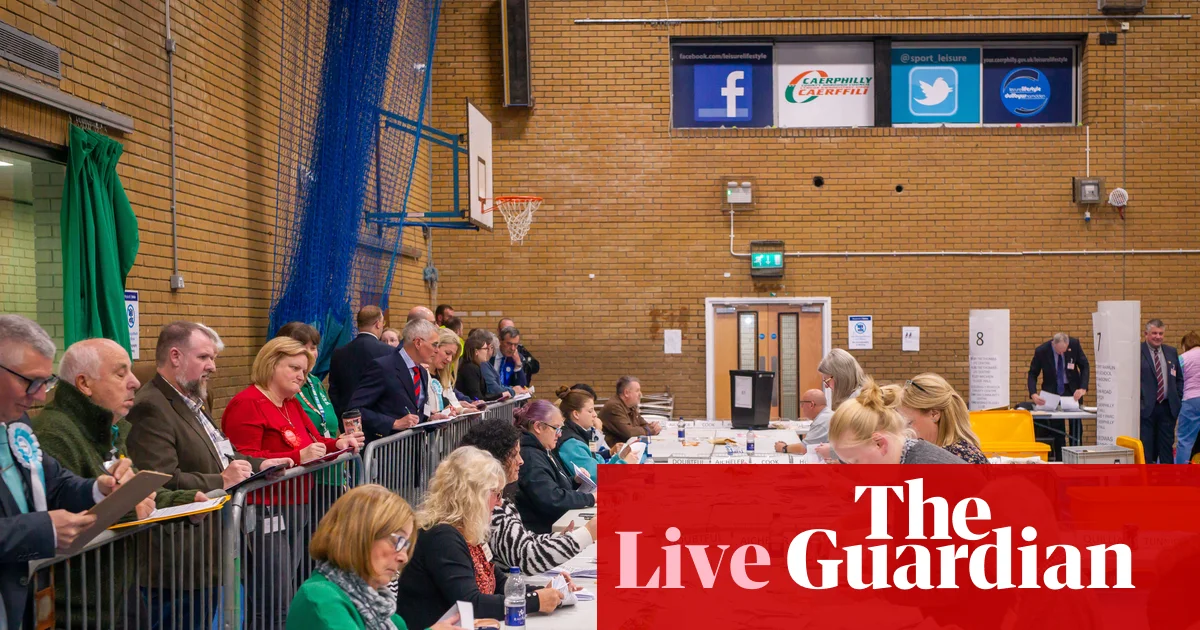
Caerphilly Byelection: Labour, Plaid, and Reform UK clash as key Welsh vote hits the finish line

Caerphilly Byelection Sparks Critical Shifts in Welsh and UK Politics

The Caerphilly byelection, recently concluded with a voter turnout exceeding 50.43%, has captured the world’s attention as a potentially defining moment in Welsh politics. Historically, voter engagement in such devolved elections has been modest, with prior turnouts seldom crossing the 50% threshold, making this election a significant anomaly. Experts note that this heralds an era where direct democratic participation in Wales might be on the rise, thereby intensifying the stakes for political factions vying for influence.

At its core, the outcome of this byelection is seen as a barometer for the larger geopolitical impact on UK politics. The possible loss of the Caerphilly seat by Labour, the longstanding dominant force in Welsh governance since 1999, would not merely be a local concern. It signifies a broader disenchantment with the party’s performance both at Westminster and Cardiff, which has opened space for insurgent parties like Reform UK and Plaid Cymru to challenge the status quo. As analysts warn, if Reform manages to replicate its recent gains, it could destabilize the traditional political landscape, pushing the UK closer to a new, more fractured political era.

Fierce Campaigns Echo Broader Ideological Battles

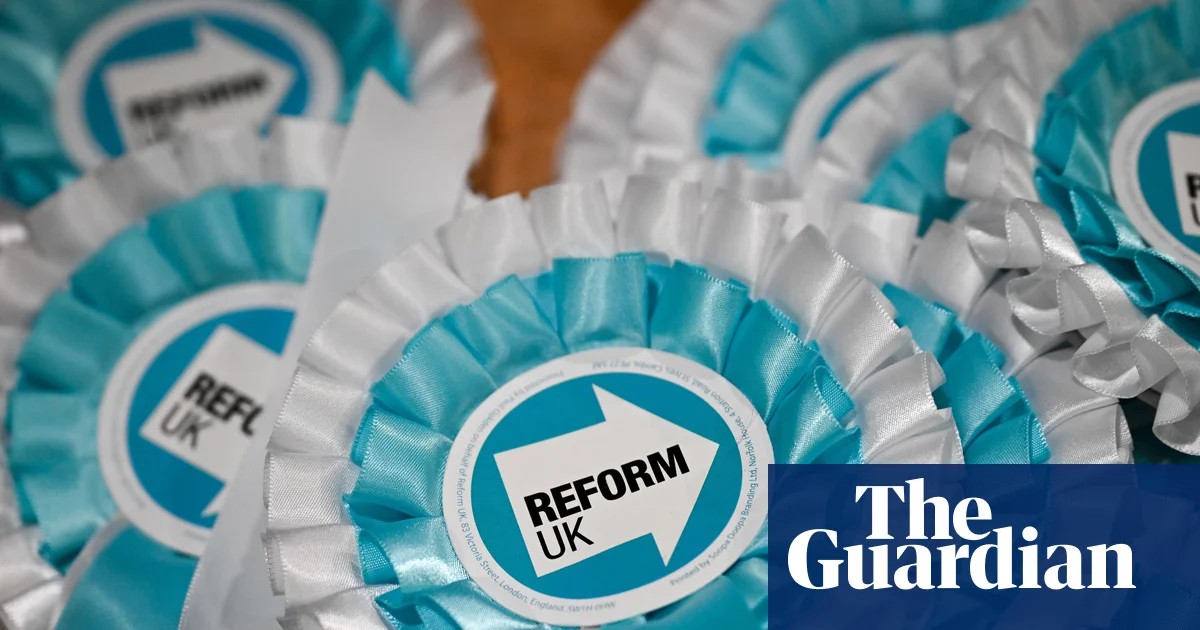
The election, called due to the death of Hefin Wyn David, underscores the mounting ideological struggle within Wales—between those advocating for continued devolution and independence, and reformers promising constitutional overhaul. Nigel Farage and his Reform UK team invested heavily, pledging to “throw everything” into the contest, notably capitalizing on voter dissatisfaction with established parties. Meanwhile, Plaid Cymru seeks to solidify its claim as the primary nationalist voice, emphasizing their focus on a future independent Wales and presenting themselves as the alternative to what they depict as Labour’s waning influence.

Additionally, the battle witnessed energetic grassroots activism, with Lindsay Whittle of Plaid describing the campaign as “really energetic,” further indicating that the fight over Welsh sovereignty and societal direction is far from settled. Several internationals, including political historians, see this contest as a potential bellwether for the upcoming full Senedd elections, where the real redefinition of Welsh autonomy could crystallize. This contest, therefore, is not merely a local election but a proxy for future societal shifts, impacting the British Isles’ political architecture.

Societal Underpinnings and Future Forecasts

Despite the fierce political rhetoric, some fear that polarization and societal division lie beneath the surface of these electoral battles. The reports of intimidation tactics—such as attacks on Reform UK candidates’ properties—and controversies over campaign rhetoric indicate a volatile atmosphere. Yet, this tumult reflects a deeper undercurrent: a society grappling with change, identity, and the future of its governance. As Sharon Walker, an international political analyst, suggests, the political shift in Caerphilly could serve as a touchstone influencing debates across the UK on national identity, sovereignty, and social cohesion.

The story of this election remains unwritten as vote counting continues and the nation watches with bated breath. If the results favor Plaid Cymru or Reform UK, the landscape of Welsh and UK policy-making may be forever altered, ushering in an unprecedented chapter where allegiance and ideology are re-scribed anew. In this unfolding saga, history is not merely being watched—it’s actively being made, and the world must brace for the seismic implications that are yet to come.

England’s reform plans delayed again—now set for 2026, fueling youth skepticism.

Society Faces Critical Crossroads in Supporting Communities with Special Educational Needs

The recent postponement of reforms to the Special Educational Needs and Disabilities (Send) system in England underscores deep-rooted social and institutional inequities that continue to afflict families and communities. Originally slated for release in the autumn, the Schools White Paper, which aimed to address pressing issues within Send provisions, has been pushed back until early next year. By delaying this vital policy overhaul, the government risks perpetuating a broken system that fails to meet the needs of vulnerable children and their families, thereby deepening societal divides.

Social commentators and historians have long argued that large-scale social shifts require systemic change rooted in active listening and genuine engagement. Yet, critics warn that the government’s decision to extend the consultation period—despite clear calls for urgent action—sends a troubling message: the needs of families with children who have Send are being sidelined. The delays compound existing frustrations among parents, educators, and advocacy groups who have described the system as “in crisis.” The National Audit Office has even declared that the Send system is “not financially sustainable” and “failing” in delivering better outcomes. As local authorities face potential deficits in the billions, this crisis underscores the urgent necessity for comprehensive reform.

Families, often caught in the crossfire of bureaucratic inertia, bear the brunt of this stagnation. According to Anna Bird, chair of the Disabled Children’s Partnership, the uncertainty surrounding Send provision leaves parents feeling overwhelmed and dismissed, with many children waiting months or years for essential support. The moral and human stakes are high: children with Send are entitled to a society that recognizes their potential, yet systemic neglect erodes that promise. Meanwhile, local authorities warn that without root-and-branch reforms, they could face insolvency, further jeopardizing services for the most vulnerable. The County Councils Network points out that inaction could lead to a £6bn deficit by next March, placing enormous pressure on already strained resources.

Opposition voices, including the Liberal Democrat spokeswoman Caroline Voaden, decry the delay as a “betrayal” that only prolongs the suffering of children and families trapped within a broken system. Meanwhile, policymakers emphasize “co-creation,” engaging stakeholders through listening sessions and ministerial meetings, in hopes of crafting more informed reforms. Yet, some suggest that this process may be too little, too late, risking further erosion of public trust and worsening disparities in support for children with Send. The ongoing battles over funding and policy direction reveal a society grappling with moral questions: how long can a nation ignore its moral imperative to protect its most vulnerable?

As society stands at this crossroads, the question remains: will it heed the call for swift, meaningful action, or allow inequity and neglect to deepen? The lingering shadows cast by delays serve as a somber reminder of society’s moral obligation to foster inclusive, equitable communities. The hope is that, despite the obstacles ahead, a renewed collective commitment will emerge—one that transforms social policy into a beacon of hope and change. Society’s true strength lies in its ability to confront its challenges with unwavering resolve, guiding future generations toward a future where every child, regardless of their needs, is embraced with dignity, support, and opportunity.

French PM Supports Suspending Macron's Pension Reform to Save Government
French PM Supports Suspending Macron’s Pension Reform to Save Government

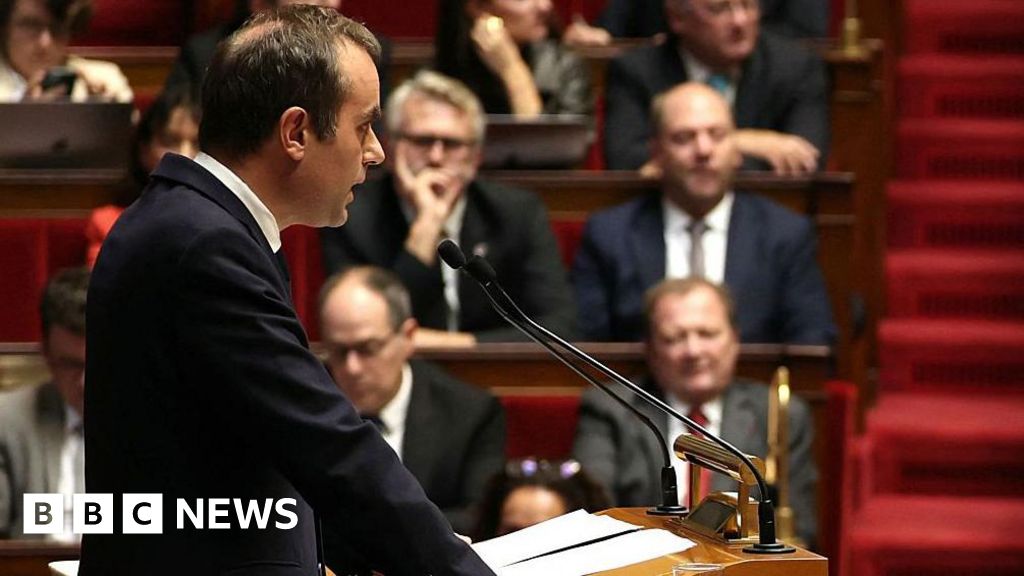
In a dramatic turn of events, France finds itself at a crossroads as Prime Minister Sébastien Lecornu signals a potential halt to the contentious 2023 pension reforms. These reforms, which sought to increase the retirement age from 62 to 64, were heralded as a cornerstone of President Emmanuel Macron’s second term, symbolizing his push for economic modernization amid staunch opposition. However, recent political instability threatens to unravel Macron’s agenda, raising questions about the future trajectory of French domestic policy and its ripple effects across Europe and beyond.

The move to suspend the reforms, announced by Lecornu amidst looming votes of no-confidence, underscores the fragile consensus within France’s political landscape. With the government’s survival hanging in the balance, opposition parties—particularly the far-left and far-right—are pressing for parliamentary elections, demanding a fundamental reset to the nation’s leadership. The Socialists, signaling a willingness to cooperate, insist that any support hinges on a *full and immediate suspension* of the pension changes—a stance that puts Macron’s reforms in direct jeopardy. As analysts highlight, this standoff is more than mere policy disagreement; it reflects a broader crisis of legitimacy and public trust, with some framing it as a symbolic ‘wound on democracy.’

This domestic turmoil occurs amidst the broader context of Europe’s economic challenges. France’s looming €3.4 trillion debt—representing roughly 114% of its GDP—positions it dangerously close to the edge of fiscal stability, with debts rivaling those of Greece and Italy. The austerity measures necessary to fund such debt are politically sensitive, especially when paired with social discontent. According to prominent European financial analysts, the potential suspension of pension reforms and the ensuing economic concessions could further strain the nation’s budget, with Lecornu estimating a €400 million deficit cost in 2026 and a staggering €1.8 billion loss in 2027. These figures underscore the delicate balancing act faced by the government and highlight the geopolitical impact of fiscal policy decisions—decisions that will define France’s stability in a multipolar world.

Beyond France’s borders, the repercussions of this political upheaval reverberate across Europe and the transatlantic alliance. European institutions, watching a key member state teeter, are concerned about the erosion of policy continuity and stability. The scenario echoes historic moments of crisis during Europe’s debt struggles, where internal political fragility threatened the cohesion of the eurozone. Meanwhile, international organizations such as the IMF and the European Central Bank have issued warnings that prolonged instability in France could hinder economic recovery and strategic cooperation. As vaunted historians and geopolitical strategists reflect, these events are a vivid illustration of how fragile the fabric of democracy can be—even in nations that see themselves as pillars of stability. With France’s future hanging in the balance, the unfolding crisis is no less than a testament to the fierce contest between tradition and reform, sovereignty and supranational influence.

Ultimately, the coming days may well be remembered as a pivotal chapter in the history of Europe, a moment when the continent’s enduring power was challenged by internal discord and external pressures. Will France emerge from this crisis with renewed resolve or succumb to the weight of its accumulated fears? As the nation grapples with its destiny, it leaves the world watching, uncertain if this is the dawn of a new era or the death knell of a proud republic in flux—an unfolding drama etched into the annals of history.

Ipswich family court highlights urgent need for reform to protect our youth

The fabric of our society is being tested not just by economic shifts or political debates, but by the very social issues that impact families, education, and communities. At the heart of these challenges lies the troubling phenomenon of parental alienating behaviors, a crisis that some sociologists describe as a “massive public health issue”. This insidious dynamic emerges when one parent, often after separation or divorce, actively seeks to turn children against the other parent, wreaking havoc on the stability and emotional well-being of young minds. A recent case followed by the BBC exemplifies this destructive pattern—a decade-long custody battle that highlights the devastating effects on children caught in the crossfire of bitter parental disputes.

This case underscores how social tensions within families bleed into the education system and ripple throughout the community. The court case revolved around allegations of emotional, physical, and mental abuse, accusations that each parent vehemently denied, yet the underlying hostility made resolution impossible. The judge expressed deep regret over the “hostility” between the parents—a hostility that has left the children in a state of “interminable pressure,” as one social worker remarked. Such conflicts do more than shatter individual families; they sow distrust, confusion, and discord in local communities, leaving professionals helpless in the face of entrenched animosity that robs children of secure relationships and educational stability.

Experts like the social commentator Charlotte Proudman argue that these cases symbolize a broader societal malaise—a failure to prioritize the mental and emotional welfare of the next generation. The 2024 study by the University of West London reveals that nearly 60% of separated or divorced parents experience some form of parental alienation, a statistic that reveals how pervasive this issue has become. Both the legal system and societal institutions are grappling with how to better serve families under these circumstances, particularly in an environment where delays and inefficiencies complicate the pursuit of justice. Experts have pointed out that without proper funding and systemic reform, these issues will only deepen, further destabilizing families and impairing children’s ability to thrive in school and beyond.

Despite the complex realities, recent reforms such as the innovative Pathfinder courts signal a step toward a more child-centered justice system. These courts prioritize problem-solving approaches over adversarial litigation, aiming to reduce conflict, delay, and harm. As Sir Andrew McFarlane explains, the goal is to create a more satisfactory environment where children are at the heart of proceedings, and disputes are resolved with their wellbeing in mind. Such efforts are essential as society grapples with the long-standing delays highlighted by the Public Accounts Committee, which notes that families are often “let down” by an inefficient system that neglects their emotional needs.

In the face of these social challenges, society must recognize that the health of our families directly influences the strength of our communities and the future of our youth. It is no longer enough to passively hope for resolution; proactive reform, investment, and a moral commitment to prioritizing children’s well-being are imperative. As communities stand at the crossroads of tradition and transformation, society must ask itself: What kind of future do we want for our children? And what sacrifices are we willing to make to ensure that future is one of hope, stability, and genuine unity? For in the quiet struggles of these young lives, society’s resilience and compassion are truly tested—and in those tests, there lies the possibility for profound renewal.

Former reform politician admits to Russia-linked bribery scandal

The recent admission by Nathan Gill, former Member of the European Parliament, to eight charges of bribery has ignited a firestorm of debate within the corridors of power and among the electorate. Such allegations underscore the persistent perception of corruption that plagues modern politics, especially within institutions tasked with safeguarding democratic values. Gill’s admission not only tarnishes his personal reputation but also symbolizes a broader power struggle, illustrating how the mechanisms of influence and money continue to shape policy outcomes and political loyalties across the European political arena.

This scandal surfaces at a critical juncture, drawing attention to the fragility of institutional integrity amidst a landscape where trust in political actors is waning. The charges—centered on bribery—highlight a recurring theme in political history: the corrupting influence of wealth and clandestine dealings in the shaping of legislation and the allocation of power. As constitutional experts like John Rawls and Carl Schmitt have argued, the very foundational principles of democratic governance hinge on transparency and the separation of powers. Gill’s case starkly contrasts these ideals, exposing how decision-making processes can be compromised when individual actors prioritize personal gain over public service.

Within this context, the power struggle becomes palpable. Political parties, watchdog organizations, and the judicial system are now tasked with not only addressing individual misconduct but also confronting systemic vulnerabilities. The scene echoes historical parallels, reminiscent of scandals involving figures like Richard Nixon or more recent cases within the European Union, where high-stakes conflicts for influence have tested the resilience of democratic institutions. The unfolding saga serves as a stark reminder that how decisions are made—and by whom—fundamentally dictates the direction of policy and the future of sovereignty.

As the political landscape shifts, the question lingers: who holds the ultimate power to determine the trajectory of governance? The charges against Gill serve as a flashpoint, revealing the ongoing internal power struggles that define contemporary politics. This event will inevitably influence public perceptions of legitimacy and fuel calls for reform within the European Parliament. Ultimately, politics remains the grand stage where the battle for influence is fought in shadows and spotlight alike, where destinies are crafted through the choices of those in power. The corruption scandal underscores a perennial truth—politics is not merely a game but the arena where future civilizations are shaped, and where the contest for authority continues unabated, echoing through history’s hall of mirrors.

Social Media Auto Publish Powered By : XYZScripts.com