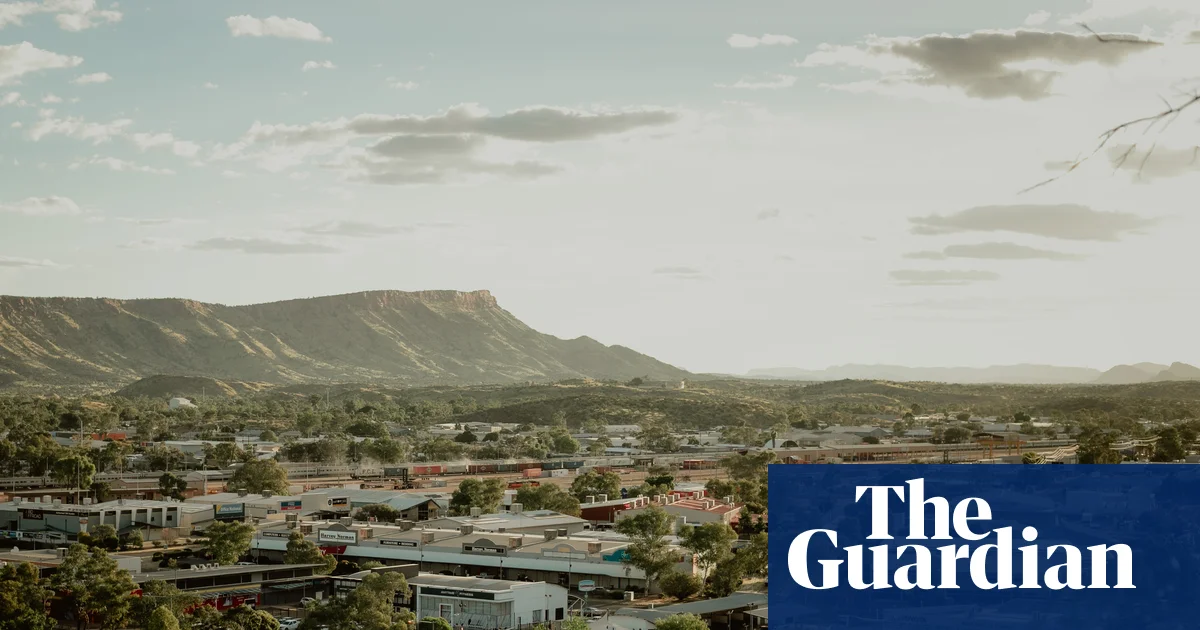

In a devastating turn of events, Kumanjayi Baby Girl, a five-year-old Warlpiri girl from the Gurindji community in Alice Springs, was found dead after a five-day search that captured national attention. Her tragic death, following her disappearance from her bed in the Old Timers camp, has reignited discussions about systemic issues and the geopolitical ramifications within Australia and beyond. The community’s heartfelt statement, describing her as a “life so precious, so full of innocence,” underscores the profound grief and sense of helplessness felt by those closest to her. Such tragedies expose not only local vulnerabilities but also serve as a stark reminder of broader social and political failures that ripple across national borders.
Authorities swiftly responded with the arrest of Jefferson Lewis, 47, who is expected to face charges related to her disappearance. The police’s handling of the case, including transferring Lewis to Darwin due to safety concerns, highlights increasing concerns about law enforcement and justice administration in remote and Indigenous communities. The incident has sparked what some analysts describe as a “watershed moment” for Australia’s relationship with its Indigenous populations. On a global stage, organizations such as the United Nations have continually criticized Australia’s treatment of Indigenous peoples. The recent tragedy reaffirms the urgent need for substantive reforms to address entrenched social inequalities, which many experts argue threaten to undermine national cohesion and stability.
The geopolitical impact of such events extends beyond Australian borders, illuminating the fragile fabric of multicultural societies grappling with historic injustice. Historians argue that these incidents serve as a crucial test of national identity—whether governments can move beyond symbolic gestures toward genuine reconciliation. International organizations monitor Australia’s response, emphasizing that how the nation handles systemic inequality and community unrest will influence its standing within the global community. As the Australian government prepares for what appears to be imminent legal proceedings, the world watches how justice will be served—and whether true accountability will be realized. These moments act as pivotal points in history, with the potential to catalyze profound shifts in national policies and societal attitudes.
Ultimately, the tragedy of Kumanjayi Baby Girl embodies a profound warning—**history’s weight is ever-present**, and decisions made in moments of grief have lasting consequences. As the community mourns and calls for unity, the international community remains vigilant, understanding that the legacy of this incident extends far beyond the borders of Australia. It challenges the global order to confront the uncomfortable truths of inequality and injustice, pushing societies toward either renewed commitment to human dignity or further division. The unfolding story of this young girl’s life and death leaves an indelible mark on the conscience of nations still wrestling with their own histories, as they navigate the path forward into a future shaped by memory, justice, and the relentless pursuit of reconciliation.