Matox News

Truth Over Trends, always!

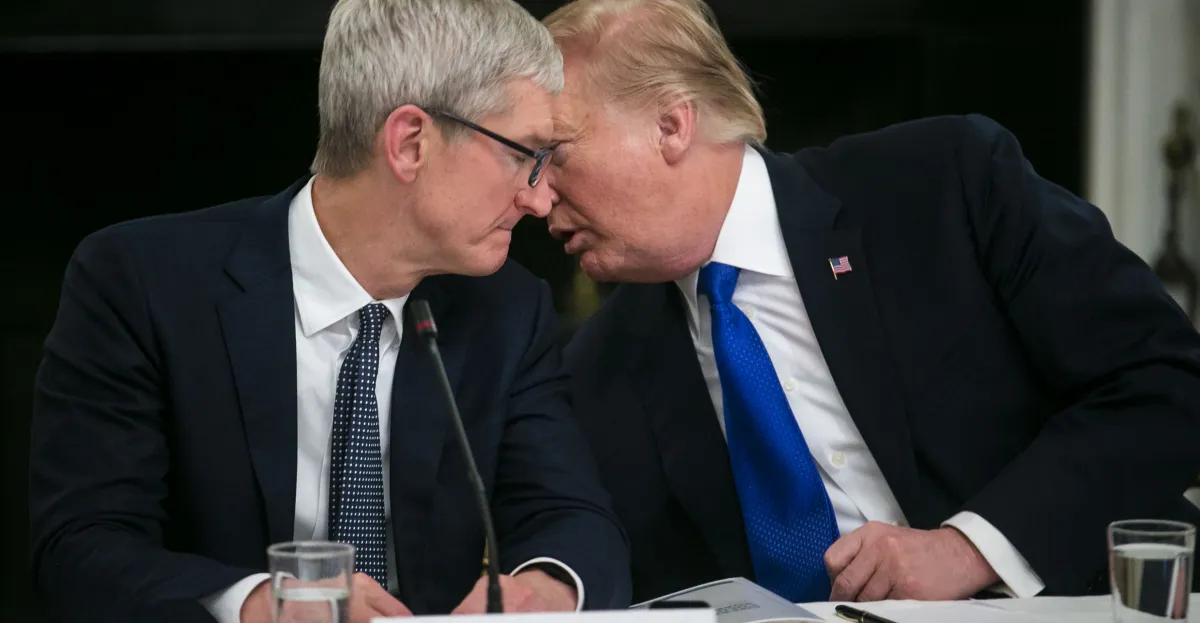
Tim Cook remains Apple’s quiet influencer amid shifting tech tides

Apple’s Leadership Transition Signals Strategic Shifts Amid Global Policy Challenges

In a move that underscores ongoing innovation and disruption in the tech sector, Tim Cook has transitioned from CEO to the role of Apple’s executive chairman, while John Ternus, senior vice president of hardware engineering, takes the helm as CEO. This leadership shakeup arrives at a critical juncture for the industry, as Apple braces for mounting regulatory pressures and geopolitical tensions shaping the tech landscape. With Cook remaining actively involved in high-stakes policy negotiations—particularly with U.S. policymakers—Apple continues to navigate complex global economic dynamics, emphasizing business resilience in an era marked by technological disruption and policy upheaval.

The strategic retention of Cook’s influence highlights the importance of political diplomacy in maintaining Silicon Valley’s competitiveness. Historically, Cook has balanced Apple’s interests across contentious markets, notably China and the U.S., exemplifying how industry leaders must adapt to evolving policy climates. This is especially relevant as worldwide regulators, led by institutions like Gartner and MIT, pursue aggressive measures to regulate emerging AI technologies. These efforts aim to create a safer, more accountable ecosystem—yet pose significant hurdles for companies aiming to innovate without stifling growth.

Meanwhile, the industry faces disruptive shifts in market structures, driven by innovations in AI, 5G, and edge computing. Experts suggest that the next decade could define the battleground between regulatory constraints and technological breakthroughs. Apple’s pivot towards advanced hardware and AI integration exemplifies the company’s strategic focus on disruption. Despite the leadership change, Cook’s ongoing influence on policy and corporate strategy ensures Apple remains agile, capable of tackling complex issues like AI regulation, app store oversight, and international trade tensions.

Looking ahead, the industry’s trajectory hinges on adapting to a rapidly shifting geopolitical landscape and embracing cutting-edge innovation. Companies that effectively leverage disruption while navigating policy constraints will be best positioned for sustained growth. As Elon Musk and other visionaries push the frontiers of electric vehicles, space exploration, and AI, the urgency for young tech leaders to adopt a proactive stance intensifies. The coming years promise a fierce contest at the intersection of tech innovation and regulatory power, underscoring the necessity for strategic foresight in the face of relentless change.

Australia News Live: Poor Hospital Meals Worsening Healthcare Costs; Crocodile Remains Discovered by Adelaide Roadside

Global Power Dynamics Shaped by Emerging Geopolitical Shifts

In an era marked by rapid geopolitical evolution, recent decisions by major nations and international institutions have signaled profound shifts that will resonate across societies and borders. The ongoing reshuffling of alliances and policies underscores not only the strategic recalibrations of influential countries but also the unfolding saga of geopolitics that historians like Samuel Huntington have long warned about. As the United States, China, and Russia redefine their roles on the global stage, their actions bear consequential impacts for diverse societies, economies, and international stability.

Most notable among these developments is the recent **renewal of cooperation** between the European Union and the UK which signals a potential easing of post-Brexit tensions—however, critics argue that this shift may merely be a strategic facade for underlying fractures. Meanwhile, the BRICS nations continue their efforts to establish a parallel economic order, challenging Western dominance. The recent discussions surrounding the New Development Bank unveiling new funding initiatives demonstrate a strategic pivot away from traditional Western-led financial systems. Analysts from institutes like the Council on Foreign Relations suggest these movements foreshadow a multipolar world where sovereignty and local priorities will become central to international diplomacy. But how will these changes influence societies at ground level? It is likely that countries aligning with emerging poles will pursue policies that bolster national industries, while others may face increased instability due to shifting alliances.

Decisions at the National Level: a Double-Edged Sword

On the national front, recent policy shifts reflect a focus on sovereignty and economic resilience—yet, the repercussions are multifaceted. Governments are recalibrating foreign policies, trade agreements, and military commitments, which directly influence societal cohesion and economic stability. For example, the recent US-China trade negotiations illustrate an intent to protect domestic industries but risk escalating tensions with potential global repercussions. Historically, as Henry Kissinger pointed out, such strategic moves often contain unpredictable ripple effects that can threaten international peace. The re-establishment of alliances or dissolution of treaties like the Paris Climate Accord impacts both climate policies and economic development, especially for vulnerable societies depending on these frameworks.

Furthermore, the international community’s response to these shifts—discussed within bodies such as the United Nations—raises questions about effectiveness and relevance. While some organizations strive to adapt, critics argue that global institutions often serve as arenas for powerful nations to advance their agendas, leaving smaller nations at a disadvantage. The recent climate negotiations exemplify this tension, where environmental commitments become politicized, skewed by geopolitical interests. As geopolitical analysts like George Friedman observe, the power balance is increasingly defined by strategic resilience rather than military might alone. The decisions shape societies’ futures, where sovereignty clashes with the need for global cooperation, and citizens feel this tension most acutely in their daily lives.

Heading Toward an Uncertain Future

The unfolding story of geopolitics remains fraught with uncertainty, yet history’s persistent theme reminds us: every shift creates both opportunity and peril. The long arc of international relations hinges on the choices made today—from military alliances to economic policies—that will determine the fate of generations. As international actors maneuver with strategic patience, the question remains: which nations will emerge resilient, and which will fall prey to the chaos of transnational power struggles? The weight of history presses heavily on this moment. Citizens around the world—particularly the youth—must keenly observe how these decisions mold a future where their societies flourish or falter amid the shadows of emerging global order.

Donut Lab’s new battery tech hits a snag after damage—hope for durability remains in question

Disruption in Energy Storage: Donut Lab Demonstrates Promising Safety in Solid-State Battery Testing

In a bold stride towards disrupting the electric vehicle (EV) and energy storage sectors, Donut Lab has released initial results from rigorous testing of its innovative solid-state battery. The tests, conducted by VTT Technical Research Centre in Finland—renowned for their extensive battery research—mark a crucial milestone in the pursuit of safer, more durable energy solutions. While traditional lithium-ion batteries have long grappled with safety concerns and limited cycle life, Donut’s latest experiments suggest that its proprietary technology could herald a new era of resilience and longevity.

During targeted high-stress simulations, the battery was subjected to conditions designed to mimic extreme real-world scenarios, including high temperatures and physical damage. Notably, the pouch encapsulating the battery lost its vacuum seal during the heat tests, a condition known to induce thermal runaway—an event that can cause fires or explosions in conventional lithium-ion cells. While the damage led to a significant capacity degradation—down from 24.7 Ah to approximately 11.2 Ah—public statements from Donut emphasize that the battery “fails gracefully,” avoiding catastrophic failures such as fire or thermal runaway. This safety profile starkly contrasts with the risks associated with traditional lithium-ion batteries, which remain vulnerable under similar conditions.

Implications for Industry and Market Disruption

The results underscore the potential for solid-state batteries like those developed by Donut to catalyze a fundamental shift in markets spanning EVs, portable devices, and renewable energy storage. Experts such as Gartner analysts highlight that solid-state technology’s disruption could dramatically lower safety concerns, reduce manufacturing costs, and extend product lifespans—addressing longstanding barriers that have hindered widespread adoption of battery-powered solutions. The company claims its batteries could endure up to 100,000 cycles—an astonishing figure translating to roughly 270 years—far surpassing the 1,000-2,000 cycles typical for current EV batteries.

  • Advantage: Significantly increased cycle life implies longer-lasting batteries, reducing waste and costs.
  • Innovation: Solid-state architecture inherently prevents liquid electrolyte failures, enhancing safety and performance.
  • Potential: Disrupts market dominance of traditional lithium-ion giants by providing safer, more durable solutions.

However, critical questions remain, especially regarding the long-term performance under repeated charge-discharge cycles, a test that remains unverified at this stage. The industry watches closely as Donut approaches this milestone, as iterative aging tests will determine whether this promising prototype can withstand real-world demands. As MIT researchers and tech analysts warn, the transition from promising lab results to commercial viability remains an arduous journey, often fraught with scaling and manufacturing hurdles. Nonetheless, the trajectory of Donut Lab’s innovation hints at a future where safer, longer-lasting batteries could redefine mobility and energy use worldwide.

The Road Ahead

As investment flows into next-generation energy storage, accelerated adoption of solid-state technology appears inevitable. Industry leaders such as Tesla and Apple are racing to develop their own versions, recognizing the game-changing potential of these batteries in creating more reliable and safer devices. The recent tests by Donut Lab serve as a stark reminder of the urgent need for technological disruption—stability, safety, and longevity are no longer optional but imperative in shaping the future energy landscape.

The next phase will be critical: validating long-term cycle durability and manufacturing scalability. If Donut’s claims hold true, the traditional battery paradigm will be irrevocably altered, ushering in an era dominated by innovation, disruption, and strategic advantage for those who lead the charge. The race to dominate this emerging market is on, and the future belongs to the agile, the daring, and the forward-thinking.

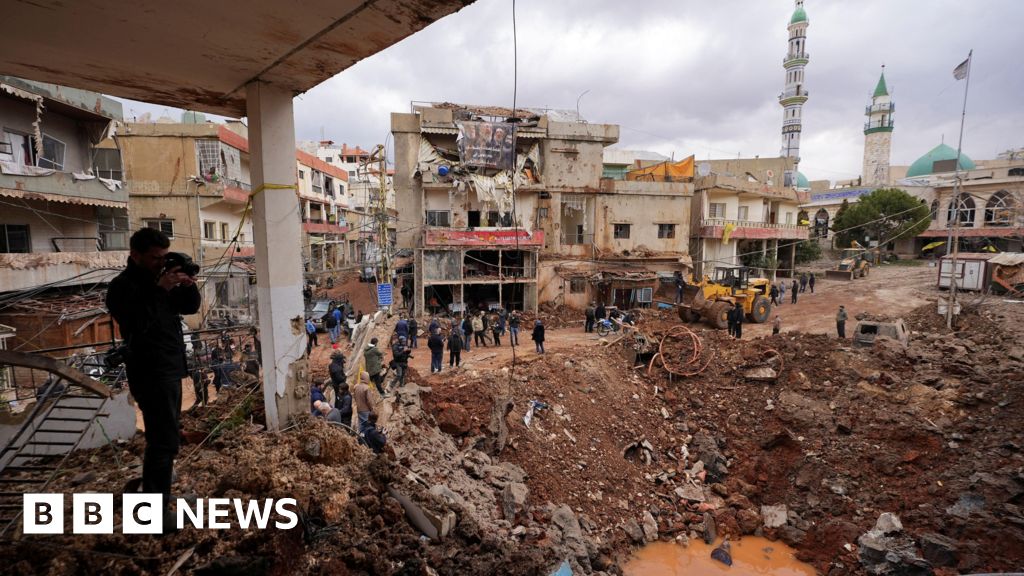
Israeli forces storm Lebanese village, leave dozens dead in latest raid targeting 40-year-old remains

In what has been swiftly characterized as a significant escalation in the ongoing Middle Eastern conflict, an overnight operation conducted by Israel resulted in the deaths of at least 41 individuals and left 40 more injured, according to reports from the Lebanese health ministry. This incident underscores the persistent volatility in the region, where tensions continue to simmer beneath the surface of diplomatic overtures and ceasefire agreements. Such military actions are not isolated but rather emblematic of a broader struggle for regional dominance, sovereignty, and security, with every strike reverberating across a complex geopolitical landscape.

The Israeli Defense Forces have yet to release detailed statements explaining the precise objectives and targets of the operation, yet analysts suggest that this escalation may be part of a strategic effort to weaken militant groups, or a direct response to recent provocations. Historically, Israel has maintained that its military operations aim to neutralize threats posed by Hamas and other groups, but critics argue that such actions often lead to extensive civilian casualties and increase regional instability. The incident highlights the precarious balance of power in the Middle East, with each military action threatening to ignite further cycles of violence and retaliation.

International observers, including United Nations analysts and human rights organizations, have expressed deep concern over the profound geopolitical impact of escalating violence. These events threaten not only immediate regional stability but also have wider implications for global security. Some experts warn that this could mark a dangerous turning point—a moment when fragile peace efforts are shattered and the region’s volatility intensifies. The United States, European powers, and neighboring states are closely monitoring developments, but their influence remains limited amidst the rapid shifts of ground reality.

The fallout from this recent escalation underscores the critical importance of international diplomacy and the urgent need for lasting solutions. Historians have long noted that moments of intense violence often serve as markers in the ongoing narrative of the region’s tumult, with each chapter revealing the profound consequences of strategic decisions by global powers. As conflicts ripple outward and alliances are tested, the world watches with a mixture of apprehension and resolve. The decision to escalate military operations, while perhaps seen as necessary by some, also risks deepening divisions, fueling cycles of retaliation, and destabilizing nations that are already fragile.

In this critical hour, history’s pen continues to write a story fraught with peril and hope. The choices made today—by leaders and policymakers—will shape the destiny of this geopolitically vital region for generations to come. With every dropped bomb, every diplomatic deadlock, the world stands at the precipice of an uncertain future where the weight of history continues to unfold, echoing through the corridors of power and the lives of millions caught in the storm. This is not merely a chapter of conflict but an enduring saga, where every decision could either usher in peace or plunge the region into deeper chaos.

Iran's regime remains standing—stay tuned to see if it can hold firm in the coming days.
Iran’s regime remains standing—stay tuned to see if it can hold firm in the coming days.

In a time of escalating tension*, Iran finds its leadership deeply engulfed in a crisis of both confidence and security. As US and Israeli strikes persist in targeting strategic sites across Iran, the country’s political and military elites grapple with mounting pressure to maintain stability amidst an uncertain international landscape. This unfolding scenario underscores the profound geopolitical impact of external intervention and the delicate dance of diplomacy in a region fraught with historical grievances and current conflicts.

For years, Iran has been at the center of global strategic calculations, often viewed through the lens of its contentious nuclear program and regional influence. The recent surge in military actions, however, marks a turning point that could redefine regional power dynamics. Analysts from the International Crisis Group and seasoned historians recognize that Iran’s leadership faces a critical juncture, where the decisions made today will ripple through decades to come. These strikes aim to hinder Iran’s nuclear ambitions but also risk provoking a broader conflict, with the potential to destabilize the Middle East further and challenge international norms.

The crisis extends beyond tangible military targets, touching the very fabric of Iran’s societal foundations. Iranian officials are under enormous strain as they seek to project an image of resilience and control, even as internal dissent simmers beneath the surface. Leadership in Iran is acutely aware that their response could either bolster national unity or deepen divisions, all while navigating a complex web of international alliances and enmities. The ongoing strikes serve as a stark reminder of how external actors can influence internal politics, with consequences that resonate across borders and generations.

  • US and Israel assert that their actions aim to prevent Iran from acquiring nuclear weapons, maintaining that such measures are necessary for regional security;
  • Iran claims that these strikes are acts of aggression that violate sovereignty and threaten regional stability;
  • International organizations, including the United Nations, have called for de-escalation, but their influence remains limited amidst escalating tensions;
  • Historic developments, as noted by analysts, suggest that these military actions could accelerate Iran’s pursuit of strategic autonomy, potentially spawning new alliances or rivalries.

As this saga continues to unfold, the geopolitical landscape remains precariously balanced on the edge of a precipice. The decisions made by Iran’s leadership in the coming days will not only shape their nation’s trajectory but also influence the broader quest for stability and influence in a tumultuous region. History’s pen remains poised, poised to record whether this moment sparks the dawn of renewed conflict or the cautious emergence of a fragile peace.

Billions spent, yet the Xbox mystery remains unsolved for most teens

Xbox’s Strategic Pivot: Innovation, Disruption, and Industry Implications

Over the past decade, Microsoft’s Xbox division has undergone a profound transformation, signaling not just a repositioning of a gaming brand but a potential disruption of the entire entertainment ecosystem. Under the leadership of Phil Spencer, who announced his departure last week after steering the platform since 2014, the company’s evolution underscores a deliberate shift toward integrating gaming into a broader digital experience. Spencer’s tenure, marked by the rise of Game Pass and cloud gaming, cemented Xbox’s role as a pioneer in game streaming and accessibility, potentially challenging traditional console-centric models.

What’s compelling about Microsoft’s approach is its aggressive move toward redefining the relevance of hardware. The classic Xbox as simply a powerful console has given way to a paradigm where the brand’s essence is inseparable from any device capable of playing Xbox games. The advertisement campaigns emphasizing “Xbox everywhere” exemplify this strategic disruption, positioning gaming as a ubiquitous, platform-agnostic experience. This aligns with fundamental industry shifts identified by analysts from Gartner and MIT: the rise of cloud-native gaming solutions that threaten not only hardware sales but also traditional content and distribution models. By extending the Xbox ecosystem beyond dedicated consoles, Microsoft is attempting to dominate a new, disrupted market landscape where device independence becomes the norm.

Moreover, the company’s recent acquisitions — notably Activision and Bethesda — demonstrate a clear intent to control exclusive content, even as strategic positioning shifts. While critics argue that Xbox has become a “state of mind,” this evolution introduces significant business implications. As Microsoft increasingly becomes a major publisher on PlayStation and other rival platforms, it challenges the traditional industry consensus that platform owners alone reap the benefits of exclusive titles. This disruptive strategy could pave the way for platform-agnostic monetization models, accelerating the democratization of high-quality gaming and further blurring industry boundaries.

However, these transformative efforts are not without risks. The new leadership under Asha Sharma faces the challenge of translating “the return of Xbox” into tangible market dominance. As former Xbox President Sarah Bond departs, questions remain about the clarity of Microsoft’s long-term vision and how it will compete with the rapidly evolving cloud-based gaming giants like NVIDIA and emergent players inspired by AI-driven innovation. Industry observers, including top-tier analysts from Gartner, warn that failure to capitalize on this disruption could result in Xbox’s marginalization in an increasingly digital-first world. Yet, the company’s commitment to innovation signals a desire to not merely adapt but to lead industry shifts—offering a compelling glimpse of a future where gaming is no longer confined to consoles but integrated into daily life through seamless, platform-independent experiences.

As the gaming industry stands on the cusp of this new era, the urgency for established players to innovate is more critical than ever. Microsoft’s strategic disruption of Xbox signifies a broader movement across tech industries—where legacy brands must either evolve rapidly or face obsolescence. With AI, cloud technology, and next-gen streaming at the forefront, market watchers must anticipate a fierce race for dominance in what could be the most revolutionary phase of digital entertainment yet—one driven by relentless innovation and an unstoppable desire to redefine the boundaries of how, where, and when we game.

Human remains unearthed in hunt for kidnapped Sydney teen, police confirm

The recent developments in Australia have captured international attention, not just for the tragic human loss but for what it signifies amidst a landscape of geopolitical uncertainty. The case involves the shocking discovery of presumed human remains on the outskirts of Sydney, linked to the senseless kidnapping and probable homicide of an 85-year-old man, Chris Baghsarian. What initially appeared as a local criminal act has now morphed into a reflection of broader societal chaos, with security and law enforcement agencies across the globe watching closely.

This incident underscores the importance of strong national security policies in an era marked by unstable regional dynamics. The mistaken kidnapping, involving elements of organized crime connected to a Sydney crime family, raises questions about the fragility of law and order within developed nations. International analysts argue that localized acts of violence, if left unchecked, can serve as catalysts for broader social destabilization. The incident’s connection to a family linked to organized crime further highlights how societal fractures in even the most stable democracies can be exploited by criminal syndicates.

From a geopolitical perspective, this domestic turmoil occurs against a backdrop of shifting global alliances and regional tensions. The United States and China are engaged in a battle for influence, with regional stability in Asia-Pacific a key battleground. Such events in Australia could be exploited by adversaries seeking to undermine the perceived stability of allied nations. Experts warn that chaos within a vital ally like Australia might weaken its capacity to act as a counterbalance to China’s strategic ambitions in the Indo-Pacific, thereby affecting regional and global security.

Historic commentators and international watchdogs emphasize the importance of swift, decisive action to contain such threats, warning that domestic instability can serve as a pretext for foreign intervention or influence. The Global Crime and Security Forum recently issued a statement urging nations to bolster internal security frameworks, citing incidents like this as warning signs of potential vulnerabilities. As Sydney navigates through the fallout, the incident becomes a stark reminder that societal resilience hinges on the strength of institutions and a unified social fabric. The unfolding crisis in this island continent is a reflection of how interconnected our world truly is; a rupture in one society can ripple across borders, altering the course of history. As history continues to be written in these troubled times, the question remains: will nations rise to the challenge of defending not just their borders but the very social bonds that hold civilization together? Or will internal discord accelerate into a new chapter of international chaos, with all eyes turned toward Sydney’s darkening horizon?

Nazareth House Primary remains closed for a second day as society questions safety concerns

Societal Challenges in Education: A Reflection on Infrastructure and Community Welfare

Across communities in Northern Ireland, a troubling pattern reveals itself — one that exposes deep-rooted issues in the way society invests in its future. At the heart of this crisis are schools like Nazareth House Primary School in Londonderry, which recently faced closure due to *safety concerns over its aging roof*. Such incidents serve as stark reminders that underfunding in school maintenance not only jeopardizes physical infrastructure but also profoundly affects families, children’s education, and local communities. As the school doors remained shut for over 200 pupils, including children with special educational needs, the ripple effects threaten to undermine the stability of entire neighborhoods.

  • Unsafe buildings hinder access to education for vulnerable students.
  • Delayed or deferred maintenance thanks to inadequate funding leads to structural degradation.

These issues challenge the very foundation of societal equity and expose the moral failure of political institutions to prioritize future generations.

Adding to this troubling picture, long-standing concerns over school structures have persisted for decades. Principal Róisín Blackery of Nazareth House school revealed that the building—originally constructed in 1902—has been subject to repeated warnings concerning its safety, with requests for a new roof languishing in bureaucratic limbo since 2017. Her account underscores a broader government failure; calls for investment in essential infrastructure have been systematically overlooked.

  • More than 20 years of raised concerns have gone unaddressed.
  • Repeated underfunding compels schools to operate in dangerously compromised environments.

According to Bishop Donal McKeown, head of the Council for Catholic Maintained Schools, the sector suffers from *”huge under-funding of statutory services”* which leaves school buildings vulnerable to disrepair. His pointed critique emphasizes that, if our children are to succeed, their educational environment must be safe, stable, and conducive to learning.

The consequences extend beyond physical safety, influencing the social fabric of communities. When schools are forced to shut suddenly—sometimes without adequate notice—families and children face emotional strain. In interviews, students like 7-year-old Daniel express feelings of *sadness and anxiety*—missing friends and routines critical to their development. His mother laments, *”we have such a solid community base, but without immediate action, that strength begins to fracture.”* Pupil Gail, a girl preparing for transfer tests, worries about her academic progress and her social ties, illustrating how even demographic changes such as *an aging school infrastructure* have a tangible human impact.

  • Disruption to routine can impair children’s mental health and academic motivation.
  • Parents grapple with uncertainty and fear of ongoing instability.

Such disruptions threaten to widen societal divides, particularly as government agencies acknowledge their inability to cope with the scale of the problem due to budget constraints.

Adding to the crisis, the Education Authority admits to a *”deeply concerning”* backlog of maintenance issues across the region, a situation exacerbated by *severe funding shortages*. The result—schools can only prioritize emergency repairs, with most infrastructure decay left unaddressed. This cycle of neglect threatens the long-term integrity of educational environments and further diminishes societal trust in public institutions. Meanwhile, figures like Sinn Féin MLA Pádraig Delargy advocate for urgent, practical solutions that keep communities united during this testing period. He urges the Department of Education and the Authority to recognize that *”if we don’t deal with our children now,”* the societal costs will only escalate.

  • Increased funding is crucial to restore and maintain vital infrastructure.
  • Policy reform must prioritize education’s physical and social needs.

Ultimately, this crisis underscores a moral imperative: society must reevaluate how it invests in its youngest citizens, recognizing that their well-being reflects the moral fabric of the nation itself.

As society stands at this crossroads, the path forward remains uncertain but not hopeless. The fate of schools like Nazareth House, the resilience of its students, and the strength of community bonds hinge upon collective action—political will supported by societal recognition of the importance of education. This ongoing struggle reminds us that a society’s true strength lies in how it nurtures its young and repairs its foundations. In this moment of challenge, the hope persists that, through renewed commitment and responsible stewardship, the next chapter can be written—one where every child has a safe place to learn, and every community’s future is secured. Society’s resilience will ultimately be measured by its response—its capacity to transform crises into catalysts for enduring renewal.

Israel gets Gaza body after Netanyahu vows to bring home 2014 soldier’s remains

The recent developments in the ongoing Israel-Gaza conflict mark a critical juncture in international geopolitics, with profound implications for regional stability and global diplomacy. On Sunday, Israel announced the return of the body of Hadar Goldin, a soldier killed during the 2014 conflict, whose remains had been in custody in Gaza since his death. Prime Minister Benjamin Netanyahu confirmed that Israel expected to receive the remains of a soldier whose body was held by Hamas, signaling a tentative but significant step in the fragile ceasefire negotiations. This gesture is seen, by analysts and international observers alike, as a move that could potentially pave the way for further de-escalation, though lasting peace remains elusive amidst the ongoing violence.

Historically, Hamas’s armed wing has used the retrieval of bodies and hostages as leverage in negotiations, and this latest handover is being closely scrutinized as a turning point. The return of 20 living hostages and 24 deceased, including Lt Goldin, under the first phase of a ceasefire deal, represents a moment of rare diplomatic progress amid the chaos that has engulfed the region for decades. Nevertheless, confidence remains fragile—Goldin’s family and broader Israeli society continue to grapple with the emotional toll, while officials vow to recover all remaining bodies and release more captives. Netanyahu reiterated his resolve: “We have returned 250 so far. We will bring them all back,” underscoring both the national commitment and the complexity of future negotiations.

The geopolitical impact of this development transcends borders. The conflict, which erupted anew on October 7, when Hamas-led militants launched a brutal attack killing over 1,200 people in Israel, has led to an escalation of military operations in Gaza. Since then, the Israeli military has reported that at least 241 individuals have been killed, including civilians, amidst a campaign that has resulted in devastating destruction across Gaza. According to figures from Hamas-controlled health authorities, the death toll since the outbreak of hostilities exceeds 69,000. These numbers, contested by various international bodies, speak to the catastrophic human toll stemming from the ongoing conflict. United Nations officials and international analysts warn that the conflict’s expansion risks destabilizing the entire Middle East, igniting sectarian tensions, and threatening global energy markets.

In this volatile climate, the actions and decisions of global institutions and key nations will determine whether the region can transition from war to peace, or spiral further into chaos. The compromise of releasing hostages and bodies demonstrates a rare diplomatic triumph, yet it must be contextualized within the broader scope of regional hostility. Historians and foreign policy experts warn that unresolved underlying grievances— territorial disputes, political fractures, and ideological divisions— continue to underpin the violence. The recent exchange signifies that, despite setbacks and entrenched animosities, the path toward diplomacy remains a critical, if fragile, corridor. As Russia, Iran, and the United States stand watching, each move in this unfolding drama will ripple across continents. Their decisions—whether to escalate or seek peaceful resolution—will echo through generations. For now, the fragile ceasefire offers a brief reprieve, a moment of clarity amid chaos, but the unresolved wounds of history carry the weight of an uncertain future, leaving the world on the edge of a precipice, watching as the chapters of this ongoing story are written in blood and hope alike.

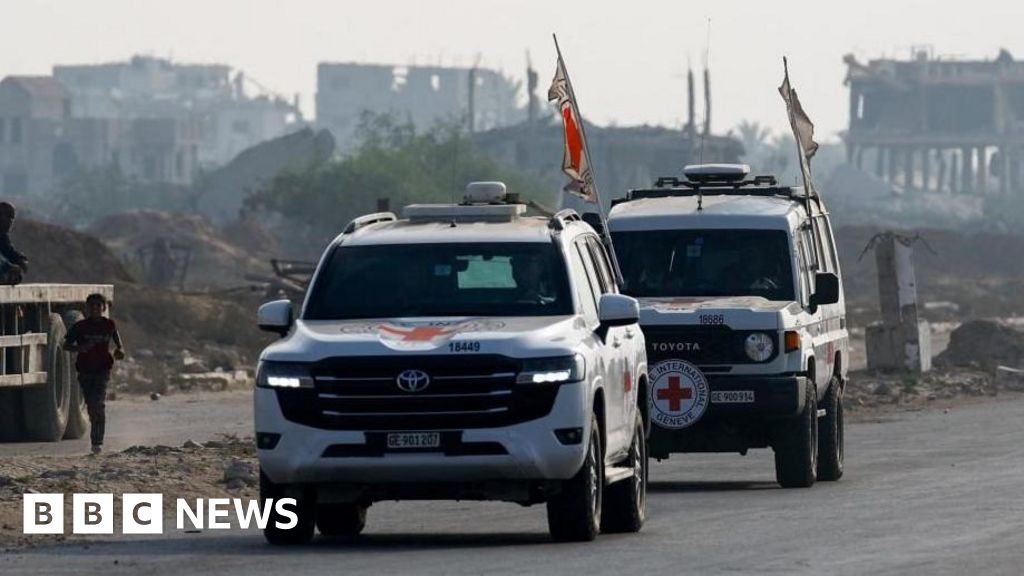
Egypt and Red Cross step up efforts to recover hostages’ remains in Gaza

In the ongoing saga of Gaza, geopolitical tensions have reached a critical point, with international players now deeply involved in a complex chess game of power, morality, and security. The recent development sees Egyptian teams and the International Committee of the Red Cross (ICRC) granted access to search for deceased hostages, a move that has significant how decisions affect nations and societies. This access comes after more than two years of devastating Israeli military operations and intense efforts to recover bodies buried beneath rubble, a grim reminder of the human toll inflicted in the name of security and sovereignty.

Under the recent US-brokered ceasefire agreement, Hamas has transferred 15 out of 28 deceased Israeli hostages, a first phase considered vital to restoring some semblance of humanity amid chaos. Yet, the situation remains fragile and politically charged, with tensions simmering over the retrieval of bodies and the question of justice for families on both sides. Warnings from global leaders like former President Donald Trump have signaled potential military escalation; he has warned Hamas that failure to return bodies quickly could provoke swift and decisive international action. Meanwhile, Israeli Prime Minister Benjamin Netanyahu asserts that Israel will control who enters Gaza, especially regarding a proposed international force aimed at securing the ceasefire. The Israeli government, in conjunction with the US, has revealed that Turkey has been vetoed from participating, underscoring the delicate balance of power and trust in diplomatic negotiations.

Analysts suggest any international intervention in Gaza is a double-edged sword; while it might help stabilize the region, it could also ignite further resistance and deepen divisions. Historians warn that the bottom line remains— until the root causes, including extremism and territorial disputes, are addressed, these cycles of violence will persist. With Gaza’s territory reduced to rubble—estimated by the UN to be up to 84%—the challenge of both rebuilding and reconciliation looms large. The renewed focus on the return of bodies, some of which Hamas claims are buried under bombed-out buildings, symbolizes the larger fight for dignity and truth in a land scarred by years of conflict and international neglect.

The unfolding events mark a grim chapter, yet history has demonstrated that the decisions made today in Gaza’s conflict could ripple for generations. As international organizations, leaders, and everyday citizens watch, the weight of history presses down with an undeniable significance: what happens in Gaza will determine the future of regional stability, the course of international diplomacy, and the very moral fabric of justice and security in the 21st century. Will diplomacy prevail over chaos? Or will the cycle of violence continue, forever echoing the unfulfilled promises of peace in a land torn by history? The answer remains uncertain, but the pages of history are being written in the blood and hope of those caught in the crossfire.

Social Media Auto Publish Powered By : XYZScripts.com