Matox News

Truth Over Trends, always!

Authorities end search for Australian outback boy—hope remains alive

In a case that has captivated Australia and captured international attention, the mysterious disappearance of four-year-old Gus Lamont in the barren, rugged outback region underscores not only the human tragedy but also the profound implications of nationwide search and rescue operations. The local authorities, led by Commissioner Grant Stevens, have mobilized one of the largest land and air searches in South Australian history, yet almost three weeks on, the boy’s whereabouts remain unknown — exemplifying how disaster management becomes a test of state capacity, societal resilience, and technological resources.

  • The search has spanned roughly 470 square kilometers, an area twice the size of Edinburgh, with authorities deploying over 80 personnel from the Australian Defence Force.
  • Despite extensive efforts, no signs of Gus have emerged, prompting authorities to shift from active search to a “recovery operation”.
  • Social media has been flooded with misinformation, including AI-generated images, highlighting the challenges of managing public perception during crises, which authorities ask citizens to counteract by sourcing credible information.

This tragic case not only demonstrates the fragile nature of human life in remote territories but also exposes the vulnerabilities of state response to unpredictable scenarios. International analysts and emergency experts warn that the rugged terrain, unpredictable weather, and the delicate age of the missing child—described as shy and adventurous—have made the rescue efforts exceptionally difficult. Such circumstances amplify the challenges faced by local law enforcement and civilian volunteers, raising real questions about how nations build resilient systems for person-centered emergencies.

From a geopolitical perspective, this incident offers a stark reminder of how vulnerable communities in remote regions are to crises and the importance of international development in strengthening local emergency services. As Australian authorities try to balance their limited resources against the vast terrain, this case echoes broader debates on state capacity and societal cohesion. Historically, scholars such as Dr. Helen Clark have emphasized how effective public response systems often depend on a nation’s technological infrastructure, political will, and community engagement. The failure to find Gus in the current timeframe raises questions about the preparedness and resilience of isolated communities, especially in nations reliant on vast territories with sparse populations.

Furthermore, the incident has ignited global conversations about social media’s double-edged sword: while it accelerates awareness and mobilizes grassroots assistance, it also fosters misinformation and panic. The spread of fake images and speculative narratives can hinder official investigations, complicating trust in institutions and raising moral questions about privacy and dignity during crises. International organizations, including the United Nations, have long warned that mishandling information can hamper rescue efforts, emphasizing the need for responsible journalism and civic communication.

As the search continues amid warnings of shifting weather conditions and inaccessible terrain, the international community is watching with bated breath. The story of Gus Lamont encapsulates a universal truth: amid the chaos of nature and human vulnerabilities, nations stand at a crossroads—where decisions made in moments of crisis can either reinforce resilience or reveal profound systemic weaknesses. This tragic disappearance will undoubtedly be etched into the annals of history, a grim testament to the fragile boundary between safety and the unknown. As the world bears witness to the ongoing search, one can only ponder—how much longer can we ignore the lessons that such incidents impose upon our collective consciousness? We are left not with answers, but with the haunting echo that history’s most profound stories are often written in silence, waiting for the day when the truth finally surfaces.

Israel and Hamas Clash Over Hostage Remains as Tensions Escalate in Gaza

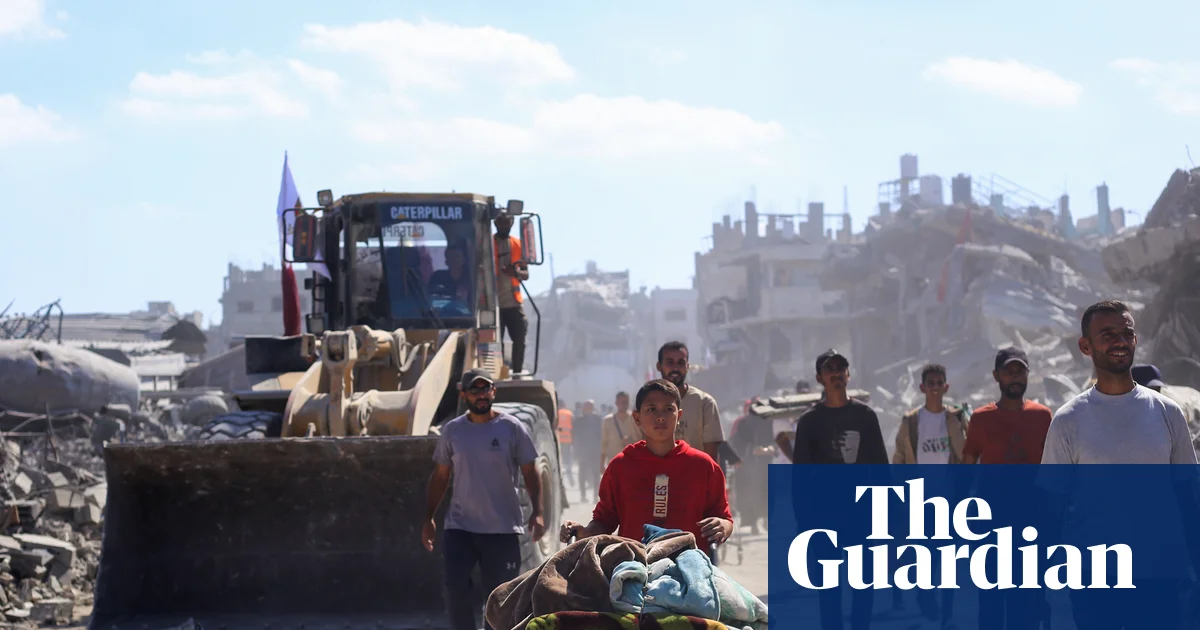
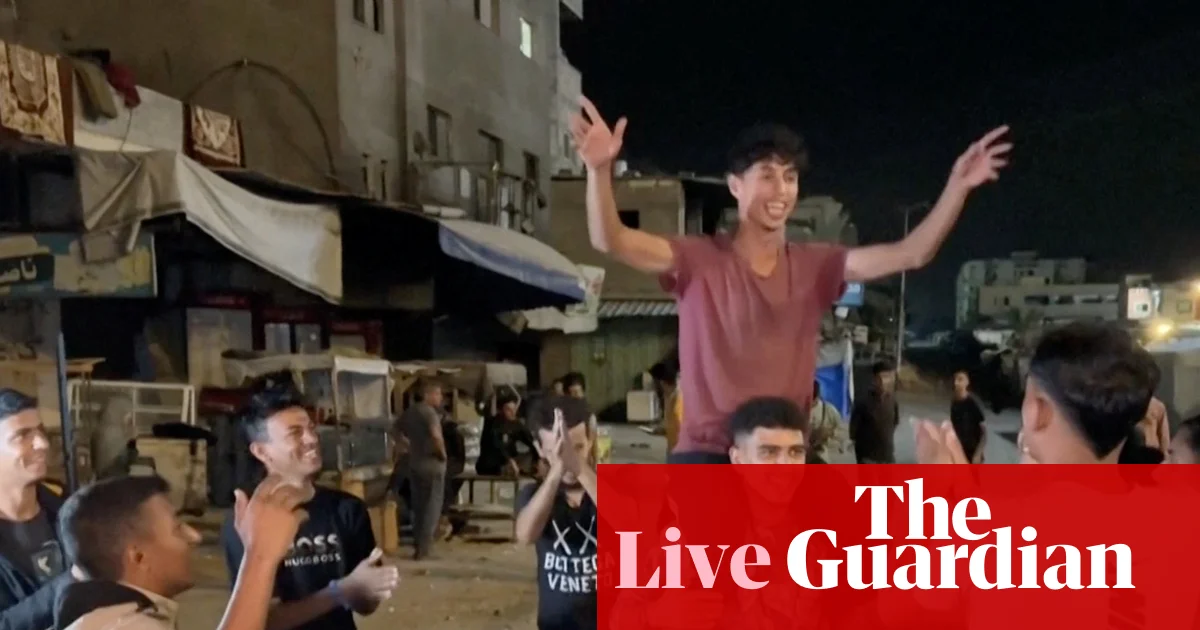
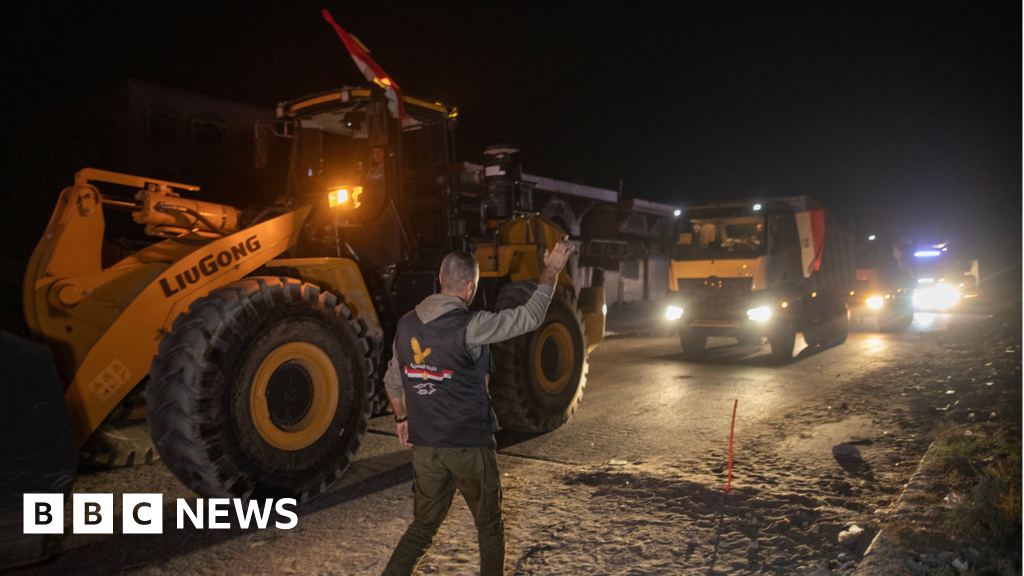
In the ongoing tumult of Israel and Hamas, recent events highlight the fragile veneer of hope amid a deepening humanitarian crisis in Gaza. Despite the recent ceasefire agreement, which promised a surge of crucial aid and the return of hostages, the reality remains far complex and dangerous. The ceasefire deal signed last week initially raised hopes for a shift in the two-year conflict, yet most restrictions on aid deliveries and movements have persisted. The delay in opening vital access points, notably the Rafah crossing controlled by Egypt, underscores the geopolitical tensions and hesitancies that continue to inhibit the flow of food, fuel, and medical supplies—an urgent need acknowledged by international health organizations such as the WHO.

The international community, including the United Nations and prominent analysts like those from Harvard and the Council on Foreign Relations, emphasize the dire consequences of these delays. Aid agencies warn that the lack of medical supplies and fuel is pushing Gaza toward a catastrophic collapse of its healthcare system. With only a fraction of hospitals operating amid outbreaks of infectious diseases, the death toll and human suffering threaten to escalate. Meanwhile, Israel remains locked in accusations, with Prime Minister Benjamin Netanyahu vowing to retrieve the remains of all hostages and asserting that “the fight is not over yet”. His rhetoric signals a determined stance, reinforced by military statements that portray their ongoing operations as necessary to ensure security against threats they deem existential.

Amidst this, the U.S. and regional mediators are caught in a balancing act. While attempts are made to sustain the ceasefire’s fragile hold, Hamas accuses Israel of violating the agreement through violent shootings and continued military operations. These repeated violations illustrate the unstable ceasefire environment, where both sides are reluctant to fully trust each other’s commitments, echoing warnings from historical analysts who suggest that territorial disputes and entrenched hostility make lasting peace elusive without profound geopolitical shifts. The return of prisoners and the recovery of bodies, often marked by signs of violence and torture, further complicate matters, fueling public anger and distrust on both sides. Such incidents, as detailed by Gaza doctors, serve as stark reminders of the brutal cycle of violence that persists beneath diplomatic negotiations.

If history is any guide, the current pause in the conflict is likely to be short-lived unless substantial international pressure and diplomatic breakthroughs occur. As regimes and their supporters watch from afar, the geopolitical impact extends beyond Gaza, affecting regional stability and global alliances. The challenge remains: how to forge an environment where aid can flow freely, hostages are returned safely, and long-term peace becomes a tangible goal rather than just an elusive hope. The weight of history presses down, as the world trembles on the brink of another chapter in this North African saga—a chapter that, whether it leads to peace or further chaos, will be written by the decisions yet to be made. As the dust settles, the eyes of history remain fixed on Gaza, waiting to see if this fragile ceasefire can hold or if the violence will erupt once again, perpetuating the cycle of suffering that has defined the Israeli-Palestinian conflict for decades.

Gaza Ceasefire Update: Trump Predicts Likely Hostage Release Monday; IDF Warns Gaza City Remains ‘Highly Dangerous’

International Spotlight on Gaza Ceasefire: A Tipping Point in Middle East Politics

The recent ceasefire agreement in Gaza, brokered amid intense negotiations involving regional mediators and highlighted by statements from leaders like Donald Trump and Benjamin Netanyahu, marks a critical juncture in the ongoing Middle East conflict. While the specifics of the deal remain cloaked in secrecy, the overarching narrative underscores a potential shift in regional diplomacy with global ripple effects. Such an achievement, claimed by Trump as his “biggest diplomatic accomplishment,” signals both a hope for peace and the profound challenges that lie ahead for world powers invested in stabilizing or controlling the volatile landscape.

The agreement’s foundation revolves around the *return of hostages* in exchange for a *limited Israeli military withdrawal* from Gaza. This early phase, hailed by Hamas and Israeli officials alike, hints at a fragile but meaningful step toward de-escalation. The involvement of mediators from Qatar, Egypt, and Turkey highlights a regional consensus aiming to temper violence, which has persisted for over two years, leaving tens of thousands dead and destabilizing much of the Middle East. Yet, significant questions remain: Will Hamas be disarmed? How will governance of Gaza evolve post-conflict? These are the *hard questions* that could determine whether the current moment leads to a lasting peace or another chapter of chaos.

Historically, peace efforts in this region have been cyclical, often collapsing amid disagreements over militant disarmament and territorial sovereignty. Analysts from international organizations like the United Nations warn that “the stakes have never been higher”, emphasizing the importance of full compliance with the ceasefire terms and the necessity of a political framework that respects the rights of both Israelis and Palestinians. The UN Secretary-General, António Guterres, has called for the *immediate, unimpeded entry of humanitarian aid* and a *credible political path toward a two-state solution*, underscoring that the world cannot afford to remain complacent. This moment presents a *historic opportunity*, but it is simultaneously a testing ground for international resolve amid the persistent specter of renewed violence.

The geopolitical impact extends beyond the borders of the Middle East, reaching the corridors of power worldwide. Leaders from the UK to Japan, recognizing the devastating human toll, have expressed hope and urged all parties to honor their commitments. Yet, the core issues — including Hamas’ future, Israeli security concerns, and Palestinian sovereignty — remain unresolved. Decisions made now will influence regional stability, global diplomatic relations, and spheres of influence for years to come. As history witnesses this unfolding chapter, the weight of responsibility presses heavily on the shoulders of those who hold the keys to peace, for in these momentous days, the very fabric of the Middle East’s future is being rewritten, with the world watching with bated breath — uncertain if this is merely a pause or the dawn of genuine peace.

Social Media Auto Publish Powered By : XYZScripts.com