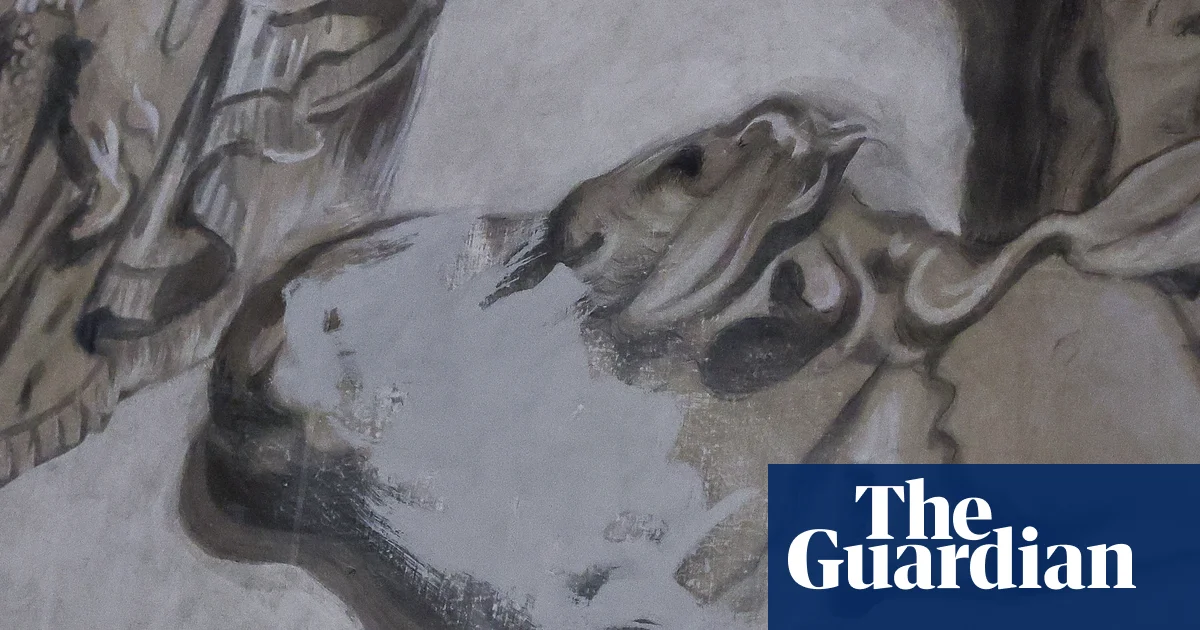
In a dramatic display of the volatile intersection between U.S. domestic politics and international religious diplomacy, recent events have underscored the profound geopolitical impact of leadership decisions and rhetorical battles. Former President Donald Trump ignited a firestorm after a provocative social media post where he depicted himself as a Jesus-like figure, sparking outrage across faith communities and political spheres worldwide. While Trump quickly deleted the image, the damage was done — exposing discord within core conservative allies and prompting international condemnation. The incident exemplifies how personal acts by political figures can ripple outward, affecting not only national cohesion but also influencing global perceptions of America’s moral and political authority.
- Trump’s post, which portrayed him as a healing, messianic figure, was defended by some as satire, but critics labeled it blasphemous and an affront to religious sensibilities.
- Public figures from Fox News commentators to Italian politicians condemned the imagery, emphasizing the importance of respecting religious figures in a time of societal revival.
- Simultaneously, Trump’s verbal attacks on Pope Leo XIV fueled a diplomatic rift, with the former president calling the Pope “weak on crime” and accusing him of pandering to “the radical left,” further complicating U.S.-Vatican relations.
This clash reflects a broader shift in global geopolitics where the juxtaposition of faith, nationalism, and sovereignty is more pronounced than ever. The Vatican, under Pope Leo XIV, has voiced concerns over America’s foreign policy, criticizing what it perceives as “delusions of omnipotence” driving U.S. actions—particularly regarding the ongoing tensions with Iran and the Middle East chaos. These comments, while not directly targeting Trump, have become a diplomatic backdrop to escalating tensions and ideological battles within the international community. Analysts warn that such open disagreements could weaken multi-lateral cooperation on global crises, undermining efforts to foster peace and stability in an increasingly unpredictable world.
Historian and geopolitical analysts emphasize that these incidents are not isolated, but part of a larger narrative where the moral authority of nation-states is being challenged by both political rhetoric and social media’s aggressive culture of controversy. With international organizations like the United Nations urging restraint and diplomacy, well-respected voices remind that leadership among nations must transcend petty disputes and focus on shared human values — or risk plunging the world further into chaos. If history teaches anything, it is that the unchecked expression of nationalistic fervor and religious provocation can be a spark for conflict, not resolution, transforming personal ego into the tinder for global instability.
Ultimately, these fresh fissures—born from political brinkmanship and provocative narratives—serve as a stark warning. As the world witnesses a historic moment where faith, power, and morality collide on the international stage, the future remains shrouded in uncertainty. The course of history, once like a steady river, now seems poised to surge in unpredictable directions, leaving the global community to grapple with the consequences of decisions that threaten peace and undermine the moral fabric of societies. The weight of this unfolding saga reminds us that, in a world on the brink, the line between foresight and folly is razor-thin, and history’s verdict is yet to be written.