Matox News

Truth Over Trends, always!

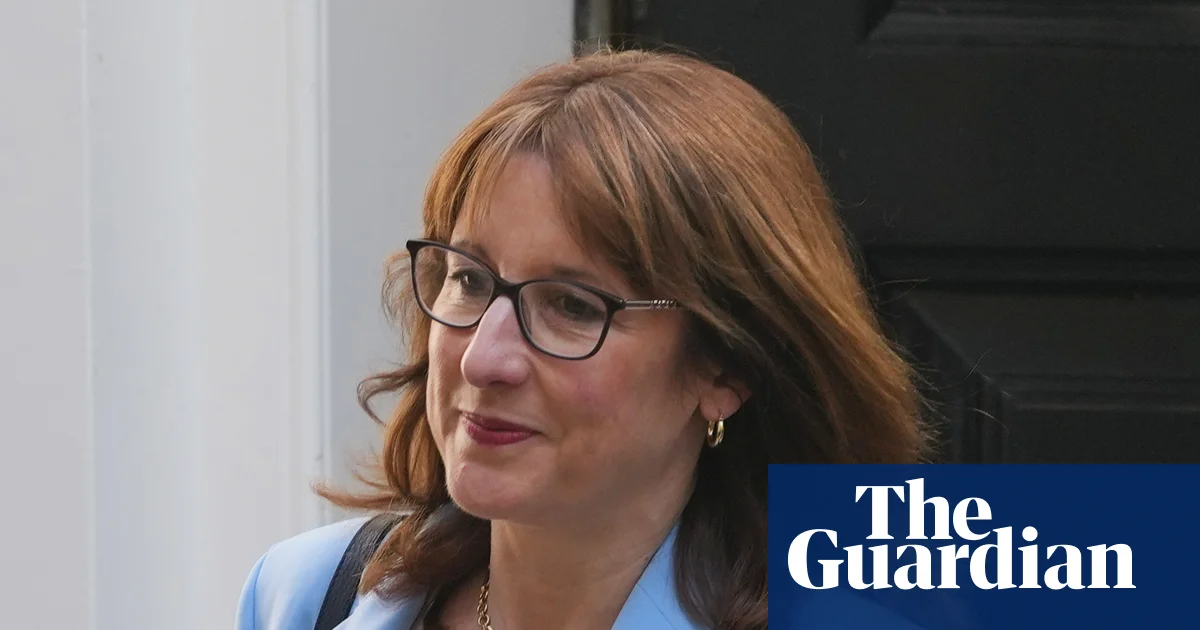
UK Ministers Reject Rachel Reeves’s Proposed Year-Long Rent Freeze

Political Gridlock and Economic Instability: A Threat to Society’s Foundations

In the shadow of mounting social tensions and economic uncertainty, the recent political discord within the UK government underscores the fragility of a society facing multiple crises. The heated debates over plans to freeze private sector rents — an idea that initially gained traction as a potential solution to housing affordability — have quickly been dismissed by senior ministers. Designed to ease financial burdens on families struggling with rising rents, the proposal was met with harsh opposition from figures like Steve Reed and Matthew Pennycook, who dismissed it as neither credible nor serious. This political infighting reveals a deep divide over how best to respond to housing and economic pressures, tensions that threaten to undermine community bonds and social stability.

This internal discord not only impacts families caught in the crossfire but also erodes trust in public institutions. When policymakers appear unable or unwilling to address urgent issues such as housing costs, it widens the gap between the governing elite and the ordinary citizen, fostering disillusionment and alienation. Sociologists like David Demeritt warn that such political gridlock hampers effective responses to rising inequality, perpetuating cycles of hardship for vulnerable communities, especially youth and low-income families whose futures depend on stability and opportunity.

Consequences for Education and Community Cohesion

The ongoing political turmoil and economic uncertainty signal troubling implications for education systems and community cohesion. Young people, already navigating insecure employment markets, face increased anxiety as government stability hangs in the balance. Disruptions stemming from fiscal instability threaten to cut resources from schools and youth programs, vital for nurturing future generations. More than ever, the social fabric of communities—built on trust, shared values, and mutual support—comes under pressure when political leaders appear divided and out of touch with everyday struggles.

  • Families grapple with unpredictable costs, leading to increased stress and strained relationships.
  • Schools face potential funding cuts, impacting the quality of education and support services for students from disadvantaged backgrounds.
  • Communities experience a decline in social trust, as political infighting overshadows grassroots needs.

Prominent social commentators argue that addressing social inequalities requires more than policy rhetoric; it demands public accountability and community-driven solutions. Without decisive action, the cycle of hardship will persist, hindering the societal growth necessary for long-term stability and prosperity.

The Broader Cultural Shift and the Role of Social Morality

Underlying these issues is a **cultural shift** that challenges traditional moral and ethical foundations. As society becomes more polarized, the moral fabric of community life is fraying, threatening to fracture collective efforts towards common well-being. Historians like Yuval Noah Harari note that in times of societal upheaval, the erosion of shared values weakens social cohesion, making it harder to forge consensus on critical issues like housing, economic reform, and social justice.

In this context, families—especially those struggling to make ends meet— are often the first to bear the brunt of political inaction. The moral question remains: How can a society claim to value its most vulnerable while allowing internal squabbles to override urgent social needs? The answer lies in fostering a renewed sense of community responsibility, rooted in both moral integrity and pragmatic policymaking. Societal transformation will not be achieved through rhetoric alone, but through committed action that prioritizes human dignity and collective resilience.

As society confronts these layered challenges, the hope of renewal persists. Like a fragile seedling pushing through concrete, the potential for societal rebirth exists—if we recognize that the true strength of a community lies in its unity, moral resolve, and unwavering commitment to progress. Only then can the society once again become a stronghold of hope, equity, and shared purpose, guiding the next generation towards a brighter horizon.
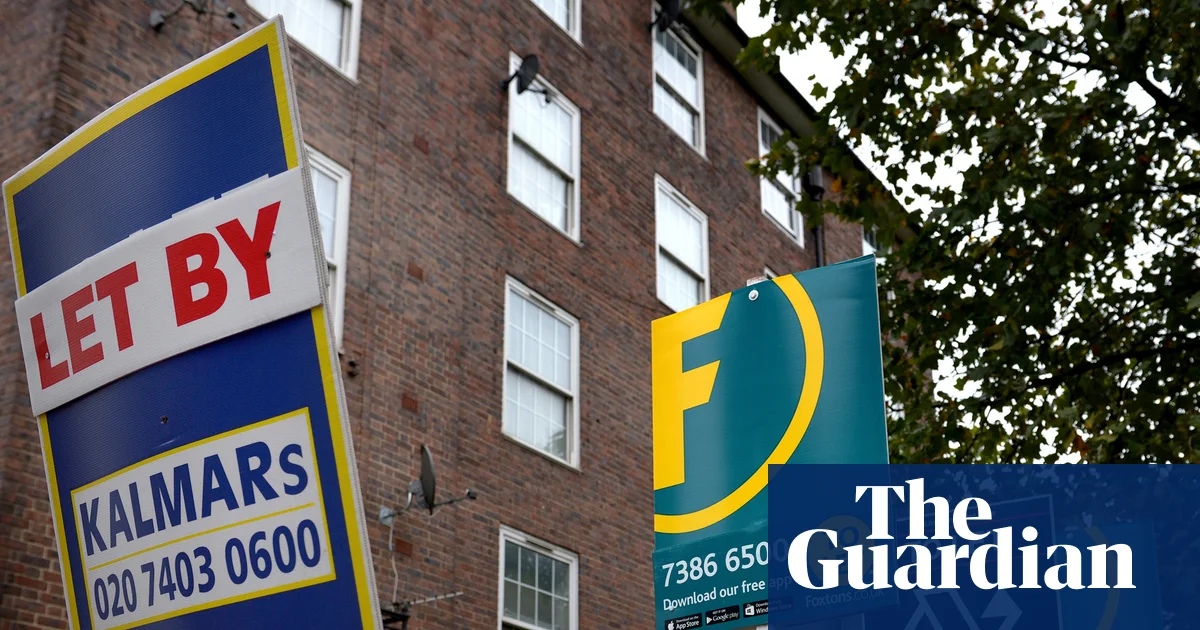
No. 10 dismisses Reeves’s proposed rent freeze, sparking youth concerns about housing choices

Society at a Crossroads: The Battle Over Rents and the Future of Communities

In recent weeks, the debate surrounding affordable housing and rent controls has cast a stark light on the complex social issues facing families, communities, and youth across Britain. As economic pressures mount amid global crises like the Iran war, policymakers are grappling with the question of how to stabilize a housing market increasingly seen as a reflection of societal divides. The government, led by Prime Minister Downing Street, has dismissed proposals such as a rent freeze on the private sector, despite the fact that figures like Labour MP Yuan Yang have openly canvassed such measures when considering how to curb the rise in living costs for everyday households. The disconnect between political factions underscores the deepening social tension—a divide rooted not merely in policy but in the underlying fabric of societal priorities.

Economists warn that attempts to introduce rent controls could backfire, potentially leading to a reduction in the availability of rental properties and a slowdown in housing development. Konstantin Kholodilin from the German Institute of Economic Research highlights that “controlled rents tend to fall by approximately 9.4%, but nearby uncontrolled rents can escalate by about 5% faster.” Such dynamics threaten to perpetuate social stratification, as families and young workers find themselves caught in cycles of scarce housing and escalating costs. This predicament strikes at the core of community stability, as young professionals and families alike confront the devastating reality that affordable, quality housing may soon become elusive—fueling a cycle of displacement and social fragmentation.

Adding to the debate is the broader question of societal morality and the role of government. Some voices, such as the head of the Blue Labour movement, advocate for long-term, decentralized rent control policies empowered through local governments and valuation offices. Conversely, critics argue that the real solution lies in building enough homes—a simple yet profound remedy that addresses the root cause of housing shortages. As historian Paul Johnson notes, societal stability hinges on family cohesion and community resilience; failing to provide a foundation of secure housing opportunities risks unraveling the social fabric, disproportionately affecting working-class families and the rising generation.

Amidst these political and economic maneuvers, the human toll becomes apparent. Families see their dreams of stability upended by policies that either neglect their needs or emphasize technological solutions over practical housing development. The looming challenge remains: how does society reconcile the desire for personal security with the collective necessity of an inclusive, thriving community? As social commentators emphasize, the true measure of a society’s strength lies in its capacity to foster hope through tangible support for its most vulnerable members. Society’s resilience, thus, is not merely in policies penned in corridors of power but in families’ ability to find shelter, to nurture their children, and to build futures rooted in stability.

In the quiet moments of reflection, society might ask itself whether it is truly on a path toward equity and opportunity or merely entrenching a cycle of social divisions. As the shadow of economic uncertainty lengthens, it is imperative that the guiding vision remains rooted in human dignity, and that innovations in policy strive not only for economic efficiency but also for moral integrity. Society’s greatest hope is that, through deliberate, compassionate action, the next chapter can be written as one where homes are more than mere structures; they are the cornerstone of human dignity and societal resilience. Reflecting on this, the question lingers: can society transform its deepest challenges into opportunities for renewal, ensuring that no family is left to face the storm alone?

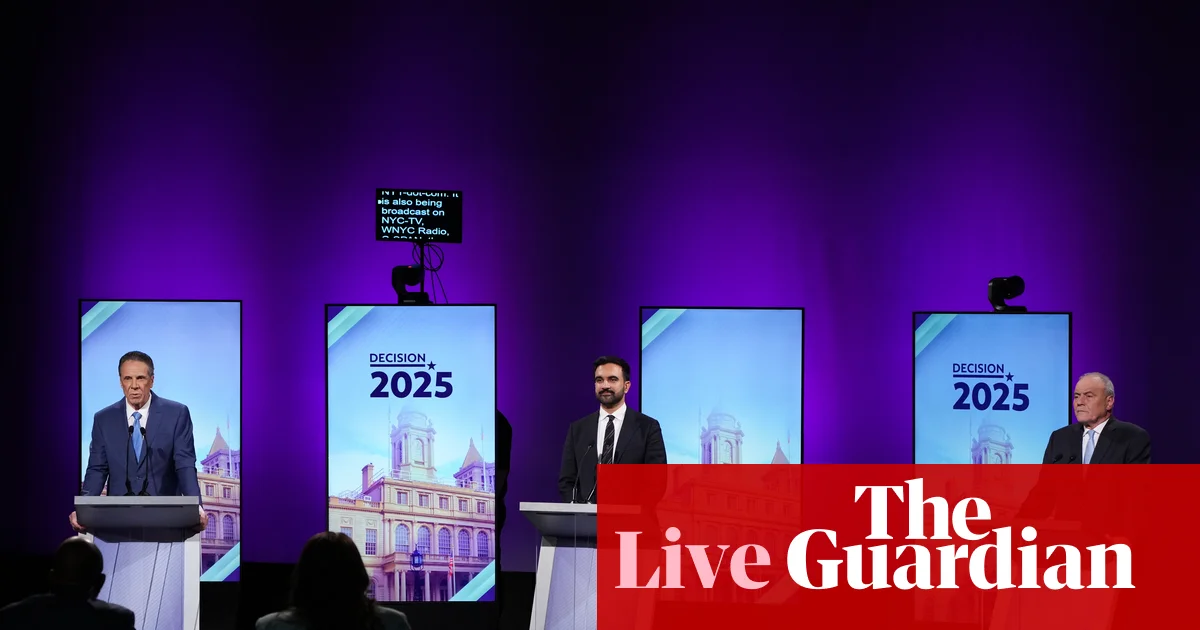
NYC Mayoral Debate Heats Up: Mamdani, Sliwa, Cuomo Clash on Israel, Rent, and Trump

International Impact of New York’s Mayoral Race and Internal Power Struggles

The city that once symbolized the heart of American ingenuity and resilience, New York City, has once again become the crucible where domestic politics collide with global agendas. The latest round of mayoral debates, featuring figures like Zohran Mamdani, Andrew Cuomo, and Curtis Sliwa, serve as a microcosm for the tense, complex geopolitics that define the 21st century. As American politicians do battle over issues ranging from housing crises to the specter of foreign influence and ideological radicalism, they unwittingly cast shadows that stretch across borders, affecting the geopolitical balance worldwide.

Analysts like Dr. Emily Grant from the International Policy Institute note that U.S. mayoral elections, especially in a metropolis as emblematic as New York, hold symbolic power beyond local governance. The debate over law enforcement strategies, immigration policies, and foreign policy stances is intertwined with America’s stance on global security. Mamdani’s calls for a more compassionate approach towards immigrants and his critique of federal ICE operations resonate globally, given the ongoing migration crises and international terrorism concerns. Meanwhile, Cuomo’s narrative on law and order echoes a broader international conversation on security and civil liberties, with some commentators suggesting that these internal dialogs influence how U.S. allies and adversaries perceive American stability and commitment on the world stage.

Underneath the rhetoric, these political exchanges reflect a nation grappling with its identity amid global upheaval. The debate’s focus on issues like the handling of Rikers Island, support for LGBTQ+ rights, and responses to international conflicts underscores how domestic elections are increasingly manifesting in international politics. For instance, Mamdani’s vocal opposition to certain international policies likely signals a shift towards more progressive and interventionist overseas stances by local leaders, potentially impacting diplomatic relations. Historian Jonathan Fields emphasizes that political figures on the rise, such as Mamdani, are being watched closely as indicators of potential future shifts in U.S. foreign policy, especially as they challenge the status quo set by traditional power players like Cuomo.

As the city prepares for a decisive election amidst this ambiguity, the question remains: how will these internal debates translate into global influence? Will New York’s next mayor steer the city — and by extension, America’s diplomatic trajectory — towards a more conciliatory or confrontational direction? The world watches with bated breath, knowing that in the chess match of geopolitics, the movements of a city’s mayor can signal the tone of a nation’s diplomacy. The unfolding story from Queens is more than local politics; it is a chapter in the ongoing saga that will determine the balance of power, influence, and stability in a world on the brink of upheaval. History continues to writethe present with every mayoral decision, echoing through corridors of power worldwide.

Social Media Auto Publish Powered By : XYZScripts.com



