Matox News

Truth Over Trends, always!

Labor Ignored Anti-Racism Calls: Leaked Docs Reveal Repeated Requests for Action

Australia stands at a pivotal juncture in its modern history—facing a persistent dilemma that threatens both its social fabric and geopolitical standing: systemic racism. Despite recommendations from the Australian Human Rights Commission nearly 18 months ago, the federal government under Prime Minister Anthony Albanese has yet to respond decisively on a comprehensive anti-racism framework. Documents obtained by the Senate reveal a disconcerting pattern: ongoing delays, dismissive replies, and an apparent reluctance to turn words into concrete action. The world watches as this stubborn inertia undermines Australia’s credibility on the international stage, where nations are expected to lead in human rights and societal cohesion.

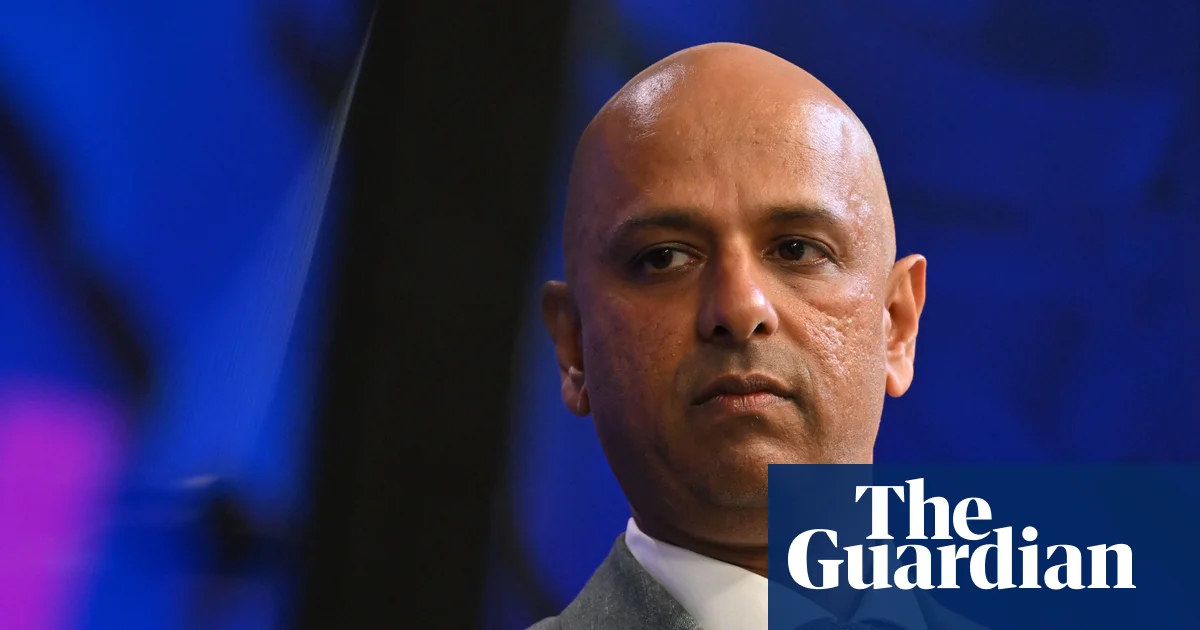
Notably, the communication records between Race Discrimination Commissioner Giridharan Sivaraman and Attorney General Michelle Rowland expose how multiple pleas for action have been systematically ignored. Sivaraman’s five letters and at least two meetings implored the government to adopt a proposed anti-racism framework containing 63 vital recommendations, including the establishment of a national anti-racism taskforce, the creation of a standalone Human Rights Act, and mandates to eliminate racism within workplaces, healthcare, and housing sectors. These measures are common-sense steps that could mitigate the deeply rooted biases that continue to plague Australian society. However, the government’s repeated responses that these recommendations are “being carefully considered” evoke an alarming image of paralysis—especially with the royal commission’s findings expected by December.

International institutions and analysts have underscored the critical nature of decisive action. Human rights experts warn that inaction in Australia not only jeopardizes national unity but also damages the country’s global reputation for fairness and progress. Meanwhile, Green Party leaders, such as Deputy Leader Mehreen Faruqi, condemn what they describe as a “pattern of neglect,” criticizing the government’s refusal to act on clear warnings. The situation underscores how decisions—or the lack thereof—have tangible effects: perpetuating societal division, fueling xenophobia amid rising anti-immigrant rallies, and emboldening extremist narratives. The framework’s six dozen recommendations, championed by community leaders and advocacy groups, could serve as vital tools for societal repair, yet they remain unimplemented.

As geopolitical implications unfold, Australia’s internal struggles resonate beyond its borders. Countries that neglect the urgent mandate to address racial injustice risk losing moral authority and jeopardizing alliances based on shared values. Historians and policy analysts, such as Dr. Samuel Moyn, warn that failure to confront systemic discrimination risks fueling destabilization—both domestically and internationally. The implications extend further: Australia’s failure could serve as a cautionary tale for other nations grappling with similar issues on the global stage. As the royal commission’s report looms, history remains poised at this critical phase, awaiting the next decisive move. Will Australia choose the path of unity or continue down a road that risks unraveling its social cohesion? Only time will tell, yet the weight of history compels us to realize that the decisions made today will echo through generations—a testament to the peril and promise of a society striving toward justice in an increasingly divided world.

US Suspends Afghan Immigration Requests Following Guard Shooting Incident

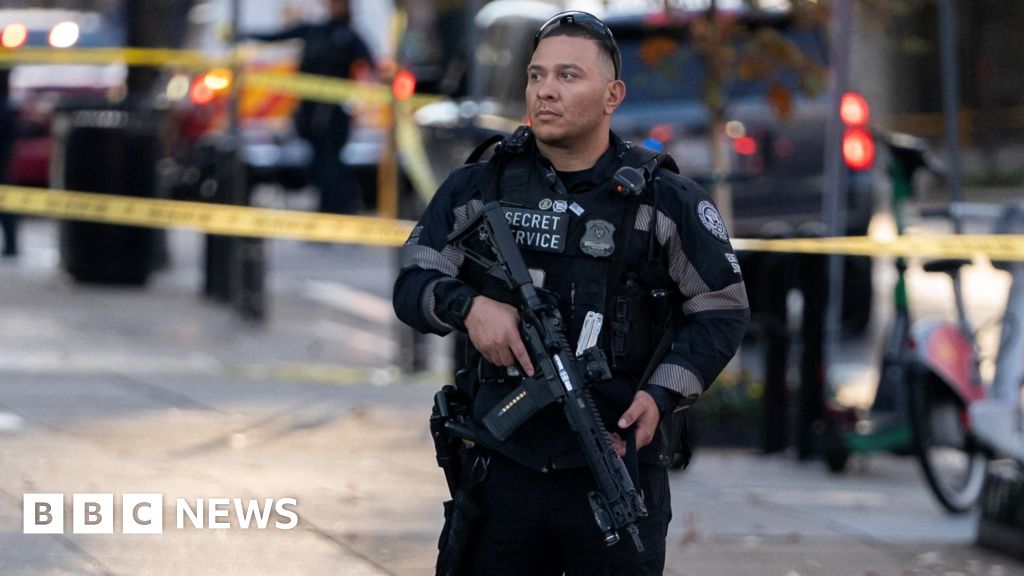
Recent incidents in Washington, D.C., have underscored the volatile intersection of immigration policy, national security, and domestic stability. A shooting near the White House, involving an alleged Afghan national — Rahmanullah Lakanwal — has reignited fierce debates over U.S. immigration protocols and the efficacy of vetting procedures instituted since America’s chaotic withdrawal from Afghanistan in 2021. This event marks a critical juncture, exposing vulnerabilities in the U.S. border and immigration systems, which have become focal points of partisan contention and strategic reassessment.

The incident, involving a suspect identified as a criminal alien from Afghanistan, who arrived during Biden‘s administration under the Operation Allies Welcome program, has prompted a nationwide review of security measures. Following the attack, U.S. authorities suspended processing all immigration requests from Afghan nationals, citing concerns over security and vetting standards. This decision underscores a pivotal shift in policy, driven by fears that individuals like Lakanwal might pose risks to domestic safety, especially amid rising tensions over refugee and immigrant integration. Analysts from respected institutions warn that such dramatic policy reversals could undermine America’s standing as a land of opportunity while simultaneously fueling fears among citizens seeking safety first.

The geopolitical impact of these policy shifts extends beyond domestic borders, affecting US relations with neighboring nations and allies. The Biden administration’s reduced refugee protections and the ending of Afghanistan’s temporary protected status have created a sense of insecurity among Afghan-American communities and international observers who see these moves as a reflection of broader strategic withdrawals. Meanwhile, President Trump’s rhetoric—labeling the shooting as an “act of terror” and advocating for the removal of foreigners—resonates with a significant segment of the demographic seeking a tough stance on security. Such rhetoric risks emboldening nationalist and anti-immigrant factions worldwide, potentially destabilizing diplomatic relations and fueling regional tensions in already fragile zones.

Experts, including historians and security analysts, emphasize that this incident is emblematic of a larger narrative: how decision-making in Washington profoundly shapes the perceptions and realities of security for ordinary citizens. The deployment of thousands of National Guard troops—initially to curb amplified crime in the city—has become a political symbol of strength or overreach, depending on the lens. The decision to escalate military presence reflects an underlying challenge: balancing civil liberties with national security, especially when the stability of society is called into question after such violent events. As the debate intensifies, the outcome will likely influence future policies, emphasizing either increased security measures or cautious reforms aimed at preserving civil rights.

As the dust settles over this disturbing event, history remains in the making. With each decision, from immigration vetting to military deployment, the course of America’s future is being charted—its strength measured by how effectively it navigates internal divisions and external threats. The unfolding narrative reminds us that in the crucible of crisis, nations are tested not just by their response to violence, but by their ability to uphold sovereignty and social cohesion amid chaos. In the shadows of this violent act, the weight of history presses heavy, as the world watches whether America will emerge resilient, or falter under the mounting pressures of its own choices.

Social Media Auto Publish Powered By : XYZScripts.com


