Matox News

Truth Over Trends, always!

Unilever strikes $44.8bn deal to merge food division with McCormick, reshaping the snack battlefront

Global Food Industry Shake-up: Unilever and McCormick’s Strategic Merger

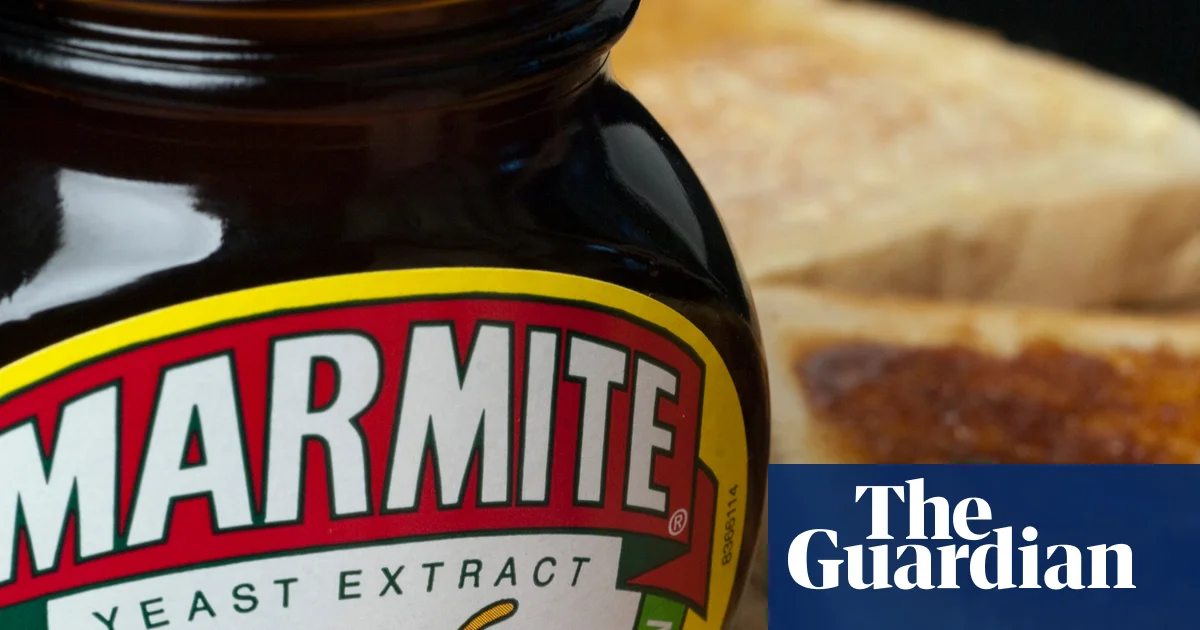
The international landscape of consumer goods is witnessing yet another pivotal shift as Unilever, a historic titan in the sectors of beauty, personal care, and home products, embarks on a transformative journey by divesting its food division to US-based McCormick. This $44.8 billion deal marks a definitive change from nearly a century of unilever’s focus on broad consumer markets, signaling a deliberate repositioning aimed at sharpening its focus on high-growth sectors such as beauty and personal care. Analysts attribute this to strategic moves within the constraints of geopolitical uncertainties and shifting consumer preferences, emphasizing the importance of international agility in a rapidly evolving global economy.

The merger creates a formidable global flavour powerhouse, combining brands that dominate kitchens worldwide — from Knorr and Pot Noodle to McCormick’s French’s mustard, Cholula hot sauce, and Old Bay seasoning. According to leading economists and industry analysts, this consolidation is more than a corporate reorganization; it is a calculated geopolitical maneuver with tangible ramifications. The control of sprawling food brands spanning multiple continents could influence supply chains, pricing structures, and even national agricultural policies. While McCormick retains its headquarters in the US, the new entity will maintain a significant international presence through Unilever’s existing Dutch base, illustrating the ongoing trend toward corporate decentralization in global markets.

However, this strategic alignment comes with notable **geopolitical implications**. The divestment excludes parts of Unilever’s operations in India and renowned brands such as Horlicks and Boost, underscoring the company’s focus on core markets while signaling an exit from some of the most dynamic and rapidly growing economies. Moreover, the decline in stock prices—Unilever falling 7% and McCormick 5.6%—amid concerns over job security and integration complexities, highlights the risks embedded in such international consolidations. As historians like John Meehan and analysts emphasize, it showcases how **decisions made in boardrooms** can ripple through the geopolitical fabric, affecting employment, local economies, and forms of international cooperation or rivalry.

This amalgamation also signifies a transformative strategy, with Unilever shedding several sectors—ranging from spreads and teas to plant-based meats—to focus on its core personal care and home products. This deliberate shift reflects what some international strategists label as “a move to unlock trapped value”. Still, critics argue that reducing economies of scale could undermine efficiency, provoking a reevaluation of global trade dynamics. The fallout—potential job cuts, changing manufacturing hubs, and the reshaping of supply chains—may serve as a warning for other multinational corporations navigating geopolitical waters increasingly fraught with uncertainties. As the world watches, the decisions of these corporate giants will inevitably impact countless societies, shaping the very structure of consumer culture in the years ahead.

As history continues to unfold under the weight of new alliances and shifting economic power, the global community remains on edge. The marriage of food giants—with all its promise of innovation and efficiency—also exposes vulnerabilities rooted in geopolitical tensions and economic upheavals. From Europe to North America and Asia, the intricate web of corporate interests and national sovereignty teeters on a knife’s edge, making it clear that the forces shaping today’s food industry are also shaping the future stability and order of the international system. The next chapter is unwritten, but the echoes of this historic merger will resonate for generations to come, leaving society to grapple with questions of power, influence, and the true cost of globalization.

Why Is Antigone Reshaping Youth Culture?

Why Are We Obsessed With Antigone? The Enduring Voice of Cultural Resilience

In an era marked by rapid societal shifts and an erosion of shared cultural narratives, the revival of Antigone on theatrical stages across New York City underscores a profound hunger for timeless themes rooted in justice, familial duty, and resistance against tyranny. This ancient Greek tragedy by Sophocles has transcended the confines of antiquity to become a living dialogue about the core values—beliefs that define civilization itself. As Ortega y Gasset once observed, the vitality of culture hinges on our ability to see ourselves anew in the reflection of the past, fostering a society that is both rooted and resilient.

At its heart, Antigone is a narrative about the individual’s moral autonomy standing in stark conflict with the state’s authority. This tension resonates today, especially as many young people grapple with questions of identity, sovereignty, and moral integrity amidst cultural upheaval. The play’s protagonist embodies a form of noble defiance—an assertion that certain truths transcend political power. In this light, the antigone-like figures in modern culture evoke an enduring archetype: a spirit unbowed in the face of an impersonal and often oppressive social order. Notably, T.S. Eliot emphasized that such enduring figures serve as the “memory of humanity,” embodying the perpetual struggle to uphold enduring values in a tumultuous world.

The timeless relevance of Antigone lies in its capacity to serve as a mirror for society’s ongoing debates about tradition, law, and moral authority. Philosophers like Chesterton and cultural critics remind us that culture is not merely entertainment but the sacred vessel of societal identity. Today’s adaptations—whether in classical productions or contemporary reinterpretations—highlight the importance of embracing our cultural heritage as a source of moral clarity. They scaffold a collective identity that is both a nod to the past and a prophecy of future resilience. As Tocqueville argued, democracy flourishes when the moral fabric of society is woven with threads of shared cultural and spiritual values, echoing the play’s call for conscience over tyranny.

  • Reinforcement of Cultural Identity: The plays inspire a recognition of shared values that bind communities together amid fragmentation.
  • Defense of Traditional Morals: As society navigates the complexities of modernity, the moral questions posed by Antigone preserve a dialogue about universal virtues.
  • Symbol of Resistance: Cultivating a cultural consciousness that defies totalitarian tendencies, emphasizing that sovereignty begins with moral conviction.

This resurgence of interest in Antigone reflects a broader cultural understanding: that preserving tradition is an act of resistance—a bulwark against the nihilism threatening to erode our roots. It isn’t merely about honoring the past but about forging a future where the human spirit, like Eliot’s notion of the “burnt-out case,” can be reignited through the enduring power of cultural memory. The plays and symbols of antiquity serve as sacred texts, prophecy intertwined with history, reminding us that to remember is to reclaim and to anticipate what must be preserved in the face of relentless change. As we stand amid cultural crossroads, the voice of Antigone urges us to remember that the foundation of society is built upon the unwavering bedrock of tradition, and that our collective destiny remains written in the stories we dare to tell and uphold.

In the end, culture is both memory and prophecy—an eternal echo of humanity’s noblest hopes and fears. Through the sacred dance of remembrance and anticipation, we forge in the depths of old stories the blueprint for what is yet to come, ensuring that the flame of civilization is never extinguished but carried forward by those bold enough to stand, like Antigone herself, in defiance and hope.

Is It a Drug Bust or a Power Shakeup? The Bold Moves Reshaping the Game

Over the past two months, the Caribbean Sea has become a focal point of international attention as the United States ramps up its military presence in an unprecedented display of force. With a fleet comprising warships, fighter jets, bombers, and special forces, the US is deploying its most advanced military assets in what many analysts see as a strategic move rather than a simple show of deterrence. According to BBC Verify, the current forces are the largest naval and air build-up in the region for decades, prompting questions about the true aims behind this escalation. While official claims revolve around combating drug trafficking and narco-terrorism, experts like Dr. Christopher Sabatini argue that this might be a veiled attempt at regime change in Venezuela. Such a high-stakes deployment inseparably links the concepts of national security, influence, and regional stability, shaping a complex geopolitical landscape that affects us all.

What has truly captured the world’s attention is not only the sheer magnitude of military assets—featuring the massive USS Gerald R Ford aircraft carrier, guided missile destroyers, and advanced stealth jets like the F-35B—but also the ambiguous intentions behind this show of strength. Unlike previous interventions, this escalation appears less about directly intervening in Venezuela’s internal affairs and more about sending a powerful message. The US government, under the current administration, has ratcheted up efforts to pressure Nicolás Maduro, accusing his regime of drug trafficking and authoritarianism, even as it denies such allegations and blames sanctions for worsening the country’s crisis. This duality of rhetoric suggests a nuanced campaign—one where the military presence acts as a catalyst not only to influence Maduro’s inner circle but also as a warning to other regional players about US commitment and resolve in defending perceived national interests.

  • Travel Tip: For those interested in observing this geopolitical theater firsthand, consider visiting vibrant locales in the Caribbean such as Puerto Rico or Trinidad and Tobago, where the US has established significant military bases and operational hubs. These regions offer a compelling blend of strategic significance and diverse culture.
  • Wellness Hack: Amidst global tensions, maintaining a wellness routine rooted in mindfulness and resilience can help navigate the stress of today’s news cycles. Experts like Dr. Andrew Weil emphasize the importance of mental clarity in the face of uncertainty, encouraging practices such as meditation, physical activity, and staying connected with community as a beacon of stability in turbulent times.

Within the broader context, this militarization is also intertwined with covert operations, intelligence gathering, and potential plans for covert actions. The US government’s hints at possible land-based operations, coupled with the deployment of highly advanced drones and helicopters, paint a picture of a multifaceted approach that extends beyond mere show. Such moves are reminiscent of historical interventions, and while some argue it’s about safeguarding regional stability, others see it as a provocative display that risks igniting conflict. As the region braces for evolving developments, the key takeaway remains: this is not just a display of military might but a reflection of the changing nature of global influence, sovereignty, and the pursuit of national interests.

In contemplating this complex geopolitical chess game, it becomes evident that the journey of lifestyle and perspective is one rooted in understanding, resilience, and informed awareness. Whether or not conflict ensues, the narrative reminds us that our world is an ever-changing mosaic—one where strength and diplomacy coexist and where the choices made by powerful nations ripple through lives far beyond the Caribbean. As citizens, embracing a mindset of educated engagement and active curiosity fosters a sense of empowerment—an acknowledgment that, ultimately, we are all travelers on a shared journey of history, possibility, and hope. In the end, the true voyage lies in how we choose to interpret the signs of our times and turn them into opportunities for growth and understanding.

Social Media Auto Publish Powered By : XYZScripts.com