Matox News

Truth Over Trends, always!

White House Correspondents’ Dinner Chaos: Shots Fired, Youth Responds Coldly

Security Crisis at Washington’s White House Correspondents’ Dinner Sparks International Concerns

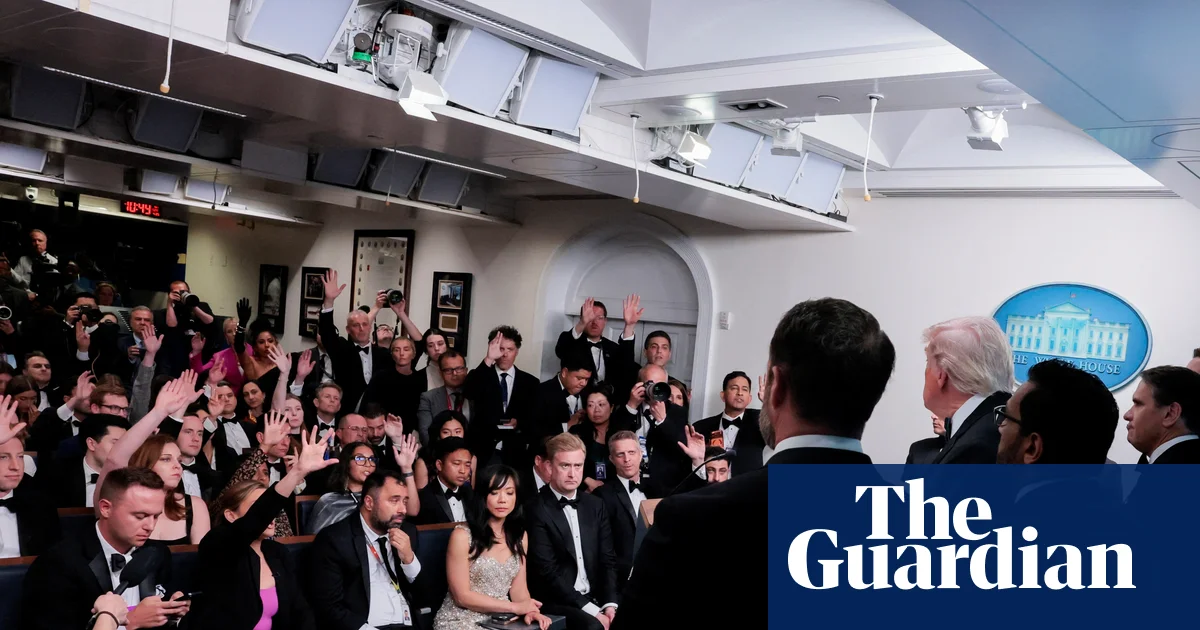
The recent attack during the White House Correspondents’ Dinner has sent shockwaves beyond American shores, raising profound questions about U.S. national security and global perceptions of American stability. On Saturday night, what was meant to be a celebration of free press spiraled into chaos when gunfire erupted, forcing attendees to seek cover under tables and prompting a swift lockdown of what is traditionally considered the most secure political gathering in Washington. Witnesses—both domestic and international—scrutinized the event, emphasizing its implications for U.S. security protocols and public confidence.

From a geopolitical standpoint, the incident underscores a troubling shift in the perceived security of the American capital. Despite rigorous protocols, the fact that gunshots could penetrate what is deemed the heart of U.S. political power suggests an evolution in threats faced by the nation’s leaders and institutions. Global strategic analysts are warning that such vulnerabilities could embolden hostile actors and threaten the perceived invulnerability of American political centers. The timing coincides with increased tensions between the United States and rising adversarial nations, notably Russia and China, who closely monitor and exploit perceived weaknesses in U.S. security policy.

Furthermore, the incident reflects deep domestic divisions and a media landscape often criticized for sensationalism and lax security measures at high-profile events. Conservative voices quickly tried to attribute the breach to what they call “lax security” at the dinner, criticizing the absence of metal detectors and pat-downs. While some experts highlight that such security lapses are not unprecedented, the occurrence fuels worries about the vulnerability of presidential and political events in a polarized climate. The incident also echoes historic warnings from security analysts who have long emphasized that elevated political targets require advanced protection, especially amidst growing radicalization and violence.

The international community watches with trepidation as the U.S. grapples with escalating internal unrest. As Russia’s geopolitical maneuvers—such as cyberattacks and disinformation—continue to destabilize Western democracies, incidents like Saturday’s highlight an unsettling reality: the fabric of American political life, once considered resilient, is now visibly frayed. Policymakers worldwide are increasingly concerned that such breaches could set dangerous precedents, potentially weakening America’s diplomatic leverage and prompting adversaries to exploit vulnerabilities. The United Nations and other global watchdogs are urging a reevaluation of security standards, cautioning that these incidents diminish America’s role as a global leader and reliable ally.

As President Trump and Vice President Biden assess the fallout, the event leaves a haunting question for future generations: will this act of violence mark a turning point in American history, or merely a symptomatic warning of challenges yet to come? The weight of history presses heavily on policymakers—each decision, each security upgrade, shaping the course of a nation that once seemed invincible. With the echoes of gunfire still ringing in the minds of those present, the relentless march of history continues—its next chapter unwritten, yet ominously close.
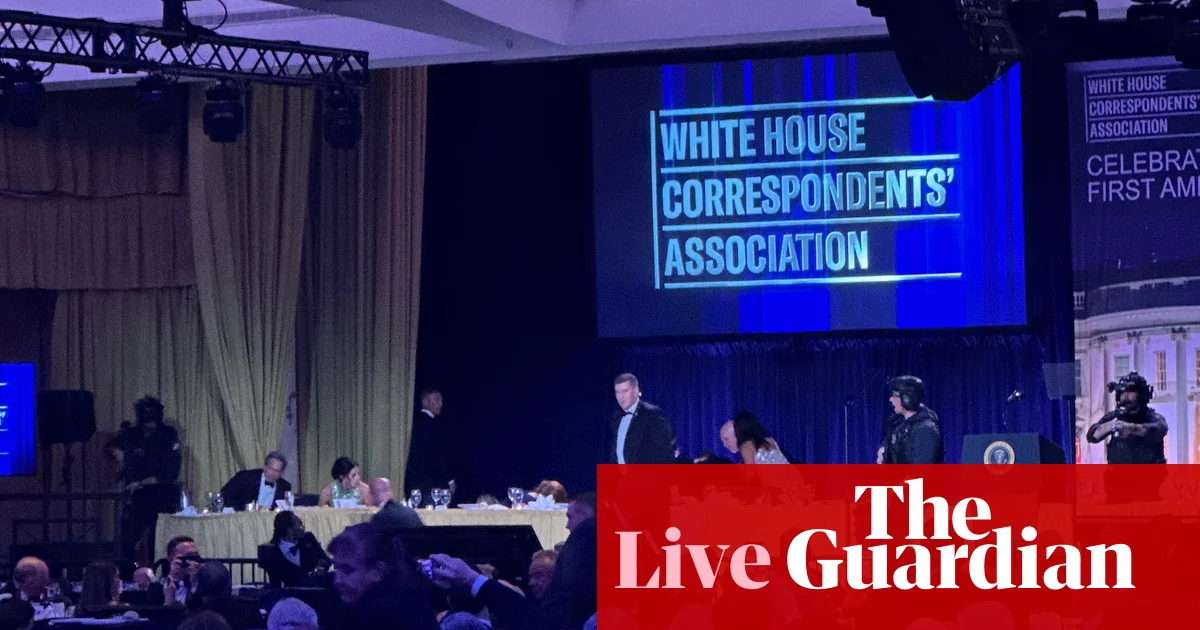
Trump responds after White House correspondents’ dinner shooting – live updates

Global Power Dynamics in Flux as U.S. Political Turmoil Unfolds

In a dramatic episode that has captured international headlines, the United States experienced a significant disturbance at the White House Correspondents’ Dinner, revealing underlying cracks in the nation’s political and social fabric. The event, which historically symbolized press-government relations and American liberal traditions, was abruptly interrupted by gunfire, resulting in evacuations and heightened security measures. President Donald Trump publicly confirmed that a police officer was shot but was saved by his bulletproof vest, emphasizing both the danger posed and the resilience of law enforcement. Such incidents underscore the volatile state of US civic unrest, and international analysts warn these moments could precipitate a broader shift in global influence and strategic alliances.

Many commentators are interpreting this incident as part of a larger trend of increasing political violence within America. Historians like Mary Young emphasize that political violence has often been a catalyst for realigning international relationships, especially when it signals a decline in domestic stability. The FBI and Justice Department have launched investigations, framing this attack as the work of a lone wolf suspect in California, which echoes previous narratives designed to downplay domestic threats. Nonetheless, the incident raises questions about security protocols at high-profile political gatherings and whether the current administration can contain the turmoil that appears to threaten to spill over onto global stages.

The flare-up at the dinner coincides with a rise in political extremism and increased polarization, phenomena also observed in Europe and Asia. Political analysts caution that an American decline in internal cohesion can diminish its influence as a global leader, particularly as China and Russia continue to expand their geopolitical reach. The United Nations and other international organizations have issued warnings about the potential destabilization effects, emphasizing that unresolved domestic crises in major powers can lead to unpredictable conflicts in volatile regions. The combined effect of internal unrest and external pressures may accelerate a realignment of global power balances, with emerging nations seeking to fill the vacuums left by waning Western influence.

As President Trump declared that the event required a postponement and vowed to continue engagements elsewhere, questions swirl about the implications for U.S. foreign policy and international commitments. Numerous voices in the strategic community argue that such crises accelerate the decline of the U.S. as a reliable security partner, while some see this as an opportunity for new alliances among nations seeking to challenge Western dominance. Meanwhile, the spectacle of law enforcement bravely responding to violence amidst chaos highlights the difficult path ahead for policymakers committed to restoring stability. The ongoing investigation and subsequent security reforms will not only shape the future political landscape but also influence how nations perceive America’s role in maintaining global order.

Ultimately, history continues to unfold in turbulent times. The events at the White House Correspondents’ Dinner serve as a stark reminder that the geopolitical arena is a fluid battleground of ideas, power, and influence. As leaders scramble to respond, the international community watches with bated breath, aware that the ripple effects of America’s internal struggles could reshape the global order for generations to come. The story is still writing itself, and the world stands on the edge of an uncertain horizon where the fate of nations hinges on the resolve of those in power now shaping history’s next chapter.

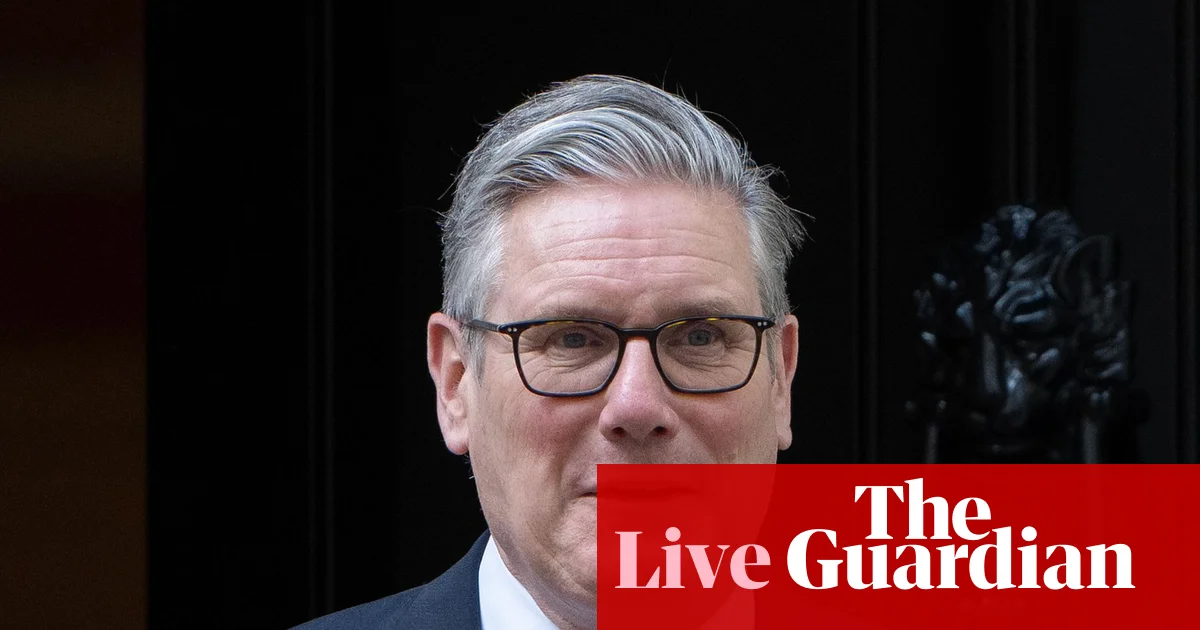
Downing Street asserts Falklands sovereignty is UK’s, responds to leaked Pentagon report

Global Tensions Rise: The UK, US, and the Falkland Islands at the Crossroads of Power

In an era marked by strategic recalibration and fiery national disputes, recent developments exemplify the fragile yet fiercely defended webs of geopolitical power. The U>K government has reaffirmed its sovereignty over the Falkland Islands, dismissing reports suggesting the US might reconsider its stance—a move that underscores the enduring importance of colonial legacies and territorial self-determination in international relations. The UK’s firm stance, echoed by Downing Street officials, highlights a classic defense of sovereignty rooted in balloting and local support: “The Falkland Islands have overwhelmingly voted in favor of remaining a UK overseas territory.” This unshakable position not only highlights the territorial integrity believed to be fundamental to national identity but also signals ongoing resistance to external pressure, particularly from global powers wary of re-drawing colonial maps.

Adding a layer to this complex geopolitical chessboard, the United States’ internal debates reveal sharp divisions. Leaked reports from the Pentagon exposed internal discussions about punishing allies within NATO—specifically, suspending Spain and re-evaluating support for “imperial possessions” such as the Falkland Islands—should they not align with Washington’s geopolitical ambitions. Experts suggest this could be a strategic move aimed at testing European unity and dominance in global territorial issues, gradually shifting US policy towards a more unilateral stance. Notably, the US’s explicit consideration of altering its long-standing support for the Falkland Islands marks a significant departure from diplomatic norms that generally favor stability and respect for colonial legacies, raising fears among global analysts that America’s strategic pivot might threaten the balance of power in the South Atlantic.

Meanwhile, the UK’s political arena is embroiled in its own battles, with Prime Minister Keir Starmer committed to maintaining control amidst scandals and the growing influence of internal critics. Despite calls for resignation stemming from a vetting scandal involving Peter Mandelson, the government affirms that Starmer’s leadership remains resolute, asserting that he will serve “throughout this parliament and beyond.” The debate around the assisted dying bill further exposes internal tensions—highlighted by the loss of legislative momentum in the House of Lords, where numerous amendments threaten its passage. Such domestic disagreements, coupled with external threats, reinforce the notion that the current international environment demands unwavering leadership and strategic resilience from Western democracies, all while societal debates over morality and human rights continue to divide opinions.

In a broader reflection, historians and global analysts warn that these patterns are indicative of a new phase in international order—an era where sovereignty is increasingly challenged, and alliances are tested. The narrative of the Falklands, the US’s assertive posturing, and London’s internal strife point towards a developing landscape where the enduring battle for influence, territory, and national identity is far from over. As decisions made today ripple into future generations, the weight of history presses down, leaving a world on the brink of further upheaval—where the echoes of colonial pride, superpower rivalry, and internal cohesion collide in an uncertain dance of diplomacy and conflict.

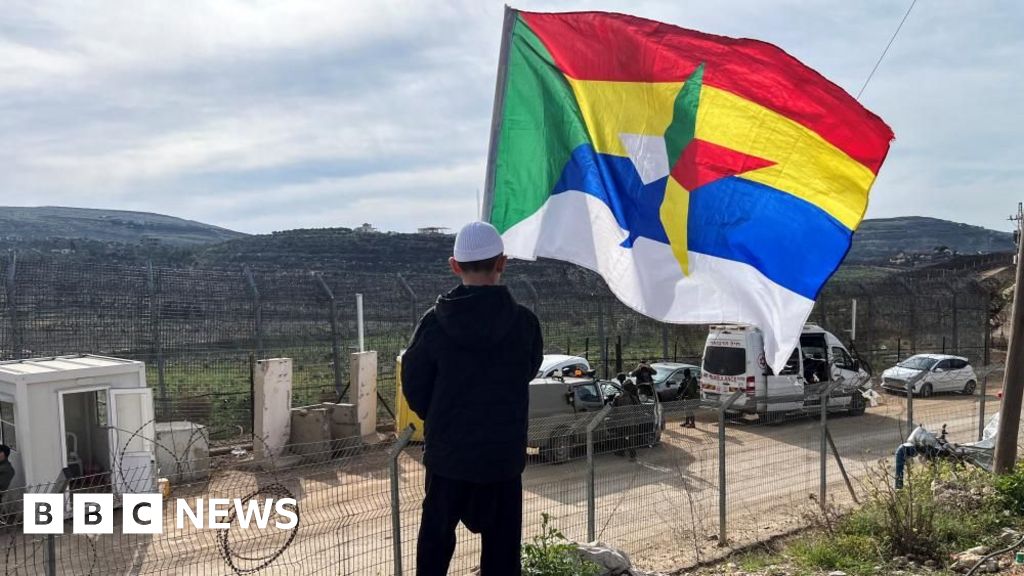
Israel responds to Druze clashes with Syria strikes

The recent escalation of military activities in the Middle East has underscored the fragile and volatile nature of the region’s geopolitical landscape. Israel, with its significant minority of Druze—a community spread across Israel, the Golan Heights, Syria, and Lebanon—has publicly defended its recent strikes as necessary measures to safeguard this unique community. This stance has complex implications, highlighting how internal security narratives often align with external regional conflicts. Historically, Israel has portrayed these operations as protective actions, particularly emphasizing the Druze’s strategic importance and their distinct identity, which sets them apart within the broader mosaic of Middle Eastern minorities.

Analysts argue this move signals a deeper shift in regional security dynamics, with Israel expanding its targeting measures beyond traditional threats. The recent offensives serve multiple strategic purposes: countering emerging militant groups, deterring hostile state actors, and consolidating its position amid ongoing conflicts. The international community remains divided; some view these strikes as vital to regional stability, while others condemn them for risking wider escalation. According to several historians and security experts, these actions may set a dangerous precedent, encouraging further militarization and possibly igniting conflicts involving neighboring states. The escalation raises urgent questions regarding the future of peace agreements in the region, especially as tensions continue to simmer beneath a fragile surface.

U.S. and European intelligence agencies observe this development carefully, warning of how decisions in Tel Aviv could reverberate across borders and influence global security frameworks. The United Nations has issued cautious statements calling for restraint but remains largely sidelined in the ongoing conflict. Regional powers like Iran and Turkey have responded with a mixture of assertiveness and strategic ambiguity, emphasizing their own interests in maintaining influence over local and regional alliances. Such reactions demonstrate the layered complexity of this crisis—where each move by Israel or its opponents has the potential to ripple through the international chessboard. Meanwhile, the Druze community’s position remains precarious; caught between their loyalty to Israel and regional allegiances, their plight exemplifies the human cost amid these geopolitical shifts.

As the dust settles over this latest chapter, international analysts recognize that the true stakes extend beyond immediate military objectives. They underscore how these relentless shifts could define the fate of future peace talks and regional stability. This ongoing saga—characterized by strategic gestures, ambiguous alliances, and the relentless march of history—leaves the world perched on the precipice of unforeseen consequences. The narrative unwinds like a shadowed valley with history’s heavy hand guiding each decision, whispering of a time when the Middle East’s destiny was forever reshaped by the choices of today. The weight of this unfolding story compels a sober reflection: in a region where borders are contested and allegiances shift like desert sands, the line between peace and catastrophe remains perilously thin.

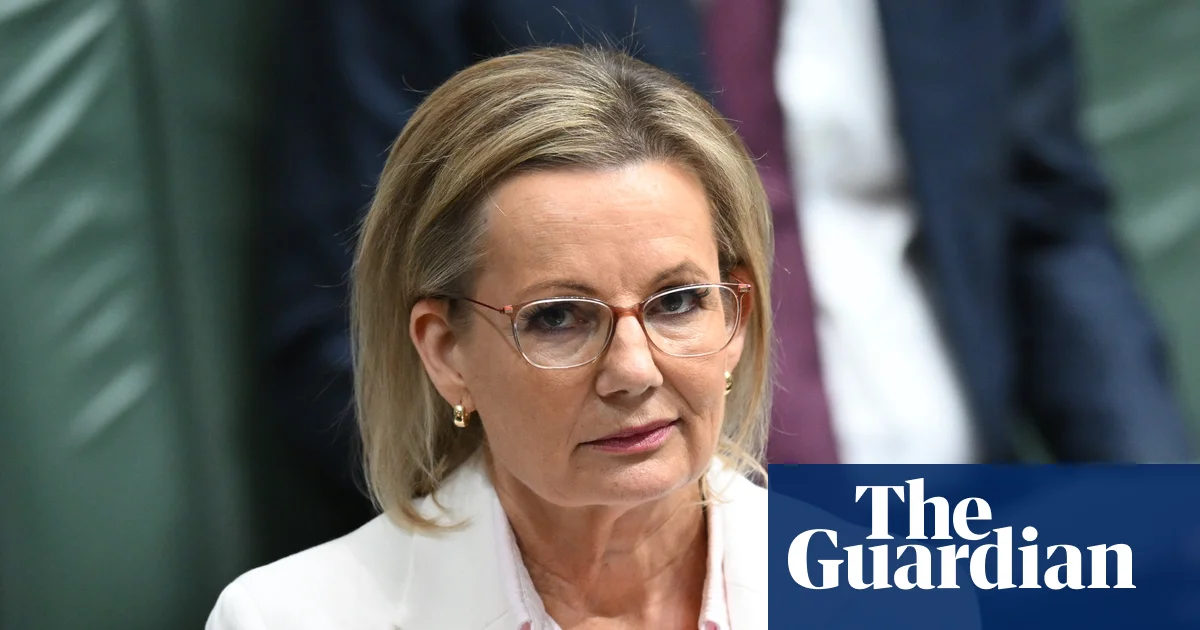
Liberals worry Ley's net zero pledge risks controlling the agenda as push grows to scrap emissions promise — Coalition responds
Liberals worry Ley’s net zero pledge risks controlling the agenda as push grows to scrap emissions promise — Coalition responds

In a climate policy debate that highlights the profound internal divisions within the Australian Liberal Party, emerging tensions are illustrative of a broader global reckoning on energy security and environmental commitments. Opposition leader Sussan Ley finds herself caught between moderates and conservatives, as calls intensify for her to reconsider her party’s stance on net zero emissions by 2050. This debate, while localized, echoes a global scenario where nations grapple with the trade-offs of aggressive climate policies amidst economic and energy security concerns.

As Australia teeters on the edge of internal rupture, international analysts observe that such fissures are unlikely to be contained within national borders. Historian and geopolitical analyst Dr. Mark Thorne notes that “the domestic disputes over climate policy mirror the global power struggle, where nations are weighing their commitments to decarbonization against their geopolitical and economic realities.” Prominent global institutions, including the United Nations, have long advocated for urgent climate action, but the reality of energy dependence on traditional sources continues to challenge these lofty ambitions. In this climate, Australia’s internal debate about how far to push its net zero commitments could set a dangerous precedent, influencing other Western democracies in similar predicaments.”

The escalating debate in Australia underscores a scenario unfolding across Western nations: population unrest over skyrocketing energy costs and the perceived threat to traditional industries. Analysts warn that decisions made in Canberra do not just affect Australia’s domestic landscape but influence the geopolitical terrain—shaping alliances, trade policies, and international trust in commitments to climate change. The ideological clash over whether to prioritize climate targets or energy independence is creating ripples—potentially destabilizing coalitions and shifting the global balance of power, especially as China and India accelerate their development of fossil fuels without the same restrictions faced by Western countries.

Within Australia’s Coalition government, the debate over the future of climate policy is more than a political squabble, it is a symbolic fracas over the nation’s sovereignty and capacity to chart its own course. Prime Minister Anthony Albanese and his administration face mounting pressure to push forward on climate commitments, yet the rising tide of opposition—fueled by fears that policies could jeopardize economic stability—reflects a larger, more dangerous global trend: the clash between environmental ideology and national interests. Historians warn that such internal conflicts, if unresolved, risk undermining the credibility of Western democracies’ global leadership in environmental diplomacy. As international organizations like the IPCC emphasize an urgent transition, nations like Australia are caught in a storm of conflicting priorities.

Ultimately, the fate of Australia’s climate policy—and the tension-ridden debate that now defines it—serves as a stark allegory for an era where the battle for the soul of global leadership is being fought within national borders. As history continues to unfold, the decisions made today will resonate through the corridors of power for decades to come, echoing in the geopolitics of energy, sovereignty, and environmental stewardship. The weight of history presses down, leaving a vital question: which path will the world choose in this perilous balancing act—one shaped by ideology or by pragmatic sovereignty?

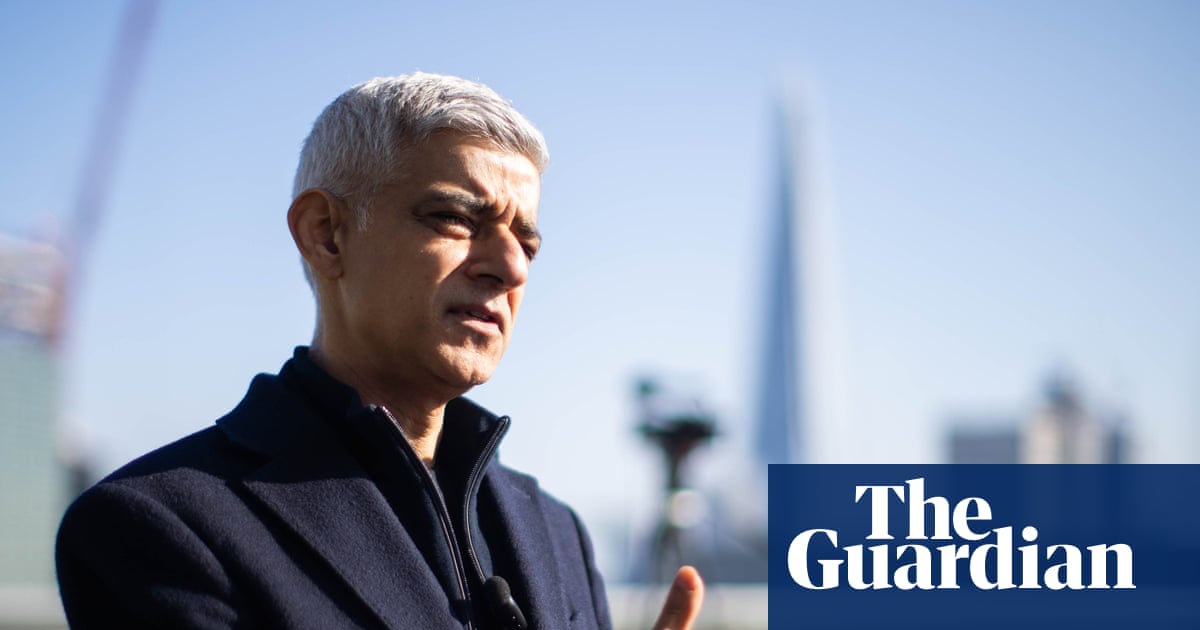
Sadiq Khan Responds to Trump’s Controversial Remarks on Diversity Issues

Power Struggles at the UN: Analyzing the Clash Between Trump and Khan

The recent exchange between Donald Trump, the President of the United States, and Sadiq Khan, the Mayor of London, highlights ongoing power struggles that not only define individual political careers but also shape international relations. In a pointed address at the United Nations General Assembly, Trump labeled Khan as “terrible” and accused the mayor of steering London toward “sharia law.” This sparked a vehement rebuttal from Khan, who described Trump as “racist, sexist, misogynistic, and Islamophobic.” Such rhetorical confrontations exemplify the divisive political landscape both leaders inhabit, raising questions about the impact of national leadership on urban governance.

The fallout from Trump’s comments has galvanized members of the Labour Party, who rushed to defend Khan, emphasizing his role as an advocate for diversity amid growing societal tensions. Health Secretary Wes Streeting labeled Khan a leader who “stands up for difference of background and opinion.” This defense plays into a broader narrative within the party that posits the importance of progressive values against what they deem regressive politics represented by Trump and his supporters. The accusations of racism and Islamophobia are not just mere insults; they are part of a calculated effort to frame the dialogue around inclusivity and acceptance, positioning Khan’s leadership as both a symbol and a product of contemporary multiculturalism.

The implications of this exchange extend far beyond personal animosities; they reveal how political rhetoric affects public perception and policy. As political theorists have often noted, the narratives set by leaders can have a profound effect on the populace. By invoking claims of sharia law, Trump not only incites controversy but also dredges up fears rooted in historical conflicts over cultural integration and sovereignty. Such discussions can lead to tangible shifts in policy, potentially affecting the civil rights and liberties of the populations involved. When mayors like Khan are accused of fostering extremism, it opens the door for legislative changes that may restrict freedoms under the guise of security.

As both figures navigate this highly charged atmosphere, one must ponder the long-term implications of their exchanges. Each statement is a calculated move in a chess game of political strategy, echoing the past struggles of political leaders who once faced similar challenges in their quests for power. The currents of thought and ideology set forth by leaders define the societal landscape, often leading to profound changes in governance and civil rights. In this theater of politics, every confrontation holds the potential to reshape destiny itself. After all, as history has taught us, it is often within these power struggles that the true character of a nation is revealed, with echoes of leaders past guiding the steps of those present. The quest for identity, values, and governance is never merely a personal journey—it is a collective odyssey where the stakes are nothing less than we, the people, and our futures.

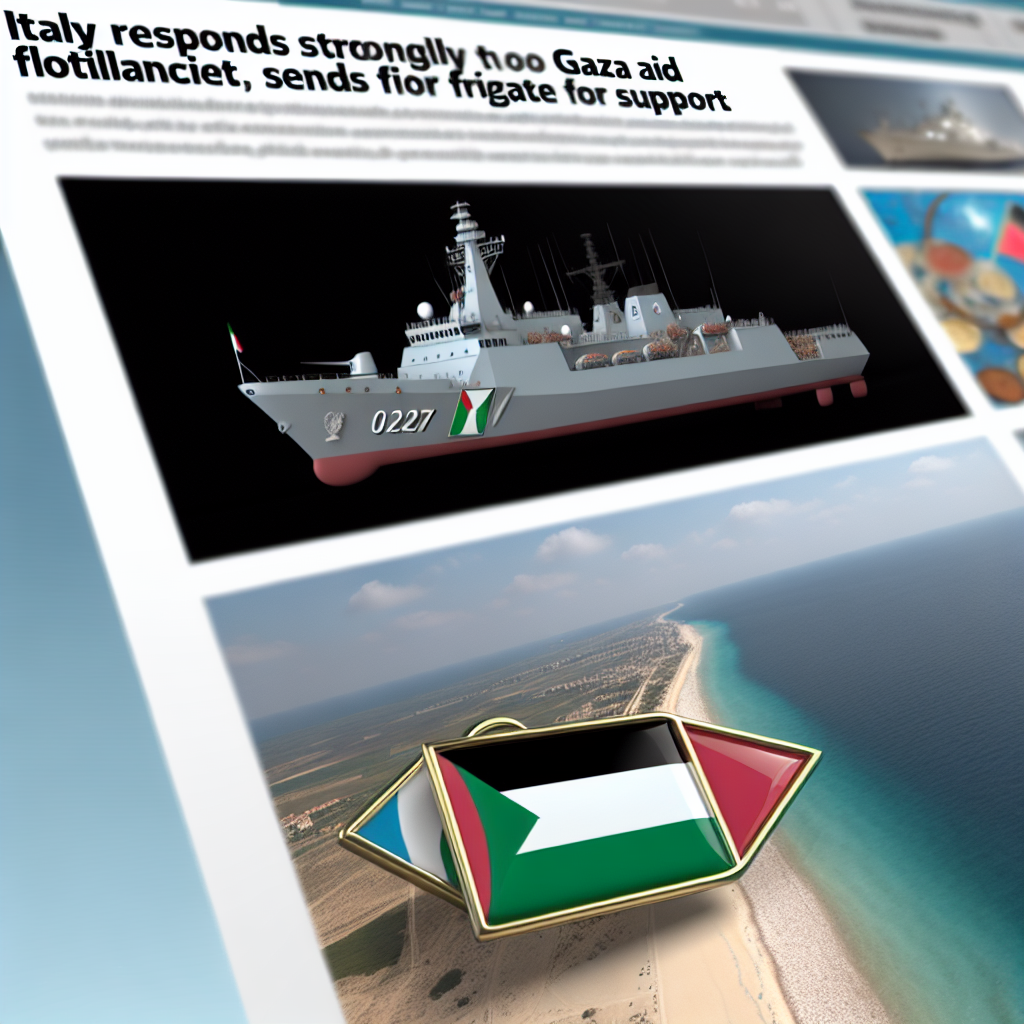
Italy Responds Strongly to Gaza Aid Flotilla Incident, Sends Frigate for Support

Drone Attack on Global Sumud Flotilla Sparks International Controversy

Italy’s Defense Minister, Guido Crosetto, condemned a recent drone attack on the Global Sumud Flotilla (GSF), which attempted to breach Israel’s naval blockade of Gaza to deliver humanitarian aid. The incident occurred approximately 50 kilometers south of Crete, in what has been characterized as an aggressive escalation by unidentified forces. To safeguard Italian citizens aboard the flotilla, Crosetto announced the deployment of an Italian Navy frigate to the region.

The GSF, comprising 52 vessels, reported multiple explosions and indicated that drones were present during the incident. The organization accused Israel of increasing tensions in an already volatile area. This has led to repercussions not just for passengers on the boats, but also raises broader questions about international intervention and the risks associated with navigating contested waters.

Israeli authorities have maintained a strict stance on the flotilla’s activities. While the Israeli government has refrained from commenting on the latest incident, it has previously declared its intent to prevent the flotilla from reaching Gaza. The Israeli foreign ministry has characterized the mission as being organized by Hamas, urging the ships to deliver their supplies to the port of Ashkelon instead. Israeli officials have reiterated that vessels attempting to breach the blockade would face legal action, citing national security concerns.

Adding further layers to the unfolding situation, environmental activist and prominent pro-Palestinian figure Greta Thunberg, who is involved in the flotilla, labeled the drone attacks as “scare tactics.” This perspective echoes sentiments among supporters of the flotilla who argue for the necessity of humanitarian assistance in Gaza. In response to the crisis, the United Nations has echoed demands for unrestricted humanitarian access, asserting that Israel’s obligation under international law includes providing sufficient aid to those in need.

The backdrop to this incident is a complex humanitarian crisis unfolding in Gaza, exacerbated by ongoing conflict, which has led to severe malnutrition and widespread famine. Reports indicate that since the outbreak of hostilities following the Hamas-led attack on Israel earlier this month, approximately 440 Palestinians have died from malnutrition-related causes. In light of these statistics, the GSF claims its mission is critical for breaking what it refers to as an “illegal siege” and for opening a humanitarian corridor to support the beleaguered population of Gaza.

The implications of the drone attack extend beyond immediate concerns for those aboard the flotilla. It raises critical questions about the legality of naval blockades, the role of international observers in conflict zones, and how countries like Italy choose to respond in complex geopolitical scenarios. As the situation continues to unfold, the international community remains watchful, closely monitoring responses from both governmental and non-governmental organizations in the context of human rights, international law, and humanitarian efforts.

Source link

Social Media Auto Publish Powered By : XYZScripts.com