Global Power Dynamics in Flux as U.S. Political Turmoil Unfolds
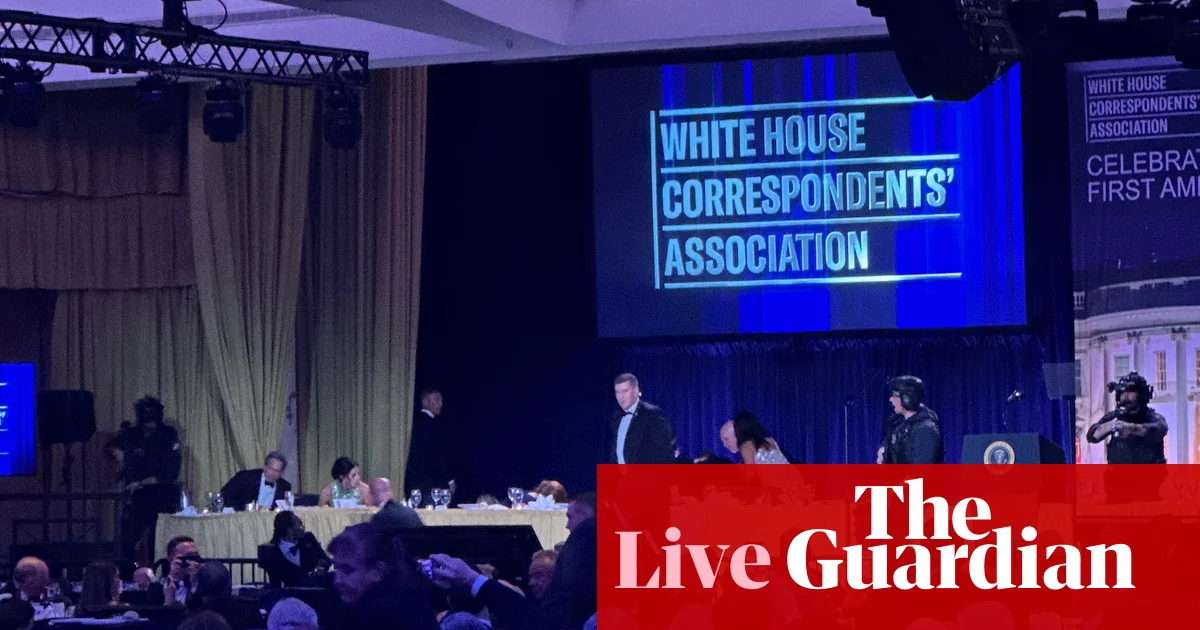
In a dramatic episode that has captured international headlines, the United States experienced a significant disturbance at the White House Correspondents’ Dinner, revealing underlying cracks in the nation’s political and social fabric. The event, which historically symbolized press-government relations and American liberal traditions, was abruptly interrupted by gunfire, resulting in evacuations and heightened security measures. President Donald Trump publicly confirmed that a police officer was shot but was saved by his bulletproof vest, emphasizing both the danger posed and the resilience of law enforcement. Such incidents underscore the volatile state of US civic unrest, and international analysts warn these moments could precipitate a broader shift in global influence and strategic alliances.
Many commentators are interpreting this incident as part of a larger trend of increasing political violence within America. Historians like Mary Young emphasize that political violence has often been a catalyst for realigning international relationships, especially when it signals a decline in domestic stability. The FBI and Justice Department have launched investigations, framing this attack as the work of a lone wolf suspect in California, which echoes previous narratives designed to downplay domestic threats. Nonetheless, the incident raises questions about security protocols at high-profile political gatherings and whether the current administration can contain the turmoil that appears to threaten to spill over onto global stages.
The flare-up at the dinner coincides with a rise in political extremism and increased polarization, phenomena also observed in Europe and Asia. Political analysts caution that an American decline in internal cohesion can diminish its influence as a global leader, particularly as China and Russia continue to expand their geopolitical reach. The United Nations and other international organizations have issued warnings about the potential destabilization effects, emphasizing that unresolved domestic crises in major powers can lead to unpredictable conflicts in volatile regions. The combined effect of internal unrest and external pressures may accelerate a realignment of global power balances, with emerging nations seeking to fill the vacuums left by waning Western influence.
As President Trump declared that the event required a postponement and vowed to continue engagements elsewhere, questions swirl about the implications for U.S. foreign policy and international commitments. Numerous voices in the strategic community argue that such crises accelerate the decline of the U.S. as a reliable security partner, while some see this as an opportunity for new alliances among nations seeking to challenge Western dominance. Meanwhile, the spectacle of law enforcement bravely responding to violence amidst chaos highlights the difficult path ahead for policymakers committed to restoring stability. The ongoing investigation and subsequent security reforms will not only shape the future political landscape but also influence how nations perceive America’s role in maintaining global order.
Ultimately, history continues to unfold in turbulent times. The events at the White House Correspondents’ Dinner serve as a stark reminder that the geopolitical arena is a fluid battleground of ideas, power, and influence. As leaders scramble to respond, the international community watches with bated breath, aware that the ripple effects of America’s internal struggles could reshape the global order for generations to come. The story is still writing itself, and the world stands on the edge of an uncertain horizon where the fate of nations hinges on the resolve of those in power now shaping history’s next chapter.