Matox News

Truth Over Trends, always!

CDC Leadership Crisis: 80% of Top Posts Vacant, Work Stalls, Morale Drops – RFK Jr.

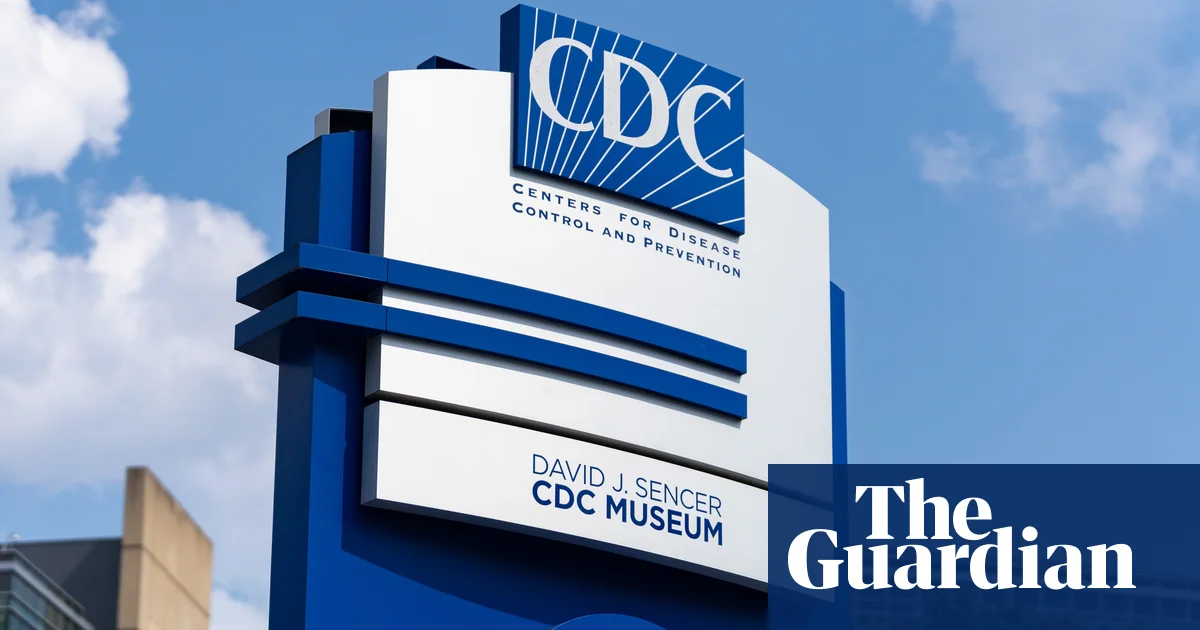
In recent months, America’s once-reliable public health institutions have revealed disturbing cracks that threaten the very fabric of our society. The Centers for Disease Control and Prevention (CDC), a cornerstone of the nation’s health defense, is currently mired in a crisis of leadership and purpose. Nearly eighty percent of its top director positions remain vacant, leaving the agency adrift and unable to effectively combat infectious diseases, monitor maternal and infant mortality, or oversee vital vaccination policies. Such a chaos-filled landscape exposes the fragility of our societal safeguards and underscores how demographic shifts and cultural tensions intertwine with the erosion of public trust.

This leadership gap doesn’t merely hinder bureaucratic efficiency—it directly impacts families, education, and entire communities. When health agencies lack clarity and direction, the ripple effects are felt at ground level. Senior CDC officials warn that without decisive leadership, the agency’s ability to respond to an emergent pandemic could be compromised, risking the lives of the most vulnerable—children, pregnant women, at-risk populations. Sociologist Dr. Samuel Peters warns that such erosion of institutional integrity fosters a sense of societal abandonment, especially among communities already grappling with the consequences of inequality. The societal fabric strains further when vital health data—such as infant mortality rates or disease outbreaks—are compromised or viewed through distorted political lenses, diverting society from genuine progress towards public well-being.

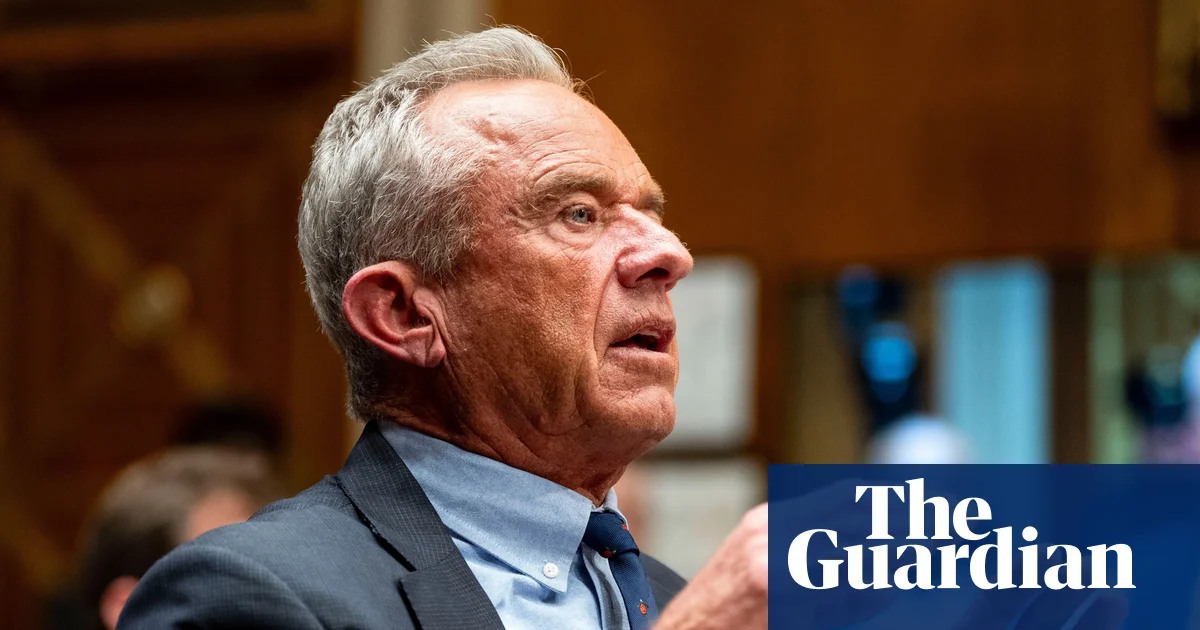
Amidst this turmoil, the political landscape remains tumultuous. The appointment of Erica Schwartz as CDC director under former President Trump’s administration aims to temporarily patch the gaps, but systemic issues run deeper. Notably, since Kennedy’s appointment as health secretary, over 2,400 CDC staff members have either been fired or resigned, leaving remaining personnel destabilized and demoralized. Many describe the agency as being in a state of “pandemonium,” with key positions left unfilled for months—an unsettling scenario when national security hinges on swift, informed decision-making during health crises. Social commentators like historian Dr. Anthony Rogers note that this fracturing of expertise and trust could set the stage for society’s wider health to become a victim of political struggles rather than science-based solutions.

As the nation witnesses this institutional breakdown, the questions remain: How can society hope to regain its health security? What role do cultural values and moral responsibility play in restoring trust and accountability in public institutions? Experts emphasize that rebuilding the leadership and integrity of organizations like the CDC is paramount to protecting families and fostering resilience within communities. The crisis reveals more than just bureaucratic failures—it exposes the moral imperative to prioritize human life above political expediency. Although the societal shadows grow long, history shows that through dedication, moral resolve, and collective effort, the nation can illuminate a path back from chaos. Society must reflect on how social issues—interwoven with cultural tension and political partisanship—affect the health and hope of future generations, inspiring a society that refuses to accept dysfunction as inevitable and strives instead to heal its deepest wounds.

Trump and RFK Jr push leucovorin for autism—FDA pulls back silently

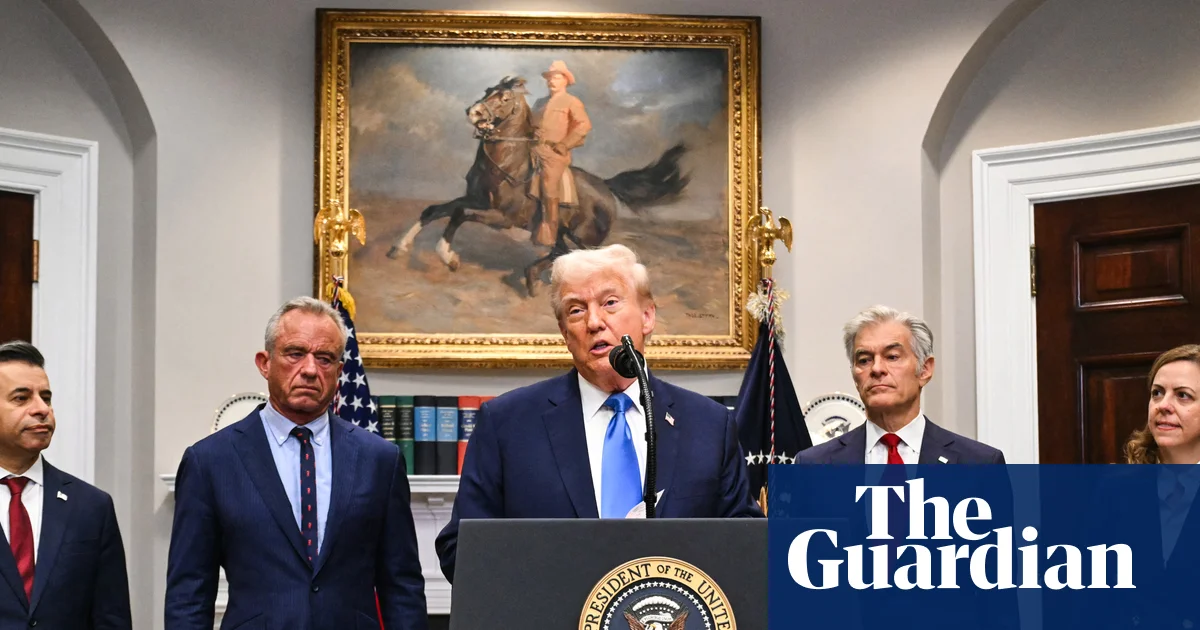
In recent months, a wave of social and cultural shifts has emerged surrounding treatments for autism, revealing the volatile intersection between community hopes, scientific rigor, and political influence. High-profile figures like Donald Trump and Robert F. Kennedy Jr publicly hyped the potential of leucovorin, a vitamin B derivative, as an autism remedy. Their statements, though lacking solid scientific backing, triggered a surge of parents seeking the unproven treatment, illustrating a societal tendency to embrace quick-fix solutions out of desperation and a desire for hope in the face of complex disorders. As William Graf, a respected pediatric neurologist, emphasized, such impulses are often fueled by misinformation, with outpatient leucovorin prescriptions increasing by 71% in a matter of weeks following the announcement. This phenomenon underscores how communities, especially families affected by autism, are vulnerable to authoritative claims that sideline caution and evidence-based medicine, risking their children’s well-being.

However, the cultural shift toward accepting and prescribing this vitamin-based intervention has encountered significant skepticism from the medical and scientific communities. The FDA’s decision in March to approve leucovorin solely for cerebral folate deficiency — a *rare* condition that mimics autistic features — marks a stark manifestation of how political and public pressures can distort regulatory decisions. Earlier, prominent figures like FDA commissioner Marty Makary had proclaimed leucovorin as the *first FDA-recognized treatment for autism*, claiming benefits for “hundreds of thousands of children” and suggesting that autism might be avoidable altogether. Such assertions, however, stand in conflict with the rigorous standards of scientific proof emphasized by notable experts like sociologist Leon Epstein, who reminds us that “science is a matter of facts and data,” not declarations rooted in hope or speculation.

This disconnect between social enthusiasm and scientific validation reveals underlying social tensions and ethical concerns. Institutions like the American Academy of Pediatrics have issued cautious statements, noting the limited and inconclusive evidence supporting leucovorin’s use for autism. Critics argue that promoting unverified treatments based on minimal data endangers children, especially when families, driven by hope, may opt for therapies that lack proper clinical validation. Such scenarios echo historical patterns where ineffective or dangerous “miracle cures” gained traction, often at the expense of patient safety. As social commentators warn, giving access to treatments without proven efficacy is “just wrong,” emphasizing that ethical responsibility must guide medical advice, especially when vulnerable children are involved.

Amid these battles between hope and skepticism, society must reckon with a collective moral obligation: to prioritize genuine scientific research and ethical standards over populist narratives. The societal challenge lies in overcoming the allure of quick solutions and acknowledging that addressing neurodevelopmental disorders requires an enduring commitment to rigorous testing, nuanced understanding, and compassionate care. As history and sociology remind us, sustainable societal change doesn’t arise from fleeting promises but from steadfast dedication to truth and healing. In confronting these deeply rooted social issues, society must listen not just to voices of hope, but also to the quiet, persistent call for evidence and integrity — for only then can the dream of a society that truly cares for its most vulnerable become a reality, and the shadows of misinformation give way to the light of science and human dignity.

Colbert Questions RFK Jr.’s Maha Workout Video: A Surreal, Almost Psychedelic Display | Late-Night TV Highlights

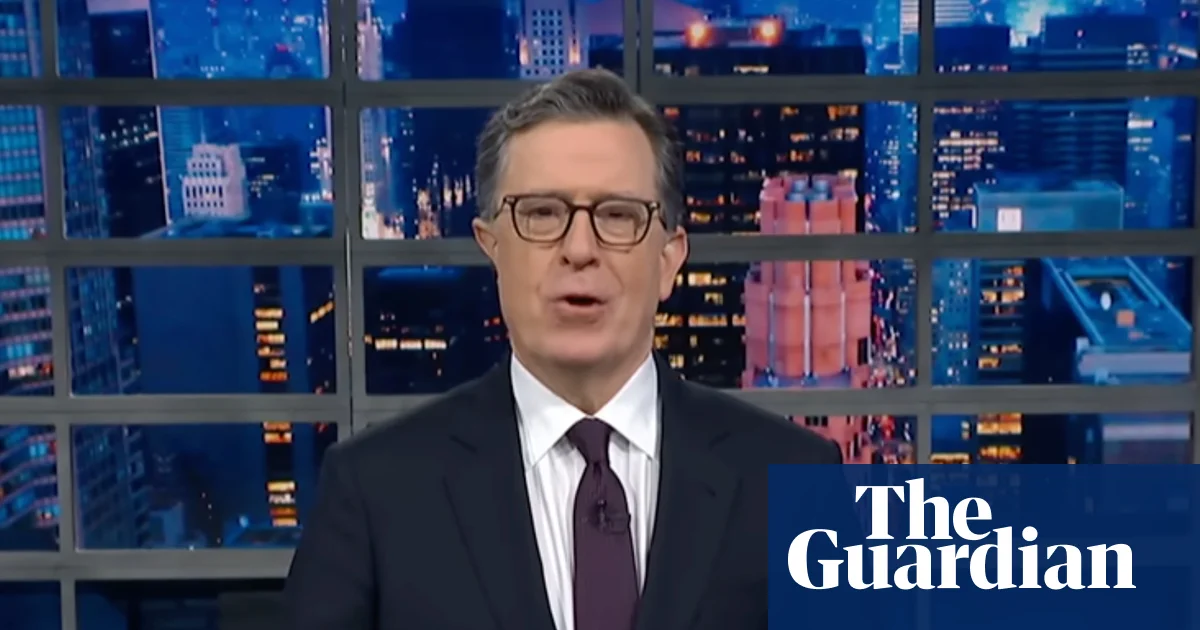
In an era marked by rapid flux, the role of culture remains paramount as both a mirror and a prophecy of society. The recent satirical musings of Stephen Colbert serve as a modern reminder that humor, even when wrapped in absurdity, underscores deeper truths about our allegiances, values, and identity. His playful critique of the surreal “Rock Out Workout” featuring RFK Jr and Kid Rock, encapsulates the strange spectacle of political spectacle turned pop culture carnival. This spectacle, with its shark attacks, taxidermized bears, and American flags, exemplifies how contemporary culture often blurs the lines between the authentic and the performative—raising questions about the foundations of shared tradition and national ethos.

Historically, cultural shifts have reflected broader societal changes. As Ortega y Gasset observed, a civilization’s vitality hinges on its cultural identity, which in turn is sustained by the collective memory of its traditions. In our current landscape, this collective memory is often commodified or obscured, replaced by spectacle and transient trends. Colbert’s commentary on RFK Jr.’s unconventional workout, highlighting the absurdity of modern masculinity and camaraderie, echoes Chesterton’s notion that “the true soldier fights not because he hates what is in front of him, but because he loves what is behind him.” This love for the traditional, for the cultural symbols that bind society, is often challenged by the spectacle-driven culture that seems to replace genuine societal bonds with superficial entertainment.

Furthermore, the cultural icons we elevate and memorialize—as demonstrated in Colbert’s tribute to civil rights leader Jesse Jackson—serve as anchors in the tumult of cultural change. Jackson embodies a form of leadership rooted in compassion, which is increasingly a scarce commodity in today’s polarized climate. The public’s engagement with such figures, and the respect they command, underscores that culture is more than entertainment; it is the moral fabric that sustains societal cohesion and persistence. As Tocqueville noted, the strength of a nation depends on its social and moral capital, both of which are cultivated through enduring stories, shared struggles, and collective sacrifices. Our culture, therefore, functions as both memory—keeping alive the lessons of the past—and prophecy—guiding us toward a future rooted in tradition and resilience.

In essence, the ongoing dialogue between culture and society is a poetic one—an intricate dance of memory and aspiration. It reminds us that although the media spectacle may distract, beneath the surface lies a profound quest for identity, rooted in our collective history and directed toward the horizon of human potential. As we navigate the challenges of an ever-changing world, let us remember that culture is not merely a reflection of who we are, but also the lighthouse illuminating who we may become—a living testament to the enduring capacity of humanity to remember, to uphold, and to hope. It is in that eternal cycle that our true strength resides—an ongoing prophecy written in the language of tradition, echoing through the corridors of time, guiding us home.

Social Media Auto Publish Powered By : XYZScripts.com