Matox News

Truth Over Trends, always!

“They Tried to Break Me: My Bold Ride in the Speed Puzzling Showdown | Well, Actually”

In a world increasingly driven by instant gratification and digital entertainment, a fascinating lifestyle shift is quietly unfolding—one that champions patience, precision, and mental agility. Enter speed jigsaw puzzling, a burgeoning competitive sport that bridges the worlds of leisure and high-level skill. Originating in the US during the 1980s, the community experienced a renaissance during the COVID-19 pandemic, with online platforms like speedpuzzling.com propelling enthusiasts nationwide into a new kind of challenge. Today, national championships in places like Atlanta gather over 1,600 participants, proof that this hobby has transformed into a vibrant, fast-paced movement with a dedicated following across generations and backgrounds.

The phenomenon illustrates an unprecedented convergence of mindfulness and competition. Competitors—ranging from PhD students to middle schoolers—are discovering that, beyond casual pastimes, puzzles can serve as a tool for personal impact—sharpening cognition, fostering community, and even offering inspiration. The community is noted for its friendliness; amid fierce rounds, camaraderie shines through in fist bumps, high-fives, and supportive chatter. The diversity is striking: women constitute about 80-90% of puzzlers, yet the scene is rapidly welcoming new demographics, including kids like Conner from Texas, whose blistering times push the limits of speed and skill. As wellness expert Dr. Daniel G. Amen emphasizes, engaging in such focused, challenging activities nourishes mental health by cultivating patience and perseverance, essential virtues in today’s fast-moving age.

During these events, the intensity is palpable yet respectful; every piece placed is a victory shared with others, and each puzzle assembled is more than just a task—it’s a story of transformation and dedication. From initial nervousness to eventual triumph, participants experience an inspirational journey that underscores the value of deliberate practice and resilience. As spectators watch young prodigies like Alice Rowe or the spirited team “Three And A Half Men” claim victory, one realizes that the future of this sport may be brighter with youth divisions, fostering talent and enthusiasm. This rising trend reflects a universal truth: that embracing challenges, however simple they may appear, can lead to complex personal growth. The world of speed jigsaw puzzling shows us that amid the chaos of daily life, slow and steady—paired with a passionate community—can truly pave the way to a fulfilling lifestyle.

  • Seek out local or national competitions to experience the adrenaline firsthand.
  • Build a dedicated workspace—organized and distraction-free—to enhance focus and efficiency.
  • Follow wellness experts’ advice on mental agility activities to complement your puzzling journey.

As the story of speed jigsaw puzzling unfolds, it offers a profound reflection: in embracing a pastime that advocates patience, precision, and community, we embrace a journey to self-improvement. In a society often hurried, this movement encourages a beacon of calm and purpose. Every piece, every challenge, becomes a metaphor—an invitation to look more closely, think more deeply, and connect more meaningfully. Ultimately, the art of puzzle-solving reminds us that life itself is a complex mosaic—best appreciated one piece at a time, with dedication and passion guiding the way.
Airbnb Launches Private Car Pickup—Fresh Ride Solutions for Travelers

In a move that underscores the relentless push towards integrated, full-stack travel services, Airbnb announced the expansion of its platform to include a new car pick-up service across 125 cities worldwide, partnering with Welcome Pickups. This innovation is not merely an addition but a disruptive shift, signaling a strategic pivot aimed at transforming Airbnb from a home rental platform into a comprehensive travel ecosystem. With the introduction of private car bookings accessible directly within their app, Airbnb is positioning itself to challenge entrenched transportation players while setting the stage for a seamless user experience, blurring the lines between accommodations and mobility.

The company revealed that its pilot program in Europe and Asia demonstrated remarkable success, with “thousands of guests” utilizing the service and achieving an extraordinary average rating of 4.96. When users book a stay, they will now find an option to schedule private transportation, view reservations, and modify details—all within the same platform. This consolidation not only enhances user convenience but also exemplifies the strategic disruption of the traditional travel value chain, wherein distributed services—hotels, transportation, experiences—are converged into a unified digital ecosystem. Analysts from Gartner emphasize that such integrations accelerate industry transformation, forcing competitors to innovate or concede market share.

Moreover, Airbnb’s ambition extends beyond mobility. Building on its summer services launch—which introduced categories like chefs, spa treatments, and personal trainers—the company is aggressively bolstering its comprehensive trip management capabilities. Their recent partnership with Instacart to facilitate grocery orders illustrates an intent to deliver end-to-end trip experiences.

  • Enhanced convenience for travelers
  • Deeper platform engagement
  • Potential for new revenue streams

But such moves also signal a profound shift for the industry—Uber, Expedia, and traditional hospitality giants now face a formidable, integrated challenger that aims to control not just the booking process but the entire traveler journey.

During its Q4 2025 earnings call, Airbnb CEO Brian Chesky emphasized the magnitude of this shift, referencing the “massive” opportunity in hotel stays, with the aim of embedding Airbnb as a primary platform across all aspects of travel. This full-stack approach exemplifies the ongoing disruption in the travel industry, echoing sentiments shared by industry experts like Peter Thiel, who warn of the necessity for companies to innovate at an aggressive pace to stay ahead. As Airbnb explores additional features—such as hotel bookings and even local experiences—the company is rapidly evolving into a comprehensive, all-in-one travel platform. The implications for competitors are clear: adapt or risk obsolescence in a marketplace that’s increasingly favoring integrated digital ecosystems.

Looking ahead, the pace of Airbnb’s expansion signals a broader industry upheaval—<_>disruption is imminent for traditional hospitality and transportation sectors(_). Stakeholders and investors must recognize that the companies which innovate boldly and leverage emerging technologies like AI, data analytics, and seamless omnichannel experiences will dominate the future landscape. As Airbnb’s model exemplifies, the pioneer spirit is alive—and accelerating. The coming years will be pivotal, demanding urgent innovation and a strategic vision that can navigate and capitalize on this unfolding digital revolution.

Prince William teams up with Greg James for impactful Comic Relief bike ride

In an era increasingly marked by cultural shifts and ideological battles, the significance of tradition and identity takes center stage, often veiled beneath the surface of youthful pursuits and celebrity engagements. Recently, the renowned Radio 1 Breakfast host—an emblem of contemporary media—was joined by a distinguished guest during the latest leg of his noteworthy charity challenge. While at face value this may appear as a mere act of charitable enterprise, it embodies a deeper, more profound narrative about the role of culture as both a vessel of collective memory and a blueprint for future identity.

Throughout history, figures like G.K. Chesterton and T.S. Eliot have spoken to the importance of cultural continuity, emphasizing that heritage is not static but a living testament to the values, hopes, and struggles of preceding generations. The act of engaging with culture—whether through music, art, or communal effort—serves as an act of reaffirmation in the face of relentless change. When a popular media figure brings a guest into a charitable venture, it echoes the age-old recognition that culture is both a mirror and a mold; it reflects our shared history, yet also influences the contours of our communal future. These moments, seemingly transient, are vital in fostering a sense of belonging that grounds society amidst the turbulence of modernity.

Moreover, this interaction resonates with the philosophical insights of thinkers like Ortega y Gasset, who viewed culture as the “vital continuum” of a people’s destiny. By participating in initiatives that draw from the roots of tradition—be it through charity, music, or shared endeavor—individuals reaffirm the importance of identity as an active, living legacy. In an age when social and cultural fragmentation often threaten the coherence of national and spiritual identity, such acts serve as vital anchors. They remind us that the reaffirmation of culture is not merely about nostalgia, but about forging a pathway through history that guides society forward with purpose and clarity.

Finally, as Tocqueville observed, the strength of a society lies in its capacity to cultivate civic virtue rooted in tradition. The episode of a popular radio host welcoming a guest during a charity effort illustrates this principle well. It is a testament to the cultural vitality that sustains social cohesion, and a silent assertion that our shared memories and hopeful prophecies are what render a society resilient—capable of facing the future with confidence and moral clarity. In the end, culture remains both our memory and our prophecy—a poetic fabric woven from the threads of the past and the fibers of tomorrow. And it is through this enduring tapestry that humanity continues its eternal dialogue with itself, shaping and being shaped by the stories we tell and the values we uphold.

Pennsylvania Joins the Ride: Takes a Stand Against Dynamic Pricing Trends

The Rise of Algorithmic Pricing: A Cultural Shift in Consumer Society

In recent months, a new wave of legislation and social awareness has been sweeping through U.S. states, signaling a transformative moment in how we perceive economic fairness in the digital age. Pennsylvania has emerged as a leading example by proposing Senate Bill 1205, aiming to ban dynamic pricing—a practice where prices for essential goods and services fluctuate within a 24-hour window based on demand or AI-driven algorithms. This move underscores a broader societal debate about how technology is influencing economic justice and whether automation in commerce threatens the very sense of fairness that underpins consumer culture. As lawmakers seek to regulate these practices, it’s clear that societal values around transparency and fairness are being redefined in the age of artificial intelligence.

But Pennsylvania’s efforts are just the tip of the iceberg. Across the nation, states like New York, Arizona, and Virginia are actively discussing or implementing legislation to curb surveillance pricing—a related but more insidious practice that uses personal data—demographics, browsing habits, or buying patterns—to set different prices for consumers. The Algorithmic Pricing Disclosure Act in New York mandates that companies using AI-driven pricing disclose when and how personal data influences costs, signaling a push for transparency in a digital economy that had largely operated in the shadows. This trend reflects a broader societal concern: are we willing to accept a future where our behaviors and characteristics determine what we pay? Or will we champion a consumer culture rooted in fairness and equal access?

Culturally, these legislative developments are a reflection of a shifting social contract. Influencers and sociologists argue that as AI and machine learning weave themselves into the fabric of daily life, societies must confront the ethical implications of algorithmic decision-making. Tech analysts warn that without regulation, surveillance pricing could deepen existing inequalities—favoring those with data-rich profiles and marginalizing others. Conversely, advocates view these laws as vital to preserving consumer trust in an era dominated by rapid technological change. This tension hints at an ongoing cultural clash: embracing technological innovation versus safeguarding **individual rights** and ensuring economic fairness for all.

The Next Big Question

As youth and digital natives increasingly engage with online commerce, the next question becomes: How will this ongoing battle over algorithmic fairness shape the future of consumer behavior and societal values? Will the drive for transparency inspire a new era of consumer empowerment, or will it pave the way for more sophisticated forms of data-driven manipulation? The answer could determine whether our society embraces personalized AI as a tool for empowerment or as a mechanism that risks escalating inequalities—raising a profound question: what kind of future do we want to build in the digital age?

Super Bowl 2026: How to Catch Bad Bunny’s Epic Live Performance and Ride the Trend Wave

While football may not be everyone’s cup of tea, one universal language that continues to captivate diverse audiences worldwide is music. And this year, the spotlight is squarely on Bad Bunny, whose upcoming Super Bowl LX halftime show is poised to be more than just a musical performance — it’s a cultural event that bridges generations and demographics. As the reigning king of Latin trap and reggaeton, Bad Bunny has morphed beyond music into a social force, embodying shifting attitudes among youth and influencing mainstream trends.

The Super Bowl, long celebrated as a sporting spectacle, has also become a canvas for cultural icons and social commentary. With its _cultural impact_ increasingly rooted in diverse performances, the halftime show is now a key moment for social relevance. This year’s lineup featuring Bad Bunny highlights a broader societal shift towards embracing multicultural and cross-genre influences. Influencers like TikTok creators and music analysts emphasize how his presence not only boosts viewership but also signals an ongoing _shift in social norms_ — where youthful, globalized voices are gaining prominence in traditional arenas.

Moreover, the social relevance of this trend isn’t just about entertainment but about identity and representation. Bad Bunny has consistently challenged stereotypes by integrating gender-fluid fashion, outspoken advocacy for social justice, and a rebellious attitude that resonates with young audiences seeking authenticity. Sociologists note that his rising popularity exemplifies a _redefinition of masculinity and cultural expression_ among the youth, making him more than a music icon — he’s a movement catalyst. As the cultural landscape continues to evolve, the question arises: how will this influence future trends in entertainment and societal norms?

From influencers to sociologists, there’s a consensus that Bad Bunny‘s appearance at the Super Bowl is a sign of things to come — a merging of sport, music, and social activism that could redefine what it means to be a cultural icon in the digital age. Yet, the next big question remains: is this shift sustainable or just a passing wave driven by viral moments? As audiences grow more socially conscious and craving authenticity, the answer to that question could shape the next era of youth-driven cultural influence. Regardless, the world will be watching, and for many, this Super Bowl halftime will be remembered as much for the spectacle as for its emblematic role in this ongoing societal shift.

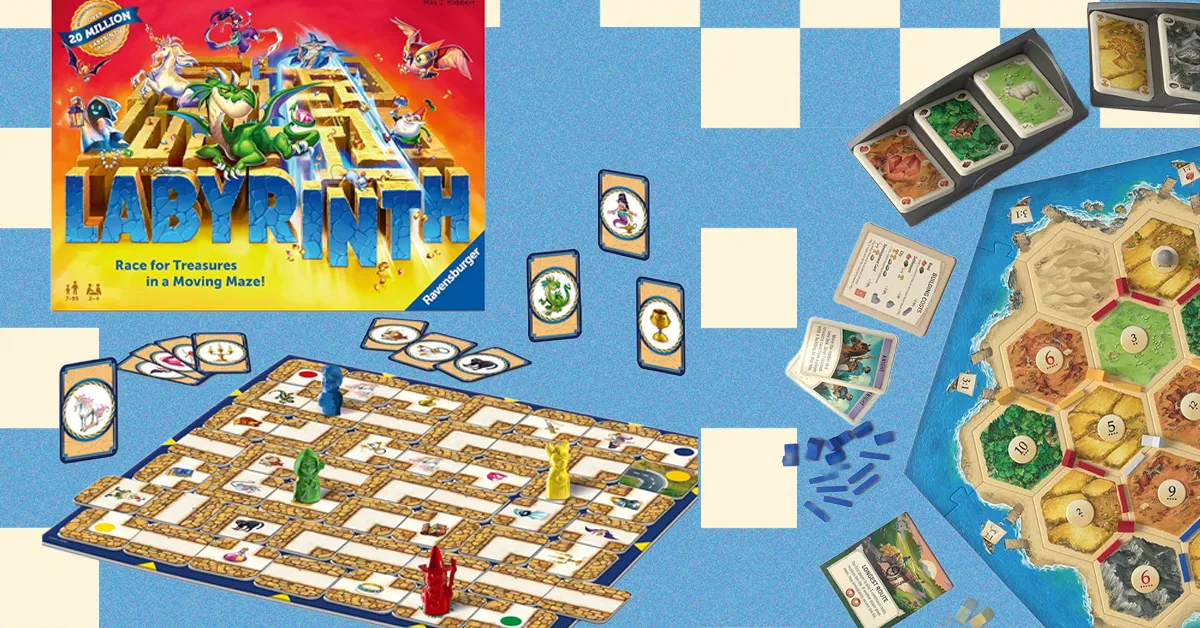
Top Family Board Games of 2025: Catan, Ticket to Ride, Codenames & More

Emerging Trends in Digital Gaming Signal Disturbance in Traditional Markets

In a landscape marked by relentless innovation, the digital gaming explosion exemplifies pioneering disruption capable of transforming entire industries. This wave is driven by advancements in augmented reality, artificial intelligence, and new interactive platforms that have begun to redefine how businesses conceptualize entertainment, engagement, and revenue models. A prime example is the emergence of warehouse-like, multiplayer, and cooperative game formats that lean heavily on digital interconnectivity, challenging traditional paradigms of family entertainment and social interaction.

Leading firms like Exploding Kittens and Wired are capitalizing on these innovations by shifting from conventional board games to digital-integrated experiences. Notably, these companies leverage AI-assisted game design, real-time analytics, and crowdsourced content to craft immersive, fast-paced, and highly social experiences that appeal to the tech-savvy youth demographic. Furthermore, the industry is witnessing a notable pivot towards virtualized, multiplayer setups that transcend geographical limitations, heralding a new era where physical game assets evolve into digitally enriched entertainment ecosystems. This shift is also reinforced by data from Gartner, which predicts that by 2025, the majority of family and social gaming will be rooted in interactive, digitally networked platforms, foreshadowing a steep decline in traditional physical game sales and a rise in hyper-disrupted content delivery channels.

One of the most disruptive elements lies in the business model innovation facilitated by these technologies. Subscription-based access, microtransactions for in-game assets, and on-demand gaming experiences are fundamentally altering the revenue stream, much like the monetization strategies seen in AI-powered cloud services and streaming giants. Companies such as Ultra PRO and others are now offering digital packages that integrate seamlessly with social media, further accelerating the shift towards a gig economy of gaming content, where user-generated content feeds into monetization pipelines. This transition into a **digital economy** is a wake-up call for legacy board game manufacturers and retail giants, many of whom are ill-prepared for the scale of disruption.

With industry heavyweights like MIT and analysts such as Peter Thiel warning about the stagnation of non-digital entertainment sectors, it becomes clear that the race for technological dominance is intensifying across gaming, social interaction, and consumer engagement. Those who fail to adapt risk being left behind in an era where innovation in AI and augmented reality revolutionizes consumer expectations overnight. As the landscape evolves with new formats—from visually stimulating tile-building games to fast-paced guessing competitions—the urgency for incumbent businesses to innovate is more critical than ever. Leaders in tech and entertainment must collaborate, harness data-driven insights, and accelerate the deployment of next-generation gaming infrastructures—failing which their market share is destined to erode significantly. Recognizing this seismic shift, stakeholders need to deploy aggressive R&D strategies and prioritize open platforms that foster community-driven content and cross-platform integration.

Future Outlook

Looking forward, the persistent acceleration of digital disruption demands proactive adaptation from market players. The advent of AI-integrated game design, virtual reality, and advanced analytics promises to unlock unprecedented levels of engagement and profitability. Companies that view this as an opportunity—rather than a threat—will dominate the new digital gaming frontier. The window to capitalize on these innovations is closing rapidly; industry leaders must act decisively to secure a competitive edge, or risk becoming obsolete in the blink of an eye. The future belongs to those who can orchestrate disruptive technologies at scale, merging innovation with business agility. The question is no longer if but when and how the next wave of digital entertainment will redefine the marketplace—those who recognize the urgency now will shape its future trajectory.

Raleigh One e-bike: The comeback ride for young riders

Resilience and Revolution: How Industry Turmoil Fuels Innovation in the E-bike Sector

The recent bankruptcy of VanMoof in 2023 has sent shockwaves through the e-bike industry, a sector increasingly defined by rapid innovation and fierce competition. Despite the upheaval, the company’s demise has paradoxically accelerated technological progress and market disruption, with new ventures rising from its ashes—most notably, the launch of the VanMoof S6 under new ownership and the inventive Carlier Ties Taco-developed commuter e-bike for Raleigh. Industry experts and analysts like Gartner highlight how such industry shocks often catalyze accelerated innovation, compelling brands to rethink their strategies or die in the aftermath.

What sets these emerging products apart is innovation-driven disruption. The VanMoof S6 exemplifies a simplified yet sophisticated approach to urban mobility, missing only a boost button—a feature many riders would appreciate. Conversely, the Raleigh One, designed by VanMoof’s former founders, aims for a more practical, no-nonsense ride. It achieves this with an integrated, nearly silent Mivice motor paired with a sturdy belt drive; although it sacrifices torque—culving at just 35Nm—and lacks features like high-powered boost functions, it epitomizes the trend towards robust, user-centric design. As Ties and Taco Carlier attempt redemption through this reimagining, the business landscape becomes even more dynamic and unpredictable.

The Business Implications of Industry Disruption

The disruption is more than just product innovation—it signals a fundamental shift in how electric mobility businesses operate and compete. The industry is now characterized by rapid product iteration, direct-to-consumer models, and subscription-based services, which are becoming a double-edged sword. The Raleigh management admits that its connected e-bike faces significant software challenges, including an extraordinary 3% battery drain daily when idle and buggy existing app features. Accell Group, the parent company, responds by promising firmware updates and more robust software development—a sign of how vital software robustness is to sustain consumer trust and maintain competitive advantage.

This industry upheaval underscores a broader trend: the rise of software as the backbone of hardware innovation. As Peter Thiel and Elon Musk have warned, companies ignoring this integration risk obsolescence. The shift towards disruptive, software-intensive design is most evident in subscription upsell models for premium bikes, which critics argue is a necessary element of survival amid a highly volatile market. Most industry veterans recognize the new normal—bike companies of all sizes face existential threats from “bikeagedon”, a term capturing the wave of venture failures as market valuations crash and startups fold. This environment demands agile innovation, relentless iteration, and strategic pivots.

Looking Ahead: The Urgency of Innovation in a High-Stakes Arena

The industry’s future hinges on disruption, innovation, and strategic agility. As the 2019-2023 cycle taught industry insiders, those who fail to embrace software robustness, customer experience, and market adaptability will fall behind. The new crop of e-bikes—like VanMoof’s S6 and Raleigh’s One—demonstrate that even in turbulent times, innovation remains the primary driver of survival. The race is intensifying, and the next 12–24 months will reveal whether these newly proposed solutions can withstand wear, tear, and the relentless pressure of market forces.

In an era where technological disruption is the only certainty, industry players must act swiftly, or risk being left behind as the market reshapes itself around smarter, more resilient mobility solutions.

Social Media Auto Publish Powered By : XYZScripts.com