Matox News

Truth Over Trends, always!

From Underestimated to Over the Line: The Rise of Toxicity in America’s Next Top Model | New Documentary

Few reality TV shows have captured the cultural zeitgeist quite like America’s Next Top Model. Launching in 2003, it became more than just a competition; it was a spectacle that showcased diversity, ambition, and the harsh realities of the fashion industry. But beneath the glamor and runway flashes lies a troubling history—an intricate web of toxicity and exploitation that now, two decades later, is being laid bare through a much-needed re-examination. A recent Netflix docuseries titled Reality Check peels back the curtain, revealing an industry that, while celebrated for its diversity, often echoed the worst traits of its time, including body shaming, racism, and even sexual misconduct. This revival raises pressing questions about the cultural impact of reality television and the shifting social relevance of such platforms in an era of social justice awareness.

Influencers, sociologists, and former insiders like Tyra Banks have publicly reflected on the show’s complex legacy. Banks, who starred as the show’s creator and host, struggled to reconcile her pioneering efforts for diversity—being the first Black woman on the covers of Sports Illustrated and GQ—with the show’s darker underbelly. She admitted that the production often prioritized sensationalism over the mental health and dignity of the contestants, many of whom were as young as 18 and subjected to harsh criticism, ridicule, and even harassment. The series, which was a global sensation, operated in an environment where public expectations of beauty and social media’s relentless scrutiny created a perfect storm of pressure and exploitation. “They started as misfits with very good intentions,” remarks co-director Daniel Sivan, noting how the show’s power dynamics shifted dangerously over its 24 cycles, culminating in a hideous descent into “bullies,” with contestants often caught in the crossfire of on-screen and off-screen abuses.

The revelations uncovered in the series spotlight how societal standards around beauty—amplified by social media—continue to influence cultural perceptions. Even with more formal **duty of care** in modern reality TV, critics argue that social media’s democratization of beauty has paradoxically deepened the obsession with physical perfection. On Instagram, the prominent images remain overwhelmingly thin, fit, and heavily surgically manipulated, creating a confusing message for impressionable youth. Fashion influencer and sociologist Dr. Lisa Hart warns that “Our own children are obsessed with makeup and filters, and that’s shaping their worldview of what beauty truly means.” It suggests that society remains trapped in a cycle where the glamorization of perfection continues to suppress authentic, diverse representations of beauty, making controversial shows like ANTM a mirror reflecting society’s unresolved tensions around identity and appearance.

Despite its troubled history, the prospect of a revived America’s Next Top Model sparks a passionate debate about whether the show can evolve or simply repeat its past mistakes. Banks hints at plans for Cycle 25, a comeback that could either be an opportunity for meaningful change or a rehash of old controversies. The docuseries emphasizes the importance of focusing on the **personality and resilience** of contestants over superficial appearances, a message many believe is crucial for the future of reality TV. However, the lingering question remains: Is society truly ready to confront and rectify the toxic shadows of our cultural icons, or are we simply craving more of the same under a new guise? As we stand at this crossroads, the next big question might be: Will this moment of reckoning lead to a genuine shift in how we define beauty and success, or will it fade into the background, leaving the cycle of exploitation intact?

Chinese Tourists Skip Japan During Lunar New Year as Tensions Rise

The ongoing diplomatic tensions between Japan and China are unraveling not just regional stability, but also deeply affecting international economic and cultural exchanges. In the context of the broader U.S.-China rivalry and Beijing’s asserted influence in the Indo-Pacific, recent developments suggest a shift that could have long-lasting consequences for global diplomacy. The sharp decline in Chinese tourists visiting Japan, especially during the crucial Lunar New Year period, exemplifies how geopolitical conflicts directly influence societal interactions and economic interests—an observable trend noted by analysts at the International Crisis Group and historians specializing in East Asian geopolitics.

Since the end of last year, Japan’s tourist numbers from China have plummeted, nearly halving compared to previous years, with an estimated 60% decrease during major holiday seasons. This downturn is closely linked to diplomatic spats over Taiwan’s security—a matter Tokyo has publicly linked to potential military support if tensions escalate. Japanese Prime Minister Sanae Takaichi’s explicit remarks about deploying self-defense forces if China attempts to invade Taiwan have elicited angry responses from Beijing, including formal protests and accusations of militarist ambitions. Such exchanges underscore the dangerous escalation in rhetoric that echoes the darker chapters of East Asian history, prompting international observers to warn of the *risks of rekindling old hostilities*.

  • China’s Foreign Minister Wang Yi’s comments at the Munich Security Conference, accusing Japan of attempting to revive militarism and warning of “self-destruction” if Japan persists, exemplify the rising tensions.
  • China’s special representative on Korean affairs, Liu Xiaoming, further fueled fears of regional conflict by referencing Japan’s WWII past and related lessons from history, suggesting the country remains haunted by its militarist legacy.
  • The historic echoes of aggression—visually reinforced by Liu’s mention of Pearl Harbor—serve as stark reminders that the currents of history are never really past, only dormant, and that future conflicts could be a mere spark away.

In economic terms, this diplomatic war is starting to leave an imprint on the global travel scene. While **South Korea** is projected to become the primary destination for Chinese tourists during this travel surge, with an estimated 250,000 travelers—1.5 times the previous year—**Japan** is seeing its share fall sharply. The decline is not isolated; regional countries like **Thailand, Singapore, Vietnam**, and even **Russia** are benefitting from the pull of China’s outbound tourism. The geopolitical impact is clear—when diplomatic relations sour, cultural exchanges and economic benefits follow suit, threatening to reshape regional dynamics and economic interdependence.

The strained geopolitical landscape reveals the harrowing choice faced by many nations: balance national security with economic engagement. Japan has officially stated that its defensive upgrades are in response to an increasingly unstable security environment—not targeted at any specific nation. Yet, the accusations from Beijing and warnings from Chinese officials about dangers in Japan highlight how intertwined security policies and societal perceptions have become. Meanwhile, the international community is watching — with analysts noting that such rhetoric risks unleashing a spiral of mutual distrust that could fuel instability across East Asia’s strategic theater.

As history continues to unfold amidst the shadows cast by ancient conflicts and modern ambitions, the weight of decisions made today will resonate through generations. The world stands at a crossroads—whether this will be a chapter of renewed diplomacy or one of inevitable confrontation remains a question that will border on history’s greatest mysteries, with each step echoing in the corridors of power long after the last words are spoken. The future of East Asia is penned in these tense exchanges, as nations grapple with their legacies and their destinies—each move a stroke on the canvas of history, the final picture yet to be revealed.

Europe urged to brace for 3°C rise: Challenges ahead but still within reach

Europe Confronts the Harsh Realities of Climate Change: A Wake-up Call for Global Leaders

Amidst mounting evidence and urgent warnings from climate scientists, Europe is witnessing an unsettling acceleration of extreme weather events that threaten its societal fabric and economic stability. Maarten van Aalst, a leading member of the European Scientific Advisory Board on Climate Change (ESABCC), has declared that safeguarding the continent from the devastating impacts of rising global temperatures is a task that, remarkably, “is not rocket science.” His comments underscore a stark truth: the methods required are straightforward and within reach but demand political will and coordinated action. The recent reports from the ESABCC highlight an alarming trajectory—by 2100, temperatures in Europe could soar by 2.8-3.3°C, surpassing the commitments made during the 2015 Paris Agreement, which aimed to limit warming to well below 2°C. Current efforts, they observe, are largely insufficient, characterized by incremental measures that arrive too late to confront the scale of the crisis. This glaring discrepancy between intent and action signals a profound risk to the societal stability of Europe and, by extension, the global order.

The recent history of weather extremes in Europe exemplifies nature’s wrath and the fragility of human resilience. Catastrophic floods in Germany’s Ahr valley in 2021, which killed 134 people, and the deadly storms in Spain’s Valencia region in 2024, claiming 229 lives, serve as stark warnings. Studies attribute half to two-thirds of these fatalities to heat-induced conditions intensified by fossil fuel pollution. Fires that ravaged more land than ever recorded also punctuate this tragic trend. Governments across the continent are under increasing pressure to draw up comprehensive climate adaptation plans, yet many remain unprepared for the severity of the threats. Portugal, for example, recently faced an unprecedented storm series resulting in over €775 million (£675m) in damages and at least 16 fatalities, emphasizing the immediate need for nations to upgrade infrastructure and early-warning systems. The European Union, facing its own political and economic challenges, is urged by analysts and international organizations not to dilute its green commitments in the guise of economic revival, but to prioritize resilience against climatic upheavals.

Expert voices, including historians and climate analysts, emphasize a sobering reality: the window for effective intervention narrows rapidly. Van Aalst notes that twenty years ago, extreme weather primarily threatened poorer nations, but today, Europe itself has become vulnerable, especially to anomalies it has not previously encountered. The ESABCC recommends mandatory climate risk assessments and the integration of resilience strategies into all policy sectors—yet, the critical question remains: how much are nations willing to invest in protecting their societies from impending catastrophe? Beyond just responding to crises, the focus must shift toward prevention and adaptation. The latest IPCC report underscores a disturbing trend—reaching the limits of adaptation if decisive action isn’t taken soon. As the world teeters on the brink of irreversible change, the global community faces a stark choice: act comprehensively or watch as history’s most ambitious climate accord continues to falter. The stakes could not be higher.

In this unfolding chapter of human history, Europe serves as both a warning and a mandate for action. The confluence of rising seas, lethal heatwaves, and relentless wildfires paints a grim picture—a future where modern civilization’s resilience is tested like never before. The decisions made in the coming years will resonate through generations, shaping the legacy of a society caught between its technological achievements and its environmental responsibilities. As climate history continues to be written, the world waits in tense anticipation—will humanity rise to meet this defining challenge or succumb to the chaos of neglect? The answer remains shrouded in the ever-warming shadows of the future, a narrative still unwritten, yet deeply felt: the weight of history is shifting, and the clock is ticking.

Global Korean Trend Driving Up Seaweed Prices: What's Behind the Rise
Global Korean Trend Driving Up Seaweed Prices: What’s Behind the Rise

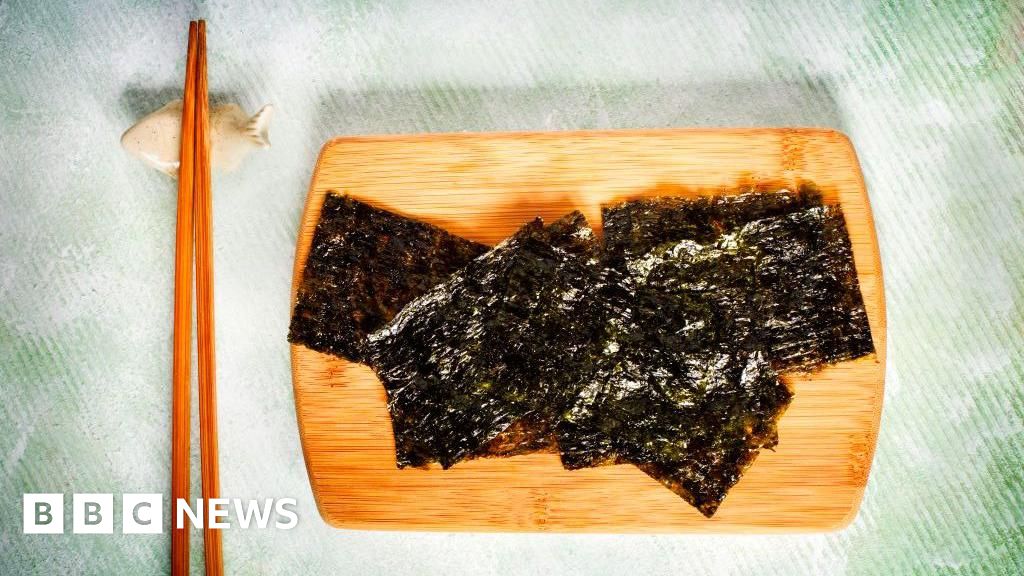
In recent years, a seemingly simple commodity—dried seaweed—has surged in popularity worldwide, bridging culinary trends, health consciousness, and economic opportunities. Traditionally associated with East Asian cuisines, dried seaweed’s increasing demand is now echoing across global markets, prompting notable shifts in food supply chains and international trade dynamics. While superficially a humble natural product, its rising economic value and geopolitical significance underscore broader patterns of resource utilization and strategic influence in the 21st century.

This growth is driven by a confluence of factors: the health-conscious movement favoring nutrient-rich superfoods, the expansion of plant-based diets, and the global appetite for sustainable, renewable resources. As prices climb, countries with abundant coastal ecosystems like South Korea, Japan, and China are capitalizing on the burgeoning demand. However, the implications extend beyond regional markets. International organizations and trade analysts warn that a renewed scramble for maritime resources could deepen geopolitical tensions, especially as nations seek to secure supply chains amid escalating competition for natural commodities. Experts in geopolitical strategy highlight that control over seaweed production and related aquaculture represents a strategic advantage in a shifting global landscape.”

The geopolitical impact is multifaceted. The United Nations Food and Agriculture Organization (FAO) has underscored how resource scarcity often fuels regional conflicts, and the case of seaweed is no exception. Countries engaged in maritime disputes or seeking to assert sovereignty over fishing zones are increasingly viewing coastal marine resources as leverages of power.

  • For example, the South China Sea—an arena of longstanding territorial disagreements—has the potential to become a focal point for strategic resource competition as nations look to extend their influence over resource-rich waters.
  • Meanwhile, North Korea and smaller island nations are exploring seaweed cultivation as a means of economic survival, leading to shifts in regional alliances and rivalries.

Additionally, the environmental angle complicates the geopolitical picture. Sustainable harvesting and aquaculture practices are vital; irresponsible exploitation risks ecological damage and can undermine local communities’ livelihoods. As noted by international marine conservation groups, how nations manage this renewable resource will influence future maritime diplomacy. Historically, resource-driven conflicts tend to escalate when legal, environmental, and economic interests converge — a pattern confirmed by leading historians and analysts examining past maritime disputes. This emerging “seaweed geopolitics” may serve as a precursor to broader resource conflicts in increasingly contested maritime zones.

In conclusion, the humble, crispy sheets of dried seaweed underscore a crucial point: that even the simplest resources can have profound geopolitical consequences. Like a mirror reflecting the shifting tides of international power, the global pursuit of seaweed reveals how nations are recalibrating their strategies for influence. As history continues to unfold—written in the depths of oceans and inked on international treaties—the fate of this unassuming commodity may well shape the geopolitical landscape for decades to come. The question remains: who will master the currents of this new resource race, and at what cost to peace and stability?

Greens Target Gorton and Denton After Burnham Blockage, Youth Rise Up

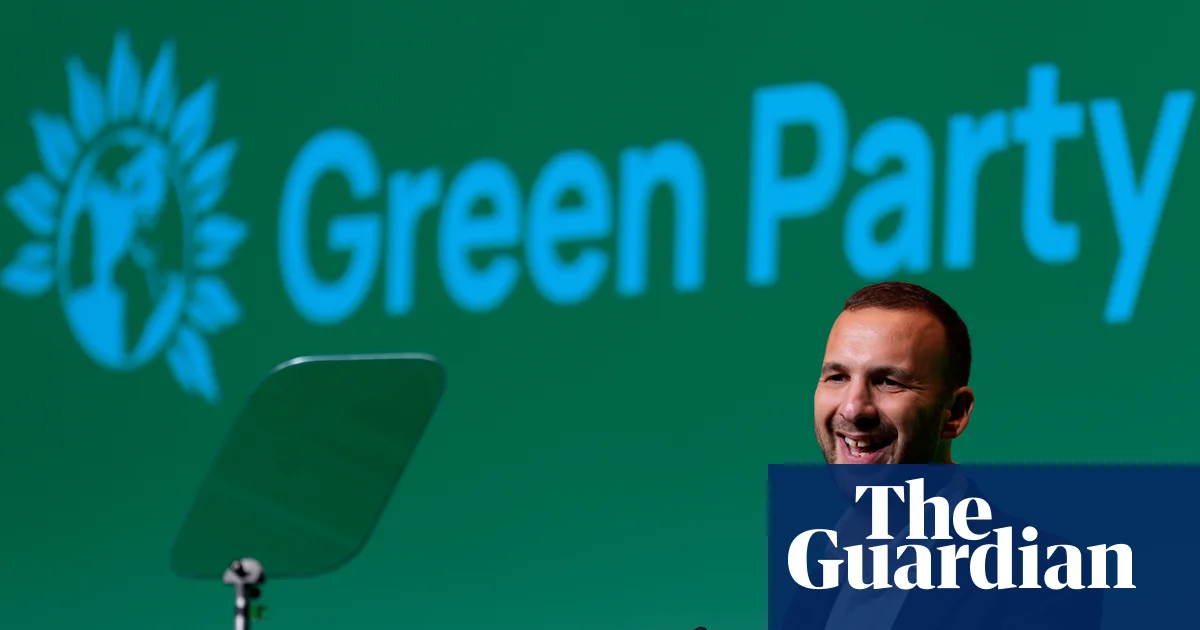
As families and communities face mounting challenges stemming from shifting political landscapes and socio-cultural tensions, the upcoming byelections in Gorton and Denton serve as a microcosm of broader societal shifts. The rise of Green Party candidates vying for representation in traditionally Labour strongholds highlights a societal push towards environmental sustainability intertwined with demands for social justice. These contests underscore how the cultural values and priorities of younger generations are influencing electoral outcomes, prompting a realignment of political allegiances that fundamentally impact local communities and their future.

Within this context, educational institutions and social structures are increasingly affected by demographic changes and cultural tensions. The Green Party’s tactical efforts—manifested through active canvassing, grassroots campaigns, and targeted crowdfunding—are emblematic of a social phenomenon where activism is becoming an integral part of youth-led political engagement. The potential success of these campaigns could recalibrate the political landscape, fostering a sense of renewed hope and participation among young voters. Sociologists like Dr. James Davison Hunter suggest that these shifts reflect a society grappling with moral and ethical questions about environmental stewardship, social equity, and national identity—issues that reverberate through families and schools alike, shaping the worldview of tomorrow’s citizens.

In tandem, the political maneuverings of figures like George Galloway and the strategic positioning of local candidates reveal ongoing social tensions. As the Labour Party faces an internal fracture perceived by many as a retreat from traditional working-class values, alliances and rivalries foster an environment where the social fabric of communities is tested. These tensions do not simply influence political discourse; they have tangible impacts on families’ stability, community cohesion, and educational priorities. When political conflicts focus heavily on external issues such as the Gaza conflict, they inadvertently distract from pressing local social issues—homelessness, education inequality, and youth unemployment—that shape daily life for countless families.

Looking ahead, the question remains whether society can navigate these divide and harness the energy of emerging social movements to address persistent social inequities. Solutions may lie in fostering

  • inclusive dialogue that bridges generational and cultural divides
  • investment in community-driven initiatives
  • educational reforms that emphasize civic engagement and moral responsibility

. Such efforts could gradually restore trust, build resilient communities, and safeguard the fundamental rights of families to live and grow in a society that values their voices. In this moment of social upheaval and hope, society stands at a crossroads—balancing the weight of divisions against the potential for renewal, driven by the collective aspirations of its youth and families towards a more just and cohesive future.

The rise of the ‘scam state’: Southeast Asia’s booming illegal industry and the new wave of cybercrime targeting youth

Unmasking the Monster: How Southeast Asia’s Scam Industry Threatens Power and Prosperity

In recent years, cryptic economic undercurrents have surged beneath the surface of southeast Asia’s vibrant landscape, revealing a dark infrastructure that is reshaping not only regional stability but also defining issues of personal security and economic freedom. The dramatic demolition of KK Park, one of the continent’s notorious “scam centres,” signifies a fragile attempt to open a window into this clandestine world—a world rooted deeply in _conflict zones_ and _lawless borders_, where opulence and impunity walk hand in hand. These hubs, often sprawling and openly visible, symbolize the extent to which corruption and illicit financial networks have become intertwined with state power, painting a narrative of *blatant impunity* that is hard to ignore.

What makes this industry particularly insidious is its *evolution* from simple phishing scams to an *industrial-scale political economy.* Experts like Jacob Sims, a Harvard fellow specializing in cybercrime, describe a shift where online fraud has transformed into a *massive illicit market*, grossing hundreds of billions annually—roughly mirroring the drug trade in scope. The industry relies heavily on _advanced technologies_ such as generative AI, deepfake video calls, mirrored websites, and *sophisticated misinformation tactics* to manipulate victims globally. Recent estimates reveal that, in 2024, cyber scams in the Mekong sub-region generate about $44 billion annually, representing 40% of the formal economy—making it not just a criminal enterprise but an *economy unto itself*. Such figures underscore a stark reality: these illicit networks are *driving regional economic shifts* and exerting *enormous influence* over policy and governance.

This rise has serious personal implications for individuals worldwide—victims entrapped in “pig-butchering” scams, where authentic relationships are cultivated online before victims are pressured into fraudulent investments, often in cryptocurrencies. The regret and financial devastation for victims are profound, with many losing *more than half of their net worth*, sometimes totaling hundreds of thousands of pounds. This *human toll* reveals how *technology* and *greed* have become tools for exploitation, fueled by scammers who harness deepfake videos and AI translation to deceive even the most cautious. From a personal health perspective, such scams foster stress, anxiety, and financial strain, reinforcing a need for better *digital literacy* and *preventive education*. To truly understand and combat this industry, awareness must extend beyond borders, involving clients worldwide and policymakers committed to rooting out these *global illicit networks*.

Despite efforts to dismantle these operations, their **publicly visible** scale and *interwoven political connections* suggest a disturbing compromise of sovereignty and law enforcement. Experts argue that visible scams are often mere *”performative”* acts—aimed at appeasing international pressure without risking the fundamental interests of powerful *criminal-elite networks*. The ongoing existence of enormous compounds, diplomatic cover-ups, and *state co-optation* signals a *systematic failure*—a reflection of a *scam industry* that has become entrenched, profiting off *conflict*, *border chaos*, and *weak governance*. This situation demands a reassessment of our *values* and *priorities*, emphasizing that the fight against such corruption must also be a personal journey—one of resilience, knowledge, and refusal to accept *an economy of exploitation*.

Reflection

As society stands at this crossroads, the path forward invites each of us to consider how our choices—whether in safeguarding our digital lives or advocating for *transparency*—connect to the broader narrative of _power, integrity,_ and _independent prosperity_. The story of Southeast Asia’s scam industry is not just about illicit money—it’s a lesson in vigilance and responsibility, urging us to embrace a lifestyle rooted in _truth_, _empowerment_, and _ethical awareness_. The challenge remains: will we continue to be passive spectators, or will we become active participants in fostering a world where *justice and integrity* hold sway? The journey of lifestyle, after all, is a reflection of our collective willingness to uphold these principles, transforming us from bystanders to builders of a resilient future.

Key Takeaways:

  • Understand the scope: The scam industry is a major economic driver in the region, comparable in size to the illicit drug market.
  • Stay vigilant: Technological advancements make scams more sophisticated—education and awareness are your best defenses.
  • Recognize the systemic issues: Many scam hubs operate with state complicity, highlighting the importance of advocacy and international pressure.
  • Personal impact matters: protection of personal wealth and mental health should be prioritized amid these evolving threats.
Thames Water's Half-Year Profit Surges Over £400m as Bills Rise a Third
Thames Water’s Half-Year Profit Surges Over £400m as Bills Rise a Third

British Water Giant Faces Uncertain Future Amid Financial Turmoil

In a striking display of economic paradox, Thames Water, Britain’s largest water supplier, has announced a significant increase in its half-year profits, soaring to £414 million, after suffering a loss of £149 million the previous year. The company’s revenues surged by 40%, reaching nearly £2 billion, largely due to a 31% hike in customer bills approved in April. Yet, beneath these figures lies a looming crisis that could reshape the future of public utilities and major infrastructure management in the UK. Despite recent financial improvements, Thames Water has issued stark warnings, citing “material uncertainties” which cast doubt on its continued viability. Experts warn that the threat of a swift government takeover by special administration regime (SAR) looms if the company fails to renegotiate its staggering debts of £17.6 billion, accumulated over decades since privatization.

This financial turmoil is not merely about corporate mismanagement; it reflects broader geopolitical and societal shifts. Thames Water’s struggles underline how privatised industries, especially those as vital as water, are increasingly vulnerable in a world of economic instability and environmental outrage. The company has come under intense scrutiny because of severe environmental failures—such as sewage leaks—and the associated fines have added billions to its losses. Cases like Thames Water exemplify how legal and regulatory pressures—often driven by domestic political agendas—can hinder the resilience of critical infrastructure. The ongoing debt recapitulation negotiations involve hedge funds like Elliott Investment Management and Silver Point Capital, both based in the US, which have sought up to 15 years of regulatory leniency. This underscores how international financial interests are now deeply intertwined with national utilities, prompting questions about sovereignty and control.

International Stakeholders and the Shift Toward Global Financial Powerhouses

As Thames Water edges toward a potential nationalisation, international investors, including hedge funds and traditional asset managers, are in a position to influence the strategic direction of the UK’s infrastructure. This situation exemplifies a disturbing pattern where global financial institutions increasingly control essential services while national governments hesitate to intervene decisively. Critics argue that such interference risks undermining national sovereignty and public accountability. The UK government has, so far, avoided granting regulatory leniency to the debtors, fearing that succumbing to investor demands could set a dangerous precedent, effectively handing over control of critical resources to foreign financial interests. This tug-of-war accentuates a broader debate about how the West manages its strategic infrastructure in an era of financialisation and geopolitical upheaval.

Historian Niall Ferguson and analysts from the International Monetary Fund warn of a growing trend where economic vulnerabilities in privatised sectors can be exploited during times of crisis. As Thames Water struggles with environmental scandals and financial instability, many question whether these are isolated crises or symptoms of systemic vulnerabilities embedded within Western infrastructure models. The ongoing negotiations reflect a broader international challenge—finding a balance between capital interests and the public good. The decision to potentially nationalize Thames Water could have ripple effects across other privatised industries, prompting governments worldwide to reconsider models that have long prioritized shareholder profits over societal resilience.

Shaping the Future Amidst a Sea of Uncertainty

The final chapters of Thames Water’s saga remain unwritten, but the narrative underscores how intertwined economic stability, environmental accountability, and geopolitical strategy have become. Thrust into a crucible of debt, environmental fines, and foreign investment, the UK’s approach to infrastructure management is at a crossroads. If the government chooses to seize control, it risks setting a precedent that could embolden or alarm other nations contemplating similar moves. Conversely, a failure to resolve Thames Water’s crisis could result in a catastrophic collapse, leaving millions without reliable services and further destabilizing the national economy. As Britain and the global community watch closely, the story of Thames Water reminds us that in the rapidly changing arena of international power, decisions about one utility can echo through the corridors of history—shaping society, sovereignty, and security for generations to come.

Why is Trump Posturing Against Maduro? The Tensions Rise in US-Venezuela Clash

In a dramatic turn of events that echoes the turbulent history of Latin America, the United States has heightened its military and diplomatic pressure on Venezuela. Under the leadership of President Nicolás Maduro, the nation has become a focal point for international contention, with the U.S. asserting it is engaged in a campaign aimed at destabilization and regime change. The escalation includes the deployment of 15,000 troops and a formidable fleet of aircraft carriers, guided-missile destroyers, and amphibious ships to the Caribbean—an operation the Pentagon claims is the largest in the region since the 1989 invasion of Panama. Analysts warn that these military movements are not merely about fighting drug trafficking but could signal a shift toward overt intervention in the country’s sovereignty, raising profound concerns about regional stability.

The core of this crisis lies in the disputed electoral process. Since Maduro’s government declared victory in the 2024 presidential election—despite widespread opposition claims of electoral fraud—many nations, including the United States, have refused to recognize his legitimacy. Instead, the opposition candidate, Edmundo González, has been recognized as the true winner by multiple Western governments, sparking a deepening divide within Venezuelan society. Maduro’s firm grip on military, judicial, and legislative institutions has effectively rendered the electoral results a matter of internal power struggle rather than democratic legitimacy. Historically, leaders who maintain control over key institutions amid contested elections tend to entrench authoritarian rule—an alarming trend that international watchdogs are closely scrutinizing.

The geopolitical impact of America’s aggressive stance on Venezuela extends far beyond the continent. Diplomatic observers, including Harvard-based political analysts, warn that U.S. actions are part of a broader strategy to assert dominance over Latin America and control precious oil reserves. The recent deployment of warships has been justified by claims of combating drug trafficking, but critics argue the real intention is to weaken Maduro’s regime. The Biden administration, continuing the hardline policies, accuses Maduro of running criminal drug networks—notably the so-called Cartel de los Soles—which it claims the Venezuelan president himself leads. However, independent investigations suggest these groups are loosely organized and primarily consist of corrupt officials using Venezuela as a transit hub for illicit narcotics—not a hierarchical cartel. United Nations analysts have raised alarms that these strikes, which have claimed over 80 lives in recent operations at sea, could constitute unlawful attacks against civilians, blurring the line between counter-narcotics and warfare.

The possible escalation into direct military intervention raises urgent questions about sovereignty and regional security. With President Trump allegedly giving Maduro a one-week ultimatum to step down during a high-stakes phone call, the tension has reached a dangerous threshold. Though the White House has refused to explicitly confirm plans for ground invasion, military experts warn that the scale and scope of the U.S. deployment are inconsistent with a mere counternarcotics operation. The rhetoric from Washington suggests that options—ranging from land strikes to naval blockades—are “on the table,” creating a volatile atmosphere that risks rekindling Cold War-era conflicts in one of the world’s most resource-rich yet politically fractured regions.

As history continues to unfold beneath the ominous shadow of war, the fate of Venezuela remains uncertain, its sovereignty hanging by a thread. The world watches as the weight of history presses down—either toward a new chapter of intervention, or a hard-won lesson in the limits of power. In an era where the decisions made today will ripple through generations, the question persists: will the cries of a nation seeking sovereignty be drowned by the drums of imperial ambition, or will the voices of resistance finally carve a path toward genuine liberty? Only time will tell, but the storm that gathers over Latin America may yet reshape the global order itself, etching this perilous moment into the annals of history.

Jimmy Kimmel Tensions Rise as He Borrows From End-of-Year Sentiments: ‘Grateful We Only Have Five Weeks Left’ | Late-Night TV Roundup

In the modern spectacle of American political ritual, culture emerges as both a mirror and a prophecy of societal identity. As comedians like Jimmy Kimmel and Seth Meyers dissect the bizarre antics surrounding President Donald Trump’s turkey pardon, they reveal something deeper: the extent to which our cultural expressions, even in humor, are intertwined with the collective consciousness and the projection of national identity. The turkey pardon, a seemingly benign tradition, has evolved into a theatrical platform where the veiled assertions of power, spectacle, and ideology intertwine. Much like the grotesque pageantry of Roman triumphs or medieval court rituals, it serves as a performative affirmation of leadership, tradition, and societal values—elements that define who we are and what we stand for.

This cultural ritual, often dismissed as light-hearted or trivial, echoes the philosophical insights of Ortega y Gasset, who argued that “a nation’s culture is the expression of its soul.” Every speech, joke, or spectacle in such moments is not merely entertainment; it is a reflection of the underlying narratives that shape our collective memory. Trump’s peculiar address, replete with inflated claims and bizarre anecdotes, exemplifies a cultural moment where perception becomes reality—an image crafted for the spectacle, yet rooted in the deeper desire for significance amidst chaos. As Chesterton might suggest, what the nation fears is its own loss of purpose, and these rituals—however absurd they may appear—are attempts to affirm and recreate that purpose within the theater of public life.

Historically, these performances bear resemblance to the rites of civic affirmation and patriotic mythology maintained by democratic societies. Tocqueville warned of the danger of democratic excess where superficial equality can obscure the cultivation of the soul’s deepest roots. Today, the spectacle of political humor and satire reveals a cultural tension—on one side, the need to mock the absurd; on the other, the recognition that beneath the satire lies a yearning for authenticity and tradition. In this sense, culture serves as a repository of memory and a beacon of prophecy, guiding us through the tumult of modern society. As T.S. Eliot wrote, “The past is never dead; it’s not even past.” The narratives we craft in humor and ritual are our way of facing forward while holding onto essential truths that define us—truths that are at their core, timeless and universal.

In the end, the cultural phenomena surrounding Trump’s antics at the Thanksgiving table speak to a broader human experience: the enduring capacity of culture to both remember and foretell. It is the poetry of memory and prophecy woven into every tradition, every joke, every spectacle—reminding us that the collective identity we cherish is both a sacred inheritance and a living prophecy. As Chesterton observed, true culture is not merely a reflection of what is but an aspiration toward what could be—a continuous dance between memory and hope, echoing through the ages as humanity’s silent ode to its own enduring soul.

Drones Seen Near Netherlands’ Key Air Base—Security Concerns Rise

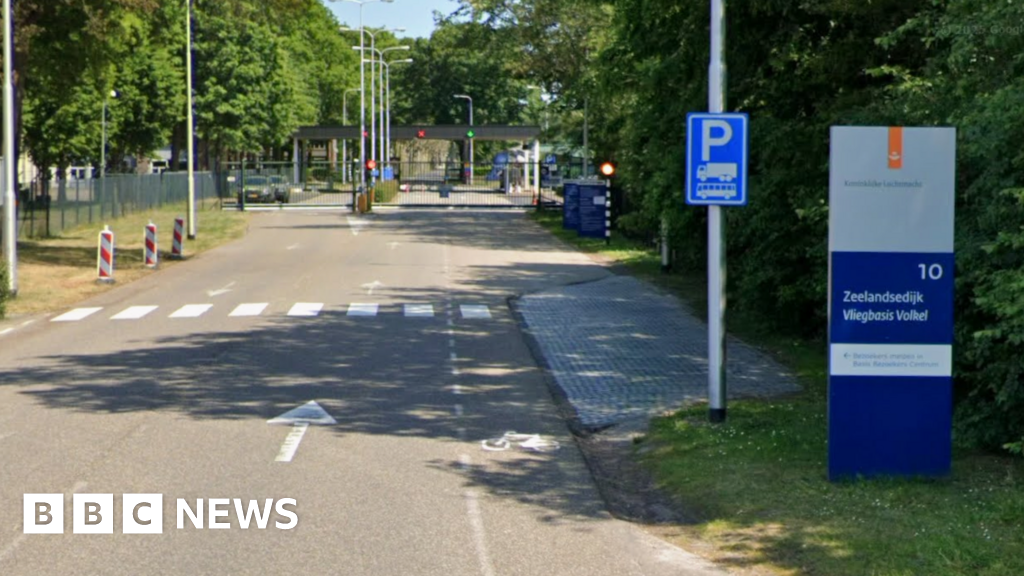
In recent weeks, the Netherlands and several neighboring European nations have been shaken by a series of unidentified drone sightings near military installations, raising serious questions about regional security and the new frontier of hybrid warfare. On Friday, unconfirmed drone activity was reported over Volkel Air Base, a critical NATO facility hosting both the Royal Netherlands Air Force and a U.S. Air Force squadron. Dutch officials confirmed that military personnel deployed weapons in an attempt to neutralize the threat, but the drones departed before recovery, leaving authorities unable to determine their origin or purpose. This incident marks a troubling escalation, part of a broader pattern of surveillance activity that has affected NATO allies across northern Europe—including Belgium, Denmark, and Germany.

The recurring sightings have sparked alarm among security experts and policymakers, with some describing them as an embryonic form of hybrid warfare aimed at destabilizing NATO’s eastern flank. Analysts from International Security Organizations warn that the increase in such acts could be a calculated effort by adversaries to test vulnerabilities in Europe’s defenses, especially as tensions with Russia persist. While Moscow has formally denied any involvement, many European officials suspect the Kremlin’s hand behind these incursions, citing the pattern of targeted NATO installations in countries supporting Ukraine. The underlying message appears clear: the landscape of international conflict has shifted, with non-traditional tactics now part of the geopolitical chessboard that shapes the future of European security.

In response, defense ministers from 10 EU countries have convened to form what they call a “drone wall,” a collective effort to enhance anti-drone measures and prevent further incursions. Some nations are investing heavily in counter-UAS technology, seeking to shield critical infrastructure from prying eyes and potential sabotage. However, the lack of concrete evidence connecting these incidents to specific actors underscores the delicate nature of modern information warfare. As international organizations like NATO and the EU grapple with establishing cohesive policies, a broader debate has emerged about how to adjust traditional security strategies to meet the challenges posed by autonomous aerial threats. The stakes are high; these incidents are not simply isolated security breaches, but potential preambles to a new era in global conflict where technological prowess and geopolitical calculus collide.

As history continues to write its tumultuous chapters, the geopolitical impact of these drone sightings is profound. They serve as a stark reminder that the boundaries of warfare are expanding beyond conventional battlegrounds. With nations on edge and alliances tested, it is clear that the delicate balance of peace in Europe is under unprecedented strain. The outcome of these developments hinges on decisions made now—decisions that will ripple across generations—and as the world watches, the shadow of conflict looms larger, awaiting its next move in the unfolding narrative of history.

Social Media Auto Publish Powered By : XYZScripts.com