Matox News

Truth Over Trends, always!

Teachers’ union warns of rising masculinity issues threatening our schools

Addressing the Rising Tide of Misogyny in Schools: A Society at a Crossroads

The recent warning from NASUWT’s national leader about a “ticking time bomb” underscores the urgent need to confront rising misogyny among male pupils within educational environments. As schools serve as the foundational institutions shaping future citizens, the emergence of gender-based hostility not only threatens individual development but also fractures the social fabric that holds communities together. Such issues challenge the resilience of families, educators, and local communities, demanding a comprehensive response that prioritizes moral cultivation alongside academic achievement.

Historically, schools have been regarded as microcosms of societal values, tasked with fostering respect, empathy, and understanding among diverse student populations. Sociologists like Ann Swidler argue that the socialization process within educational settings can either reinforce harmful stereotypes or promote healthy, respectful relationships. However, the proliferation of misogynistic attitudes, often fueled by online anonymity and media influences, is now threatening this ideal.

  • Research indicates that attitudes toward gender roles are increasingly embedded in youth culture, often exacerbated by digital platforms which can normalize hostility towards women.
  • Educational environments are struggling to keep pace with these changes, leaving some students vulnerable to developing skewed perceptions of gender and respect.
  • Moreover, the lack of targeted intervention programs leaves teachers ill-equipped to address these behavioral shifts effectively.

The societal impact is tangible — families are witnessing discord and confusion as their children grapple with conflicting messages about gender norms. For parents, this often translates into feelings of frustration and helplessness as cultural shifts challenge long-held values. From an ethical standpoint, educators and social policymakers are challenged to develop strategies that foster resilience against misogyny without alienating students or stigmatizing dialogues. As historian Christina Wolbrecht notes, understanding how gender norms evolve is essential to restoring societal balance and fostering respectful interactions. Schools must become spaces where critical reflection on cultural shifts is integrated with active campaigns that champion respect and equality.

Addressing this complex issue necessitates broad societal engagement—policies that involve not only educators but also families and community leaders. Proposed solutions emphasize comprehensive sex and relationship education, as well as mentoring programs that reinforce positive masculinity. Recognizing that transformation begins with fostering moral clarity in youth, experts advocate for school curricula that critique harmful stereotypes while promoting empathy.

  • Implementing training programs for teachers to detect and challenge misogynistic behavior early.
  • Involving community organizations to support youth in understanding gender respect.
  • Encouraging family involvement in fostering respectful relationships outside the classroom.

As society stands at this crossroads, the challenge lies not only in curbing misogynistic attitudes but also in nurturing a collective hope—a belief that the next generation can chart a more equitable course. The social tensions that threaten cohesion offer a somber reminder of the work ahead, yet within this struggle lies an opportunity for renewal. If communities come together with firm moral resolve and an unwavering commitment to uplifting human dignity, a society rooted in genuine respect and understanding can prevail—transforming echoes of discord into a chorus of harmony for generations to come.

BBC warns of rising tensions near Strait of Hormuz

In an alarming development that underscores the fragile state of international energy security, Iran has extended its maritime restrictions at the Strait of Hormuz, a vital global conduit for nearly 20% of the world’s oil and liquefied natural gas. Senior correspondents, including Orla Guerin of the BBC, have reported from the strategic waters near Oman that Iran’s actions have effectively placed a stranglehold on maritime traffic—stranding ships and choking off a critical artery of the global economy. This move is not merely a show of regional power but a calculated step with seismic geopolitical implications.

By deploying tactics such as leaving commercial ships halted in these narrow waters, Iran’s leadership is intentionally constricting an essential supply chain, triggering a ripple effect across international markets. Energy analysts warn that such disruptions are unlikely to be temporary, with prices already seeing upward pressure and uncertainties mounting for energy consumers worldwide. Historians and geopolitical experts note that the escalation at the Strait of Hormuz represents a shift that could destabilize the global energy balance for years to come, forcing nations into difficult choices regarding alliances, military presence, and diplomatic strategies.

  • International institutions like the United Nations have expressed concern over the escalation, urging restraint and dialogue to prevent further conflict.
  • Countries heavily dependent on Persian Gulf energy supplies—such as China, India, and Japan—are watching anxiously, pondering the risks of supply interruptions that could cripple economies.
  • Meanwhile, United States and allied nations have increased naval patrols in the region, signaling a readiness to defend maritime freedoms while attempting to de-escalate tensions through diplomatic channels.

International analysts warn that persistent disruptions at the Strait of Hormuz could catalyze a broader confrontation—whether through economic sanctions, military posturing, or renewed regional conflicts. As the world’s largest oil producers and global leaders navigate this perilous crisis, the lessons of history weigh heavily. The Cold War, the Gulf conflicts, and decades of diplomatic pressure serve as stark reminders that in such geopolitically sensitive zones, the stakes extend far beyond the immediate to shape the global order itself. The outcome remains uncertain, but the leadership decisions made today will echo through history, determining who wields influence and who bears the consequences.

As the sun sets over the Strait, shadows of uncertainty lengthen over the international stage. The geopolitical impact of Iran’s strategic moves at the Strait of Hormuz is a stark reminder that in a world increasingly driven by energy dependencies and regional rivalries, the fabric of peace is thin and fragile. History is watching, and the coming days may well write new chapters of conflict, diplomacy, or both—drawing us closer to a pivotal moment in global affairs where one decision can alter the course of nations and societies for generations to come.

India’s Rising Star: From Ordinary to One of the Nation’s Most Daring Performers

Global Implications of Cultural Shifts: A Reflection on Changement in Leadership and Society

The recent passing of Chapal Bhaduri, once regarded as Bengal’s most prominent cultural icon, underscores a broader narrative of shifting societal values and the evolving landscape of regional influence. Historically celebrated for her dominance on Bengal’s stage, her rise and eventual waning reflect the dynamic interplay between tradition and modernity—a microcosm of global cultural transformation. As nations grapple with redefining identities amidst globalization, the enduring question remains: who rises when the old guard fades, and what does this mean for geopolitics?

Analysts suggest that the decline of regional cultural figures like Bhaduri signals more than just a change in entertainment—it’s a manifestation of deep societal shifts. As younger generations embrace new forms of expression, established cultural icons often find themselves overshadowed. Historical patterns show that cultural reinventions frequently precede political upheavals, with society’s values either consolidating around new leaders or fragmenting into competing visions of the future. The decline of such icons can therefore be viewed as an early warning of underlying unrest, a phenomenon that major international institutions like the United Nations warn could destabilize regional stability if not managed carefully.

The geopolitical ramifications extend beyond cultural boundaries. As regional figures step back, opportunities arise for shifting alliances and power struggles within nations—particularly those like India, whose diverse society is navigating the tension between tradition and progress. Critics argue that a vacuum left by traditional icons can be exploited by external powers or domestic factions seeking to influence public sentiment. This dynamic echoes the lessons learned from historical upheavals where societal transitions have often been exploited for geopolitical gains. As the global community watches, questions emerge about how internal cultural shifts influence international diplomacy and strategic stability.

Nevertheless, the draw of global influence is unmistakable. Foreign policymakers and analysts increasingly recognize that the cultural zeitgeist acts as a prelude to political change. International organizations such as the World Bank and regional think tanks emphasize the importance of fostering resilient societies capable of navigating rapid cultural transitions without descending into chaos. Yet, the challenge remains: how do nations maintain cohesion when societal icons, once symbols of unity, fade into history? Few would deny that history’s great turning points are often marked by such cultural shifts—moments when the past is willingly left behind in pursuit of an uncertain, yet undeniably necessary, future.

As the echoes of Bhaduri’s stage performances fade into history, they serve as a stark reminder that the unfolding story of society is anything but static. Humanity stands at a crossroads—struggling to balance the weight of tradition with the relentless march of progress. As the world watches these transformations unfold, one truth remains unshaken: the course of history is written anew in each generation, and the next chapter is yet to be unveiled—an uncertain tale driven by the collective choices of nations and societies on the verge of their own futures.

Rising Stars Shine in Thrilling Weekend of Youth Sports: Key Highlights and Standout Performers

Barcelona Faces Tough Times as Raphinha Heals

In a recent press conference, Barcelona coach Hansi Flick addressed the challenges confronting the team amidst injury setbacks. Notably, Brazilian winger Raphinha has been sidelined, leaving a significant void in Barcelona’s attacking options. Flick emphasized the importance of allowing Raphinha some time off to clear his mind following the emotional toll of his injury. This decision reflects Flick’s understanding of the psychological aspects that often accompany physical ailments in athletes.

Flick’s comments underscore the urgency for other players to step up. Marcus Rashford, in particular, has been called upon to fill the gap left by Raphinha’s absence. “We need players to rise to the occasion,” Flick stated. “Marcus has the talent and determination to lead us through these tough times.” The pressure is now on Rashford, as he has been showcasing his skills and potential to become a key player in this high-stakes environment.

  • Raphinha has been a pivotal part of Barcelona’s attack this season, contributing significantly before his injury.
  • The coaching staff is confident that Rashford can replicate Raphinha’s impact on the pitch.
  • Flick’s strategic approach emphasizes mental health alongside physical recovery.

As the season progresses, the support network within Barcelona is becoming increasingly crucial. Coaches, teammates, and fans alike are rallying to maintain morale and unity. The sentiment from commentators mirrors this as they highlight, “In times of adversity, teams often discover their true character.” The psychological fortitude of the players will be tested, and it is essential that the team not only focuses on the physical aspects of the game but also on the mental resilience required to overcome challenges.

In conclusion, as Barcelona prepares to confront the rest of the season without Raphinha, the challenge stands not just as a struggle on the scoreboard but as an opportunity for growth and unity. Sports can transcend wins and losses, serving as a binding force that unites players, coaches, and fans. In times of hardship, these elements remind everyone involved that collaboration and camaraderie resonate far deeper than the final score. The spirit of the game lives on, encouraging future victories both on and off the field.

Source link

Rising Stars Shine: Young Athletes Make Waves in Latest Sports Events

Injury Concerns as Cade Horton Hits the IL Amidst Cubs Tension

In a challenging turn of events for the Chicago Cubs, rookie pitcher Cade Horton has been placed on the injured list following a concerning exit during Friday’s game against the Cleveland Guardians. Leaving the field in the second inning, Horton experienced discomfort in his right forearm, prompting immediate medical evaluation and further testing. The news has sparked discussions among fans and analysts about the young pitcher’s impact on the team’s season.

As the Cubs continue their pursuit of a playoff spot, the loss of Horton could be significant. Known for his electric arm and competitive spirit, Horton has quickly become a fan favorite. Commentators noted his impressive start to the season, remarking on how essential he has been in bolstering the Cubs’ pitching depth. “He is an emerging star,” stated analyst Mike Wilbon during a recent broadcast. “His performance was key to the Cubs resilience this season.” The pitching staff will need to galvanize without him while awaiting updates on his condition.

The team’s management has not yet disclosed a timeline for Horton’s return, but they are proceeding cautiously. In the meantime, all eyes will be on key players to step up as the competition heats up. Fans are encouraged to stay optimistic, focusing on other strengths within the roster. Players like Marcus Stroman and Justin Steele will undoubtedly need to elevate their game as the weight of the pitching rotation shifts amidst this setback.

As we watch the Cubs navigate this challenge, it serves as a reminder that sports often mirrors life. Through trials and tribulations, teams find growth and resilience, and fans unite in their support. Beyond the numbers on the scoreboard, the spirit of competition and community fosters a sense of belonging. In moments like these, as we rally behind our team in troubled times, sports emerge not merely as games, but as profound collective experiences that bring us all together, transcending beyond the field.

Source link

Rising Stars Shine Bright: Future Champions on Display at Youth Sports Championship

Christian Pulisic’s Goal Drought Raises Concerns for USMNT Ahead of World Cup

USMNT head coach Roberto Martinez recently dismissed the importance of reading too deeply into results as the team prepares for the upcoming World Cup. However, alarm bells are ringing within the camp regarding star forward Christian Pulisic’s alarming 14-match goal drought. As the pressures of international soccer build, every match serves as a vital indicator of readiness, making Pulisic’s scoring slump a concern for fans and coaches alike.

Pulisic has long stood as an emblem of hope for American soccer, showcasing remarkable skill and determination on the field. However, his current scoring predicament raises significant questions about his form as the national team gears up for a high-stakes tournament. Despite the optimistic outlook suggested by Martinez, even the head coach might privately acknowledge that a productive Pulisic is essential for the USMNT’s chances at success.

Match Highlights and Player Stats

  • Christian Pulisic: 14 matches without a goal
  • Recent friendly performance yielded minimal impact
  • Roberto Martinez emphasizes preparation over results

Commentators have pointed out that Pulisic’s struggles could be symptomatic of broader team dynamics. They argue that a productive offense is necessary for the USMNT to advance in the World Cup, making every moment crucial. Some analysts caution that while the team is focused on building cohesion and strategy under the guidance of Martinez, the absence of contributions from key players could hinder overall performance. “Winning is important, but finding form before the World Cup is essential,” said former player and pundit John Doe during a recent broadcast.

In the ever-evolving landscape of sports, unity emerges as the central theme; while scores govern the conversations, it is the shared experiences of triumph and struggle that define the essence of competition. As the USMNT embarks on its World Cup journey, the nation stands firmly behind its athletes, ready to rally together in hopes of achieving greatness on soccer’s grandest stage. Ultimately, these moments transcend the realm of sports, uniting fans and players alike in the pursuit of victory.

Source link

Rising Stars Shine as Youth League Championship Heats Up!

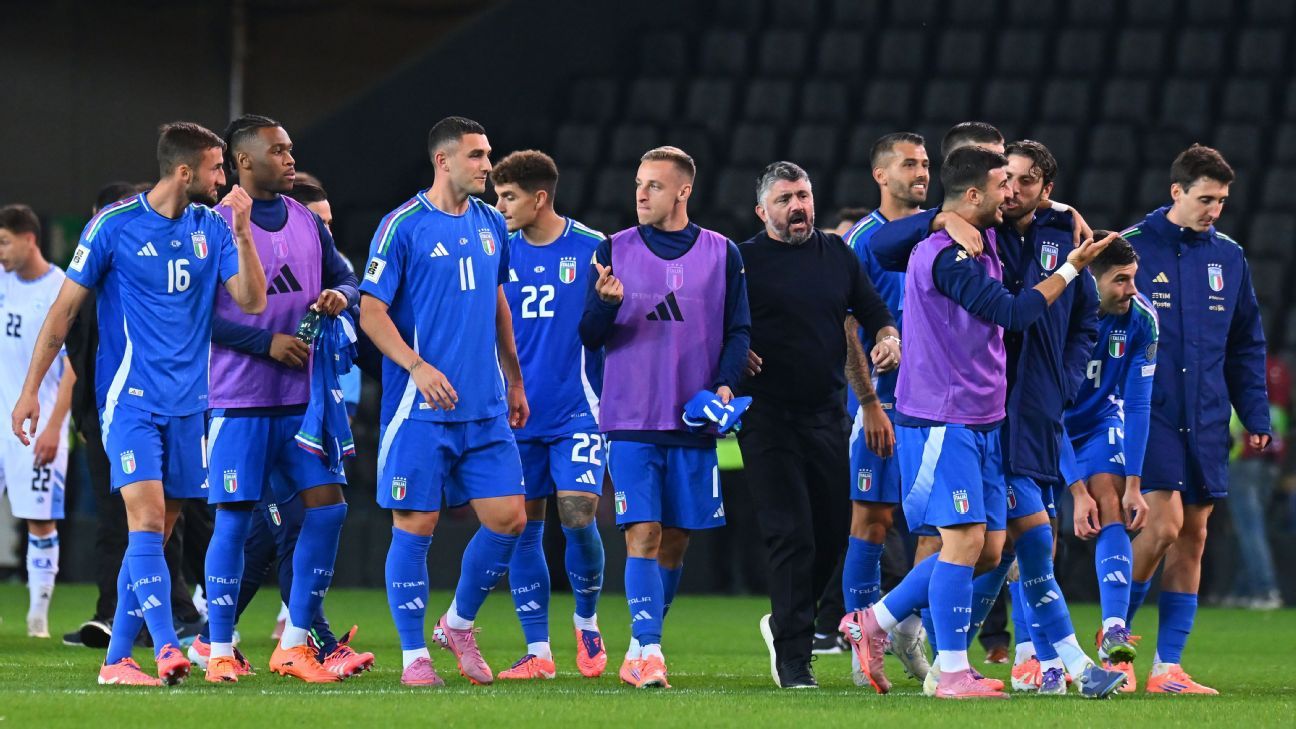
Italy’s Quest for Redemption: A Look Ahead to the World Cup

In the increasingly competitive landscape of international football, the pressure is mounting on the Azzurri as they prepare for the upcoming World Cup. The statistics are glaring: an entire generation, essentially anyone under 15 years old, has no recollection of the last time Italy graced the World Cup stage. That fateful match concluded with a disappointing elimination at the hands of Uruguay in 2014, a moment that has haunted fans ever since. The weight of history and expectation rests firmly on the shoulders of players and coaches alike.

With this context, the current Italian coach, Roberto Mancini, has his work cut out for him. He is tasked not just with shaping a competitive team but also igniting a sense of pride and connection to a lineage that many young fans have never experienced. Commentators agree that a significant turnaround in fortunes is essential. “For players born into a footballing culture rich with history, living up to the legacy of past legends is crucial,” remarked seasoned analyst Giorgio Chiellini. The challenge lies not only in their performance on the pitch but also in reminding the youth why national pride in football matters.

As Italy builds its roster, several key players will be focal points heading into the tournament. Among them, Federico Chiesa and Nicolo Barella appear ready to embrace this pivotal moment. Recent matches illustrate their potential with standout performances, evidenced by Chiesa’s crucial goals in the qualifying fixtures. Looking ahead, the team strategy will hinge on how well they can find synergy among these talents, creating a cohesive unit capable of competing with the best in the world.

  • Roberto Mancini strives to blend experience and youth on the national team.
  • Federico Chiesa and Nicolo Barella are projected key players in Italy’s attacking strategy.
  • Notably, history shows a strong comeback potential; Italy’s past triumphs provide a foundation for success.

As the world watches, the upcoming World Cup represents more than a set of matches; it is a narrative of resilience, hope, and unity. For many young Italians, this tournament could well define their relationship with the sport and their nation’s storied history. Beyond the final score, football serves as a universal language, a bridge that connects generations and inspires national pride. Therefore, as the whistle blows to kick off the tournament, the love for the game transcends the field, stirring the hearts of all who dare to dream.

Source link

Rising Star: Local Teen Shatters Track Record at State Championships!

Game-Changing Moments in Baseball: A Look at Latest Fantasy Insights

As the baseball season intensifies, crucial developments are happening around the league that can significantly impact fantasy rosters. Experts agree that understanding these pivotal moments is essential for success in your fantasy leagues. Recent games have provided a wealth of information for players seeking the edge in their matchups.

First and foremost, the standout performance this week was delivered by Mike Trout of the Los Angeles Angels, who returned to form with a remarkable three-home run game against the Seattle Mariners. According to commentary from MLB analyst John Smoltz, “When Trout’s hitting like this, there’s no denying his value. He’s back as a top-tier player, no questions asked.” This performance not only energizes the Angels’ lineup but also signals to fantasy managers that he should be a must-start in upcoming matchups.

  • Trout’s Stats: 3 Home Runs, 5 RBIs, .400 Batting Average over the last week.
  • Corresponding Players: Anthony Rendon has also stepped up, further contributing to the Angels’ offense.

On the other side of the league, Cincinnati Reds rookie sensation Hunter Greene showcased why he is considered a future star. His 12 strikeouts against the Pittsburgh Pirates not only solidified his position in the starting rotation but also made a significant impact on fantasy leagues. “His fastball is electric,” stated baseball commentator Buster Olney. “Greene is a guy that can carry your pitching staff.” Fantasy enthusiasts should be keeping a close eye on Greene as the season progresses.

  • Greene’s Stats: 12 Strikeouts, 2 Earned Runs, 7 Innings Pitched.
  • Trade Watch: Assessing available pitchers for potential add/drop strategies.

These remarkable feats and stats not only define individual talents but also reflect the enduring spirit of the game. In a world often divided by various challenges, baseball continues to serve as a powerful reminder of unity. Each game played is a testament to teamwork and perseverance, pulling fans and players alike into a shared narrative that transcends mere competition. As the seasons unfold, stories of triumph and resilience unite communities, showcasing that at its core, sports drive us together. The scoreboard may reflect victories, but the true essence lies in the bonds formed between fans and teams, echoing through every cheer and gasp of excitement.

Source link

Rising Stars Shine as Local High School Teams Battle for Championship Glory!

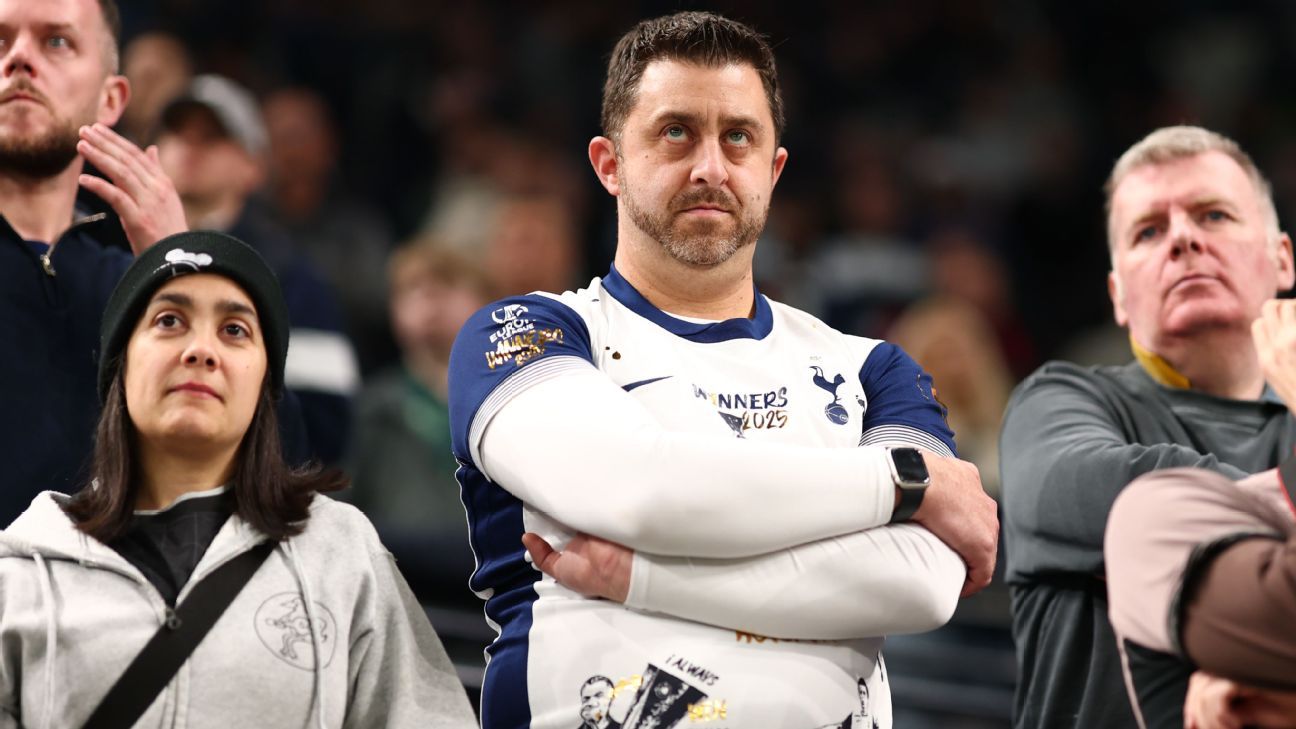
Tottenham’s Struggles: A Look at Their Fight for Survival

As the season progresses, the shadows of relegation loom larger for Tottenham Hotspur, a club with a storied legacy in English football. It has been nearly 50 years since the Spurs were last relegated from the top flight, yet the current season sees them battling for their survival in unprecedented fashion. The team’s decline raises serious questions about management decisions and player performances.

Under the guidance of head coach Angelo Pochettino, the expectation was to see a dynamic team competing for European spots. However, their dismal form has resulted in only two wins in their past twelve matches. This downward spiral can be attributed to poor defensive strategies, highlighted by their last match where they conceded three goals in just twenty minutes. Commentators have been quick to point out that the team is lacking not just in skill, but in morale as well.

  • Key Players Struggling: Star forwards like Harry Kane and Heung-min Son have found it increasingly difficult to find the back of the net this season, leading to disappointing showings from the usually potent attack.
  • Coaching Concerns: Questions about Pochettino’s tactical choices have arisen, as fans see a lack of adaptability in crucial match situations.
  • Defensive Weaknesses: The defense has been a sieve, allowing 28 goals this season alone, putting immense pressure on their goalkeepers.

Commenting on the dire circumstances, former Spurs player’s analyst Jamie Redknapp stated, “They need to come together as a unit, or they face a grim future.” The bleak outlook has sent shockwaves through the fanbase, leaving the supporters to wonder how this proud club has slipped into such disarray.

As the season nears its climax, the possibility of relegation serves as a poignant reminder of football’s inherent unpredictability. However, it also reinforces the community and passion that surrounds the game. Fans in the stands chant through thick and thin, and players risk it all, driven by the love of the game. The fact remains — no matter the stakes, sports possess the unique ability to unite people, transcending the boundaries of performance and results. In the heart of this fierce competition lies a powerful testament: the essence of football is about more than just goals on the scoreboard; it is about the spirit of perseverance and unity.

Source link

Teens Struggling with Brain Fog: The Rising Tide of Antidepressant Prescriptions in Society

In contemporary healthcare systems across many communities, an alarming trend has emerged—extended wait times that hinder prompt access to mental health and social support services. According to General Practitioners (GPs), these delays are contributing to a problematic shift in medical practice, where some doctors are compelled to prescribe medications outside established guidelines. Such developments encapsulate broader social tensions, exposing fundamental cracks in the fabric of community health and well-being.

Scholars and sociologists have long examined how strained healthcare resources disproportionately impact families and vulnerable populations. When consultation times are prolonged or support services are inaccessible, patients facing mental health crises — often young people grappling with transitional challenges — find themselves caught in a system that fails to meet their needs. This gap leaves families vulnerable to the collateral consequences of untreated conditions, including breakdowns in social cohesion and increased strain on social services. In some cases, doctors report feeling pressured to issue medications as a quick fix, circumventing best practices in favor of immediate relief, which raises ethical concerns and risks fostering dependency or adverse side effects.

The cultural shifts within healthcare practice reflect larger societal issues: an erosion of trust in the public health infrastructure and a tendency towards quick solutions over comprehensive care. Historically, sociologists like David Riesman have warned of the dangers of society’s reliance on pharmaceutical quick fixes, which can overlook underlying socio-economic factors exacerbating mental health struggles. Moreover, the emphasis on individual responsibility in a society increasingly driven by technological solutions tends to marginalize community-based approaches rooted in social support networks and preventative care. As these issues persist, families—particularly those in underprivileged or underserved communities—bear the brunt of systemic neglect.

Addressing this crisis calls for a confrontation of multifaceted challenges.

  • Investments in comprehensive mental health support structures
  • Streamlined access to community services
  • Enhanced training for GPs in managing complex cases without over-reliance on medication
  • Community outreach programs that reinforce local support networks

By prioritizing these solutions, society can foster environments where care is rooted in understanding and long-term resilience, rather than reactive measures driven by systemic shortcomings. The future of community health depends on rekindling trust and rebuilding pathways for genuine well-being, ensuring no family remains silenced or abandoned in the face of unseen crises.

As society navigates these turbulent waters of social and healthcare reform, the question remains: will we seize this moment as an opportunity for meaningful transformation, or allow the cracks to deepen into unbridgeable divides? Like a fragile thread woven into the tapestry of community life, hope persists—that through action, empathy, and accountability, we can restore the dignity and strength of our shared social fabric, ensuring that no one is left behind in the shadows of systemic neglect and hurried solutions.

Social Media Auto Publish Powered By : XYZScripts.com