Matox News

Truth Over Trends, always!

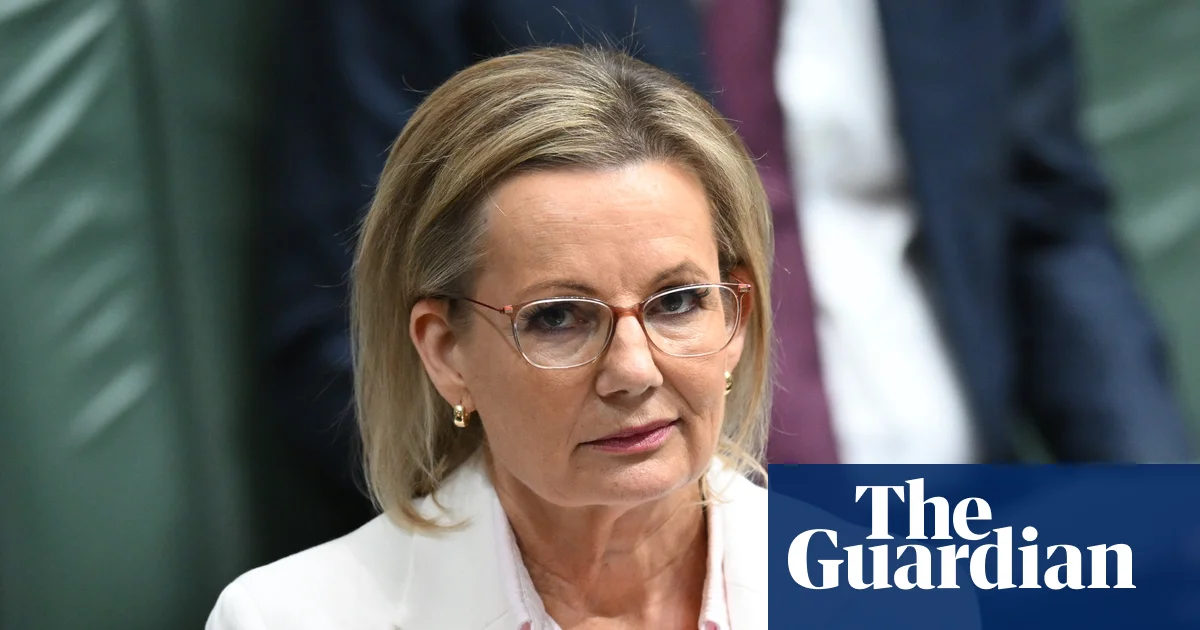
Protect Our Homes: Wake Up to Flood Risks Threatening Our Communities

The Hidden Crisis Beneath Our Feet: Paving Over Gardens and Rising Flood Risks

In a troubling revelation, recent RHS study uncovers that nearly half of UK garden spaces are now paved. This widespread transformation of private green spaces into concrete or asphalt not only diminishes biodiversity but also exacerbates environmental vulnerabilities, especially flooding. Such developments directly threaten families, local communities, and our future generations by undermining the natural resilience of our environment.

The impact extends beyond ecological concerns; it touches the very fabric of community safety and social cohesion. Surface-water flooding, now the most prevalent and least understood source of flood risk in England, places an estimated 4.6 million properties at imminent danger, according to recent reports from the Environmental Audit Committee (EAC). As climate patterns grow increasingly unpredictable, the urgent need for proactive and coordinated flood management becomes undeniable. Sociologists and environmental experts argue that the current reactive strategies are inadequate, and that the nation must adopt a comprehensive approach rooted in foresight and resilience.

Policy recommendations from the EAC and the Institution of Civil Engineers (ICE) propose tangible steps to address these escalating dangers. Among these is the establishment of a single national flood reporting and information service to enhance transparency and swift response. Furthermore, the call for a widespread flood-awareness campaign aims to educate communities about risks and necessary precautions. Central to these strategies is the implementation of Schedule 3 of the Flood and Water Management Act 2010, making sustainable drainage systems (SuDS) mandatory in all new developments. Such measures are designed not merely as reactions to crises but as preventive solutions that prioritize community safety and environmental sustainability.

These issues underscore a profound challenge: the erosion of cultural values tied to our natural environment. While policymakers grapple with infrastructure and flood mitigation, society must also confront a deeper cultural shift—recognizing that urbanization and paving over green spaces are not benign acts but choices that threaten long-term stability. For families, especially those in vulnerable communities, this means securing a future where nature and human life coexist harmoniously. For educators and community leaders, it presents an opportunity to instill values of conservation and resilience in the next generation. As sociologist Dr. Amina Patel reminds us, “A society’s strength is measured not only by its infrastructure but by its capacity to adapt and preserve its natural heritage.”

Finally, society stands at a crossroad. The decisions we make today—whether to pave over every inch of green or to invest in sustainable, community-centered solutions—will shape the landscape of tomorrow. As the shadows of increased flooding threaten our homes and our sense of safety, hope persists in the collective effort to mend what has been broken. Through resilience, innovation, and a renewed respect for nature’s delicate balance, communities can forge a future where danger gives way to hope, and chaos to order—transforming society into a resilient, cohesive whole that values both progress and preservation.

BBC Correspondents Break Down the Wins and Risks Ahead

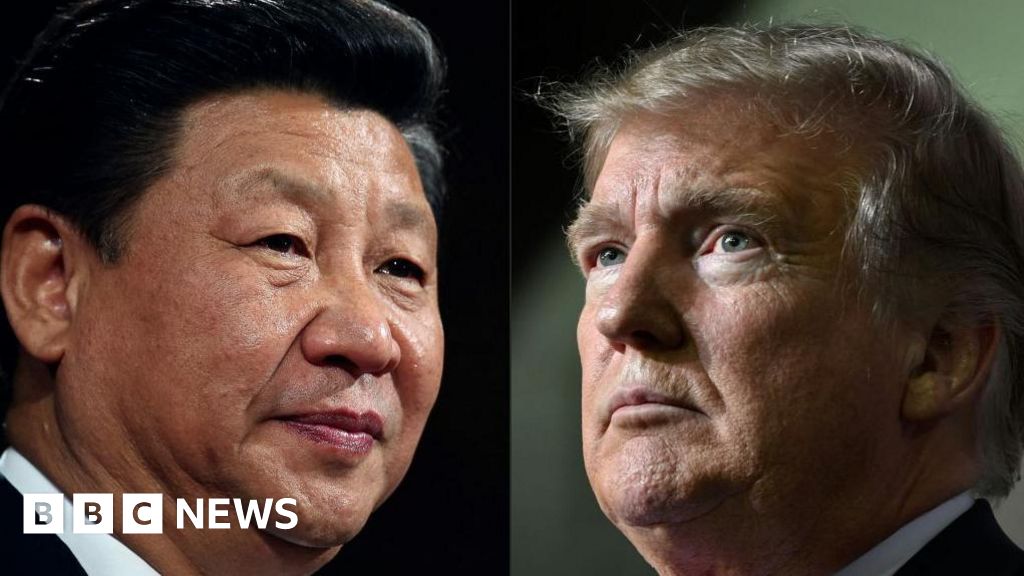
As President Donald Trump commences a landmark diplomatic tour across Asia, the world stands at a pivotal junction in geopolitical dynamics. His itinerary, which includes summits with regional leaders and a high-stakes face-to-face with Xi Jinping, epitomizes an era characterized by intense rivalry, economic brinkmanship, and strategic recalculations. At the heart of this voyage is the future of U.S.-China relations, a contest that global analysts and historians alike warn could reshape the international order for decades to come. These negotiations are not merely about tariffs or trade deficits but are emblematic of a broader struggle for supremacy in technology, influence, and geopolitical dominance.

The upcoming meeting between Trump and Xi Jinping is being scrutinized worldwide as a potential turning point—either for de-escalation or an escalation that could plunge the region into renewed tension. Experts warn that any failure to negotiate effectively could result in a prolonged trade war with devastating ripple effects across global markets and supply chains. China, having learned from previous confrontations, displays a resilience that suggests it is prepared to accept economic pain in exchange for strategic gains. As Beijing seeks to assert more control over its technology and military ambitions—particularly in AI and Taiwan-related issues—it tests the limits of the U.S.‘s willingness to enforce tariffs and strangleholds. Meanwhile, Washington views the outcome as critical to maintaining its leadership position and ensuring access to the vital rare earth materials that are indispensable for modern technology and defense systems.

Meanwhile, regional players such as Japan, Southeast Asian nations, and South Korea are anxiously watching these diplomatic chess moves. Japan’s new Prime Minister, Sanae Takaichi, faces the immediate task of forging stable ties with Trump to secure enduring trade and defense agreements, including increased U.S. military commitments. The prospects of finalizing tariff deals—particularly on automobiles—act as a litmus test not only for her leadership but for the stability of regional economic security. Asia’s manufacturing powerhouses, already strained under Trump’s tariffs, are anxiously awaiting substantive progress, knowing that economic stability hinges upon agreements that could either foster greater supply chain resilience or ignite further instability. Historically, Asia has been caught in the crossfire of superpower rivalries, but recent decisions suggest a new chapter of economic warfare and strategic assertion.

Across the wider Indo-Pacific, the impending summit also serves as a gateway for toxic diplomacy and echoes a larger saga—one that involves North Korea’s enigmatic leader, Kim Jong Un. While Trump and his regional allies flirt with the idea of diplomacy—sometimes talk of a potential summit with Kim surfaces—the real challenge lies in balancing his aggressive tariffs with the looming threat of nuclear proliferation. South Korea’s leadership, caught between economic interests and security concerns, hopes for a deal that would lower tariffs and curb North Korea’s missile ambitions without compromising regional stability. But with evidence mounting that North Korea aims to leverage its nuclear arsenal for negotiations, the prospects of peace remain precarious, further complicating an already volatile mosaic.”

As history continues to unfold amid these shifting alliances and confrontations, the world watches with bated breath. Every handshake, every agreement, and every threat carries the weight of a new chapter—one where powers clash and alliances are tested. Whether the peace forged will endure or shatter under the pressure of ambition, rivalry, and ideology, remains to be seen. In the shadow of these towering figures and monumental decisions, the true story of the 21st century is still being written, its final ink yet to dry, shaping the destiny of nations and societies both near and far.

Inexperienced British Surfer Drowns Amid Melbourne Storm as Friend Risks It All to Save Him—Australia News

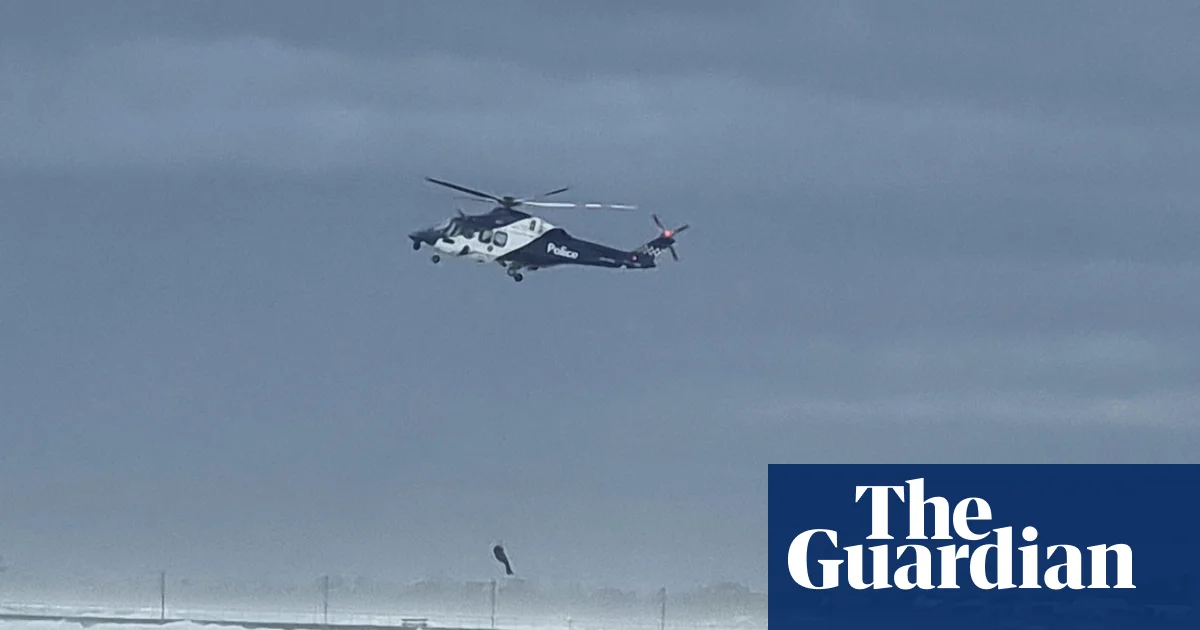
In recent days, the tragic incident off Victoria’s coast, where two men lost their lives amid severe weather conditions, serves as a somber reminder of nature’s unpredictable power. While this event unfolded locally, it echoes a broader narrative that resonates across nations—an ongoing struggle between human ambition and the irresistible forces of our planet. The young British surfer, described as inexperienced, and his companion, whose resilience was unfortunately not enough against the raging waters, highlight the dangers that extreme weather events can impose even on the most seasoned individuals. Such catastrophes have more than personal ramifications; they are harbingers of the geopolitical shifts caused by climate realities, warning policymakers and international actors alike about the escalating stakes. As resource-rich nations, especially those vulnerable to climate change, grapple with these realities, the interconnection of climate policy, economic interests, and national security becomes starkly evident.

Global organizations and national governments are increasingly faced with the challenge of balancing economic development with environmental sustainability. Many analysts, including climate scientists and geopolitical strategists, warn that the severity and frequency of extreme weather events are directly linked to climate change, driven by decades of industrialization and neglect. The incident in Victoria is not isolated but part of a pattern that complicates international relations. Countries such as China and the United States, whose vast industrial and urban centers are major contributors to emissions, face rising pressure to lead in global climate response. Meanwhile, nations in vulnerable regions, like the island nations of the Pacific, are already experiencing the harshest effects—rising sea levels, violent storms, and loss of homeland. These dynamics push the United Nations and other multilateral institutions into the spotlight, urging the implementation of binding international treaties and climate action frameworks that often stumble over sovereignty, economic priorities, and political will.

The geopolitical landscape is shifting as countries re-evaluate their strategic alliances and economic dependencies in light of environmental challenges. Historically, nations have prioritized military strength and economic growth, but today, the urgency of climate resilience is reshaping policy agendas worldwide. Countries like Russia and India are increasingly asserting their interests in securing resources vital to their sustainability—be it water, arable land, or energy sources—often at the expense of other nations’ environmental or territorial claims. Meanwhile, European nations are forging alliances aimed at climate innovation, positioning themselves as leaders in the green economy. Yet, critics argue that such shifts risk masking or delaying necessary reforms, while regional conflicts flare over access to diminishing resources. According to seasoned analysts, these patterns will intensify as climate-related stresses threaten to turn environmental issues into flashpoints for conflicts—an evolution that could redefine the very fabric of international stability.

As the tragedy at Frankston pier underscores the dangers faced during extreme weather, it also serves as an unignorable wake-up call for a world at a crossroads. The unfolding chapter of our history is being written now, with decisions made by leaders, institutions, and societies that will echo through generations. Will they choose the path of cautious diplomacy, sustainable development, and interconnectivity, or continue down a course of short-term gains and geopolitical competition? The mounting evidence suggests that the stakes are higher than ever, and the window for meaningful action narrows with each passing day. As history’s pen hovers over the page, the world must confront its worst fears and embrace a collective responsibility—before the violence of nature and the recklessness of mankind write an irreversible ending to the story of our times.

Rising Risks Ahead: Pregnant Women in England Face Growing Danger During Birth

Across England, recent data from the National Health Service (NHS) reveals a troubling trend: an increase in serious injuries sustained by pregnant women during childbirth. Specifically, the incidence of third- and fourth-degree perineal tears—known medically as obstetric anal sphincter injuries (OASI)—has risen from 25 in 1,000 in mid-2020 to 29 in 1,000 this year, a stark 16% increase. These injuries, which damage critical muscles and tissues during delivery, can leave women with long-term pain, mental health challenges, and even difficulties in intimacy and continence. Such data challenge society’s collective understanding of maternal health and threaten to undermine the very fabric of family stability and community cohesion. This rise in trauma during a moment that should symbolize new beginnings is a reflection of systemic failings that demand urgent attention, because families are fundamentally impacted when mothers are left to endure preventable injury.

While some medical professionals advocate for the widespread use of the “OASI care bundle”—a set of protocols designed to assess and reduce tear risks—compliance remains inconsistent across NHS maternity units. According to social commentators, these discrepancies highlight deeper issues rooted in resource allocation, training, and prioritization within public health institutions. Historian and sociologist Dr. Margaret Collins notes how the neglect of proper risk assessments not only endangers physical health but erodes trust in healthcare systems that should serve as pillars of societal safety and support. Moreover, the failure to apply recommended assessment protocols contributes to errors like misdiagnoses, exemplified by the recent case where a woman at the University Hospitals Sussex NHS Trust was wrongly diagnosed with a second-degree tear, ultimately suffering life-changing complications. These failures underscore how inadequate care perpetuates cycles of trauma that ripple through families and communities, shining a spotlight on the importance of accountability and moral responsibility within our healthcare framework.

The societal repercussions of maternal injuries extend beyond the individual to influence family dynamics and community stability. Injuries like OASI can induce conditions such as post-traumatic stress disorder (PTSD) and *secondary tokophobia*—a fear of pregnancy—forcing women to reconsider their desires to have additional children. Children, in turn, are affected by disrupted bonding and maternal mental health challenges; these issues threaten the core social unit—family—that sustains societal continuity. According to social worker and obstetrician Dr. Ranee Thakar, many of these injuries are treatable, yet the failure to consistently implement preventive protocols leads to avoidable suffering.

  • Inadequate assessment and intervention
  • Lack of standardized implementation of safety protocols
  • Insufficient training for care professionals

These are societal failures echoing through generations, highlighting the urgent need for systemic reform. As sociologists like John Williams argue, societal trauma manifests in family instability and workforce disengagement, ultimately weakening the social fabric.

Despite national efforts to address these issues—such as the recent audit revealing that over 3% of women experienced some form of perineal tear—challenges remain. The government asserts that improvements are underway, with healthcare authorities promising enhanced perinatal pelvic health services and increased adherence to safety protocols. Yet, the persistent rise in injuries illustrates that socio-political commitments often fall short of effecting real change. Like the unresolved societal tensions documented by historian Eric Johnson, these failures underscore how *neglect of vulnerable populations*—in this case, pregnant women—can result in a cycle of trauma that deprives communities of their future generations. As society stands at this crossroads, the question remains: will we choose to prioritize the health and dignity of mothers, or let systemic indifference continue to threaten the foundation of our families?

In conclusion, the rising incidence of severe childbirth injuries in England exposes the cracks in our societal structure. The challenge is not solely medical but moral—a collective call to protect the essence of community, tradition, and human dignity. As families grapple with the aftermath of preventable trauma, society must reflect on how systemic oversight and cultural neglect threaten the very bonds that uphold our shared humanity. With hope, systemic reforms fueled by conscientious advocacy can transform this narrative of neglect into one of resilience—restoring dignity, safety, and hope for generations to come. Society’s true strength lies in its capacity to heal, to protect, and to nurture—now and into the future.

Storm traps 1,000 climbers on Everest, spotlighting the risks of adventure tourism

The remote Tibetan slopes of Mount Everest have become the epicenter of a dramatic rescue operation prompted by an unexpected snowstorm. According to Chinese state media, nearly 1,000 adventurers and hikers stranded at campsites above 4,900 meters are now the focus of urgent relief efforts, illustrating a broader escalation in **extreme weather events** affecting the world’s highest peaks. This situation not only underscores the peril inherent in high-altitude mountaineering but also raises questions about **climate change’s** growing influence on seasonal weather patterns, which many analysts warn could make such disasters more frequent and severe.

The immediate **geopolitical impact** of these events extends beyond the natural hazards. China’s authorities have responded decisively, deploying local villagers and specialized rescue teams to clear snow and save those caught in the storm, which struck suddenly and with unprecedented intensity. The rescue efforts, including the evacuation of approximately 350 climbers—guided to safety in nearby Qudang town—highlight Beijing’s strategic leverage over Tibet, a region historically fraught with geopolitical tensions. Tibet’s **Blue Sky Rescue team** reported tents collapsing under the weight of snow, with some victims already suffering hypothermia, demonstrating the serious risks faced by those venturing into this volatile environment.

Meanwhile, the regional crisis extends into neighboring Nepal, where heavy rains have caused devastating landslides and floods, killing at least 47 people recently. The *worsening climate conditions* are straining local infrastructure, with landslide-ravaged bridges and overwhelmed rescue services becoming common scenes—that is, a vivid manifestation of how environmental degradation exacerbates **natural disasters** with geopolitical ripple effects. Such cascading crises threaten to destabilize local economies, especially those heavily reliant on tourism, as the {Tingri County Tourism Company} has suspended ticket sales for Everest, reflecting a cautious response to *unprecedented* weather patterns.

Expert analyses from historians and climate scientists warn that these **extreme weather events**, paired with *mountaineering overcrowding* and environmental degradation, may mark a turning point for the region’s geopolitics. As international organizations debate the sustainability of Everest tourism, some educators emphasize the importance of respecting natural limits while others warn of the **cost of neglecting climate warnings**. The adventurers—primarily young and ambitious—are unwittingly caught in a larger struggle that ties ecological health, regional stability, and global climate policies into a complex web. This unfolding situation mirrors other recent scenes of natural chaos, which critics argue are a silent but deadly consequence of **unchecked environmental policies** pursued by powerful nations.

As night falls over the Himalayas, the storm’s fury is a stark reminder that the world’s tallest mountain has become a symbol of nature’s unpredictable might and humanity’s fragile grasp over its environment. History is watching — every rescue, every collapse, every international response adds another chapter to the ongoing story of nations confronting climatic upheavals that threaten to redraw the geopolitical map. With the skies darkening and the earth trembling, the question remains: how many more lives will be caught in this relentless, unfolding drama before the lessons of today are etched into the history books of tomorrow?

Australia Update: AFL Grand Final Risks Queensland Measles Outbreak as Albanese Heads to UK

International Moves and Emerging Threats: The Geopolitical Landscape Shifts with Public Health and Diplomatic Developments

In an era marked by unpredictable transnational shifts, recent developments highlight the interconnectedness of health crises and geopolitical strategy. A concerning re-emergence of measles in Queensland, Australia poses a potential challenge to national stability, illustrating how health threats can ripple across borders and influence international relations. Despite Australia eradicating measles in 2014, the nation faces a resurgence intensified by declining vaccination rates—driven, as analysts suggest, by misinformation propagated in the wake of the Covid-19 pandemic. With over 120 cases registered this year alone, health authorities warn that the upcoming AFL grand final in Melbourne could become an unintended vector, as tens of thousands of fans journey from Queensland, where active cases are concentrated, to sporting venues in Victoria. Paul Griffin, director of infectious diseases at Brisbane’s Mater Hospital, emphasizes that “fleeting contact” can suffice for infection, heightening fears that the viral momentum could propel the outbreak nationally, or even internationally.

This health crisis unfolds against the backdrop of major diplomatic efforts by Anthony Albanese, Australia’s Prime Minister, who recently concluded a diplomatic tour in New York, emphasizing the strategic importance of alliances like AUKUS. Notably, the UK has commissioned its sixth SSN-Aukus submarine—an advanced nuclear-powered attack craft—intended to replace its dwindling fleet by the late 2030s. The timing of this deployment is critical; the submarine, which was commissioned ahead of schedule, signifies a shift in naval power projection that directly impacts Australia, whose naval base in Perth will host rotating submarines from 2027. Such rapid military advancements underscore a broader shift in regional power balances, with Australia increasingly encompassed within a new security paradigm driven by Western allies amid mounting regional tensions. Albanese’s diplomatic engagements in London and later in the UAE, where he will discuss a comprehensive economic partnership, reflect a clear intent to deepen international ties and bolster security commitments in the Indo-Pacific. Meanwhile, analysts note that discussions with UK and US officials increasingly revolve around tactics to counterbalance emerging adversaries, including the unpredictable posture of China and the rhetoric of Russia.

These intertwined developments reveal a geostrategic landscape where health crises transcend borders, carrying implications that extend well beyond mere epidemiology, and where diplomatic initiatives are synchronized against a backdrop of rising competition and uncertainty. Historians point to the resurgence of diseases like measles as a symptom of broader societal complacency—an erosion of collective responsibility amidst misinformation campaigns that weaken public health infrastructures. Simultaneously, international organizations warn that failure to maintain integrated health policies could undermine long-term regional stability, especially as military diplomacy—embracing new submarines and modernized fleets—advances rapidly. As Oxford historians argue, the current moment is a turning point in global history, revealing how resilience depends on balancing health, military readiness, and diplomacy.

In the convergence of these narratives—public health crises and geopolitical maneuvers—lies a stark lesson: history remains a dynamic and unfolding story. Decisions made today will reverberate through the corridors of power and across the streets of societies yet to be shaped. The outbreak in Australia serves as a solemn reminder that in geopolitics, as in health, complacency bears price, and uncertainties demand vigilance. As the world watches, the weight of history presses closer, reminding us that the choices made in these moments are the gates through which future generations will pass—whether into decline or renewal.

Social Media Auto Publish Powered By : XYZScripts.com