Matox News

Truth Over Trends, always!

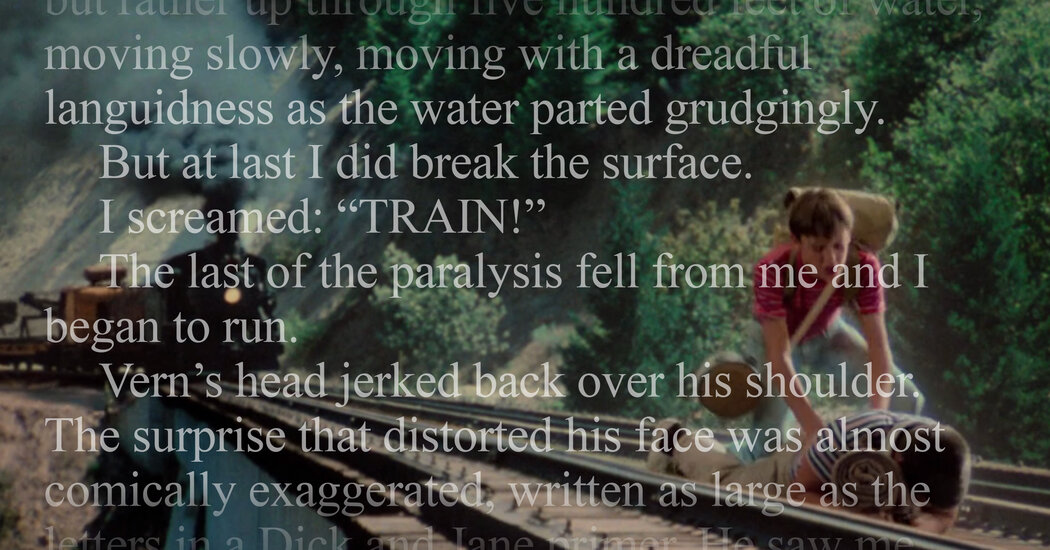
Wil Wheaton Reflects on ‘Stand By Me’ and His Journey Narrating ‘The Body’ Audiobook

In a rapidly shifting landscape of technological innovation and global interconnectedness, the bedrock of a society’s cohesion remains rooted in its culture—those collective stories, traditions, and narratives that define who we are and where we come from. Culture serves as both memory and prophecy, grounding individuals within a web of shared history while also pointing toward future possibilities. From the narratives of ancient civilizations to the blockbuster films of contemporary cinema, our cultural icons and stories are not mere entertainment; they are vital expressions of our identity, shaping and reaffirming the values that bind society together.

Philosophers such as Ortega y Gasset have long emphasized that “people’s lives are narratives,” highlighting the importance of cultural storytelling in constructing the human experience. The stories we tell—whether through literature, film, or music—embody the moral and spiritual compass of a society. Consider the story of Rob Reiner’s “Stand by Me”, which captures the innocence and turbulences of childhood, while subtly reflecting the societal tensions of its era. Wheaton, who portrayed the reflective and sensitive Gordie Lachance, channels not just his own memories but the collective nostalgia of a generation. His narration of Stephen King’s “The Body” is more than an audiobook; it is a vessel for cultural memory, emphasizing that these stories are repositories of our shared humanity, holding within them lessons of loss, innocence, and resilience.

Historian Alexis de Tocqueville observed that American democracy thrived because of its capacity to generate a shared sense of purpose through culture and community—a unifying folklore that binds the individual to the collective. Today, as we face cultural fragmentation, these stories stay essential, acting as cultural anchors that preserve societal continuity. Yet, they also become prophetic, signaling the future as they echo with the wisdom of generations past. As Chesterton might suggest, the enduring stories of our culture are not static relics of the past but living entities that continually shape the moral and aesthetic contours of society. Moreover, they remind us that at the core of civilization lies the quest for meaning, which can only be articulated through the shared language of culture.

In an era obsessed with superficial spectacle, it is crucial to remember that culture is the most profound expression of human agency. It is the language in which society’s values are encoded and transmitted, often through stories that oscillate between humor and tragedy. Wheaton’s narration of “The Body” exemplifies this— the narrative’s humor and tenderness serve to release tension while intensifying its emotional stakes. Ultimately, as T.S. Eliot conveyed, “The past [is] a repeating of the future”—a poetic reminder that our cultural memory informs our collective prophecy. Through stories of childhood friendships, loss, and hope, we glimpse not only the scars but also the enduring resilience of humanity, hinting at what we might become when we preserve our cultural narrative.

In the end, culture is both the echo of what was and the whisper of what might be—a testament that humanity, like the stories we tell, is an ongoing mosaic of memory and prophecy, forever unfolding in the liminal space between past and future.
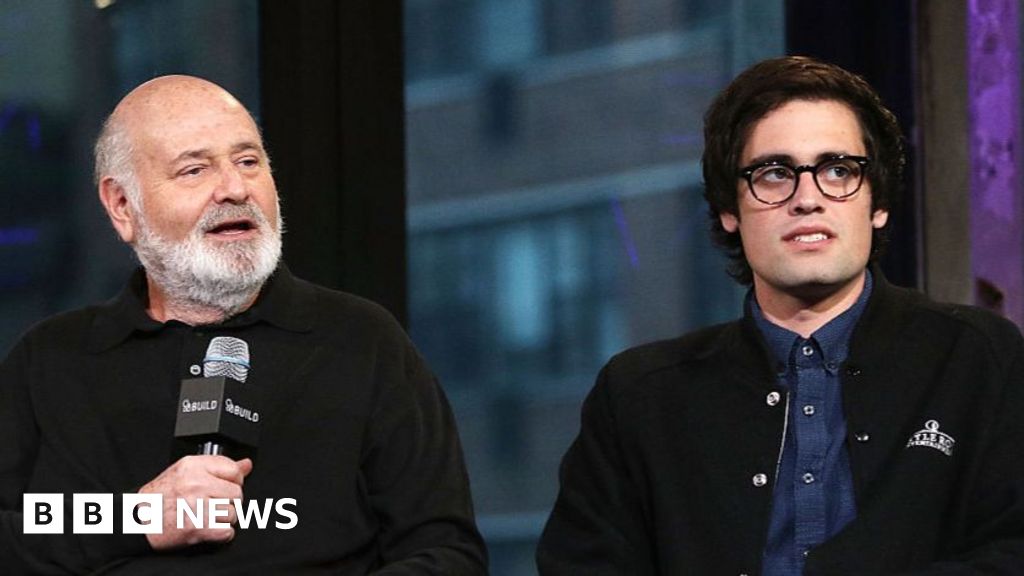
Nick Reiner, Son of Filmmaker Rob Reiner, Detained in Connection with Tragic Deaths of His Father and Wife

In a world increasingly detached from its roots, culture remains the vital mirror and prophetic voice of a society’s soul. It is through enduring works, shared traditions, and collective memory that communities find their identity—an anchor in chaos and a blueprint for the future. Today’s cultural landscape, whether through the lens of cinema, literature, or art, continues to serve as both a repository of historical truth and a vessel of moral guidance. As Ortega y Gasset observed, society’s vitality depends on its capacity to preserve its racion, its reasoned continuity, against the erosive forces of nihilism and superficiality.

Yet, recent tragedies starkly remind us of culture’s delicate role in shaping character and society’s moral fabric. The shocking murder of Rob Reiner’s family in Los Angeles underscores how even the most iconic and celebrated—those etched into the collective consciousness as creators of cultural milestones—are not immune to the darkness lurking in the human condition. Rob Reiner, a notable figure in American cinema whose works like When Harry Met Sally and This Is Spinal Tap have become cultural landmarks, was reminded that behind the shield of fame and success lies the ongoing challenge of moral stability. The loss of his wife Michelle, and the tragic suspicion surrounding his son Nick, have reignited pressing questions about the inner struggles that threaten to unravel even the most celebrated families.

Once, as Chesterton noted, society was anchored in the “drama of the ordinary”—families, faiths, traditions—all serving as moral anchors. Today, the chaos within individual hearts often spills over into the social fabric, revealing that culture is more than entertainment; it is the moral architecture of civilization. In our cultural discourse, we witness the tension between the creators of meaning and the forces of dissolution. The tragic circumstances surrounding Reiner’s family echo a broader truth expressed by thinkers like Tocqueville: that society’s strength depends on its capacity to uphold moral virtues amid the allure of consumerism and moral relativism. Our art, our stories, and our shared history serve not only as memories but as prophecies of what humanity can become—either uplifted or destroyed by its own moral choices.

  • The enduring influence of cinema and literature as vessels of cultural memory, shaping notions of heroism, morality, and beauty.
  • The importance of tradition as a safeguard against chaos and a beacon guiding future generations.
  • The role of public figures as moral exemplars or warning signs in the collective conscience.

As T.S. Eliot mused, “Between the idea and the reality falls the shadow”—a reminder that culture’s true power lies in its ability to illuminate the shadowy depths of human nature, revealing truths that instruct and inspire. Our contemporary challenges—moral, spiritual, or societal—are rooted in the same fundamental question: can culture be the foundation upon which we build a society worthy of human dignity? Or will it succumb to the transient idols of superficiality? The tragic loss of Rob Reiner’s loved ones serves as a stark reminder that beneath the veneer of fame, the moral backbone of society must be constantly reaffirmed. Because in the end, culture is both our collective memory and the prophecy of our highest aspirations, whispering that human greatness is neither accidental nor inevitable, but cultivated through shared stories, traditions, and moral resolve.

Yet, even amid tragedy, there remains a whisper—a voice that echoes through history, urging us to see culture not merely as entertainment but as the living memory and prophetic voice of humankind. As we navigate the shadows of our times, let us remember that the true art of society lies in its capacity to preserve its soul—writing its stories into the eternal fabric of time. It is this memory and prophecy intertwined that forge the enduring spirit of civilization, a testament that from the depths of darkness can still arise the radiant promise of human dignity.

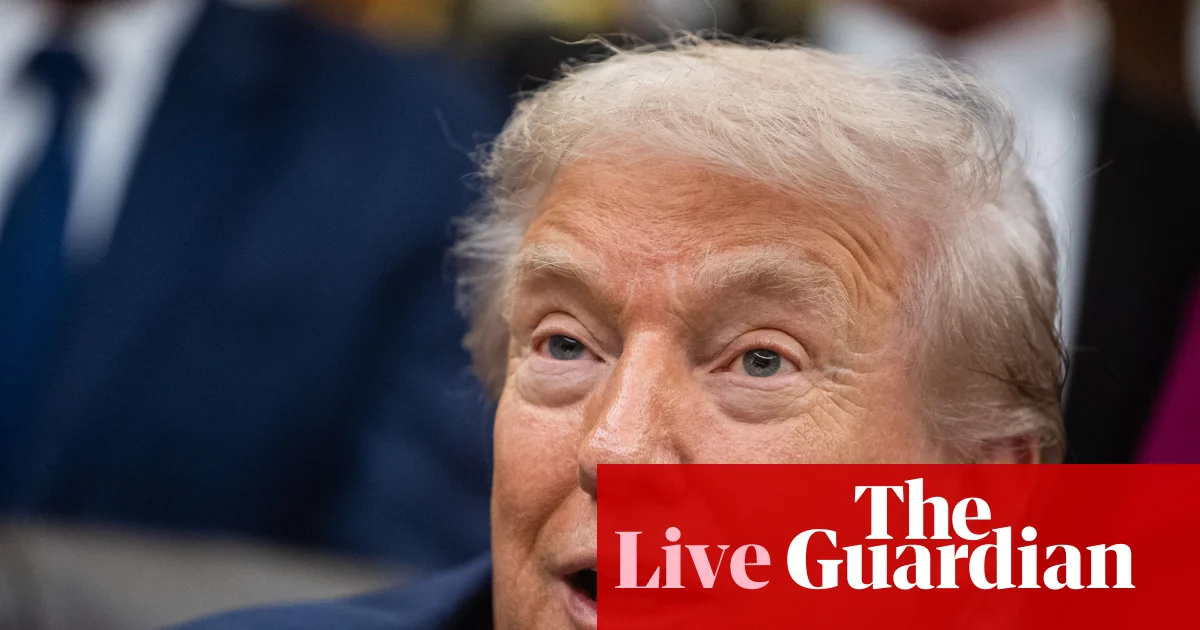
Trump faces backlash over controversial comments on Rob Reiner and wife Michele – latest updates

The international stage continues to unravel in a complex tapestry of diplomacy, conflict, and political posturing. The recent developments surrounding Ukraine and U.S. negotiations underscore the persistent drive for peace amid ongoing territorial disputes. According to Ukraine’s top negotiator, Rustem Umerov, there have been “constructive and productive” talks, with hopes of forging a lasting peace. Yet, behind these diplomatic efforts lie intractable issues, notably the contested control of Donetsk and Luhansk regions, which remain pivotal in the broader conflict. Analysts from various think tanks and international organizations warn that unresolved territorial disputes could prolong the war, with repercussions that ripple far beyond Eastern Europe.

Meanwhile, the U.S. continues to exert influence over Ukraine’s territorial negotiations, demanding that Kyiv cede control of the Donbas regions as a precondition for peace talks. Reports from Reuters and AFP reveal that US negotiators are maintaining this stance, asserting that Russia’s primary objective is to reclaim territory—an assertion that Kyiv vehemently rejects. This insistence by Washington reflects a deeper strategic positioning, revealing how geopolitical interests are entwined with territorial sovereignty. In stark contrast, Russian President Vladimir Putin is said to prioritize territorial expansion, seeking to consolidate control over areas critical to Russia’s national security. The conflicting demands exemplify a broader chess game involving multiple nations, each vying to shape the future of a region that increasingly symbolizes the battleground of post-Cold War influence.

The European leaders, led by Friedrich Merz of Germany, actively participate in these talks, hosting discussions with Ukrainian President Volodymyr Zelenskyy and other key figures. The presence of Trump’s envoy, Steve Witkoff, and Jared Kushner underscores the continued interest from U.S. factions seeking a role in resolving the conflict — although their involvement is contentious amidst concerns over biases and diplomatic effectiveness. This dynamic illustrates the shifting boundaries of influence and the perilous dance of diplomacy in a Europe teetering on the edge of prolonged instability.

Simultaneously, domestic policy debates in America reveal a nation deeply divided on how to approach foreign conflicts and internal crises. Notably, the rhetoric of Donald Trump and Ilhan Omar exemplifies the tumult within U.S. politics—ranging from accusations of “disgusting” statements to allegations of government overreach. Recent reports highlight Trump’s plans to sign executive orders reclassifying marijuana, signaling a possible pivot that could reshape America’s drug policy landscape. Yet, as analysts warn, these decisions carry profound implications for international perceptions of U.S. stability and leadership in safeguarding democratic values.

In this ever-unfolding chapter of history, the fate of nations hangs precariously in the balance. As Ukraine‘s leaders wrestle with territorial sovereignty and U.S. policymakers grapple with internal divisions, the echoes of past conflicts and missed opportunities reverberate across continents. The meticulous power struggles and diplomatic negotiations of today are but threads woven into the larger fabric of history—each decision, each bold move, shaping the future of global stability. As world leaders convene in Berlin and elsewhere, the question remains: how long can the fragile veneer of peace hold before the next chapter of conflict demands its place in the annals of history?

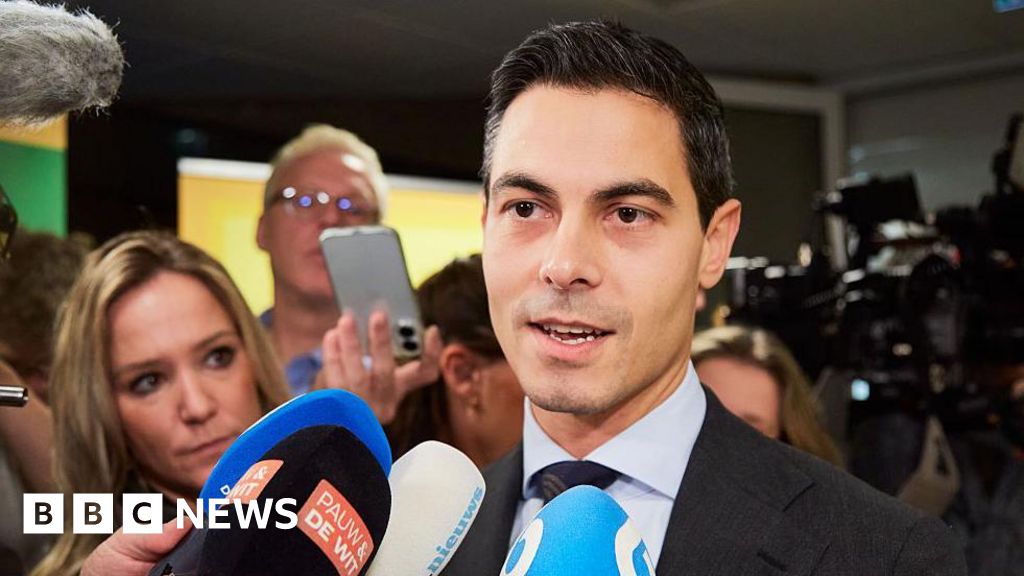
Rob Jetten’s Centrist Party Surges in Close Dutch Election, Youth Support Grows

In a significant turn of events that could ripple across the European Union and beyond, Rob Jetten and his centrist liberal party, Democrats 66 (D66), have narrowly edged out Geert Wilders of the Freedom Party in the recent Dutch general election. With projections indicating Jetten’s victory, this result signifies more than just a local political shift; it signals a potential recalibration of the Netherlands’ stance within the EU and its approach to overarching international alliances. Although Wilders had led opinion polls prior to election day, the final tally reveals that Jetten’s positive, unity-focused campaign strategy succeeded in consolidating vital city votes across Rotterdam, The Hague, and Utrecht. Projected at 26 seats with potential to reach 27, Jetten’s narrow majority underscores a fragile political landscape—a delicate balance that, if maintained, could influence European policy trajectories for years to come.

According to election officials and international analysts, Jetten’s victory is emblematic of a broader regional shift away from populist anti-immigration narratives promoted by Wilders. The Dutch electoral landscape now moves toward a coalition-building process requiring strategic alliances with conservative, left-wing, and centrist parties—a process fraught with complexity and potential delays. Historically, such multi-party negotiations in the Netherlands have taken months, often stalling reforms at critical junctures. International organizations like the European Parliament are watching closely, as shifts in Dutch leadership have historically impacted EU cohesion, especially on immigration, climate policy, and security initiatives. If Jetten, at just 38, becomes the youngest prime minister in Dutch history, his governance could herald a new era emphasizing pragmatic centrism, which analysts claim may soften some of the more radical EU populist waves but also risk alienating voters disappointed by the protracted coalition process.

From a geopolitical impact perspective, the election outcome serves as a geopolitical ballast, balancing internal European pressures with external threats. With Russia’s continued assertiveness in Eastern Europe and rising tensions over immigration, the Netherlands’ political orientation carries weight beyond its borders. European diplomats and foreign policy experts warn that a stable, centrist Dutch government might serve as a moderating influence on EU foreign policy, especially concerning the ongoing Ukraine conflict and relations with China. Conversely, a prolonged coalition formation process, as predicted by observers like former Dutch Prime Minister Dick Schoof, could leave the country vulnerable to external pressures—a scenario that history warns could embolden adversarial actors seeking to exploit political uncertainty in key EU states. The delicate dance of Dutch votes thus holds the power to tilt the continent’s geopolitical balance—an unfolding saga with ramifications far exceeding borders.

As history continues to write itself in real-time, the victory of Jetten’s centrists over Wilders’ populists reminds the international community that the currents shaping our future are often determined quietly—yet profoundly—in the ballot boxes of small nations like the Netherlands. The coming months will reveal whether Jetten’s coalition can finally forge a stable government, capable of confronting the pressing crises of our era, or whether internal missteps could usher in a new wave of uncertainty. With each vote, society writes a page into the difficult narrative of democracy—its contours swirling with ambition, fear, hope, and the relentless pursuit of stability amidst the chaos of a tumultuous age. For now, the world watches with bated breath, aware that this story—this pivotal chapter—has only just begun to unfold.”

Social Media Auto Publish Powered By : XYZScripts.com