Matox News

Truth Over Trends, always!

Macron backs EU AI rules, pledges swift action against online child abuse

Europe and France Assert Leadership in AI Safety Amid Global Contest

In a rapidly evolving global landscape dominated by artificial intelligence advancements, Europe and France are positioning themselves as formidable frontrunners in establishing a balanced approach to regulation and innovation. During the recent G7 summit hosted by France, President Emmanuel Macron boldly defended Europe’s commitment to safeguarding children and promoting responsible AI development. His remarks come amidst mounting international concern over the unchecked proliferation of AI-generated content, especially concerning the exploitation of minors and the concentration of power within a handful of US and Chinese tech giants. Macron’s advocacy for robust safeguards signals a clear intention to champion a safe and innovative digital future—an agenda that resonates across democracies weary of reckless techno-capitalism fueling societal vulnerabilities.

International observers, including the United Nations Secretary General António Guterres, have underscored the urgency of global cooperation, emphasizing that “no child should be a test subject for unregulated AI.” The UN’s stance — echoing concerns raised by child safety advocates and cybersecurity researchers — underscores that AI must be “the property of everyone,” not just a domain of corporate or geopolitical interests. Meanwhile, Bill Gates, prominently scheduled to speak at the conference, withdrew suddenly amid revelations regarding his controversial past associations, illuminating broader debates around accountability in the AI industry. Critics argue that true progress hinges on transparency and moral responsibility, realities often sidelined by the concentration of AI development within American and Chinese tech conglomerates, which control the lion’s share of the world’s most advanced models.

Decisions on Regulation Will Define Power and Influence in the 21st Century

Amid these debates, the European Union remains at the forefront with its AI Act, a comprehensive regulatory framework aimed at curbing abuses and ensuring human-centric AI development. European leaders, including Macron, emphasize that regulation does not stifle innovation but rather cultivates a safer environment where progress can flourish sustainably. Critics from the White House—like senior adviser Sriram Krishnan—have voiced opposition, arguing that restrictive legislation hampers entrepreneurial spirit. Yet, as historians highlight, history demonstrates that unchecked technological power can lead to societal destabilization, especially when AI technologies morph into tools for manipulation or surveillance. UNICEF and Interpol reports reveal a deeply troubling trend: over 1.2 million children have been victims of sexually explicit deepfakes, exposing the dark underbelly of AI misuse. Such alarming findings underscore the crucial need for vigilant regulation and international cooperation, so that societies do not pay the ultimate price for corporate greed or geopolitical ambitions.

Meanwhile, global powers like India seek to carve out their rightful place on the AI stage. With ambitious plans to invest over $15 billion in data centers and infrastructure, India under Prime Minister Modi aims to become a major AI hub, leveraging its vast population as both a growth market and a testing ground for emerging technologies. Modi’s call for “established levels of authenticity” for online content illustrates a strategic move to prevent AI monopolies from consolidating control—especially at a time when US models remain fiercely proprietary and opaque, while Chinese systems like DeepSeek and Qwen are often more open-source and adaptable. Such divergences not only impact technological sovereignty but also signal a new era of geopolitical contest, where AI’s strategic value could shape the future balance of power.

The Face of a New World Order Emerges

The unfolding debate over regulation, transparency, and moral accountability marks a pivotal juncture in history—one where the fabric of society, sovereignty, and individual rights hang in the balance. As world leaders and tech titans grapple with the profound responsibilities imposed by AI’s limitless potential, the decisions made today will echo throughout generations. With each new directive, each law, and each technological breakthrough, humanity strides into an uncertain dawn—where the fate of countless lives and the ideals of freedom, safety, and truth are intricately intertwined. In these tumultuous moments of technological revolution, the true measure of a civilization’s resilience lies not only in its innovations but in its unwavering commitment to safeguarding its people from the unseen dangers lurking within the code of the digital age. The history of tomorrow is being written now; the question remains—will it be a future of liberty and safe progress or one of control and chaos? Only time will tell, and the pages of history are still turning.
Senate OKs Deal to Keep Government Open and Tackle ICE Rules

The United States faces a pivotal juncture as the Senate has approved a crucial government funding package amidst rising domestic turmoil. The approval, in a 71-29 vote, signals an unusual moment of bipartisanship, reflecting the heightened tensions surrounding nationwide debates over immigration enforcement and the role of federal agencies such as ICE. This legislative maneuver comes against the backdrop of a series of tragic incidents, notably the deaths of Alex Pretti and Renee Good—both American citizens killed amidst federal police operations in Minneapolis. These events have ignited debate over police and enforcement accountability, exposing the complex intersection of immigration policies and civil rights, and highlighting the potential long-term geopolitical impact of American internal conflicts.

Despite the Senate’s convergence, the legislation faces uncertainty in the House of Representatives, which is currently out of session. A looming partial shutdown threatens to paralyze government functions if disagreements persist. As the Biden administration and Republican lawmakers grapple over DHS funding and reforms, many Democrats are pushing for reforms that would impose transparency and accountability measures—such as mandatory body cameras and restrictions on aggressive patrol tactics. Historians and analysts warn that these internal struggles may not merely affect domestic governance but could ripple globally by undermining the perceived stability and moral authority of America on the world stage. The ongoing debate underscores an enduring truth: that internal American conflicts often serve as a mirror for geopolitical shifts, especially with rival powers like China and Russia closely watching.

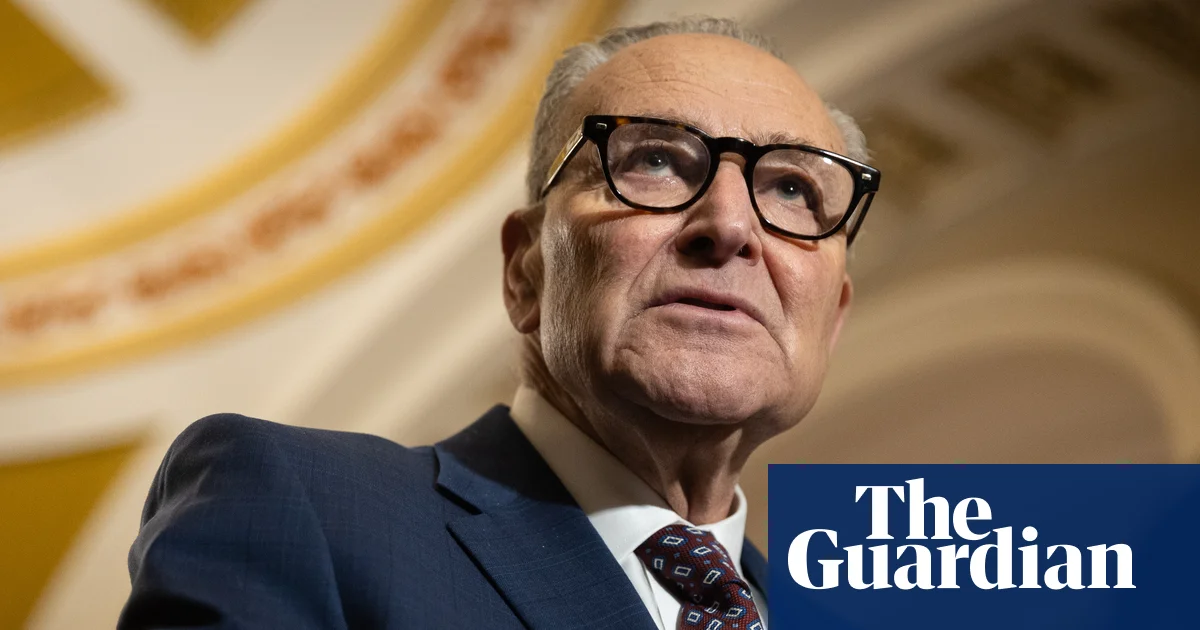
In an intriguing twist, prominent figures like Senator Bernie Sanders sought to reallocate military-grade funds toward domestic priorities like healthcare, symbolizing a broader contest over America’s resource allocation and values. While the Senate approved the budget with bipartisan support, division persists, especially among Republicans eager to attach conservative legislation such as the Save Act. The possible inclusion of restrictive voting laws and other conservative measures threaten to deepen the internal divide, with analysts warning that the outcome will shape America’s future on multiple levels. As Senator Schumer advocates for targeted reforms, Republicans warn that any capitulation to progressive demands could fracture their fragile majority—raising fears that a failure to unify might not only cause a shutdown but also signal a broader political realignment.

Meanwhile, the global implications of this domestic crisis are profound. China and Russia observe these power struggles with keen interest, recognizing that American internal divisions weaken the nation’s capacity to project power and influence. The bipartisan disagreements over immigration enforcement and government spending highlight how internal reform debates serve as a precursor to broader geopolitical trends. As former historians and international observers warn, these internal fissures threaten to diminish America’s standing on the global stage, emboldening adversaries and testing alliances with traditional partners. The current crisis is not merely about budget bills—it is a mirror reflecting the profound uncertainties looming over the world’s most powerful democracy. History remains unwritten, and the weight of the future now hangs heavily in the balance, as the US edges closer to another defining moment in its tumultuous saga.

Trump admin hints it may back off from challenging state AI rules

U.S. Federal Push to Standardize AI Regulation Sparks Industry Debate

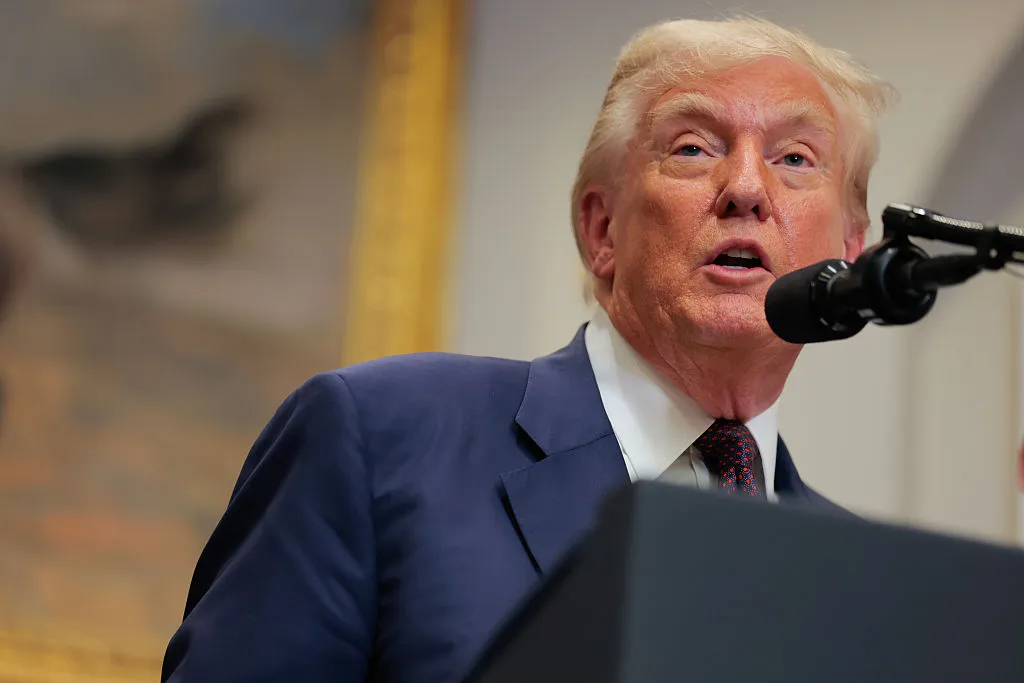
The current trajectory of artificial intelligence (AI) regulation in the United States signals a pivotal shift toward centralized oversight, with the Trump administration advocating for a unified federal standard. In a recent social media post, former President Donald Trump emphasized the necessity of moving away from a patchwork of state-level laws, calling for “one Federal Standard” to streamline AI governance. This initiative underscores a major departure from the decentralized regulatory landscape that has characterized the industry, potentially setting a precedent for how innovation will be managed at the national level.

Historically, the idea of a federal approach was rooted in the administration’s earlier legislative attempts, such as the proposed “Big Beautiful Bill,” which included a decade-long ban on state AI regulations—a measure seeking to preempt local restrictions and foster nationwide industry growth. Although this specific measure was ultimately removed by the Senate in a rare bipartisan vote (99-1), the renewed push signals an urgent effort to suppress what industry insiders see as disruptive, often inconsistent, state laws that could stifle technological innovation and market expansion. The move appears to be motivated by fear of regulatory fragmentation impeding the competitive edge of American AI firms against global rivals, particularly China and Europe, which are investing heavily in setting comprehensive AI standards.

Disruption Strategies: Litigation and Funding Leverage

According to reports from CNBC and Reuters, the administration is considering aggressive tactics to enforce federal dominance, including the drafting of an executive order that would create an AI Litigation Task Force. This body would have the authority to challenge state-level AI laws through lawsuits, potentially disrupting local jurisdictions that seek to implement their own regulations. Additionally, the executive order aimed to wield financial influence by threatening to withhold crucial federal broadband funding from states that resist federal standards, a move interpreted as a strategic effort to consolidate control over the AI ecosystem.

  • Milestones: Drafting of executive orders aimed at legal challenges
  • Tools: Federal funding leverage to influence state policies
  • Implications: Disruption of grassroots and local innovation efforts

Such aggressive measures, however, face mounting opposition within Congress and the private sector. Notably, Republican lawmakers—who previously criticized a proposed moratorium on state AI regulation—are wary of overreach and the potential stifling of regional innovation hubs. The political pushback reflects tension between fostering innovation freedom and ensuring national security and ethical standards in AI deployment. Major industry analysts, including those from Gartner, warn that such centralized control may hinder disruptive innovation in emerging AI sectors such as autonomous vehicles, biotech, and cybersecurity tools.

Business Implications and the Future Trajectory

The strategic push for federal AI regulation could reshape the American tech landscape, positioning the United States as a global leader in setting standards—yet risking environmental and entrepreneurial stagnation. Firms based in states wary of federal overreach—like California and Texas—may face increased regulatory uncertainty, potentially forcing relocations or strategic shifts in R&D investments. Behind the scenes, industry giants like OpenAI and Tesla are closely monitoring the legislative environment, knowing that heavy-handed regulation could either hinder innovation or provide clarity that accelerates deployment and commercialization of breakthrough AI products.

The trajectory of AI regulation in the U.S. is emblematic of the broader disruption the industry faces—balancing top-down governance with bottom-up innovation. As political actors and industry leaders scramble to define the rules of the game, the collective impact will determine whether America maintains its technological dominance or surrenders ground to more agile, less regulated competitors. Forward-looking executives, investors, and technologists should be prepared for rapid shifts, driven by policy decisions that could either catalyze or constrain the next wave of AI breakthroughs. With technology advancing at breakneck speed, the window for strategic positioning is narrow, making the next few months critical for shaping the future of AI governance and its business implications.

Trump’s FCC drops cybersecurity rules amid Chinese hack fears — a bold move for youth, tech, and free markets

FCC’s Cybersecurity Rollback Sparks Industry Disruption and Security Concerns

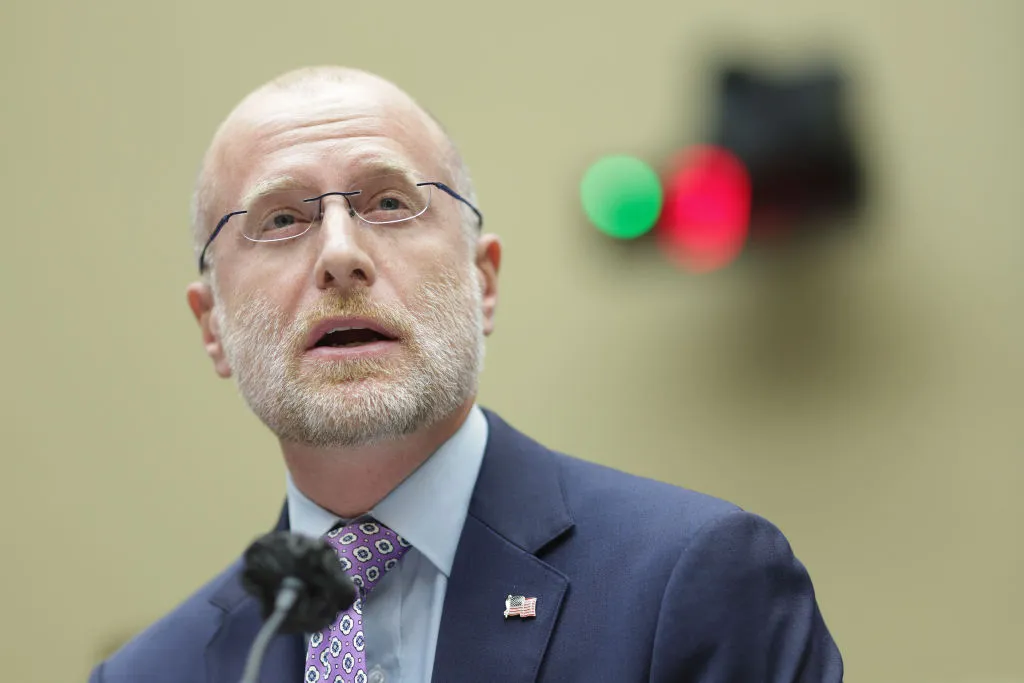
In a bold move signaling a shift in U.S. telecommunications policy, the Federal Communications Commission (FCC) voted 2-1 along partisan lines to rescind critical cybersecurity regulations previously enacted under the Biden administration. The decision, championed by the FCC’s two Republican commissioners, Brendan Carr and Olivia Trusty, effectively removes mandatory security standards aimed at safeguarding phone and internet networks from unlawful access and cyber threats. This strategic rollback aligns with a broader trend of deregulation in the tech sector, emphasizing market-led resilience over prescriptive government intervention.

The regulatory shift arrives amidst an escalating threat landscape, notably exemplified by the Salt Typhoon hacking campaign attributed to China-backed adversaries. This sophisticated operation compromised over 200 US telecommunications firms, including giants such as AT&T, Verizon, and Lumen. Hackers targeted fundamental infrastructure, including wiretap and surveillance systems mandated for law enforcement, exposing the fragility of existing security protocols. Industry analysts, including Gartner and MIT cybersecurity experts, warn that such vulnerabilities could be exploited further if regulatory oversight diminishes.

Adding complexity to the industry’s response are divergent opinions among policymakers. Democratic FCC commissioner Anna Gomez opposed the rollback, arguing it reverses the only meaningful cybersecurity efforts against nation-state cyber espionage. Critical voices, including Senators Gary Peters and Mark Warner, expressed alarm that deregulation will undermine national security, leaving critical communication channels exposed. Their assertions underscore a persistent industry question: Will market forces alone suffice to defend against increasingly sophisticated cyber threats, or is strategic regulation indispensable? Conversely, the NCTA, representing the telecommunications industry, welcomed the move, asserting that the existing rules were overly prescriptive and hampered innovation.

From a technological perspective, this deregulation potentially signals a disruptive phase for the industry, where innovation, rather than regulation, becomes the primary driver of security advancements. Cutting-edge solutions—such as AI-powered anomaly detection, blockchain-based integrity checks, and decentralized security architectures—are poised to redefine cybersecurity landscapes. Disruption driven by market competition could accelerate the deployment of these technologies, positioning nimble firms as leaders in the new security paradigm. Notable industry figures, including Elon Musk and Peter Thiel, have long championed decentralized innovation—foreshadowing a future where private entities spearhead cybersecurity guardrails, rather than bureaucratic mandates.

Looking forward, the industry faces a pivotal moment: balancing innovation and disruption with the safeguarding of national security interests. Policymakers, industry leaders, and technologists must collaborate to ensure that market-driven solutions do not come at the expense of foundational infrastructure resilience. As hackers refine their methods and geopolitical tensions escalate, the window narrows for meaningful action. The future of U.S. cybersecurity in telecommunications depends on adopting a proactive, forward-thinking approach that leverages technological innovation while maintaining robust safeguards—an urgent call for strategic agility in an increasingly volatile digital landscape. The coming months will determine whether deregulation fosters a pioneering security ecosystem or exposes critical vulnerabilities, with profound implications for the global tech frontier.

Andy Burnham Urges Labour to Drop Restrictive Asylum Rules — UK Politics Live

The UK’s Political and Immigration Innovations Signal a Shift in Global Power Dynamics

In an era characterized by relentless geopolitical transformation, the United Kingdom stands at a critical crossroads. Recent decisions emanating from Westminster exemplify a broader trend among Western nations striving to redefine their social fabric and geopolitical influence. The UK’s immigration policy reforms, coupled with efforts to reshape its political landscape, underscore a strategic repositioning—aimed at bolstering national sovereignty and economic resilience amid the evolving international order.

Central to these developments is Home Secretary Shabana Mahmood’s announcement of dramatic changes in migration rules. These measures, set to double the waiting period for indefinite leave to remain from five to ten years, and enforce stricter language and criminal record requirements, signal the government’s intent to prioritize control over sovereignty and social stability. Analysts like Dr. James Tennant, a geopolitical strategist, argue that such policies are designed to reinforce national borders against the destabilizing influxes that characterize unchecked migration flows. In essence, these reforms are not merely domestic adjustments but a calculated move to assert post-Brexit independence, signaling to global actors that the UK will prioritize sovereignty over open borders.

Yet, this shift is not happening in isolation. Andy Burnham, the mayor of Greater Manchester, reflected widespread sentiment among pragmatic leaders who see the long-term implications. Burnham, a prominent figure vying for Labour leadership, explicitly voiced concern over the proposed 20-year waiting period for settlement—highlighting how prolonged limbo could hinder national integration efforts and strain public resources. His stance exemplifies the mounting tension between those advocating for controlled immigration and those emphasizing social cohesion and economic stability. The ongoing debate vividly illustrates how internal policies are grappling with the geopolitical need to project strength while maintaining societal resilience.

Furthermore, the broader international context amplifies the significance of these shifts. Many analysts, including members of the International Institute for Strategic Studies (IISS), interpret these measures as part of a strategic calculus—aimed not only at bolstering domestic security but also at asserting the UK’s post-pandemic global stance. This recalibrated approach suggests a move away from the legacy of open-door policies, favoring instead a model aligned with traditional nationalist principles. Historically, nations that have prioritized sovereignty and robust border controls have often repositioned themselves to wield greater influence in global affairs. The UK’s renewed focus on internal control reflects a desire to reassert its influence in an increasingly multipolar world—balancing relationships with peer powers and regional allies.

As history continues to unfold, these decisions evoke echoes of earlier moments—when nations chose sovereignty over globalization. From the unrest of post-war Europe to the rise of nationalist movements, the trajectory of nations often hinges on their leadership’s willingness to assert control amidst international chaos. Historians warn that such policies, if poorly managed, could deepen societal divisions or provoke retaliatory measures from trading partners. Nonetheless, the current course signals that **the UK is eager to carve an independent path**, shaping a future where its influence is defined less by its proximity to Bruxelles and more by its strategic national interests.

The stakes are monumental. As Britain crafts its new identity—leaning into strength, sovereignty, and renewed national pride—the world watches with bated breath. The decisions taken today are not isolated; they are the threads woven into the fabric of history, setting a precedent for how nations respond to a shifting global landscape. In the shadows of these policies lies the promise—and peril—of a future shaped by bold choices. History’s pen continues to write, and the pages ahead will reveal whether Britain’s gamble will forge resilience or deepen its divisions. Either way, the unfolding story will mark a defining epoch in international history.

Jury Rules Apple Must Pay $634M to Masimo for Patent Violation

Innovation vs. IP Rights: Apple’s Blood Oxygen Monitoring Technology and the Disruption of Market Boundaries

The recent ruling by a federal jury in California, mandating that Apple pay Masimo $634 million for patent infringement, underscores a pivotal moment in the ongoing battle over innovation in wearable health tech. The case centers on the fundamental blood oxygen monitoring technology—a feature that has become increasingly crucial as consumers demand health-centric functionalities integrated into smart devices. This verdict marks a significant disruption, potentially reshaping how tech giants approach intellectual property rights and innovation strategies in the rapidly evolving health wearables sector.

Masimo, a pioneer in pulse oximetry technology, successfully claimed that Apple Watch‘s workout mode and heart rate notifications infringed on its patents. The legal dispute reveals a broader industry trend of disruption driven by proprietary technologies, with market leaders racing to integrate health monitoring features that set their devices apart. While Apple vows to appeal, the implications are substantial: the company’s efforts to bypass the legal setback by measuring blood oxygen data on paired iPhones highlights the intense competition to maintain dominance in health-related wearables, and raises questions about future innovation pathways and patent robustness.

Market implications of this case extend beyond mere litigation. The U.S. International Trade Commission already enforced a ban on importing Apple Watches with blood oxygen features, effectively limiting Apple’s ability to offer this health metric directly on its devices. However, the company’s recent move to incorporate the feature via iPhones suggests a strategic pivot, illustrating how disruption and innovation are often met with regulatory hurdles, which firms attempt to navigate through creative workarounds. These developments exemplify a broader industry pattern where entrenched players innovate around legal constraints, often accelerating the pace and complexity of technological evolution.

Industry analysts, including Gartner and MIT researchers, emphasize that this legal standoff signals a heightened focus on intellectual property as a core business battlefield. The ongoing disputes over pulse oximetry technology exemplify how strategic IP management can determine market access and competitive advantage. With wearable health tech expected to reach a global market worth hundreds of billions, the ability to secure, protect, and leverage proprietary innovations will define industry leadership. Companies like Apple and startups aiming to disrupt incumbents face the dual challenge of advancing breakthrough features while safeguarding their patents against aggressive legal challenges—a game where disruption and legal wrangling are inevitable.

Looking forward, the rapidly shifting landscape demands that emerging players and established giants accelerate their innovation pipelines—integrating breakthrough health features with robust patent portfolios. The convergence of regulatory, legal, and technological pressures creates an urgent environment where timing and strategic IP deployment will be decisive. As tech giants race to embed health monitoring deeply into consumer devices, the industry must contend with a landscape increasingly shaped by legal battles, strategic patenting, and consumer expectations for seamless, integrated health tech. The next wave of innovations could very well redefine the boundaries of wearable technology, with a sharp focus on disruption, competitive advantage, and regulatory navigation—an arena where those who master both innovation and legal strategy will dominate the future market.

Young man who took parents to court must remain in Ghana, court rules

The Rising Tide of Family Disputes and Its Effects on Society

In recent months, a high-profile case in the United Kingdom has spotlighted the profound ways family conflicts and social tensions influence not just individual lives but the fabric of communities at large. A 14-year-old boy, whose identity remains protected, found himself embroiled in a legal battle against his own parents after they relocated him to Ghana, ostensibly to address concerns regarding his behavior in London. The court’s decision to keep him in Ghana until at least the conclusion of his GCSEs underscores the complex intersection of family rights, social stability, and youth welfare.

Historically, sociologists such as Friedrich Engels and contemporary social commentators have explored how family disruptions ripple outward, affecting communities and societal cohesion. This case exemplifies the delicate nature of familial bonds when moral judgments, cultural shifts, and legal frameworks collide. The boy’s parents, concerned about behaviors such as truancy and carrying a weapon, sought to relocate him to Ghana—an action that raises questions about demographic shifts and the societal pressures leading to such drastic measures. The court’s decision reflects a recognition of the child’s need for stability and individual development, while also honoring the importance of family unity and cultural roots.

The Impact of Social Issues on Education and Community Development

  • Educational Disruptions: The boy’s ongoing studies in Ghana for his GCSEs highlight the critical role formal education plays as a pillar of young people’s stability. Interruptions, especially amid familial conflicts, threaten the foundation of future opportunity and societal mobility.
  • Community Tensions: The case sheds light on broader social tensions surrounding parenting styles, cultural integration, and youth behavior. As communities attempt to navigate these multilayered issues, questions about how society supports family reconciliation become ever more urgent.
  • Legal and Social Frameworks: The court’s emphasis on a road map for eventual return underscores the importance of structured intervention programs. Funded family therapy, for instance, is a vital tool for addressing underlying problems—yet its availability and effectiveness remain inconsistent, highlighting challenges facing social services nationwide.

In an era where social cohesion is increasingly strained, the case underscores how families are at the frontline of societal health. As the history of social change invariably shows, upheavals within the family unit inevitably manifest in community destabilization. Sociologist James Coleman argued that cohesive family environments serve as the backbone of healthy societies, emphasizing the urgency of supporting families through social reforms and community engagement.

Looking Toward a Society of Hope and Resilience

While the immediate legal ruling offers a temporary resolution, it opens a broader conversation about how society can better support families facing crises. Addressing youth behavioral issues, fostering open communication, and providing accessible mental health resources are essential steps in strengthening societal resilience. This case, though challenging, presents an opportunity for communities, schools, and policymakers to reflect on their role in nurturing tomorrow’s leaders—ensuring they grow up in environments that promote stability, understanding, and respect for individual dignity.

In the end, society’s greatest hope lies in its capacity for transformation and compassion. As families learn to navigate the complexities of a rapidly changing world, the collective effort to rebuild trust and provide meaningful support may forge a future where every child can achieve their potential. And in that hope, society finds its true strength, standing resilient in the face of adversity and committed to fostering communities rooted in values of unity, moral clarity, and unfinished promise.

Ofcom rules broken? BBC Gaza doc sparks controversy among young conservatives

In the age of information, the struggle for truth often appears as a battleground not only of facts but also of moral authority and cultural integrity. The recent controversy surrounding the BBC’s documentary about Gaza underscores this profound reality. The revelation that the narrator was the son of a Hamas official—though ultimately uncovered after the program’s broadcast—fundamentally questions the responsibility of media to uphold transparency. As UK media regulator Ofcom declared, the broadcaster committed a “serious breach” by withholding this critical detail, a lapse that misled viewers. Herein lies a potent reminder that culture is inseparable from identity, tradition, and societal self-awareness. It acts as the repository of collective memory—our shared stories—and the prophecy of future pursuits.

Historically, the peril of concealment in the guise of neutrality is nothing new. As Tocqueville observed, democracy depends as much on the moral fabric of its institutions as on the formal structures of governance. Similarly, philosopher G.K. Chesterton championed the notion that society’s health hinges on a rooted understanding of tradition—values that provide stability amidst chaos. The failure of a reputable institution like the BBC to disclose a vital piece of information touches at the heart of this cultural fabric. It reveals how modern institutions, often caught in the currents of political correctness or ideological bias, risk reducing the complexity of truth to mere superficial narratives. This erosion of transparency and honesty feeds a cultural climate where relativity threatens the foundation of societal trust.

In reflecting on this, the words of T.S. Eliot resonate strongly: “The past is never dead; it’s not even past.” Culture is our memory—an ongoing dialogue between history and the present—and it conditions how we interpret and engage with our moral and national identities. The controversy surrounding the documentary can be viewed as a modern parable, warning of our collective tendency to obscure inconvenient truths under the guise of objective journalism. But truth remains the cornerstone of cultural integrity, which in turn sustains the moral fiber of society. Without it, we risk unraveling the sacred threads that connect us to our ancestors and our future.

The battle for authentic culture and truthful expression is ongoing, a song sung through the ages, echoing the voices of societal guardians and philosophers. It calls upon us to recognize that culture is not merely the ornamentation of society, but its very essence—a living memory and a prophetic voice. As the shadows of deception stretch across the landscape of modern media, it is our duty to uphold the integrity of that voice, for only then can we forge a future that remains grounded in the enduring truths of our human story. In this pursuit, may we never forget that culture is both the mirror of who we are and the torch guiding who we aspire to become.

Jess Cartner-Morley on Fall Fashion: Go All-In on White Shades — No Rules, Just Style

The Rise of Winter White: A Cultural Trend Reimagined

In recent fashion circles, winter white has emerged as the unexpected star of the season, redefining not just how we dress but also touching on larger societal shifts towards minimalism and sophistication. Drawing inspiration from the elegant aesthetics of The White Company and reimagined through the lens of visionary designers like Sheila McKain—whose background spans Donna Karan, Jaeger, and Oscar de la Renta—the trend elevates traditional winter wear to a statement of calm luxury and discreet confidence.

This movement isn’t just about aesthetics; it’s a cultural statement challenging ingrained notions of color as expressive of mood or identity. Instead, white—particularly shades like cool-toned scandi, creamy porcelain, and warm butter—is now positioned as a powerful tool for social signaling—signaling restraint, elegance, and a nuanced approach to style that resonates with a generation seeking authenticity without excess. Influencers like Tiffany Hsu are showcasing this new winter wardrobe, emphasizing how this clean color palette acts as a blank canvas for personal expression while remaining effortlessly sophisticated.

Beyond clothing, the cultural impact of this white renaissance extends into lifestyle and social values. Embracing white attire embodies a shift towards simplicity and intentionality, resonating with a younger demographic eager to balance style with social consciousness. As fashion analysts interpret this trend, they note that it’s not about being one-note but about embracing a broader spectrum of whites: from transparent and beige to subtle greys—an inclusive approach that redefines what “white” can be. This plays directly into the current societal penchant for individuality within conformity, where less is more, yet more is also more—more textured, more nuanced, more meaningful.

The significance of this trend is vividly captured through candid celebrity renders and street style takes, making it clear that winter white is no longer reserved for the privileged or the ultra-formal. Instead, it’s becoming a versatile style that bridges professionalism and leisure, lending itself to a range of contexts — from high-street shopping to high society galas. As this visual aesthetic gains momentum, it raises an intriguing question: will our society’s collective jump to purity and minimalism in fashion signal an even deeper societal desire for clarity and stability amidst chaotic times? Is the dominance of white simply a fleeting trend, or a reflection of a larger cultural pivot towards purity and authenticity?

Australia News: Albanese rules out republic vote after meeting with King Charles

In an era defined by rapid geopolitical shifts and surging international tensions, Anthony Albanese, the Prime Minister of Australia, has recently positioned himself at the heart of global diplomacy. His week of international engagements culminated in a historic visit to the Scottish Highlands, where he met with King Charles at Balmoral Castle. This meeting symbolizes not only a strengthening of diplomatic ties between Australia and the British monarchy but also signals Australia’s ongoing effort to assert its global presence amidst rising geopolitical upheaval. Albanese’s visit highlights a nation eager to balance historical ties with strategic interests, especially as alliances such as AUKUS and the shifting dynamics within world powers reshape international order.

The details of Albanese’s conversations with the monarch remain under strict protocol, cloaked in diplomatic discretion. Yet, official statements mention discussions on world affairs, emphasizing the country’s engagement with broader global issues. This diplomatic outreach coincides with Albanese’s broader international itinerary, which included addressing the United Nations and briefly engaging with US President Donald Trump. Analysts from the International Crisis Group and geopolitical experts suggest that such interactions reflect Australia’s intent to elevate its voice on issues like regional security, resource management, and adherence to international rules of law. As the world faces conflicts like the Ukraine crisis and regional disputes in the Indo-Pacific, Australia’s diplomatic posture appears aimed at reinforcing alliances and asserting sovereignty in a turbulent geopolitical landscape.

Meanwhile, domestic politics intertwine with these international maneuvers. Albanese’s firm stance against holding a referendum on Australia becoming a republic signifies a focus on stability and national identity, contrasting with his earlier openness to the idea. Critics from opposition factions, including Senator Michaelia Cash, critique his international diplomatic commitments, arguing that excessive overseas engagement might detract from pressing domestic issues such as the cost of living and national economic resilience. These criticisms underscore a broader debate on how nations prioritize their global strategy while maintaining societal stability. Yet, veteran political observers warn that such disputes could overshadow the country’s long-term strategic interests, especially as geopolitical tensions escalate.

Historians and analysts warn that the unfolding decisions and diplomatic nuances of today may well echo through future generations as a pivotal chapter in Australia’s national and international history. Albanese’s measured approach aims to forge a balanced path—asserting Australian sovereignty, cultivating strategic international alliances, and maintaining constitutional stability. In a world where ideals are often challenged by realpolitik, the choices made now will determine whether this young nation can punch above its weight or become hidden beneath global conflicts and shifting alliances. As diplomats and citizens alike watch these unfolding events, history quietly witnesses the emergence of a new global landscape, where the balance of power is neither fixed nor predictable—yet forever in flux, shaping the course of nations and societies for decades to come.

Social Media Auto Publish Powered By : XYZScripts.com