Matox News

Truth Over Trends, always!

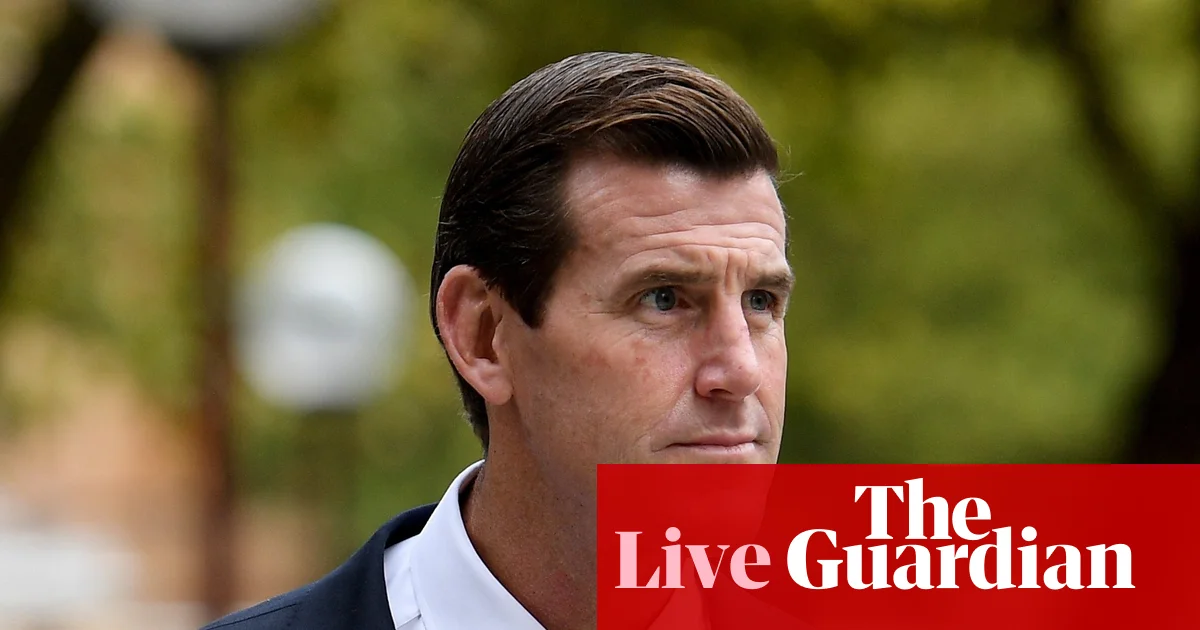
Australia updates: War crimes suspect Ben Roberts-Smith in bail hearing; PM confirms no harsher fuel rules after refinery fire

In a year marked by pivotal geopolitical shifts and domestic upheavals, the international landscape continues to reverberate with profound consequences. Strong leaders and rising nations are increasingly asserting their influence, with decisions made in capitals shaping societies worldwide. Recent developments underscore this reality, as nations grapple with internal crises while vying for supremacy on the global stage. These events serve as a stark reminder that the weight of history is still unfolding, and the decisions of today will echo through future generations.

Across Australia, a nation of both immense natural resources and strategic importance, the government faces significant challenges. The detention and upcoming bail decision for Ben Roberts-Smith, a decorated soldier embroiled in war crime allegations, encapsulate a period of internal conflict and judicial scrutiny. His case draws national attention to issues of military accountability and the societal debate surrounding justice for alleged atrocities committed in Afghanistan. While this legal saga unfolds within Australian borders, it perfectly exemplifies how domestic legal processes are intertwined with international perceptions and diplomatic relations. The outcome could influence Australia’s defense policies and its global standing in addressing war crimes—a matter closely watched by analysts and historians who underscore the importance of accountability in maintaining moral legitimacy.

Simultaneously, the country’s critical fuel infrastructure has been rocked by a fire at the Viva Energy refinery in Corio, Victoria. The blaze, which temporarily reduces petrol and diesel supplies, has ignited fears of escalating energy shortages amid ongoing geopolitical tensions involving the Middle East. The Australian Prime Minister, Anthony Albanese, has reassured the nation that the event will not escalate into harsher fuel restrictions, highlighting the government’s proactive measures to stabilize markets. These include securing extra fuel supplies from regional partners and backing private corporations like BP, which have committed to international investment schemes to boost domestic reserves. Such decisions reflect a broader strategy—one that balances national security with economic resilience, all while navigating global conflicts that threaten regional stability.

International reactions are equally telling. Former U.S. President Donald Trump renewed accusations that Australia had not done enough to support U.S. efforts in the Middle East, casting a shadow over the already tense alliance. America’s role as a geopolitical stabilizer is under scrutiny, particularly as allied nations such as Japan and South Korea ramp up their military spending in response to rising regional threats. Meanwhile, European nations face concerns about the resurgence of classic interstate rivalries with Russia’s renewed assertiveness and China’s expanding influence. International organizations warn that these internal and external disputes threaten to redraw the map of global alliances, pushing nations into new layers of uncertainty. Historians suggest that these conflicts could define the geopolitical narrative of the 21st century, where sovereignty and international power are in a constant state of flux.

As the world stands at this crossroads of history, the decisions made behind closed doors in courts and cabinets today will shape the fabric of societies for decades. The verdict on Ben Roberts-Smith may determine how justice is perceived in military conduct, while energy measures reflect a nation’s resilience amid upheaval. Meanwhile, the dance of diplomacy and accusations between Australia, the U.S., and other powers reveals a fragile international equilibrium—one that could tip into chaos or cohesion depending on the choices of leaders. The unfolding story is a testament to the enduring truth that in the theater of geopolitics, every act echoes in the chambers of history, and the true measure of a nation’s strength lies in how it faces its trials, both close to home and in the shadows of distant conflicts.

UK Tightens Post-Brexit Rules for EU Citizens

The United Kingdom is intensifying its scrutiny of EU citizens under the guise of protecting public services and national sovereignty. Recent moves by British ministers to revoke post-Brexit residency rights of individuals deemed to have “non-continuous” residence threaten to reshape the landscape of immigration and citizenship rights. Legally grounded in the 2020 Brexit withdrawal agreement, this policy shift employs travel data to identify absences, igniting a fierce debate among analysts and advocacy groups about its fairness and accuracy. Critics, led by organizations like the3million, warn that such measures risk targeting innocent citizens based on flawed or misinterpreted data—raising alarms about potential racial bias, bureaucratic errors, and human rights violations.

The core of the controversy lies in the meticulous enforcement of **”continuous residency”** rules. Individuals with pre-settled status, granted before Brexit, can be absent from the UK for up to six months annually without losing their rights, while those with settled status can be outside the country for up to five years. However, recent government efforts aim to tighten these criteria by scrutinizing travel histories—culled from airline manifests and booking records. The Home Office insists this is necessary to curb unlawful immigration abuses and uphold national sovereignty. Yet, international watchdogs and local advocacy groups raise concerns over **data inaccuracies**. The Guardian’s investigation uncovered cases where travel records erroneously suggested absences that never occurred—such as journeys booked but not taken or flights with inconsistent destinations—highlighting the peril of decision-making based on unreliable data.

Furthermore, analysts and legal experts warn that this approach could disproportionately affect EU citizens who often rely on travel for economic, family, or work reasons but might be penalized due to administrative inaccuracies or unintentional absences. The Independent Monitoring Authority and other watchdog groups have voiced concerns about the fairness and transparency of this enforcement. Miranda Biddle, the agency’s chief executive, emphasized the stress and uncertainty this causes for affected individuals, prompting calls for safeguards and more nuanced decision-making. Meanwhile, the National Audit Office has launched an investigation into HMRC’s use of flawed border data—an echo of past government missteps and a reminder of the systemic risks intertwined with big data-driven enforcement.

The geopolitical impact of this crackdown extends beyond domestic borders. For EU nations and their citizens, it serves as a stark reminder of how post-Brexit policies are redefining rights and sovereignty. How the UK manages this delicate balance between national security and individual rights will undoubtedly influence international relations and the future of European integration. Historians and analysts warn that such measures, if mishandled, could sow longstanding distrust among EU citizens residing in the UK and potentially embolden nationalist sentiments elsewhere. As the UK’s global standing navigates these internal upheavals, the broader question remains: How will a nation reconcile its sovereign priorities with the rights of its expatriate populations? These developments carry the weight of history, a stark reminder that decisions made today shape the fabric of international relations for generations to come.

India’s New Digital Rules Target Social Media Posts, Shaping Online News and Politics

In the rapidly evolving landscape of international digital policy, India’s recent regulatory developments signal a turning point with significant geopolitical implications. As global platforms grapple with compliance in India, a nation boasting over a billion citizens, the balance of power in digital sovereignty is shifting decisively. Critics argue that pressing market access has driven platforms to conform, but at what cost to freedom of speech and legal accountability? This strategic move by New Delhi underscores the broader direction of state control over global online spaces, positioning India as both a burgeoning digital frontier and a case study in authoritarian-leaning regulation.

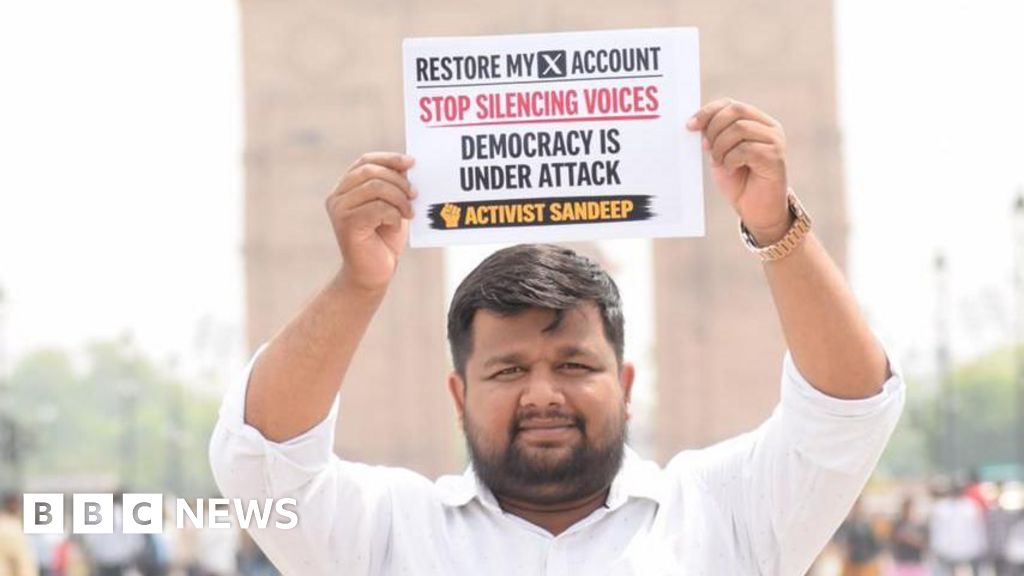
According to digital policy analyst Pahwa, “Keen to preserve market access in India, platforms comply. Citizens whose speech is restricted receive no notice, no hearings, no reasons, and neither government nor platforms can be held to account by a legal system that is increasingly outpaced by regulatory agility.” This stark commentary exposes a critical conflict between corporate interests and individual rights within the world’s most populous democracy. As India’s authorities tighten their grip, international observers warn that the erosion of due process and transparency could set a dangerous precedent, intensifying global tensions around digital governance.

The geopolitical impact extends far beyond India’s borders. Major technology firms face a dilemma: to align with national directives risking foreign brand integrity, or to push back against policies seen as infringing on fundamental freedoms. International agencies like The United Nations have expressed concern over the rise of unilateral regulatory measures. Historian O’Connor warns that such trends might catalyze a fragmentation of the global internet, threatening interoperability and cross-border cooperation. Furthermore, analysts suggest that India’s approach might inspire other nations with similar ambitions to prioritize state control over a free digital arena, thereby reshaping the core principles upon which the internet was built.

As these developments unfold, the world stands at a crossroads. With domestic policies tightening and international repercussions mounting, the future of global digital landscapes remains precarious. The decisions made today in India will influence markets, societies, and the very fabric of international relations. The weight of history presses down, and how India’s government balances sovereignty, economic growth, and civil liberties will determine whether the global order will remain united or fracture into isolated spheres of control. As the digital age advances, the core question endures: will this new wave of regulation become a catalyst for authoritarian consolidation, or a step toward more accountable governance? Only time will judge if the choices taken now will forge a future of liberty and openness, or usher in a new era of digital dominance wielded by increasingly powerful states.

Parents of tragedy victims demand tougher minibus safety rules

Community Outrage Sparks Call for Educational Transport Reforms After Tragic Loss of Students

The tragic death of 13 students from a Hagley school in a recent bus accident has reignited long-standing debates about the safety standards governing school transportation. What was initially a community tragedy has now become a catalyst for urgent calls to reform existing policies surrounding how teachers and school staff commute. As families mourn and community members grapple with the profound sense of loss, voices demanding systemic change have begun to echo nationwide, highlighting the often overlooked vulnerabilities within our education system’s logistical framework.

This incident sheds light on the broader implications of how social & institutional structures impact families, educators, and the safety of our youth. In many cases, these tragedies expose patterns rooted in underfunded infrastructure and regulatory gaps that prioritize convenient scheduling over student security. Historically, rural and underserved communities have faced disproportionate risks due to limited resources, a reality social commentators and sociologists have criticized as a systemic failure to protect the most vulnerable. Parents and guardians are now demanding stricter oversight and mandatory safety standards for school-related transportation, emphasizing that the health and safety of children should never be compromised for expedience or budgetary constraints.

In response to this crisis, many are advocating for policy changes that might include

  • Mandatory seatbelt installation on all school buses
  • Enhanced driver training and certification programs
  • Regular safety audits and inspections
  • Restrictions on teacher or staff commutes in private vehicles without proper safety measures

Representatives of local communities suggest that these measures are not merely logistical improvements, but vital components of a moral duty to uphold the ethical responsibility of safeguarding our youth. Social scientist Dr. Lauren Myers states that “public safety policies reflect our collective moral fabric; when we neglect them, we threaten the future of our society itself”. At the core of this discourse lies the question of cultural values concerning safety, responsibility, and childhood protection. As the social fabric evolves, the imperative to protect our future generations becomes a shared moral obligation, urging schools, governments, and communities to move from reactive measures to proactive reforms.

As we confront the social issue of youth safety in the context of education, it remains clear that the path forward must involve more than policy changes; it demands a societal shift in how we value and invest in our children’s safety and well-being. While families mourn and communities seek justice, there lingers a quiet hope — that through collective effort and principled action, society can turn tragedy into an awakening. In this moment of profound loss, hope resides in the recognition that meaningful change can transform our communities into safer, more resilient spaces for generations yet to come. Society’s response to this tragedy will ultimately reflect our moral clarity and commitment to safeguarding the most precious amongst us — our children.

Judge rules Pentagon's press restrictions violate First Amendment rights
Judge rules Pentagon’s press restrictions violate First Amendment rights

U.S. Pentagon Tightens Media Access: A Shift in Military Transparency

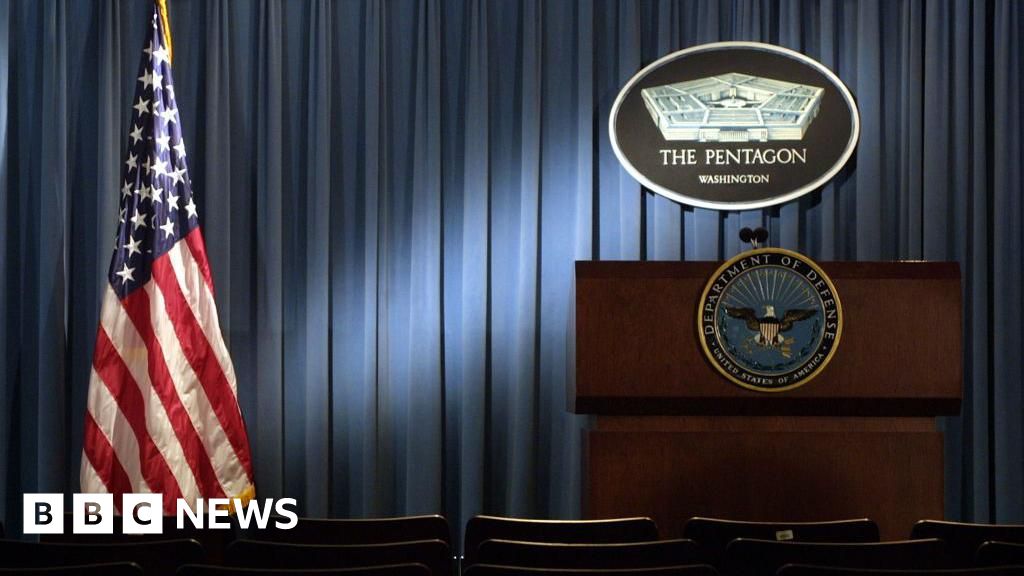
In a move that signals a significant alteration in the relationship between the United States military and the global press, the Department of Defense (DoD) has imposed new restrictions on journalists seeking to report from the Pentagon. Historically, the U.S. military maintained a careful balance—limiting access while allowing enough transparency for media outlets to cover ongoing operations, policy debates, and national security issues. However, recent developments indicate a shift towards a more controlled environment, with reporters now required to agree to specific rules governing what information they can gather, share, or publish to retain access to the military’s most sensitive institutions.

The new policy, which has sparked concern among press freedom advocates and international observers, emphasizes strict adherence to guidelines that curtail interviews, restrict photography, and limit coverage of certain military activities. This approach, critics argue, threatens to impoverish public understanding of military operations and undermine accountability—a cornerstone of democratic oversight. Analysts from the International Institute for Strategic Studies and other think tanks have expressed alarm, suggesting that such restrictions could set a precedent for other nations seeking to tighten their control over military-media relations, especially those under increasing geopolitical pressure.

Geopolitical Repercussions and International Impacts

The geopolitical impact of this policy shift extends beyond the borders of the United States. In an era of intensifying global conflict—where information warfare and cyber operations are often as decisive as kinetic engagements—control over military narratives can influence international perceptions and diplomatic leverage. Countries like Russia and China, which have long engaged in information suppression to consolidate power internally and project strength externally, will certainly observe this move with keen interest.

According to prominent military historian Dr. Elizabeth Harrington, this policy could diminish U.S. credibility in international alliances that rely heavily on transparent communication, such as NATO. Moreover, the decision risks fueling anti-American sentiment among allies and adversaries alike, who may interpret this move as an attempt at greater seclusion and secrecy. Such perceptions are critical; they shape the diplomatic chessboard where perception often determines strategic advantage. International organizations like the United Nations and Global Journalism Network have voiced concerns, warning that increased restrictions might embolden other nations to pursue similar policies, further complicating the global information landscape.

Decisions at the Crossroads of Power and Transparency

The decision to require journalists to agree to specific rules before gaining access to the Pentagon underscores a fundamental dilemma faced by modern democracies—balancing national security with transparency. While the U.S. government asserts that these measures are necessary to safeguard sensitive information and operational security, critics contend that they threaten the vital checks and balances essential to democracy. History shows that overly restrictive control over information often backfires, creating suspicion and eroding public trust.

Internationally, these developments align with a broader trend of increased state control over information—an approach driven by fears of internal dissent and external manipulation. As China and Russia consolidate their narratives and suppress dissent, the United States risk losing its position as a global beacon of free press. The decisions made today set precedents for the future, shaping the delicate balance of power and accountability for generations to come. The world watches as history unfurls—an unfolding narrative that could redefine the very essence of transparency in an age dominated by shadows and secrets.

As the dust settles and new narratives are formed, one thing remains clear: the choices the United States makes now will resonate, shaping international stability, societal trust, and the very fabric of a free society. In this critical juncture, the weight of history hangs heavy—a story still being written, with every new line revealing the true cost of power and the price of transparency in an increasingly divided world.

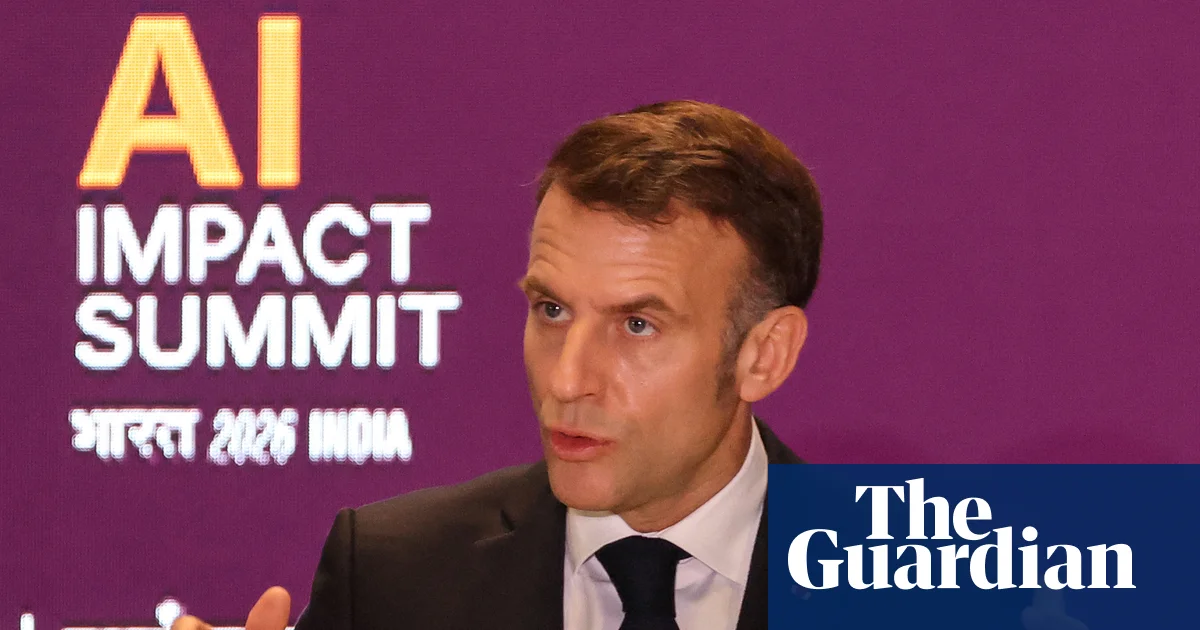
Macron backs EU AI rules, pledges swift action against online child abuse

Europe and France Assert Leadership in AI Safety Amid Global Contest

In a rapidly evolving global landscape dominated by artificial intelligence advancements, Europe and France are positioning themselves as formidable frontrunners in establishing a balanced approach to regulation and innovation. During the recent G7 summit hosted by France, President Emmanuel Macron boldly defended Europe’s commitment to safeguarding children and promoting responsible AI development. His remarks come amidst mounting international concern over the unchecked proliferation of AI-generated content, especially concerning the exploitation of minors and the concentration of power within a handful of US and Chinese tech giants. Macron’s advocacy for robust safeguards signals a clear intention to champion a safe and innovative digital future—an agenda that resonates across democracies weary of reckless techno-capitalism fueling societal vulnerabilities.

International observers, including the United Nations Secretary General António Guterres, have underscored the urgency of global cooperation, emphasizing that “no child should be a test subject for unregulated AI.” The UN’s stance — echoing concerns raised by child safety advocates and cybersecurity researchers — underscores that AI must be “the property of everyone,” not just a domain of corporate or geopolitical interests. Meanwhile, Bill Gates, prominently scheduled to speak at the conference, withdrew suddenly amid revelations regarding his controversial past associations, illuminating broader debates around accountability in the AI industry. Critics argue that true progress hinges on transparency and moral responsibility, realities often sidelined by the concentration of AI development within American and Chinese tech conglomerates, which control the lion’s share of the world’s most advanced models.

Decisions on Regulation Will Define Power and Influence in the 21st Century

Amid these debates, the European Union remains at the forefront with its AI Act, a comprehensive regulatory framework aimed at curbing abuses and ensuring human-centric AI development. European leaders, including Macron, emphasize that regulation does not stifle innovation but rather cultivates a safer environment where progress can flourish sustainably. Critics from the White House—like senior adviser Sriram Krishnan—have voiced opposition, arguing that restrictive legislation hampers entrepreneurial spirit. Yet, as historians highlight, history demonstrates that unchecked technological power can lead to societal destabilization, especially when AI technologies morph into tools for manipulation or surveillance. UNICEF and Interpol reports reveal a deeply troubling trend: over 1.2 million children have been victims of sexually explicit deepfakes, exposing the dark underbelly of AI misuse. Such alarming findings underscore the crucial need for vigilant regulation and international cooperation, so that societies do not pay the ultimate price for corporate greed or geopolitical ambitions.

Meanwhile, global powers like India seek to carve out their rightful place on the AI stage. With ambitious plans to invest over $15 billion in data centers and infrastructure, India under Prime Minister Modi aims to become a major AI hub, leveraging its vast population as both a growth market and a testing ground for emerging technologies. Modi’s call for “established levels of authenticity” for online content illustrates a strategic move to prevent AI monopolies from consolidating control—especially at a time when US models remain fiercely proprietary and opaque, while Chinese systems like DeepSeek and Qwen are often more open-source and adaptable. Such divergences not only impact technological sovereignty but also signal a new era of geopolitical contest, where AI’s strategic value could shape the future balance of power.

The Face of a New World Order Emerges

The unfolding debate over regulation, transparency, and moral accountability marks a pivotal juncture in history—one where the fabric of society, sovereignty, and individual rights hang in the balance. As world leaders and tech titans grapple with the profound responsibilities imposed by AI’s limitless potential, the decisions made today will echo throughout generations. With each new directive, each law, and each technological breakthrough, humanity strides into an uncertain dawn—where the fate of countless lives and the ideals of freedom, safety, and truth are intricately intertwined. In these tumultuous moments of technological revolution, the true measure of a civilization’s resilience lies not only in its innovations but in its unwavering commitment to safeguarding its people from the unseen dangers lurking within the code of the digital age. The history of tomorrow is being written now; the question remains—will it be a future of liberty and safe progress or one of control and chaos? Only time will tell, and the pages of history are still turning.

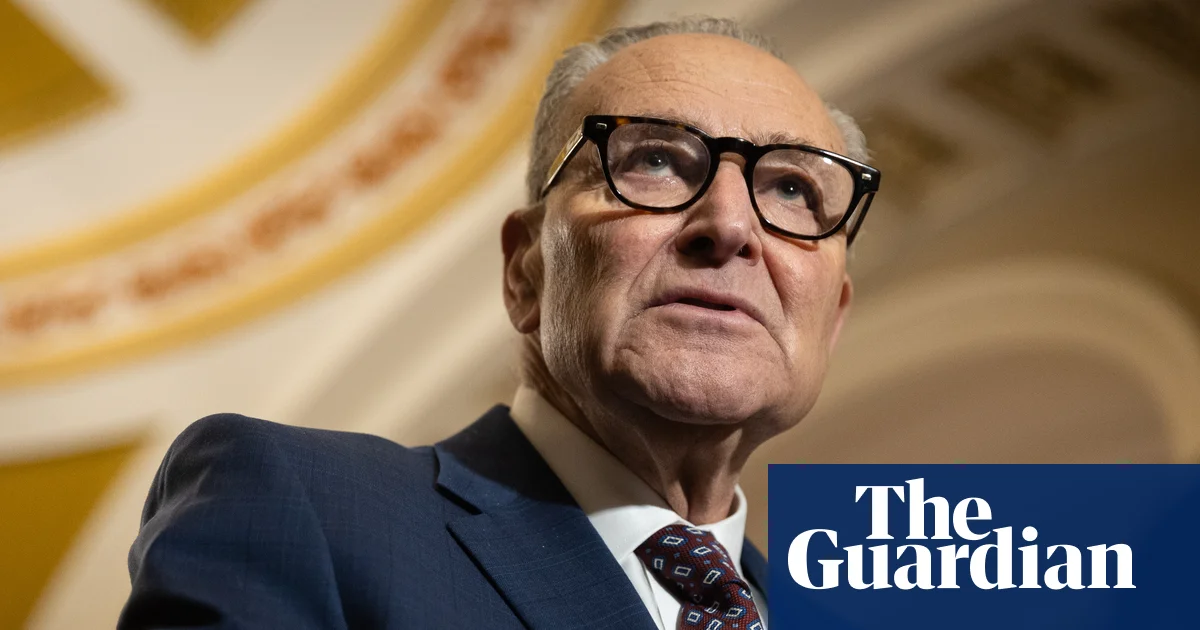
Senate OKs Deal to Keep Government Open and Tackle ICE Rules

The United States faces a pivotal juncture as the Senate has approved a crucial government funding package amidst rising domestic turmoil. The approval, in a 71-29 vote, signals an unusual moment of bipartisanship, reflecting the heightened tensions surrounding nationwide debates over immigration enforcement and the role of federal agencies such as ICE. This legislative maneuver comes against the backdrop of a series of tragic incidents, notably the deaths of Alex Pretti and Renee Good—both American citizens killed amidst federal police operations in Minneapolis. These events have ignited debate over police and enforcement accountability, exposing the complex intersection of immigration policies and civil rights, and highlighting the potential long-term geopolitical impact of American internal conflicts.

Despite the Senate’s convergence, the legislation faces uncertainty in the House of Representatives, which is currently out of session. A looming partial shutdown threatens to paralyze government functions if disagreements persist. As the Biden administration and Republican lawmakers grapple over DHS funding and reforms, many Democrats are pushing for reforms that would impose transparency and accountability measures—such as mandatory body cameras and restrictions on aggressive patrol tactics. Historians and analysts warn that these internal struggles may not merely affect domestic governance but could ripple globally by undermining the perceived stability and moral authority of America on the world stage. The ongoing debate underscores an enduring truth: that internal American conflicts often serve as a mirror for geopolitical shifts, especially with rival powers like China and Russia closely watching.

In an intriguing twist, prominent figures like Senator Bernie Sanders sought to reallocate military-grade funds toward domestic priorities like healthcare, symbolizing a broader contest over America’s resource allocation and values. While the Senate approved the budget with bipartisan support, division persists, especially among Republicans eager to attach conservative legislation such as the Save Act. The possible inclusion of restrictive voting laws and other conservative measures threaten to deepen the internal divide, with analysts warning that the outcome will shape America’s future on multiple levels. As Senator Schumer advocates for targeted reforms, Republicans warn that any capitulation to progressive demands could fracture their fragile majority—raising fears that a failure to unify might not only cause a shutdown but also signal a broader political realignment.

Meanwhile, the global implications of this domestic crisis are profound. China and Russia observe these power struggles with keen interest, recognizing that American internal divisions weaken the nation’s capacity to project power and influence. The bipartisan disagreements over immigration enforcement and government spending highlight how internal reform debates serve as a precursor to broader geopolitical trends. As former historians and international observers warn, these internal fissures threaten to diminish America’s standing on the global stage, emboldening adversaries and testing alliances with traditional partners. The current crisis is not merely about budget bills—it is a mirror reflecting the profound uncertainties looming over the world’s most powerful democracy. History remains unwritten, and the weight of the future now hangs heavily in the balance, as the US edges closer to another defining moment in its tumultuous saga.

Trump admin hints it may back off from challenging state AI rules

U.S. Federal Push to Standardize AI Regulation Sparks Industry Debate

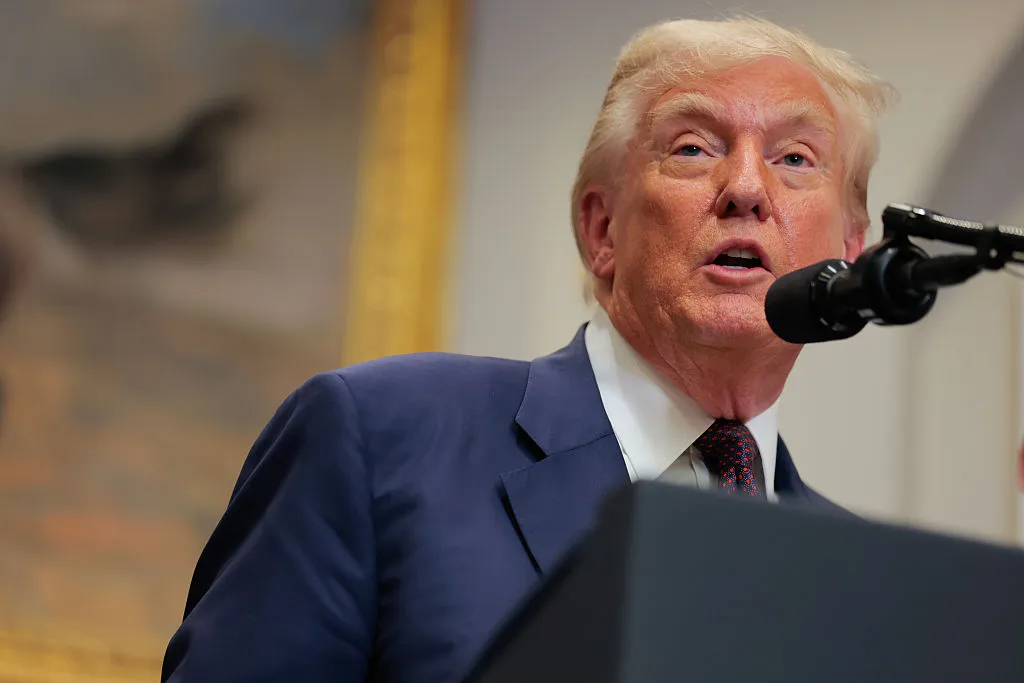
The current trajectory of artificial intelligence (AI) regulation in the United States signals a pivotal shift toward centralized oversight, with the Trump administration advocating for a unified federal standard. In a recent social media post, former President Donald Trump emphasized the necessity of moving away from a patchwork of state-level laws, calling for “one Federal Standard” to streamline AI governance. This initiative underscores a major departure from the decentralized regulatory landscape that has characterized the industry, potentially setting a precedent for how innovation will be managed at the national level.

Historically, the idea of a federal approach was rooted in the administration’s earlier legislative attempts, such as the proposed “Big Beautiful Bill,” which included a decade-long ban on state AI regulations—a measure seeking to preempt local restrictions and foster nationwide industry growth. Although this specific measure was ultimately removed by the Senate in a rare bipartisan vote (99-1), the renewed push signals an urgent effort to suppress what industry insiders see as disruptive, often inconsistent, state laws that could stifle technological innovation and market expansion. The move appears to be motivated by fear of regulatory fragmentation impeding the competitive edge of American AI firms against global rivals, particularly China and Europe, which are investing heavily in setting comprehensive AI standards.

Disruption Strategies: Litigation and Funding Leverage

According to reports from CNBC and Reuters, the administration is considering aggressive tactics to enforce federal dominance, including the drafting of an executive order that would create an AI Litigation Task Force. This body would have the authority to challenge state-level AI laws through lawsuits, potentially disrupting local jurisdictions that seek to implement their own regulations. Additionally, the executive order aimed to wield financial influence by threatening to withhold crucial federal broadband funding from states that resist federal standards, a move interpreted as a strategic effort to consolidate control over the AI ecosystem.

  • Milestones: Drafting of executive orders aimed at legal challenges
  • Tools: Federal funding leverage to influence state policies
  • Implications: Disruption of grassroots and local innovation efforts

Such aggressive measures, however, face mounting opposition within Congress and the private sector. Notably, Republican lawmakers—who previously criticized a proposed moratorium on state AI regulation—are wary of overreach and the potential stifling of regional innovation hubs. The political pushback reflects tension between fostering innovation freedom and ensuring national security and ethical standards in AI deployment. Major industry analysts, including those from Gartner, warn that such centralized control may hinder disruptive innovation in emerging AI sectors such as autonomous vehicles, biotech, and cybersecurity tools.

Business Implications and the Future Trajectory

The strategic push for federal AI regulation could reshape the American tech landscape, positioning the United States as a global leader in setting standards—yet risking environmental and entrepreneurial stagnation. Firms based in states wary of federal overreach—like California and Texas—may face increased regulatory uncertainty, potentially forcing relocations or strategic shifts in R&D investments. Behind the scenes, industry giants like OpenAI and Tesla are closely monitoring the legislative environment, knowing that heavy-handed regulation could either hinder innovation or provide clarity that accelerates deployment and commercialization of breakthrough AI products.

The trajectory of AI regulation in the U.S. is emblematic of the broader disruption the industry faces—balancing top-down governance with bottom-up innovation. As political actors and industry leaders scramble to define the rules of the game, the collective impact will determine whether America maintains its technological dominance or surrenders ground to more agile, less regulated competitors. Forward-looking executives, investors, and technologists should be prepared for rapid shifts, driven by policy decisions that could either catalyze or constrain the next wave of AI breakthroughs. With technology advancing at breakneck speed, the window for strategic positioning is narrow, making the next few months critical for shaping the future of AI governance and its business implications.

Trump’s FCC drops cybersecurity rules amid Chinese hack fears — a bold move for youth, tech, and free markets

FCC’s Cybersecurity Rollback Sparks Industry Disruption and Security Concerns

In a bold move signaling a shift in U.S. telecommunications policy, the Federal Communications Commission (FCC) voted 2-1 along partisan lines to rescind critical cybersecurity regulations previously enacted under the Biden administration. The decision, championed by the FCC’s two Republican commissioners, Brendan Carr and Olivia Trusty, effectively removes mandatory security standards aimed at safeguarding phone and internet networks from unlawful access and cyber threats. This strategic rollback aligns with a broader trend of deregulation in the tech sector, emphasizing market-led resilience over prescriptive government intervention.

The regulatory shift arrives amidst an escalating threat landscape, notably exemplified by the Salt Typhoon hacking campaign attributed to China-backed adversaries. This sophisticated operation compromised over 200 US telecommunications firms, including giants such as AT&T, Verizon, and Lumen. Hackers targeted fundamental infrastructure, including wiretap and surveillance systems mandated for law enforcement, exposing the fragility of existing security protocols. Industry analysts, including Gartner and MIT cybersecurity experts, warn that such vulnerabilities could be exploited further if regulatory oversight diminishes.

Adding complexity to the industry’s response are divergent opinions among policymakers. Democratic FCC commissioner Anna Gomez opposed the rollback, arguing it reverses the only meaningful cybersecurity efforts against nation-state cyber espionage. Critical voices, including Senators Gary Peters and Mark Warner, expressed alarm that deregulation will undermine national security, leaving critical communication channels exposed. Their assertions underscore a persistent industry question: Will market forces alone suffice to defend against increasingly sophisticated cyber threats, or is strategic regulation indispensable? Conversely, the NCTA, representing the telecommunications industry, welcomed the move, asserting that the existing rules were overly prescriptive and hampered innovation.

From a technological perspective, this deregulation potentially signals a disruptive phase for the industry, where innovation, rather than regulation, becomes the primary driver of security advancements. Cutting-edge solutions—such as AI-powered anomaly detection, blockchain-based integrity checks, and decentralized security architectures—are poised to redefine cybersecurity landscapes. Disruption driven by market competition could accelerate the deployment of these technologies, positioning nimble firms as leaders in the new security paradigm. Notable industry figures, including Elon Musk and Peter Thiel, have long championed decentralized innovation—foreshadowing a future where private entities spearhead cybersecurity guardrails, rather than bureaucratic mandates.

Looking forward, the industry faces a pivotal moment: balancing innovation and disruption with the safeguarding of national security interests. Policymakers, industry leaders, and technologists must collaborate to ensure that market-driven solutions do not come at the expense of foundational infrastructure resilience. As hackers refine their methods and geopolitical tensions escalate, the window narrows for meaningful action. The future of U.S. cybersecurity in telecommunications depends on adopting a proactive, forward-thinking approach that leverages technological innovation while maintaining robust safeguards—an urgent call for strategic agility in an increasingly volatile digital landscape. The coming months will determine whether deregulation fosters a pioneering security ecosystem or exposes critical vulnerabilities, with profound implications for the global tech frontier.

Andy Burnham Urges Labour to Drop Restrictive Asylum Rules — UK Politics Live

The UK’s Political and Immigration Innovations Signal a Shift in Global Power Dynamics

In an era characterized by relentless geopolitical transformation, the United Kingdom stands at a critical crossroads. Recent decisions emanating from Westminster exemplify a broader trend among Western nations striving to redefine their social fabric and geopolitical influence. The UK’s immigration policy reforms, coupled with efforts to reshape its political landscape, underscore a strategic repositioning—aimed at bolstering national sovereignty and economic resilience amid the evolving international order.

Central to these developments is Home Secretary Shabana Mahmood’s announcement of dramatic changes in migration rules. These measures, set to double the waiting period for indefinite leave to remain from five to ten years, and enforce stricter language and criminal record requirements, signal the government’s intent to prioritize control over sovereignty and social stability. Analysts like Dr. James Tennant, a geopolitical strategist, argue that such policies are designed to reinforce national borders against the destabilizing influxes that characterize unchecked migration flows. In essence, these reforms are not merely domestic adjustments but a calculated move to assert post-Brexit independence, signaling to global actors that the UK will prioritize sovereignty over open borders.

Yet, this shift is not happening in isolation. Andy Burnham, the mayor of Greater Manchester, reflected widespread sentiment among pragmatic leaders who see the long-term implications. Burnham, a prominent figure vying for Labour leadership, explicitly voiced concern over the proposed 20-year waiting period for settlement—highlighting how prolonged limbo could hinder national integration efforts and strain public resources. His stance exemplifies the mounting tension between those advocating for controlled immigration and those emphasizing social cohesion and economic stability. The ongoing debate vividly illustrates how internal policies are grappling with the geopolitical need to project strength while maintaining societal resilience.

Furthermore, the broader international context amplifies the significance of these shifts. Many analysts, including members of the International Institute for Strategic Studies (IISS), interpret these measures as part of a strategic calculus—aimed not only at bolstering domestic security but also at asserting the UK’s post-pandemic global stance. This recalibrated approach suggests a move away from the legacy of open-door policies, favoring instead a model aligned with traditional nationalist principles. Historically, nations that have prioritized sovereignty and robust border controls have often repositioned themselves to wield greater influence in global affairs. The UK’s renewed focus on internal control reflects a desire to reassert its influence in an increasingly multipolar world—balancing relationships with peer powers and regional allies.

As history continues to unfold, these decisions evoke echoes of earlier moments—when nations chose sovereignty over globalization. From the unrest of post-war Europe to the rise of nationalist movements, the trajectory of nations often hinges on their leadership’s willingness to assert control amidst international chaos. Historians warn that such policies, if poorly managed, could deepen societal divisions or provoke retaliatory measures from trading partners. Nonetheless, the current course signals that **the UK is eager to carve an independent path**, shaping a future where its influence is defined less by its proximity to Bruxelles and more by its strategic national interests.

The stakes are monumental. As Britain crafts its new identity—leaning into strength, sovereignty, and renewed national pride—the world watches with bated breath. The decisions taken today are not isolated; they are the threads woven into the fabric of history, setting a precedent for how nations respond to a shifting global landscape. In the shadows of these policies lies the promise—and peril—of a future shaped by bold choices. History’s pen continues to write, and the pages ahead will reveal whether Britain’s gamble will forge resilience or deepen its divisions. Either way, the unfolding story will mark a defining epoch in international history.

Social Media Auto Publish Powered By : XYZScripts.com